The best city hikes and walks around Pfullingen
4.6
(8987)
32,894
hikers
9
hikes
Urban hiking trails around Pfullingen are set within the diverse landscape at the foot of the Swabian Alb, a UNESCO Biosphere Reserve. The region features the meandering Echaz River Valley, leading towards the dramatic Albtrauf escarpment. Hikers will find a mix of dense forests, open meadows, and unique geological formations like Kalktuff deposits. Prominent natural features include the volcanic Georgenberg hill and the Wackerstein, offering expansive views.
Best urban hiking trails around Pfullingen
- The most popular urban hiking route is…
Last updated: September 30, 2026
4.8
(6)
29
hikers
Easy hike. Great for any fitness level. Easily-accessible paths. Suitable for all skill levels.
5.0
(1)
7
hikers
Easy hike. Great for any fitness level. Easily-accessible paths. Suitable for all skill levels.

3.0
(1)
10
hikers
Easy hike. Great for any fitness level. Easily-accessible paths. Suitable for all skill levels.
4.5
(2)
22
hikers
Easy hike. Great for any fitness level. Easily-accessible paths. Suitable for all skill levels.
4
hikers
Easy hike. Great for any fitness level. Easily-accessible paths. Suitable for all skill levels.
Get access to more routes and recommendations from other explorers.
Already have an account?
Our route recommendations are based on thousands of hikes, rides, and runs completed by other people on komoot.
Start today with a free account
Your next adventure awaits.
Popular around Pfullingen
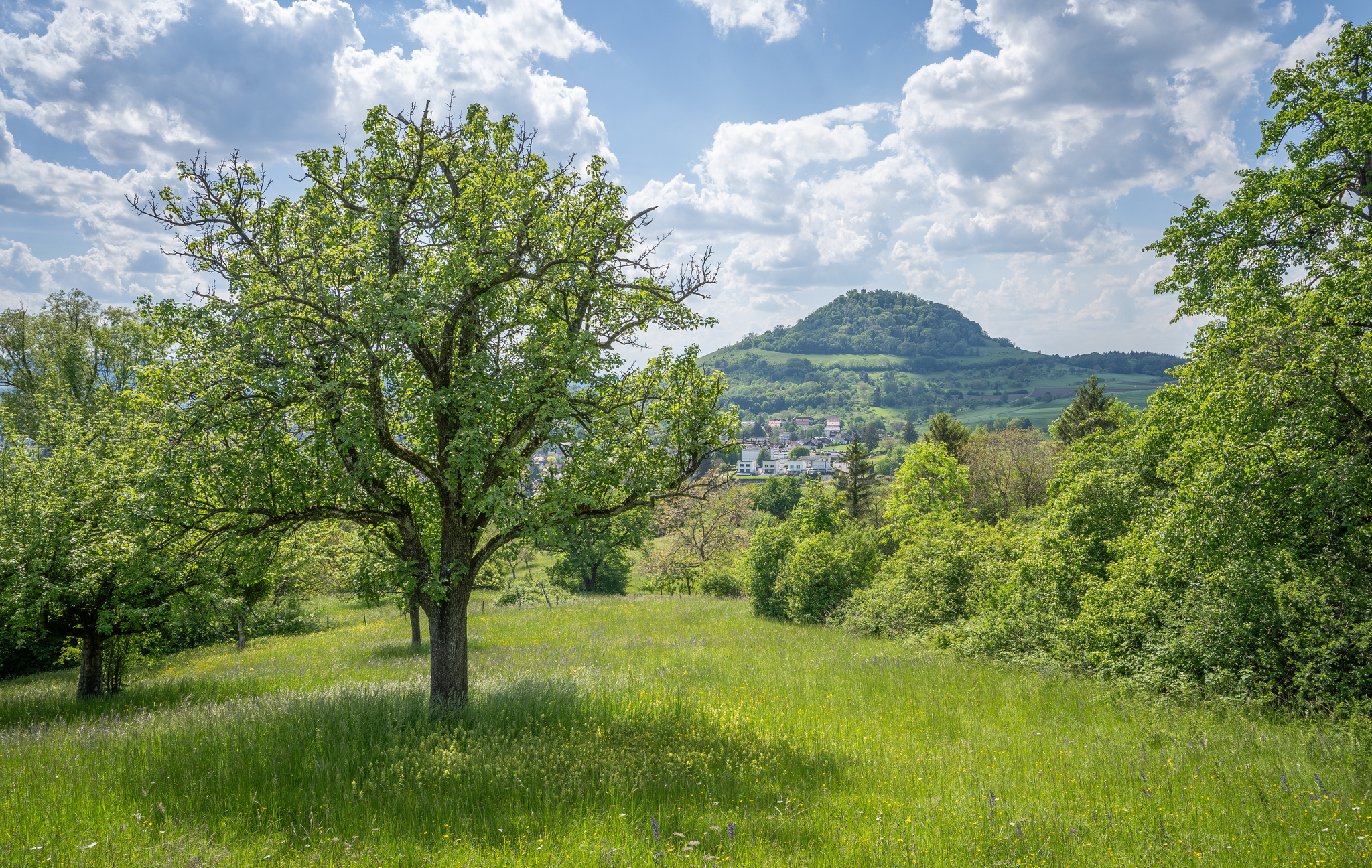
Natural splendour on the Hochgehbergen
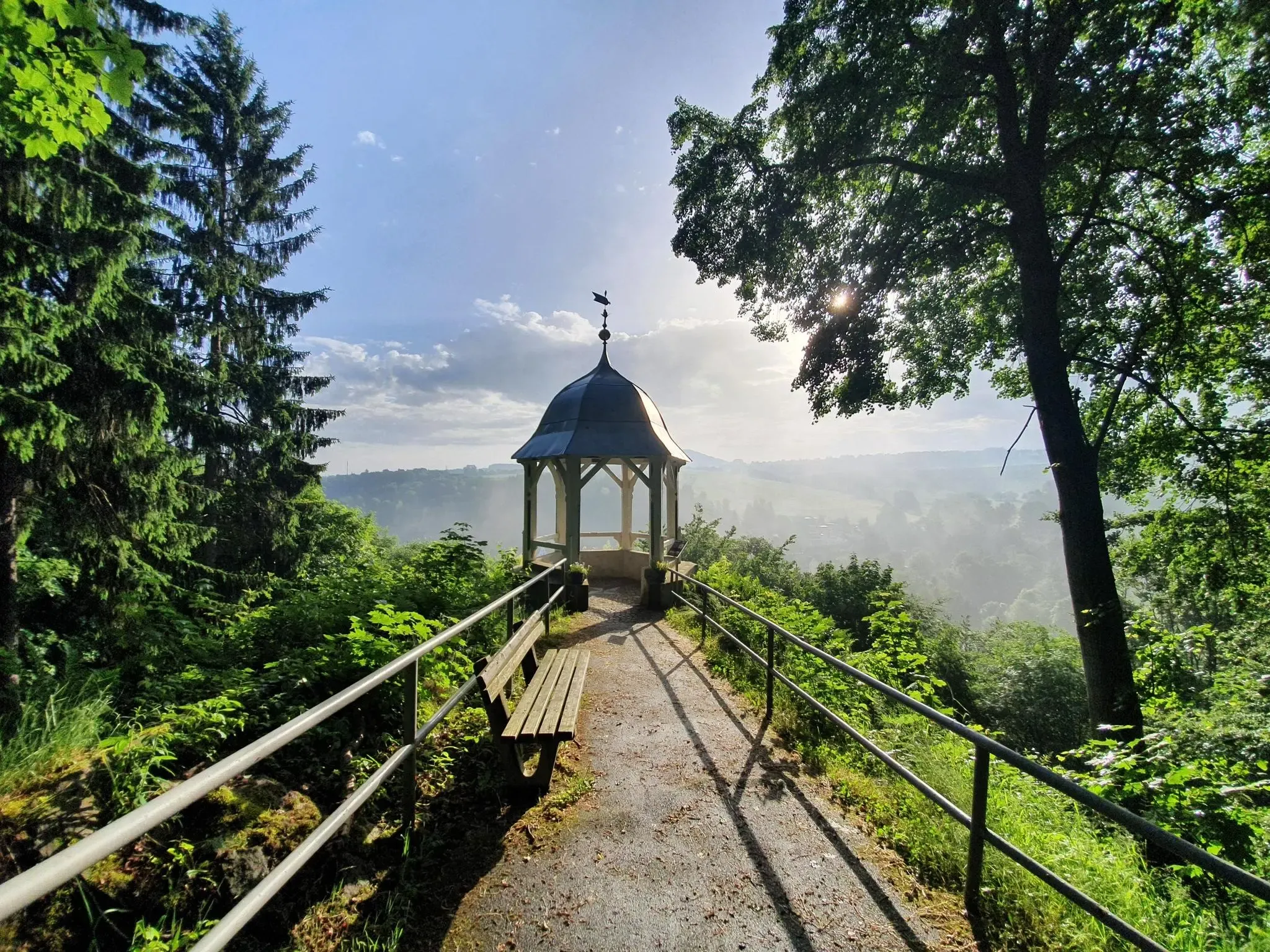
#GoFurther – discover the views of Germany!
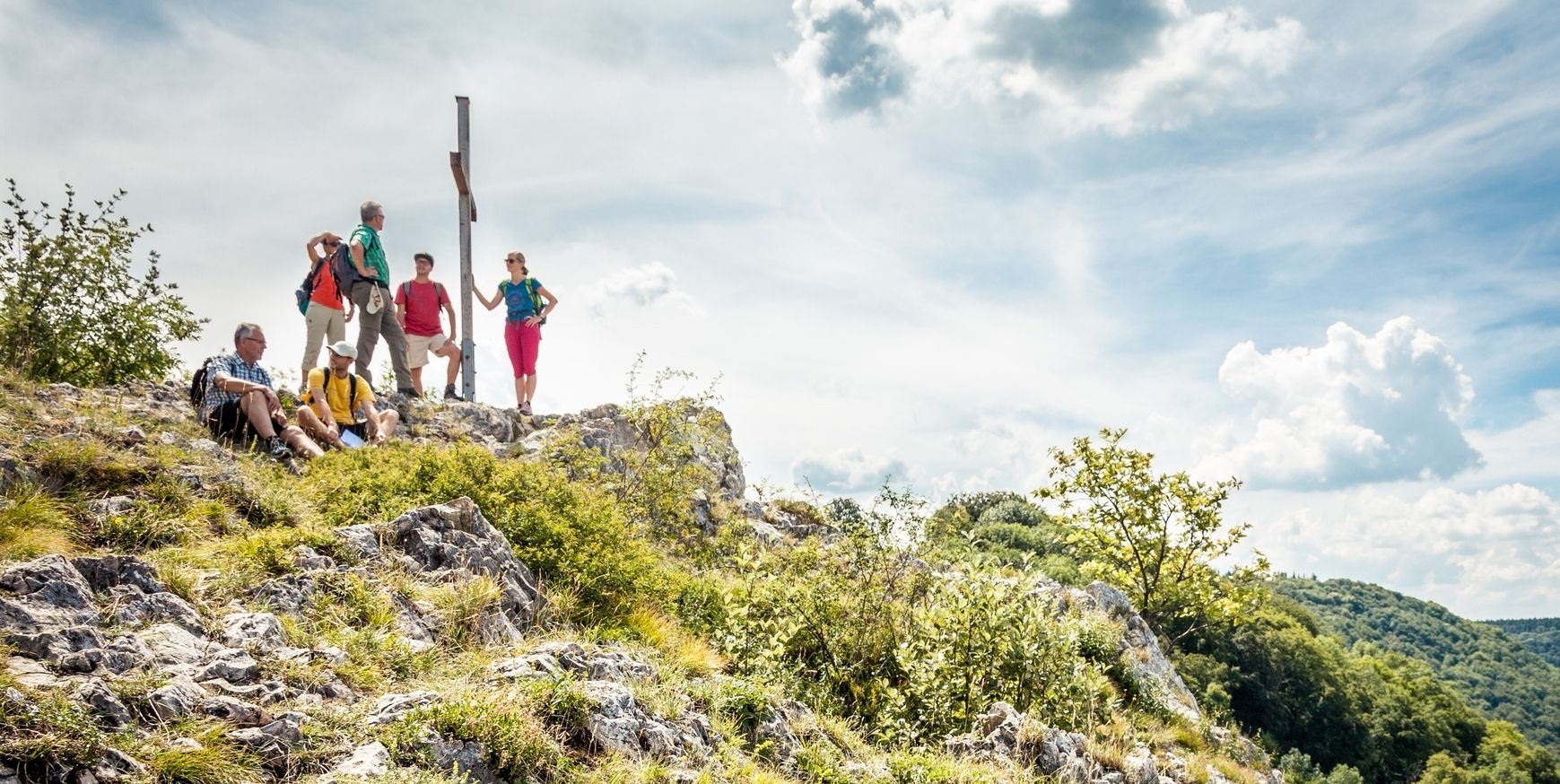
22 high mountain walks — hiking in the Swabian Alb
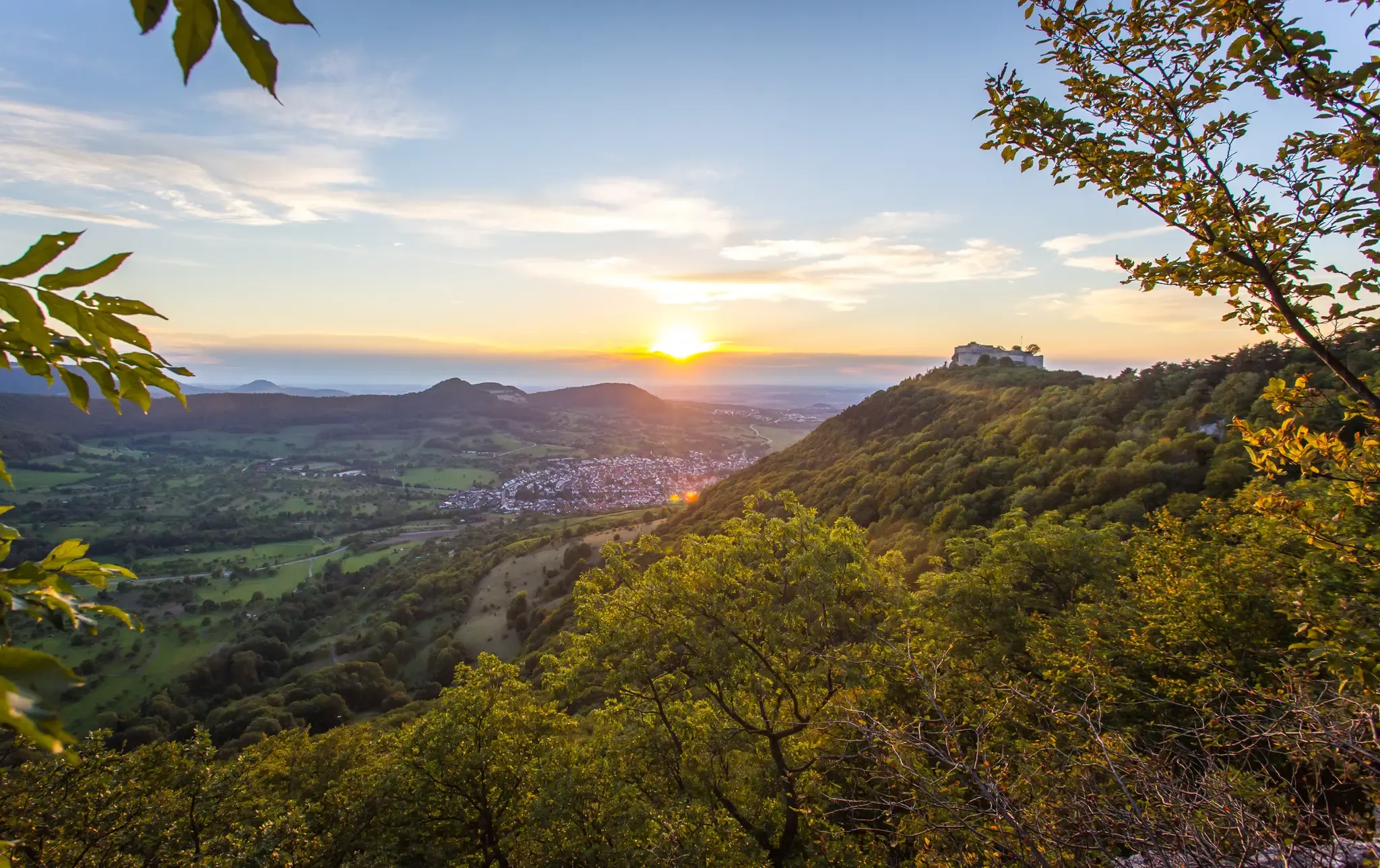
Beautiful fall hikes around Stuttgart
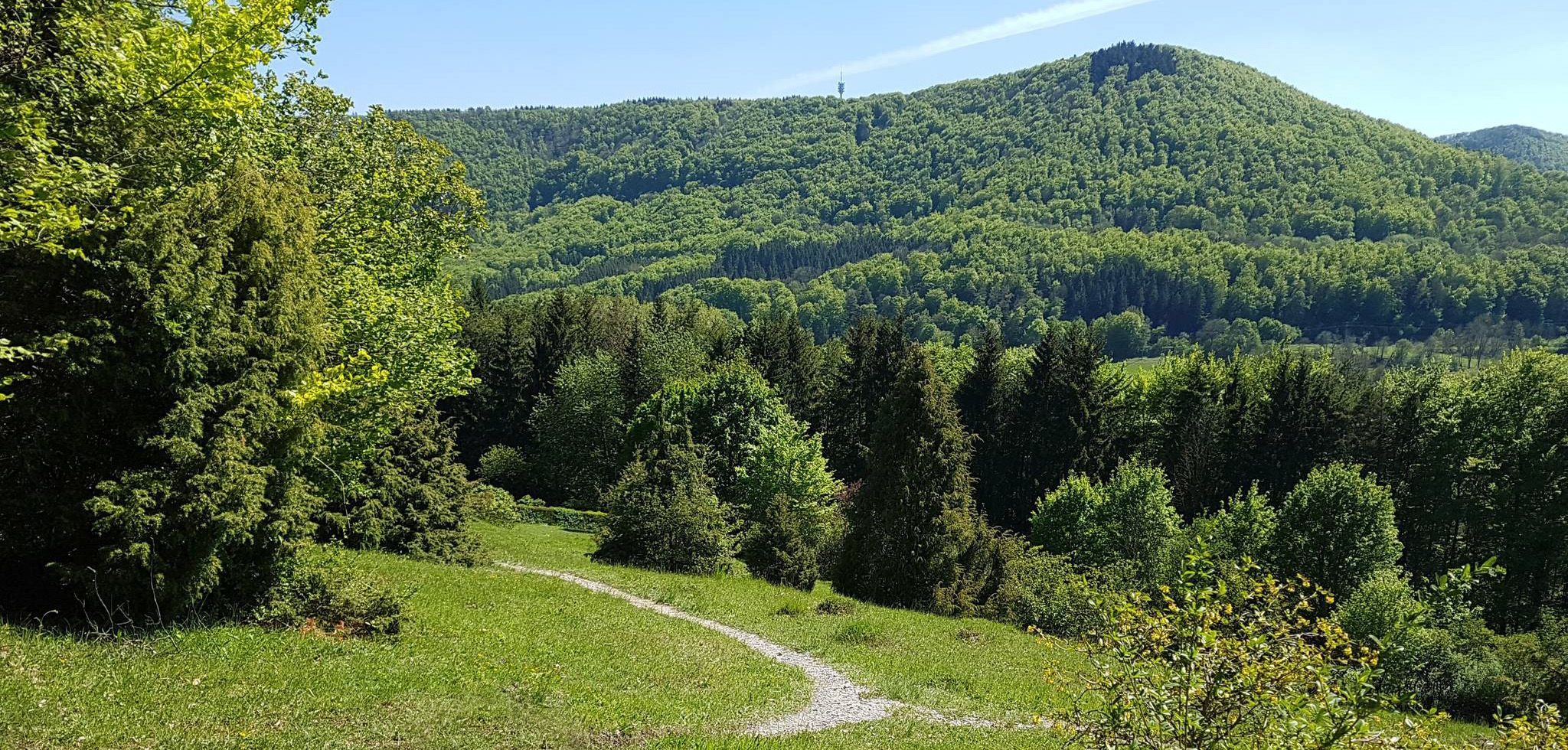
Spätzle Cross — 7 days on the Swabian Alb
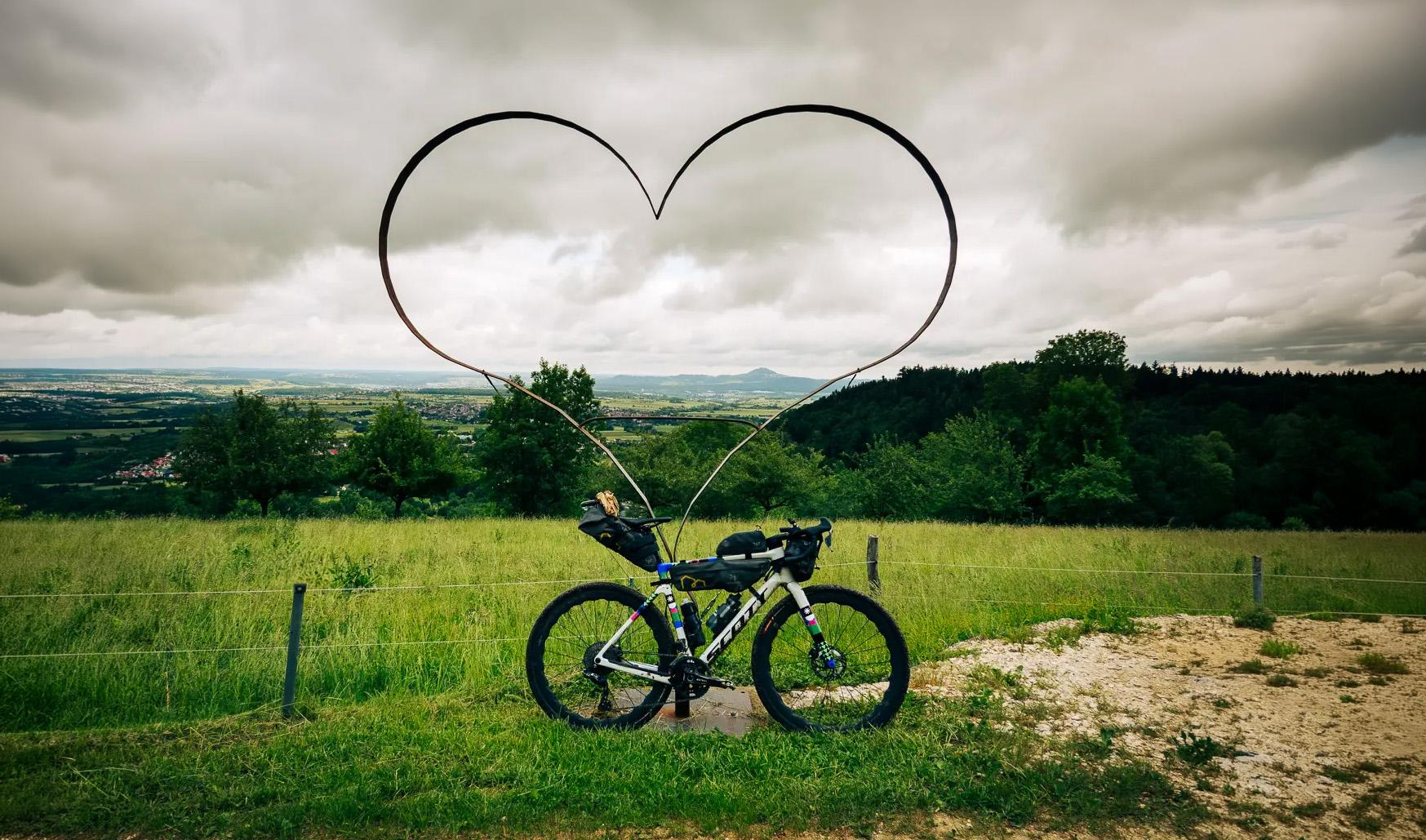
Alb-Crossing – through the quiet expanse of the Swabian Jura
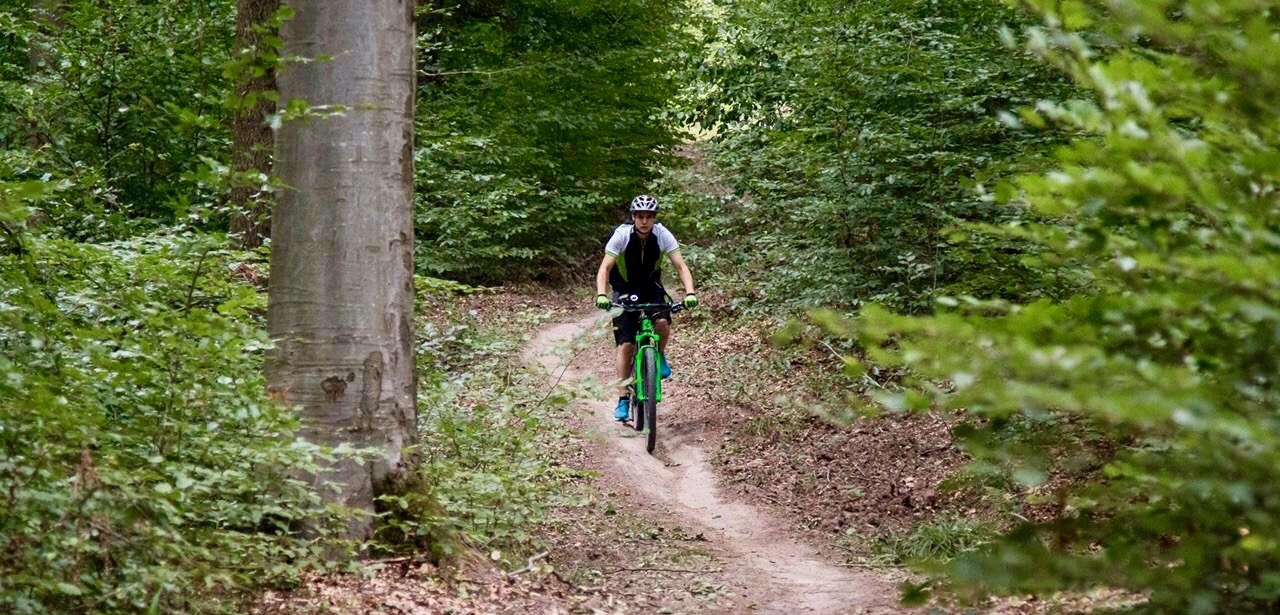
33 MTB trails through German forests
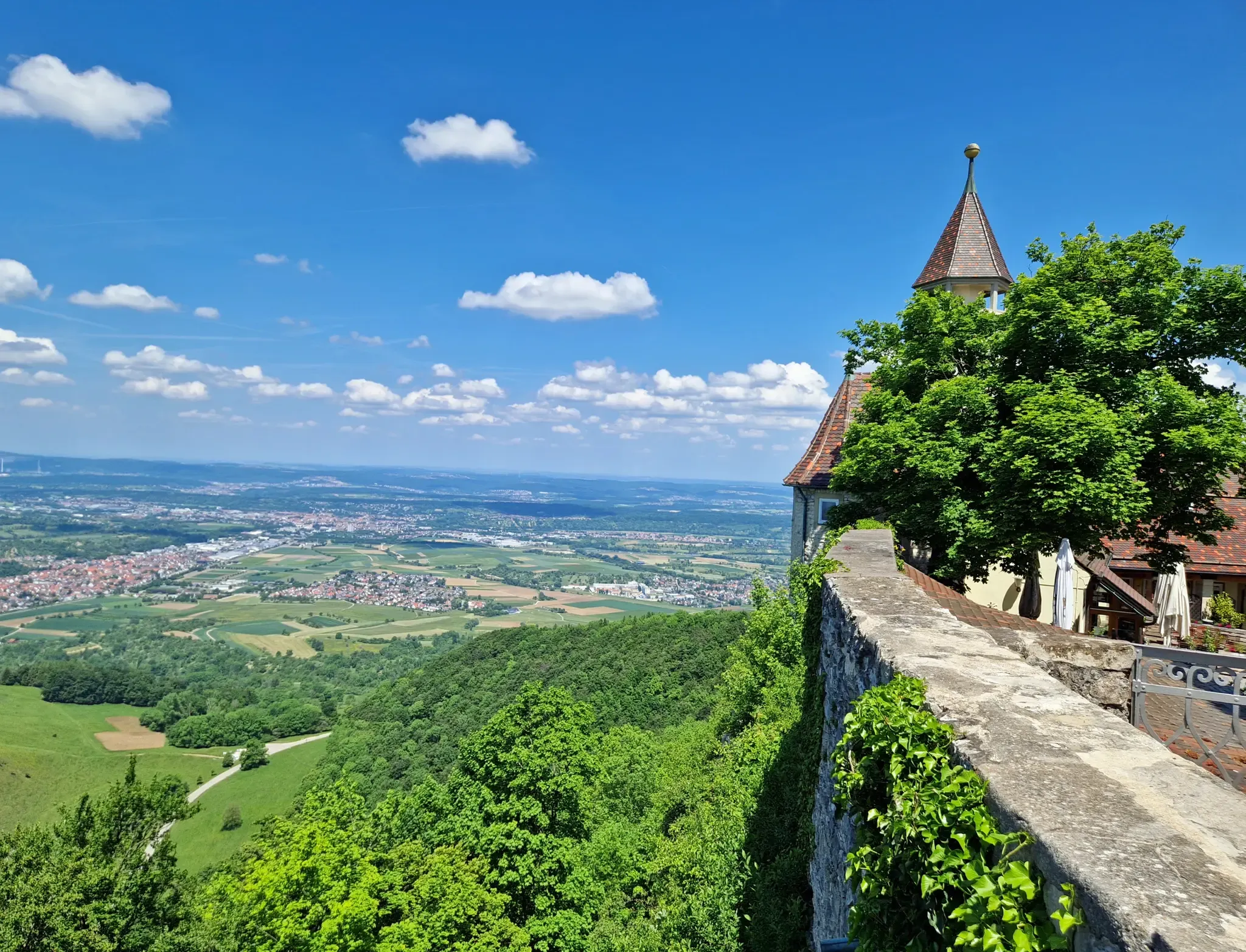
The Swabian Jura — castles, caves and trails
Other adventures around Pfullingen


Tips from the Community

Beautiful restored building. Built in 1799 and actively operated as a grain mill until 1963. Restored in 1988. Today it houses the Trachten- und Mühlenmuseum des Schwäbische Alb Vereins and an information point for the biosphere park
0
0
4.2 km circular route in Pfullingen, during which you can discover the history of the Echaz river and its importance for the development of the town of Pfullingen
0
0
Throughout the city area, you can see many steps in the Echaz, which were formed by the deposition of tuff in the form of huge slabs (bars)
0
0
Old mill, built in 1799 and used as a grain mill until 1963. additionally since 1941 to drive a turbine. Extensively restored in 1988, it today houses the Costume Museum and Mill Museum Swabian Jura on the ground floor, and an information point for the Swabian Jura Biosphere Park. The mill wheel and the fish ladder are located in the annex. During the restoration, it was discovered that elements from other mills had been incorporated here, e.g. the mill wheel from the "Gips Mühle" on the "Große Heerstraße" and the furnishings from the former "Hayd'schen Mühle" in the "Klostergasse". The principle of the "water drive system" and the various construction principles can be nicely explained here.
0
0

Very pretty half-timbered houses!
0
0

The newly renovated pavilion is a gem in Laiblinspark.
0
0

Linden Fountain ⛲ The oldest ornamental fountain is the Linden Fountain in upper Wilhelmstrasse. Built in 1544 by stonemason and master builder Hans Huber and his son of the same name. Wilhelmstrasse - Reutlingen Source: https://www.reutlingen.de/brunnen
0
0
Beautiful waterfall on the Echaz 🌊 near the castle - Pfullingen - Reutlingen district
0
0
Frequently Asked Questions
How many urban hiking trails are available in Pfullingen?
There are 8 urban hiking trails around Pfullingen featured in this guide, all rated as easy. These routes are perfect for exploring the town and its immediate surroundings.
What kind of urban hiking experiences can I expect in Pfullingen?
Pfullingen's urban hikes offer a blend of town exploration and natural beauty. You can expect to walk along the picturesque Echaz River, discover historical landmarks like St. Martin's Church, and enjoy views of the surrounding Swabian Alb foothills. Many routes are circular, providing convenient starting and ending points within the town.
Are there any family-friendly urban hikes in Pfullingen?
Yes, all 8 urban hikes in this guide are rated as easy, making them suitable for families. Routes like the Pfullingen Market Square Fountain – St. Martin's Church Pfullingen loop are relatively short, offering a pleasant stroll through the town's heart and past local sights.
Can I bring my dog on Pfullingen's urban trails?
Generally, Pfullingen's urban trails are dog-friendly, offering a great way to explore the town with your canine companion. However, always keep your dog on a leash, especially in populated areas and near wildlife. Be mindful of local regulations and ensure you carry waste bags.
What interesting landmarks or natural features can I see on an urban hike in Pfullingen?
Urban hikes in Pfullingen often lead you past significant local landmarks and natural elements. You might encounter the historic St. Martin's Church, the Pfullingen Market Square Fountain, or sections of the Echaz River. For a unique experience, consider routes that pass by the Urach Waterfall or the Güterstein waterfall, both accessible from some of the longer urban-adjacent routes.
Are there any circular urban walks in Pfullingen?
Yes, most of the urban hikes in Pfullingen are designed as circular routes, allowing you to start and end at the same point. For example, the Waterfall by the Castle – St. Martin's Church Pfullingen loop is a great option for a convenient circular walk.
What is the best time of year for urban hiking in Pfullingen?
Urban hiking in Pfullingen is enjoyable year-round. Spring brings blooming flowers and mild temperatures, while autumn offers beautiful foliage. Summer is pleasant for walks along the Echaz River, and even winter can be charming with crisp air and potentially snow-dusted townscapes. Always check local weather conditions before heading out.
How long do urban hikes in Pfullingen typically take?
The urban hikes in Pfullingen vary in length and duration. Shorter routes, like the Pfullingen Market Square Fountain – St. Martin's Church Pfullingen loop, can be completed in under an hour, while longer options such as the Waterfall by the Castle – Echaz Water Adventure Trail loop might take closer to two hours. All routes are easy-rated, making them accessible for various fitness levels.
What do other hikers say about the urban trails in Pfullingen?
The urban hiking trails around Pfullingen are highly regarded by the komoot community, boasting an average rating of 4.7 out of 5 stars from over 8,600 reviews. Hikers often praise the well-maintained paths, the charming blend of town and nature, and the accessibility of these easy routes.
Are there any urban hikes that feature water elements?
Yes, several urban hikes in Pfullingen incorporate water elements. The Echaz River flows through the town, and routes like the Waterfall by the Castle – Echaz Water Adventure Trail loop specifically highlight this natural feature, offering pleasant walks alongside the water.
Where can I find parking for urban hikes in Pfullingen?
Pfullingen offers various public parking options throughout the town center, making it convenient to access the starting points of many urban hikes. Look for designated parking areas near the market square or other central locations. Specific parking information may be available on individual route pages.
Are there cafes or places to eat along the urban hiking trails?
As these are urban hikes, you'll find numerous cafes, restaurants, and bakeries within Pfullingen's town center, often directly along or very close to the hiking routes. This allows for convenient breaks and refreshments during or after your walk.
Most popular routes around Pfullingen
Most popular attractions around Pfullingen

Get inspired with the komoot mobile app


Explore more
Browse the best Hikes in other regions.
