The best hikes from bus stations around Landkreis München
4.5
(11282)
112,943
hikers
1,978
hikes
Hiking around Landkreis München offers diverse landscapes, from serene river valleys to picturesque lakes and the foothills of the Alps. The region is characterized by the flowing Isar River and its floodplains, numerous lakes like Starnberg and Maisinger, and accessible forested areas such as Perlacher Forst. Many trails are easily reachable by public transport, including S-Bahn, regional trains, and buses, making them convenient for day trips.
Best bus station hiking trails around Landkreis München
- The most popular bus station hiking…
Last updated: August 6, 2026
4.4
(119)
895
hikers
6.06km
01:33
20m
20m
Easy hike. Great for any fitness level. Easily-accessible paths. Suitable for all skill levels.
4.8
(53)
332
hikers
Moderate hike. Good fitness required. Easily-accessible paths. Suitable for all skill levels.

Sign up for free
4.6
(106)
347
hikers
11.1km
02:56
100m
100m
Moderate hike. Good fitness required. Mostly accessible paths. Sure-footedness required.
4.7
(58)
384
hikers
Easy hike. Great for any fitness level. Easily-accessible paths. Suitable for all skill levels.
4.5
(33)
104
hikers
Easy hike. Great for any fitness level. Easily-accessible paths. Suitable for all skill levels.
Get access to more routes and recommendations from other explorers.
Sign up for free
Already have an account?
Our route recommendations are based on thousands of hikes, rides, and runs completed by other people on komoot.
Start today with a free account
Your next adventure awaits.
Login or Signup
Popular around Landkreis München
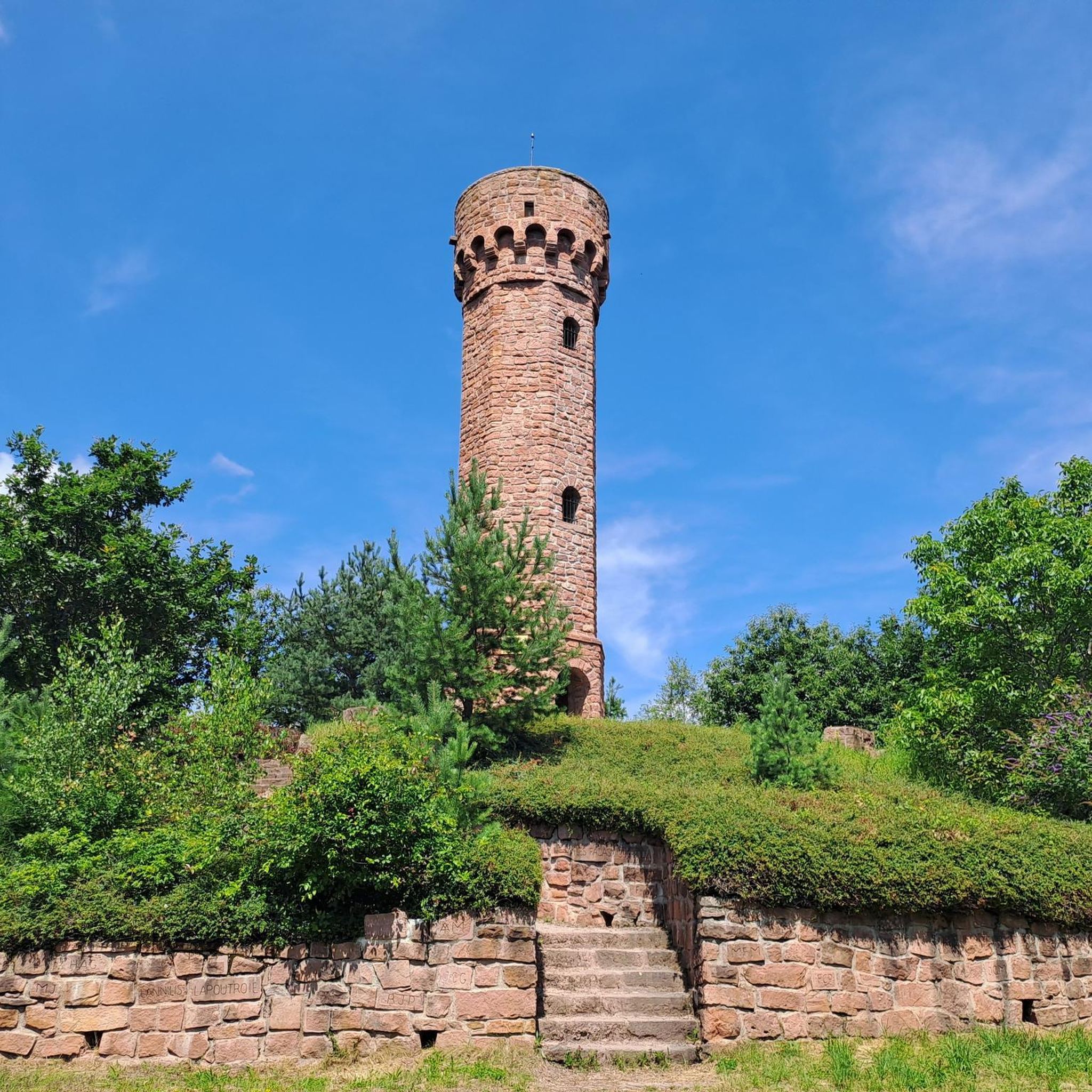
Hikes from bus stations in Forstenrieder Park
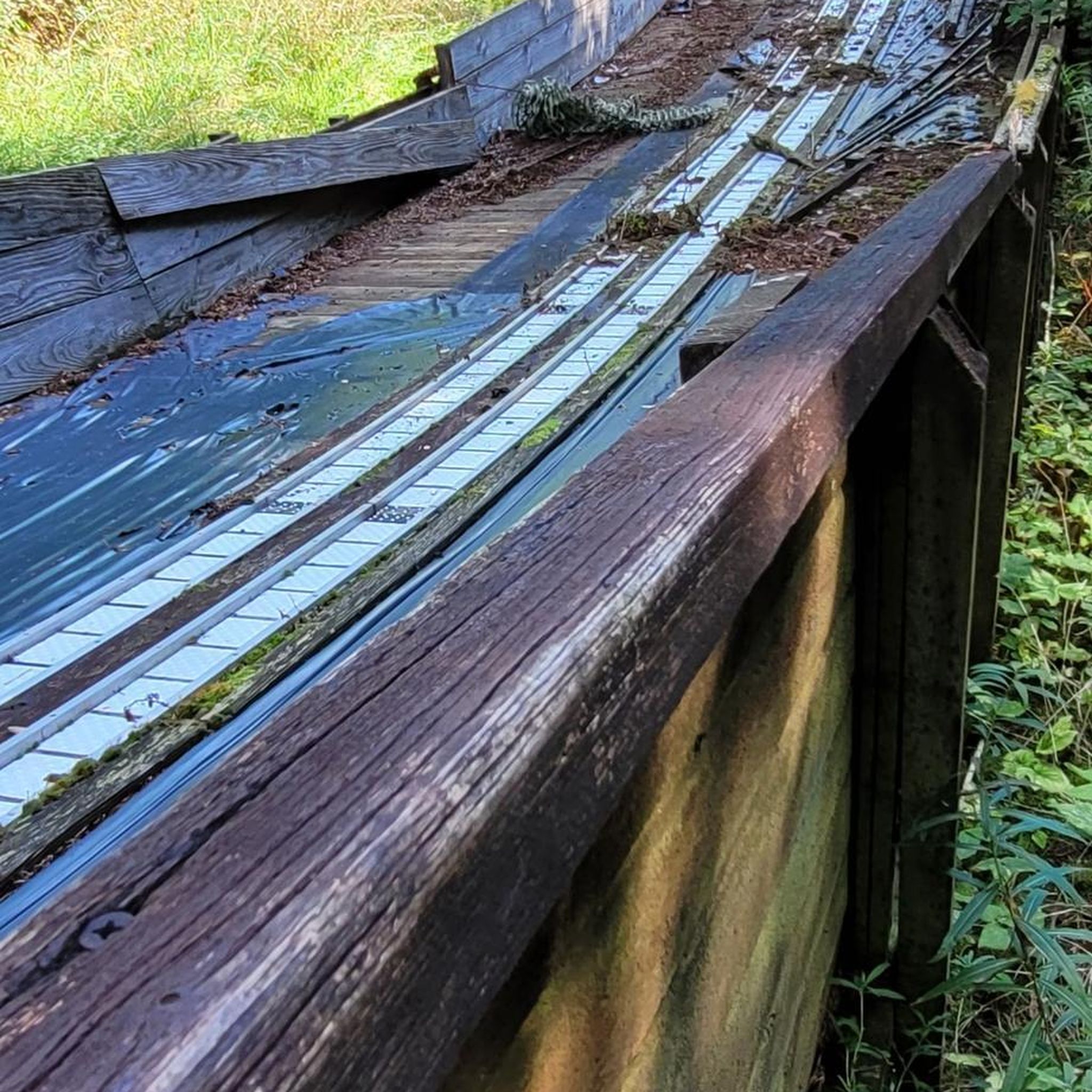
Hikes from bus stations around Perlacher Forst
Hikes from bus stations around Ismaning
Hikes from bus stations around Grünwald
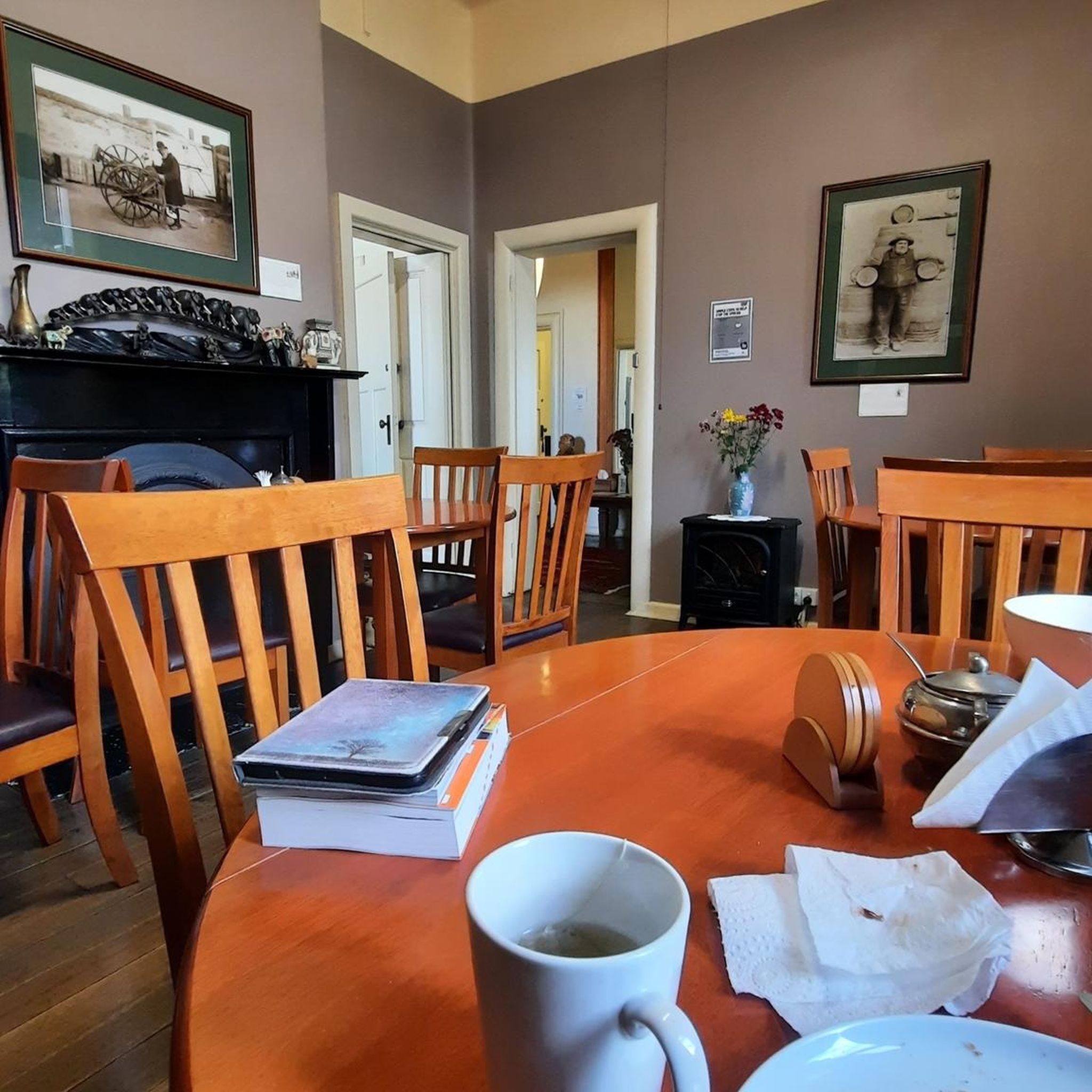
Hikes from bus stations around Grünwalder Forst
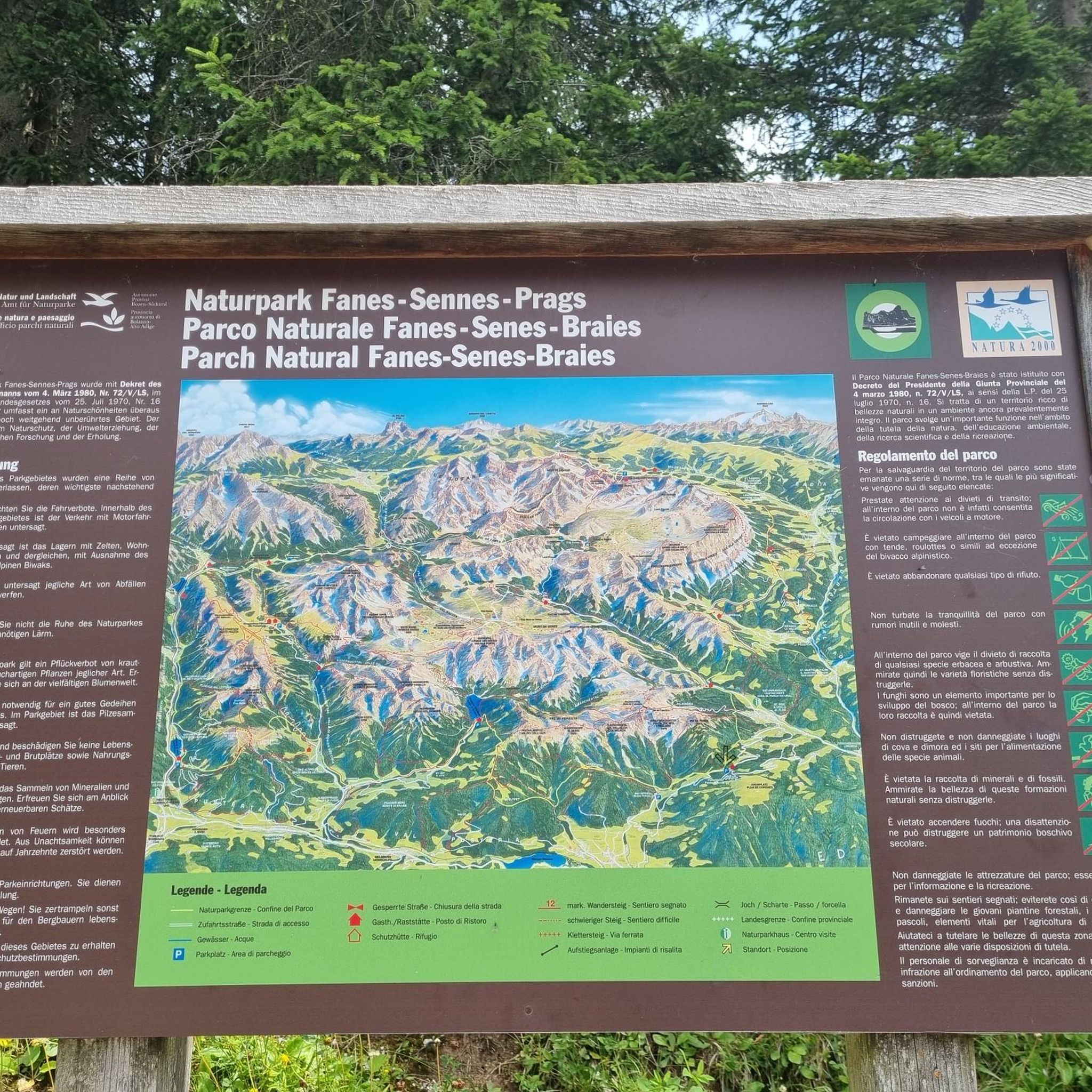
Hikes from bus stations around Unterschleißheim

Hikes from bus stations around Hartelholz

Hikes from bus stations in Panzerwiese Und Hartelholz
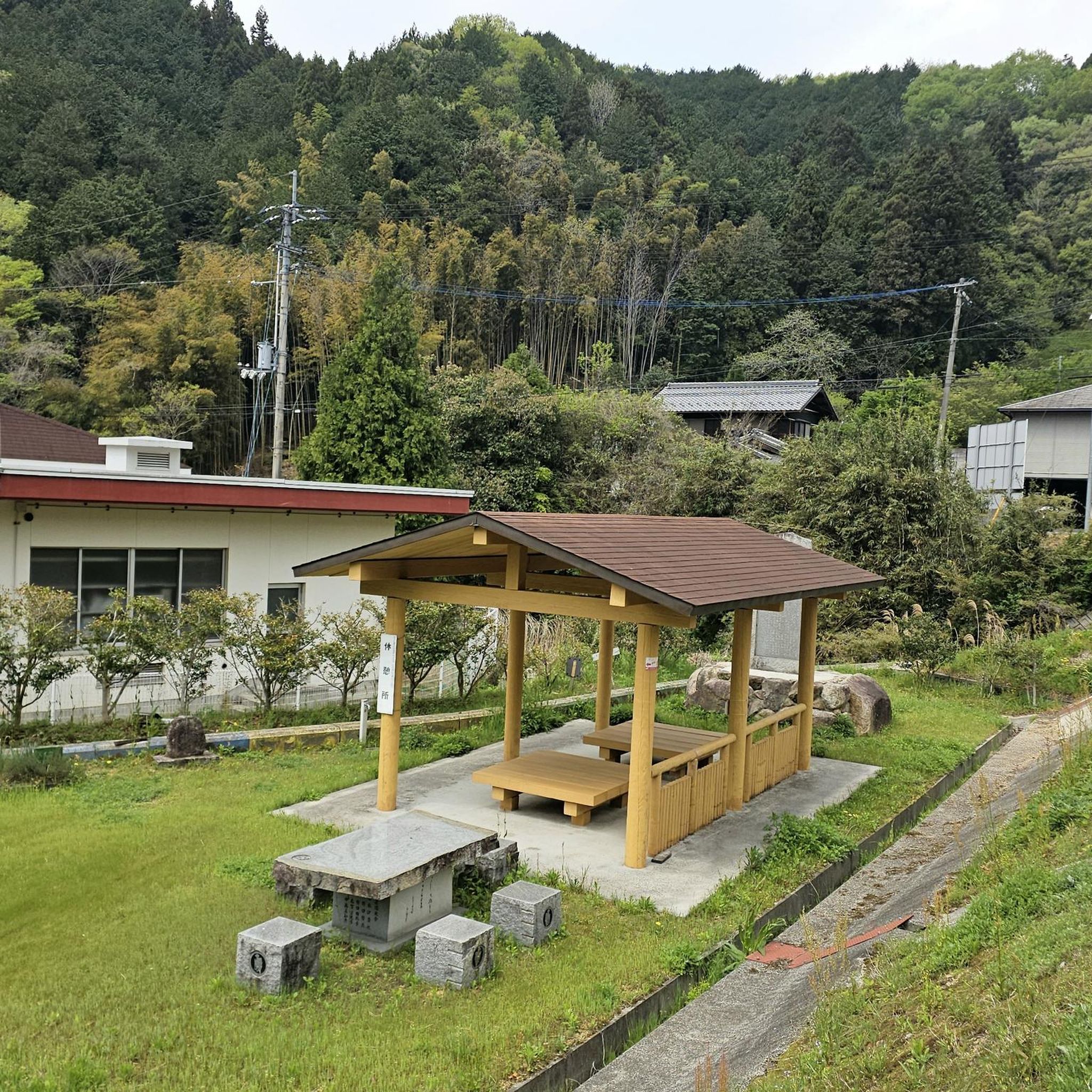
Hikes from bus stations in Ismaninger Speichersee Und Fischteiche
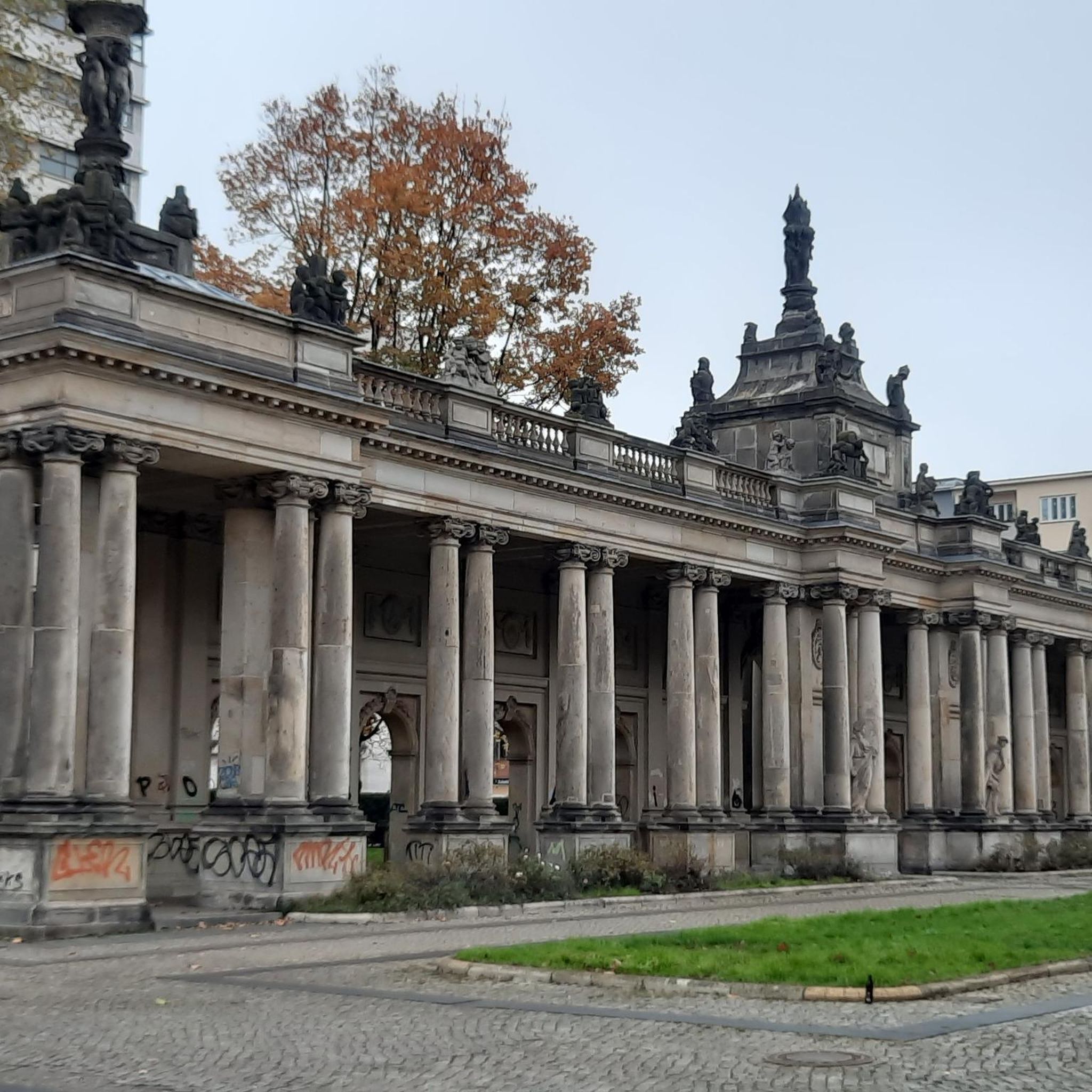
Hikes from bus stations around Oberschleißheim
Other adventures around Landkreis München


Tips from the Community

As is the case almost everywhere along the Würm, it is very beautiful here too.
0
0

The two-story Grüner Brunnhaus, a pumping station in the Nymphenburg Palace Garden, was supplemented in the second half of the 18th century by additional single-story small farmhouses. These are the Hirschgartenbrunnhaus, the Brunnwärterhaus, and the Biberwärterhaus. Some of them are still inhabited today. The buildings in the "village" were intended to represent the idealized notion of country life and to satisfy the court's longing for the supposed idyll of the world of farmers and shepherds.
14
0
The birth of the Bavarian Prince-Elector Max Emanuel from the House of Wittelsbach in 1662 was the occasion for the construction of a palace with a garden in the area between the villages of Neuhausen and Obermenzing as a gift for the young mother, Electorress Henriette Adelaide of Savoy. The foundation stone for the "Schwaigbau zu Nymphenburg" was laid in 1664. The complex was designed as a pleasure palace in the style of Italian country villas; it only became a Baroque palace complex, which could serve as a summer residence and an alternative to the seat of government, the Munich Residenz, a generation later under Max Emanuel. The model for Nymphenburg was the Piedmontese hunting lodge La Venaria, whose architect Amedeo Castellamonte (1613 to 1683) also provided the initial designs for Nymphenburg.
16
0
Greek mythology served as the inspiration for the pictorial program of the Nymphenburg Garden, created in the 18th century: The sculptures represent the sixteen main deities of Olympus. However, their placement was changed with the redesign into an English landscape park. Today, only twelve statues remain in the garden parterre; four were moved to the Great Cascade. Male and female deities alternate.
15
0

Very nice cycle path, take it, it's always a pedestrian path, it partly runs along the Würm, it goes there flat
1
0

Beautiful cycle path along the Würm river
1
0

Statues at the Great Cascade Between the upper and lower cascade basins, on either side of the falling water, are two reclining figures with urns by Giuseppe Volpini, symbolizing the Isar and Danube rivers (1715–1717). The cascade ensemble was initially complemented by two further statues by Giuseppe Volpini: Hercules with a lion (1718/19) and Minerva with an owl, spear, and shield (1722–23). These were originally located on the garden façade of Schleißheim Palace. Later, the statues of Flora (1725) and Aeolus (1725), created by Charles Dubut, were added. Around 1737, Guillaume de Grof created the statue of Neptune with a seahorse. Decades later, three more statues were added: Amphitrite with a Dolphin (1775) by Charles de Groff, and Mars with Sword and Shield (commissioned by Ignaz Günther) and Minerva with Sword and Shield (without an owl!), both by Roman Anton Boos. In 1999, the statues of Hercules with Lion by Franz Leschinger and Minerva with Owl by Geith Bildhauer und Steinmetz GmbH, Dresden, were replaced by copies; the originals are now located in the Orangery. Source: https://de.wikipedia.org/wiki/Schlosspark_Nymphenburg#Pagodenburg
0
0

The water wheel and the associated installation, which still powers the fountain today, are well worth seeing.
0
0
Frequently Asked Questions
How many bus-accessible hiking trails are available in Landkreis München?
Landkreis München offers a vast network of outdoor routes. For bus-accessible hiking specifically, you'll find nearly 2,000 trails to explore, catering to various skill levels and interests.
What makes hiking from bus stations in Landkreis München a good option?
Hiking from bus stations in Landkreis München provides excellent accessibility to the region's diverse landscapes without needing a car. You can easily reach serene river valleys, picturesque lakes, and the foothills of the Alps, making it convenient for day trips and exploring different areas.
Are there easy hiking trails accessible by bus for beginners or families?
Yes, the region is very beginner and family-friendly. Over 1,600 of the bus-accessible routes are rated as easy. For example, the Hollerner Lake – Hollerner Lake loop from Unterschleißheim offers a pleasant, flat walk around a scenic lake, perfect for a relaxed outing.
What kind of terrain can I expect on these bus-accessible trails?
The terrain varies widely, from flat paths along the Isar River and around lakes like Lake Starnberg, to gentle ascents in forested areas such as the Perlacher Forst. You can also find trails leading into the Alpine foothills, offering more varied topography and stunning views, all reachable via public transport connections.
Can I find trails with waterfalls or other natural features along bus routes?
Absolutely! The region boasts beautiful natural features. You can discover waterfalls like the Schwabinger Bach Waterfall or the Isar Cascades at Maximilian Bridge. Many trails also follow the Isar River, offering constant views of its gravel banks and rapids, or lead to tranquil lakes.
Are there any historical or cultural landmarks along these bus-accessible routes?
Yes, several routes pass by significant landmarks. You can explore areas near castles such as Blutenburg Castle or the impressive Nymphenburg Palace. These cultural attractions often integrate seamlessly into a day of hiking.
Are these bus-accessible trails suitable for hiking with dogs?
Many trails in Landkreis München are dog-friendly, offering ample space for your canine companion. It's always a good idea to keep dogs on a leash, especially in nature reserves or near wildlife. Always check local regulations for specific areas, but generally, the natural landscapes are welcoming for hikers with dogs.
Are there options for longer, more challenging hikes from bus stations?
While many routes are easy, there are also moderate and a few difficult options available. For instance, the Icking Weir – Isar-Werkkanal loop from Kloster Schäftlarn offers a moderate 11 km hike with some elevation gain, providing a more extended experience along the Isar River.
What do other hikers enjoy most about hiking in Landkreis München?
The komoot community highly rates the hiking experience in Landkreis München, with an average score of 4.5 stars. Reviewers often praise the excellent public transport accessibility, the diverse and well-maintained paths along rivers and lakes, and the peaceful atmosphere of the region's forests and natural areas.
Are there circular routes available from bus stops?
Yes, many of the bus-accessible trails are designed as circular routes, allowing you to start and end at the same bus stop without retracing your steps. Examples include the Pasing City Park – Würm River Trail loop from Gräfelfing or the Bohlensteig Nature Trail – Isar Riverside Trail loop from Grünwald.
Can I find trails that lead to cafes or pubs for refreshments?
Many hiking areas in Landkreis München are dotted with traditional Bavarian beer gardens, cafes, and restaurants, especially in towns and villages accessible by bus. Popular spots like those around Lake Starnberg or along the Isar River often have establishments where you can enjoy a break and refreshments during or after your hike.
What is the best time of year to go hiking from bus stations in Landkreis München?
Spring, summer, and early autumn are generally the most popular times for hiking in Landkreis München, offering pleasant temperatures and vibrant scenery. However, many trails, especially those in forested areas or along the Isar, are also beautiful for winter walks, provided conditions are safe and paths are clear.
Most popular routes around Landkreis München
Most popular attractions around Landkreis München

Get inspired with the komoot mobile app


Didn’t find what you were looking for?
Check out more Hikes throughout Landkreis München below and find the perfect route in your destination.
Explore more
Browse the best Hikes in other regions.
