The best traffic-free bike rides in the Altmühltal
4.6
(1223)
8,153
riders
493
rides
Gravel biking in the Altmühltal is characterized by its diverse terrain, shaped by the meandering Altmühl River through Jurassic limestone formations. The region features dramatic limestone cliffs, extensive juniper heaths, and significant wooded areas. Riders can expect a mix of gentle river valleys and undulating tablelands, offering varied experiences. This landscape provides a network of no traffic gravel bike trails suitable for different skill levels.
Best no traffic gravel bike trails in the Altmühltal
- The most popular no traffic gravel bike trail is Solnhofer Platten-Runde – Graveling in the Altmühltal Nature Park, a 31.8 miles (51.1 km) trail that takes 3 hours 56 minutes to complete. This route explores the unique geological formations and open landscapes around Solnhofen.
- Another top favourite among local gravel bikers is Romantic valleys, heaths and castles - Graveling in the Altmühltal Nature Park, a difficult 31.0 miles (49.9 km) path. It winds through picturesque valleys, past historic castles, and across characteristic juniper heaths.
- Local gravel bikers also love the Donaugravel - Graveling in the Altmühltal Nature Park, a 31.1 miles (50.1 km) trail leading through the impressive Danube Gorge, often completed in about 3 hours 40 minutes.
- Gravel biking in the Altmühltal is defined by limestone cliffs, juniper heaths, and gentle river valleys. The network offers options for different ability levels, from leisurely rides along the Altmühl River to more challenging routes with significant elevation gain.
- The routes in Altmühltal are highly rated by the komoot community with an average score of 4.6 stars from over 900 reviews. More than 7,000 gravel bikers have used komoot to explore Altmühltal's varied terrain.
Last updated: August 13, 2026
4.5
(15)
65
riders
53.4km
03:13
560m
560m
Hard gravel ride. Very good fitness required. Mostly paved surfaces. Suitable for all skill levels.
4.3
(12)
47
riders
Hard gravel ride. Very good fitness required. Mostly paved surfaces. Suitable for all skill levels.

Sign up for free
4.8
(11)
69
riders
50.1km
03:41
240m
240m
Hard gravel ride. Good fitness required. You may need to push your bike for some segments of this route.
4.7
(7)
44
riders
56.1km
03:53
460m
460m
Hard gravel ride. Very good fitness required. Mostly paved surfaces. Suitable for all skill levels.
4.7
(3)
27
riders
69.5km
04:29
850m
850m
Hard gravel ride. Very good fitness required. Mostly paved surfaces. Suitable for all skill levels.
Get access to more routes and recommendations from other explorers.
Sign up for free
Already have an account?
Our route recommendations are based on thousands of hikes, rides, and runs completed by other people on komoot.
Start today with a free account
Your next adventure awaits.
Login or Signup
Popular around Altmühltal
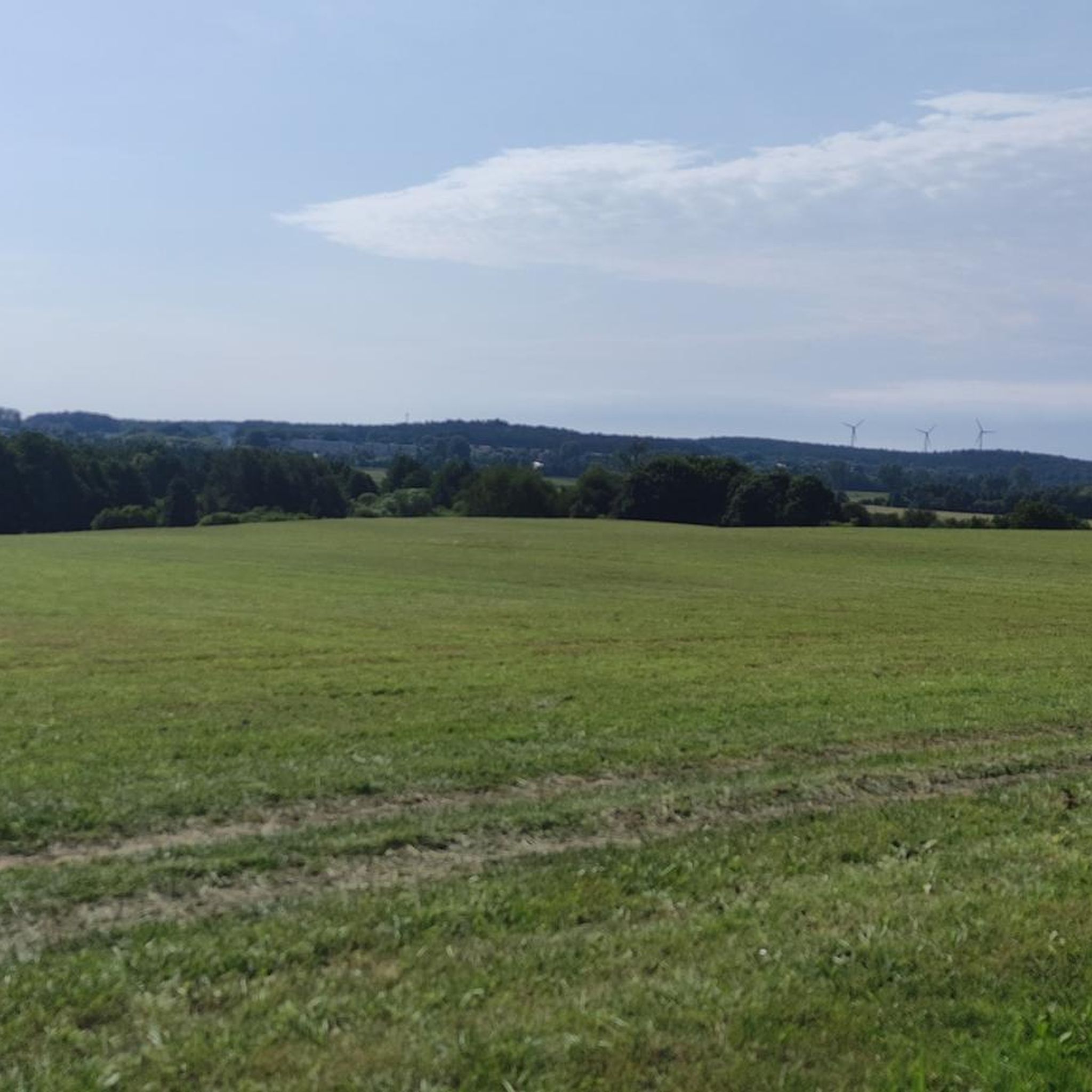
Traffic-free bike rides in Naturpark Altmühltal
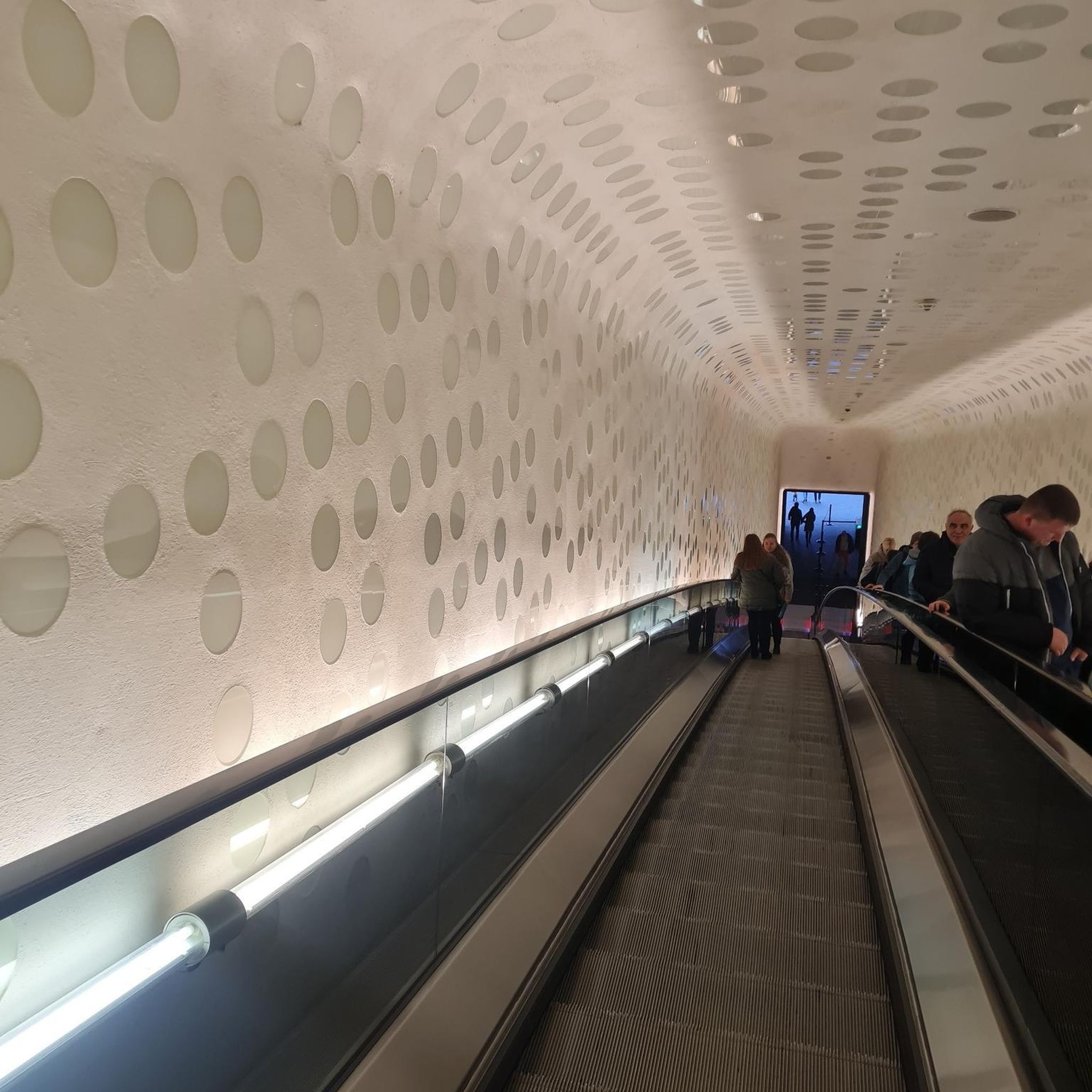
Traffic-free bike rides in Landkreis Eichstätt

Traffic-free bike rides in Landkreis Weißenburg-Gunzenhausen
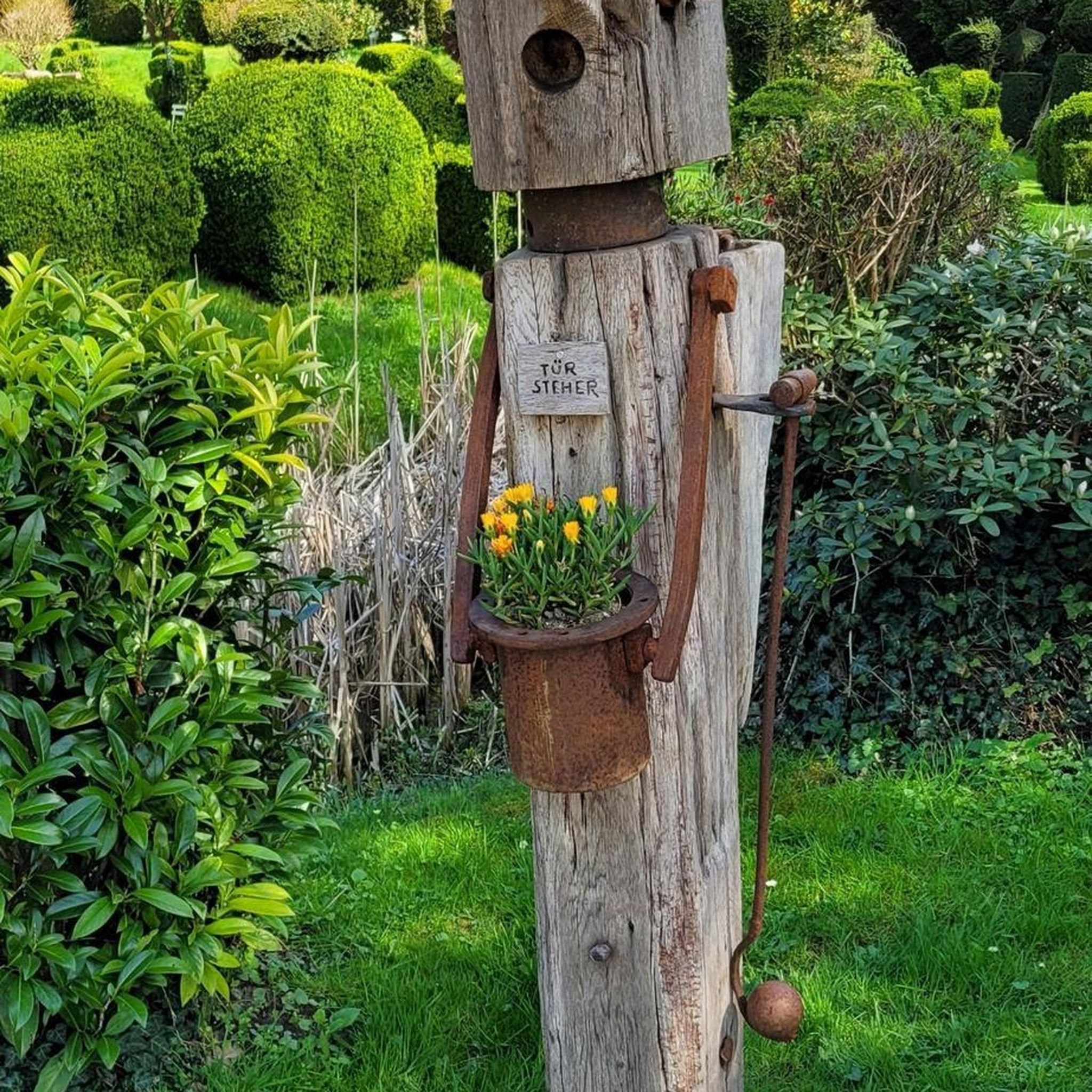
Traffic-free bike rides around Ingolstadt
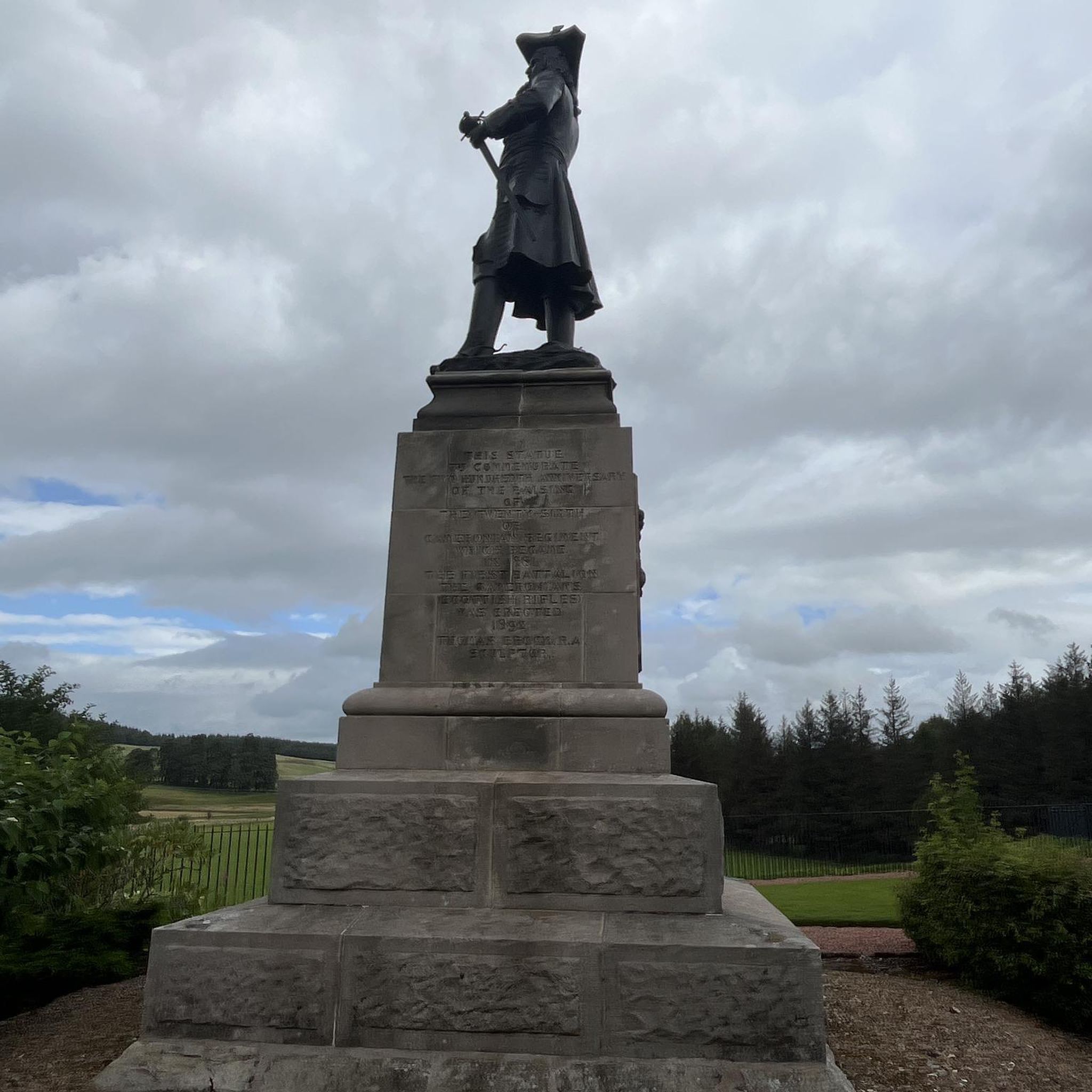
Traffic-free bike rides in Danube-Ries
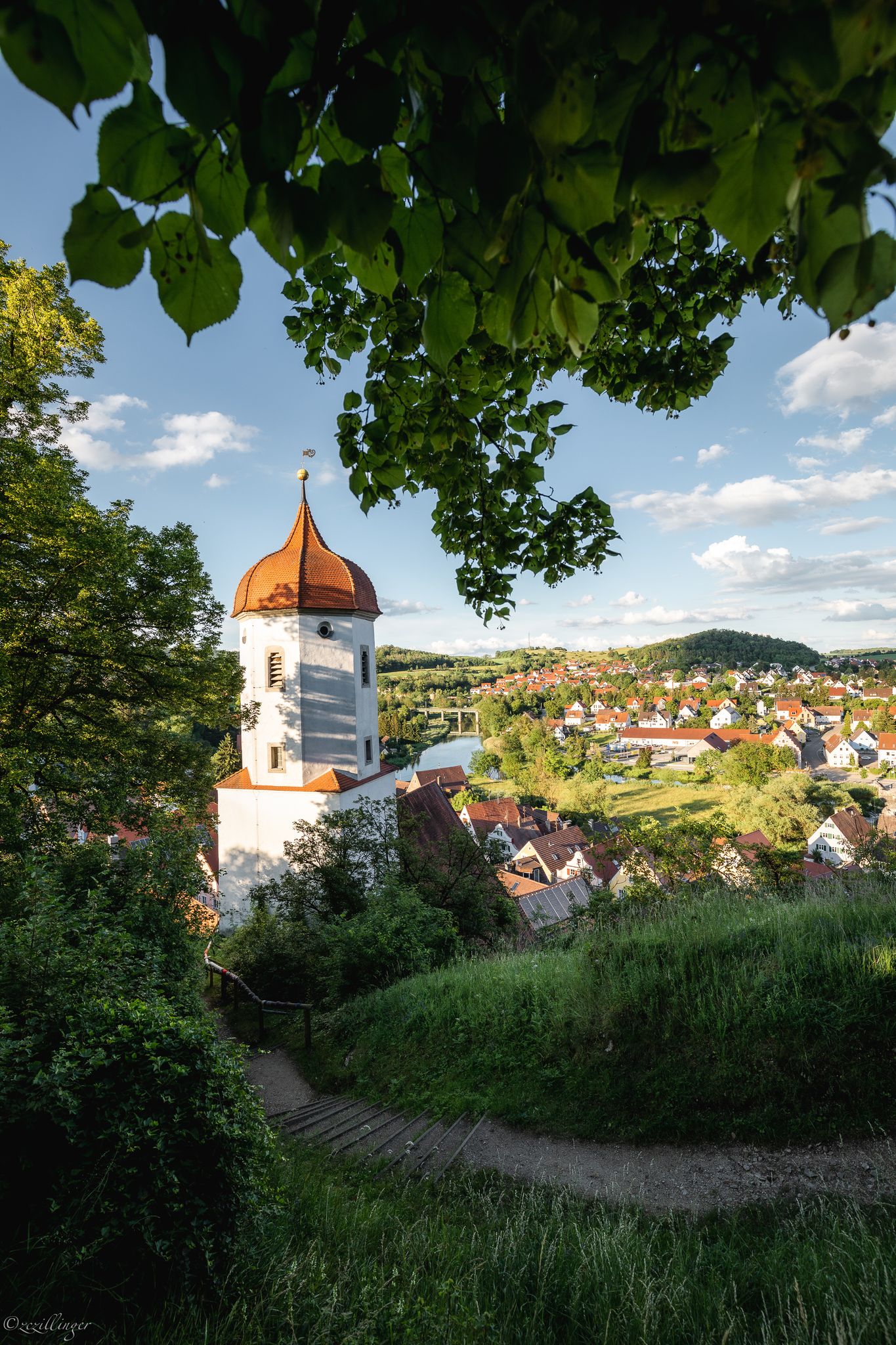
Augsburger Jakobsweg – Through Bavarian-Swabia
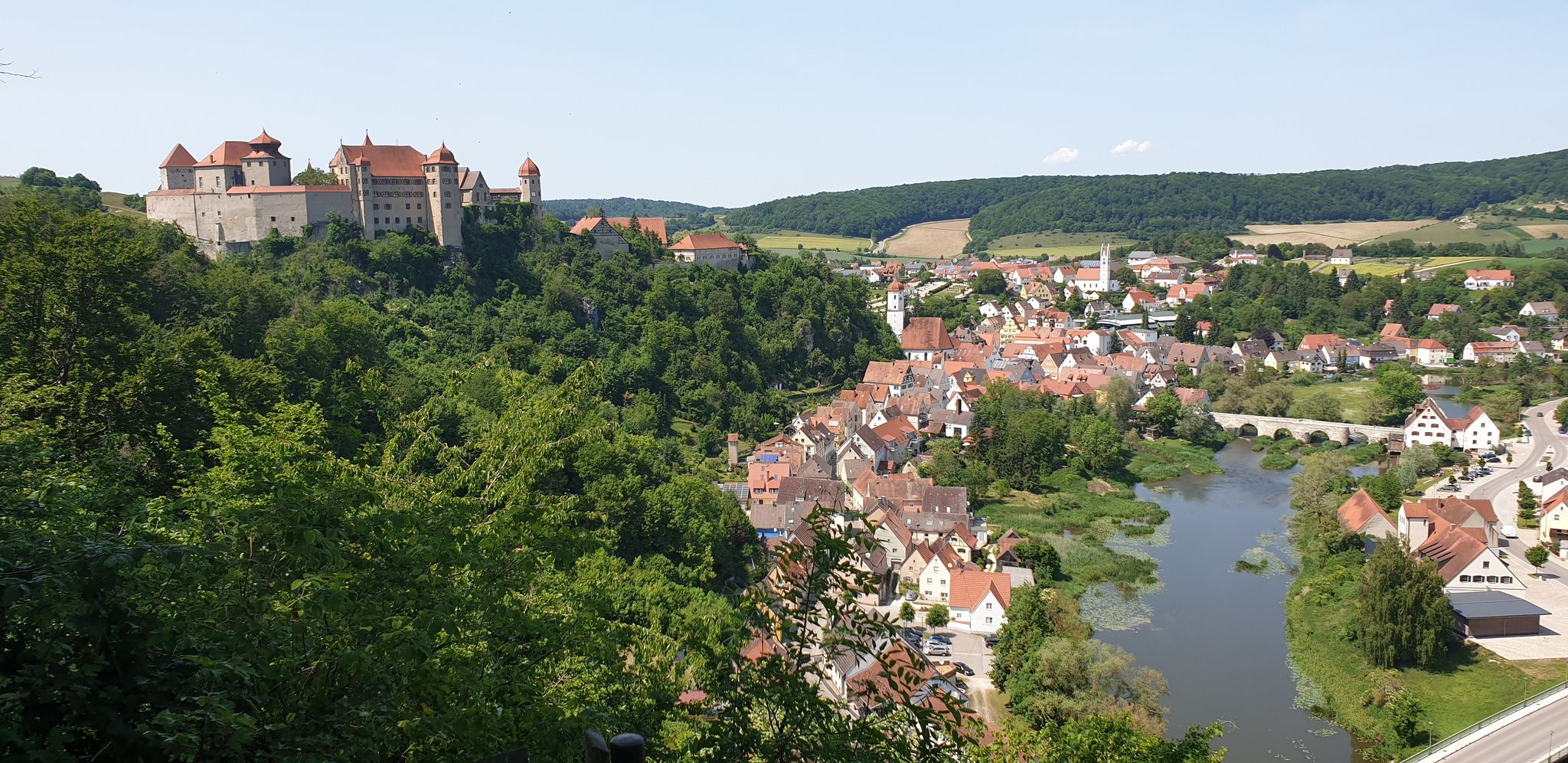
The Romantic Road – To the Pearls of Southern Germany
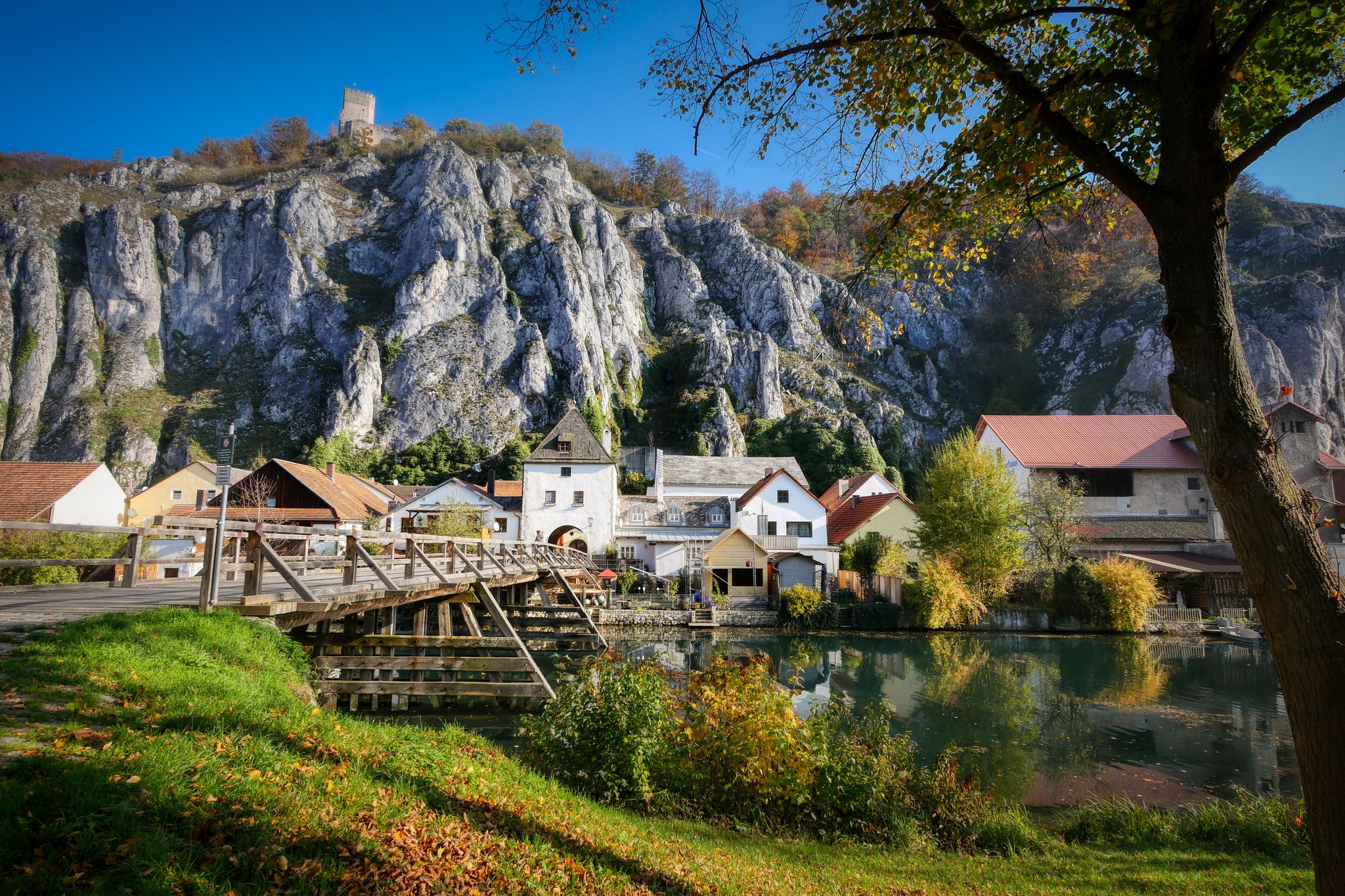
Jurasteig — hiking in the heart of Bavaria
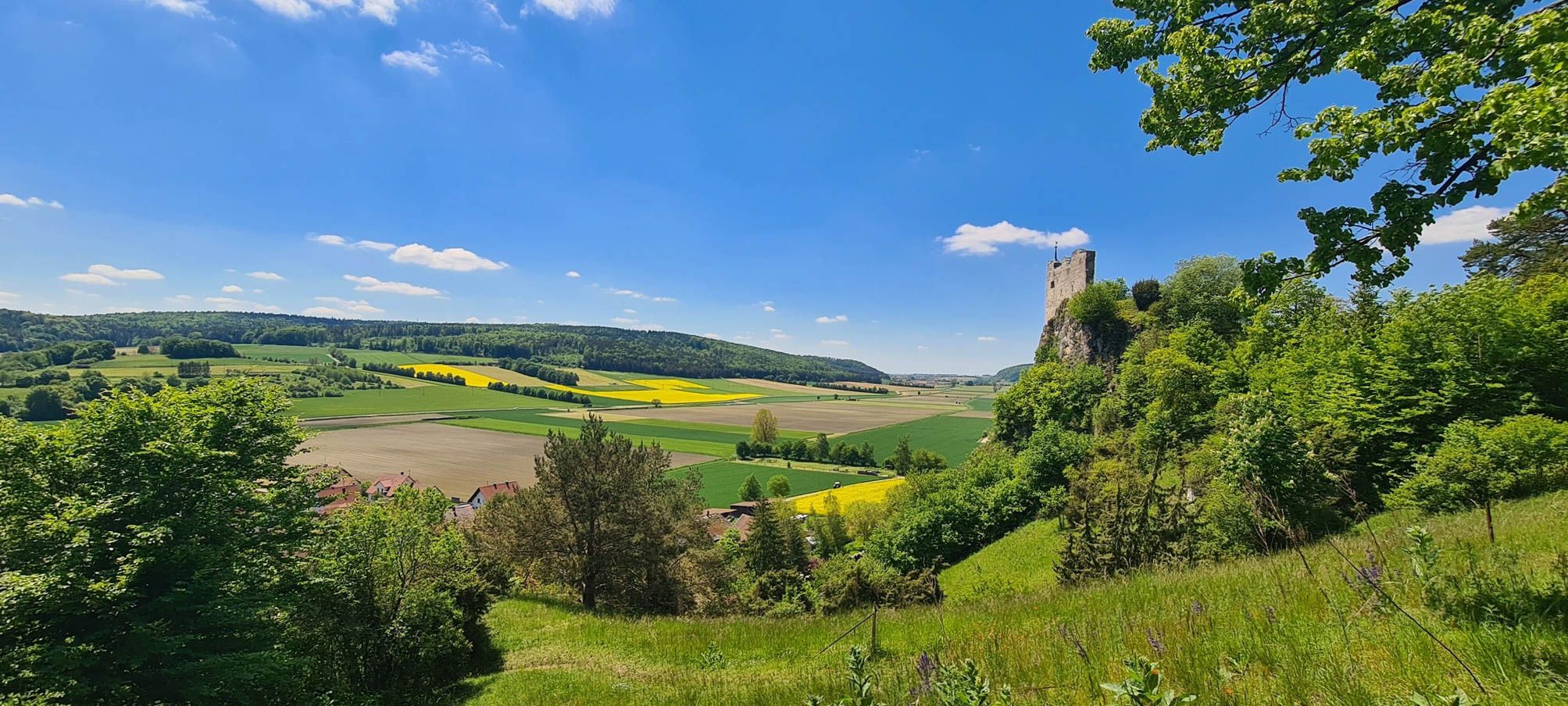
Urdonautalsteig – Hiking through past times
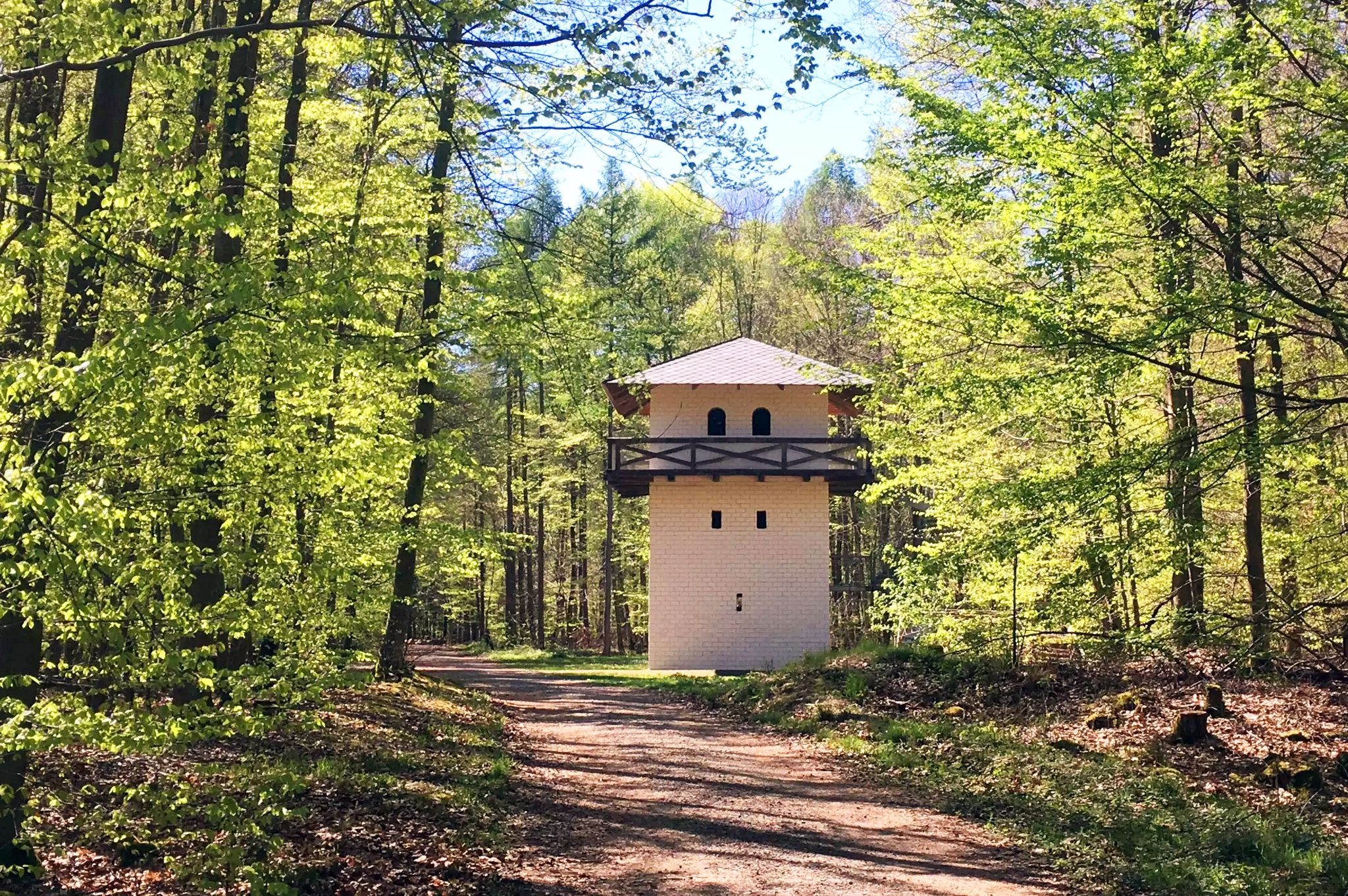
German Limes Cycle Path – Riding from the Rhine to the Danube
Other adventures in the Altmühltal


Tips from the Community

Directly on the cycle path and the river. The Mühlenwirt in Solnhofen is a nice place to stop in the Altmühltal. The Franconian inn is housed in a listed village mill, and the beer garden directly borders the Altmühl. On the menu, you will find regional snacks, Franconian classics, and Spalter beer from the only municipal brewery in Germany. Info here: https://zum-muehlenwirt.de/.
2
0

Hexenagger Castle A Dietricus von Haecsenakker is mentioned as early as 928 in a Regensburg document from the St. Emmeram Monastery; further information is scarce. In 1311, Gottfried Hexenacker became Bishop of Freising. He had studied in Bologna and served as dean of the cathedral there for many years. In 1314, he died of an infectious disease while on a tour of inspection in Vienna. In 1485, the castle passed through marriage to the Counts of Helfenstein, who sold the fortress to Duke William of Bavaria in 1528. He gave Hexenagger to the Muggenthal family as a fief. When the castle was destroyed in the Thirty Years' War, the Muggenthal family rebuilt it as a castle. In 1724, the castle was sold to the Bavarian Elector Charles Albert, as the Hexenagger line of the Muggenthal family had died out. In 1731, Elector Karl Albrecht donated the castle to his mistress, Maria Josepha Countess von Morawitzky. Her husband received the castle in 1738, and when he died in 1754, Anton von Kaiserstein became the new owner. Franz Joseph III von Kaiserstein (1792–1893) sold the castle in 1830 and acquired an estate in Sooß (Lower Austria) in exchange. From 1830 to 1951, Hexenagger Castle belonged to the noble family of Weidenbach. Otto Edler von Weidenbach bequeathed it to his niece Ilse von Kalckreuth, who married Wilhelm Leichtfuß, whose son, Eberhard Leichtfuß, owns it today. Hexenagger is a castle between the Renaissance and Baroque periods, built on the foundations of the old castle. In the lower areas and at the corners, ashlars and bossed ashlars, up to several meters high, are still visible on the castle building. The stump of the keep, made of bossed ashlar, is also said to have been preserved, but is not visible from the outside. The defensive character of the complex is best appreciated from the rear, where parts of the curtain wall and wall towers have been preserved. The tall, narrow chapel also still hints at the castle in its form; particularly interesting is the slender, slightly leaning bell tower, which appears to still sit on the older foundations of the medieval chapel tower. The main building itself, with its stepped gable and beautiful garden, presents a romantic sight. The castle is privately owned and not open to the public; the popular Christmas market was relocated to the Wolfgangshof estate near Zirndorf in Middle Franconia in 2023 due to complaints from local residents. Source: www.Burgenseite.de / www.wikipedia.de
2
0

The Treuchtlingen City Castle is a Renaissance castle in Treuchtlingen in the Middle Franconian district of Weißenburg-Gunzenhausen. The City Castle is also historically referred to as Niedere Veste, in reference to the Obere Veste located further above. The building is registered in the Bavarian Monument List as a historical monument under the monument number D-5-77-173-23.[1] The address is Heinrich-Aurnhammer-Straße 3 and 5. The castle is the birthplace of Gottfried Heinrich zu Pappenheim, a cavalry general of the Thirty Years' War. The quote from Friedrich von Schiller's drama "Wallenstein's Death" is attributed to him: "Daran erkenn’ ich meine Pappenheimer" (By this I recognize my Pappenheimers). Today, the castle houses, among other things, the Museum of the City of Treuchtlingen.
1
0

Always a nice destination, gladly again
1
0

There are still many beautiful views to be had; the entire Altmühl Valley Cycle Path is worth a bike ride. Ideally, a multi-day tour.
1
0
There are still many beautiful views to be had; the entire Altmühl Valley Cycle Path is worth a bike ride. Ideally, a multi-day tour.
2
1

Very beautiful little castle with a small park, definitely worth a visit if you are in Treuchtlingen.
1
0

Frequently Asked Questions
How many no traffic gravel bike trails are available in the Altmühltal?
The Altmühltal offers a vast network of gravel bike trails with minimal traffic. You'll find over 500 routes suitable for gravel biking, ranging from leisurely rides along the river to more challenging tours through the hills and forests of the nature park.
What do other gravel bikers enjoy most about the no traffic trails in Altmühltal?
The komoot community highly rates the gravel biking experience in Altmühltal, with an average score of 4.6 stars from nearly 1000 ratings. Riders frequently praise the region's diverse landscapes, from the tranquil Altmühl River valleys and picturesque juniper heaths to the dramatic limestone cliffs and historic castles, all accessible on quiet, car-free paths.
Are there beginner-friendly no traffic gravel bike routes in the Altmühltal?
While many dedicated gravel routes in the Altmühltal Nature Park offer a good challenge, the region also provides excellent options for beginners. The famous Altmühltal Cycle Path, for instance, incorporates many sections of firm gravel and reinforced dirt roads that are mostly flat or gently downhill, making it ideal for those new to gravel biking. Look for routes with less elevation gain for a more relaxed experience.
Are there challenging no traffic gravel routes for experienced riders in the Altmühltal?
Absolutely. The Altmühltal Nature Park features numerous routes designed for experienced gravel bikers seeking a challenge. For example, the Altmuehlfranken - Graveling in the Altmuehltal Nature Park tour covers over 67 km with more than 760 meters of elevation gain, offering demanding climbs and rewarding descents through varied terrain.
What kind of natural attractions can I see along the no traffic gravel bike trails?
The Altmühltal is rich in natural wonders. You can encounter impressive geological formations like the Rock Arch Unteremmendorf or the Torfelsen Rock Arch. Many routes also offer stunning viewpoints, such as the Teufelsfelsen Take-off Ramp and View over the Altmühl Valley, providing panoramic vistas of the meandering river and surrounding landscapes.
Are there any historical landmarks or castles accessible by gravel bike?
Yes, the Altmühltal is dotted with historical sites. Many gravel routes pass by charming towns with Roman heritage, medieval castles, and monasteries. For instance, the Castles and Valleys - Graveling in the Altmuehltal Nature Park route is specifically designed to explore some of these historic gems while enjoying car-free paths.
Can I find loop trails for gravel biking in the Altmühltal?
Yes, many of the no traffic gravel bike trails in the Altmühltal are designed as loop routes, allowing you to start and end your ride in the same location without retracing your steps. This is ideal for exploring different facets of the landscape, from riverbanks to forest trails and elevated viewpoints. The Solnhofer Platten-Runde is a great example of a circular route.
What is the best season for gravel biking in the Altmühltal?
The Altmühltal is beautiful for gravel biking throughout spring, summer, and autumn. Spring brings lush greenery and blooming wildflowers, while summer offers warm weather perfect for combining rides with dips in the Altmühlsee lake. Autumn transforms the landscape with vibrant foliage, making for particularly scenic rides. Winter conditions can vary, with some paths potentially becoming muddy or icy, so check local conditions if planning a winter trip.
Are there any routes that offer views of the Danube Gorge?
Yes, the Altmühltal culminates in the impressive Danube Gorge near Kelheim, where the Altmühl joins the Danube. Routes like Donaugravel - Graveling in the Altmühltal Nature Park will bring you closer to this spectacular natural finale, offering stunning views as the rivers converge.
Are there opportunities for wildlife spotting on the gravel trails?
The diverse landscapes of the Altmühltal, including its juniper heaths, wooded areas, and river valleys, provide habitats for various wildlife. Keep an eye out for local bird species, deer, and other small mammals, especially during quieter times of the day or in less frequented areas. The region's natural park status ensures a rich biodiversity.
Can I find routes that combine gravel biking with exploring unique geological features?
Absolutely. The Altmühltal is famous for its Jurassic limestone formations. Many gravel routes will take you past impressive rock formations, such as the 'Twelve Apostles' near Solnhofen, or through areas where you can learn about the region's prehistoric importance and even engage in fossil hunting in designated quarries.
Most popular routes in the Altmühltal
Most popular attractions in the Altmühltal

Get inspired with the komoot mobile app


Didn’t find what you were looking for?
Check out more Gravel rides throughout Altmühltal below and find the perfect route in your destination.
Explore more
Browse the best Gravel rides in other regions.
