Top 16 Natural Monuments in Panama
Best natural monuments in Panama encompass diverse ecosystems, from lush rainforests and volcanic highlands to extensive coastlines. The country's natural landscape features significant biodiversity, with several sites recognized for their ecological importance. Panama serves as a natural bridge between continents, hosting a variety of habitats and species. These areas offer opportunities to explore unique geological formations and rich natural environments.
Best natural monuments in Panama
- The most popular natural monuments is Cenizo (Ulmus Mexicana) – The 1,000-Year-Old Tree, a…
Last updated: May 11, 2026
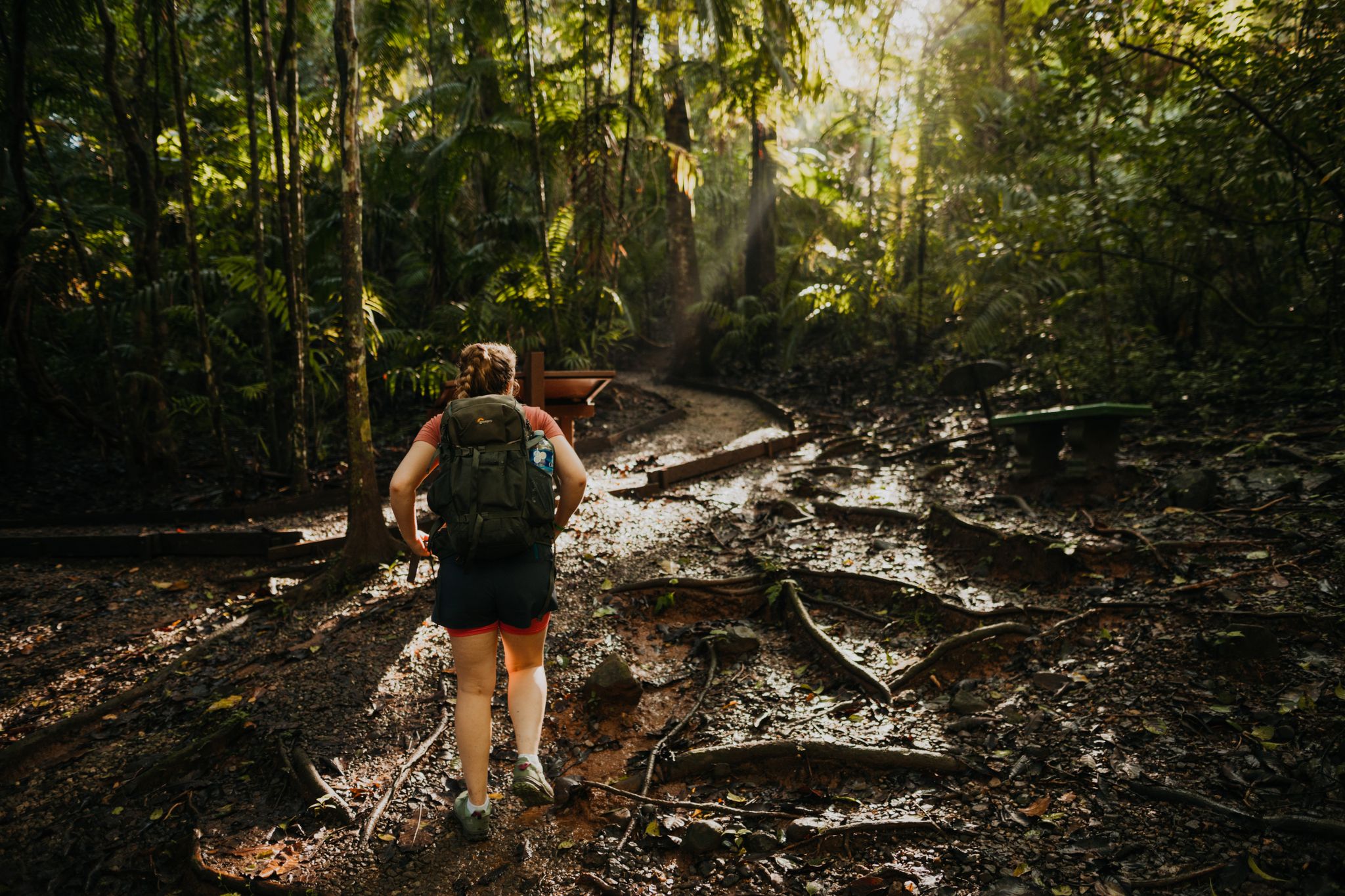
Metropolitan Natural Park Visitor Center
Highlight • Rest Area
Translated by Google •
Tip by

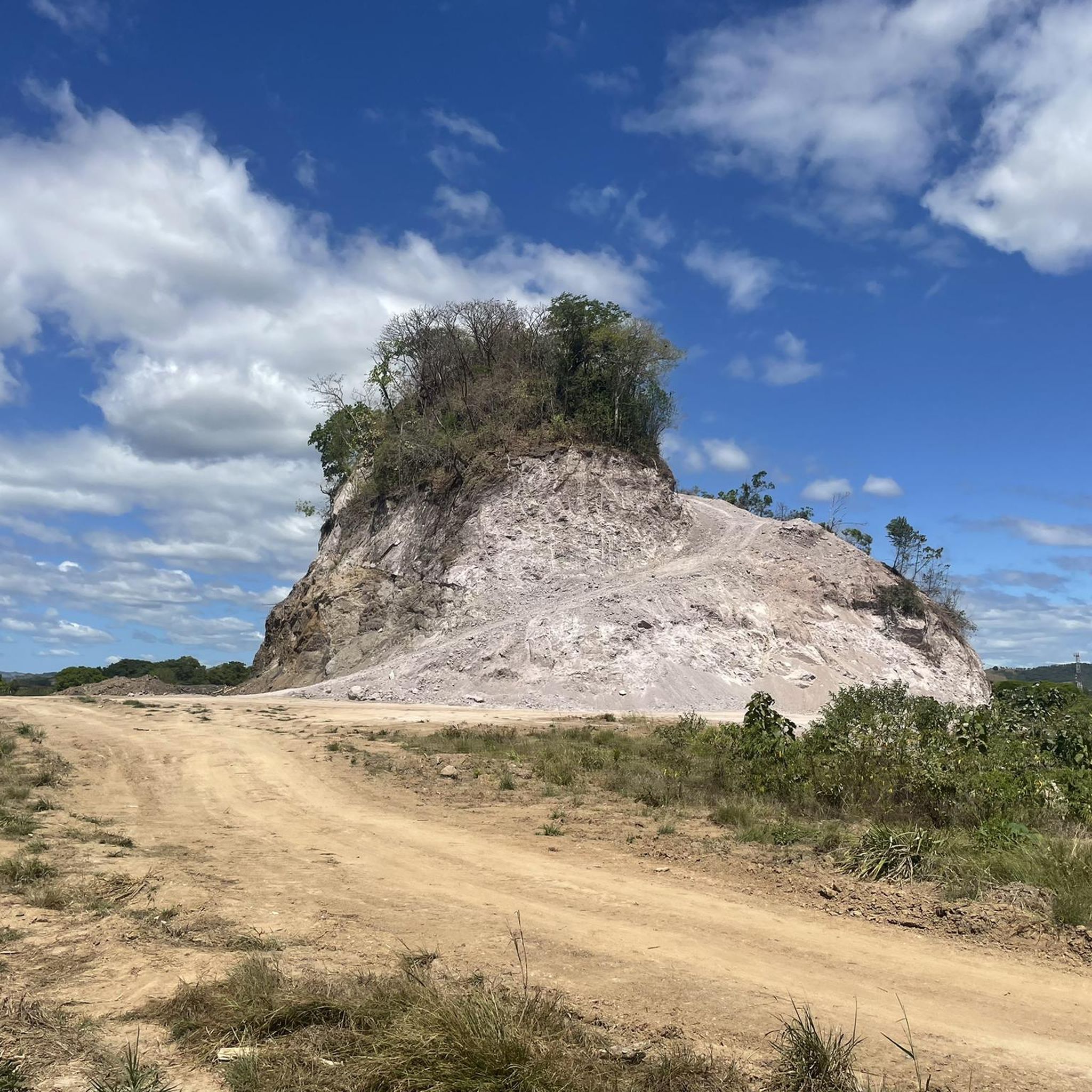
Cerro Cedro
Highlight • Viewpoint
Translated by Google •
Tip by
Sign up now to discover places like this
Get recommendations on the best single tracks, peaks, & plenty of other exciting outdoor places.
Sign up for free
Volcán Barú Summit
Highlight • Summit
Tip by

Cenizo (Ulmus Mexicana) – The 1,000-Year-Old Tree
Highlight • Natural Monument
Tip by

Engravings
Highlight • Historical Site
Translated by Google •
Tip by
Third Waterfall, Parque Internacional La Amistad
Highlight • Waterfall
Translated by Google •
Tip by
Waterfall at the End of Pipeline Trail
Highlight • Waterfall
Translated by Google •
Tip by
Waterfall and natural pool
Highlight • Waterfall
Translated by Google •
Tip by
First waterfall
Highlight • Waterfall
Translated by Google •
Tip by
El Gaital Trail
Highlight • Trail
Translated by Google •
Tip by
Sign up for free to discover even more natural monuments in Panama.
Sign up for free
Already have an account?
Start today with a free account
Your next adventure awaits.
Login or Signup
Other adventures in Panama

Tips from the Community

It's a strenuous climb, but worth it. Pay a small fee at the visitor center, and then the park is yours to enjoy. Here, too, you'll find a wide variety of plants, animals, and the fruits of human activity. Check the weather radar beforehand to make sure your trip isn't ruined.
1
0
A sweaty climb, but worth it. Check the weather radar beforehand so your trip doesn't fall through.
1
0


The ascent from Nueve Bambito is only possible with a guide, which must be arranged in advance. Unfortunately, the staff at the entrance to the park will not let you through if you do not have a reservation.
0
0
It's best to ask in advance whether it is open. Unfortunately it was closed today (Monday).
1
0

Unfortunately no time ⏰ had to swim 🛁
1
1
Witnesses from a time long gone ⌛️🕰️
1
0
Frequently Asked Questions
What unique natural features can I explore in Panama's natural monuments?
Panama's natural monuments offer a remarkable range of features. You can discover towering volcanic peaks, such as the Volcán Barú Summit, which is the country's highest point. The landscape also includes ancient trees like the Cenizo (Ulmus Mexicana) – The 1,000-Year-Old Tree, and majestic waterfalls, including the Waterfall at the End of Pipeline Trail. Beyond these, you'll find diverse ecosystems ranging from lush rainforests to pristine coastlines and rich marine environments.
Are there any historical or cultural sites within Panama's natural monuments?
Yes, some natural monuments in Panama also preserve historical and cultural traces. For instance, you can find ancient petroglyphs, which are images carved into stone, in the middle of the jungle. These include sites like the Engravings and the Petroglyph Bridge in the Panamanian Jungle, offering a glimpse into the region's indigenous past.
What is the best time of year to visit Panama's natural monuments?
The best time to visit Panama's natural monuments is generally during the dry season, which runs from December to April. During these months, you can expect clearer skies and less rainfall, making outdoor activities like hiking and wildlife spotting more enjoyable. However, some areas, particularly rainforests, maintain their lushness year-round.
Are there family-friendly natural monuments in Panama?
Yes, several natural monuments are suitable for families. The Metropolitan Natural Park, with its Visitor Center, is easily accessible from Panama City and offers trails through a tropical rainforest where you can spot wildlife. The Bocas del Toro Archipelago also provides clear waters and beaches ideal for relaxation and snorkeling, which can be great for families.
What kind of wildlife can I expect to see in Panama's natural monuments?
Panama's natural monuments are renowned for their incredible biodiversity. You can spot a wide array of wildlife, including over 450 species of birds and 169 species of mammals in Darién National Park, and over 500 bird species along the Pipeline Road in Soberanía National Park. Marine environments like Coiba National Park teem with vibrant coral reefs, hammerhead and nurse sharks, dolphins, manta rays, and various other marine species, including whales and sea turtles.
What outdoor activities can I do near these natural monuments?
Panama's natural monuments are surrounded by opportunities for outdoor activities. You can find numerous hiking trails, including challenging routes to waterfalls like the Third Waterfall, Parque Internacional La Amistad. For more hiking options, explore waterfall hikes in Panama. Mountain biking and road cycling routes are also available, with options for various skill levels. For more cycling adventures, check out MTB trails in Panama and road cycling routes in Panama.
Are there any natural monuments near Panama City?
Yes, the Metropolitan Natural Park is uniquely located within Panama City's limits, offering a quick escape into a tropical rainforest. It's an excellent place to experience nature and spot wildlife just minutes from the urban center. Soberanía National Park, a crucial watershed for the Panama Canal, is also easily accessible from the city and is a prime birdwatching destination.
What makes Coiba National Park a significant natural monument?
Coiba National Park, a UNESCO World Heritage Site, is often called the 'Galapagos of Panama' due to its exceptional marine biodiversity. It features the second-largest coral reef in the eastern Pacific and is a haven for marine life, including sharks, dolphins, manta rays, and various fish. Its tropical rainforest also hosts endemic mammal, plant, and bird species, making it a prime destination for divers, snorkelers, and nature enthusiasts.
What is the difficulty level of hiking trails in Panama's natural monuments?
Hiking trails in Panama's natural monuments vary in difficulty. You can find intermediate trails, such as those leading to Cerro Cedro or the First waterfall. More challenging routes include the ascent to Volcán Barú Summit, which requires significant effort. Some trails, especially those to waterfalls like the Third Waterfall, Parque Internacional La Amistad, may require climbing and surefootedness, particularly in wet conditions.
Do I need permits to visit natural monuments in Panama?
Yes, some natural monuments, especially national parks and protected areas, may require permits or entrance fees. For example, accessing certain parts of Volcán Barú National Park, particularly for guided ascents, requires prior arrangement and permits. It's advisable to check specific requirements for each park you plan to visit. For general information on nature parks, you can visit tourismpanama.com.
What is special about Darién National Park?
Darién National Park is a UNESCO World Heritage Site and a critical natural bridge between North and South America. It's an immense expanse of untouched wilderness with incredibly diverse habitats, including sandy beaches, swamps, mangroves, and tropical rainforests. It's a world-class bird-watching site and home to many endangered species, offering a rugged and remote nature experience.
Can I see both the Pacific and Caribbean oceans from any natural monument?
Yes, on a clear day, hikers who reach the Volcán Barú Summit can witness breathtaking panoramic views of both the Pacific and Caribbean oceans from Panama's highest peak.
Most popular routes in Panama
Most popular attractions in Panama

Get inspired with the komoot mobile app


Didn’t find what you were looking for?
Find even more amazing natural monuments in Panama by checking out the top Highlights region by region:
Explore more
Extend your search for the best caves by checking out these guides of the top ones in Panama:
