Top 20 Natural Monuments around Bad Oeynhausen
Best natural monuments around Bad Oeynhausen are found in a spa town situated between the Teutoburg Forest and Weser Uplands. The region is characterized by its river landscapes, geological features, and diverse natural elements. Visitors can explore a range of natural attractions, from designed parks highlighting natural phenomena to more untouched areas. The area's complex geological structure contributes to features like thermal salt springs.
Best natural monuments around Bad Oeynhausen
- The most popular natural monuments is View of the Kaiser…
Last updated: October 10, 2026
Werre-Weser Confluence
Highlight • River
Translated by Google •
Tip by

Moltke Tower (Moltketurm)
Highlight • Viewpoint
Translated by Google •
Tip by

Sign up now to discover places like this
Get recommendations on the best single tracks, peaks, & plenty of other exciting outdoor places.
North Tower (observation tower), Großes Torfmoor
Highlight • Viewpoint
Translated by Google •
Tip by

Graduation tower in Sielpark
Highlight • Monument
Not far from the location of this graduation tower, three graduation towers …
Translated by Google •
Tip by

View of the Kaiser Wilhelm Monument from the Weser Bridge
Highlight • Viewpoint
Translated by Google •
Tip by

Sign up for free to discover even more natural monuments around Bad Oeynhausen.
Already have an account?
Start today with a free account
Your next adventure awaits.
Popular around Bad Oeynhausen
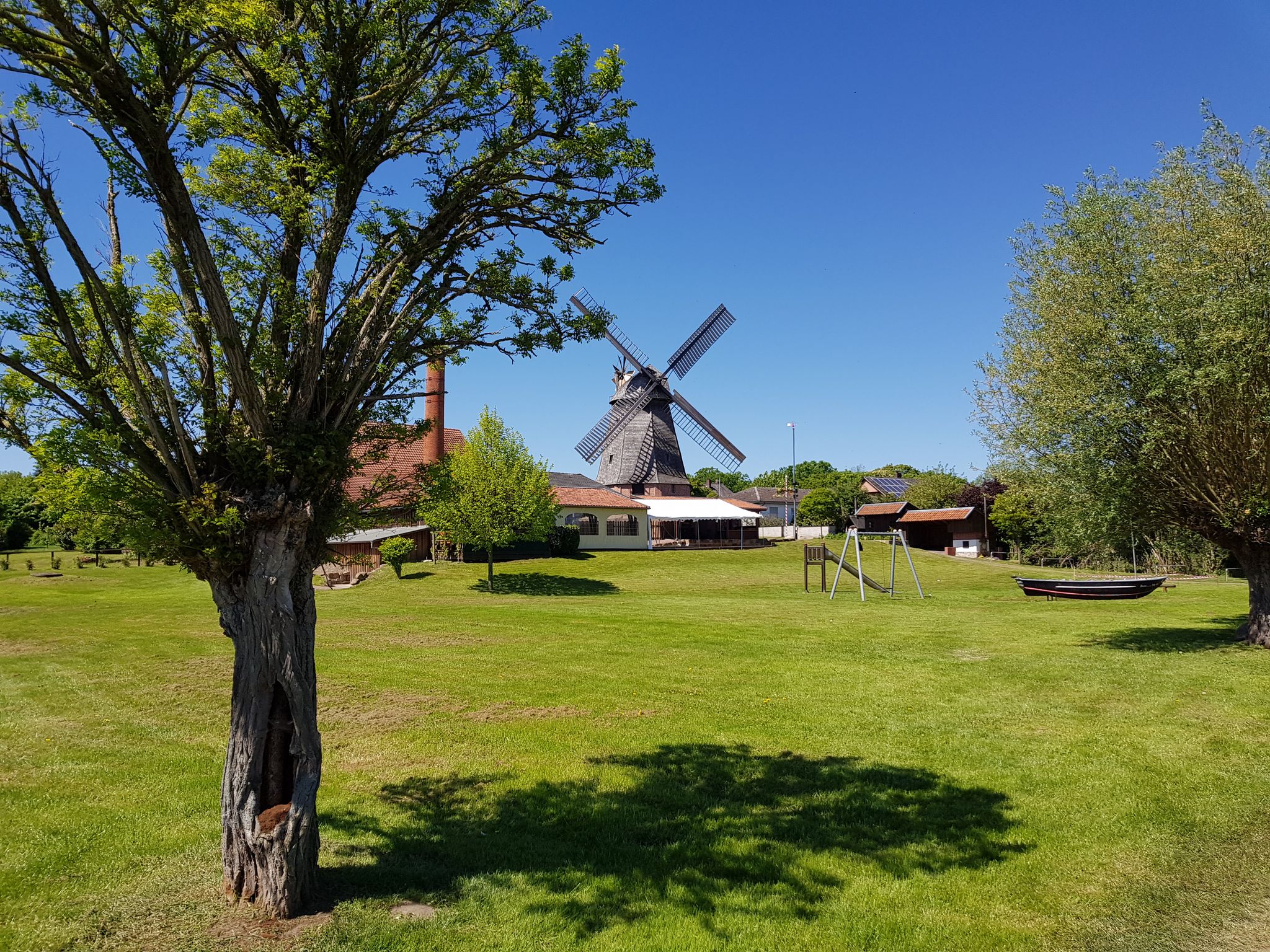
Cycle Germany's Mill Route — Open-air museums and Teutoberg forest
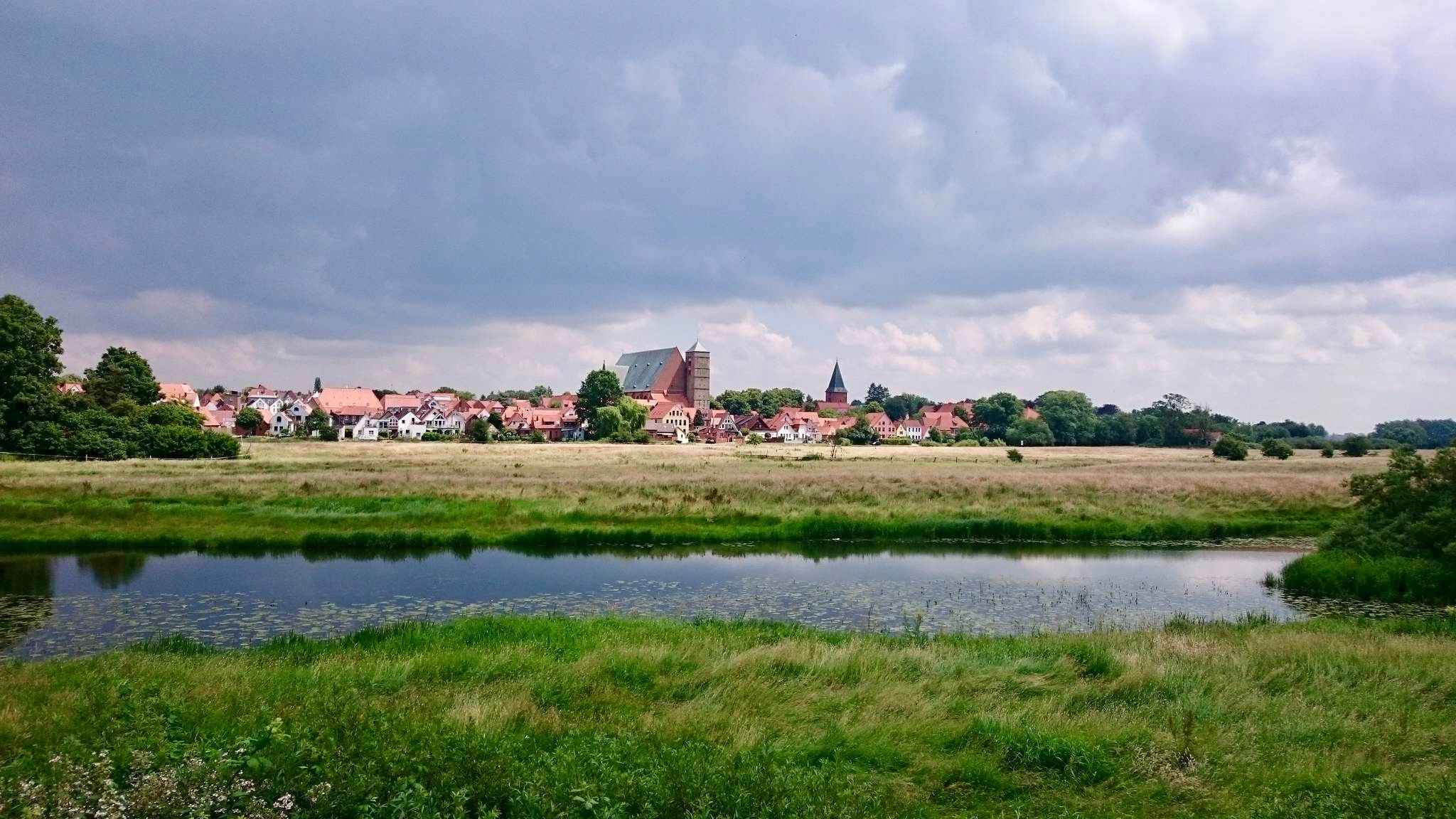
The Weser Cycle Path
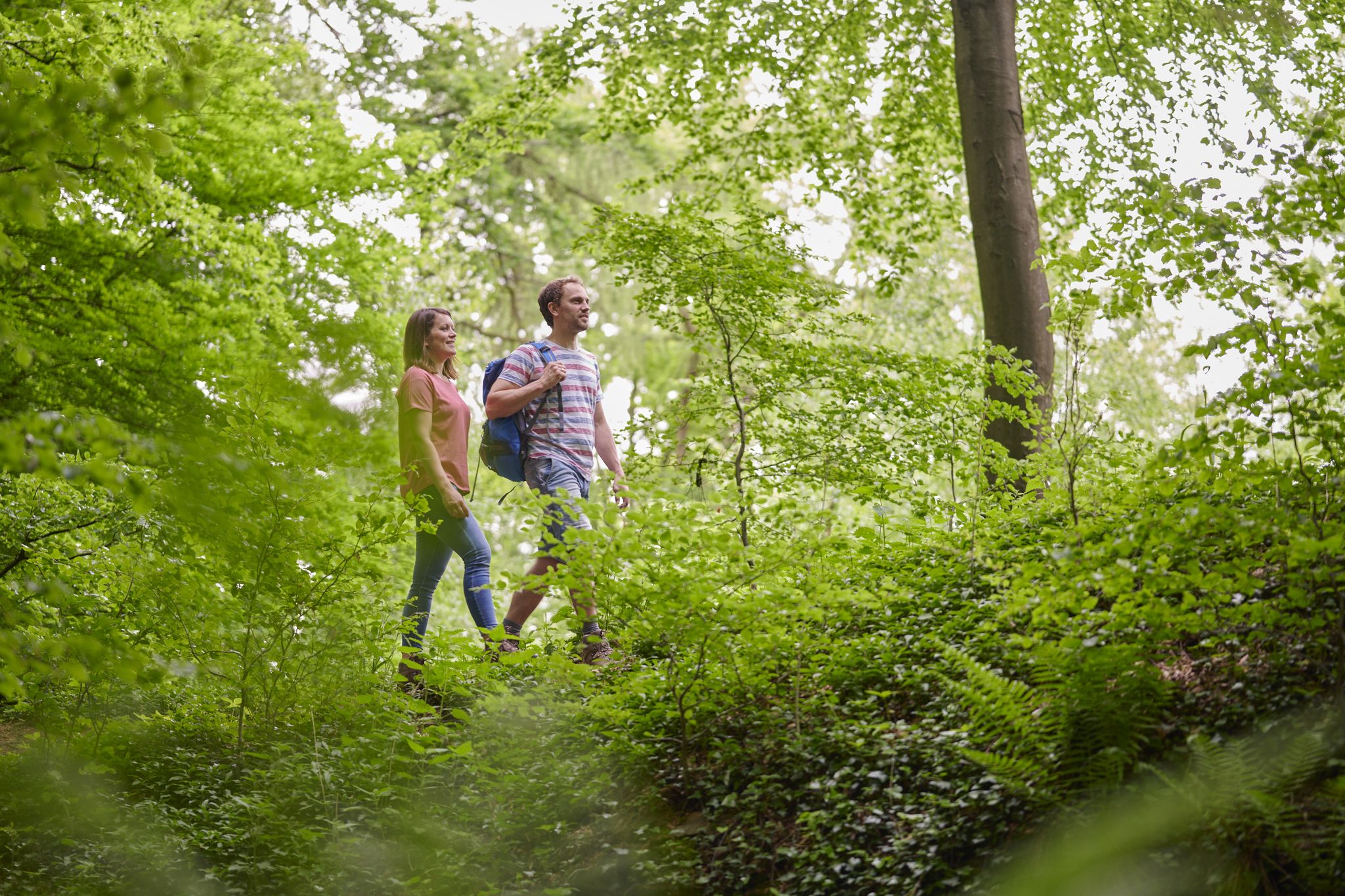
Culture and nature – hiking in Bad Oeynhausen
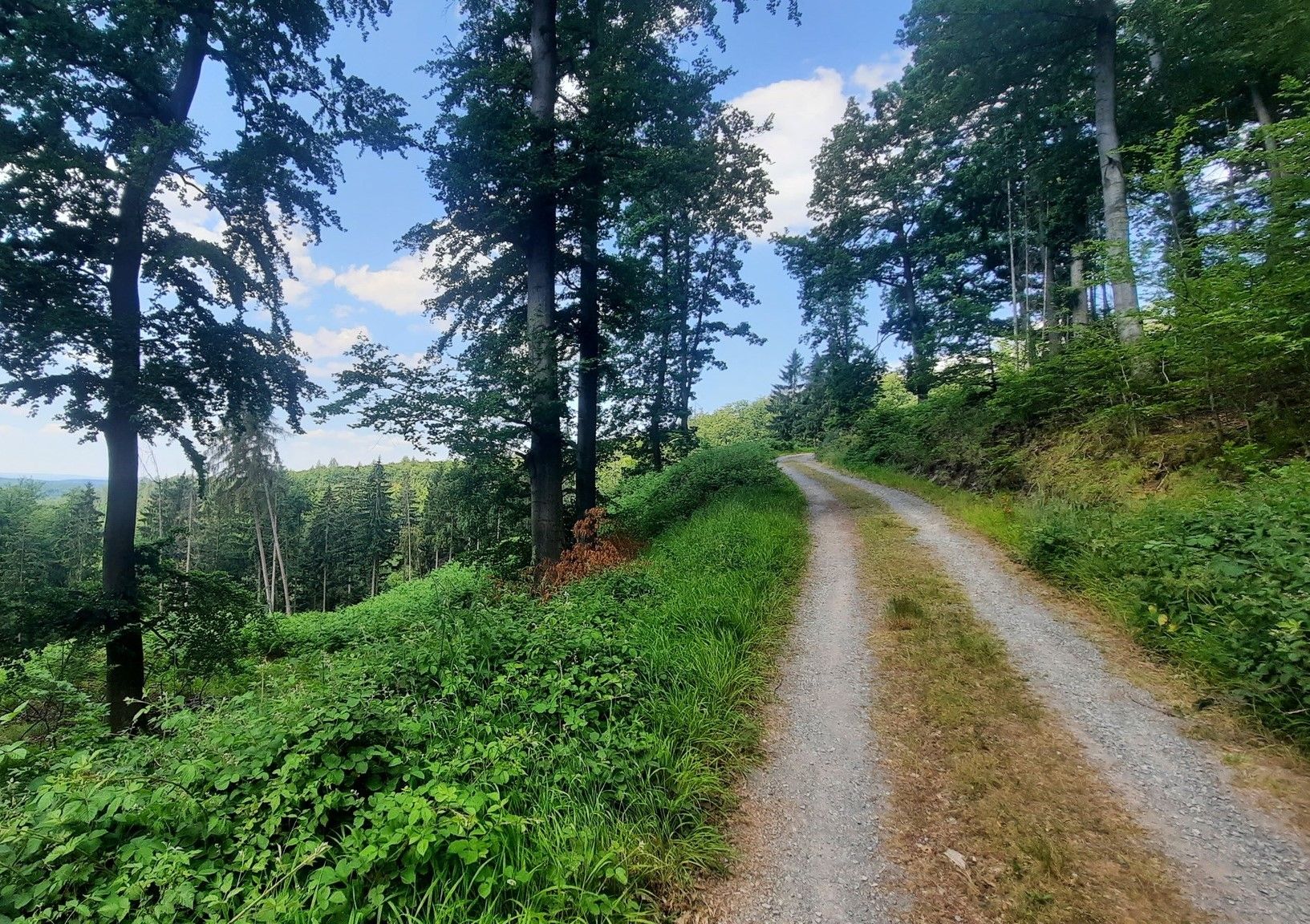
Green diversity - experiential paths through the Teutoburg Forest
Discover the Mill Routes in Minden-Lübbecke by bike
Follow the rustling, follow the clattering - Mill route in Ostwestfalen-Lippe
Hike to ancient mills in northwest Germany – Mühlensteig
Follow in Saxon leader Widukind's footsteps – 6 days on the Wittekind Trail
Hiking around Bad Oeynhausen
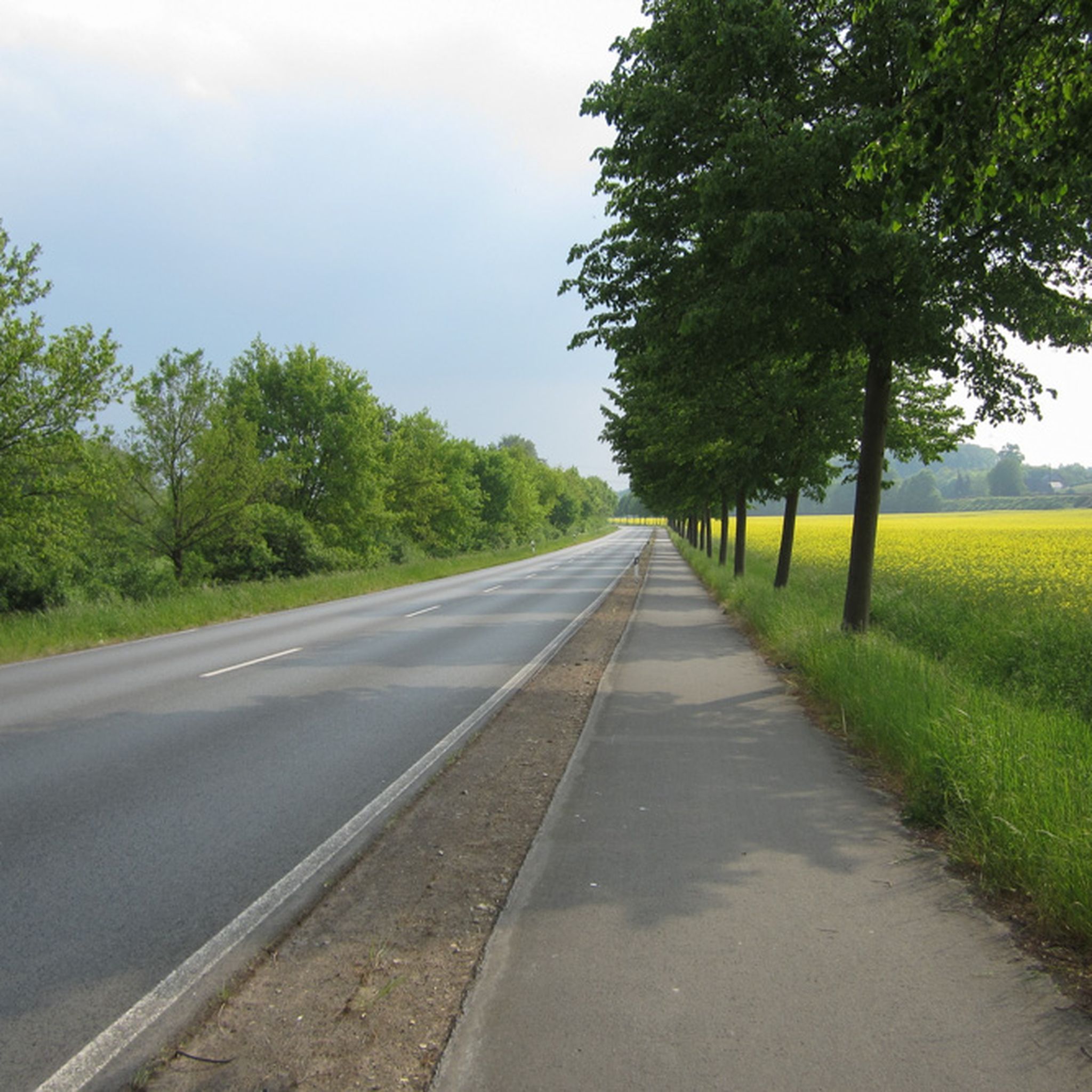
Cycling around Bad Oeynhausen
Other adventures around Bad Oeynhausen


Tips from the Community

The Porta Westfalica is only the real highlight through the Wesergebirge and the Wiehengebirge
11
0

In autumn you can marvel at the faded heather, the colorful and contrasting moor landscape with its many characteristic mini lakes, the so-called moor biotopes, in which the plants and tree stumps are reflected and, of course, photographed...
7
0
+++The moor adventure trail partly takes you along wooden plank paths through the varied moorland landscape. +++For the extensive view over the moor with the heights of the Wiehengebirge in the background, it is worth climbing to the observation tower (north tower) (source: https://www.teutoburgerwald.de/wandern-radfahr/in-der-natur/tour/...).
10
1
the tower goes over 3 platforms, so you have the chance to observe animals: e.g. B. Birds
6
0

Newly built in 1989/90; is reminiscent of the salt tradition of Bad Oeynhausen and serves as. Open-air inhalatorium. Not far from the location of this graduation tower, three graduation towers were built by 1932/33 and 1939/40, which were essential parts of the "Neusalzwerk" saltworks, which were founded in the middle of the 18th century and closed in 1928 and have also been used as a spa treatment since the spa was founded in 1845 were used. At the turn of the 19th century, around 50,000 hundredweight of salt were boiled in the saltworks every year.
11
0
After the death of Kaiser Wilhelm I, Kaiser Wilhelm monuments were commissioned in many places in Prussia. As one of the last major monuments, the personal and national monument places the emperor at the center of the nationally shaped culture of remembrance of the late 19th century, which placed the national communalization in the foreground. At the Porta Westfalica as a place that shapes the landscape, an educational program for national standardization was implemented with the Kaiser Wilhelm monument. The unification of the German Empire as a result of the Franco-Prussian War was celebrated here in the person of the Emperor.
13
0

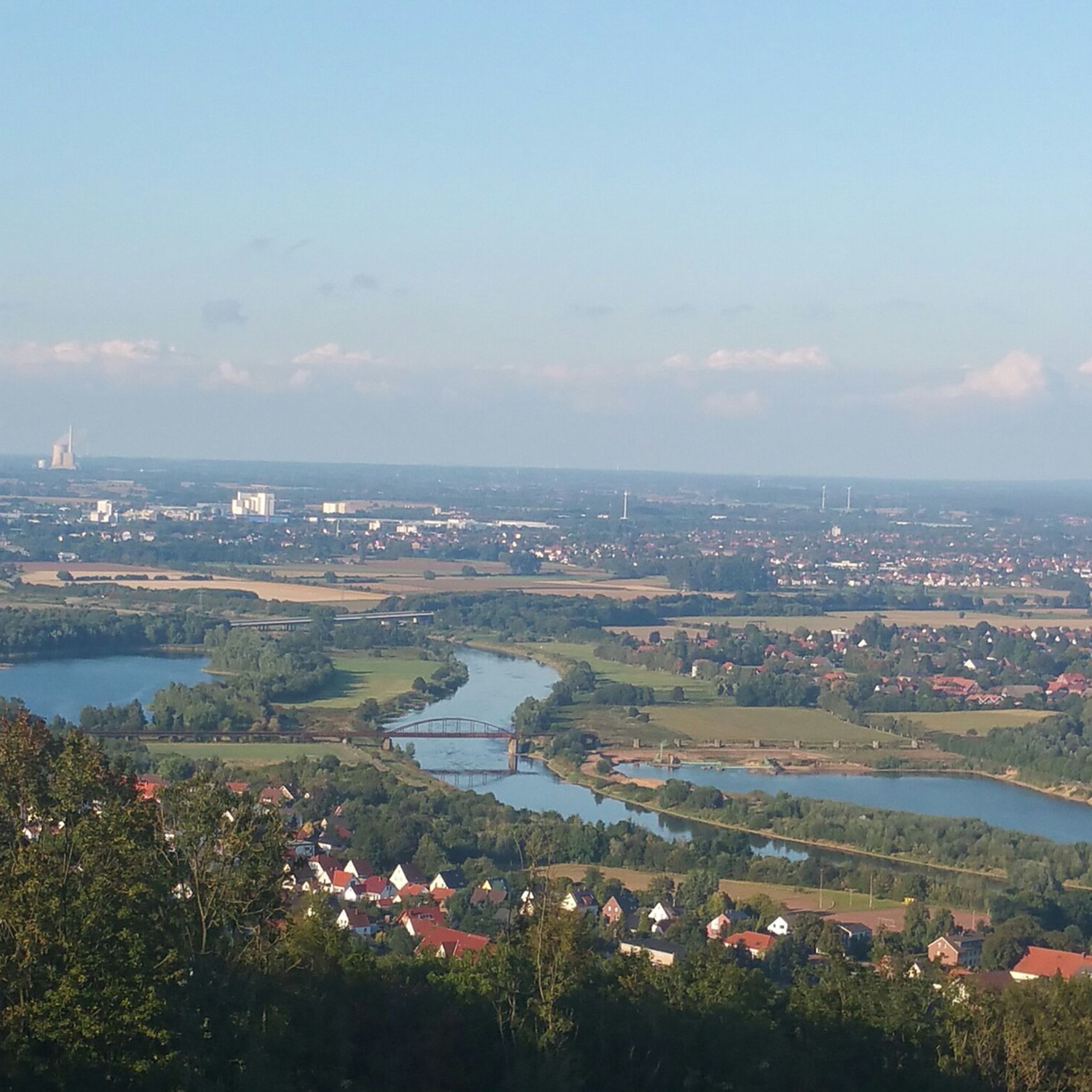
From the viewing platform you can see parts of the surrounding mountains, a section of the Weser Valley and a southern area of the North German Plain.
9
0
The Moltketurm is an approx. 14 meter high observation tower on the Wittekindsberg near the Porta Westfalica. From its viewing platform you can see parts of the surrounding mountains, a section of the Weser Valley and a southern area of the North German Plain. The tower stands on the ridge directly on the stretch of the Witekindsweg and the European long-distance hiking trail E11.
9
1
Frequently Asked Questions
What are some of the most visited natural monuments around Bad Oeynhausen?
Beyond the well-known viewpoints, visitors frequently explore the Werre-Weser Confluence, where the two rivers meet, offering beautiful views and a popular spot along the Else-Werre cycle path. Another popular site is the Graduation tower in Sielpark, known for its outdoor inhalation benefits, especially on warm summer days.
Are there family-friendly natural monuments in the Bad Oeynhausen area?
Yes, several natural monuments are suitable for families. The View of the Kaiser Wilhelm Monument is a family-friendly viewpoint. The North Tower (observation tower) at Großes Torfmoor is also family-friendly, offering an adventure trail with wooden plank paths through the moorland. The Graduation tower in Sielpark is another great option, providing a unique experience for all ages.
What kind of geological features can I observe around Bad Oeynhausen?
Bad Oeynhausen is situated in a region with interesting geological characteristics. The area is known for its thermal salt springs, a result of complex geological structures. You can experience this at the Graduation tower in Sielpark, which uses the local salt-rich air for outdoor inhalation. The broader region, nestled between the Teutoburg Forest and Weser Uplands, features clay marl, limestone, and sandstone from the Mesozoic Era, contributing to its diverse landscapes.
What outdoor activities can I do near the natural monuments?
The area around Bad Oeynhausen is excellent for various outdoor activities. You can find numerous cycling routes, such as those along the Werre and Weser rivers, including the Else-Werre cycle path. For more options, explore the Cycling around Bad Oeynhausen guide. If you prefer mountain biking, check out the MTB Trails around Bad Oeynhausen guide. There are also dedicated Running Trails around Bad Oeynhausen, including routes that pass by the Graduation tower in Sielpark.
Are there any natural monuments that are wheelchair accessible?
Yes, the Graduation tower in Sielpark is noted as wheelchair accessible, making it a good option for visitors with mobility needs. This site offers a unique experience with its outdoor inhalation facility.
What is the best time of year to visit the natural monuments in Bad Oeynhausen?
Many natural monuments in Bad Oeynhausen can be enjoyed year-round. For instance, the Graduation tower in Sielpark is particularly pleasant on warm summer days for outdoor inhalation. The North Tower at Großes Torfmoor offers a beautiful sight from August to mid-September when the broom heath is in bloom. Generally, spring and summer offer lush greenery and pleasant weather for exploring parks and river landscapes, while autumn provides vibrant foliage.
Where can I find impressive views of the landscape?
For expansive views, the Moltke Tower (Moltketurm), located at the highest point of the Wittekindberg, offers panoramic vistas of the surrounding mountains, a section of the Weser Valley, and the North German Plain. Another excellent spot is the North Tower (observation tower) at Großes Torfmoor, providing extensive views over the moorland landscape with the Wiehengebirge in the background.
What makes the Kurpark Bad Oeynhausen a significant natural monument?
The Kurpark Bad Oeynhausen, though a designed spa garden, is considered a significant natural monument due to its extensive collection of over 200 species of trees and shrubs, including native and exotic flora. Its most prominent natural feature is the Jordansprudel, a thermal saltwater fountain that can reach heights of up to 50 meters. The park offers a tranquil setting to experience diverse plant life and geological phenomena within an urban environment.
Are there any natural areas that feel more untouched or wild?
While Bad Oeynhausen features meticulously designed parks, the Siekertal offers a more pristine natural experience. This natural valley is home to the Museumshof and a fallow deer enclosure in the 'Oeynhausener Schweiz' (Oeynhausen Switzerland), providing a contrast to the manicured landscapes and a chance to observe local wildlife in a less developed setting.
What do visitors enjoy most about the natural monuments in Bad Oeynhausen?
Visitors frequently praise the scenic beauty and tranquility of the natural monuments. Many appreciate the impressive views from spots like the Moltke Tower and the opportunity to relax by the Werre-Weser Confluence. The unique experience of the Graduation tower in Sielpark and the educational aspects of the moorland trails are also highly valued, as evidenced by over 3500 upvotes and 1100 photos shared by the komoot community.
Can I explore river landscapes near Bad Oeynhausen?
Absolutely. Bad Oeynhausen is uniquely positioned at the confluence of the Werre and Weser rivers, offering beautiful river landscapes. The Werre-Weser Confluence is a prime example, providing scenic views and opportunities for cycling along paths like the Weser Bicycle Path and the Else-Werre Bicycle Path. These areas are perfect for experiencing the tranquil beauty of the waterways and their diverse ecosystems.
Are there any historical elements associated with the natural monuments?
Yes, some natural monuments have historical connections. The Moltke Tower (Moltketurm) is a historical site and viewpoint. The Kurpark Bad Oeynhausen, while a natural oasis, was designed in the mid-19th century by renowned landscape architect Peter Joseph Lenné, blending natural beauty with historical landscape architecture. The Graduation tower in Sielpark is a replica from 1989/90, but its function is rooted in the historical spa traditions of the town.
Most popular routes around Bad Oeynhausen
Most popular attractions around Bad Oeynhausen

Get inspired with the komoot mobile app


Explore more
Extend your search for the best caves by checking out these guides of the top ones around Bad Oeynhausen:
