The best walks and hikes around Bad Oeynhausen
4.4
(2648)
9,901
hikers
373
hikes
Hiking around Bad Oeynhausen offers diverse landscapes within Germany's North Rhine-Westphalia region. The area is characterized by the rolling Wiehen Hills to the north, the broader Weser Uplands, and the scenic Weser River valley. Trails navigate through deep forests, along riverbanks, and across hilly terrain, with some routes extending into the nearby Teutoburg Forest. The region provides varied elevations, from gentle spa park paths to more challenging climbs in the hills.
Best hiking trails around Bad Oeynhausen
- The most popular…
Last updated: September 29, 2026
4.5
(95)
357
hikers
Easy hike. Great for any fitness level. Easily-accessible paths. Suitable for all skill levels.
4.7
(77)
236
hikers
4.76km
01:21
100m
100m
Easy hike. Great for any fitness level. Easily-accessible paths. Suitable for all skill levels.

4.7
(516)
1,411
hikers
Moderate hike. Good fitness required. Easily-accessible paths. Suitable for all skill levels.
4.8
(42)
115
hikers
5.15km
01:29
120m
130m
Easy hike. Great for any fitness level. Easily-accessible paths. Suitable for all skill levels.
4.2
(18)
60
hikers
Easy hike. Great for any fitness level. Easily-accessible paths. Suitable for all skill levels.
Get access to more routes and recommendations from other explorers.
Already have an account?
Our route recommendations are based on thousands of hikes, rides, and runs completed by other people on komoot.
Start today with a free account
Your next adventure awaits.
Popular around Bad Oeynhausen
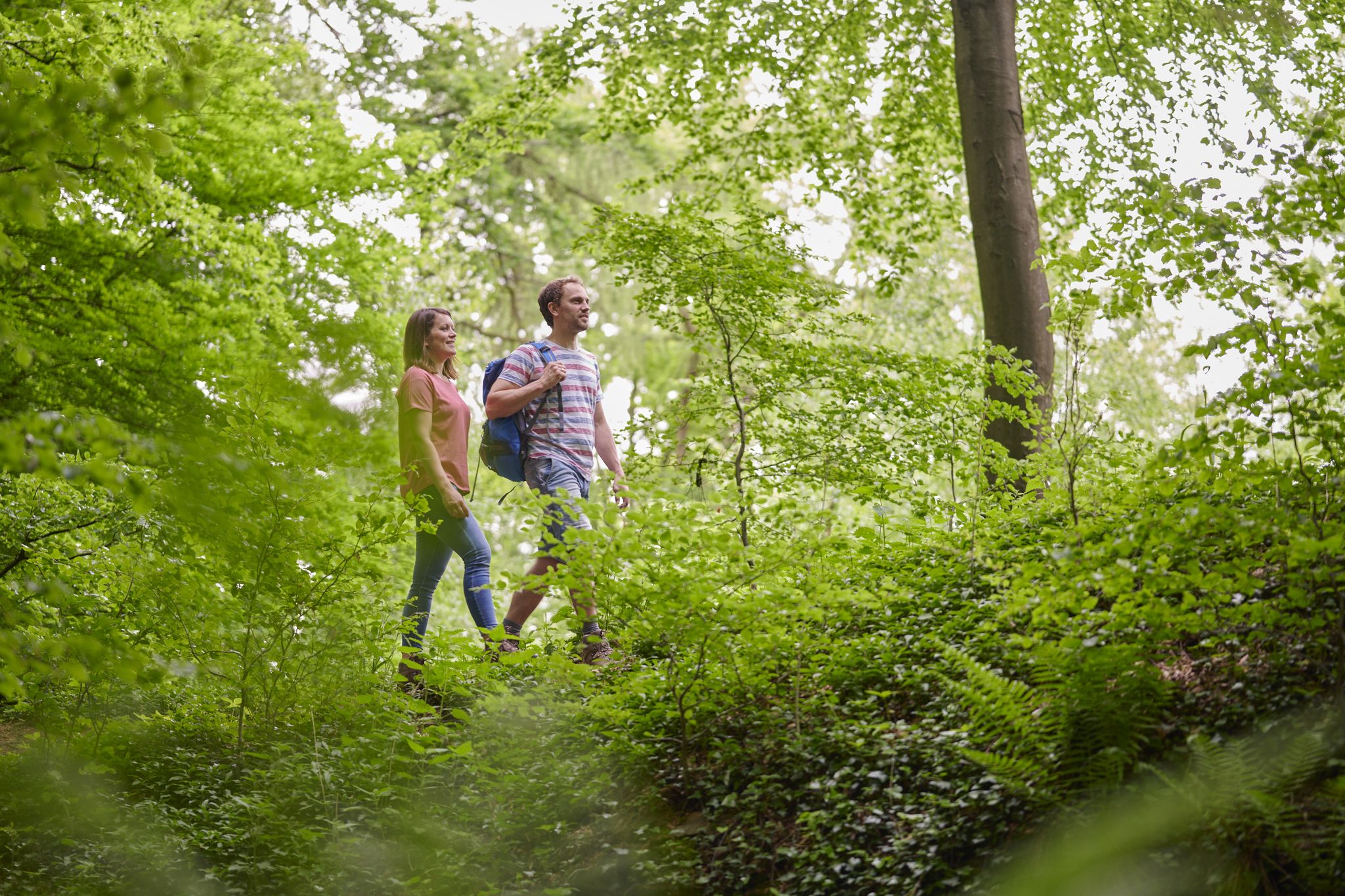
Culture and nature – hiking in Bad Oeynhausen
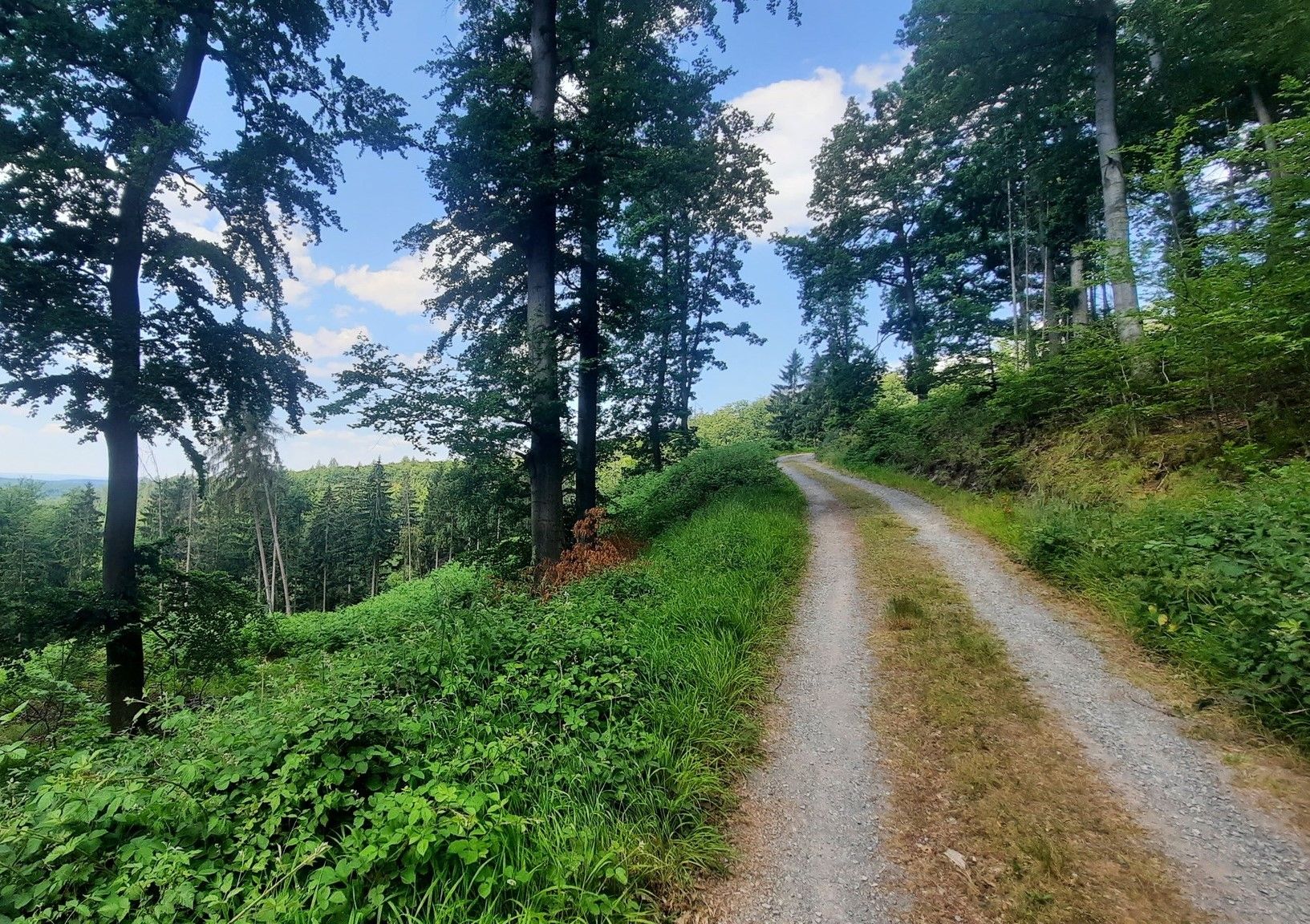
Green diversity - experiential paths through the Teutoburg Forest
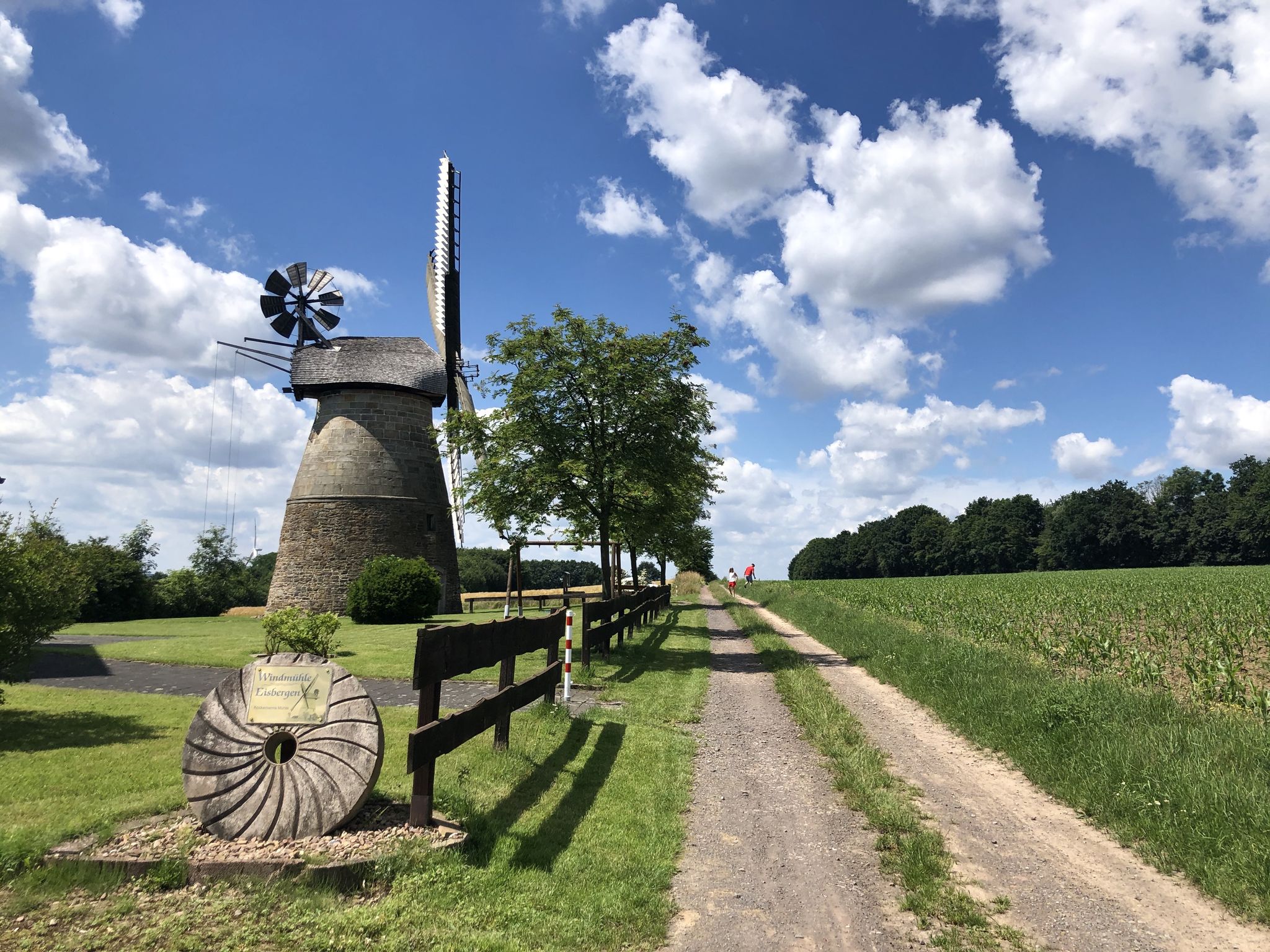
Hike to ancient mills in northwest Germany – Mühlensteig
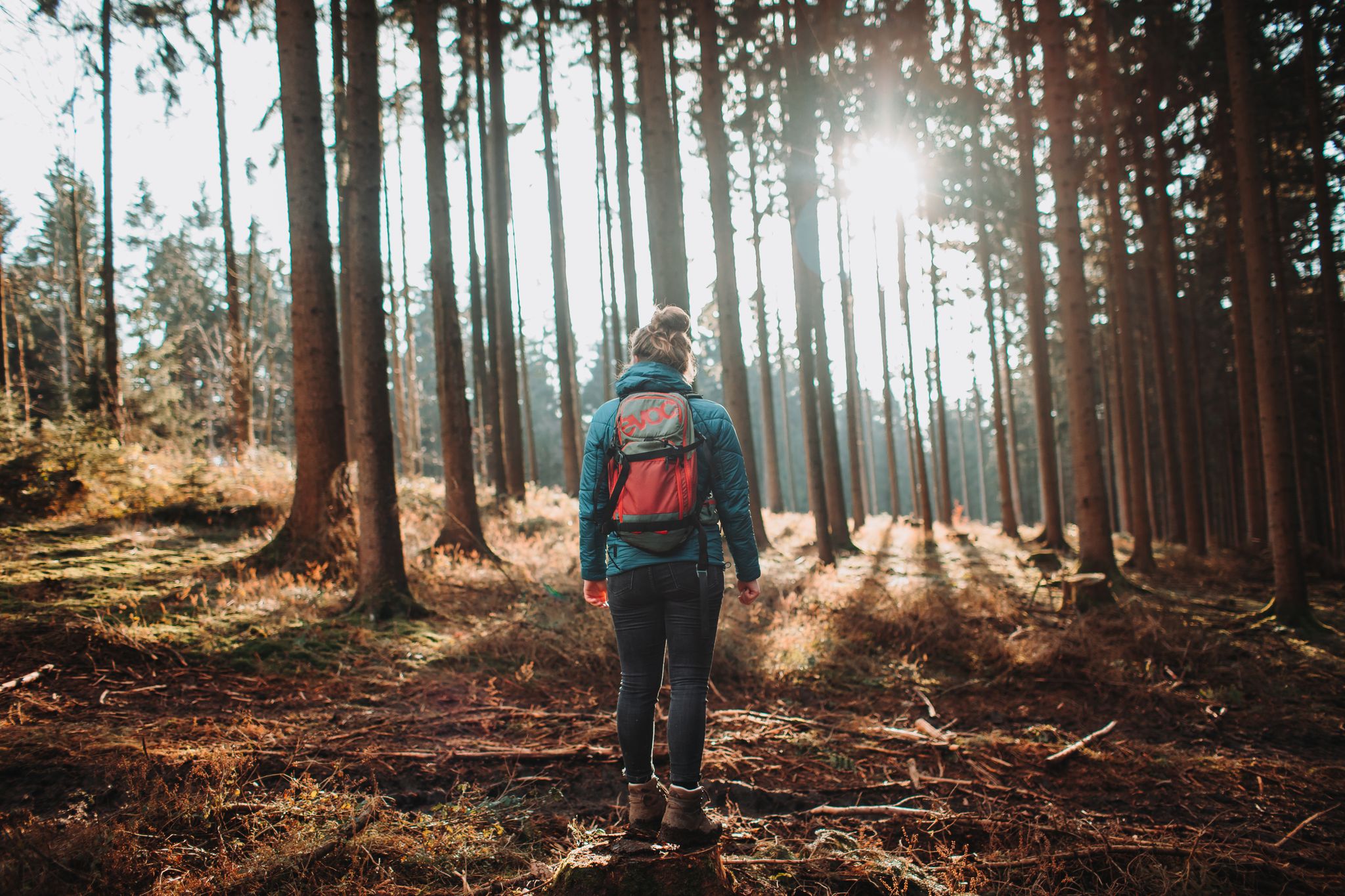
Follow in Saxon leader Widukind's footsteps – 6 days on the Wittekind Trail
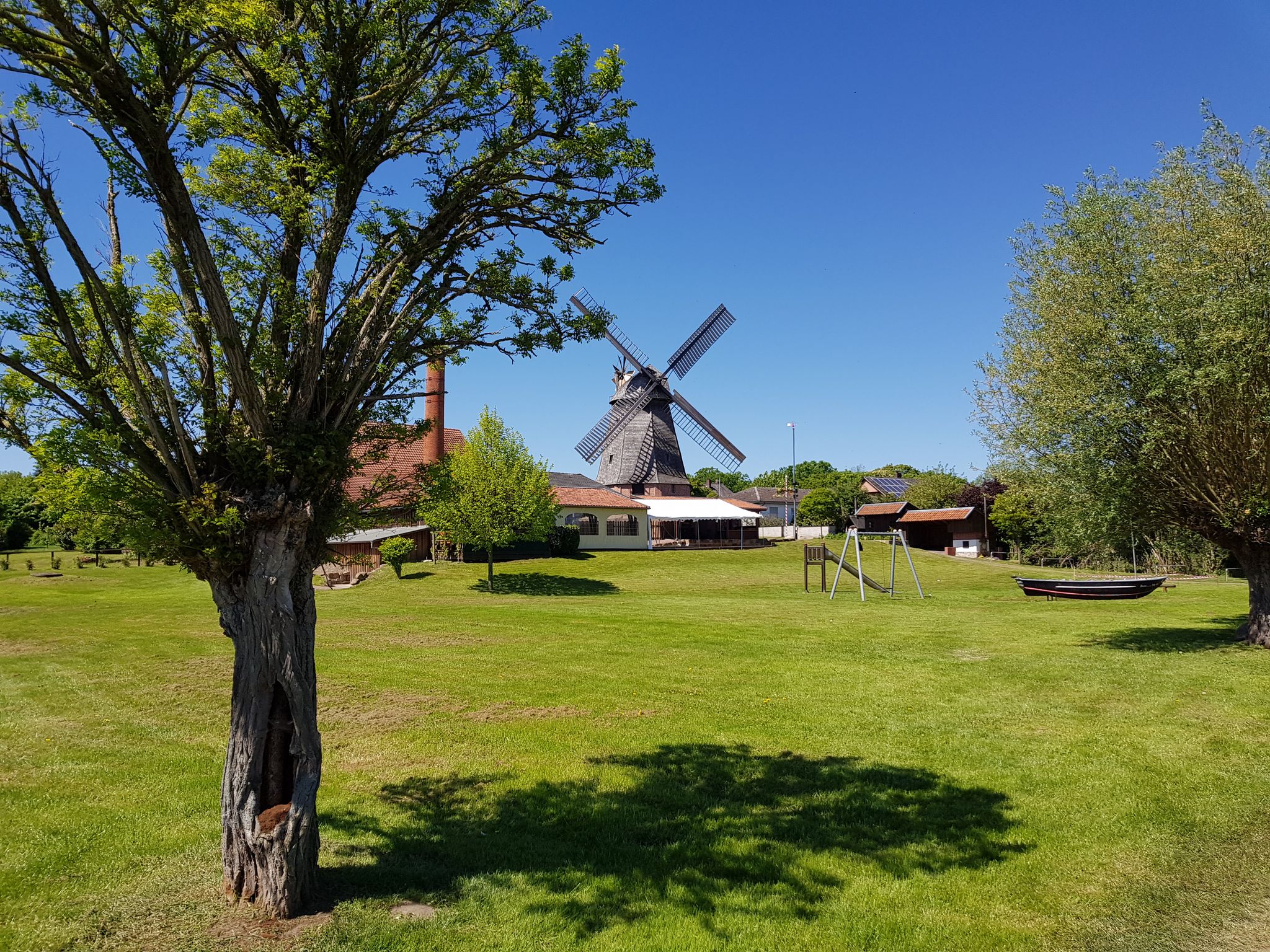
Cycle Germany's Mill Route — Open-air museums and Teutoberg forest
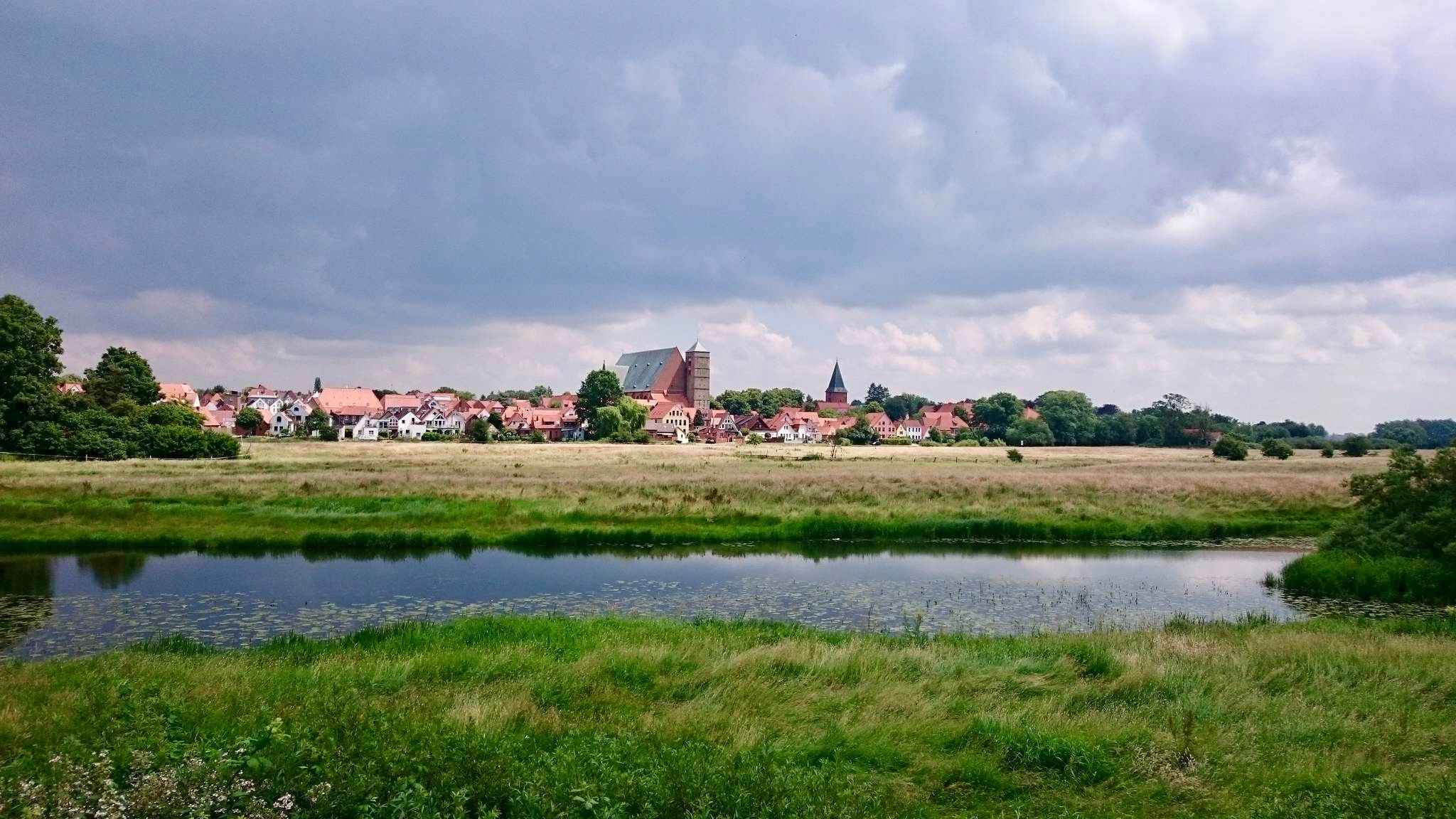
The Weser Cycle Path
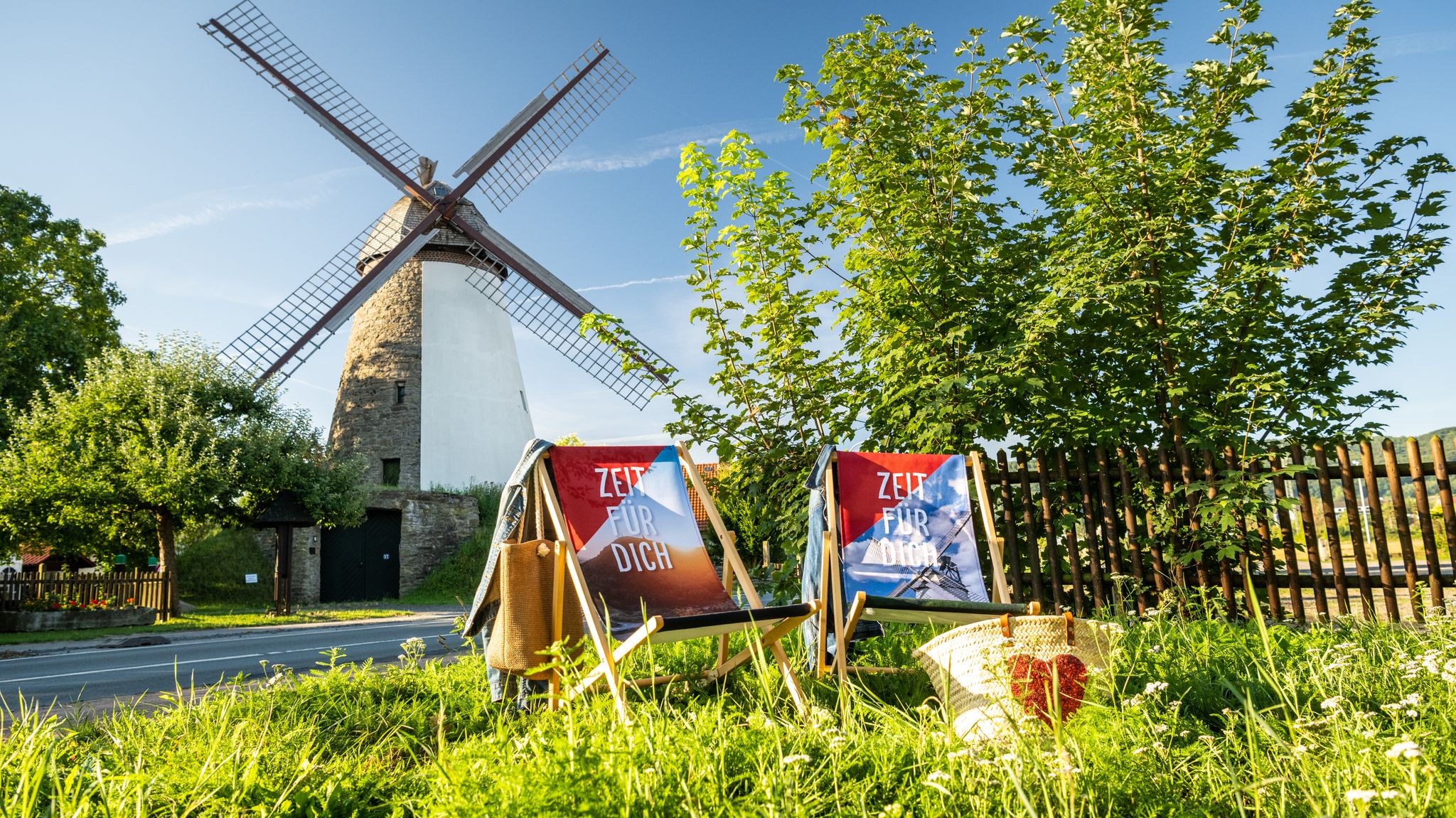
Discover the Mill Routes in Minden-Lübbecke by bike
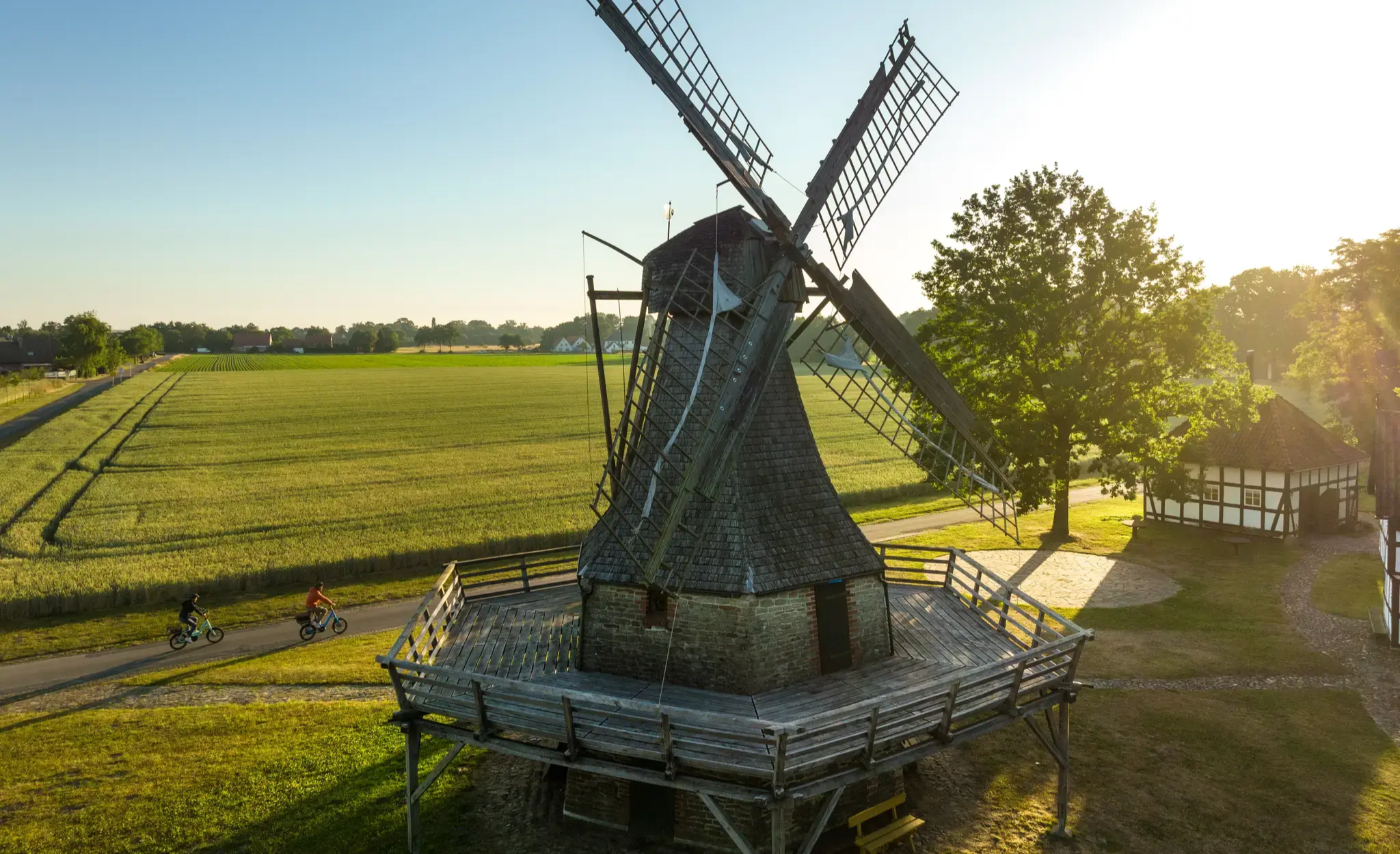
Follow the rustling, follow the clattering - Mill route in Ostwestfalen-Lippe
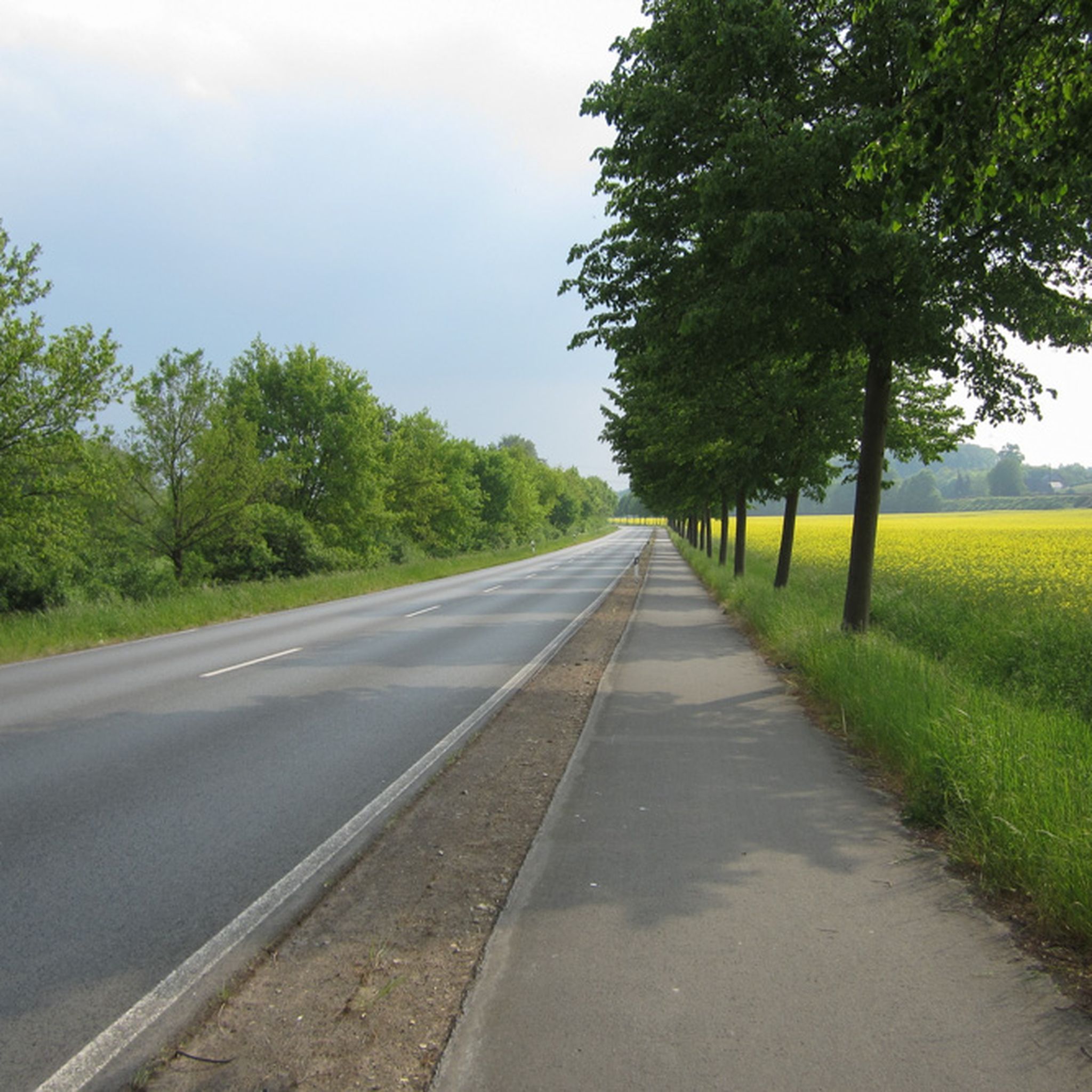
Cycling around Bad Oeynhausen
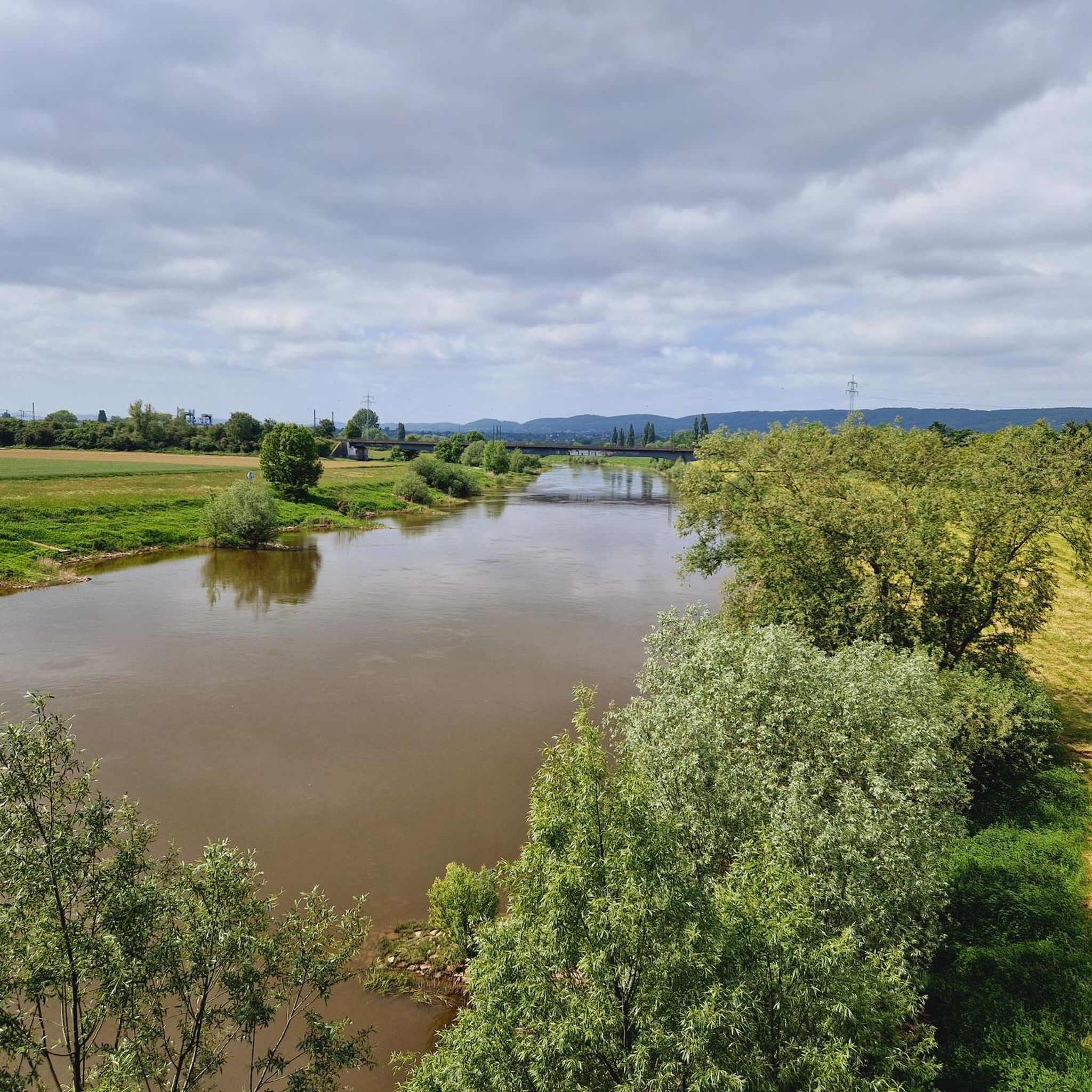
Running Trails around Bad Oeynhausen
Other adventures around Bad Oeynhausen


Tips from the Community

A very beautiful building.
0
0

You are right in the middle of Bad Oeynhausen: And suddenly, it's as if you were standing in the middle of the forest! Just a few meters on foot or by bike from the Kurpark and the city center, you'll find yourself in a green oasis in no time, the Bad Oeynhausen Switzerland. And right in the heart of the "Switzerland" you'll discover a special gem: The fallow deer enclosure. It has existed since 1934, meaning for over 90 years, and to this day it enjoys unbroken and ever-renewed popularity with young and old, locals and guests of the spa town alike. A wonderful oasis in the middle of the city!🍀😊🐞
0
0

The Wandelhalle in the spa park is very photogenic and there are benches to sit and enjoy
1
0

The Krause Buche stands not far from the parking lot. The gnarled, rather low beech with willow-like hanging branches and a gnarled trunk is something very special. It is the descendant of the original Krause Buche. Why does it grow so unusually? There is no solid evidence for this to this day. The growth form, by the way, has its own name: Süntelbuchen, named after the largest known population of this beech form in the Süntel near Hameln. This year's State Garden Show in Bad Nenndorf will also incorporate the famous Süntelbuchen avenue, which holds even wilder growth forms. Here, however, the Krause Buche is an absolute lone fighter and has thus been declared a natural monument.
0
0
At the far end of the accessible entrance to the side wings, two sculptures symbolize the cornerstones of the spa: water and health. The entire structure is 84 meters long. Both spatially and visually, the promenade hall forms the almost perfect northern (lower) end of the grand vista uphill to the Imperial Palace (Kurhaus) and simultaneously the smaller vista up to the Theater im Park. The view (in both directions) is breathtaking. Since the central axis of the promenade hall (i.e., its open side) faces southeast, the two colonnades and the semicircular inner courtyard are largely protected from the prevailing westerly winds. It's no wonder that this superbly designed space is one of the city's most popular spots: absolutely perfect for festivals, markets, and cultural events, held several times a year!
2
0
Radiantly white, like a temple to healing waters and health, the Wandelhalle (promenade hall) presents itself as perhaps the most beautiful and functional building in the Bad Oeynhausen spa gardens. Built in 1925/26 in the Neoclassical style, the Wandelhalle architecturally completes the historic spa garden buildings. Nearly 70 years after the late-classical Bathhouse I by Carl Ferdinand Busse (1857), the clear formal language of antiquity is once again embraced. The elevated central section, the so-called Trinkhalle (drinking hall), with its six freestanding Ionic columns on the front, resembles a Greek temple. Today, in addition to the traditional dispensing of healing waters, the magnificent hall serves as a venue for concerts, lectures, and panel discussions—a kind of spa town hall. The two side wings, each curved into a quarter circle, consist of a row of shops enclosed on the outside and a colonnade open to the inner courtyard, supported by Doric columns.
3
0
What is little known in this country is that Gorgolewski also worked outside of Prussia and left visible traces to this day, especially in southern Poland and western Ukraine (both regions together then belonged to Austria-Hungary as the Kingdom of Galicia and Lodomeria). During the last years of his life (1893-1903), he was director of the Technical University in Lviv. His most important work there is the magnificent neo-Baroque theater and opera house (1897-1900), today the largest and most prestigious in Ukraine.
2
0
The magnificent Bathhouse II, originally called Bathhouse IV, was built between 1883 and 1885 in the French Renaissance style. Similar to the late-classical Bathhouse I (by Carl Ferdinand Busse), it has an H-shaped floor plan and a high central dome with the grand main entrance in front of it. However, it differs in its four elevated corner pavilions and its considerably more opulent interior design. The architect was Siegmund (Zygmunt) Gorgolewski (1845–1903), one of the leading figures of Historicism at the time. As a Prussian government architect, Gorgolewski left behind numerous public buildings, primarily in the eastern provinces. He himself came from the then-province of Posen.
2
0
Frequently Asked Questions
How many hiking trails are there around Bad Oeynhausen?
Bad Oeynhausen offers a wide variety of hiking opportunities, with over 350 routes available. These range from leisurely strolls through spa parks to more challenging climbs in the surrounding hills.
Are there easy hiking trails suitable for beginners or families in Bad Oeynhausen?
Yes, Bad Oeynhausen is well-suited for beginners and families, with over 230 easy routes. The VitalWanderWelt: 'Balance' – through the Sielpark in Bad Oeynhausen is a popular, relaxing option. Another great choice is the A3 hiking loop: Bergkirchen and Lutternsche Egge, which features gentle ascents and descents.
What kind of landscapes can I expect to see while hiking in Bad Oeynhausen?
The region offers diverse landscapes, including the rolling Wiehen Hills with their deep forests and impressive rock formations, the picturesque Weser River valley, and accessible spa parks. You can also find trails extending into the nearby Teutoburg Forest, providing varied terrain and scenic views.
What are some notable landmarks or attractions I can explore along the hiking trails?
Hikers can discover several interesting points. In the Wiehen Hills, you might encounter the Porta Kanzel viewpoint or the Kaiser Wilhelm Monument in Porta Westfalica. The Kurpark in Bad Oeynhausen itself features unique architecture like the Kaiserpalais. For specific highlights, consider visiting the Zum Wilden Schmied – Restaurant and Viewpoint or the Meesenkopf Summit and Meesenburg Ruins.
Are there any circular hiking routes in the Bad Oeynhausen area?
Yes, many routes in the region are designed as loops. The A3 hiking loop: Bergkirchen and Lutternsche Egge and the A9 hiking loop: Krause Buche and Lutternsche Egge are excellent examples of circular trails that allow you to start and end at the same point.
What is the best time of year to go hiking in Bad Oeynhausen?
The best seasons for hiking in Bad Oeynhausen are generally spring and autumn. During these times, the natural scenery is particularly vibrant with blooming flowers or colorful foliage, and the temperatures are mild and pleasant for outdoor activities.
Are there dog-friendly hiking trails in Bad Oeynhausen?
Many of the natural trails in Bad Oeynhausen, especially those through the Wiehen Hills and along the Weser River, are suitable for hiking with dogs. It's always recommended to keep dogs on a leash, especially in nature reserves or areas with wildlife, and to check local regulations for specific parks or trails.
What do other hikers enjoy most about the trails in Bad Oeynhausen?
The hiking routes in Bad Oeynhausen are highly rated by the komoot community, with an average score of 4.4 stars from over 2,200 reviews. Hikers often praise the diverse terrain, from accessible spa parks to the scenic Wiehen Hills, and the well-maintained paths that cater to various fitness levels.
Can I find places to eat or rest along the hiking routes?
Yes, the region offers options for refreshments. For example, the Zum Wilden Schmied – Restaurant and Viewpoint is a great spot for a break. You can also find shelters like the Bergkirchen Pass Shelter and rest areas along some routes, particularly on longer trails or in popular hiking zones.
Are there any long-distance hiking trails accessible from Bad Oeynhausen?
Yes, Bad Oeynhausen is situated near significant long-distance trails. The Wittekindsweg traverses the Wiehen Hills, and the Weser Uplands Trail, a certified Top Trail of Germany, also runs through the broader Weser Uplands region, offering extensive hiking opportunities.
Are there hiking routes that offer good viewpoints?
Absolutely. The Wiehen Hills provide numerous paths with stunning views of Bad Oeynhausen and the North German Plain. Specific viewpoints like the Porta Kanzel are well-known. Trails leading to summits such as the Nammer Kopf Summit also offer panoramic vistas.
Are there any routes that explore the spa gardens of Bad Oeynhausen?
Yes, the extensive Kurpark and other spa areas offer beautiful walking paths. The VitalWanderWelt: 'Diversity' – through the spa gardens and Oeynhausen Switzerland is a specific route designed to showcase these historic and well-maintained green spaces.
Most popular routes around Bad Oeynhausen
Most popular attractions around Bad Oeynhausen

Get inspired with the komoot mobile app


Explore more
Browse the best Hikes in other regions.
