Top 20 Natural Monuments in Ammerland
Natural monuments in Ammerland are characterized by a diverse "Park Landscape" featuring lush greenery, extensive tree nurseries, and tranquil waterways. The region is known for its flat to gently rolling terrain, making it suitable for outdoor activities. Ammerland's natural assets include significant individual trees, well-preserved avenues, and unique natural areas like moorlands and lakes. The area's 300 tree nurseries contribute to its distinct cultivated natural heritage.
Best natural monuments in Ammerland
- The most popular natural monuments is Aper Tief nature reserve, a river that features rare freshwater mudflats and diverse birdlife. It offers a well-maintained hiking trail and is influenced by tides.
- Another must-see spot is Rhododendron Park Gristede, a natural monument with over 1000 varieties of rhododendrons and azaleas. This 25-hectare site is particularly vibrant between May and June.
- Visitors also love Fintlandsmoor and Dänikhorster Moor, a nature reserve comprising two uncultivated remains of raised bogs. This moorland area is located southwest of Bad Zwischenahn and northwest of Edewecht.
- Ammerland is known for its diverse natural monuments, including rivers, forests, and moorlands. These areas offer opportunities to explore unique geological features and varied flora and fauna.
- The natural monuments in Ammerland are appreciated by the komoot community, with more than 990 upvotes and over 890 photos shared.
Last updated: June 23, 2026
Rhododendron Park Gristede
Highlight • Natural Monument
Translated by Google •
Tip by

Mansholter Holz and Schippstroth Nature Reserve
Highlight • Forest
The forest area covers 330 hectares and is a historic old oak and hornbeam forest with outstanding conservation importance. The Geest carries valuable forest communities. The location is on the nutrient-rich, water-logging "Lauenburger Ton".
The forest (220 ha) is managed in a near-natural and sustainable manner, with the aim of species diversity, unevenness and gradation. The aim of this management is an ecologically stable forest.
The forest is ideal for walks, Nordic walking and nature hikes.
Translated by Google •
Tip by
Sign up now to discover places like this
Get recommendations on the best single tracks, peaks, & plenty of other exciting outdoor places.
Sign up for free
Aper Tief nature reserve
Highlight • River
Translated by Google •
Tip by

Stamers Hop Nature Reserve Forest Path
Highlight • Forest
Translated by Google •
Tip by

Park of Gardens
Highlight • Natural Monument
Translated by Google •
Tip by

Ellernteich Fountain, Rastede Castle Park
Highlight • Lake
Translated by Google •
Tip by

Augustfehner Graben Observation Tower
Highlight • Viewpoint
Translated by Google •
Tip by
Aper Tief Nature Reserve
Highlight • Natural Monument
Translated by Google •
Tip by

Ellern Pond
Highlight • Lake
Translated by Google •
Tip by
Fintlandsmoor and Dänikhorster Moor
Highlight • Natural
The Dänikhorster Moor is a former nature reserve in the Lower Saxony communities of Bad Zwischenahn and Edewecht in the Ammerland district.
The nature reserve, designated NSG WE 181, was 91 hectares in size. It was fully part of the FFH area "Fintlandsmoor und Dänikhorster Moor". The area has been under nature protection since October 24, 1987. In June 2017, it opened up in the newly designated "Fintlandsmoor und Dänikhorster Moor" nature reserve. The district of Ammerland was responsible for the lower nature conservation authority.
The area is southwest of Bad Zwischenahn and northwest of Edewecht. It consists of two uncultivated remains of raised bogs. The high moor lies on the edge of the Ammerländer Geest within the Hunte-Leda moor lowland. The northern part drains via ditches to the Ollenbäke, which flows into the Große Süderbäke near Apen. In Apen this becomes Aper Tief. The southern part drains via ditches to the floodplain.
Translated by Google •
Tip by
Sign up for free to discover even more natural monuments in Ammerland.
Sign up for free
Already have an account?
Start today with a free account
Your next adventure awaits.
Login or Signup
Popular around Ammerland
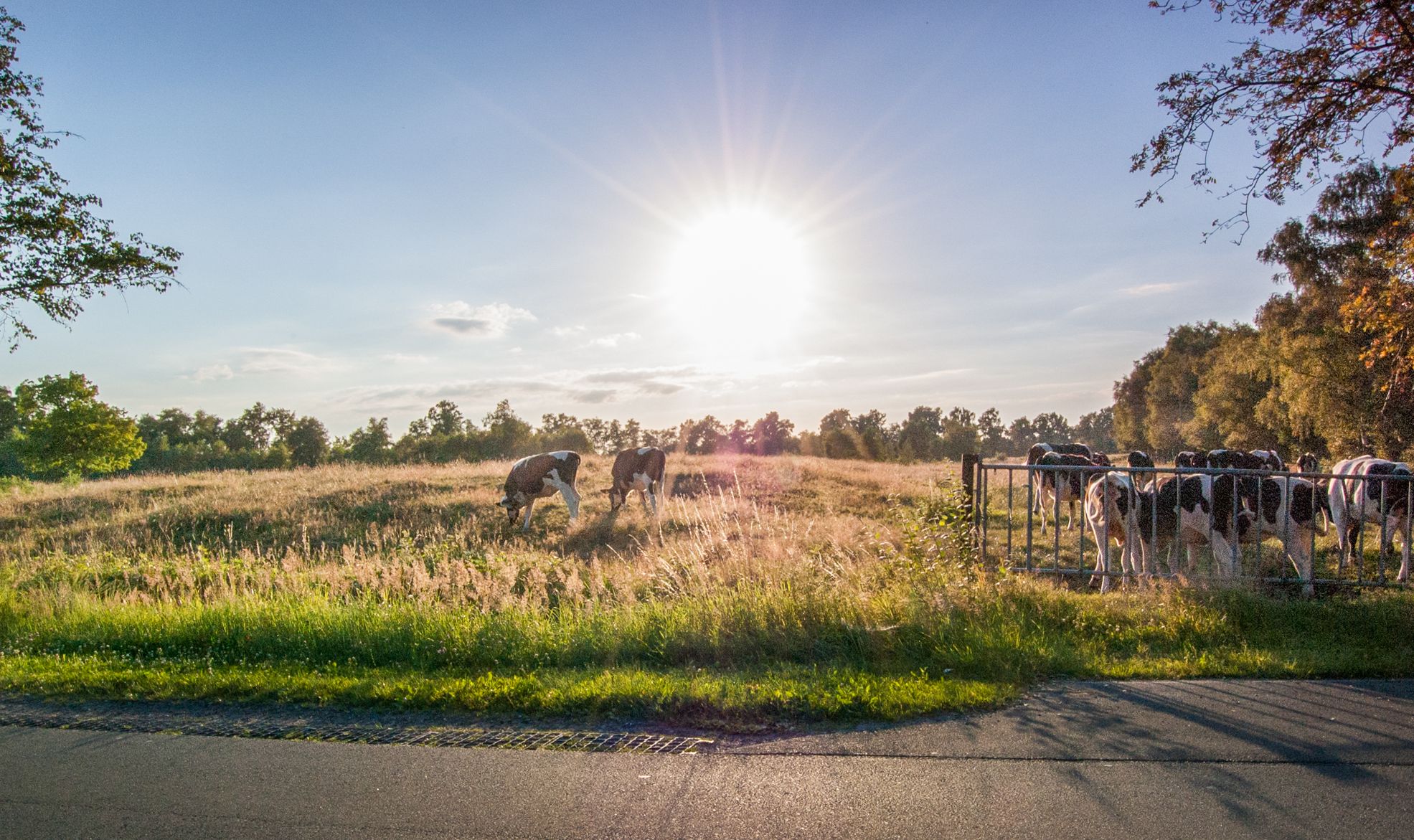
The Jade Trail in Ammerland – Hiking in Northern Germany
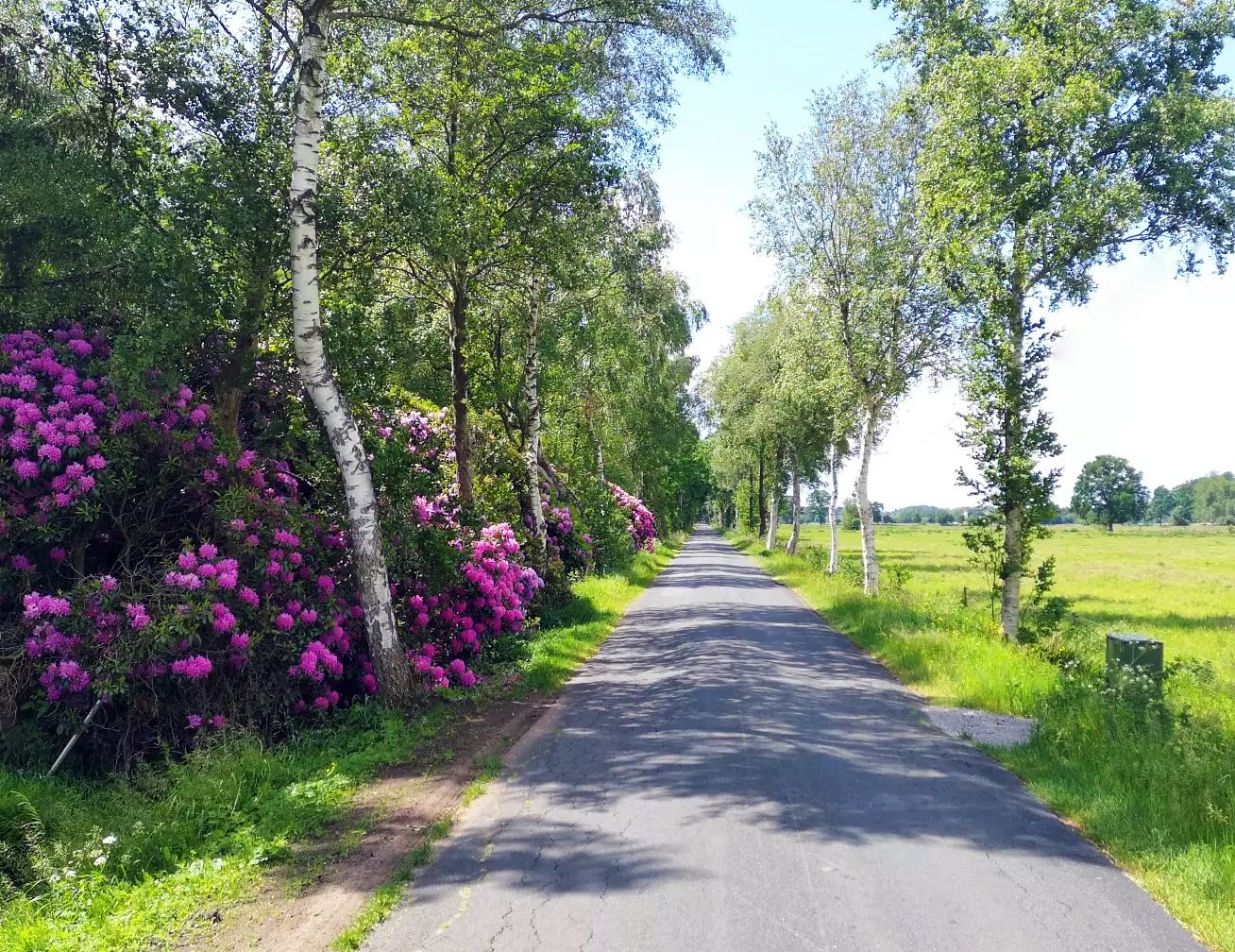
Ammerland Route – Cycling through unique park landscapes
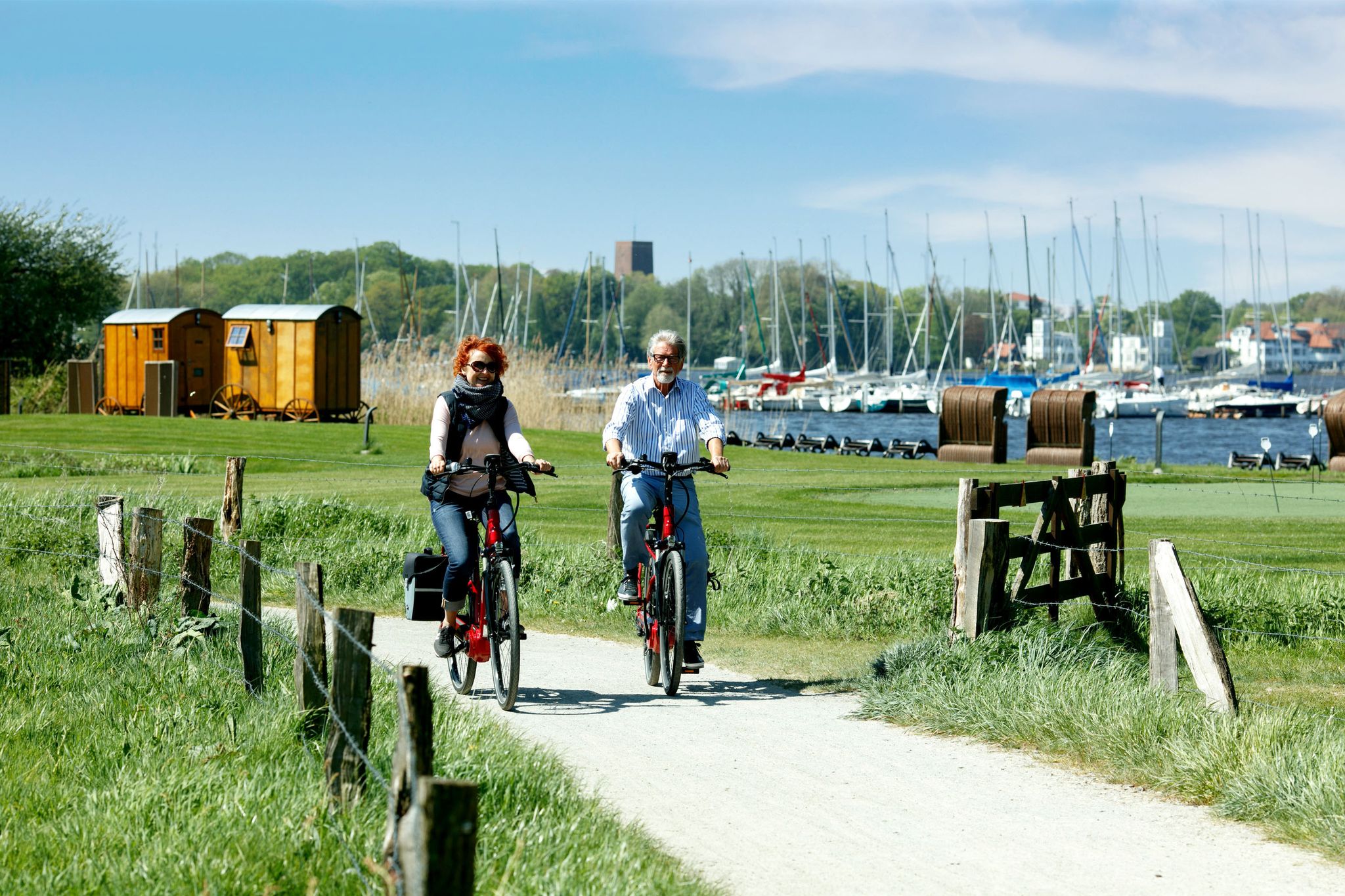
The Ammerland route – a cycling trip through the idyllic park landscape
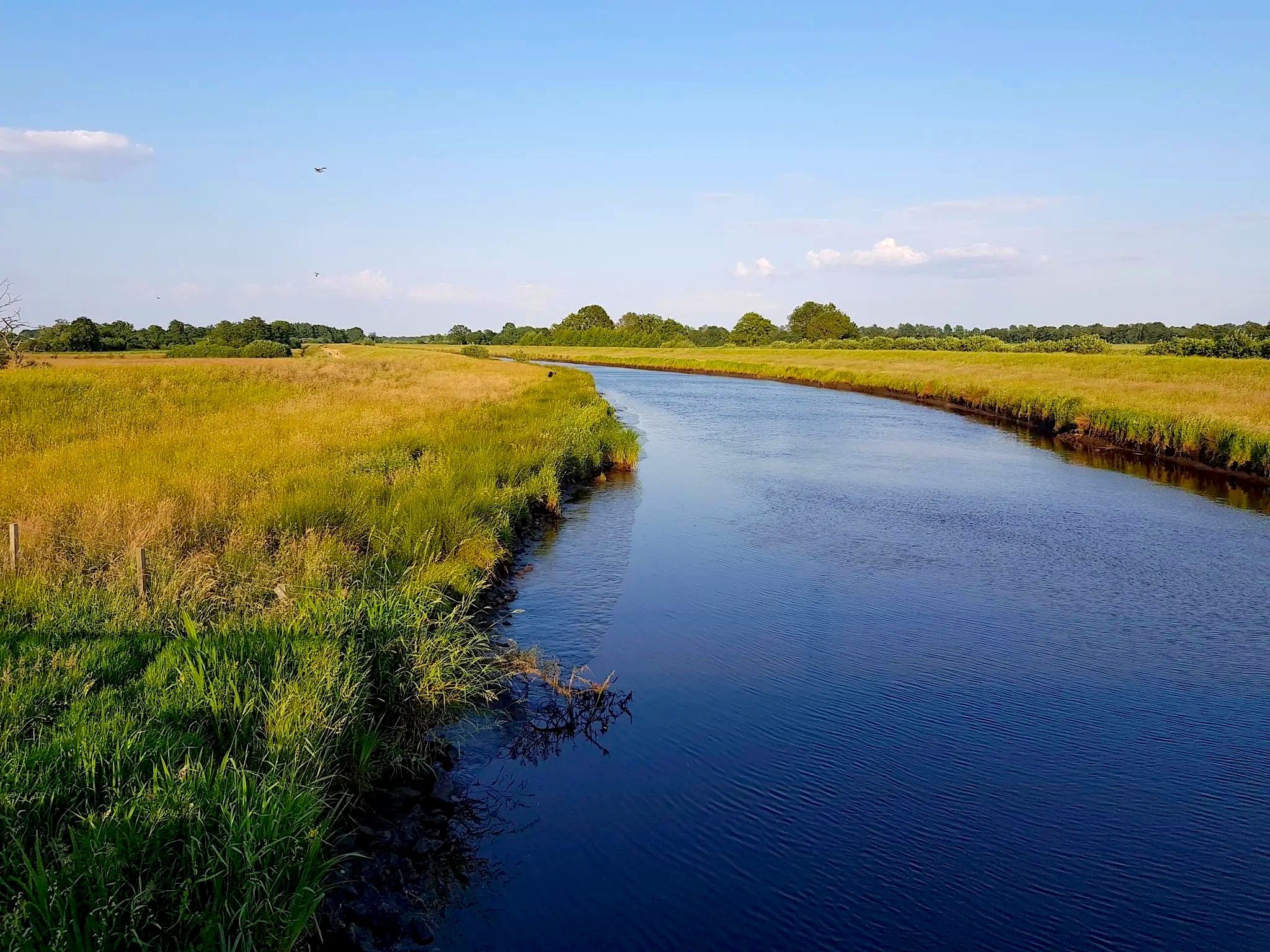
Peace, space and fresh air – hiking the Ems-Hunte-Weg
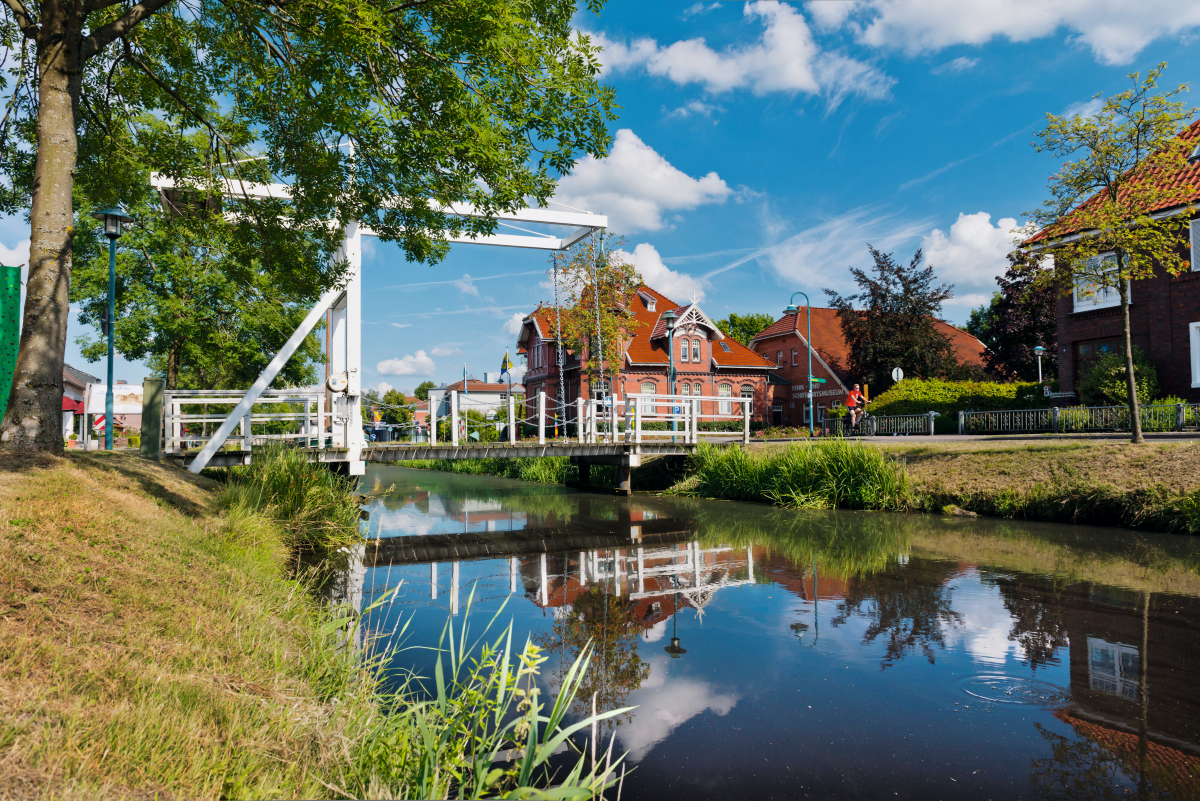
German Fehnroute – cycle Tour through the unique Fehn region
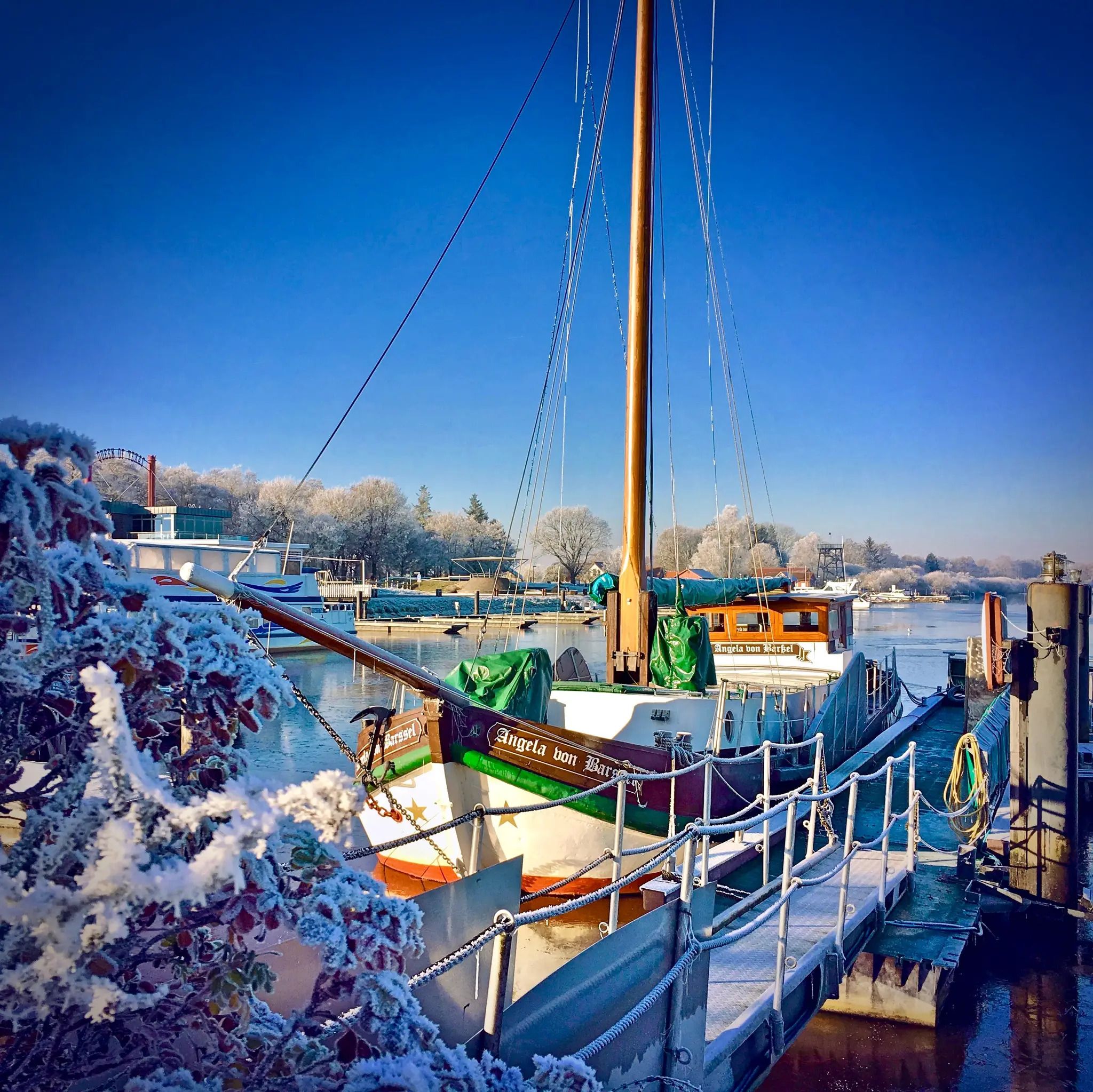
Moorland and nautical history – cycling the Fehn Route in Germany
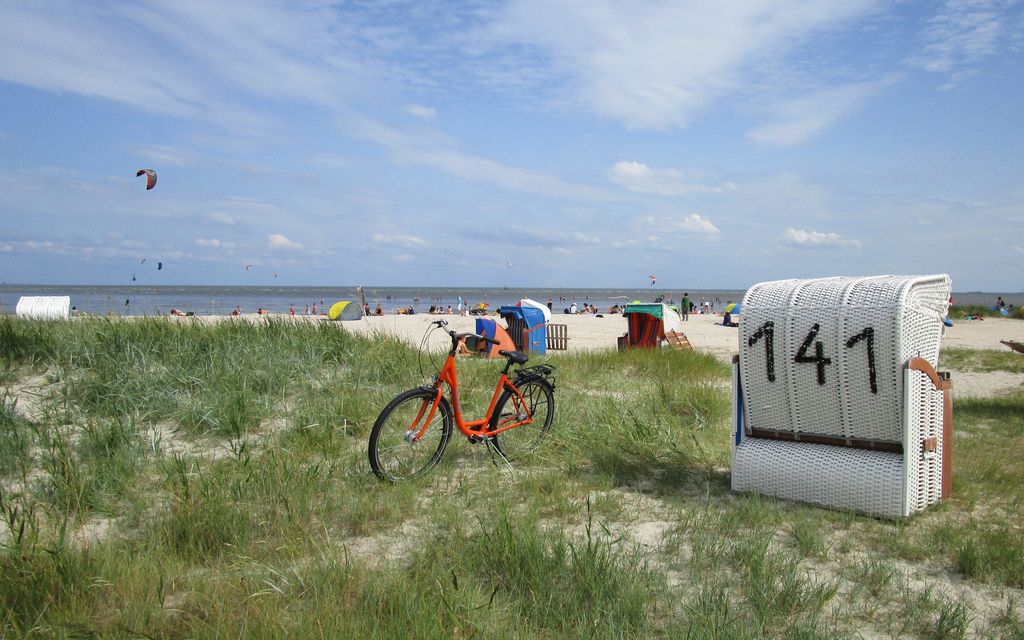
Through the land of wide horizons — Cycling holidays in East Frisia
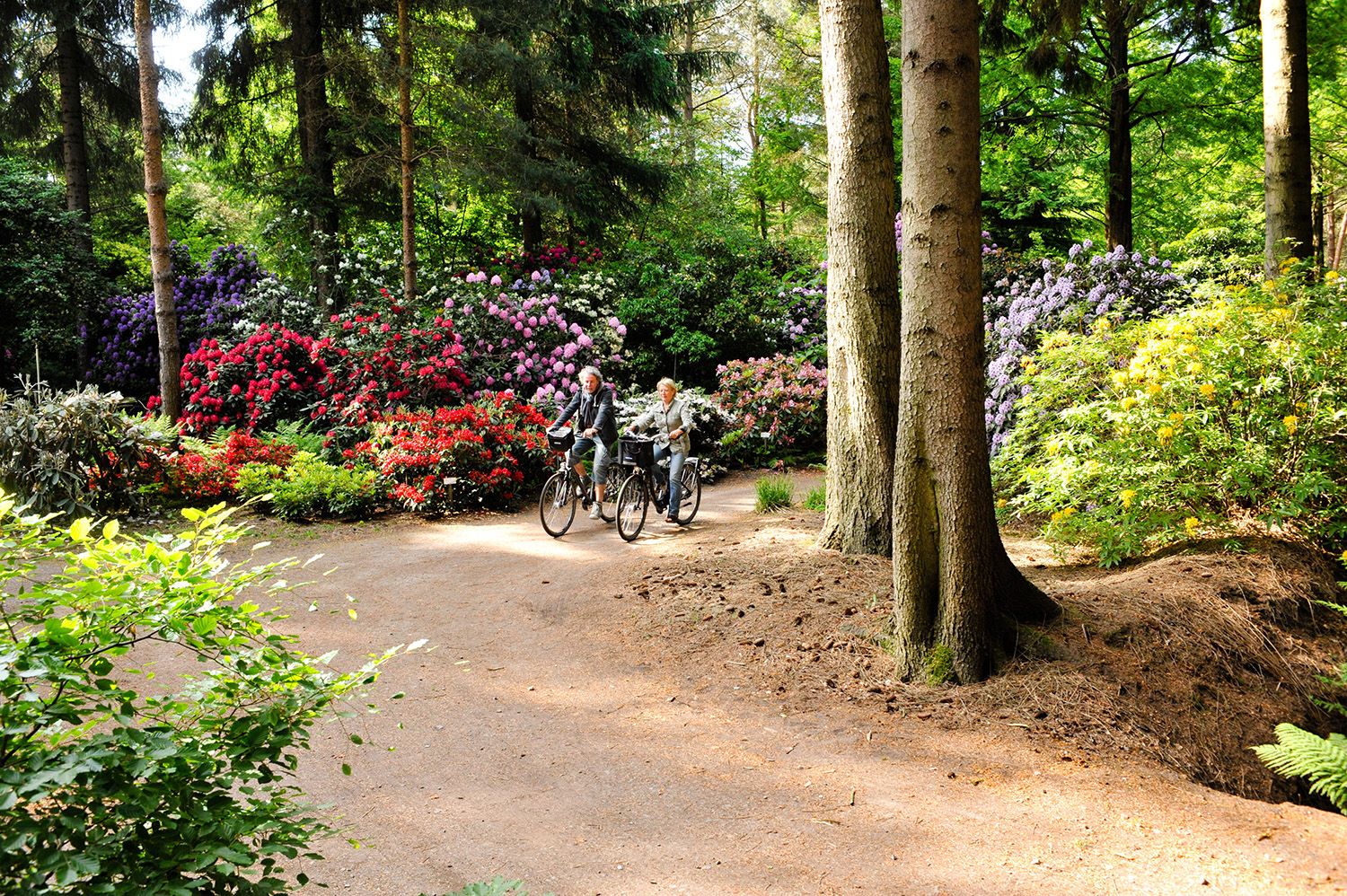
The 15 most beautiful themed bike Tours in Germany’s Ammerland
33 lakes for sunny weekends
The best swimming lakes in Lower Saxony
Other adventures in Ammerland


Tips from the Community

The approximately 75-hectare nature reserve „Aper Tief“ is located south of the river of the same name between Apen and Augustfehn in the Ammerland district. Through a spectacular dike relocation in 2005, a unique, tide-dependent floodplain landscape with the only freshwater mudflat in the northwest was created here.
0
0

🌲✨ The Stamers Hop is characterized by a very old tree population of beeches and oaks. As parts of the forest are designated as nature reserves (NSG), nature can largely develop undisturbed here. Fallen trees are left lying and serve as a habitat for rare insects and fungi, giving the forest an almost fairytale-like appearance.
3
0
🌲✨ Stamers Hop is a true natural gem and one of the most valuable forest and nature reserves on the north shore of the Zwischenahner Meer. It is located directly between the districts of Dreibergen and Meyerhausen and offers you a primeval atmosphere that is unparalleled in the Ammerland.
3
0

Northern side shortly after the exit of the Hankhauser Bäke
1
0

Aper Tief The Aper Tief is a natural river in the municipality of Apen. Coming from the east, it flows through the farming communities of Hengstforde, Vreschen Bokel and Holtgast, from where it merges into the Jümme. Two retention areas were created along the river, which have become a fantastic nature reserve. The connection of the Aper Tief with the Jümme, Leda and Ems as far as the North Sea means that the tides are noticeable in this area with a tidal range of 60 to 120 cm. While hiking or cycling, discover the freshwater mudflats in Hengstforde and the floodplain landscape in Holtgast with its diverse birdlife. Anglers will also find excellent conditions here.
10
2
The Ellernteich is a real curiosity - because this pond was created twice. The Grand Duke of Oldenburg, Peter Friedrich Ludwig, had a park built here in Rastede next to his summer residence. His son and successor, Paul Friedrich August, expanded the park in the style of an English landscape park. In the course of this, the local lowland, which was covered with alders, known in Low German as Ellern, was converted into a fish pond in 1842. How complex the undertaking was can be seen from the fact that the pond was only completed 9 years later, in 1848. When it was completed, a new line of sight was created from the castle across the Ellern and Mühlenteich ponds to the water mill.
5
0
Due to the topographical conditions, most of the pumping stations are located in the northwestern part of the Ammerländer Wasseracht association area.
13
1
Frequently Asked Questions
What are some of the most unique natural features to explore in Ammerland?
Ammerland boasts diverse natural features. The Zwischenahner Meer, Lower Saxony's third-largest inland lake, is notable for its geological origin from a collapsed salt dome. You can also explore the unique raised bogs of Fintlandsmoor and Dänikhorster Moor, which are uncultivated remnants offering insights into moorland ecosystems.
Are there family-friendly natural monuments in Ammerland?
Yes, many natural monuments in Ammerland are suitable for families. The Park of Gardens in Bad Zwischenahn is a great option with its diverse theme gardens and accessible paths. The Mansholter Holz and Schippstroth Nature Reserve also offers family-friendly trails through its forest landscapes.
When is the best time to visit Ammerland's natural monuments?
The blooming season from April to mid-June is particularly spectacular, especially for parks like Rhododendron Park Gristede, when thousands of rhododendrons and azaleas are in full bloom. However, the region's diverse landscapes, including lakes and forests, offer enjoyable experiences year-round for hiking and cycling, with autumn providing beautiful foliage.
What kind of outdoor activities can I do near Ammerland's natural monuments?
Ammerland's flat to gently rolling terrain is ideal for cycling and hiking. You can find numerous routes for road cycling, gravel biking, and running. For example, explore the scenic paths around Zwischenahner Meer or the historic grounds of Rastede Palace Park. You can find detailed routes and guides for various sports in Ammerland, such as Road Cycling Routes, Gravel Biking, and Running Trails.
Are there any natural monuments with historical significance in Ammerland?
Yes, the Ellernteich Fountain in Rastede Castle Park is part of an expansive English-style landscape park with a rich history dating back to 1784. The park itself, developed by Duke Peter Friedrich Ludwig, features historical sightlines and was an early site for rhododendron planting in the Oldenburg region, blending natural beauty with historical design.
Can I bring my dog to the natural monuments in Ammerland?
Many natural areas and parks in Ammerland are dog-friendly, including Rhododendron Park Gristede and various forest trails. It's always advisable to keep dogs on a leash, especially in nature reserves, to protect local wildlife and ensure a pleasant experience for all visitors. Specific regulations may vary by location, so look for signage.
What kind of flora and fauna can I expect to see in Ammerland's protected natural areas?
Ammerland's natural monuments are home to diverse flora and fauna. The Aper Tief nature reserve, for instance, is known for its rare freshwater mudflats and rich birdlife, influenced by tidal flows. Moorland areas like Fintlandsmoor and Dänikhorster Moor showcase specialized bog vegetation and associated wildlife. The region's extensive tree nurseries also contribute to a unique cultivated natural heritage.
Are there accessible paths for wheelchairs or strollers at Ammerland's natural monuments?
The Park of Gardens in Bad Zwischenahn is recognized for its accessibility, offering well-maintained paths suitable for wheelchairs and strollers. Many other parks and trails, particularly around the Zwischenahner Meer, also feature relatively flat and paved surfaces, making them accessible for a wider range of visitors.
Where can I find viewpoints to appreciate the landscape of Ammerland?
The Augustfehner Graben Observation Tower offers elevated views of the surrounding landscape. Additionally, scenic paths around the Zwischenahner Meer provide picturesque vistas of the lake and its shores. Many natural monuments, including forest areas and riverbanks, offer tranquil spots to observe the 'Park Landscape' character of Ammerland.
What makes the 'Park Landscape' of Ammerland so special?
The 'Park Landscape' of Ammerland is unique due to its combination of natural beauty and cultivated heritage. It features flat to gently rolling terrain, numerous tree nurseries (over 300, covering 40 square kilometers), extensive forests, and tranquil waterways. This cultivated landscape, particularly known for its rhododendrons and other ornamental trees, creates a distinct and picturesque environment ideal for outdoor recreation.
Are there any specific hiking trails recommended for beginners in Ammerland's natural monuments?
Yes, many of the trails around the natural monuments in Ammerland are relatively easy due to the region's flat to gently rolling terrain. The scenic path encircling the Zwischenahner Meer is a popular choice for beginners, offering pleasant walks with beautiful lake views. Similarly, the paths within the Stamers Hop Nature Reserve Forest Path provide gentle routes through natural settings.
What are the parking and public transport options for visiting Ammerland's natural monuments?
Most major natural monuments and parks in Ammerland, such as the Park of Gardens and Rhododendronpark Hobbie, offer dedicated parking facilities. Public transport connections, particularly to towns like Bad Zwischenahn and Westerstede, are available, from which local buses or short walks can lead to many natural sites. It's recommended to check specific location details for the most up-to-date transport information.
Most popular routes in Ammerland
Most popular attractions in Ammerland

Get inspired with the komoot mobile app


Didn’t find what you were looking for?
Find even more amazing natural monuments in Ammerland by checking out the top Highlights region by region:
Explore more
Extend your search for the best caves by checking out these guides of the top ones in Ammerland:
