The best hikes from bus stations in Ammerland
4.5
(7191)
30,365
hikers
863
hikes
Bus station hiking trails in Ammerland traverse a distinctive "park landscape" characterized by flat to gently rolling terrain. The region features extensive forests, tranquil waterways, and unique moorland areas. A central natural attraction is the Zwischenahner Meer, the third largest inland body of water in Lower Saxony. This landscape offers diverse natural features, including cultivated rhododendron parks and nature reserves with ancient oak forests.
Best bus station hiking trails in Ammerland
- The most popular bus station hiking route is Lakeside…
Last updated: May 30, 2026
4.7
(1436)
4,668
hikers
Moderate hike. Good fitness required. Easily-accessible paths. Suitable for all skill levels.
4.7
(84)
253
hikers
Moderate hike. Good fitness required. Easily-accessible paths. Suitable for all skill levels.

Sign up for free
4.2
(80)
253
hikers
7.31km
01:51
10m
10m
Easy hike. Great for any fitness level. Easily-accessible paths. Suitable for all skill levels.
4.6
(59)
408
hikers
Moderate hike. Good fitness required. Easily-accessible paths. Suitable for all skill levels.
4.7
(42)
130
hikers
12.7km
03:13
20m
20m
Moderate hike. Good fitness required. Easily-accessible paths. Suitable for all skill levels.
Get access to more routes and recommendations from other explorers.
Sign up for free
Already have an account?
Our route recommendations are based on thousands of hikes, rides, and runs completed by other people on komoot.
Start today with a free account
Your next adventure awaits.
Login or Signup
Popular around Ammerland

Hikes from bus stations around Zwischenahner Meer
Hikes from bus stations around Bad Zwischenahn

Hikes from bus stations around Wiefelstede

Hikes from bus stations around Westerstede

Hikes from bus stations around Rastede
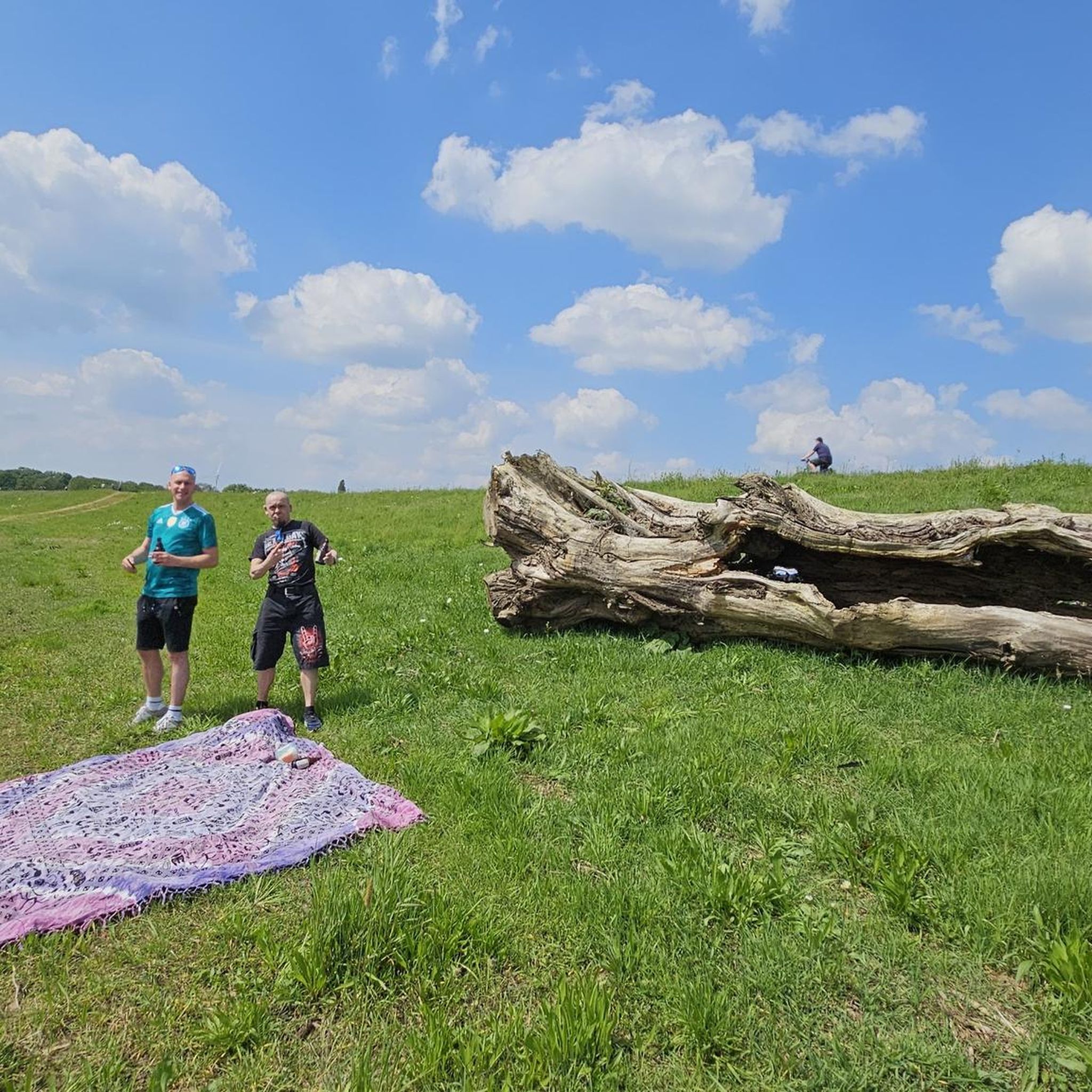
Hikes from bus stations in Fintlandsmoor Und Dänikhorster Moor

Hikes from bus stations in Gristeder Büsche

Hikes from bus stations in Wildenloh
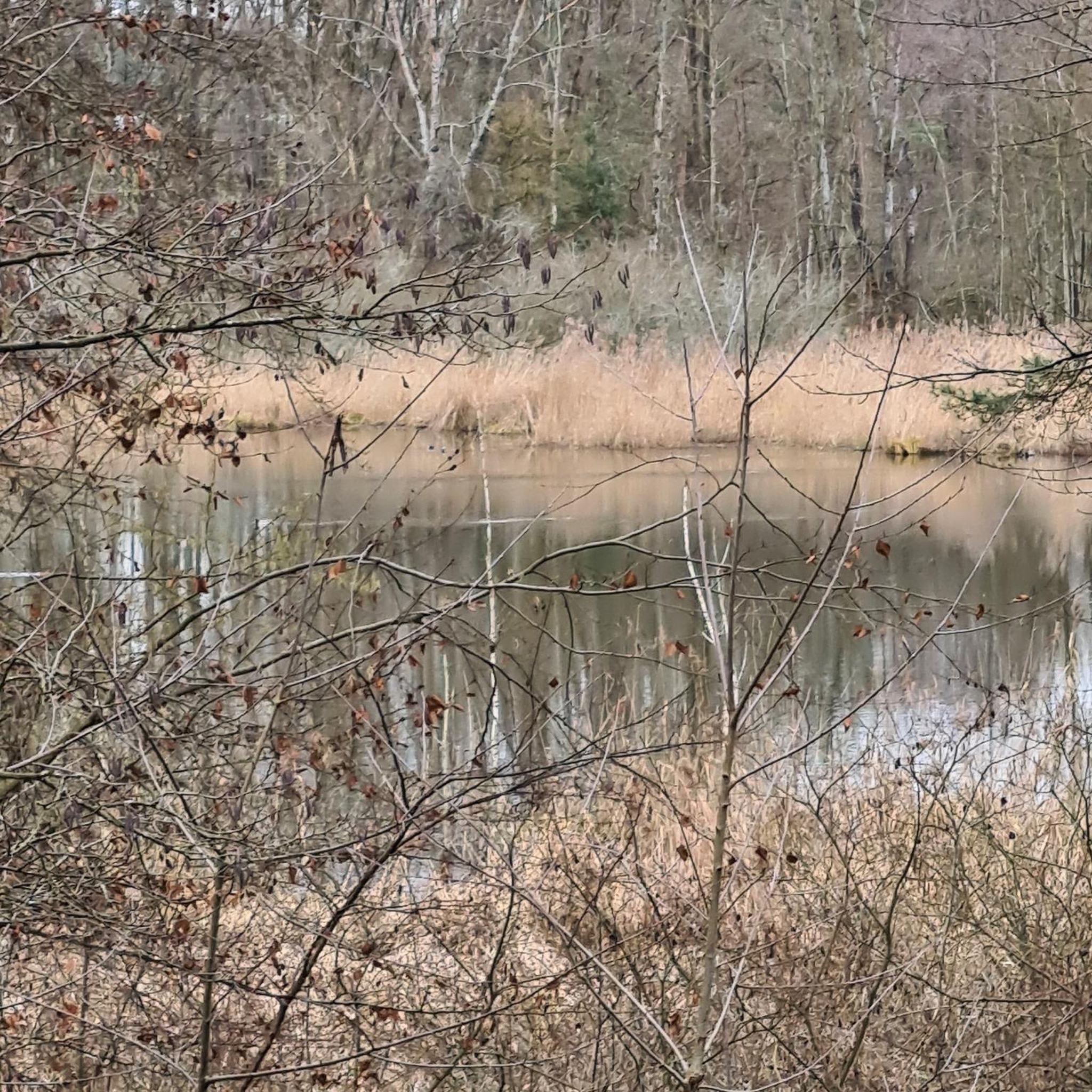
Hikes from bus stations in Dänikhorster Moor
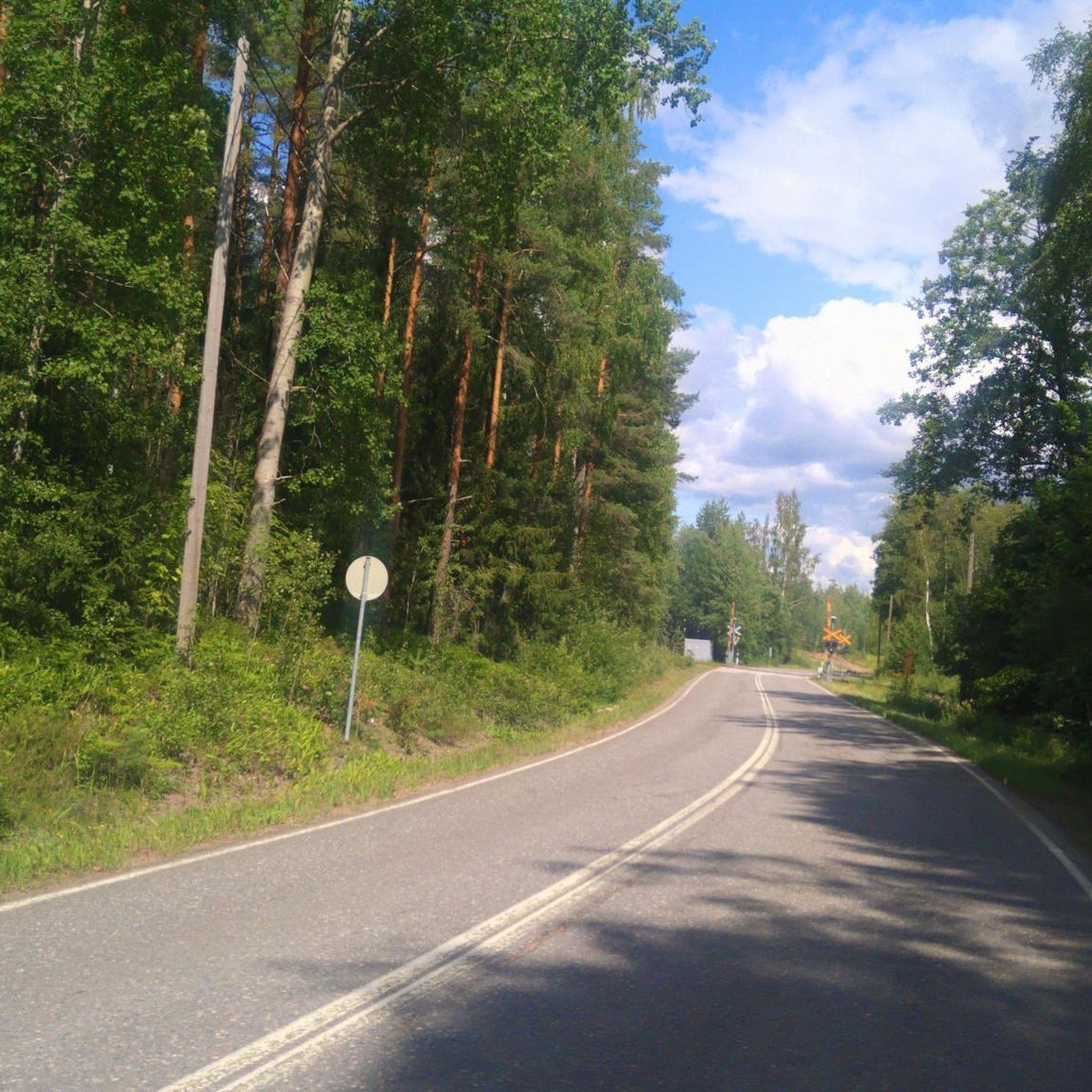
Hikes from bus stations in Garnholter Büsche
Other adventures in Ammerland


Tips from the Community

Wet meadow with a magnificent view This landscape park impresses with its beautiful view and the mix of trees and meadows. Sit down on one of the benches and watch the clouds drift by, how the sea moves, and with a bit of luck, you might even spot rabbits or deer crossing your path. It's only 500 meters to the youth hostel, and you also have the option of choosing a circular route from 550 meters to 1 kilometer.
0
0

The bank overgrown with reeds, a bench invites you to linger. Here you can enjoy the view over the sea.
1
0
If you long for peace and nature, you should take a detour to the "Mansholter Büsche". The forest area covers 330 hectares and is a historically old oak and hornbeam forest with outstanding importance for nature conservation. The geest carries valuable forest communities. The location is on nutrient-rich, waterlogged "Lauenburger Ton". The natural diversity is based on interspersed drift sands as well as moor and floodplain formation, which lead to mosaic-like site conditions. The forest (220 ha) is managed close to nature and sustainably, with the aim of achieving biodiversity, uneven age and gradation. The aim of this management is an ecologically stable forest. The forest is ideal for walks, Nordic walking and hiking in nature.
0
0
The Zwischenahner Meer Trail The lakeside trail, or more precisely, the "Zwischenahner Meer Trail," is one of the most attractive hiking trails in Northern Germany. The 12.2 km long circular route offers unobstructed views of Lake Zwischenahn at many points. Along pleasant cycle paths, passing numerous restaurants and cafés—naturally serving regional specialties—you can fully enjoy the Ammerland parkland and its hospitality.
0
0
The moorland route is characterized by easily cycleable, straight stretches of moorland path that lead through the expansive fenland area around Petersfehn and along the coastal canal, and now also through the Fintlandsmoor. The moorland observation station in the Kayhauser Moor area is particularly worth seeing.
0
0
Information Panel: The Moor – A Fascinating Habitat What is a moor? A moor is an ecosystem characterized by sphagnum mosses, sedges, and dwarf shrubs growing on wet ground. Peat formation occurs due to the lack of oxygen in the water, which prevents decomposition processes. Important Moor Types Raised Bog (Peat Fen): Nutrient-poor, acidic, fed only by rainwater. Fen: Nutrient-rich, fed by groundwater. Moors and Climate Protection Moors are gigantic carbon sinks. Drained peatlands release stored carbon. Therefore, rewetting (moorland conservation) is essential for climate protection. Formation & Growth It takes about 1000 years for a 1-meter layer of peat to grow. Organisms in the Moor (Examples) Plants: Sphagnum mosses, sundew, cotton grass. Animals: Dragonflies, butterflies, birds (e.g., cranes), pygmy shrews. ...
0
0
The wetlands near Leer in East Frisia are characterized by the river landscapes of the Ems and Leda rivers, as well as adjacent marshes and moors. They provide important habitats for rare meadow birds and are a significant recreational area.
0
0

Wooden bridge over a wetland
2
0
Frequently Asked Questions
How many bus-accessible hiking trails are available in Ammerland?
Ammerland offers a wide selection of bus-accessible hiking trails, with over 880 routes available. These trails cater to various preferences, from easy strolls to more challenging excursions, all reachable via public transport.
Are there easy hiking options accessible by bus in Ammerland?
Yes, Ammerland is known for its flat to gently rolling terrain, making it ideal for easy hikes. There are nearly 600 easy routes accessible by bus. An example is the Hengstforder Mill – Aper Tief nature reserve loop, which offers a pleasant 7.3 km walk through the Aper Tief nature reserve.
What kind of landscapes can I expect on bus-accessible hikes in Ammerland?
Ammerland's bus-accessible hikes showcase its unique 'park landscape' character. You'll encounter diverse scenery including tranquil waterways like the Zwischenahner Meer, mystical moorlands, extensive forests such as the Mansholter Holz, and vibrant rhododendron parks. The region is particularly picturesque between May and June when the rhododendrons are in bloom.
Are there any circular routes starting from bus stations in Ammerland?
Yes, many bus-accessible routes in Ammerland are circular, allowing you to return to your starting point without needing additional transport. A popular option is the Lakeside at Zwischenahn Lake – View of the Zwischenahner Meer loop, offering scenic views around the lake.
What are some notable natural attractions I can see on these trails?
Along Ammerland's bus-accessible trails, you can explore several natural highlights. Don't miss the expansive Lake Zwischenahn, the unique Aper Tief nature reserve with its diverse birdlife, or the beautiful Rhododendron Park Gristede. The Mansholter Holz and Schippstroth Nature Reserve also offers ancient oak and hornbeam forests.
Are there family-friendly bus-accessible hikes in Ammerland?
Absolutely. The generally flat terrain and well-maintained paths make many routes suitable for families. The Park of Gardens is a fantastic destination for families, offering beautiful gardens and an adventure playground, and is often accessible via public transport.
Can I bring my dog on bus-accessible hikes in Ammerland?
Many trails in Ammerland are dog-friendly, especially those through forests and open landscapes. Always ensure your dog is on a leash, particularly in nature reserves or near livestock. Check local regulations for specific areas, but generally, your furry friend is welcome on most paths.
What is the best season for hiking bus-accessible trails in Ammerland?
The best season for hiking in Ammerland is generally spring through autumn. Spring (May-June) is particularly vibrant due to the blooming rhododendrons. Summer offers pleasant weather for lake-side walks, while autumn brings beautiful foliage to the forests. Even in winter, some trails are suitable for walks, especially the well-maintained paths.
Are there any specific trails that highlight Ammerland's moorlands?
Yes, to experience Ammerland's unique moorlands, consider the Moor nature trail with rest area – Moor Field Station Kayhausen loop. This route allows you to walk through these mystical landscapes, often on wooden planks, and learn about their distinctive flora and fauna.
What do other hikers enjoy most about bus-accessible hiking in Ammerland?
The komoot community highly rates hiking in Ammerland, with an average score of 4.5 stars from over 7,000 ratings. Hikers often praise the region's tranquil 'park landscape,' the well-maintained and clearly marked trails, and the accessibility of diverse natural features like the Zwischenahner Meer and the unique moorlands, all easily reached by public transport.
How long do bus-accessible hikes in Ammerland typically take?
The duration of bus-accessible hikes in Ammerland varies widely. You can find shorter, easy strolls that take an hour or two, as well as longer routes like the Mansholter Holz Trailhead – Mansholter Wood loop, which is over 12 km and can take around 3 hours or more to complete, depending on your pace.
Most popular routes in Ammerland
Most popular attractions in Ammerland

Get inspired with the komoot mobile app


Didn’t find what you were looking for?
Check out more Hikes throughout Ammerland below and find the perfect route in your destination.
Explore more
Browse the best Hikes in other regions.
