Top 6 Natural Monuments around Parco Adda Sud
Best natural monuments around Parco Adda Sud are found within a regional park in Lombardy, Italy, characterized by plains, agricultural areas, and significant wetlands along the Adda River. This area features diverse ecosystems, including natural woods, poplar groves, and unique geomorphological formations like oxbow lakes and dead river branches. These natural features support rich biodiversity, making the park a valuable site for environmental preservation and observation. The park offers various natural monuments that highlight its ecological importance and dynamic river…
Last updated: May 9, 2026
Sanctuary of Our Lady of the Fountains
Highlight • Religious Site
Translated by Google •
Tip by

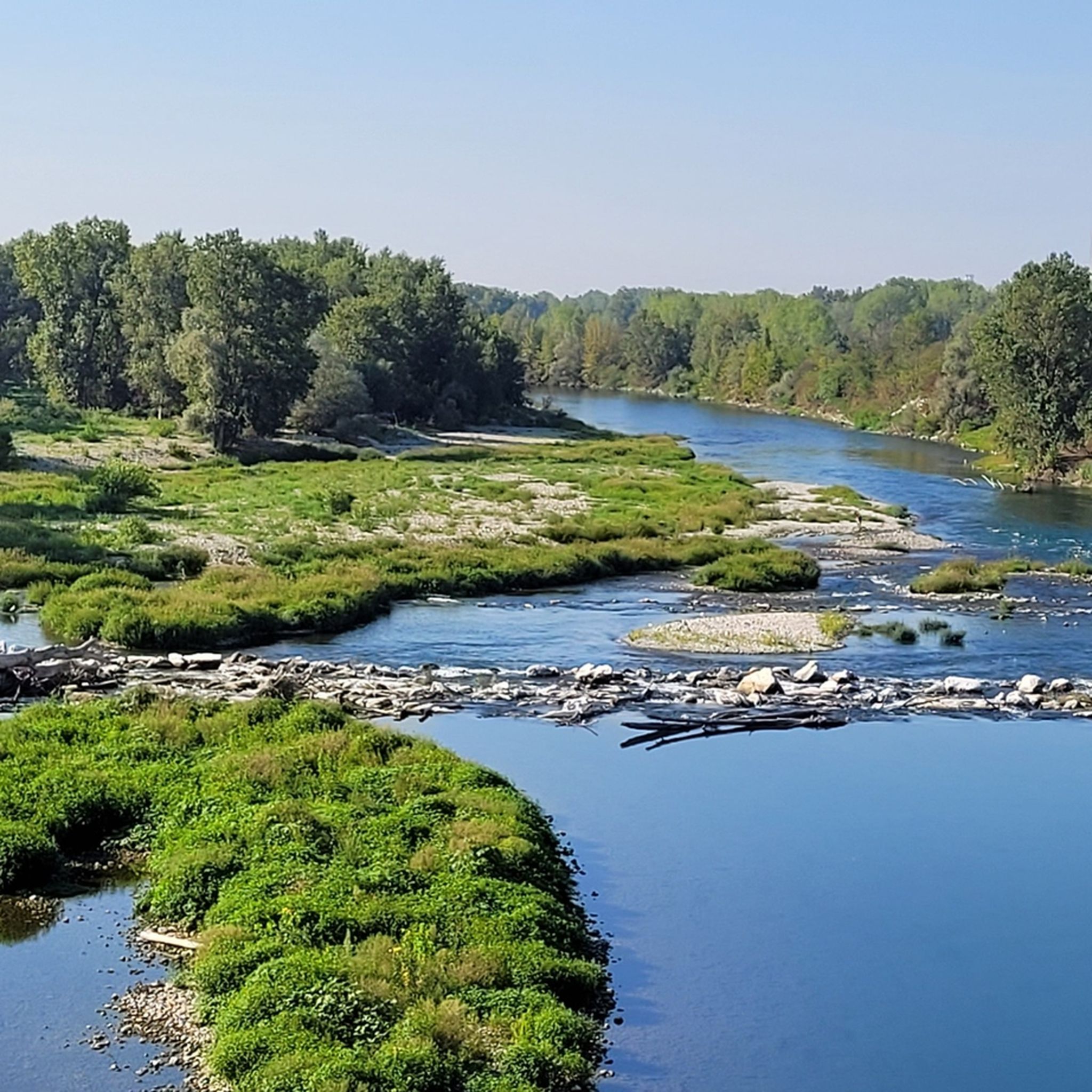
Confluence of the Adda and Po rivers
Highlight • River
Translated by Google •
Tip by

Sign up now to discover places like this
Get recommendations on the best single tracks, peaks, & plenty of other exciting outdoor places.
Sign up for free
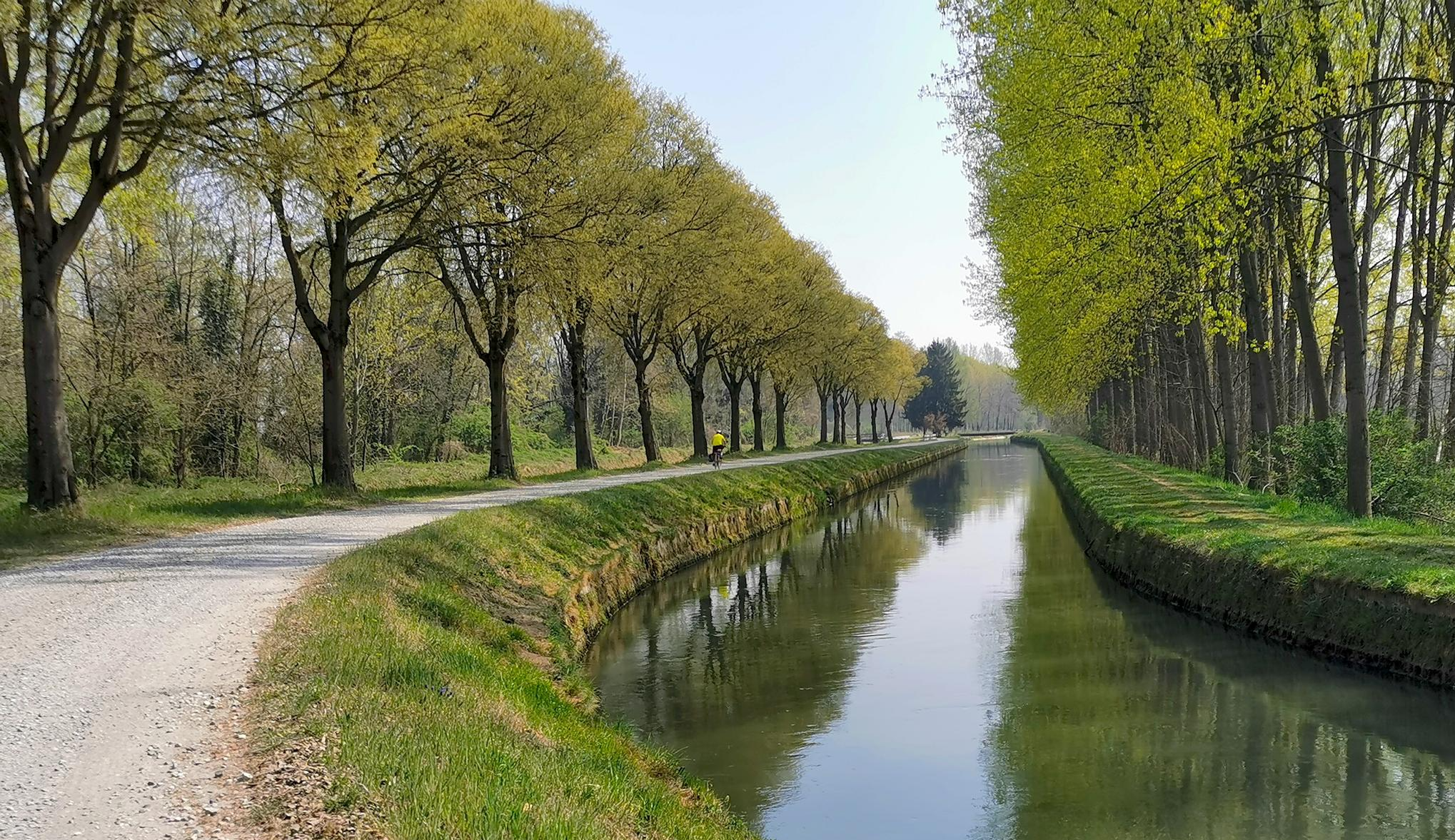
Merlino Nature Trail – Zelo Buon Persico in Adda Sud Park
Highlight • Trail
Translated by Google •
Tip by
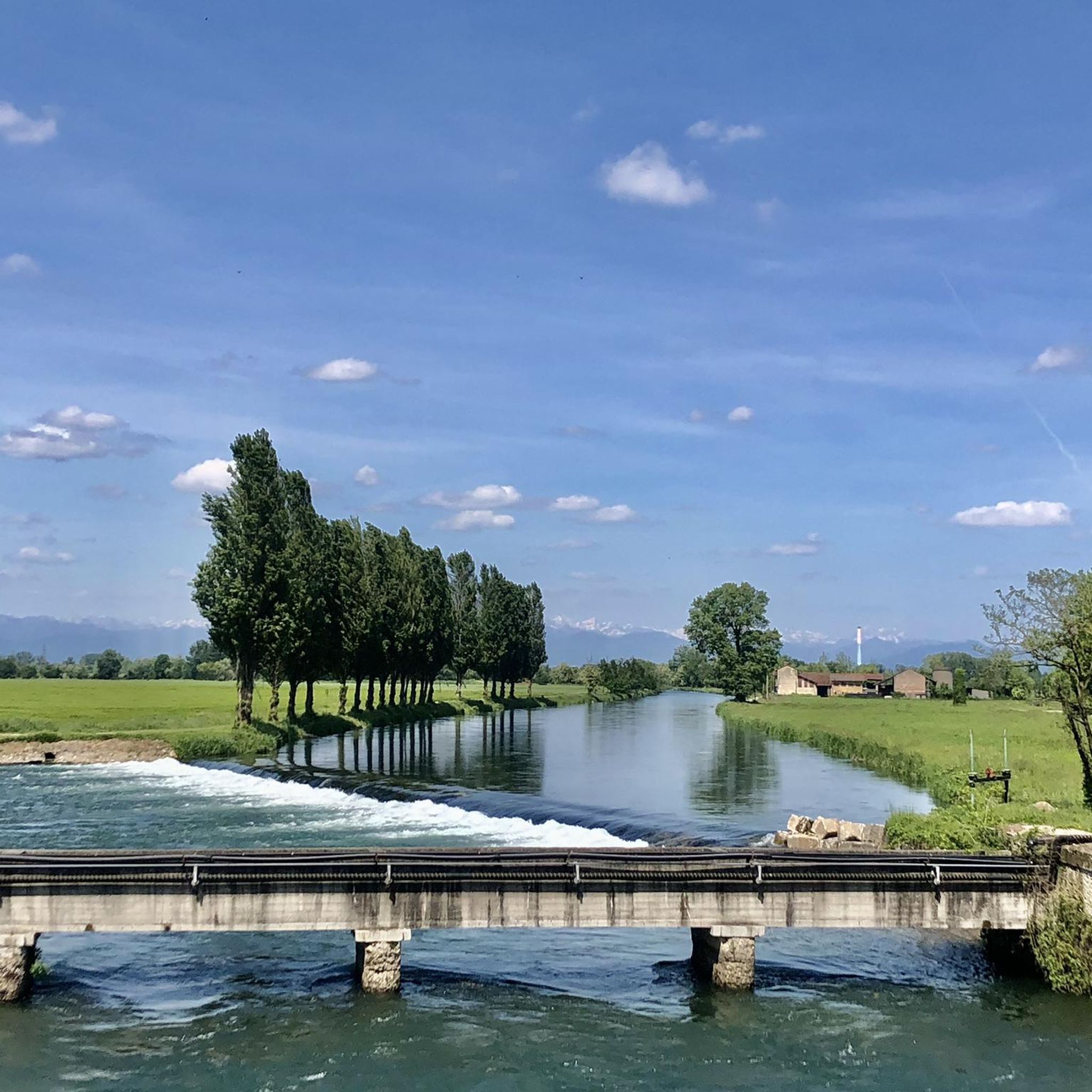
Stork Visitor Center of the Adda Sud Park
Highlight • Natural
parcoaddasud.it/nel-territorio/centri-parco/centro-visite-di-castiglione-dadda
Translated by Google •
Tip by

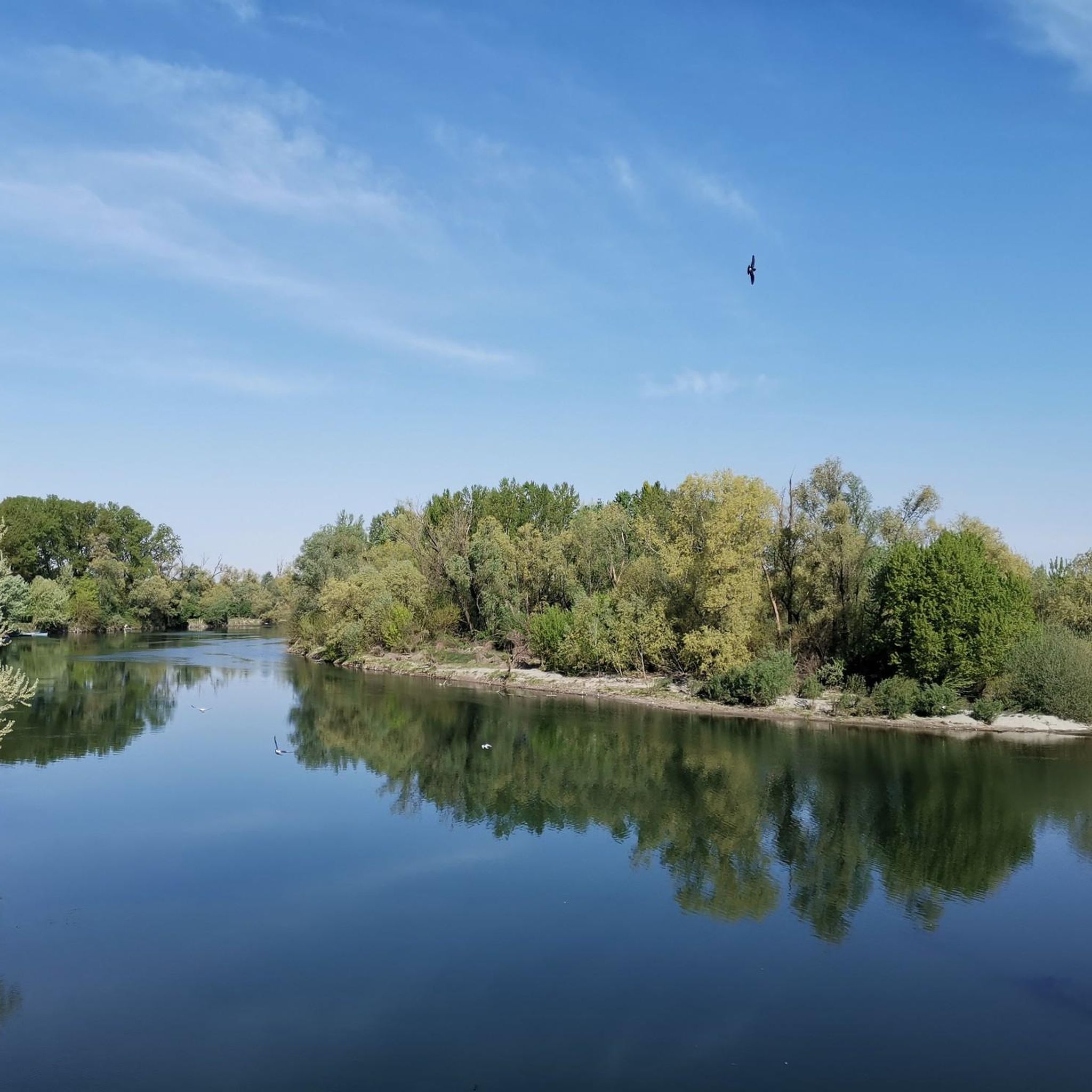
Lanca Adda Morta
Highlight • Natural Monument
Translated by Google •
Tip by
Sign up for free to discover even more natural monuments around Parco Adda Sud.
Sign up for free
Already have an account?
Start today with a free account
Your next adventure awaits.
Login or Signup
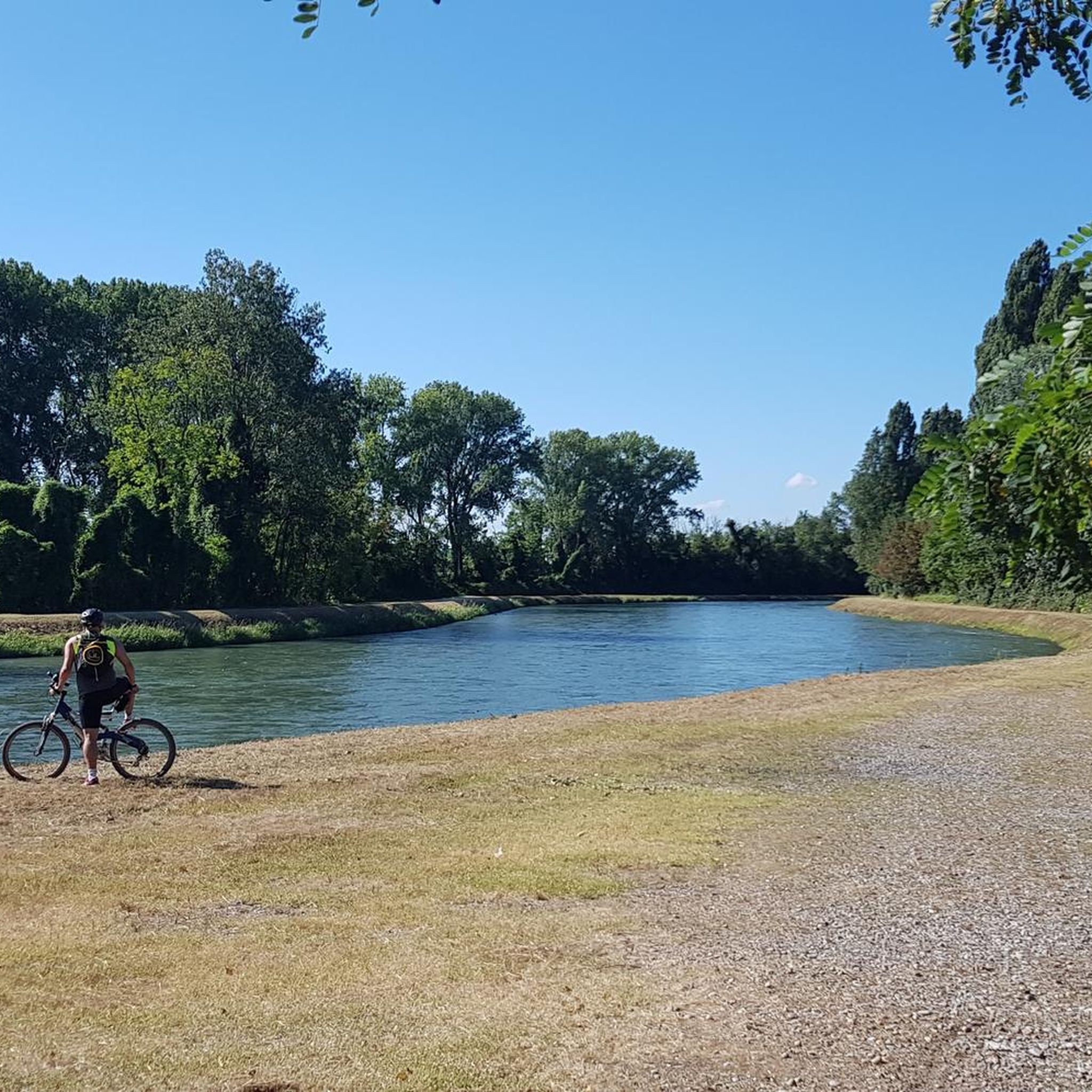
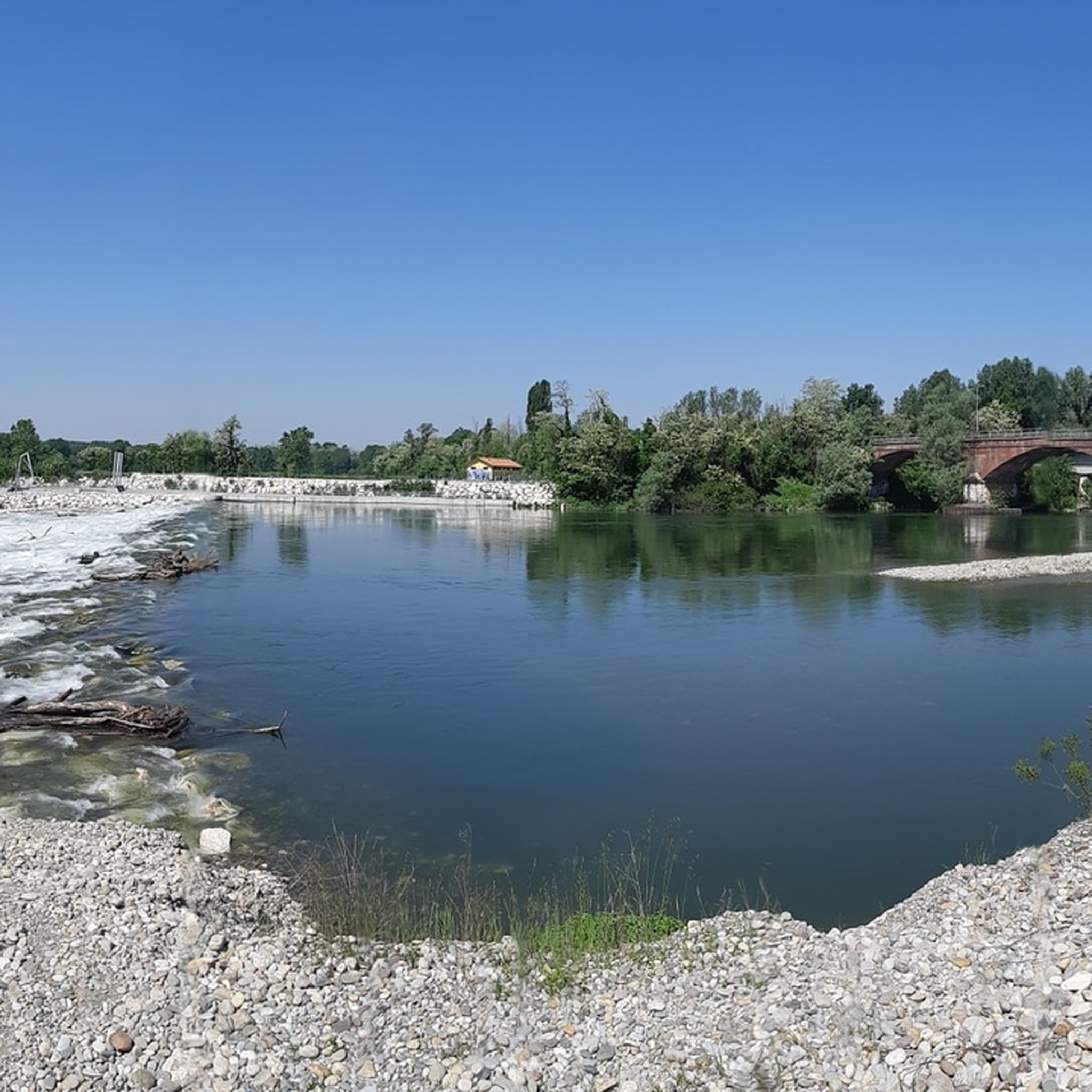

Other adventures around Parco Adda Sud

Tips from the Community

In view of this small wayside shrine, which the builders dedicated to the Madonna, I would like to offer the viewer a brief reflection from Saint Padre Pio (Pio da Pietrelcina, 1887 to 1968): “Always stay close to this Heavenly Mother, for she is the sea that must be crossed to reach the shores of eternal splendor.”
1
0

Where the Adda River joins the great Po
0
0

Many pairs of storks have been nesting at the Centre for many years now.
0
0

It is suggestive to think that the Adda crossed the whole of Lombardy before flowing into the Po
1
0

Where two of Italy's longest rivers meet
2
0

The enormous amount of water is impressive
4
0

With a course that extends for 313 km, the Adda is the longest Italian tributary. As indicated by the signs, at this point the sum of the water flow of the two rivers would be able to fill an Olympic swimming pool in just 8 seconds.
10
0

A beautiful example of redevelopment
3
0
Frequently Asked Questions
What unique natural features can I explore in Parco Adda Sud?
Parco Adda Sud is characterized by its dynamic river landscape, featuring significant wetlands, oxbow lakes ('lanche'), and dead river branches ('morte'). These formations, such as the Lanca Adda Morta, are vital habitats and showcase the Adda River's geomorphological history. You can also witness the impressive Confluence of the Adda and Po rivers, where two major Italian rivers meet.
Are there family-friendly natural monuments or activities in Parco Adda Sud?
Yes, several natural monuments in Parco Adda Sud are suitable for families. The Stork Visitor Center of the Adda Sud Park in Castiglione d'Adda is an excellent choice, known for hosting nesting storks and offering educational insights. The Merlino Nature Trail – Zelo Buon Persico in Adda Sud Park is also family-friendly, providing an accessible path along the Adda River.
What kind of wildlife can I expect to see around the natural monuments?
The wetlands and riverine areas of Parco Adda Sud are rich in biodiversity. You can observe various bird species, including marsh hawks and white storks, especially at the Stork Visitor Center and reserves like Riserva Adda Morta and Riserva Zerbaglia, which host large heron colonies. Mammals such as polecats and dormice, and a variety of fish like eels and pikes, also inhabit the park's diverse ecosystems.
What are the best outdoor activities to do near the natural monuments in Parco Adda Sud?
The area around Parco Adda Sud offers numerous opportunities for outdoor activities. You can explore marked cycling and walking paths like the 'Orange Path' and the 'Trail of the Dragonflies.' For more structured routes, consider hiking trails, road cycling routes, or mountain biking trails that wind through the park's natural beauty.
Is there a natural monument with historical or cultural significance?
Yes, the Sanctuary of Our Lady of the Fountains is a natural monument with significant cultural and historical ties. It is associated with a local legend of a miraculous event involving a deaf-mute child and a gushing fountain, making it a place of devotion and quiet reflection.
What makes the Merlino Nature Trail a notable natural monument?
The Merlino Nature Trail – Zelo Buon Persico in Adda Sud Park is a popular natural monument because it creates an important naturalistic corridor along the Adda River. It offers visitors a chance to immerse themselves in an area of high environmental value, perfect for walking or cycling while observing the local flora and fauna.
When is the best time to visit the natural monuments in Parco Adda Sud?
The natural monuments in Parco Adda Sud can be enjoyed throughout the year, but spring and autumn often offer the most pleasant weather for outdoor activities and wildlife observation. Spring is particularly good for birdwatching, especially to see nesting storks and herons, and for enjoying the blooming flora. Autumn provides beautiful scenery with changing leaves.
Are there any specific geological features worth noting in the park?
The most prominent geological features in Parco Adda Sud are the 'lanche' (oxbow lakes) and 'morte' (dead river branches). These formations, like the Lanca Adda Morta, are fascinating examples of the Adda River's historical course changes and its impact on shaping the landscape over time.
What do visitors enjoy most about the natural monuments in Parco Adda Sud?
Visitors frequently appreciate the tranquility and natural beauty of the park's monuments. Many enjoy the opportunities for birdwatching, observing the rich biodiversity, and exploring the unique geomorphological formations. The peaceful trails and the chance to connect with nature, such as at the Merlino Nature Trail, are often highlighted as key attractions.
Are there visitor centers or facilities available at the natural monuments?
Yes, the Stork Visitor Center of the Adda Sud Park in Castiglione d'Adda is a key facility. It not only hosts nesting storks but also contributes to environmental education with projects like the White Stork Reintroduction Project and a Turtle Reintroduction Centre. Other visitor centers, such as at Villa Pompeiana, also offer informative panels.
Can I find viewpoints to appreciate the landscape of Parco Adda Sud?
Absolutely. The Confluence of the Adda and Po rivers offers a significant viewpoint to observe the impressive meeting of these two major waterways. Additionally, many trails and natural areas within the park provide scenic vistas of the river, wetlands, and surrounding landscapes.
Most popular routes around Parco Adda Sud
Most popular attractions around Parco Adda Sud

Get inspired with the komoot mobile app


Explore more
Extend your search for the best caves by checking out these guides of the top ones around Parco Adda Sud:
