Top 17 Natural Monuments in Sint Pietersberg & Jekerdal
Best natural monuments in Sint Pietersberg & Jekerdal are found in a Natura 2000 area near Maastricht. This region is characterized by its unique geological composition, diverse soil types, and its location along the Meuse river and its tributary, the Jeker. The landscape offers a variety of natural features, including extensive man-made caves, river valleys, and reclaimed quarries. This area provides diverse experiences for visitors exploring its natural and historical elements.
Best natural monuments in Sint Pietersberg & Jekerdal
- The…
Last updated: May 24, 2026
ENCI Quarry Viewpoint
Highlight • Viewpoint
Translated by Google •
Tip by

Kiekoet Viewpoint – Oehoe Valley
Highlight • Viewpoint
Translated by Google •
Tip by

Sign up now to discover places like this
Get recommendations on the best single tracks, peaks, & plenty of other exciting outdoor places.
Sign up for free
Jeker River at Molen Nekum
Highlight • River
Translated by Google •
Tip by

Castle cave
Highlight • Cave
Translated by Google •
Tip by

Wijngaardgroeve (Devil's Cave)
Highlight • Cave
Translated by Google •
Tip by

Sign up for free to discover even more natural monuments in Sint Pietersberg & Jekerdal.
Sign up for free
Already have an account?
Start today with a free account
Your next adventure awaits.
Login or Signup
Popular around Sint Pietersberg & Jekerdal
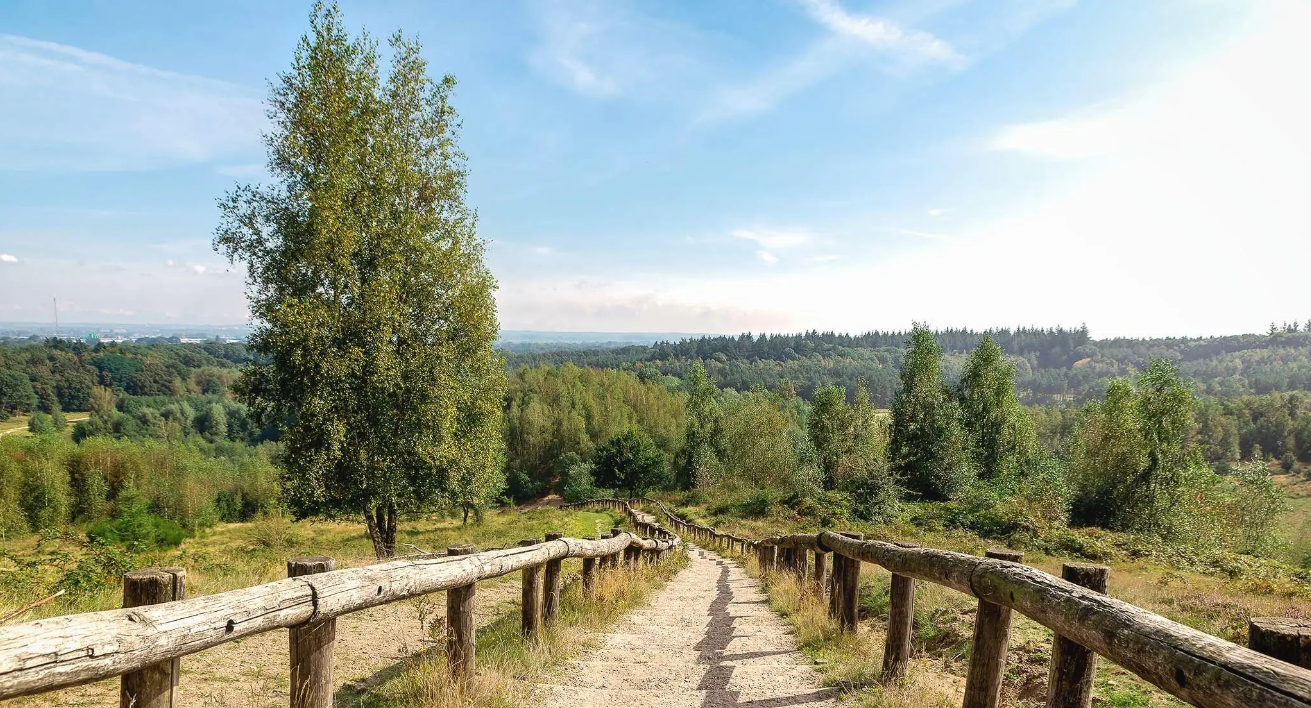
For hill seekers: The best trail runs in the Netherlands
LF-routes
Hiking in Sint Pietersberg & Jekerdal
Road Cycling Routes in Sint Pietersberg & Jekerdal
Running Trails in Sint Pietersberg & Jekerdal
Cycling in Sint Pietersberg & Jekerdal
MTB Trails in Sint Pietersberg & Jekerdal
Gravel biking in Sint Pietersberg & Jekerdal

Mountain Hikes in Sint Pietersberg & Jekerdal
Other adventures in Sint Pietersberg & Jekerdal


Tips from the Community

The Castle Cave is a unique place where history, architecture, and nature converge. Often located near or beneath a castle, such as in South Limburg or other historic regions, a castle cave served various purposes: from storing wine or provisions to sheltering or serving as a decorative garden feature within the castle grounds' landscaping. The cave is usually situated in a wooded area or on a slope, where natural rock formations and limestone structures create an impressive backdrop. Winding paths, hills, and viewpoints often surround the cave, making it a haven for hikers and a haven of discovery.
0
0

INFO board [nl]: Mill Nekum to Prins Bisschopssingel The Roer en Overmaas water board has widened the Jeker from the Nekum mill to the Prins Bisschopssingel in Maastricht to prevent flooding. The construction of a fish ladder removed the fish migration bottleneck at the mill (until 1930, glaze was ground here to make pottery waterproof). Fish can now easily pass the mill to lay their eggs upstream, among other things. In the Aquadra project, the water board is working across borders with ten water managers in South Limburg and Belgium to further improve water quality and prevent flooding in the catchment areas of the Jeker, Voer, Berwijn and Geul.
2
0

There is a winery behind the bridge. Note that it is not open on Sundays. It is best to research the opening times before the hike.
0
0

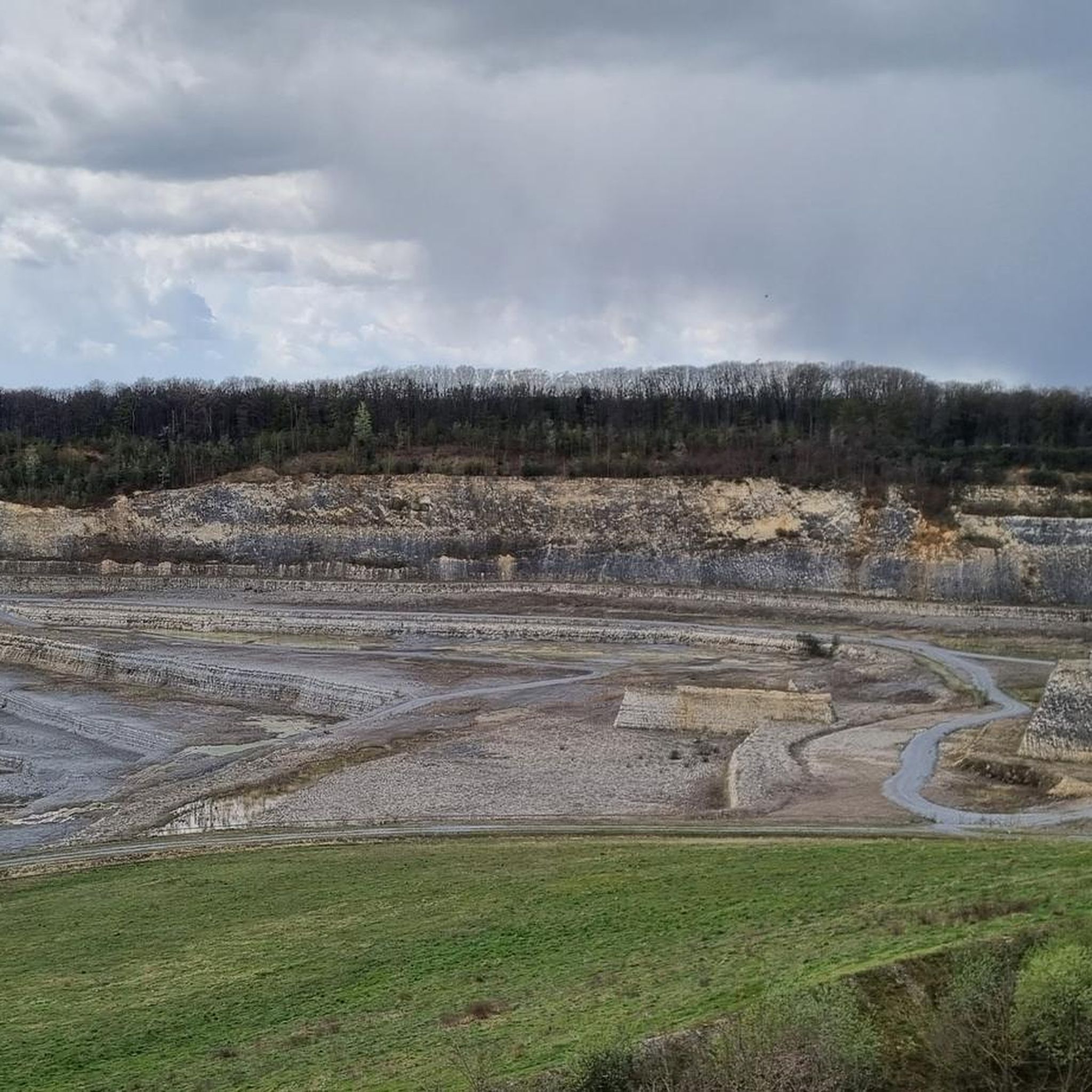
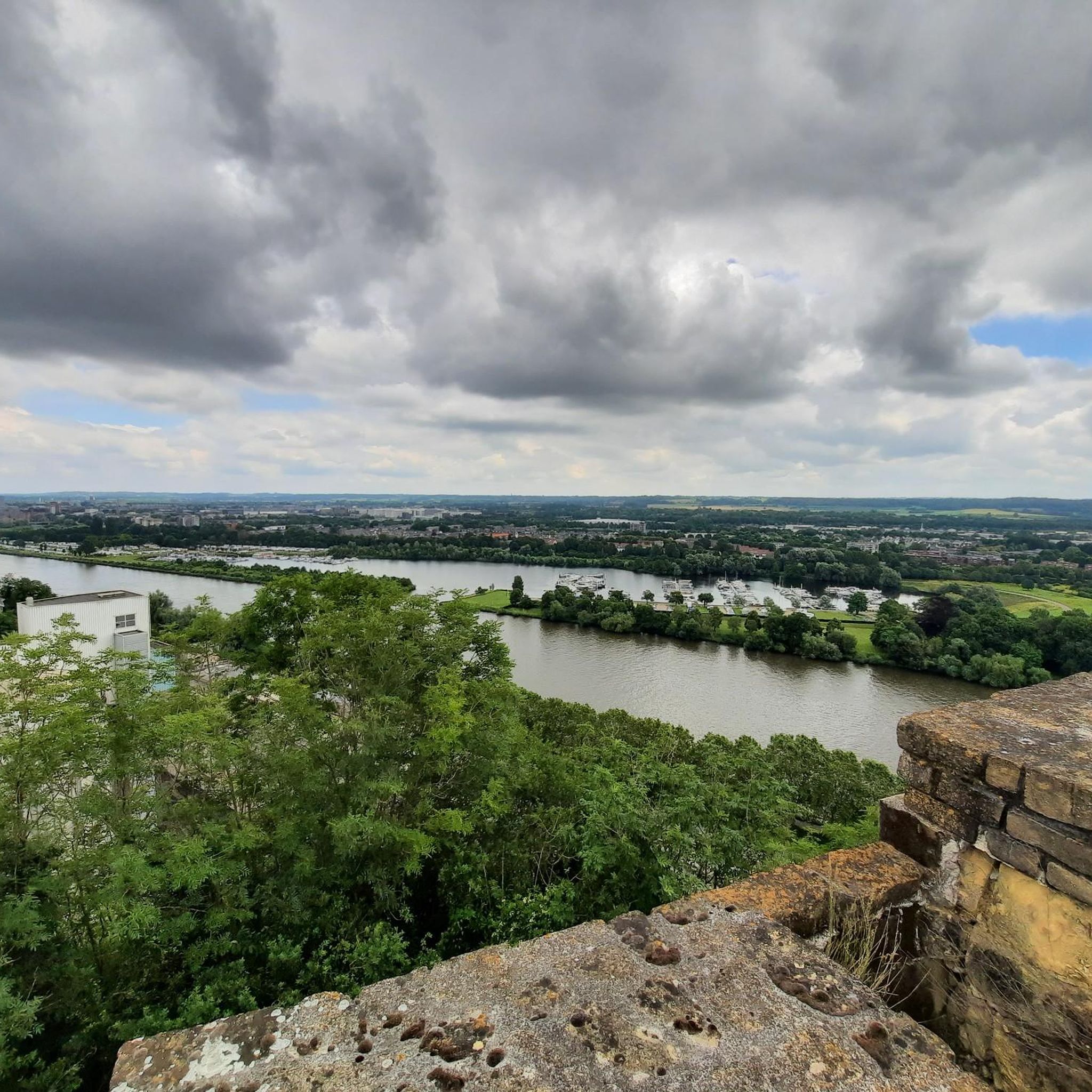
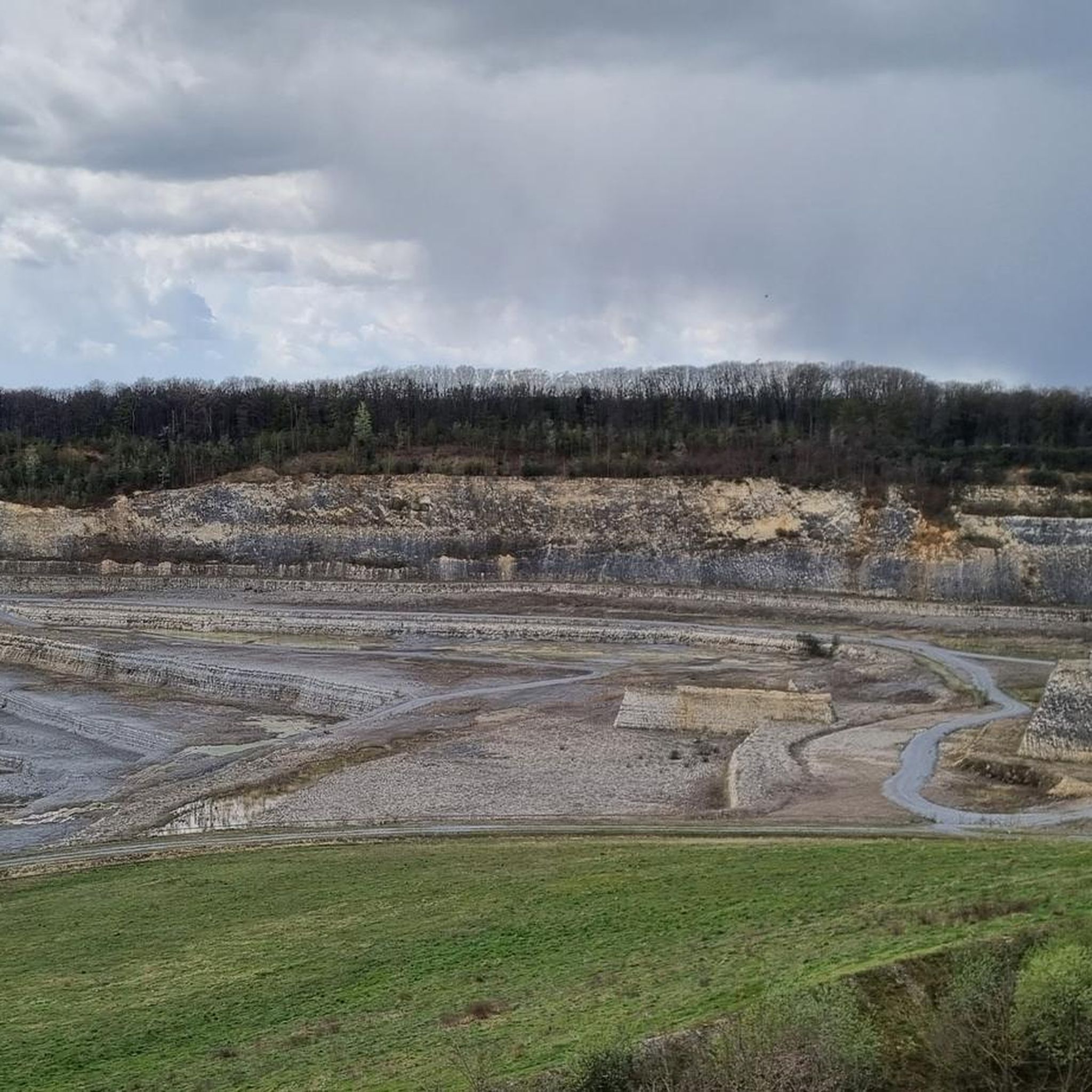
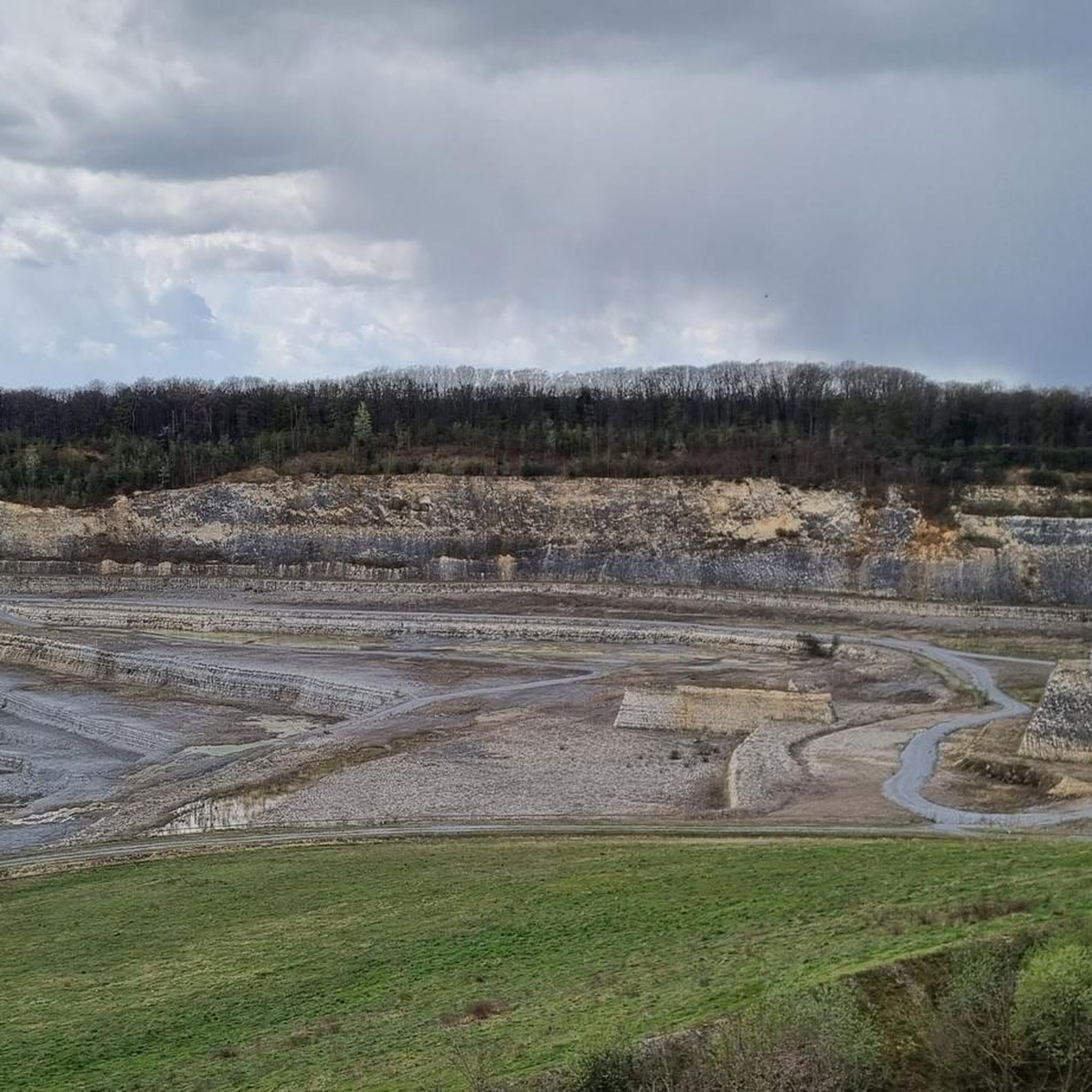
Magisterial viewpoint over the quarry and the surrounding area of Sint-Pietersberg. The viewpoint is always accessible between sunrise and sunset. The stairs to the quarry area have 215 steps. This staircase with access to the quarry is open from September 1 to April 1 from 9 a.m. to 5 p.m. and from April 1 to September 1 from 8 a.m. to 8 p.m. Dogs are not allowed on the stairs and in the quarry. Source: https://www.natuurmonumenten.nl/natuurbanden/sint-pietersberg
9
0

The bridge and bike look very idyllic in combination with the river
0
0

On this platform you have a great view over the quarry.
8
0
Definitely check it out. It's very interesting.
8
0
With binoculars you can easily scan the area here
6
0
Frequently Asked Questions
What natural features can I explore in Sint Pietersberg & Jekerdal?
The region offers a diverse range of natural features. You can explore extensive man-made caves, the meandering Jeker River at Molen Nekum, and the unique landscape of the Jekerdal Valley with its chalk grasslands and old vineyards. The area also features reclaimed quarries like the ENCI Quarry, which has been successfully returned to nature, and the panoramic views from the Sint Pietersberg hilltop.
What kind of wildlife can I spot in Sint Pietersberg & Jekerdal?
Sint Pietersberg & Jekerdal is rich in wildlife. The Kiekoet Viewpoint – Oehoe Valley is a significant breeding ground for eagle owls, Europe's largest owl species. The area's calcareous soil supports a wide variety of butterflies and rare plants. The Sint Pietersberg Caves are important for various bat species, and the Jeker River, after ecological restoration efforts, now hosts fish again.
Are there historical sites related to the natural monuments in Sint Pietersberg & Jekerdal?
Yes, the region has a rich history intertwined with its natural monuments. The Sint Pietersberg Caves, for example, are an extensive man-made labyrinth formed by centuries of marl extraction, dating back to Roman times, and even served as an air-raid shelter during WWII. The Jekerdal Valley features historical vineyards and the impressive Château Neercanne, the only terraced castle in the Netherlands. You can also find the Castle cave, which is part of the historical underground marl quarry system.
Are there family-friendly natural monuments to visit?
Many natural monuments in Sint Pietersberg & Jekerdal are suitable for families. The ENCI Quarry Viewpoint offers great views and is easily accessible. The Kiekoet Viewpoint – Oehoe Valley provides an opportunity for birdwatching, which can be exciting for children. Exploring the Jekerdal Valley and its river is also a pleasant family activity. Guided tours of the Sint Pietersberg Caves offer an educational and unique underground experience.
What are the best viewpoints in Sint Pietersberg & Jekerdal?
The region is known for its stunning viewpoints. The ENCI Quarry Viewpoint offers expansive vistas of the former quarry, which has been returned to nature. The Sint Pietersberg hilltop itself, with a peak of about 171 meters, provides breathtaking panoramic views of the Limburg countryside, the meandering Meuse river, and the historic city of Maastricht. The Kiekoet Viewpoint – Oehoe Valley also offers a unique glimpse into the ENCI quarry and a chance to spot eagle owls.
What outdoor activities can I do near these natural monuments?
Sint Pietersberg & Jekerdal is ideal for various outdoor activities. You can enjoy extensive hiking trails, with options ranging from easy to difficult, such as the 16.6 km "Jeker River at Molen Nekum – Château Neercanne loop from Maastricht" or the shorter 3.5 km "ENCI Quarry Viewpoint – Fort Sint Pieter loop from Maastricht". The area is also popular for road cycling, with routes like the 30.7 km "Trichterweg (Eijsden) – Gronsveld Tower Mill loop from Maastricht". For more details on routes, you can explore the Hiking in Sint Pietersberg & Jekerdal guide or the Road Cycling Routes in Sint Pietersberg & Jekerdal guide.
Are there specific hiking trails to explore the natural monuments?
Yes, numerous hiking trails crisscross the area, allowing you to explore the natural monuments. For an easy walk, consider the "Little ENCI Lake – ENCI Quarry Viewpoint loop from Kanne" (5 km) or the "ENCI Quarry Viewpoint – Fort Sint Pieter loop from Maastricht" (3.5 km). More challenging options include the "Jeker River at Molen Nekum – Château Neercanne loop from Maastricht" (16.6 km). These trails often lead through picturesque landscapes, lush forests, and impressive limestone formations. You can find more hiking options in the Hiking in Sint Pietersberg & Jekerdal guide.
What is the best time to visit Sint Pietersberg & Jekerdal for hiking and nature observation?
The Jekerdal Valley is known for its beautiful orchids that bloom in the summer, making it a particularly attractive time for nature observation. The calcareous soil also supports a large variety of butterflies, which are most active during warmer months. For hiking, spring and autumn offer pleasant temperatures and vibrant scenery, though the area is accessible year-round. The Sint Pietersberg Caves maintain a cool 9-10 degrees Celsius, making them a consistent temperature experience regardless of the season.
What are the Sint Pietersberg Caves and what can I expect there?
The Sint Pietersberg Caves are an extensive, man-made underground labyrinth, not natural caves, formed by centuries of marl extraction. The network spans approximately 80 kilometers with over 8,000 corridors. Inside, the temperature remains a cool 9-10 degrees Celsius, so warm clothing is recommended. Visitors can take guided tours to explore this unique underground world, which has a rich history, having been used for marl mining since Roman times and as an air-raid shelter during WWII. Fossils, including those of a prehistoric Mosasaurus, have also been discovered here.
What is the Jekerdal Valley known for?
The Jekerdal Valley, stretching from Maastricht to Kanne, is known for its picturesque landscape, with the Jeker river meandering through it. It features unique chalk grasslands and old vineyards, such as Apostelhoeve and Hoeve Nekum, where wine cultivation has a long history due to the ideal limestone soil. The valley is a popular spot for hikers and cyclists, offering a blend of natural beauty and cultural-historical sights, including Château Neercanne.
What is the significance of the ENCI Quarry?
The ENCI Quarry is a former marl quarry that has been successfully returned to nature. It now boasts spectacular views from its plateau and is home to diverse wildlife, including butterflies, bats, rare plants, and even the eagle owl. Visitors can explore this regenerated natural area, often under the guidance of a forest ranger, to appreciate its ecological recovery and enjoy the clear water formations. The transformation plan was a collaborative effort to restore the area after its closure in 2018.
Are there any specific geological features to observe in the region?
Yes, the region's unique geological composition is a key feature. Sint Pietersberg & Jekerdal are characterized by marl (soft limestone) and various soil types. The extensive underground caves are a direct result of centuries of marl extraction. The Jekerdal Valley features distinctive chalk grasslands, and the limestone in the soil provides ideal conditions for the region's vineyards. You can observe these geological formations throughout the area, particularly along hiking trails and at viewpoints.
Most popular routes in Sint Pietersberg & Jekerdal
Most popular attractions in Sint Pietersberg & Jekerdal

Get inspired with the komoot mobile app


Explore more
Extend your search for the best caves by checking out these guides of the top ones in Sint Pietersberg & Jekerdal:
