Top 7 Natural Monuments in Dinkelland
Best natural monuments in Dinkelland include diverse landscapes shaped by the Dinkel River. This municipality in the Netherlands offers natural areas with scenic views and ecological significance. The region is characterized by its riverine environments, sandy paths, and ancient woodlands. These sites provide opportunities to experience the natural and historical aspects of the Dinkel River and its surroundings.
Best natural monuments in Dinkelland
- The most popular natural monuments is The Dinkel, a river that follows its original course, meandering…
Last updated: October 8, 2026
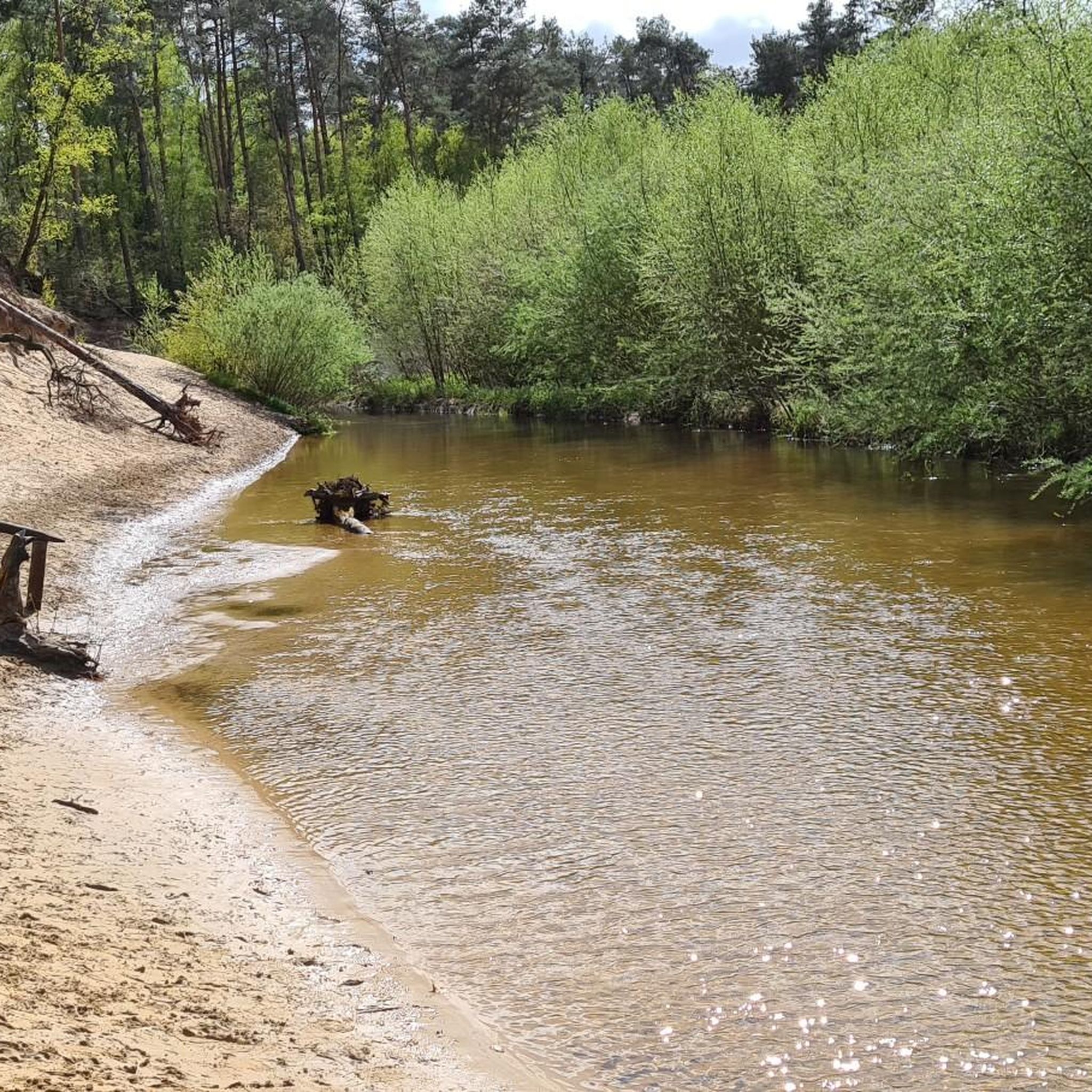
Dinkel River Beach in Lutterzand
Highlight • Beach
Translated by Google •
Tip by

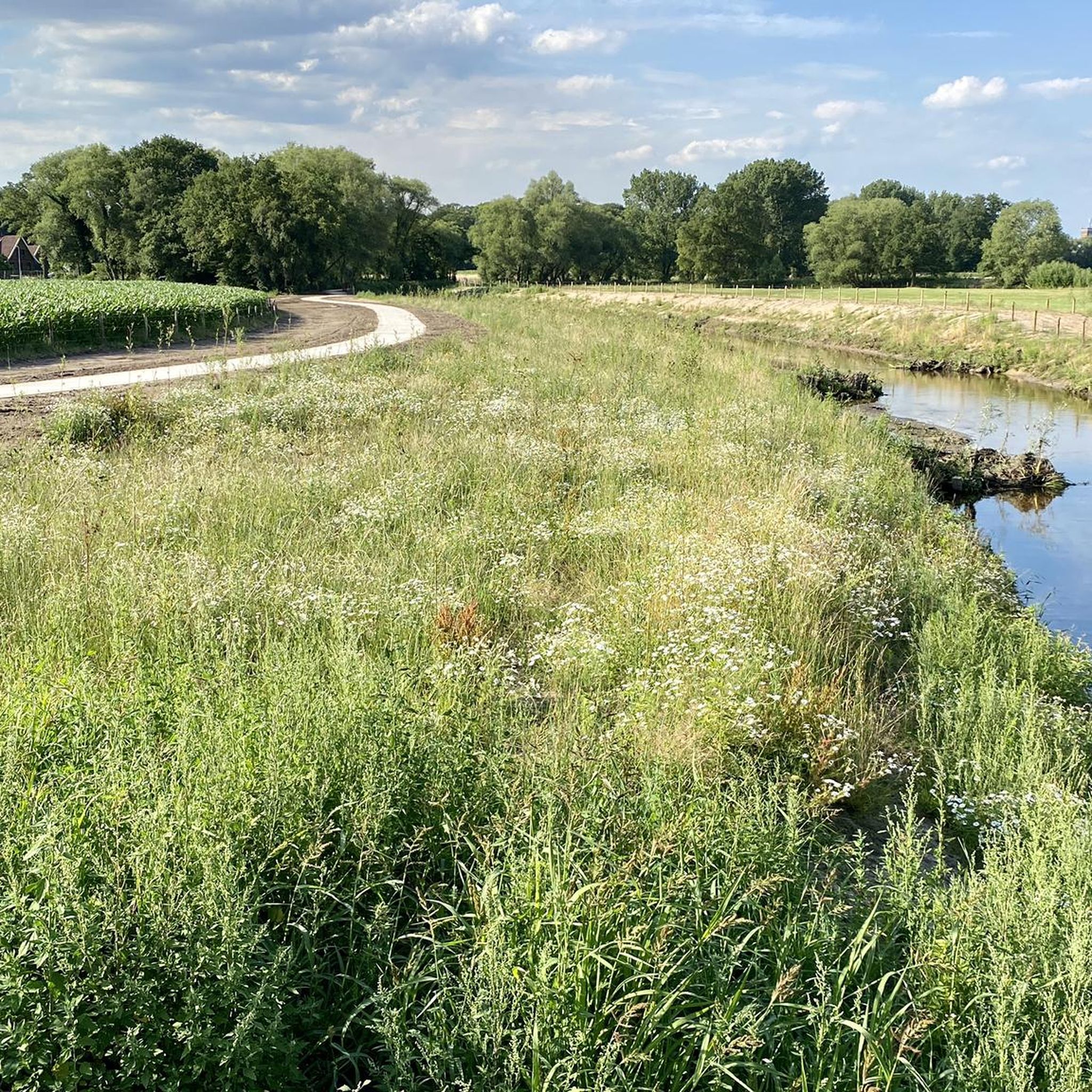
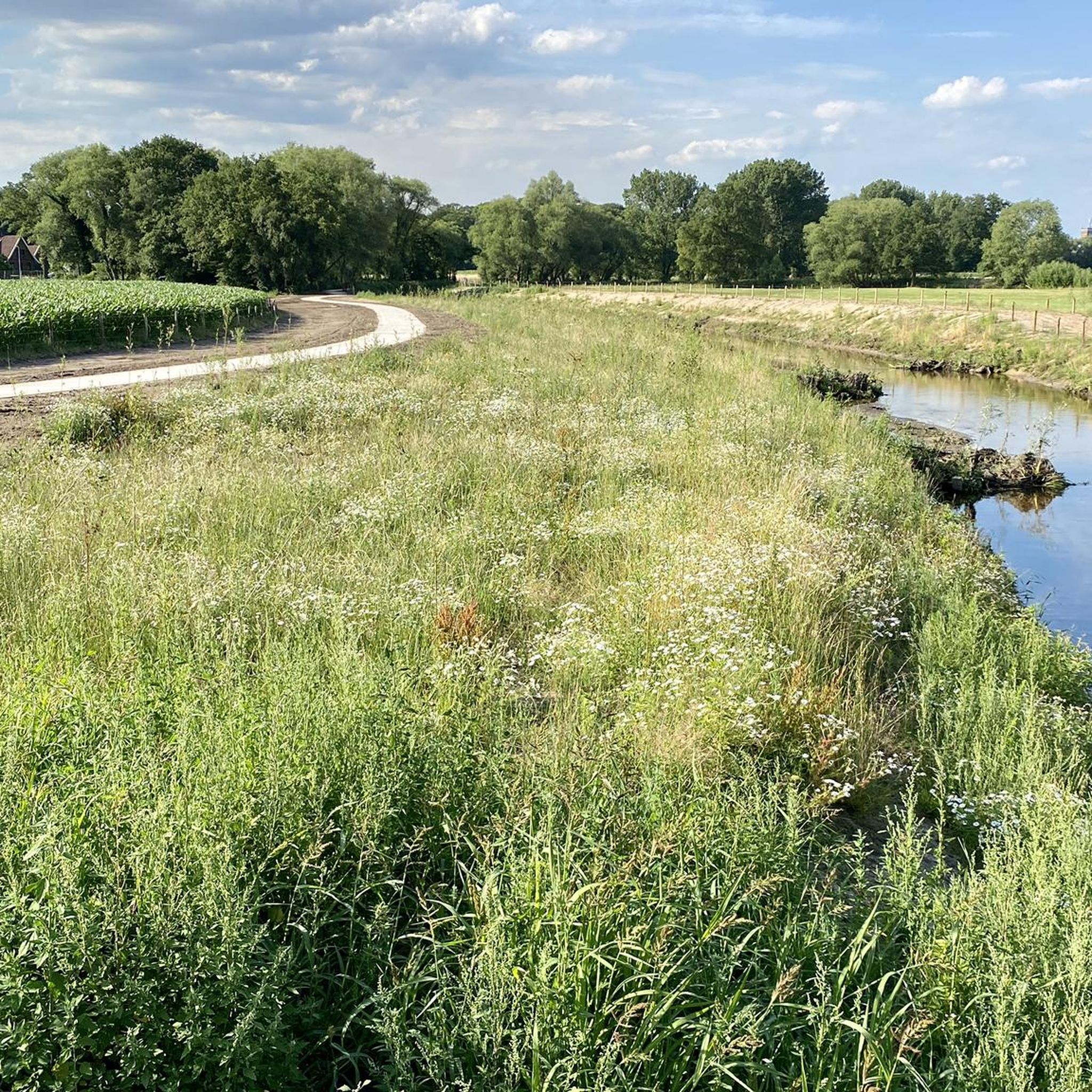
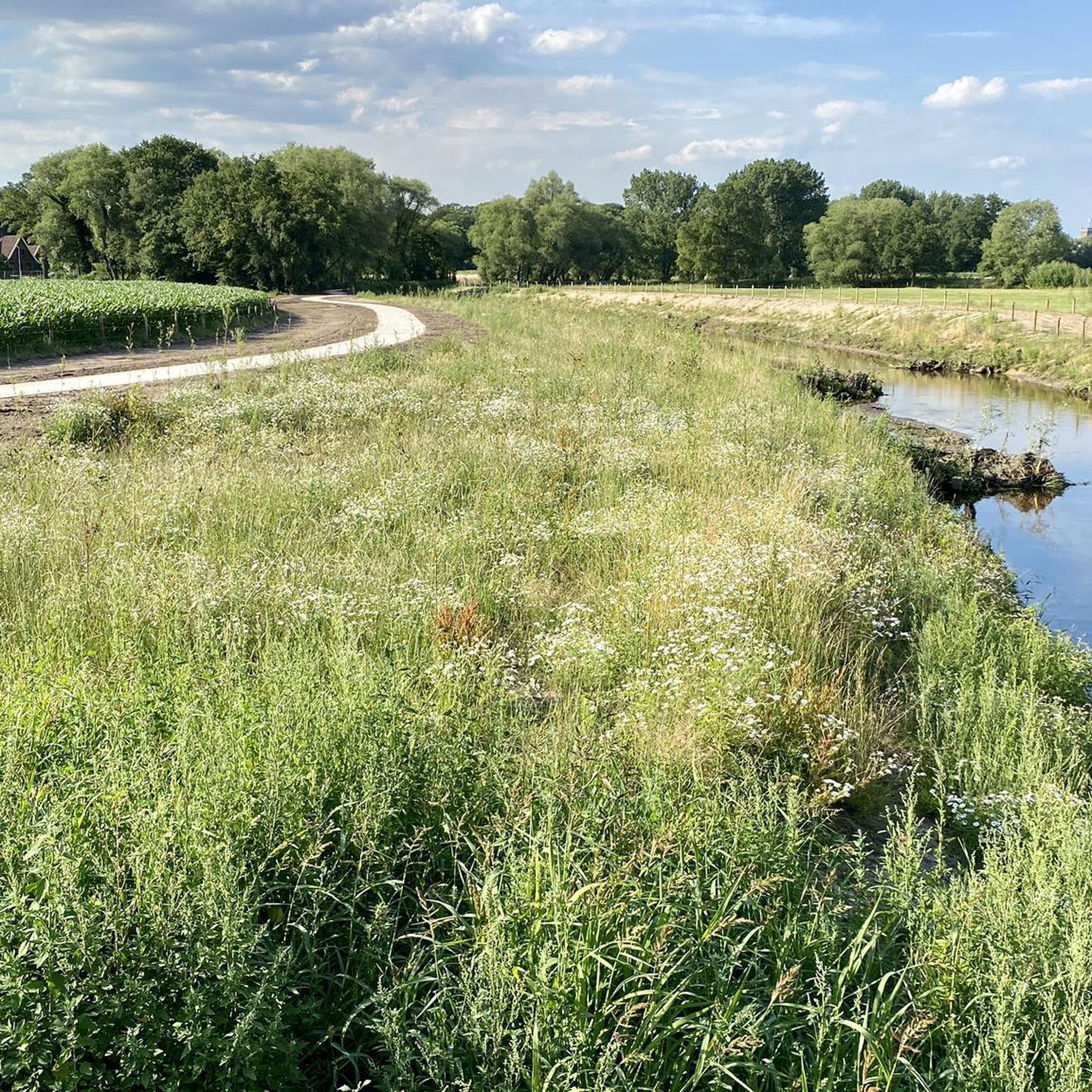
Dinkel River Restoration Area
Highlight (Segment) • River
Translated by Google •
Tip by

Sign up now to discover places like this
Get recommendations on the best single tracks, peaks, & plenty of other exciting outdoor places.
Greune Stet Meander on the Dinkel
Highlight • River
Translated by Google •
Tip by

Dinkelsteen XV – Transport by Antoon Poorthuis
Highlight • Monument
Translated by Google •
Tip by

Dinkelland Wetlands
Highlight • Natural
Translated by Google •
Tip by

Start today with a free account
Your next adventure awaits.
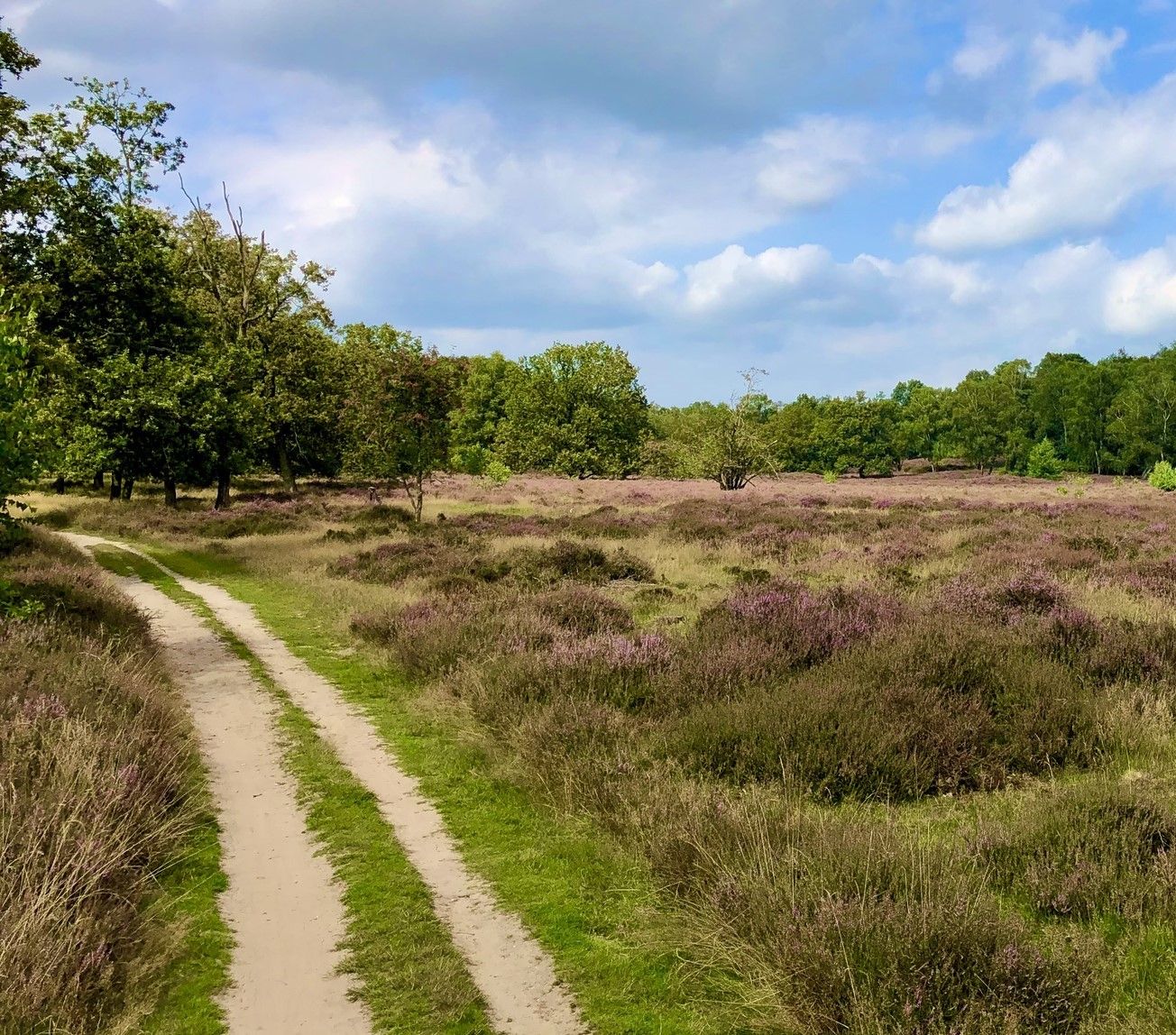
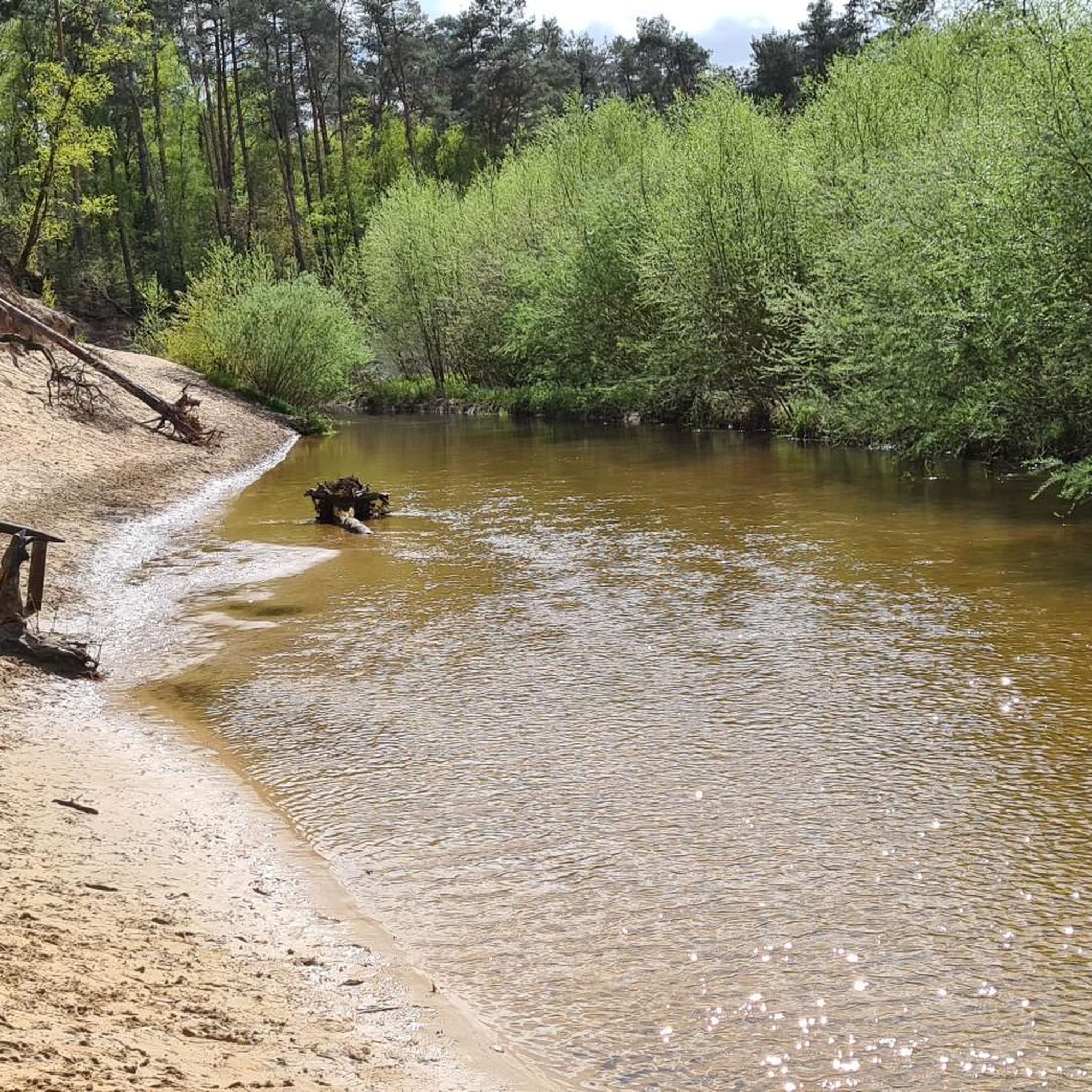

Other adventures in Dinkelland

Tips from the Community


Formerly intensively used pastureland is now becoming a biotope with shallow ponds.
5
0

Beautiful to hike in the Lutterzand area. Idyllic and wonderful view. We recommend.
1
0

Great project and well implemented. Cycle path combined with renaturation.
3
0

The renaturation of the spelled has been completed. Great cycle paths and beautiful bridges lead along the Dinkel
7
0

It has become super beautiful and easily accessible for walkers and cyclists
5
0

Nature and the shore are constantly changing here.
4
0

Caution ! At the moment (Jan 2022) only a section of the new Dinkelradweg north of Gronau can be used (up to the Glanestraat).
7
0
Frequently Asked Questions
What are the most popular natural monuments in Dinkelland?
The most popular natural monuments in Dinkelland are centered around the Dinkel River. Visitors particularly enjoy The Dinkel itself, known for its meandering course through rugged forest land and steep banks. Another favorite is the Dinkel River Beach in Lutterzand, offering sandy areas for riverside recreation.
Are there family-friendly natural monuments in Dinkelland?
Yes, many natural monuments in Dinkelland are family-friendly. The Dinkel River Beach in Lutterzand is ideal for families, with sandy areas perfect for picnics and children to play in the water and sand. The various sections of the Dinkel River, including the Dinkel River Restoration Area, also offer accessible paths suitable for walks with children.
What kind of natural features can I expect to see in Dinkelland?
Dinkelland is characterized by diverse natural features, primarily shaped by the Dinkel River. You'll find meandering rivers, sandy riverbanks, ancient woodlands, and unique geological formations like the steep banks of sand and boulder clay along The Dinkel. The region also features nature reserves like Het Lutterzand with its picturesque sand dunes.
What outdoor activities can I do near the natural monuments in Dinkelland?
Near the natural monuments in Dinkelland, you can enjoy various outdoor activities. Hiking is very popular, with routes like the 'Lutterzand Nature Reserve – Walking Trail Along the Heath loop' and 'The Dinkel – Dinkel River Path loop'. There are also options for gravel biking, such as the 'Border Cycle Path' and routes through the 'Scholtenhaer Rhododendronlaan'. For more details, explore the Hiking in Dinkelland and Gravel biking in Dinkelland guides.
Are there easy walking routes available around Dinkelland's natural monuments?
Yes, Dinkelland offers several easy walking routes, particularly around the Lutterzand Nature Reserve and the Dinkel River. Examples include the 'Low-threshold Overijssel routes - water bodies and pavilions in Lutterzand' and the 'Lutterzand Nature Reserve – View of the Dinkel River loop'. These routes are generally well-maintained and suitable for a relaxed stroll. You can find more options in the Easy hikes in Dinkelland guide.
What makes the Dinkel River unique in Dinkelland?
The Dinkel River is unique because it largely follows its original course, meandering naturally through the landscape. This creates diverse scenery, including rugged forest land and steep banks of sand and boulder clay, particularly in areas like the Lutterzand. Its partly sandy banks also support a rich variety of flora and fauna, including the kingfisher, making it a significant ecological feature.
What historical or cultural sites are near the natural monuments?
Beyond the natural beauty, Dinkelland also offers historical insights. Within the Singraven Estate, you can find historic buildings, including watermills and a manor. The Dinkel river itself passes by the ancient hydrodynamic lock 'Schivenhuisje' on the Almelo-Nordhorn Canal in Denekamp, which is a historical landmark regulating water levels.
What do visitors enjoy most about the natural monuments in Dinkelland?
Visitors frequently praise the serene beauty and the opportunities for peaceful recreation. Many enjoy cooling off in the water at the Dinkel River Beach in Lutterzand, picnicking, and letting children play in the natural environment. The unique, meandering course of The Dinkel through forests is also highly appreciated for its scenic walks and close-to-nature experience.
Can I spot wildlife near the natural monuments in Dinkelland?
Yes, the natural monuments in Dinkelland, especially along the Dinkel River, are rich in biodiversity. The sandy banks of the Dinkel are known for their wealth of flora and fauna. The magnificently colored kingfisher is a well-known resident and a kind of mascot for the area, making it a great spot for birdwatching.
Is the Dinkel River accessible for walking and cycling?
Yes, the Dinkel River is highly accessible for both walkers and cyclists. The Dinkel River Restoration Area, for instance, has been completed with great cycle paths and beautiful bridges, making it easily accessible. Many routes, like the 'Dinkel River Path', follow the river, offering scenic views for both activities.
What is the Greune Stet Meander?
The Greune Stet Meander on the Dinkel is an impressive natural feature located in the Lutterzand. It's a headland formed by the meandering Dinkel River, characterized by a steep wall where the river has cut through the landscape. It's a beautiful nature reserve popular for walking and cycling.
What is the best time to visit Dinkelland's natural monuments?
The natural monuments in Dinkelland offer beauty throughout the year. Spring and summer are ideal for enjoying the sandy river beaches and lush greenery, with opportunities for picnics and water activities. Autumn brings vibrant colors to the woodlands, making it perfect for scenic walks. Even in winter, the serene landscapes along the Dinkel River provide a peaceful escape.
Most popular routes in Dinkelland
Most popular attractions in Dinkelland

Get inspired with the komoot mobile app


Explore more
Extend your search for the best caves by checking out these guides of the top ones in Dinkelland:
