Naturschutzgebiet Uelzener Heide / Mühlhauser Mark
Naturschutzgebiet Uelzener Heide / Mühlhauser Mark
Top 7 Natural Monuments in Naturschutzgebiet Uelzener Heide / Mühlhauser Mark
Best natural monuments in Naturschutzgebiet Uelzener Heide / Mühlhauser Mark showcase a diverse landscape in North Rhine-Westphalia, established as a nature reserve in 2008. This approximately 195-hectare area is dedicated to preserving various habitats and their wild animal and plant species. The region features numerous springs, diverse water bodies, and extensive grasslands, contributing to its ecological value. Visitors can explore a mosaic of structurally rich landscapes, including deciduous forests and characteristic head rows of willows.
Best natural monuments in Naturschutzgebiet…
Last updated: August 1, 2026
Champion Tree (Platanus x hispanica) in Uelzener Heide
Highlight (Segment) • Natural Monument
Translated by Google •
Tip by

Champion London plane tree of Westphalia (Uelzener Heide / Mühlhauser Mark)
Highlight • Natural Monument
Translated by Google •
Tip by

Sign up now to discover places like this
Get recommendations on the best single tracks, peaks, & plenty of other exciting outdoor places.
Sign up for free
Uelzen Heath / Mühlhauser Mark Nature Reserve
Highlight • Natural
Translated by Google •
Tip by

Ancient trees in the Uelzener Heide and Mühlhauser Mark Nature Reserve
Highlight (Segment) • Forest
Translated by Google •
Tip by

Trees with Angel Wings
Highlight • Structure
Translated by Google •
Tip by

Sign up for free to discover even more natural monuments in Naturschutzgebiet Uelzener Heide / Mühlhauser Mark.
Sign up for free
Already have an account?
Start today with a free account
Your next adventure awaits.
Login or Signup
Popular around Naturschutzgebiet Uelzener Heide / Mühlhauser Mark
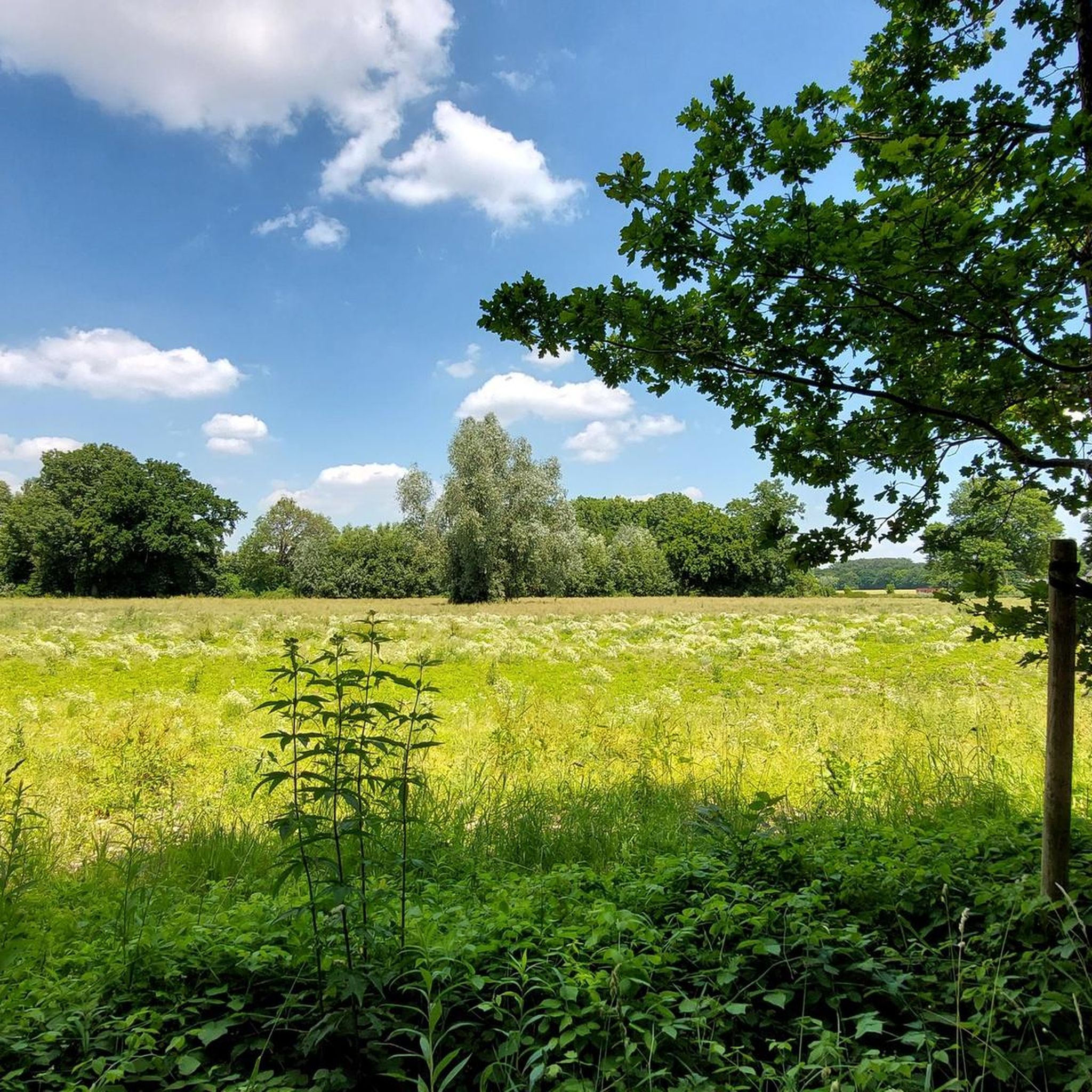
Road Cycling Routes in Naturschutzgebiet Uelzener Heide / Mühlhauser Mark
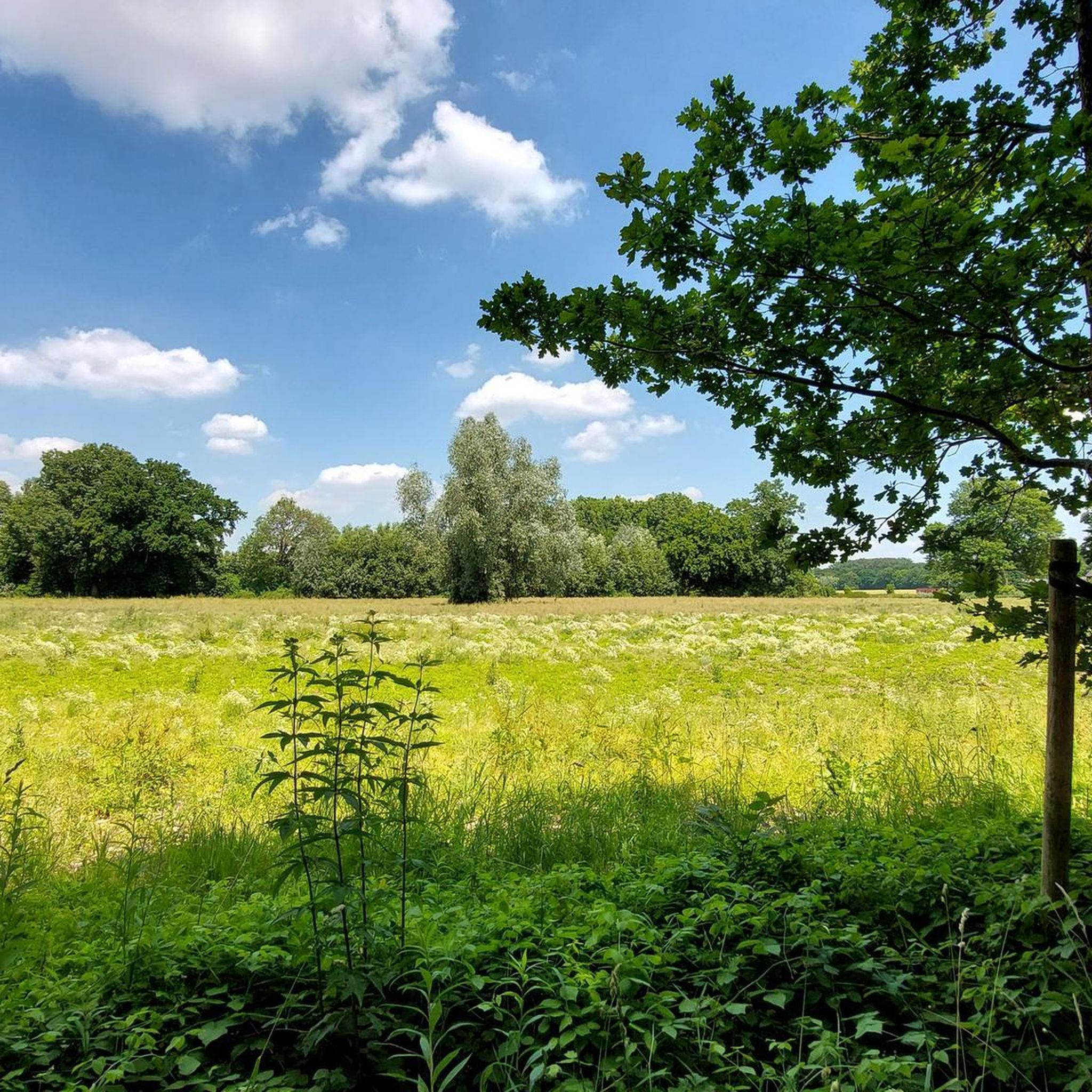
MTB Trails in Naturschutzgebiet Uelzener Heide / Mühlhauser Mark
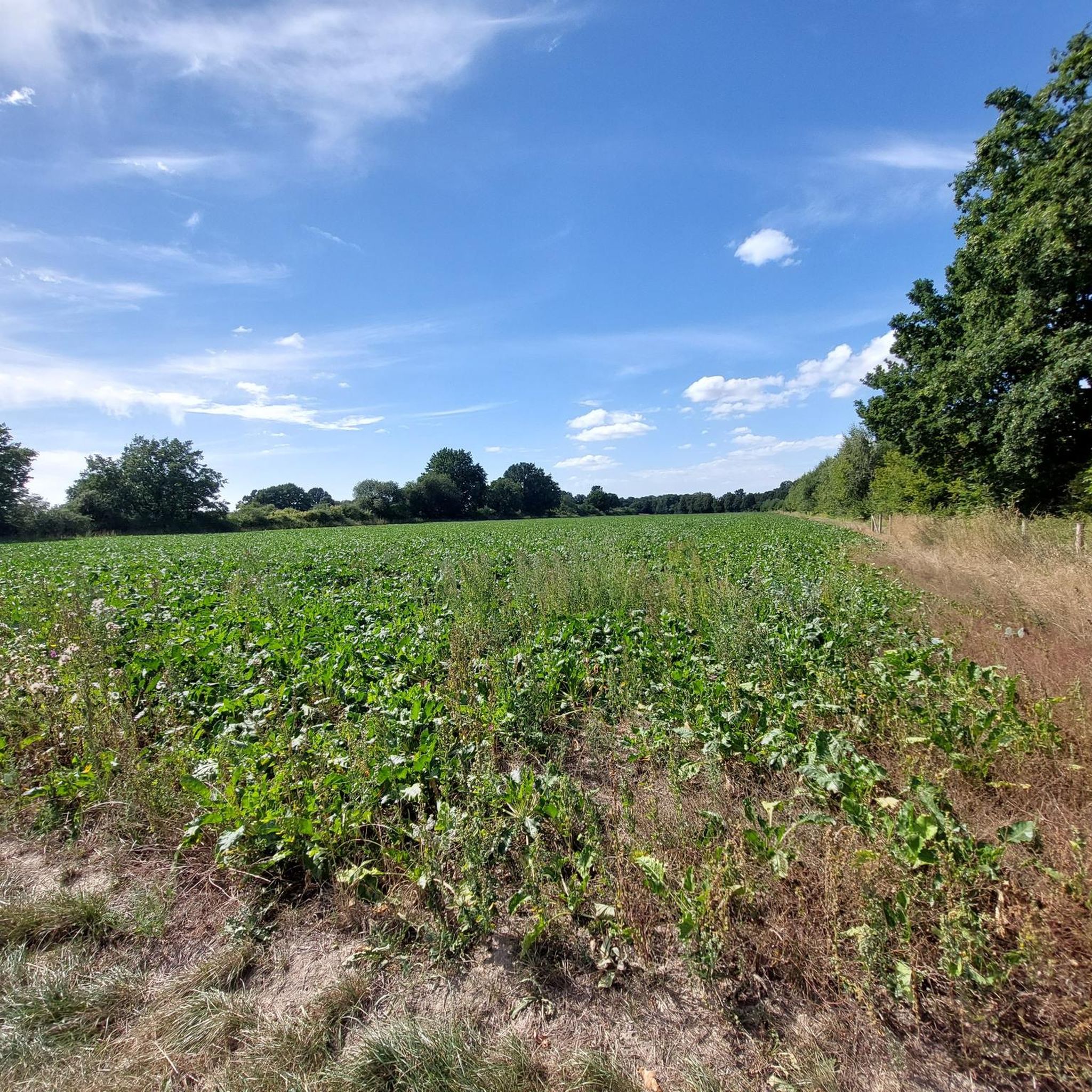
Running Trails in Naturschutzgebiet Uelzener Heide / Mühlhauser Mark
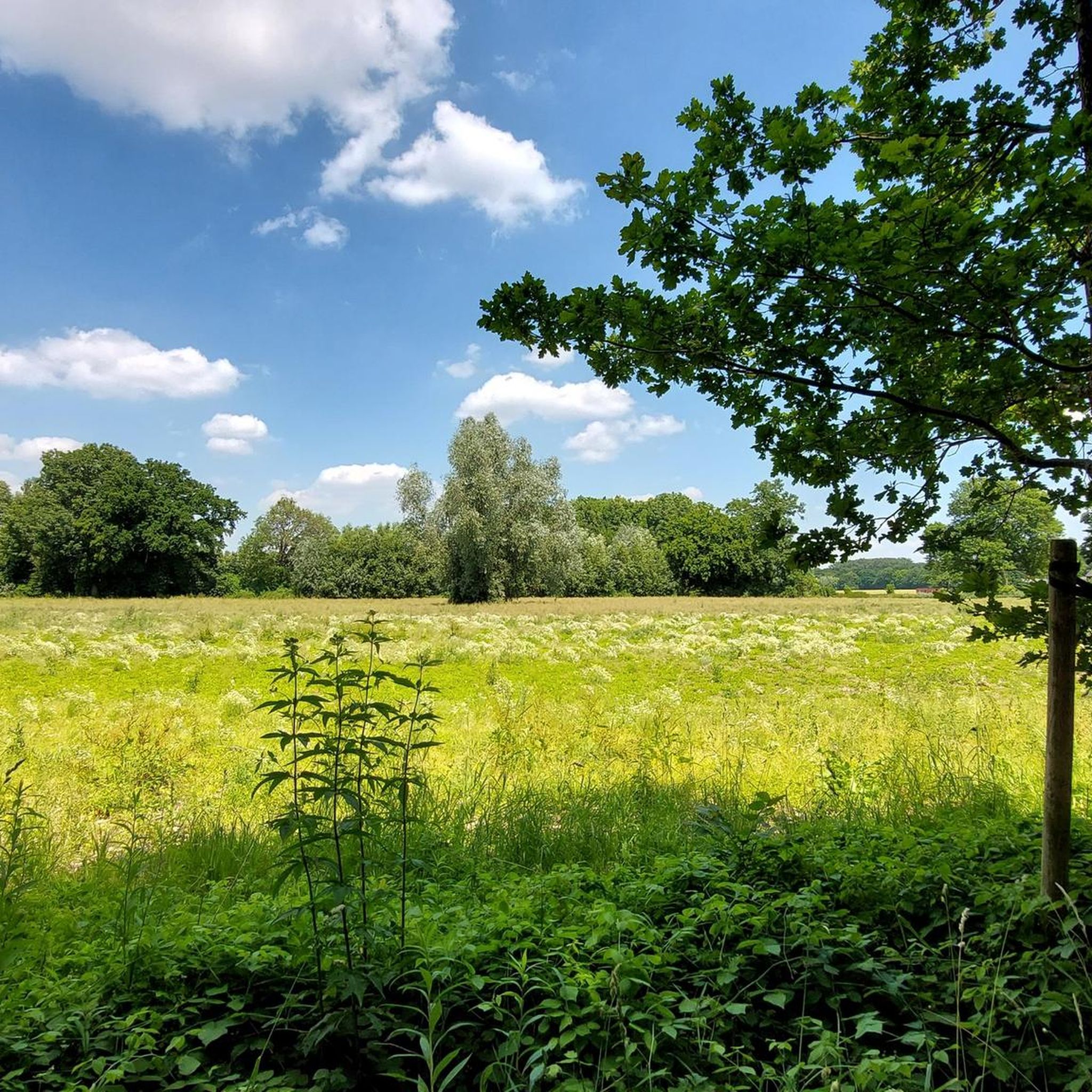
Hiking in Naturschutzgebiet Uelzener Heide / Mühlhauser Mark
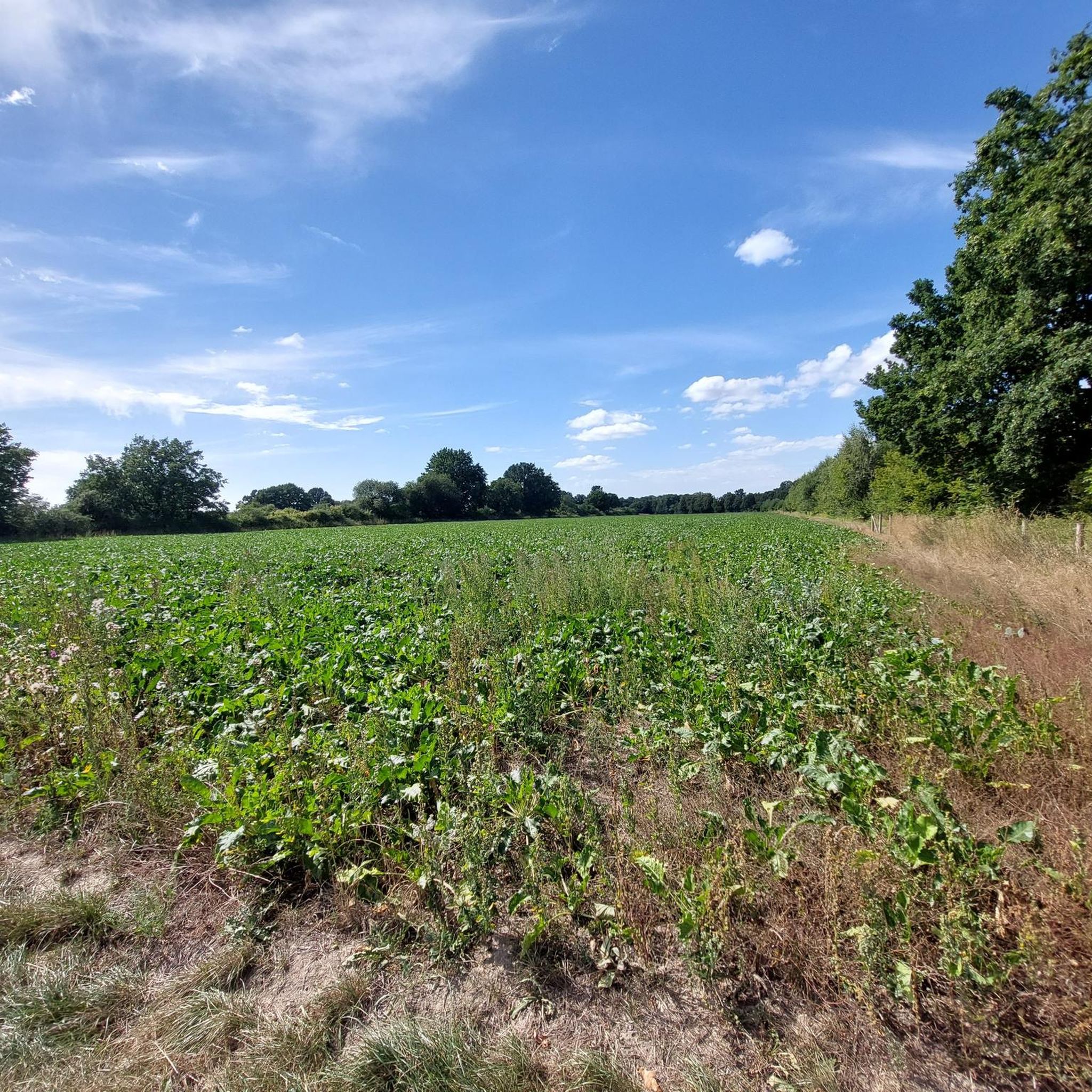
Cycling in Naturschutzgebiet Uelzener Heide / Mühlhauser Mark
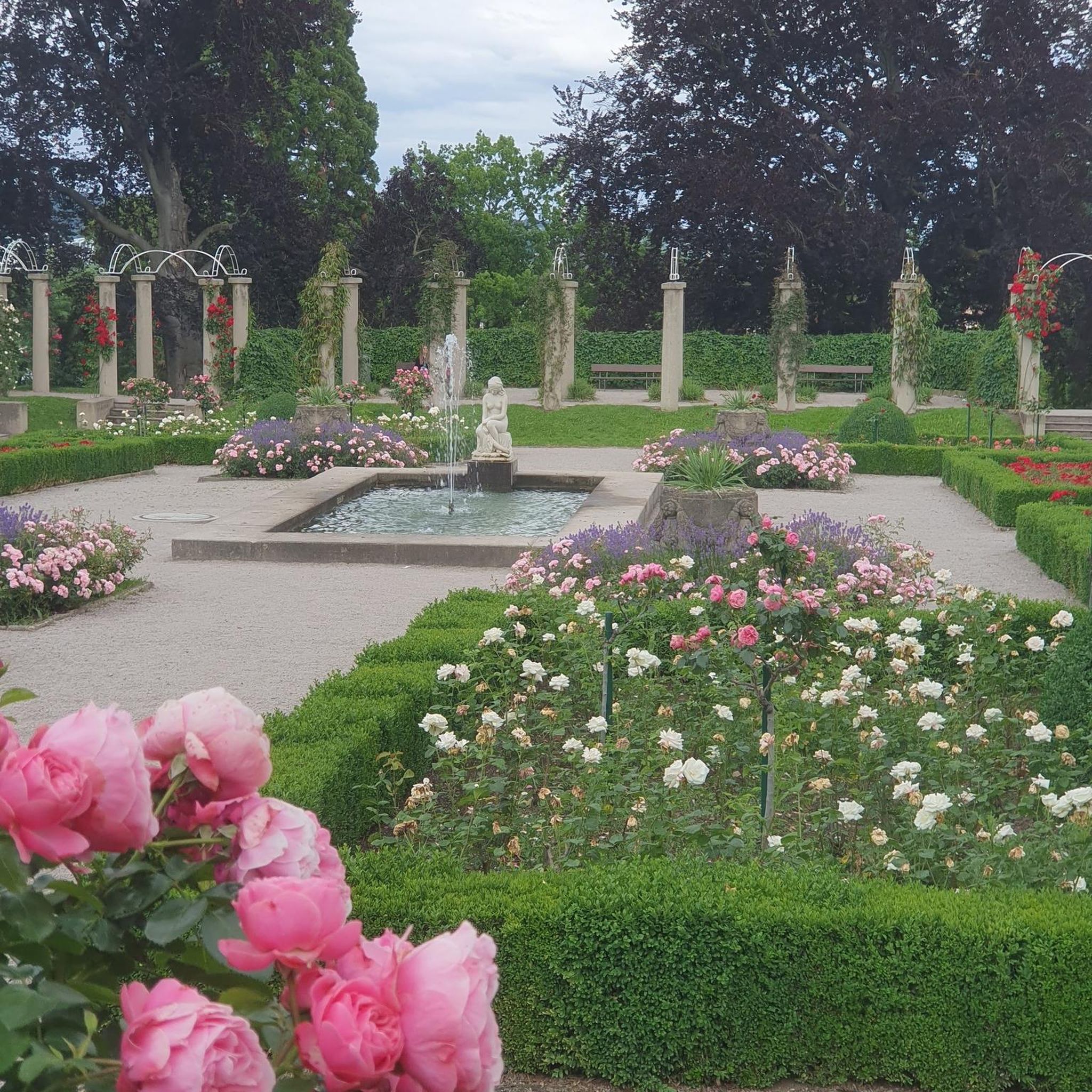
Gravel biking in Naturschutzgebiet Uelzener Heide / Mühlhauser Mark
Tips from the Community

A beautiful and varied area with heathland, ponds and great paths.
0
0

As a forest lover, I really have to stop here. The path is great to ride, but even as a layman, you immediately recognize that this section is lined with very old trees and original shapes. It's nice that such areas still exist.
0
0

Impressive tree, good thing it's in the forest. In the open field, lightning would have struck long ago.
2
0

Plane tree (Platanus Xa hispanica) A natural monument Be amazed - you are looking at a record tree 715 cm trunk circumference, around 250 to 300 years old, 42 meters high - 32 meters crown diameter, It is on the list of champion trees of the German Dendrological Society and the German Arboretum Society. This plane tree was probably planted by cavalry general Christoph Friederich von Pletteenberg (1698 - 1777), who bought the Heyde manor in 1743 and later lived there. He had the moated castle expanded and the garden redesigned. www.heimatverem-muehlhausen-uelzen.de www.buegerstiftung-unna.de
2
0

The nature reserve is located on the eastern edge of Unna. To the north it extends to the city limits of Kamen. The Hamm-Unna railway line runs through the middle of the area from north to south. The Uelzener Heide is the best proof that the Ruhr area actually has much more to offer than disused mines and a dense motorway network. Source: https://www.nabu.de/natur-und-landschaft/schutzgebiets/nabu-schutzgebiets/nordrhein-westfalen/05884.html
7
1

Holger Zühlke designed the wings. He chose the angel wings because in our culture the angel is a symbol of protection, help and companionship. Zühlke considers city trees in particular to be at risk, for example from direct environmental influences, but also from soil sealing and lack of water, which weaken the trees and make them more susceptible to attack by insects. The wings are intended to provide an impetus to raise awareness of the value of trees. If you want to know exactly what's behind it: https://www.hellwegeranzeiger.de/unna/baeume-linden-engelsfluegel-hertingerstrasse-unna-neubau-projekt-schule-w775094-1000861190/
7
0

The grounds of the old moated castle, Heyde, are extremely interesting. As I have seen from the exceptionally good information boards, the castle with its moat used to stand here, where there is now just a secluded forest path. The latter is said to still be visible and I went looking for it (on foot!), but gave up because of the many nettles. Instead, I found (right behind the board with the map) the entrance to the former cellar, which is now locked and serves as a cave for bats. - The thickest plane tree in Westphalia and the no less impressive copper beech a few meters away are obviously parts of the former castle garden and were planted by the then owner almost 300 years ago. And now the former magnificent garden has become a forest, and all that is left of the castle are a few remains of the walls, an incredible lost place in the most beautiful surroundings. This is how history comes to life!
2
0

Frequently Asked Questions
What are some of the most popular natural monuments to visit in Naturschutzgebiet Uelzener Heide / Mühlhauser Mark?
Visitors frequently enjoy the impressive Champion London plane tree of Westphalia, which is approximately 300 years old and 42 meters high. Another favorite is the Champion Tree (Unna's Famous Plane Tree), part of the former entrance avenue to Heyde Castle. The Champion Tree (Platanus x hispanica) in Uelzener Heide is also popular, situated along a scenic bike path with wonderful old trees.
What unique natural features can I expect to see in the Naturschutzgebiet Uelzener Heide / Mühlhauser Mark?
The reserve is renowned for its abundant springs, with around 40 places where water emerges from the ground in Uelzen alone, forming crucial starting points for numerous small bodies of water and stream courses. You can also explore former Shaft Pits, which are historical interventions reclaimed by nature, and observe characteristic Head Rows of Willows, actively maintained by conservationists.
What kind of wildlife can be observed in Naturschutzgebiet Uelzener Heide / Mühlhauser Mark?
The diverse habitats support a rich variety of wildlife. Keep an eye out for rare species such as the tree frog, great crested newt, partridge, whitethroat, nightingale, and even the kingfisher. The extensive grasslands and wetlands provide essential breeding grounds and food sources for amphibians and insects.
Are there family-friendly natural monuments or activities in the area?
Yes, many natural monuments are suitable for families. The large champion trees, such as the Champion London plane tree of Westphalia and Unna's Famous Plane Tree, offer impressive sights for all ages. The reserve's easy hiking and cycling paths, like those mentioned in the Easy Hikes guide, are perfect for family outings to explore the natural beauty.
What is the best time of year to visit the natural monuments?
The Naturschutzgebiet Uelzener Heide / Mühlhauser Mark offers beauty throughout the year. Spring and early summer are ideal for observing the diverse flora and fauna, especially during amphibian breeding seasons in the wetlands. Autumn provides stunning colors in the deciduous forests. Even winter offers unique charm for quiet hikes, though some areas might be less accessible.
Are there any historical natural monuments or sites within the reserve?
Yes, the reserve holds historical significance. The Shaft Pits are remnants of historical interventions in the landscape. Additionally, the Champion Tree (Unna's Famous Plane Tree) stands as part of what was once the entrance avenue to Heyde Castle, offering a glimpse into the region's past alongside its natural presence.
What outdoor activities can I do near these natural monuments?
The area is excellent for various outdoor activities. You can enjoy cycling on routes like the "Bike loop from Naturschutzgebiet Uelzener Heide / Mühlhauser Mark" or "View of Wheat Fields – Seseke Trail loop from Uelzener Heide – Mühlhauser Mark" found in the Cycling guide. For hikers, there are easy trails such as the "Uelzener Heath Rail Trail loop from Alte Heide" or "Unna-Hamm Railway Bridge loop from Uelzener Heide – Mühlhauser Mark" detailed in the Easy Hikes guide.
Are there specific viewpoints to appreciate the landscape?
While not explicitly designated as viewpoints, the mosaic-like composition of the landscape offers many scenic spots. The areas around the abundant springs and diverse water bodies provide picturesque views. The Champion Tree (Platanus x hispanica) in Uelzener Heide is located along a bike path that offers a very nice section with wonderful old trees, creating a beautiful vista.
Can I bring my dog to the natural monuments in Naturschutzgebiet Uelzener Heide / Mühlhauser Mark?
Generally, dogs are welcome in the Naturschutzgebiet Uelzener Heide / Mühlhauser Mark, especially on designated trails. However, to protect the sensitive wildlife and habitats, it's crucial to keep dogs on a leash and ensure they do not disturb animals or plants. Always check local signage for specific rules in certain areas.
What do visitors enjoy most about Naturschutzgebiet Uelzener Heide / Mühlhauser Mark?
Visitors particularly appreciate the tranquility and the impressive scale of the ancient trees, such as the Champion London plane tree of Westphalia, which many describe as a worthwhile detour. The scenic bike paths through sections with wonderful old trees are also highly praised, offering a chance to linger and soak in the natural beauty. The historical context of sites like the former Heyde Castle avenue adds another layer of interest.
Are there any hidden gems or lesser-known spots worth exploring?
Beyond the well-known champion trees, the numerous abundant springs (Quellen) throughout the reserve are a true hidden gem. These pristine origins of the reserve's water systems offer a chance to observe unique aquatic ecosystems. The small bodies of water and 'Blänken' (seasonal wetlands) are also vital habitats that reveal their full biodiversity, especially during breeding seasons, for those who take the time to explore.
Are there facilities like cafes or accommodation near the natural monuments?
The Naturschutzgebiet Uelzener Heide / Mühlhauser Mark is primarily a nature reserve. While there are no facilities directly within the protected areas, you will find cafes, pubs, and accommodation options in the nearby towns and villages surrounding the reserve, such as Uelzen and Unna. It's advisable to plan your visits to these establishments before or after your exploration of the natural monuments.
Most popular routes in Naturschutzgebiet Uelzener Heide / Mühlhauser Mark
Most popular attractions in Naturschutzgebiet Uelzener Heide / Mühlhauser Mark

Get inspired with the komoot mobile app


Explore more
Extend your search for the best caves by checking out these guides of the top ones in Naturschutzgebiet Uelzener Heide / Mühlhauser Mark:
