Top 18 Natural Monuments around Erada
Natural monuments around Erada showcase a diverse landscape, featuring high mountain summits, unique rock formations, and picturesque water features. The region's terrain includes glacial cirques, river beaches, and waterfalls, providing varied natural attractions. Visitors can explore 18 natural monuments, each offering distinct geological and scenic characteristics. These sites are primarily found within mountainous areas, reflecting the natural beauty of the region.
Best natural monuments around Erada
- The most popular natural monuments is Torre (Serra da Estrela Summit), a summit…
Last updated: May 18, 2026
Torre (Serra da Estrela Summit)
Highlight • Summit
Tip by

Foz d'Égua
Highlight • Beach
Translated by Google •
Tip by

Sign up now to discover places like this
Get recommendations on the best single tracks, peaks, & plenty of other exciting outdoor places.
Sign up for free
Cântaro Magro
Highlight • Natural Monument
Translated by Google •
Tip by

Serra da Estrela
Highlight • Mountain Pass
Translated by Google •
Tip by

Poço da Broca de Serapitel
Highlight • Waterfall
Translated by Google •
Tip by

Sign up for free to discover even more natural monuments around Erada.
Sign up for free
Already have an account?
Start today with a free account
Your next adventure awaits.
Login or Signup
Tips from the Community

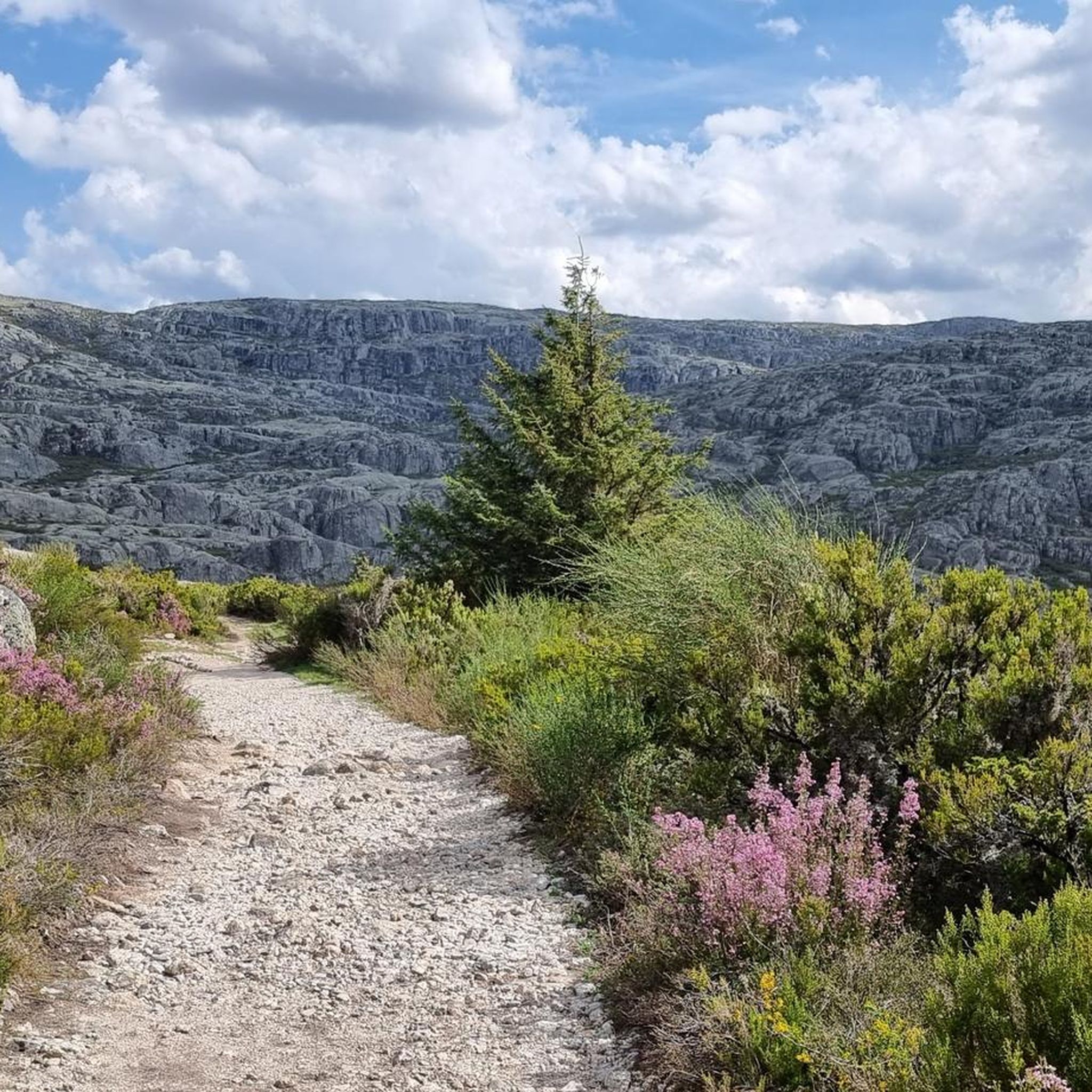
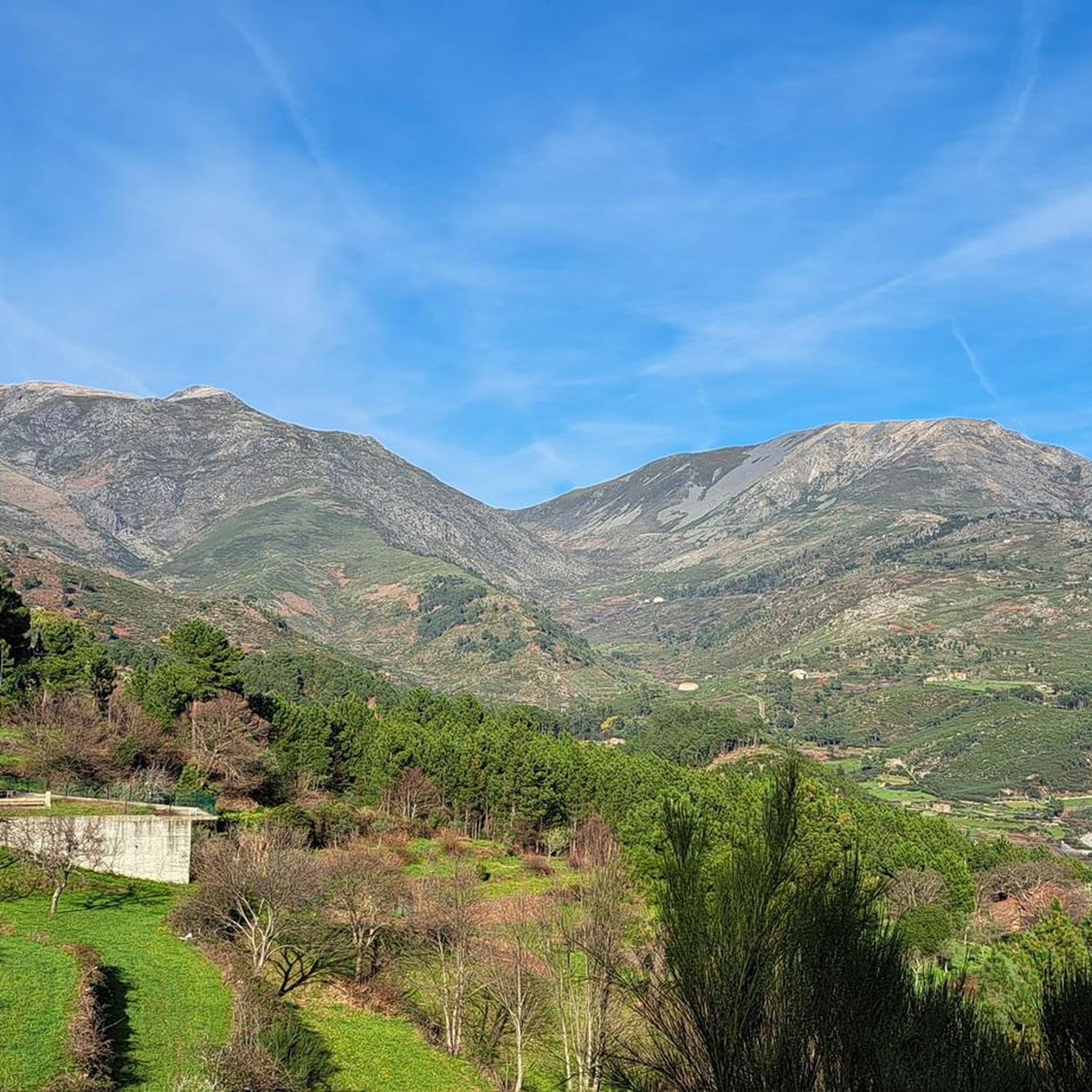
Cântaro Magro is one of the "commonplaces" of the Serra da Estrela mountain range, whose summit rises to 1928 m altitude, deserving a visit at any time of year. Viewed from west to east, its silhouette resembles a pitcher. In summer, its rocky face is interrupted by small terraces of soil, where some of the rarest botanical jewels of the mountain range grow. In winter, it is covered in snow and ice which, as they melt, form ephemeral waterfalls. These recall the overflowing liquid from the pitchers carried on the heads of women when, in the past, they went to the fountains. #CISE #VisitSeia #ParqueNaturaldaSerradaEstrela
0
0
Both Piódão and Foz d'Égua are accessible by car. But it's worth hiking the trail that connects them. It takes about 45 minutes, downhill from Piódão to Foz d'Égua (remember that the return is a slight climb). It's worth crossing the restored suspension bridge in Foz d'Égua before returning to Piódão. The Foz d'Égua pool is a popular spot for a dip in its very cold waters. Dipping your feet in the icy water of the stream is always very pleasant after a hike, immersing yourself in nature. I did it and recommend it. 👍🥾
1
0

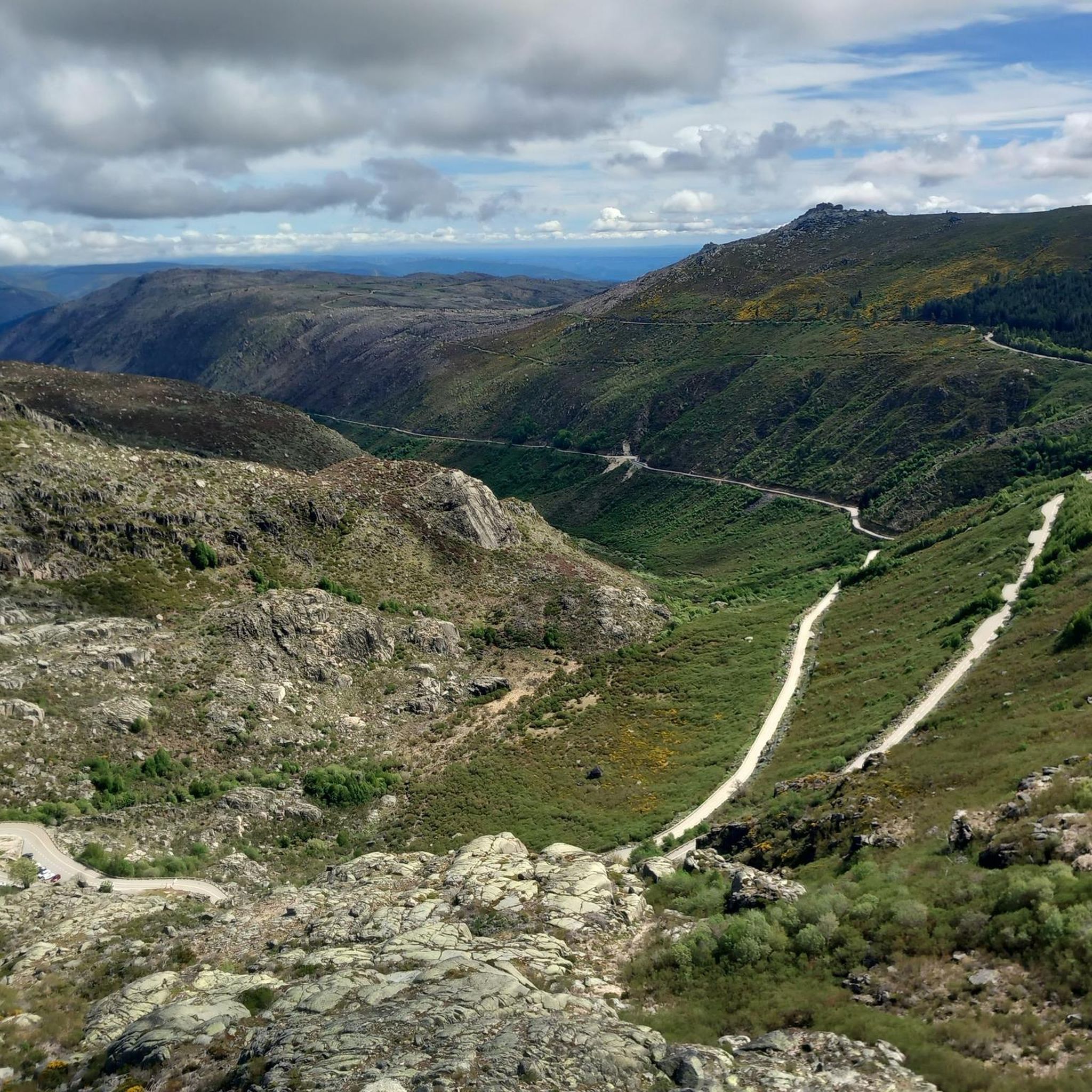
The Serra da Estrela Natural Park is something truly special. This 1,000-square-kilometer park, spread across six municipalities, was the first and currently the largest protected natural park in Portugal. It is home to the highest point on the Portuguese mainland, the country's only ski slope, the source of two important rivers, and a fascinating, alpine-like landscape formed by glaciers.
5
1
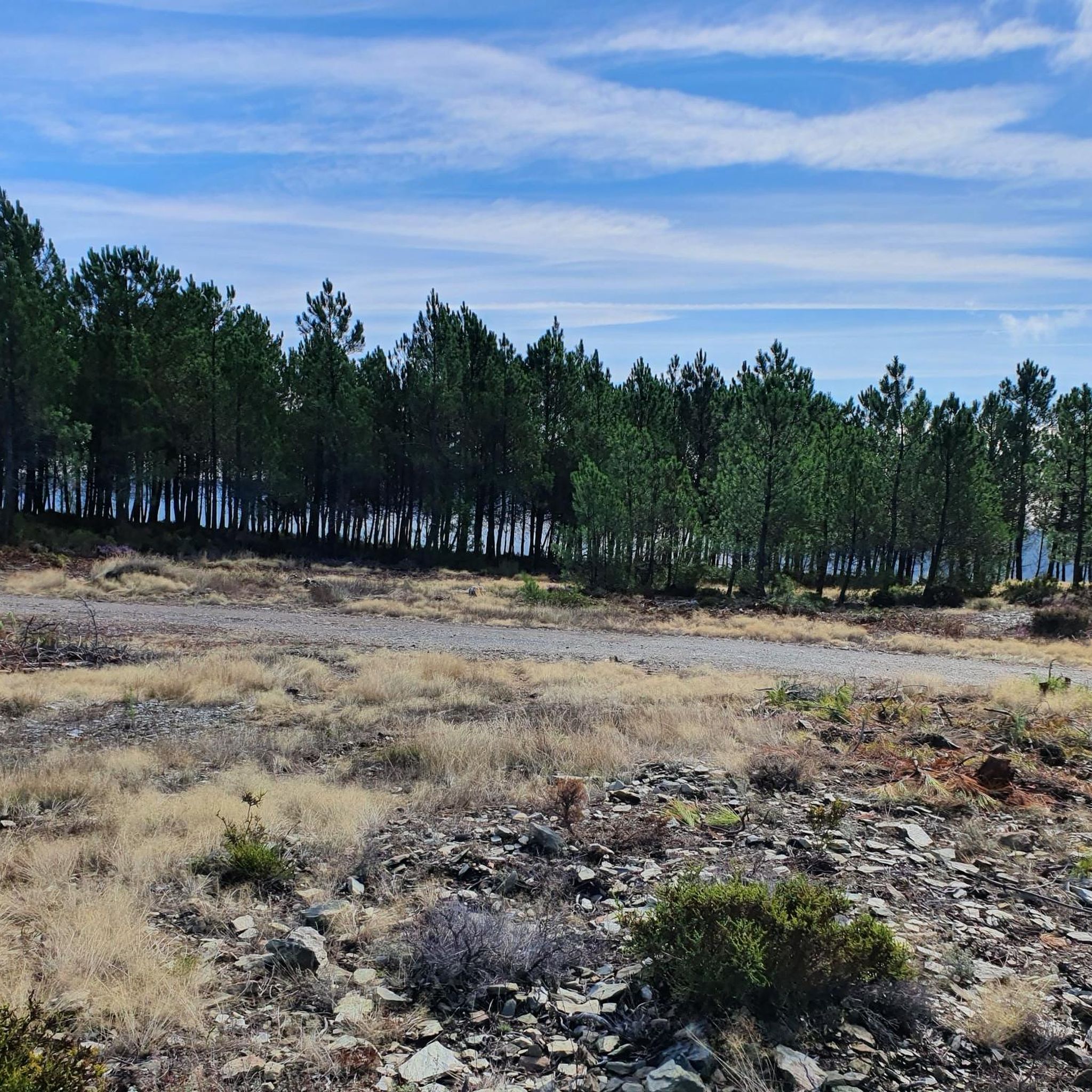
At exactly 1993 meters above sea level, Torre is the highest point in mainland Portugal, where the only ski resort is located. The landscape on the upper plateau of the Serra da Estrela is like a sprinkling of granite rocks over low scrub and patches of snow and ice, which the sun threatens to melt soon in the summer and which always returns the following winter. In winter, it sometimes becomes inaccessible.
6
0

Cântaro Magro is one of the most iconic and spectacular rock formations in the Serra da Estrela, the highest mountain range in mainland Portugal. This imposing granite spire is the result of millions of years of glacial erosion and weathering. Its name, which means "Skinny Pitcher", perfectly describes its slender and elongated silhouette.
3
0

Nestled in the Açor mountains, near Piódão, the river beach of Foz d’Égua is an enchanted corner that comes alive in the summer. Where the Piódão and Chãs d’Égua streams meet, a natural pool is formed, surrounded by rustic bridges, old mills and shale everywhere.
3
0

Beautiful panoramic views from the highest point in Portugal. You can ski here in winter, and there is sometimes snow even in summer.
4
0
Hidden in the Açor mountains, near the historic village of Piódão, the river beach of Foz d’Égua is a small paradise, especially in summer. Where the Piódão and Chãs d’Égua streams meet, a body of water forms, surrounded by rustic bridges, old shale mills and rocks shaped by the current. The landscape is serene, but getting there is a bit of an adventure: a rough trail winds down to the water, crossing terraces and shale steps that make the arrival part of the experience.
5
1
Frequently Asked Questions
What natural features can I explore around Erada?
The natural monuments around Erada, primarily located within the Serra da Estrela mountain range, offer a diverse landscape. You can explore high mountain summits like Torre (Serra da Estrela Summit), unique rock formations such as Cântaro Magro, picturesque river beaches like Foz d'Égua, and stunning waterfalls including Poço da Broca de Serapitel. The region also features glacial cirques and serene lakes like Covão do Ferro Lake.
What is the best time to visit the natural monuments around Erada?
The best time to visit depends on your preferred activities. Summer is ideal for enjoying river beaches like Foz d'Égua and swimming spots. However, for hiking and exploring the higher elevations, spring and autumn offer milder temperatures. In winter, areas like Torre can become inaccessible due to snow and ice.
Are there family-friendly natural monuments around Erada?
Yes, several natural monuments are suitable for families. Torre (Serra da Estrela Summit) is easily accessible by car with a short walk to the top. The river beach at Foz d'Égua offers a natural pool for swimming and exploring. Many trails around these sites are also suitable for families, especially the easier hiking routes.
What outdoor activities can I do near these natural monuments?
The area around Erada is excellent for various outdoor activities. You can enjoy hiking on trails like the Ribeira de Loriga Route or the Circular do Planalto Superior. Cycling is also popular, with routes such as the Blue Tour of Piódão or the Cântaro Magro loop. For more options, explore the dedicated guides for hiking around Erada and cycling around Erada.
What is the difficulty level of trails to Erada's natural monuments?
The difficulty varies. Some natural monuments, like Torre, are easily accessible by car with minimal walking. Others, such as the path to Poço da Broca de Serapitel, involve intermediate to challenging descents and ascents. Rock formations like Cântaro Magro are often viewed from viewpoints accessible via challenging routes. Always check specific route details before heading out.
Can I swim at any of the natural monuments around Erada?
Yes, you can swim at certain locations. Foz d'Égua features a natural pool where two streams meet, making it a popular spot for a refreshing dip. Poço da Broca de Serapitel also has a beautiful bathing pool, though access can be challenging.
Where can I find parking for the natural monuments around Erada?
Parking availability varies by location. For Torre (Serra da Estrela Summit), there is parking directly at the top. For other, more remote natural monuments like Foz d'Égua or Poço da Broca de Serapitel, you may need to park in nearby villages or designated areas and then hike to the site. Always check specific access information for each monument.
What do visitors enjoy most about the natural monuments around Erada?
Visitors frequently praise the breathtaking views, the unique geological formations, and the tranquility of the natural settings. The accessibility of Torre and the charm of the river beach at Foz d'Égua are often highlighted. The dramatic granite spire of Cântaro Magro also leaves a lasting impression.
Are there any accessible routes for wheelchairs near Erada's natural monuments?
While many natural monuments in mountainous regions present terrain challenges, Torre (Serra da Estrela Summit) is accessible by car, allowing visitors to reach the highest point in mainland Portugal with minimal walking. For other natural monuments, the terrain often involves rough trails, steps, or steep descents, which may not be suitable for wheelchairs.
What should I bring for a visit to the natural monuments around Erada?
It's advisable to bring appropriate footwear for hiking, especially if you plan to explore trails to waterfalls or river beaches. Layers of clothing are recommended due to changing mountain weather. For visits to swimming spots, bring swimwear and a towel. Always carry water, snacks, and sun protection. If visiting in winter, be prepared for cold weather and potential snow.
Are there any specific geological features worth noting around Erada?
Yes, the region is rich in geological interest. Cântaro Magro is a prime example, an imposing granite spire formed by millions of years of glacial erosion and weathering. The landscape also features glacial cirques and rock formations shaped by natural processes, reflecting the powerful geological history of the Serra da Estrela.
Most popular attractions around Erada

Get inspired with the komoot mobile app


Explore more
Extend your search for the best caves by checking out these guides of the top ones around Erada:
