Top 20 Natural Monuments in Santa Fe National Forest
Best natural monuments in Santa Fe National Forest encompass a vast 1.6 million acres in northern New Mexico. This region features diverse ecosystems and geological formations, with elevations ranging from 5,000 to 13,000 feet. Visitors can explore forested mountain slopes, volcanic landscapes, and deep river gorges. The forest offers a variety of natural monuments, from ancient ponderosa pine forests to geothermal hot springs.
Best natural monuments in Santa Fe National Forest
- The most popular natural monuments is Los Alamos Natural…
Last updated: October 11, 2026
Spence Hot Springs ♨ Jemez, New Mexico
Highlight • Natural Monument
Tip by

San Antonio Hot Springs
Highlight • Natural Monument
Tip by

Sign up now to discover places like this
Get recommendations on the best single tracks, peaks, & plenty of other exciting outdoor places.
Los Alamos Natural Arch
Highlight • Natural Monument
Tip by

Nambe Lake
Highlight • Lake
Tip by

Saint Peter's Dome
Highlight • Summit
Tip by
Sign up for free to discover even more natural monuments in Santa Fe National Forest.
Already have an account?
Start today with a free account
Your next adventure awaits.
Popular around Santa Fe National Forest
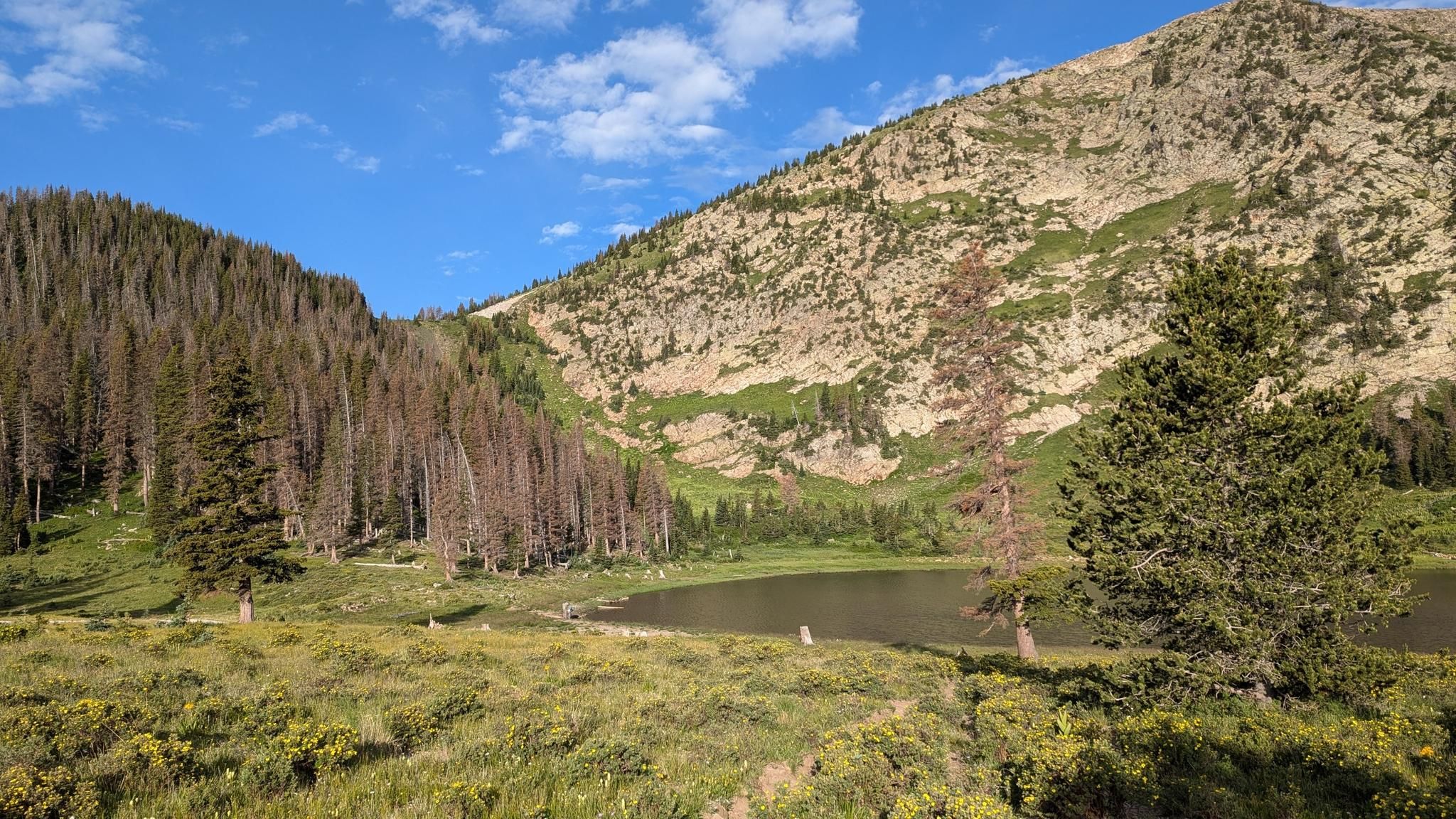
Santa Fe to Taos Thru-Hike — A journey across the Sangre de Cristo Mountains
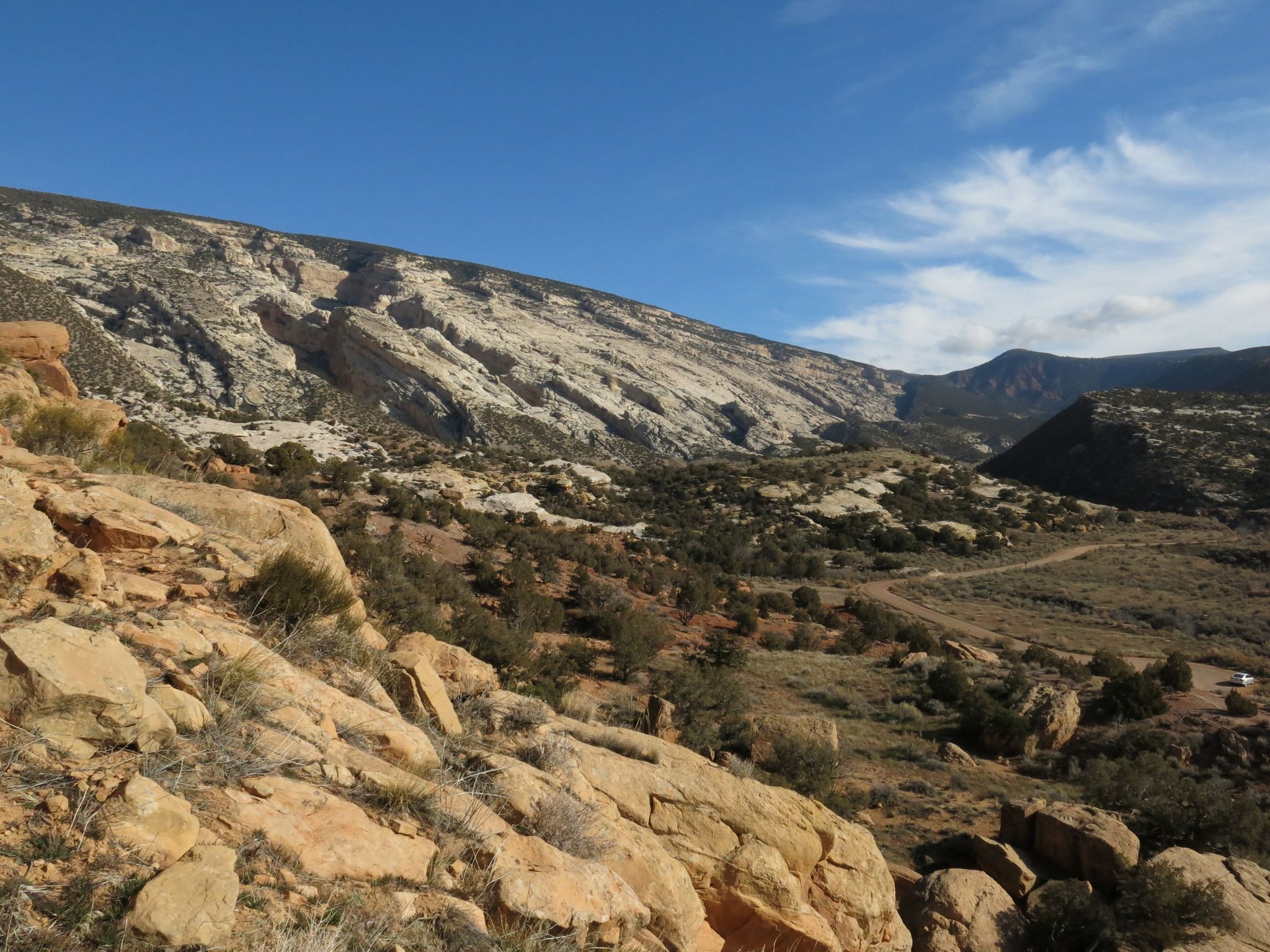
Bikepack in America's southwest – deserts, cacti and Anasazi culture
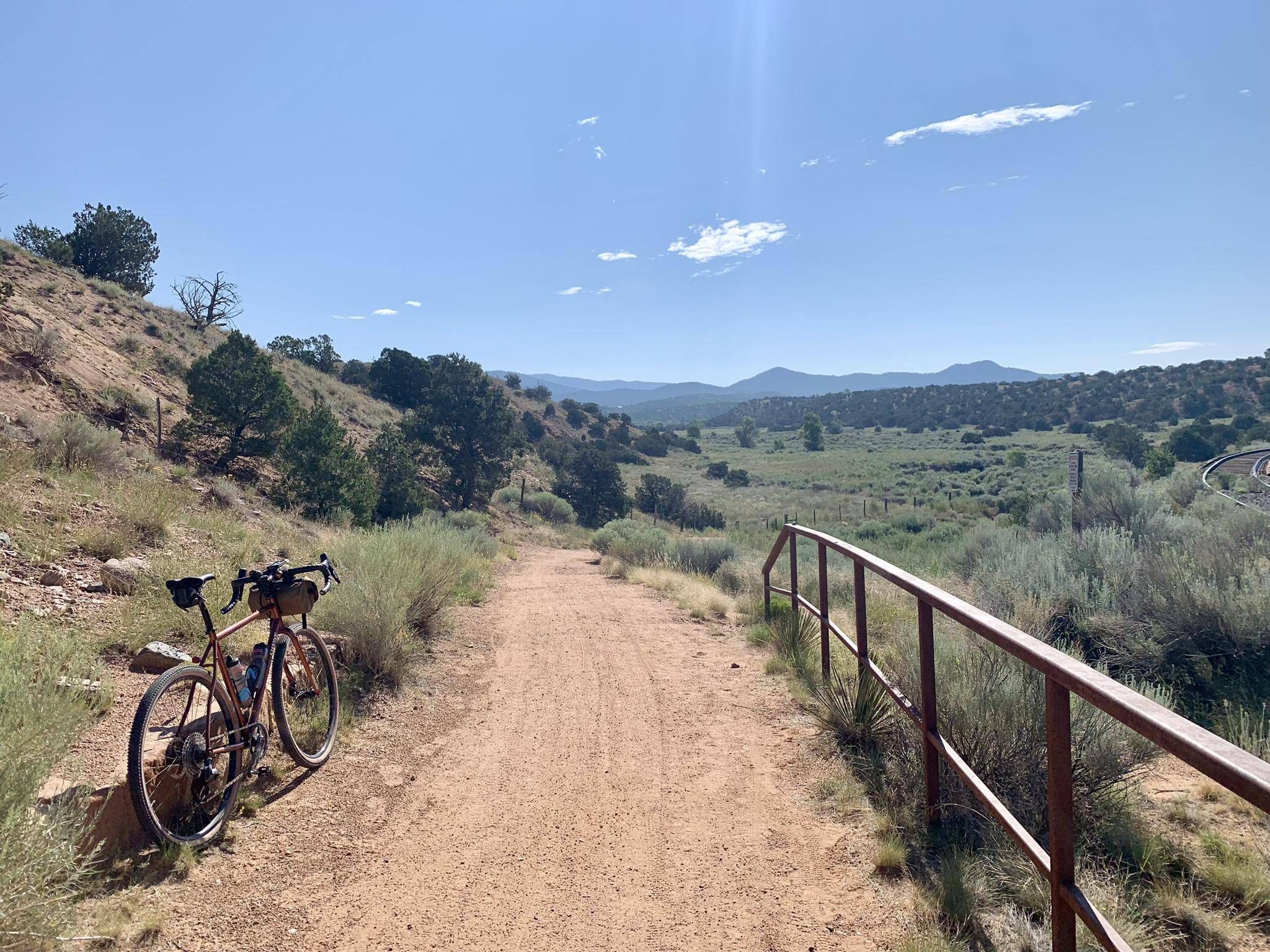
New Mexico Off-Road Runner
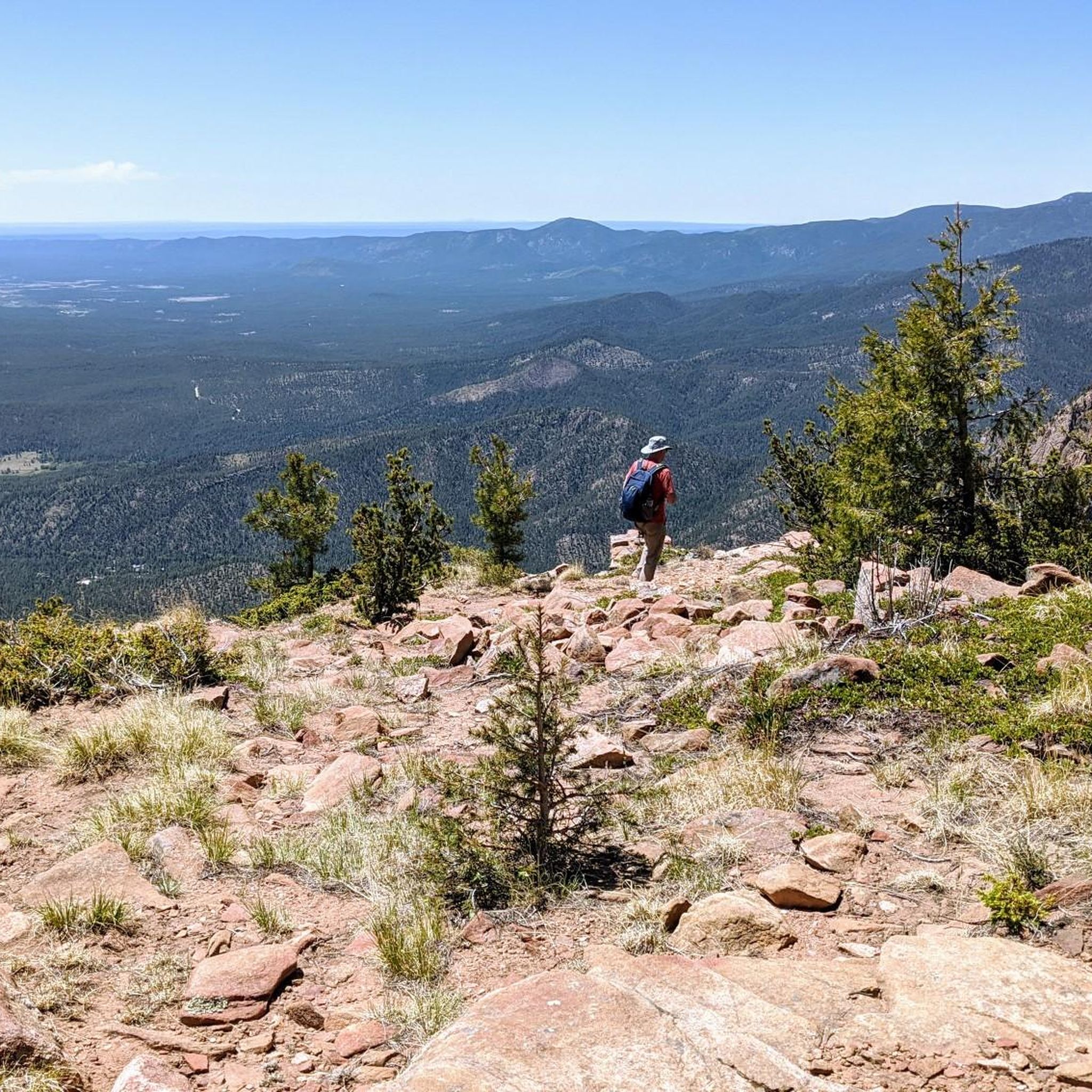
Hiking in Santa Fe National Forest
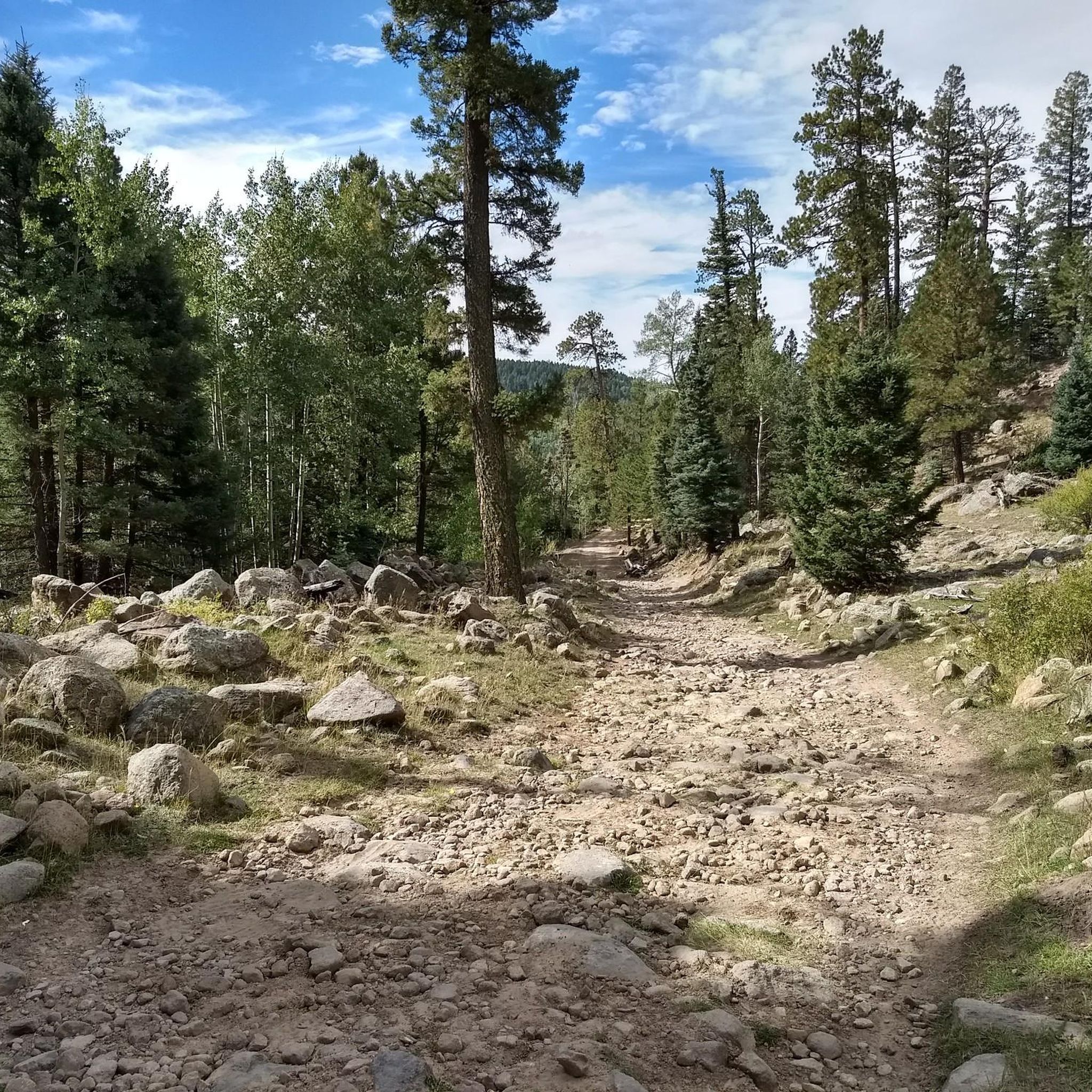
MTB Trails in Santa Fe National Forest
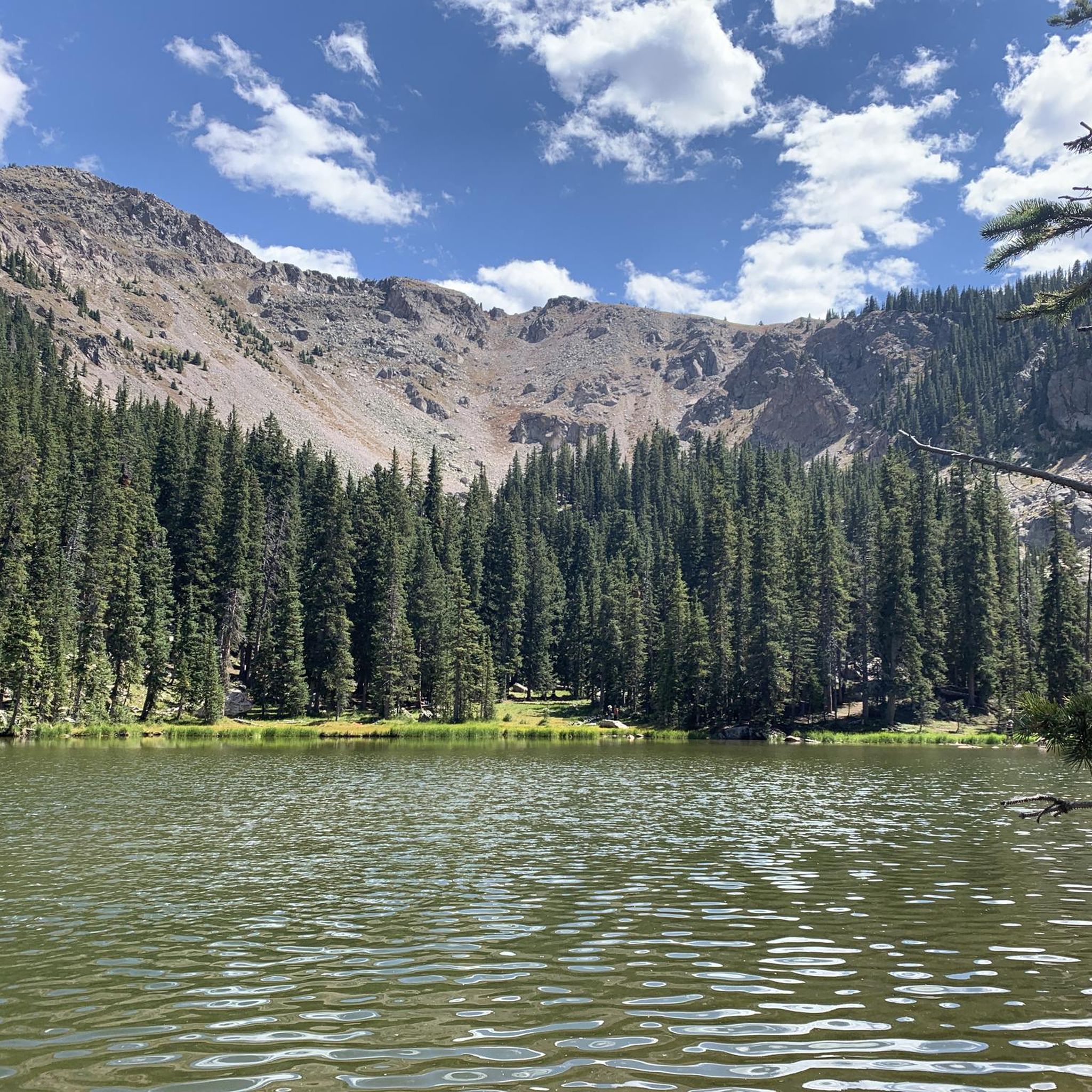
Running Trails in Santa Fe National Forest
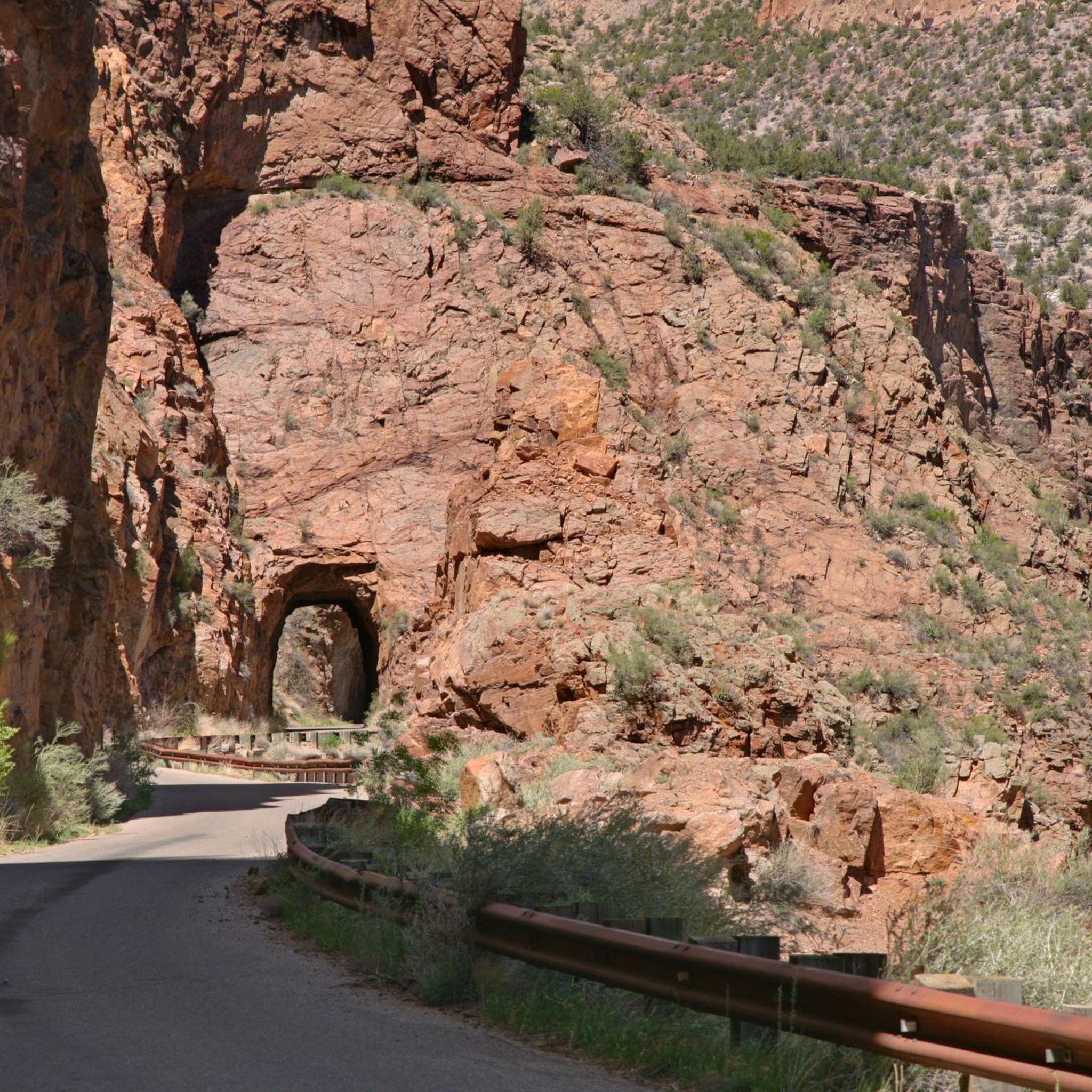
Cycling in Santa Fe National Forest
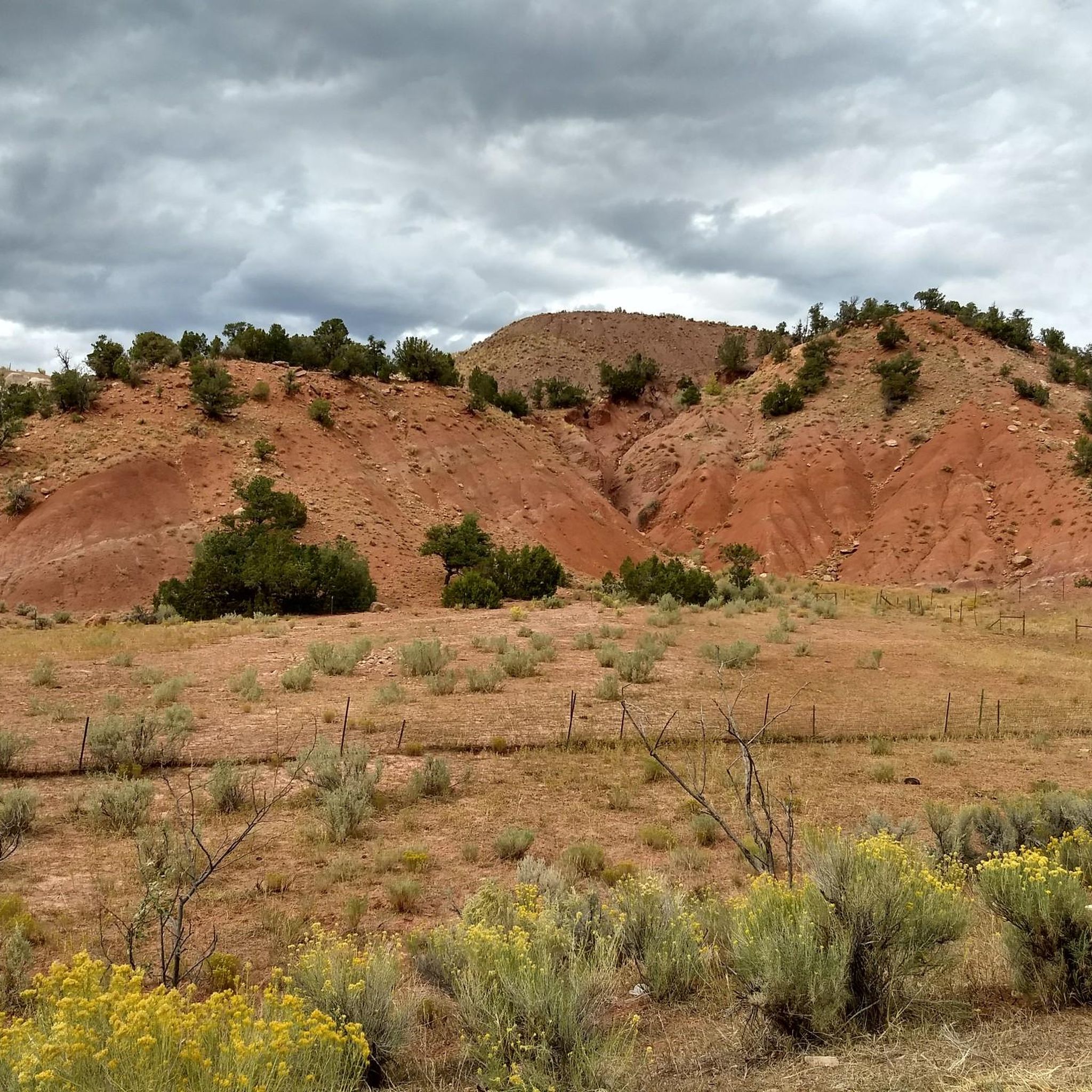
Road Cycling Routes in Santa Fe National Forest

Gravel biking in Santa Fe National Forest
Other adventures in Santa Fe National Forest


Tips from the Community

San Antonio Hot Springs has natural hot water coming out of several sources of the hillsides. There are a few soaking pools made of primitive rock circles, each with a different temperature. There is a shorter trail that is only 0.7 miles out and back from Lake Forest Drive, but the road to get there can be closed in the winter.
0
0

As you wrap up the trail, you'll be treated to a stunning sight: natural arches forming a beautiful frame around the Sangre de Cristo Mountains and the town of Los Alamos. It's the perfect spot to catch a break or watch the sunset before you head back.
0
0
San Antonio Hot Springs has natural hot water coming out of several sources of the hillsides. There are a few soaking pools made of primitive rock circles, each with a different temperature. There is a shorter trail that is only 0.7 miles out and back from Lake Forest Drive, but the road to get there can be closed in the winter. Running the San Antonio Creek Trail is a great alternative and a nice way to see the beauty of the local forests.
0
0
Saint Peter's Dome can be reached in a few ways. The shorter way is: park at the Dome Trailhead Parking Lot and run on Saint Peter's Dome Road, a 4.3-mile round trip to the top of Saint Peter's Dome. The longer way is: park on FR289 Dome LO Road, and wind through the Dome Wilderness on Saint Peter's Dome Trail, 11.2 miles round trip. The top of Saint Peter's Dome has expansive views of the desert and a fire lookout marking the top.
0
0
Saint Peter's Dome can be reached in a few ways. The shorter way is: park at the Dome Trailhead Parking Lot and hike on Saint Peter's Dome Road, a 4.3-mile round trip to the top of Saint Peter's Dome. The longer way is: park on FR289 Dome LO Road, and wind through the Dome Wilderness on Saint Peter's Dome Trail, 11.2 miles round trip. The top of Saint Peter's Dome has expansive views of the desert and a fire lookout marking the top.
0
0
San Antonio Hot Springs has natural hot water coming out of several sources of the hillsides. There are a few soaking pools made of primitive rock circles, each with a different temperature. There is a shorter trail that is only 0.7 miles out and back from Lake Forest Drive, but the road to get there can be closed in the winter. Hiking the San Antonio Creek Trail is a great alternative and a nice way to see the beauty of the local forests.
0
0

A natural arch that forms a window framing the Sangre de Cristo's Mountains & the town of Los Alamos.
0
0

Located in the heart of the Santa Fe National Forest, Nambe Lake is a popular destination for a hike into the backcountry – and for good reason! The alpine landscape is a true gem and a great change from the desert scenery of New Mexico.
4
0
Frequently Asked Questions
What are some of the most popular hot springs in Santa Fe National Forest?
The Santa Fe National Forest is renowned for its natural hot springs. Popular choices include Spence Hot Springs, known for its terraced rock pools and a small cave grotto, and McCauley Warm Spring, which features several pools near Jemez Falls. Another option is San Antonio Hot Springs, offering various soaking pools with different temperatures.
Are there natural arches or unique rock formations to see?
Yes, the forest features impressive natural arches and rock formations. A notable example is Los Alamos Natural Arch, which provides a natural window framing the Sangre de Cristo Mountains and the town of Los Alamos. The broader Jemez Mountains also showcase unique geological formations resulting from ancient volcanic eruptions, including the Valles Caldera.
What kind of old-growth forests or unique ecosystems can I find?
The Santa Fe National Forest is home to diverse ecosystems. The Monument Canyon Research Natural Area (RNA) on the Jemez Ranger District preserves some of the oldest Ponderosa pine and dry mixed conifer forests in New Mexico, with trees dating back to the 1500s. The forest also encompasses piñon-juniper woodlands, ponderosa pine forests, and high-altitude alpine zones, supporting a rich variety of flora and fauna.
What wildlife might I encounter near the natural monuments?
The diverse habitats within the Santa Fe National Forest support a rich array of wildlife. Visitors might spot elk, black bears, and coyotes, especially in areas like the Monument Canyon Research Natural Area. Various bird species are also common, and the forest is home to species of conservation concern such as the Mexican spotted owl and Jemez Mountains salamander.
Are there family-friendly natural monuments or activities in the forest?
Many natural monuments offer opportunities for family-friendly visits, often involving short hikes to scenic spots. For example, the hike to Spence Hot Springs is approximately half a mile, making it accessible for many families. Exploring the diverse ecosystems and looking for wildlife can also be engaging activities for all ages.
What are the best times to visit the natural monuments in Santa Fe National Forest?
The Santa Fe National Forest offers beauty year-round, but the best time to visit often depends on your desired activity. Spring and fall provide pleasant temperatures for hiking and exploring. Some areas, like the road to San Antonio Hot Springs, may be closed in winter due to snow, while others, like the hot springs themselves, can be particularly inviting during colder months.
What outdoor activities can I do near these natural monuments?
The Santa Fe National Forest provides numerous outdoor activities. You can find excellent opportunities for hiking, cycling, and running. For example, there are many hiking trails, including the easy Borrego Trail Loop or more challenging routes like the Santa Fe Overlook and Lake Peak Loop. Cycling enthusiasts can explore routes like the Juniper Campground loop or the American Springs Loop. You can find more details on activities in the Hiking in Santa Fe National Forest, Cycling in Santa Fe National Forest, and Running Trails in Santa Fe National Forest guides.
Are there any designated wilderness areas within the forest?
Yes, the Santa Fe National Forest includes four significant wilderness areas: Chama River Canyon, San Pedro Parks, Dome, and Pecos. These areas cover nearly 300,000 acres and offer pristine natural environments for those seeking a more primitive outdoor experience, featuring untouched forests, streams, and alpine peaks.
Can I find viewpoints with expansive vistas?
Absolutely. Many natural monuments and features offer stunning views. Saint Peter's Dome, for instance, provides expansive views of the desert landscape, marked by a fire lookout at its summit. Los Alamos Natural Arch also serves as a viewpoint, framing the Sangre de Cristo Mountains.
What are the regulations for visiting hot springs like Spence Hot Springs?
When visiting hot springs such as Spence Hot Springs, it's important to be aware of specific regulations. Glass containers, camping, and campfires are generally prohibited along the trail and at the springs. Water quality is not monitored, so visitors should exercise caution and avoid getting water in their nose to minimize health risks. Nudity may also be cited by rangers.
Are there any Wild and Scenic Rivers in the Santa Fe National Forest?
Yes, portions of the Pecos River, Rio Chama, and East Fork Jemez River are designated as Wild and Scenic Rivers. These rivers are recognized for their scenic beauty, recreational opportunities, and cultural significance. The Pecos Wild and Scenic River, for example, is known for its clear, cold water accessible via trails through the Pecos Wilderness, while the East Fork Jemez is popular for Jemez Falls, fishing, and swimming.
What is the elevation range within the Santa Fe National Forest?
The Santa Fe National Forest covers a vast area with a significant elevation range, from approximately 5,000 feet to over 13,000 feet. This dramatic change in elevation contributes to the forest's diverse ecosystems, from lower-lying woodlands to high-altitude alpine zones.
Most popular routes in Santa Fe National Forest
Most popular attractions in Santa Fe National Forest

Get inspired with the komoot mobile app


Explore more
Extend your search for the best caves by checking out these guides of the top ones in Santa Fe National Forest:
