Top 9 Natural Monuments around Saint-Pancré
Best natural monuments around Saint-Pancré are characterized by unique geological formations and significant historical Iron Age fortifications. The region's landscape features rocky promontories, deeply incised valleys, and diverse natural settings. These natural features were strategically utilized for defense and settlement by ancient communities. Visitors can explore a blend of natural beauty and protohistoric heritage.
Best natural monuments around Saint-Pancré
- The most popular natural monuments is La Cussignière Marsh, a marsh that is a unique location on the border between…
Last updated: October 7, 2026
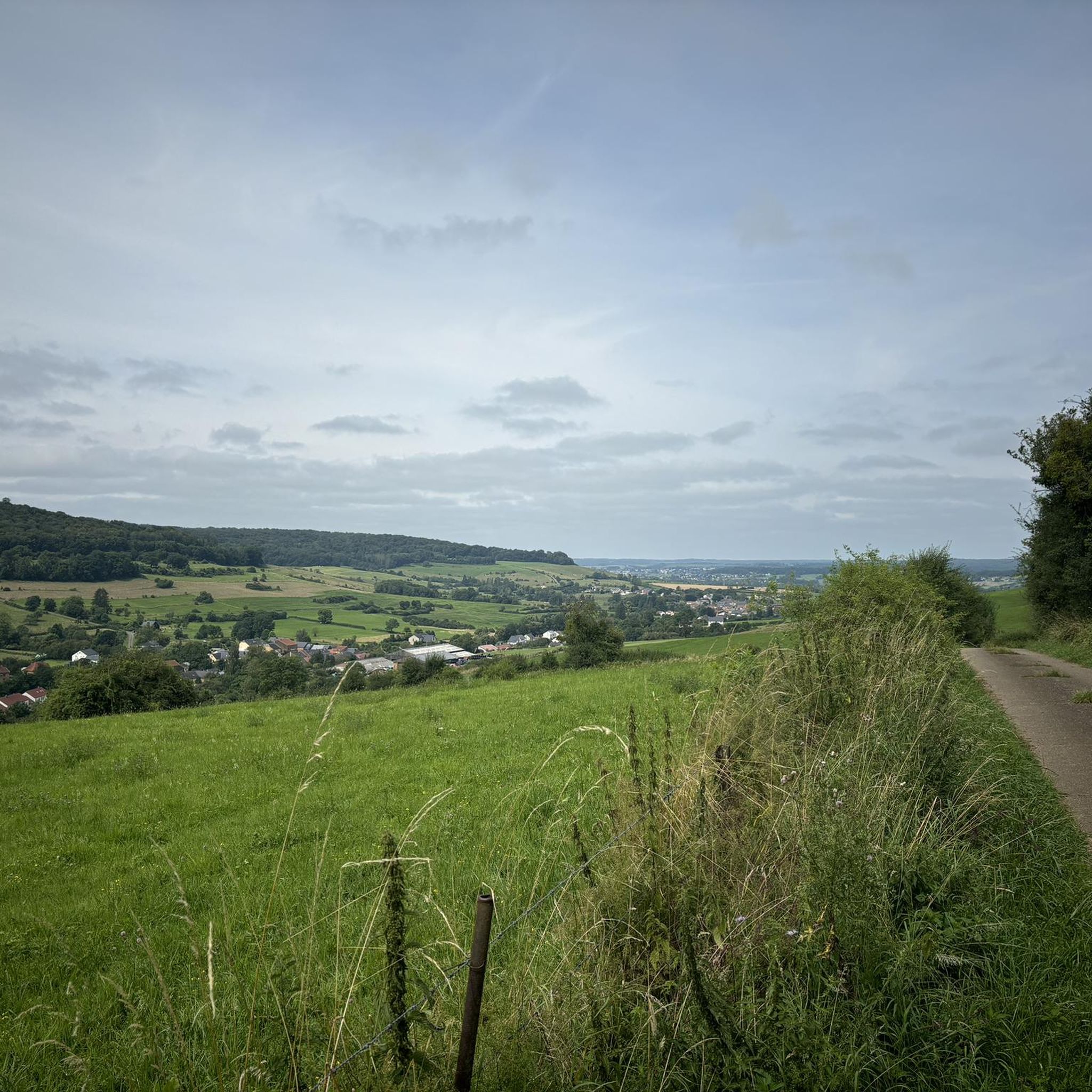
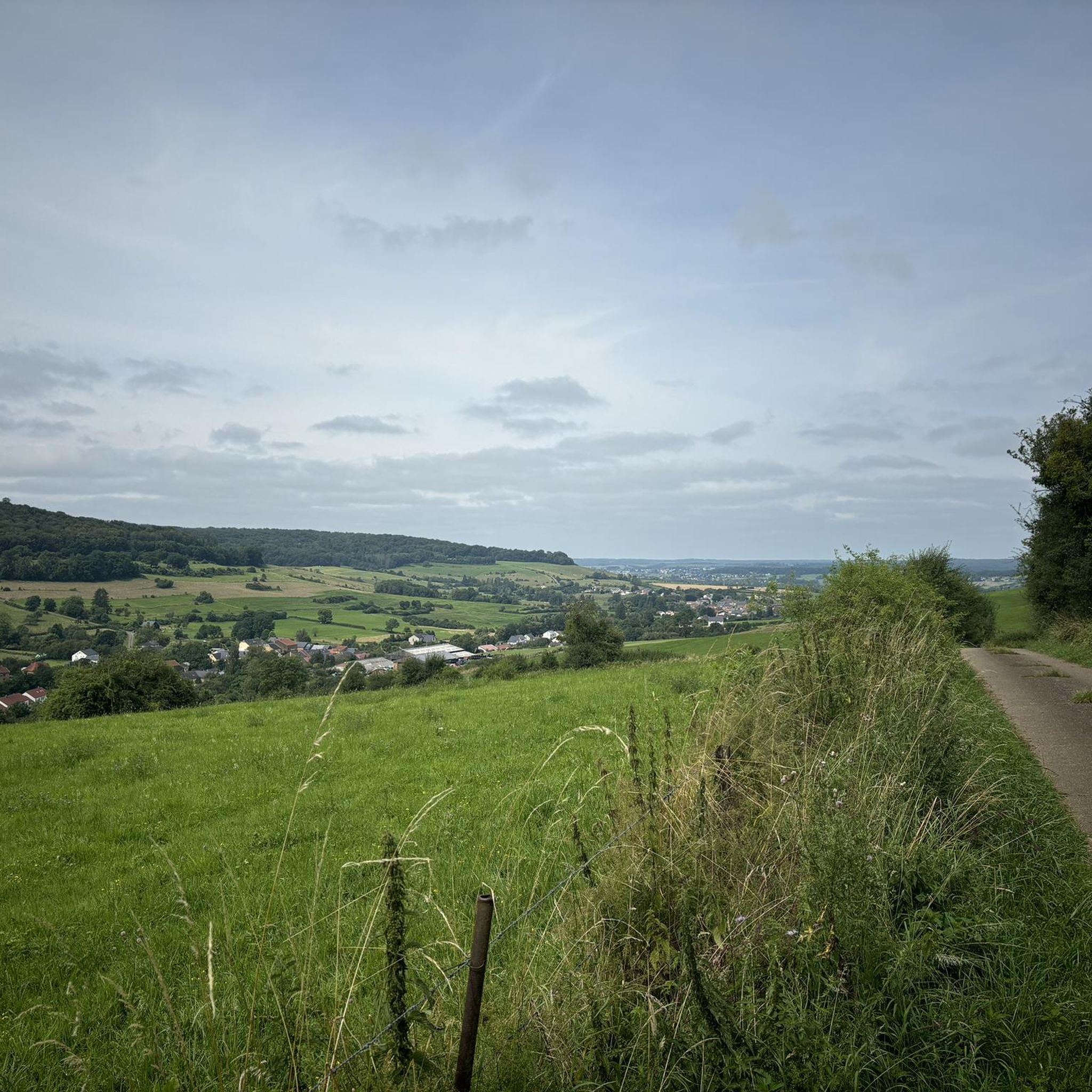
Éperons Barrés Viewpoint
Highlight • Viewpoint
Translated by Google •
Tip by

The Oak of the Three Communes
Highlight • Natural Monument
Translated by Google •
Tip by

Sign up now to discover places like this
Get recommendations on the best single tracks, peaks, & plenty of other exciting outdoor places.
Halanzy Iron Mine Ruins
Highlight • Historical Site
Translated by Google •
Tip by
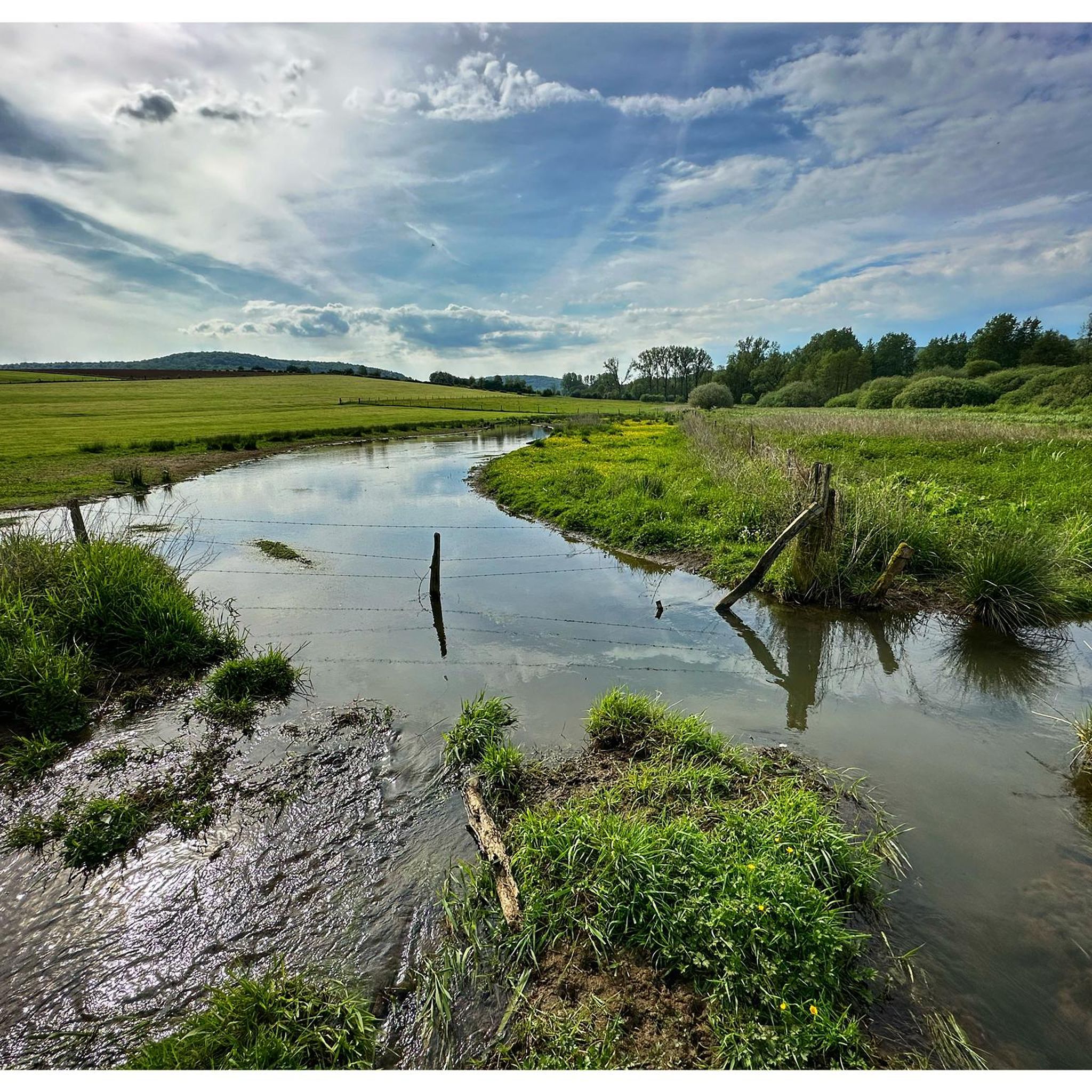
Rabais Valley Lake
Highlight • Lake
Don't miss the trail of dreams, the fairy hole, or the Bonlieu …
Translated by Google •
Tip by

Small Waterfall on the Chemin des Songes
Highlight • Waterfall
Translated by Google •
Tip by
Sign up for free to discover even more natural monuments around Saint-Pancré.
Already have an account?
Start today with a free account
Your next adventure awaits.

Tips from the Community

The trail from this viewpoint is a real balancing challenge towards the end, very rocky with large gravel. It seems to me that a few years ago the trail was not so perilous. It is part of the official permanent route "La Croix Renson en Gaume" which advises to do it clockwise, so this uphill trail is impossible! Except for a trialist with Hulk legs and a motorcycle traction. 🙄
0
0

It depends which way... 😀😇
0
0

It stings a little 😂
1
0
Very beautiful course & very pleasant paths for running!
0
0

Nice view and Luxembourg bench ;)
0
0

Standing at the place called "Bonsvau" on the edge of the villages of Meix-le-Tige, Willancourt, and Châtillon, according to Mr. Jean-Marie Lambert, this tree is between 150 and 200 years old. Before the merger of the municipalities in 1977, it was called "The Oak of the Three Cantons" because, at that time, Châtillon was part of the canton of Etalle, Meix-le-Tige of Messancy, and Willancourt of Virton. And yet, this oak tree has never experienced any communal or cantonal conflict! Mr. Maurice Simonet, a resident of Châtillon and member of the St-Léger history circle, explains: "There was a large iron cross nailed to the trunk. The metal served as a conductor for lightning, which struck the tree at least twice, probably three times. The large hole at its base was caused by lightning." The latter has skirted the cross from top to bottom, leaving a clearly visible mark. It was stolen around the year 2000, then replaced by a potale, also stolen. It is filled with nails, for unknown reasons. For Jean-Marie Lambert, DNF agent, nails are a votive offering. An ex-voto is a votive offering made to a god in request of a favor or in thanks for a favor obtained following a vow made to that effect. These objects can take many forms and be made of many materials. In 2002, it was listed as a remarkable tree. Mr. Lambert certifies that the inscription "Chêne des 3 communes" on the tree dates from before the merger of the municipalities.
2
0

Very pleasant and quiet beautiful area for cycling and walking
0
0

You will be able to explore the traces of the mining activity that lasted from the 19th century until 1982, when the mine closed due to the exhaustion of the ore seam. You can see the entrances to the underground tunnels, some of which are still accessible, as well as the remains of the ore processing plant demolished in 1963. Along the way, you will also enjoy panoramic views of the wooded hills and red sandstones, typical of the region where the iron-rich sedimentary rock called Minette is found. It is a great way to discover the industrial heritage and natural beauty of Halanzy.
4
0
Frequently Asked Questions
What unique natural features can I explore around Saint-Pancré?
The region around Saint-Pancré offers a fascinating blend of natural beauty and historical geology. You can explore the unique flora and fauna of La Cussignière Marsh, which straddles the border with Belgium and features wooden plank paths. The area is also characterized by its karst relief and iron ore deposits, notably along the Sentier des Minières, where nature has reclaimed former mining sites.
Are there any notable viewpoints in the Saint-Pancré area?
Yes, the Éperons Barrés Viewpoint offers an exceptional panorama of the Neuve Forge valley. From here, you can see two ancient Iron Age fortifications, the Châtelet and the Dent de Chien, which are examples of 'barred spurs' – rocky promontories cut by a ditch and a rampart. The Rabais Valley Lake also provides pleasant views and is a starting point for scenic walks.
Do the natural monuments around Saint-Pancré have historical significance?
Absolutely. Many natural sites in the area are deeply intertwined with history. The Éperons Barrés Viewpoint showcases Iron Age fortifications. The Halanzy Iron Mine Ruins reveal the region's industrial past, with traces of mining activity from the 19th century. Even The Oak of the Three Communes holds historical anecdotes related to old commune borders and local traditions.
Are there family-friendly natural monuments to visit near Saint-Pancré?
Yes, several natural monuments are suitable for families. La Cussignière Marsh is easy to explore with its wooden plank paths. Rabais Valley Lake is also family-friendly, offering a pleasant environment for walks. The Oak of the Three Communes is an interesting natural landmark that can be part of a family outing.
What kind of geological features can I expect to see?
The geology of the Saint-Pancré area is quite distinctive. You'll encounter karst relief, which is a landscape formed from the dissolution of soluble rocks like limestone, leading to features such as solution cavities. These cavities historically contained rich iron ore deposits, known as 'fer fort.' The Halanzy Iron Mine Ruins are set amidst wooded hills and red sandstones, typical of the region where the iron-rich sedimentary rock called Minette is found.
What outdoor activities can I do near these natural monuments?
The natural monuments around Saint-Pancré are excellent starting points for various outdoor activities. You can find numerous routes for mountain biking, gravel biking, and road cycling. For example, there are many MTB Trails around Saint-Pancré, including challenging loops around the Cussignière marsh. Cyclists can also explore Gravel biking around Saint-Pancré or scenic Road Cycling Routes around Saint-Pancré that pass through valleys and past lakes.
Are there hiking trails near the natural monuments?
Yes, the region is well-suited for hiking. The Sentier des Minières, a winding forest path, is a prime example, offering a blend of natural beauty and historical insight into the local ecology and mining past. Many of the cycling routes mentioned also incorporate sections suitable for walking, especially around Rabais Valley Lake and La Cussignière Marsh.
What do visitors enjoy most about the natural monuments around Saint-Pancré?
Visitors frequently appreciate the unique combination of natural beauty and rich history. The panoramic views from spots like Éperons Barrés Viewpoint are highly rated. The opportunity to explore historical sites like the Halanzy Iron Mine Ruins amidst natural landscapes, and the serene walks through areas like La Cussignière Marsh, are also popular.
Is <a href="https://www.komoot.com/highlight/2814050" target="_blank" rel="noopener">La Cussignière Marsh</a> accessible for everyone?
Yes, La Cussignière Marsh is noted for its accessibility. It features wooden plank paths, making it suitable for a wider range of visitors, including those with strollers or wheelchairs, and is considered easy with children.
What is the best time to visit the natural monuments around Saint-Pancré?
The natural monuments around Saint-Pancré can be enjoyed throughout the year, but spring and autumn offer particularly pleasant conditions for exploring. In spring, the flora is vibrant, and in autumn, the changing leaves provide beautiful scenery. Summer is also great for outdoor activities, while winter can offer a unique, quiet beauty, especially along forest paths like the Sentier des Minières.
Can I bring my dog to the natural monuments?
While specific dog-friendly policies vary by site, generally, natural outdoor areas like forest paths and trails are welcoming to dogs, provided they are kept on a leash and owners clean up after them. It's always a good idea to check local signage at each specific natural monument for any restrictions.
Most popular routes around Saint-Pancré
Most popular attractions around Saint-Pancré

Get inspired with the komoot mobile app


Explore more
Extend your search for the best caves by checking out these guides of the top ones around Saint-Pancré:
