The best road cycling routes around Saint-Pancré
4.3
(118)
4,379
riders
359
rides
Road cycling routes around Saint-Pancré traverse the Meurthe-et-Moselle department in north-eastern France, characterized by varied terrain and established cycling networks. The region features bucolic agricultural landscapes, river valleys along the Moselle and Meurthe, and vine-covered hillsides of the Côtes de Toul. Elevations range from 230m to 400m, offering both gentle gradients and segments with moderate climbs. The area benefits from over 600 kilometers of cycle paths, including sections of the Moselle Loop and the Voie Bleue.
Best road cycling routes…
Last updated: June 1, 2026
3.0
(1)
134
riders
Moderate road ride. Good fitness required. Mostly well-paved surfaces and easy to ride.
4.3
(6)
95
riders
47.1km
02:15
320m
320m
Moderate road ride. Good fitness required. Some segments of this route may be unpaved and difficult to ride.

Sign up for free
4.3
(3)
112
riders
52.9km
02:34
510m
510m
Moderate road ride. Good fitness required. Some segments of this route may be unpaved and difficult to ride.
101
riders
Moderate road ride. Good fitness required. Some segments of this route may be unpaved and difficult to ride.
65
riders
83.8km
03:36
570m
570m
Moderate road ride. Good fitness required. Mostly well-paved surfaces and easy to ride.
Get access to more routes and recommendations from other explorers.
Sign up for free
Already have an account?
Our route recommendations are based on thousands of hikes, rides, and runs completed by other people on komoot.
Start today with a free account
Your next adventure awaits.
Login or Signup
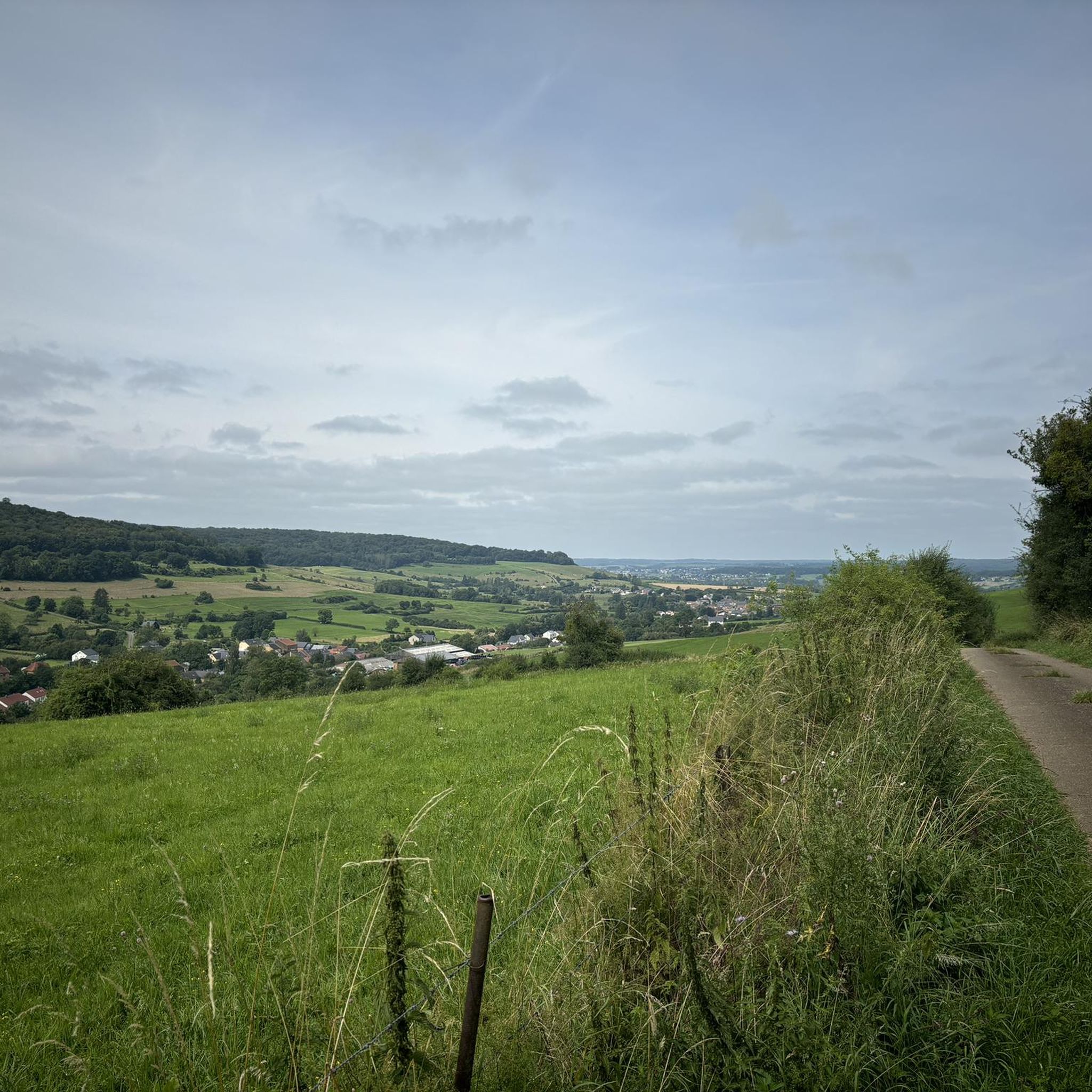
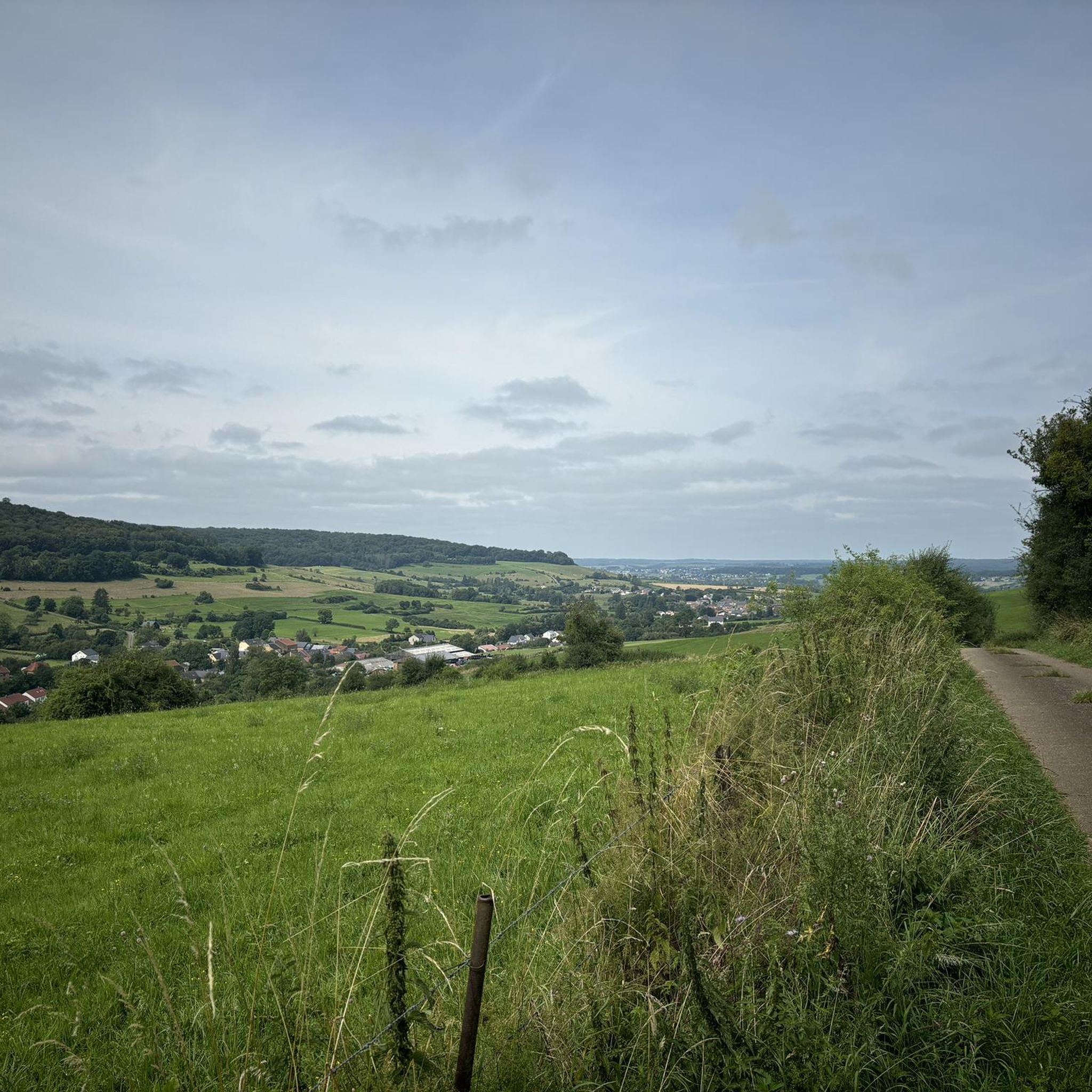
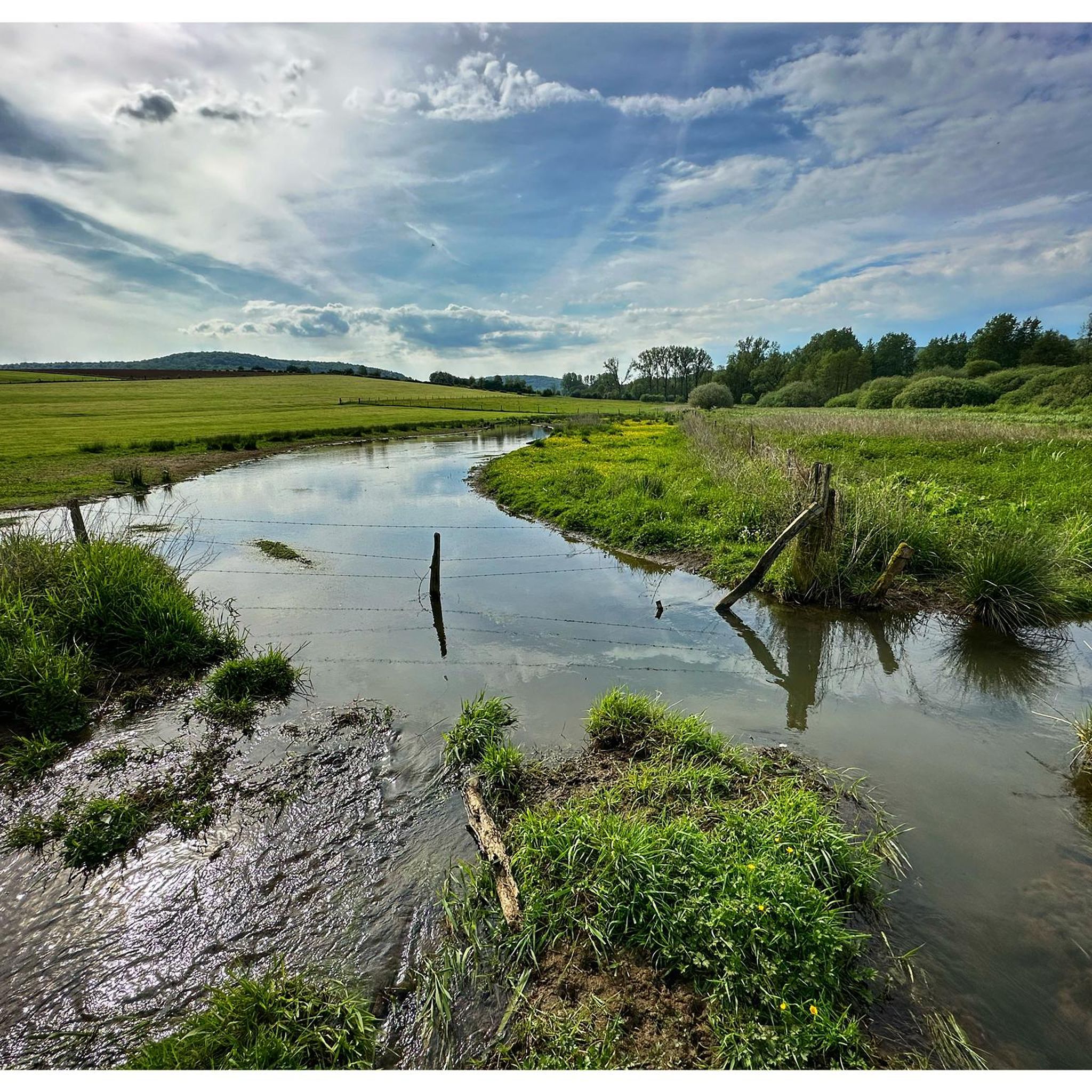
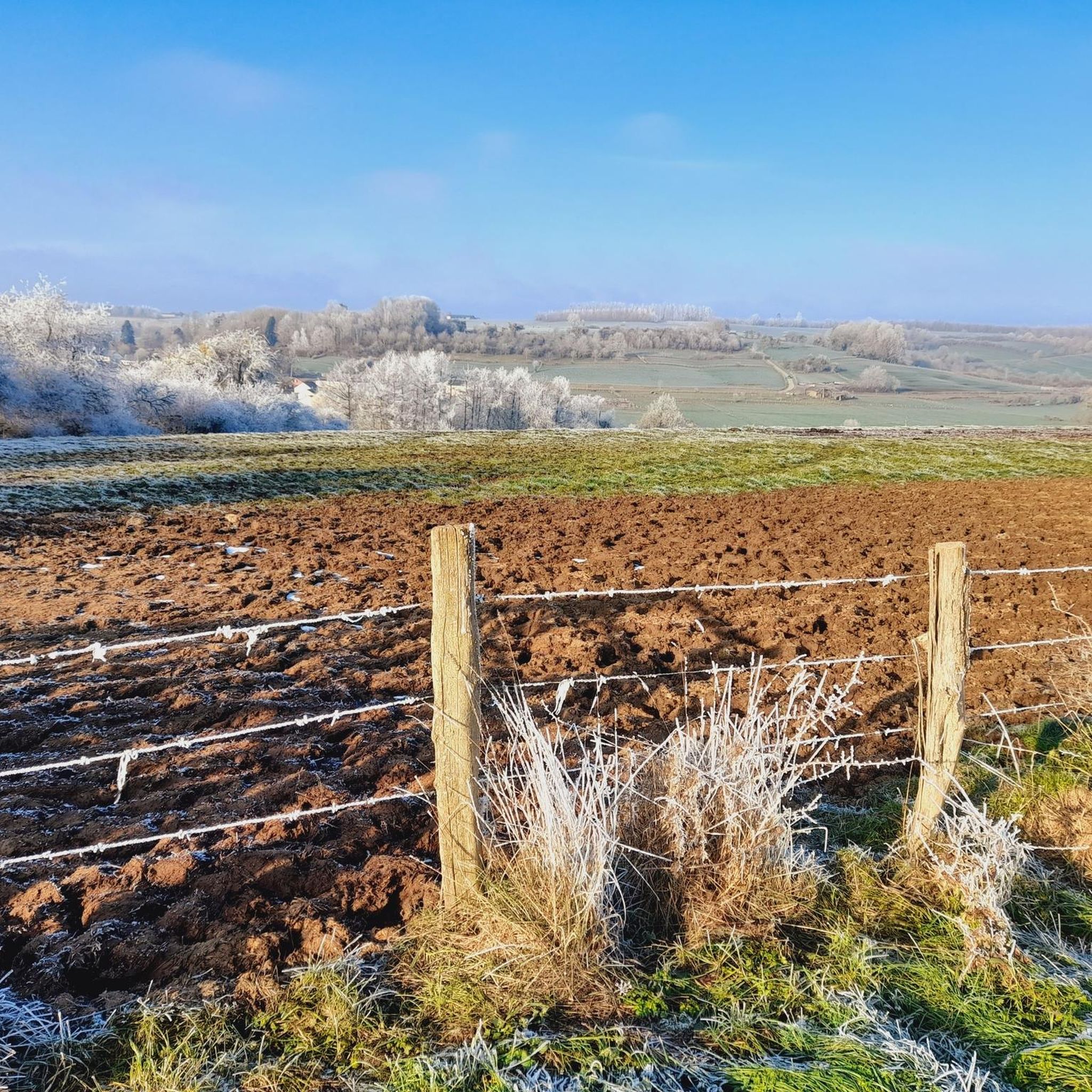

Tips from the Community

Magnificent fresco inspired by Jean-Claude Servais
0
0

My heart's Gaume. All my youth in Gaume.
0
0

Over a period of 22 years, from 1926 to 1948, a completely new abbey was built based on a design by architect Henri Vaes. This was primarily the work of Ghent native Albert-Marie Van der Cruyssen, who became the first abbot in 1936. On August 20, 1929, the foundation stone was laid in the presence of Prince Leopold and Cardinal Van Roey. The new abbey was completed in 1948. On June 5, 1939, the abbey church was consecrated and elevated to Basilica Minor by Pope Pius XII. On September 8, 1948, the abbey church and the completed cloister were solemnly consecrated by Cardinal Micara, who served as Apostolic Nuncio to Belgium from 1923 to 1946 and subsequently became Prefect of the Congregation for Rites. To finance the major construction projects, which by then had already cost tens of millions of Belgian francs, various fundraising activities were initiated. For example, special postage stamps with a surcharge were issued by the Belgian government. The cheese factory (1931) and the brewery (1932) were established to generate the necessary funds, and laypeople were employed from the outset. After the construction work was completed, these proceeds were used for social and charitable purposes. (Wikipedia)
12
0

On the Ruette side, passing through Pré Morel, you can reach the Ravel Latour Chenois, while avoiding the main road. On the Grandcourt side, you can reach St-Remy via a country road. On the Grandcourt side, you can also climb the Côte de Grandcourt (2.4 km at 5.5%) and continue on for a foray into Meurthe-et-Moselle (FR).
0
0

Just before the swamps end, you drive a long stretch over a wooden bridge. It's easy to navigate, and there were no other traffic at all.
0
0
Taking the descending road, you reach the archaeological and artistic site of Montauban. A lovely, bucolic spot.
1
0

The station is located on the Marbehan to Écouviers line and was in operation from 1873 to 1938.
0
0

On the edge of a wooded massif, where the climate is favorable for growing wine, lies Torgny, Belgium's southernmost village. The houses here, built of yellow sandstone with Roman roof tiles, are striking, lending a Mediterranean flair. A truly beautiful sight. No wonder this place is considered one of the most beautiful villages in Wallonia.
1
0
Frequently Asked Questions
What kind of terrain can I expect when road cycling around Saint-Pancré?
The region around Saint-Pancré offers a diverse cycling landscape. You'll find bucolic agricultural areas, scenic river valleys along the Moselle and Meurthe with little elevation gain, and vine-covered hillsides in the Côtes de Toul. While many routes are gentle, there are also segments with moderate climbs, such as the 'Côte de Saint Pancré par Rue de la Renardière' which has an average gradient of 5%.
How many road cycling routes are available in the Saint-Pancré area?
There are nearly 400 road cycling routes available around Saint-Pancré. These routes cater to various skill levels, with a significant number of moderate options, as well as easier and more challenging rides.
Are there any easy road cycling routes suitable for beginners or leisurely rides?
Yes, Saint-Pancré offers several easy road cycling routes. Many paths follow river valleys, providing accessible rides with minimal elevation gain. An example is the Rabais Valley Lake – RAVeL Ruette–Chenois Path loop from Vire, which is an easy 41.3 km path. The Voie Bleue, a national cycling route passing through the department, is also largely flat and particularly accessible to beginners.
What are some notable landmarks or natural features I can see while cycling?
Along the road cycling routes, you can discover various points of interest. Consider visiting the Éperons Barrés Viewpoint for scenic vistas, or explore historical sites like Cons-la-Grandville Castle. Natural features include the tranquil Rabais Valley Lake and the impressive The Oak of the Three Communes.
Are there any long-distance cycling networks that pass through Saint-Pancré?
Yes, Saint-Pancré is well-integrated into larger regional cycling networks. The 85-kilometer Moselle Loop is designed for all levels, combining heritage and varied landscapes. The Voie Bleue, a national route extending over 700 km, also passes through Meurthe-et-Moselle, largely utilizing flat towpaths. Additionally, the V52 (Paris-Strasbourg) offers a 92 km path along the Canal de la Marne au Rhin.
Can I find routes that offer a moderate challenge for road cycling?
Absolutely. The majority of road cycling routes around Saint-Pancré are rated as moderate, offering a good balance of distance and elevation. For example, the Scenic Section of RAVeL 155 – RAVeL Ruette–Chenois Path loop from Vire is a 55.8 km route with moderate difficulty, and the Main Square of Marville loop from Grandcourt covers 63.3 km through varied terrain.
What do other road cyclists enjoy most about cycling in Saint-Pancré?
The area is highly rated by the komoot community, with an average score of 4.1 stars from over 110 reviews. Cyclists often praise the region's varied terrain, which includes pleasant pastoral landscapes, scenic river views, and the opportunity to explore charming villages and vineyards.
Are there any specific routes that explore the local vineyards?
Yes, the Côtes de Toul tourist route is a significant attraction for cyclists interested in vineyards. This approximately 30-kilometer route allows you to discover a confidential vineyard region where orchard landscapes intertwine with vine-covered hillsides, often following a former railway line.
Are there any circular road cycling routes available?
Many of the road cycling routes in the Saint-Pancré area are designed as loops, offering convenient circular journeys. Examples include the Château de Martigny loop from Tellancourt and the RAVeL Ruette–Chenois Path – Scenic Section of RAVeL 155 loop from Grandcourt, allowing you to start and finish at the same point.
What is the best time of year for road cycling in Saint-Pancré?
The region is generally pleasant for cycling from spring through autumn. The bucolic landscapes and vineyards are particularly beautiful during these seasons. River paths offer comfortable rides even on warmer days, while the varied elevation provides options for cooler weather as well.
What kind of cycling infrastructure is available in the Meurthe-et-Moselle department?
The Meurthe-et-Moselle department, where Saint-Pancré is located, is well-equipped for cycling, boasting over 600 kilometers of cycle paths. These include greenways, towpaths along rivers, and small shared roads, providing a safe and enjoyable environment for road cyclists.
Most popular routes around Saint-Pancré
Most popular attractions around Saint-Pancré

Get inspired with the komoot mobile app


Explore more
Browse the best Road cycling routes in other regions.
