Top 20 Mountain Passes around Sufers
Mountain passes around Sufers, a municipality in the Viamala Region of the Swiss canton of Graubünden, are situated in the Rheinwald valley. This location serves as a base for exploring historically significant Alpine passes. The area is characterized by its mountainous landscape and its role as a transit route between Switzerland and Italy. These passes offer insight into historical trade routes and engineering achievements.
Best mountain passes around Sufers
- The most popular mountain passes is Montespluga, a settlement that…
Last updated: May 29, 2026
Montespluga
Highlight • Settlement
Showing Translation
Tip by

Splügen Pass
Highlight • Mountain Pass
Alpine crossing (2113 m) on the border between the Rheinwald in the Hinterrhein valley and the Italian Val San Giacomo (St. Jakobstal). The village …
Translated by Google •
Tip by

Sign up now to discover places like this
Get recommendations on the best single tracks, peaks, & plenty of other exciting outdoor places.
Sign up for free
Splügen Pass Serpentines
Highlight (Segment) • Mountain Pass
Translated by Google •
Tip by

Safierberg Pass Summit
Highlight • Mountain Pass
Translated by Google •
Tip by

Splügen Pass Hairpin Bends
Highlight • Mountain Pass
The Splügen Pass has been proven to have been used since prehistoric times. There are also references to this in Roman times, e.g. the …
Translated by Google •
Tip by
Sign up for free to discover even more mountain passes around Sufers.
Sign up for free
Already have an account?
Start today with a free account
Your next adventure awaits.
Login or Signup

Tips from the Community


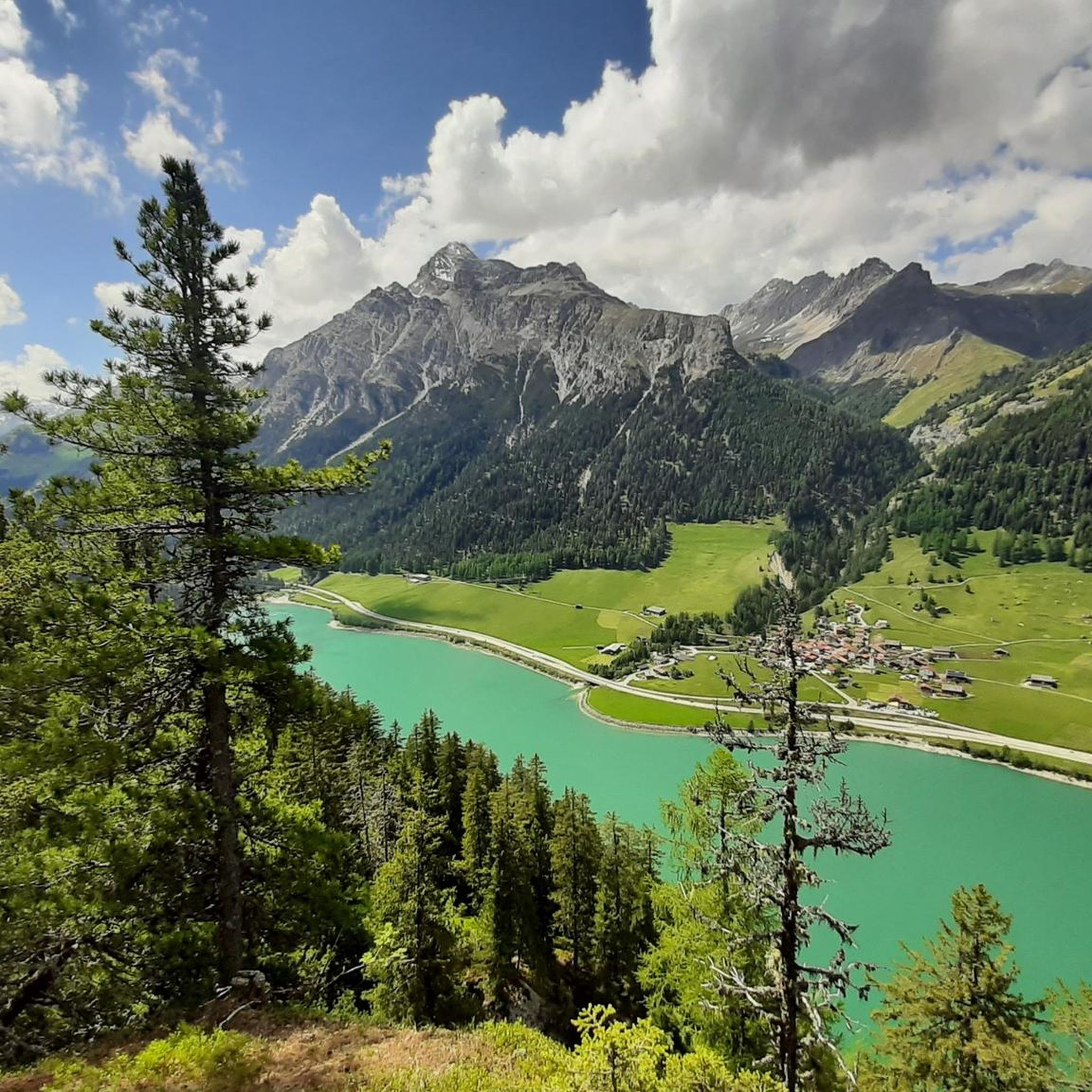
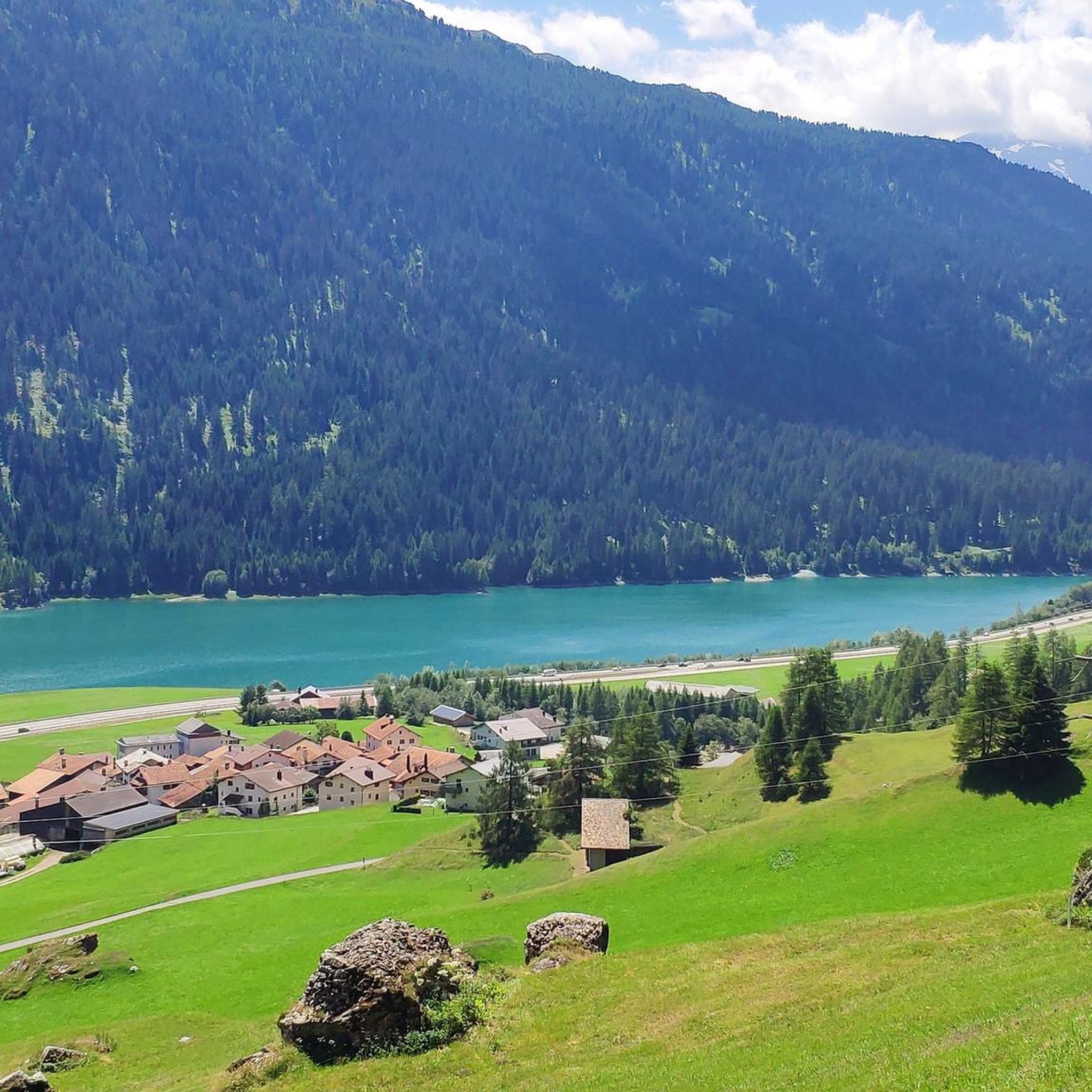
Montespluga SO The mountain village of Montespluga is located at an altitude of 1908 m above sea level at the beginning of the Val San Giacomo (also called Valle Spluga), about three kilometers from the summit of the Splügen Pass. The place originated in a hollow rich in water and pastures, where the Valle Spluga meets the Val Loga, near the border peaks of the area such as Pizzo Tambo. In 1927, the construction of the dam about 2 kilometers south of Montespluga began, damming the Torrente Liro to form the Lago di Montespluga below the village. The village with its few houses, restaurants, hotels, and shops on the pass road and the old customs building "La Casa" has hardly changed. Until 1841, it housed the only hospice on the Splügen Pass and the only place of worship, the chapel of San Francesco d’Assisi. The latter was consecrated in 1832, the year after the completion of the new road to the Splügen Pass in 1822. As early as 1767, the apostolic nuncio in Switzerland and later Cardinal Luigi Valenti Gonzaga had granted permission to set up a small chapel in the hospice. Since the opening of the San Bernardino Tunnel, the pass has no longer been kept open in winter. The village, which consists of three streets (Via Dogana, Via Ferrè, and Via Val Loga), can be cut off from both Italy and Switzerland. Montespluga is the starting point for numerous hiking, mountaineering, and ski touring destinations in the surrounding mountains and a stage destination on the cross-border long-distance hiking trail Via Spluga. Text / Source: wikipedia.org https://de.wikipedia.org/wiki/Montespluga
11
0
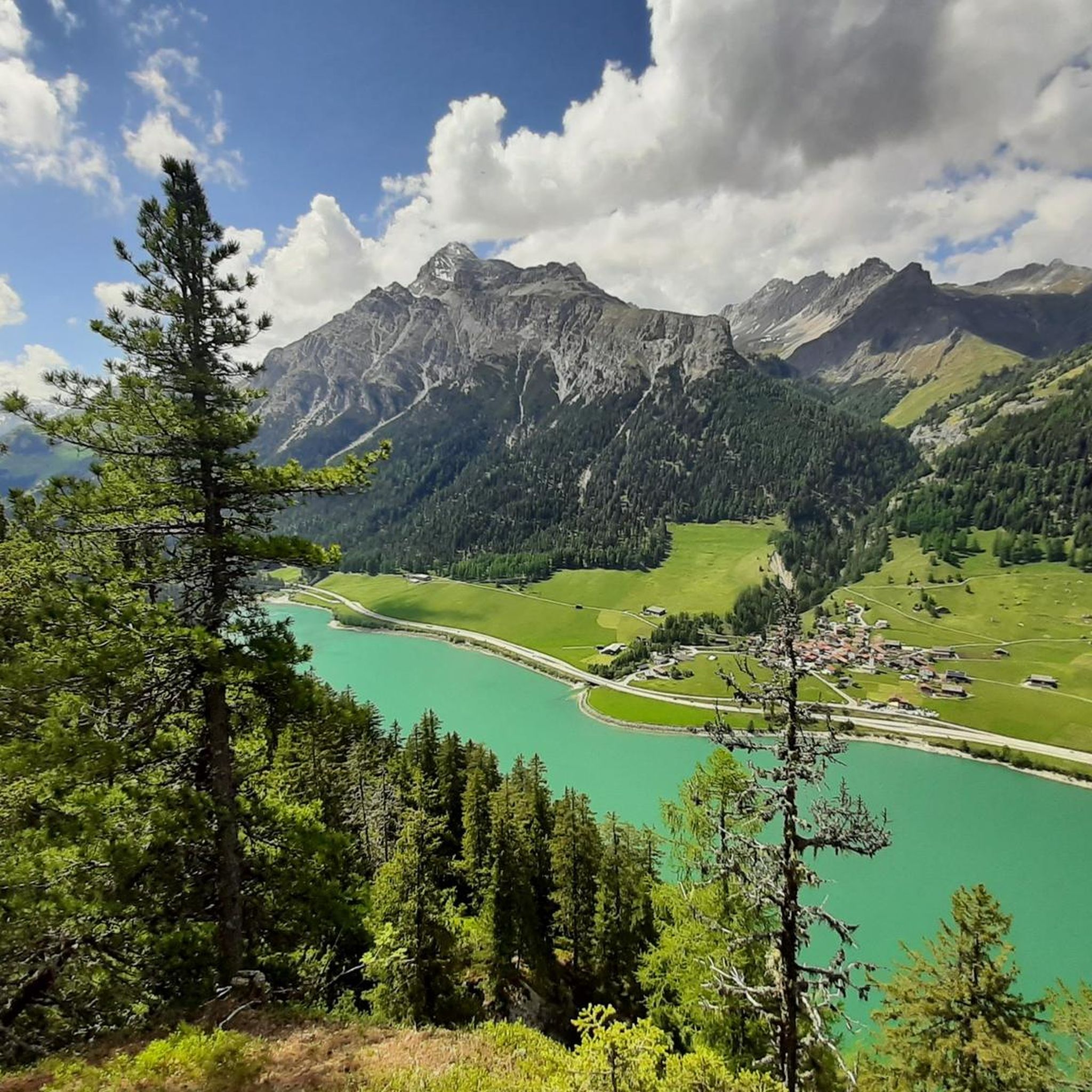
Splügen Pass / Passo dello Spluga The Splügen Pass has been proven to have been used since prehistoric times. There are also references to this in Roman times, e.g. the Itinerarium Antonini, a Roman road map from around 300 AD. The very close connections between the bishoprics of Chur and Como ran over the Splügen Pass. As early as 1396, there was evidence of significant customs revenues at Splügen. The expansion of the Viamala Gorge promoted its boom. The movement of goods was carried almost exclusively by packhorses, which meant frequent reloading. Transit traffic formed an important part of the flourishing economy. As late as 1798, the Austrian Field Marshal von Bellegarde wrote: "The largest train of goods from Milan to Germany goes over this pass, but mostly on horses and mules." Between 1818 and 1823, the first road that was passable for freight wagons and stagecoaches was built at the same time as the San Bernardino, and to a large extent it still follows the same route as it was then. After that, freight volumes and international passenger traffic over the Splügen increased several times over and reached their peak in the mid-1850s. The opening of the Alpine railways (1867 Brenner, 1872 Mont Cenis) had already reduced transit traffic over the Splügen. The opening of the Gotthard Railway in 1882 brought Graubünden transit traffic to a virtual standstill. A large wave of emigration was a direct result. The decades-long efforts to build a Splügen railway ultimately failed. The construction of the national road with a car tunnel at the San Bernardino opened up new perspectives. The Splügen Pass has been closed in winter since World War II. Text / Source: Interest Group for Alpine Passes IAP, PO Box 11, 6491 Realp https://www.alpen-paesse.ch/de/alpenpaesse/spluegenpass/
11
0
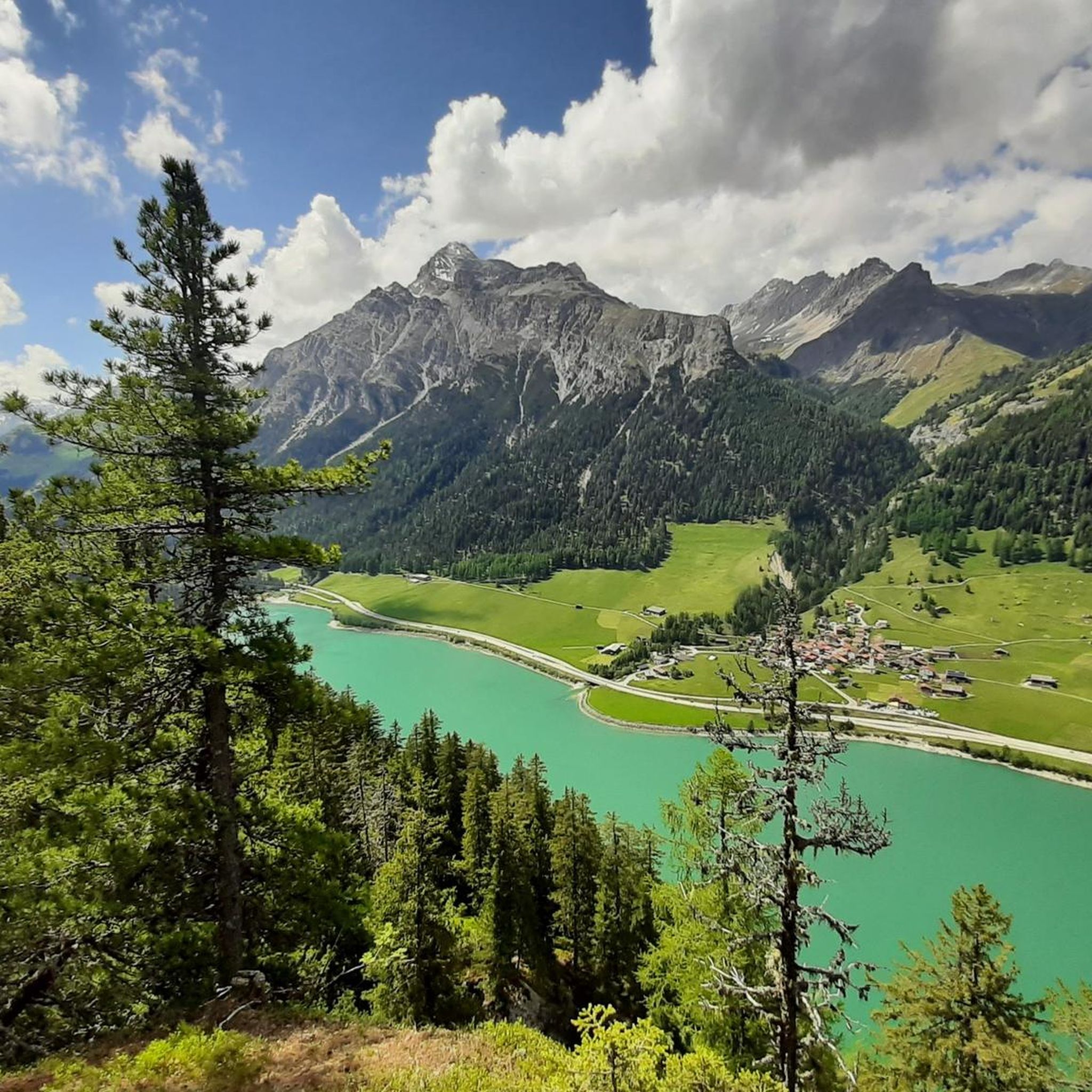
Splügen Pass (Alpine crossing (2113 m) Alpine crossing (2113 m) on the border between the Rheinwald in the Hinterrhein valley and the Italian Val San Giacomo (St. Jakobstal). The village of Splügen at the northern starting point, mentioned around 840 as cella in speluca, gave the pass its name. Italian Passo dello Spluga, Romanesque Pass dal Spleia. In the Middle Ages, the Splügen Pass was also known as Colmen d'Orso and Urschler. At the same time as the San Bernardino, the first road that was open to freight wagons and carriages was built between 1818 and 1823. After the Simplon and before the Gotthard, the Lower Road was thus the second Swiss "artificial road" across the Alps. For the route from Chur over the San Bernardino to Bellinzona, the Kingdom of Sardinia-Piedmont was responsible for a large part of the costs, in addition to the canton of Graubünden. The The Lombardo-Venetian Kingdom saw this as a threat to the volume of traffic over the Splügen Pass and in return had a road built at its own expense across the national border to the village of Splügen. This road essentially corresponded to the route still used at the beginning of the 21st century. On the north side, according to the plans of engineer Carlo Donegani, the road no longer led through the avalanche slope of the Altberg. On the south side, an almost completely new route was chosen below Monte Spluga to Campodolcino, bypassing the Cardinell Gorge. Many galleries and refuge houses were built at regular intervals, especially on the south side. After the devastating flood damage of 1834, the road was rebuilt in some places. In 1841, the first mountain house with the customs station was built on the north side (2022 m). Text / Source: Historical Dictionary of Switzerland (HLS) https://hls-dhs-dss.ch/de/articles/008823/2013-01-10/
13
0
Splügen Pass (Alpine crossing (2113 m) Alpine crossing (2113 m) on the border between the Rheinwald in the Hinterrhein valley and the Italian Val San Giacomo (St. Jakobstal). The village of Splügen at the northern starting point, mentioned around 840 as cella in speluca, gave the pass its name. Italian Passo dello Spluga, Romanesque Pass dal Spleia. In the Middle Ages, the Splügen Pass was also known as Colmen d'Orso and Urschler. At the same time as the San Bernardino, the first road that was continuously passable for freight wagons and carriages was built between 1818 and 1823. After the Simplon and before the Gotthard, the Lower Road was thus the second Swiss "artificial road" across the Alps. For the route from Chur over the San Bernardino to Bellinzona, the Kingdom of Sardinia-Piedmont was responsible for a large part of the costs, in addition to the canton of Graubünden. The The Lombardo-Venetian Kingdom saw this as a threat to the volume of traffic over the Splügen Pass and, in return, had a road built at its own expense across the national border to the village of Splügen. This road essentially corresponded to the route still used at the beginning of the 21st century. On the north side, the road no longer led through the avalanche slope of the Altberg, in accordance with the plans of engineer Carlo Donegani. On the south side, an almost completely new route was chosen below Monte Spluga to Campodolcino, bypassing the Cardinell Gorge. Many galleries and refuge houses were built at regular intervals, especially on the south side. After the devastating flood damage of 1834, the road was rebuilt in some places. In 1841, the first mountain house with the customs station was built on the north side (2022 m). Text / Source: Historical Dictionary of Switzerland (HLS) https://hls-dhs-dss.ch/de/articles/008823/2013-01-10/
9
0
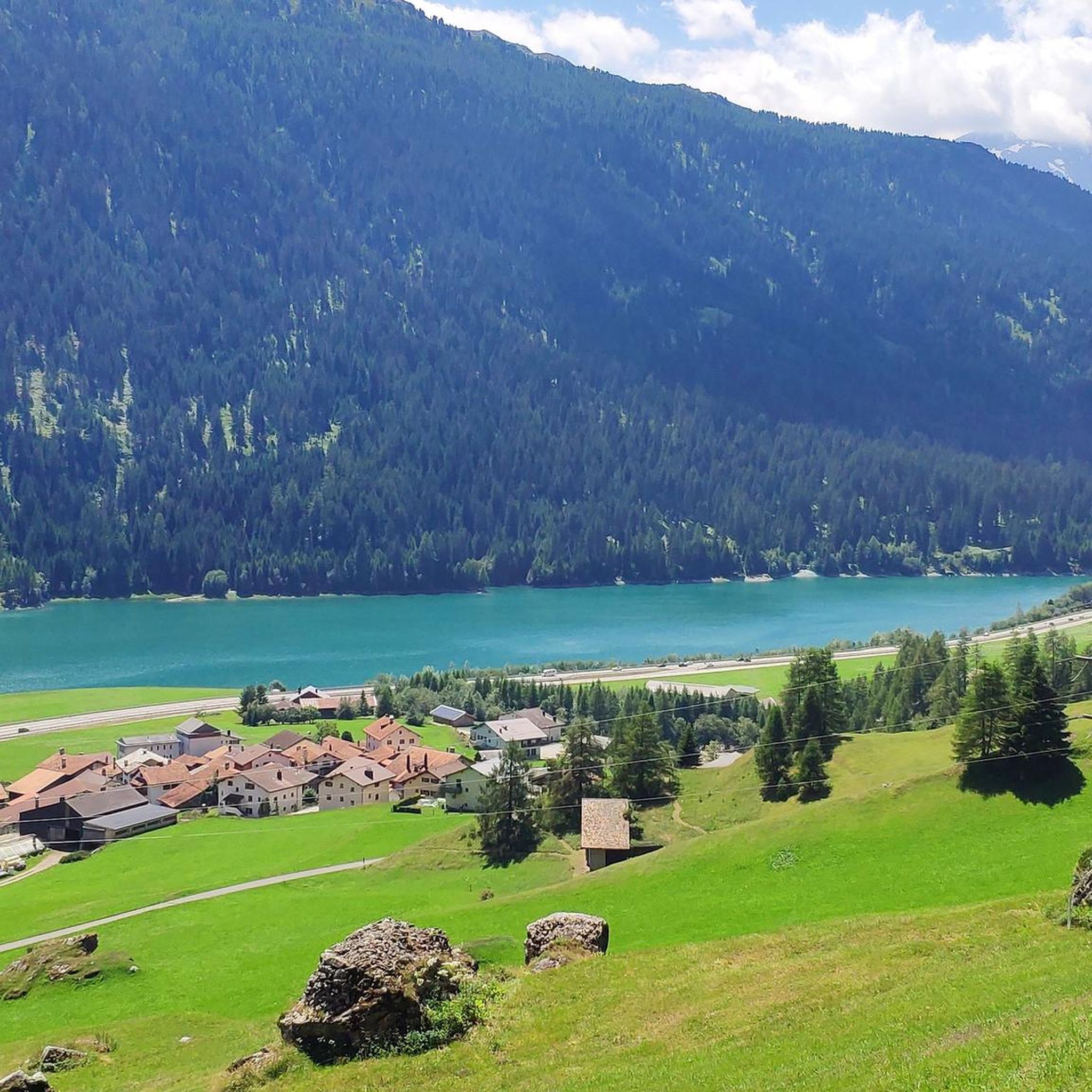
Splügen Pass / Passo dello Spluga The Splügen Pass has been proven to have been used since prehistoric times. There are also references to this in Roman times, e.g. the Itinerarium Antonini, a Roman road map from around 300 AD. The very close connections between the bishoprics of Chur and Como ran over the Splügen Pass. As early as 1396, there was evidence of significant customs revenues at Splügen. The expansion of the Viamala Gorge promoted its boom. The movement of goods was carried almost exclusively by packhorses, which meant frequent reloading. Transit traffic formed an important part of the flourishing economy. As late as 1798, the Austrian Field Marshal von Bellegarde wrote: "The largest train of goods from Milan to Germany goes over this pass, but mostly on horses and mules." Between 1818 and 1823, the first road that was passable for freight wagons and stagecoaches was built at the same time as the San Bernardino, and to a large extent it still follows the same route as it was then. After that, freight volumes and international passenger traffic over the Splügen increased several times over and reached their peak in the mid-1850s. The opening of the Alpine railways (1867 Brenner, 1872 Mont Cenis) had already reduced transit traffic over the Splügen. The opening of the Gotthard Railway in 1882 brought Graubünden transit traffic to a virtual standstill. A large wave of emigration was a direct result. The decades-long efforts to build a Splügen railway ultimately failed. The construction of the national road with a car tunnel at the San Bernardino opened up new perspectives. The Splügen Pass has been closed in winter since World War II. Text / Source: Interest Group for Alpine Passes IAP, PO Box 11, 6491 Realp https://www.alpen-paesse.ch/de/alpenpaesse/spluegenpass/
10
0

The Spluga pass (Splügenpass in German, Pass dal Spleia or Pass dal Splegia in Romansh and Cunus Aureus in Latin - 2,117 m a.s.l.) is one of the most important passes in the Alpine arc, known since ancient times for its easy transit: the modern arterial road that crosses it was built between 1821 and 1823, while the Roman-era via Spluga was built at the end of the 1st century BC; in its vicinity is the farthest point in Italy from the sea as the crow flies, equal to about 240 km.
3
0

The border between Switzerland and Italy. Very nice view of the surrounding Alps
4
0
Frequently Asked Questions
What are the primary mountain passes accessible from Sufers?
Sufers is strategically located in the Rheinwald valley, making it an excellent base for exploring two historically significant Alpine passes: the Splügen Pass and the San Bernardino Pass. Both offer remarkable natural beauty and historical importance.
What is the historical significance of the Splügen Pass?
The Splügen Pass has been a crucial route for over 2000 years, serving as a vital link for trade and cultural exchange between Graubünden and Italy since Roman times. Its importance was further boosted by the development of the Viamala Gorge, bringing economic prosperity to the area. The pass road itself is an impressive feat of engineering, especially the Italian side with the notorious Cardinello Gorge.
What unique features does the San Bernardino Pass offer?
The San Bernardino Pass is renowned for its rugged high-Alpine scenery, featuring sweeping views, glacial rock formations, and alpine bogs. At its summit, you'll find the beautiful mountain lake Lago Moesola, providing a serene spot for relaxation. It's often considered less busy than other major passes, offering a sense of calm.
Are there any family-friendly spots among the mountain passes near Sufers?
Yes, Montespluga, a settlement near the Splügen Pass, is noted as family-friendly. It's a historical stopover with a few houses, restaurants, and an old customs building, offering a glimpse into its past. The area around Lago Moesola on the San Bernardino Pass also provides a serene environment suitable for families.
What kind of natural beauty can I expect to see on these passes?
You can expect breathtaking high-Alpine scenery. The Splügen Pass is embedded between Pizzo Tambo and Surettahorn, offering dramatic views and marking the continental watershed. The San Bernardino Pass features rugged landscapes, glacial rock formations, alpine bogs, and the picturesque Lago Moesola at its summit.
What is the best time of year to visit the mountain passes around Sufers?
The old pass roads for both the Splügen Pass and the San Bernardino Pass are typically open from May to October or November, as they are closed during winter months due to snow. This period offers the best conditions for driving, cycling, and hiking to experience their full beauty.
Can I cycle on these mountain passes?
Absolutely! Both the Splügen Pass and the San Bernardino Pass are considered challenging and rewarding for cyclists. The Splügen Pass, with its numerous curves and significant elevation changes, even saw the Giro d'Italia pass through in 2021. The ascent to San Bernardino Pass from Hinterrhein also features steep switchbacks and well-maintained roads. For more cycling routes, check out Road Cycling Routes around Sufers or Cycling around Sufers.
Are there hiking opportunities near the mountain passes?
Yes, the areas around both the Splügen Pass and San Bernardino Pass offer numerous footpaths across the mountain scenery. Montespluga, for example, is a starting point for many hiking and mountaineering destinations. The nearby resort of San Bernardino also provides opportunities for hiking. For gravel biking options, you can explore Gravel biking around Sufers.
What is Montespluga, and why is it a notable stop?
Montespluga is a mountain village located at 1908 meters near the Splügen Pass. It has historically served as a crucial stopover and transit point. The village, with its few houses, restaurants, and old customs building, offers a unique glimpse into the past of this important Alpine route. It's also a starting point for various outdoor activities.
Are there any historical military sites on the passes?
Yes, at the Safierberg Pass Summit, located at 2,486 meters, you can still see old ruins from World War II. These structures served as a blocking point at the pass during the war, connecting the Safiental with the Rheinwald.
Where can I find food and drink near the passes?
The village of Montespluga, near the Splügen Pass, offers restaurants and cafes. You can enjoy a cappuccino with a view of the impressive mountain peaks. The nearby resort of San Bernardino also provides various amenities.
How do the Splügen Pass and San Bernardino Pass differ in terms of accessibility?
While both old pass roads are typically open from May to October/November, the San Bernardino Pass offers year-round access via the San Bernardino road tunnel, completed in 1967. The Splügen Pass, however, is closed in winter, making the tunnel a key difference for winter travel to the south.
What are the 'Hairpin Bends and Tunnels of the Campodolcino–Pianazzo Road'?
This refers to a particularly challenging and scenic section of road near the Splügen Pass, specifically the Hairpin Bends and Tunnels of the Campodolcino–Pianazzo Road. It features spectacular tight turns and steep slopes, offering incredible views of the surrounding area and a thrilling experience for drivers and cyclists.
Most popular attractions around Sufers

Get inspired with the komoot mobile app


Explore more
See even more epic mountain passes by checking out these guides around Sufers:
