Top 2 Natural Monuments around Agde
Best natural monuments around Agde include a diverse range of geological formations and protected natural areas. Agde, a historic town on the Mediterranean coast of France, is characterized by its volcanic landscapes and coastal features. The region's natural monuments offer insights into its geological past and provide habitats for various flora and fauna. These sites are ideal for exploring the unique natural heritage of the Hérault coastline.
Best natural monuments around Agde
- The most popular natural monuments is Mount Saint-Loup…
Last updated: September 23, 2026
Mount Saint-Loup
Highlight • Summit
Showing Translation
Tip by

Fountain of the Belle Agathoise
Highlight • Monument
Translated by Google •
Tip by

Sign up now to discover places like this
Get recommendations on the best single tracks, peaks, & plenty of other exciting outdoor places.
Garrigue around Castelnau-de-Guers
Highlight • Natural Monument
Showing Translation
Tip by

Grande Conque Beach
Highlight • Beach
Showing Translation
Tip by

Lagunes de la Rivièrette and La Maïre
Highlight • Natural Monument
Showing Translation
Tip by

Sign up for free to discover even more natural monuments around Agde.
Already have an account?
Start today with a free account
Your next adventure awaits.
Popular around Agde
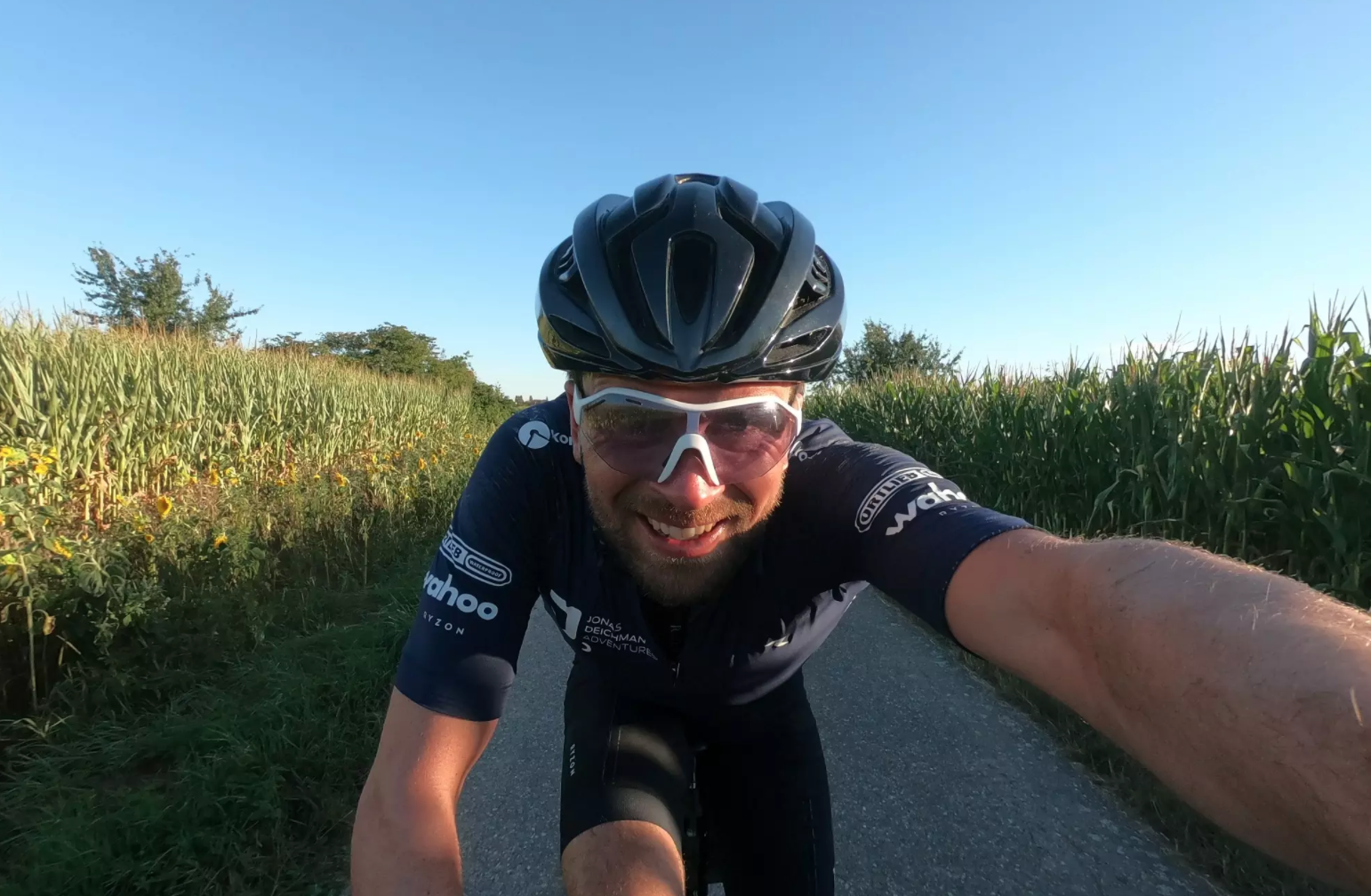
Triathlon 360 – my journey around the world
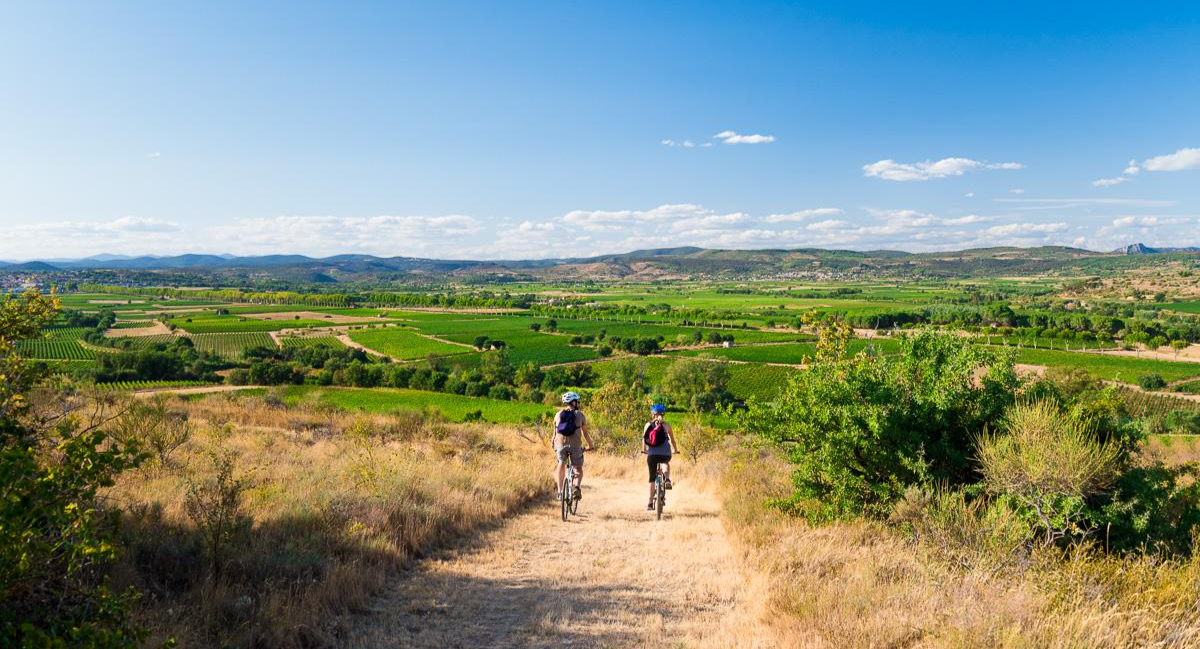
Cap d’Agde by bike – a unique terroir and wines with character
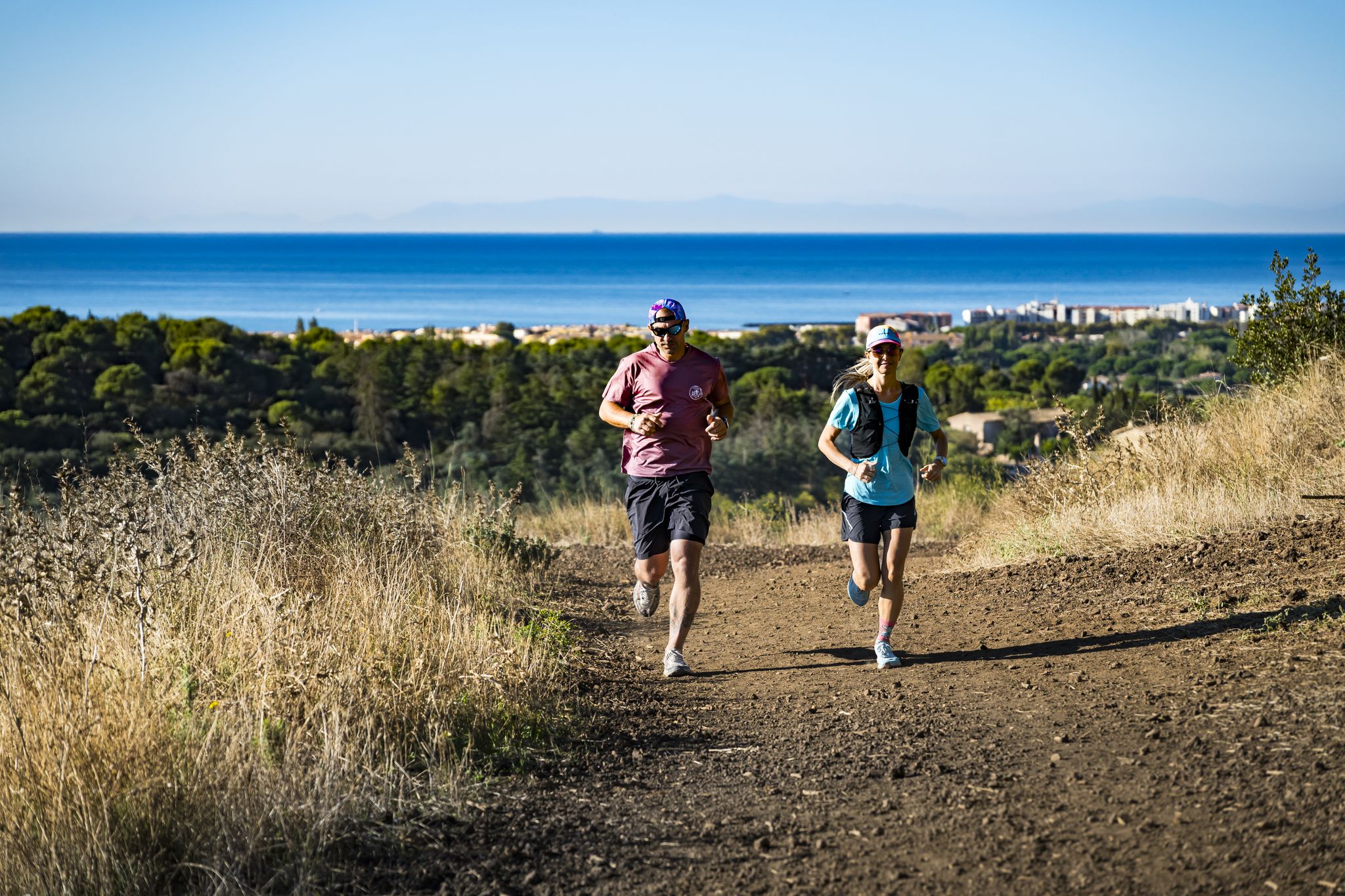
Running the trails and races of the Cap d’Agde
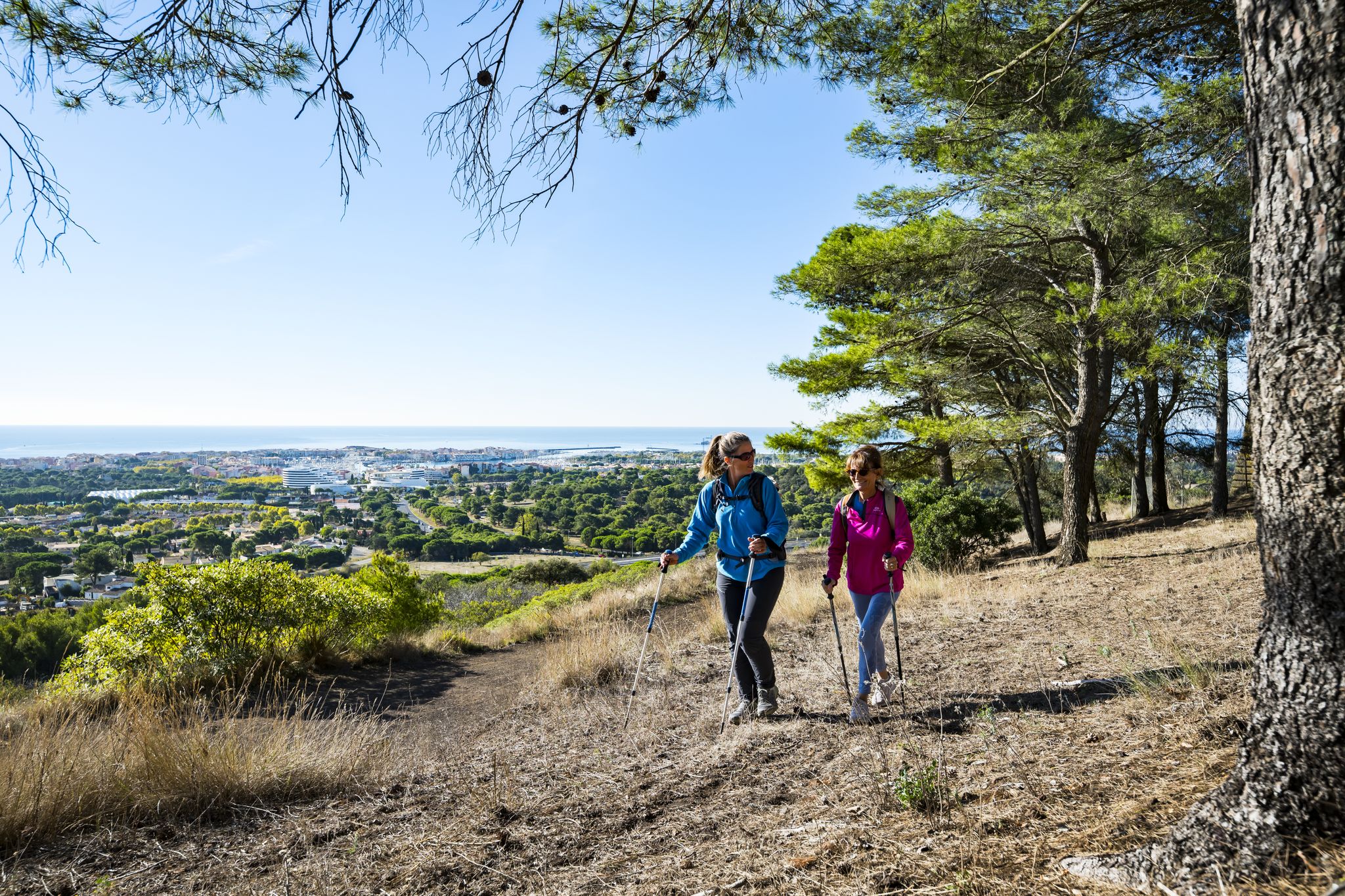
Cap d’Agde – hiking between sea, nature and heritage
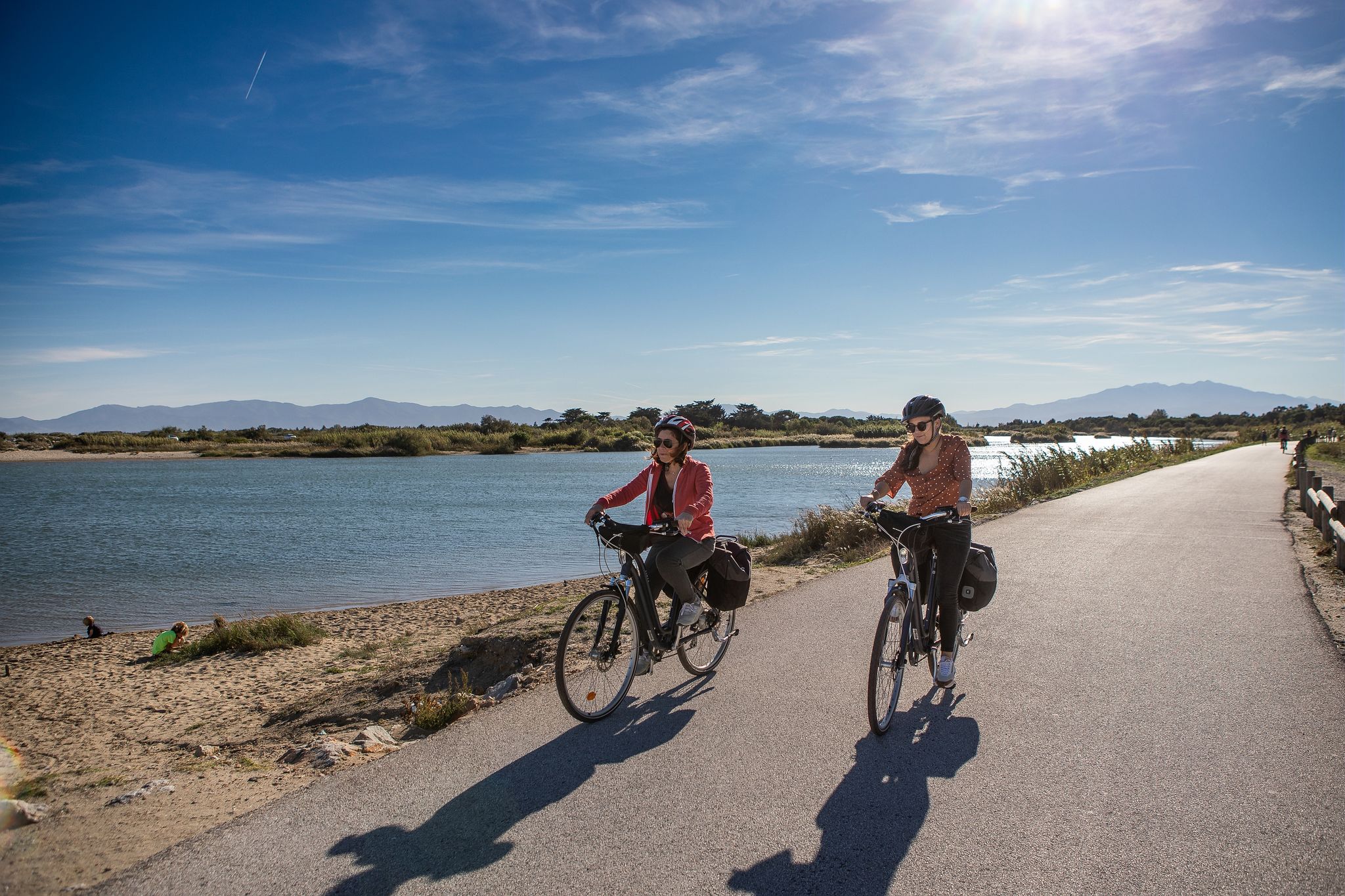
Méditerranée in Occitanie - Ten bike rides in the South of France
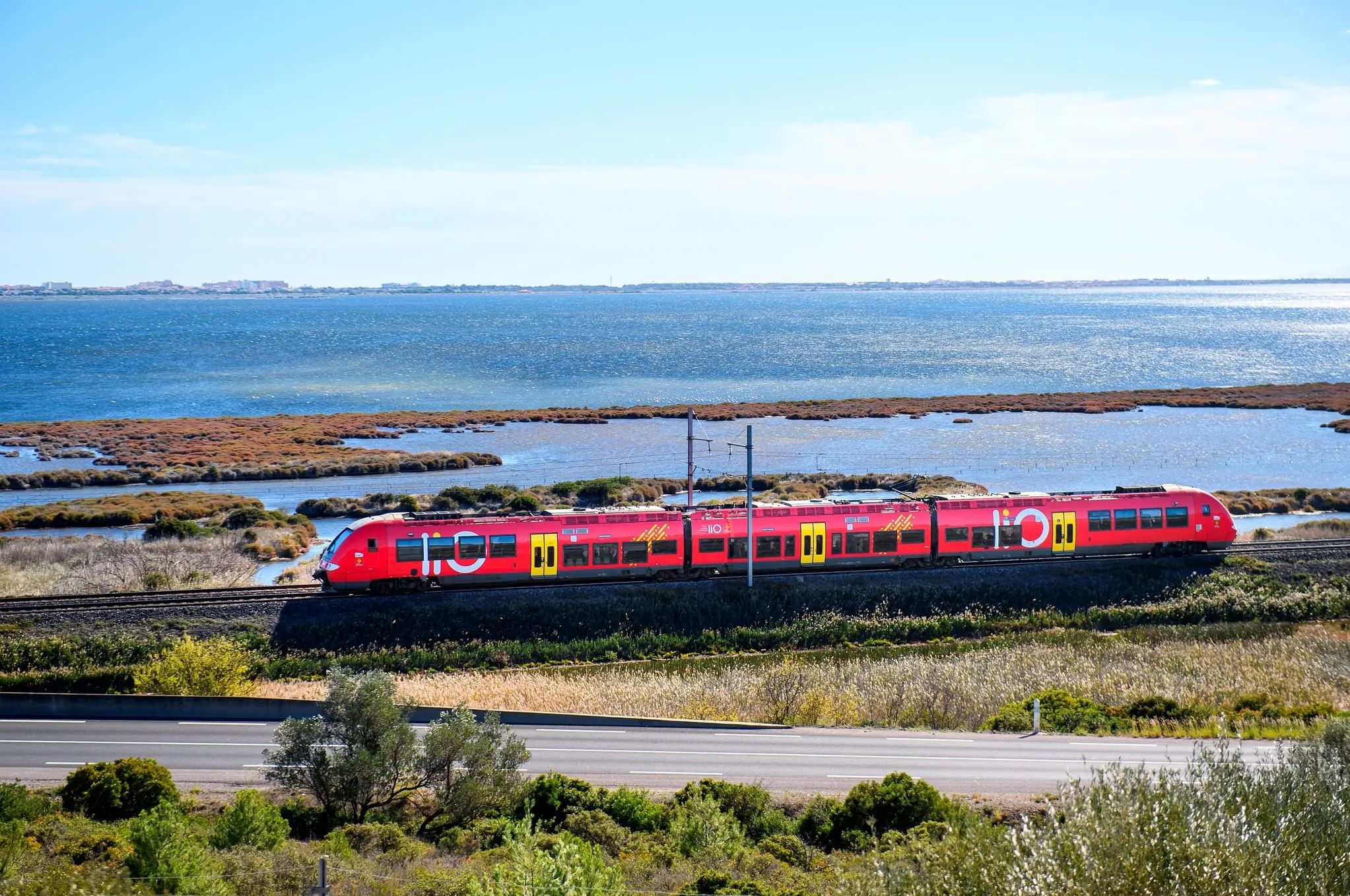
Occitanie Rail Tour – cycle and train along the Occitan Coast
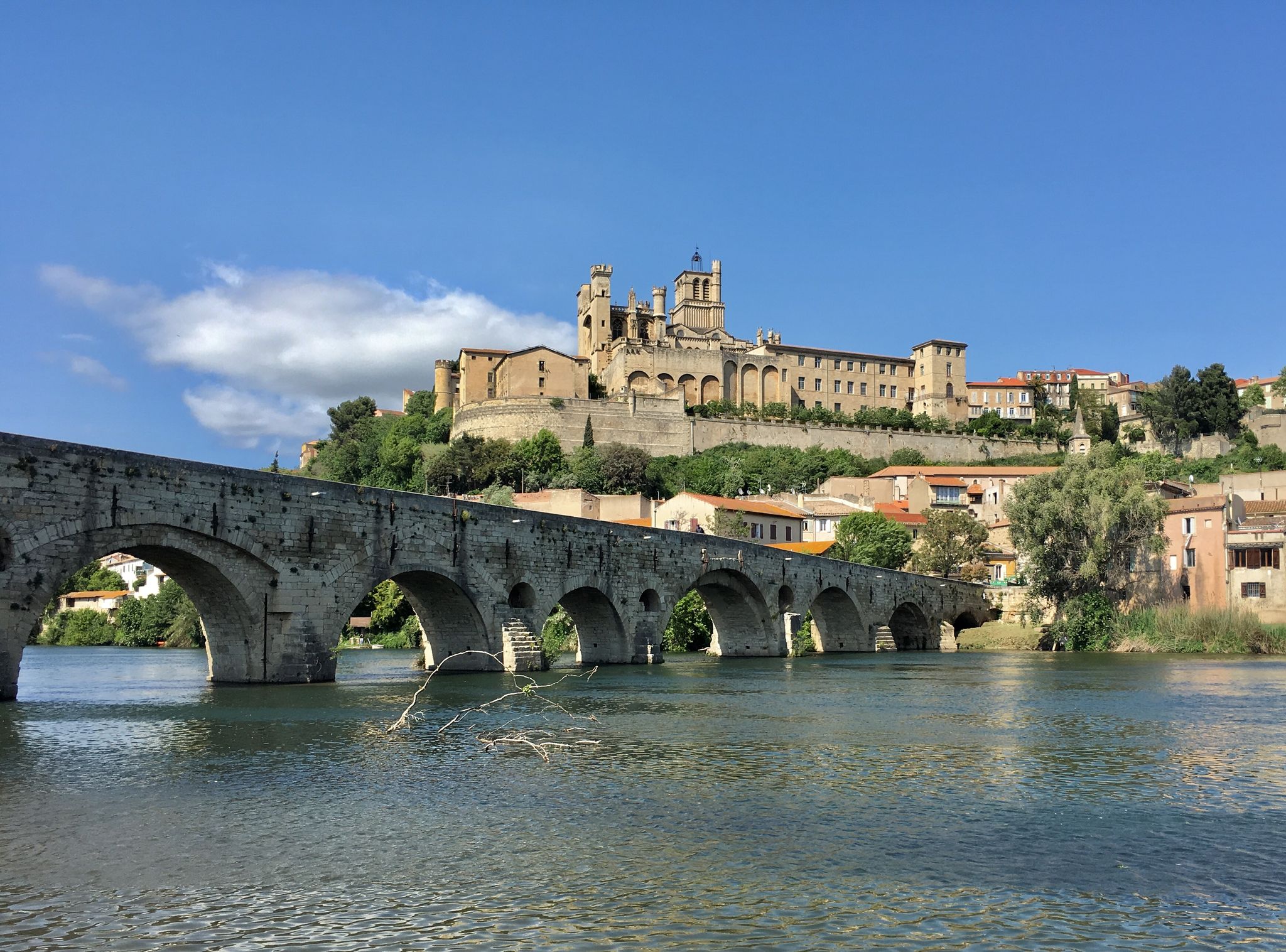
From the Occitan coast to Italy — exploring the Mediterranean by bike
Running Trails around Agde
Hiking around Agde
Cycling around Agde
Other adventures around Agde


Tips from the Community

The site is home to two main lagoons, the Maïre and the Rivièrette, which form an old arm of the Orb. You can admire large dunes, salt marshes, and sansouïres (saltwort vegetation). The Camargue seems very close with the horses and bulls that animate the landscape.
0
0

🧚🏼♀️ L’Étendoir des Fées – a small moonscape In the middle of the garrigue near Castelnau-de-Guers, this extraordinary landscape suddenly appears. The rock layer, about 50 million years old, made of pink sandstone, was formed by erosion over millions of years and in places really resembles a small moonscape. 🌕👌🏼 The so-called “L’Étendoir des Fées” is about 200 meters long and 50 meters wide. After rain, water collects in the small hollows of the rock and reflects the sky – the place is said to look particularly impressive then. And of course, there is also a fitting legend: On full moon nights, after the rain, fairies are said to have washed their laundry here and then laid it out on the rocks to dry. 🧚🏼♀️ Hence the beautiful name “Fairy’s Drying Place”. An unusual spot of nature in the middle of the Mediterranean garrigue and definitely worth a detour. Greetings Marcus ✌🏼
0
0

The Grande Conque beach is distinguished by its amazing black sand, a testament to the volcanic history of Cap d’Agde. Nestled at the foot of the cliffs, this small cove offers a beautiful contrast between the dark rock and the blue waters of the Mediterranean. Offshore, you will see the rocks of the "Deux Frères", emblematic of the site. Note that the beach is not supervised.
0
0

Erected in 1858 at the foot of the ancient ramparts, this monumental fountain is the work of Montpellier sculptor Auguste Baussan. The statue crowning it represents Agathé, the personification of the Greek city of Agde, accompanied by three lionesses who symbolically watch over the city. The ensemble combines three remarkable materials: the Carrara marble of the statue, the African marble of the lionesses, and the basalt of the fountain. This choice echoes the very identity of Agde: a city founded by the Greeks over 2,500 years ago, but whose heritage is deeply marked by volcanic rocks from Agde's volcanism.
1
0
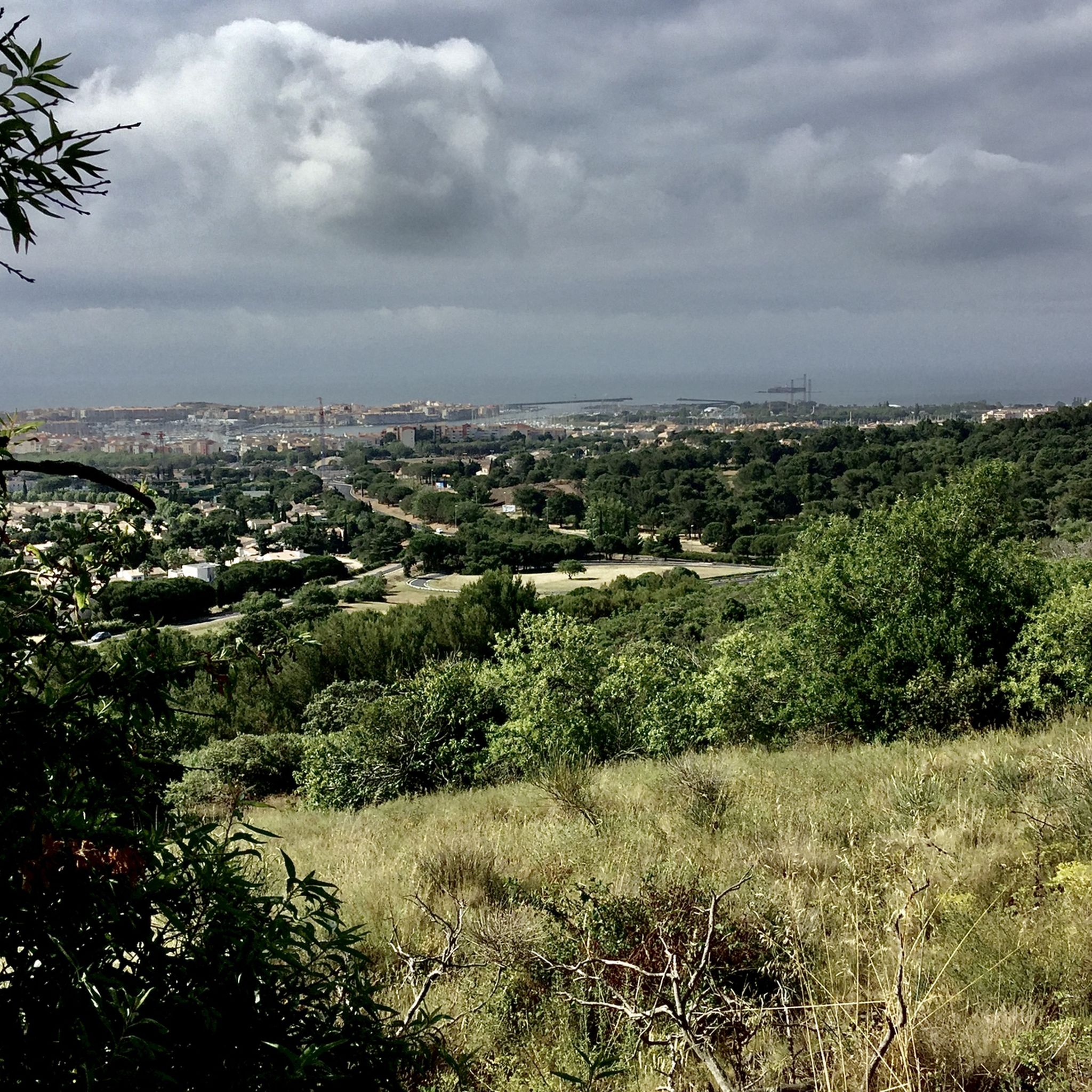
The panorama that unfolds before you is the legacy of intense volcanic activity. Several edifices were built in this same area: Mont Saint-Loup, to the northeast, today the highest (113 m), whose first eruptions date back to about 950,000 years ago; Mont Saint-Martin, to the south, which today culminates at 55 m; and Petit Pioch, to the east, whose cone probably reached nearly 80 m before being heavily scarred by the exploitation of pozzolana. These three reliefs correspond to three distinct Strombolian cones, and not to the eroded fragments of a single large volcano. With two other emission points, they belonged to a larger volcanic complex forming a maar. Volcanic activity continued for about 50,000 years, before ending with the last eruptions of Petit Pioch.
2
0

This lunar landscape is composed of small mounds of rocks formed by rounded pebbles eroded some 50 million years ago during the flow of waters that covered the region in the Tertiary era.
2
0
Imposing fountain in the center of the town of Agde, featuring animals, wild beasts, and amphibians, ceaselessly vomiting jets of a moving wave. Above them, a powerful woman, the beautiful Agathoise who gives her name to this monument, looks ahead with a resolute air. The scepter in her hand acts as a shepherd's crook. At the feet of the Agathoise, human figures ceaselessly spread their scented water.
0
0

start of the road cycling circuit from Agde
0
0
Frequently Asked Questions
What are the most prominent natural monuments around Agde?
The region around Agde is rich in natural wonders. Key sites include the ancient volcanic peak of Mont Saint-Loup, the ecologically significant Bagnas National Nature Reserve, and the dramatic Volcanic Cliffs and Grande Conque Beach with its unique black sand.
Are there good hiking opportunities near Agde's natural monuments?
Yes, hiking is a popular activity. Mont Saint-Loup offers trails through wild pine forests and Mediterranean garrigue, providing panoramic views. You can find various routes, including easy to intermediate options, for exploring the area. For more hiking ideas, check out the MTB Trails around Agde guide, which also features walking paths.
What unique geological features can be found in the Agde region?
Agde's landscape is significantly shaped by ancient volcanic activity. Mont Saint-Loup is an extinct volcano, and its basalt stone gives Agde its 'Black Pearl' nickname. The coastline around Cap d'Agde features dramatic volcanic cliffs and the distinctive black sand of Grande Conque Beach, both results of these ancient eruptions.
Is the Bagnas National Nature Reserve accessible to visitors?
The Bagnas National Nature Reserve is a protected wetland. Access is primarily through guided tours organized by ADENA to ensure a respectful and educational experience of this fragile ecosystem. There are also self-guided hiking trails and viewpoints along the route de Maraval and the south bank of the Canal du Midi for independent exploration.
Are there family-friendly natural attractions in Agde?
Many natural sites are suitable for families. The easy-to-walk paths on Mont Saint-Loup are great for all ages, offering wildlife spotting and views. The Fountain of the Belle Agathoise is also a pleasant, shady spot in town that is wheelchair accessible and family-friendly.
What kind of wildlife can I expect to see at Agde's natural sites?
The region is a haven for wildlife. Mont Saint-Loup is home to squirrels, birds, and butterflies. The Bagnas National Nature Reserve is renowned for its avian diversity, with over 260 bird species, including pink flamingos, as well as European pond turtles and various dragonflies. The Baluffe Ponds host protected species like natterjack toads and Mediterranean tree frogs.
What is the best time to visit the natural monuments around Agde?
Visiting at dawn or dusk is recommended for Mont Saint-Loup to witness stunning landscapes in the golden light. Generally, spring and autumn offer pleasant temperatures for outdoor activities. Clear winter days can also provide exceptional panoramic views from the summit of Mont Saint-Loup, potentially even reaching Mont Ventoux.
Can I go cycling near the natural monuments?
Absolutely. The area offers various cycling routes. You can explore the region on a touring bicycle with routes like the 'Grau du Rieu – Bagnas Nature Reserve loop' or 'Canal du Midi – Bagnas Lock loop'. Mountain biking is also popular, with trails such as the 'Sémaphore Trail – Mont Saint-Loup loop'. Find more options in the Cycling around Agde guide and MTB Trails around Agde guide.
Are there any unique botanical features to look out for?
Yes, the Grande Maïre Natural Site in Portiragnes is particularly notable for being one of the few places in France where the rare Spanish Iris (Iris Xiphium) blooms, typically in June. The Baluffe Ponds also host unique amphibious plants like starfruit and 'élantine'.
What are the Dunes and Blockhouses of the Canal du Clot?
This site features a unique blend of natural and historical elements. It consists of beautiful dune landscapes with typical vegetation, leading to a relatively quiet beach. Interspersed within this natural setting are several blockhouses dating from the Second World War, offering a glimpse into the region's past.
Most popular attractions around Agde

Get inspired with the komoot mobile app


Explore more
Extend your search for the best caves by checking out these guides of the top ones around Agde:
