The best cycling routes around Agde
4.0
(581)
4,156
riders
112
rides
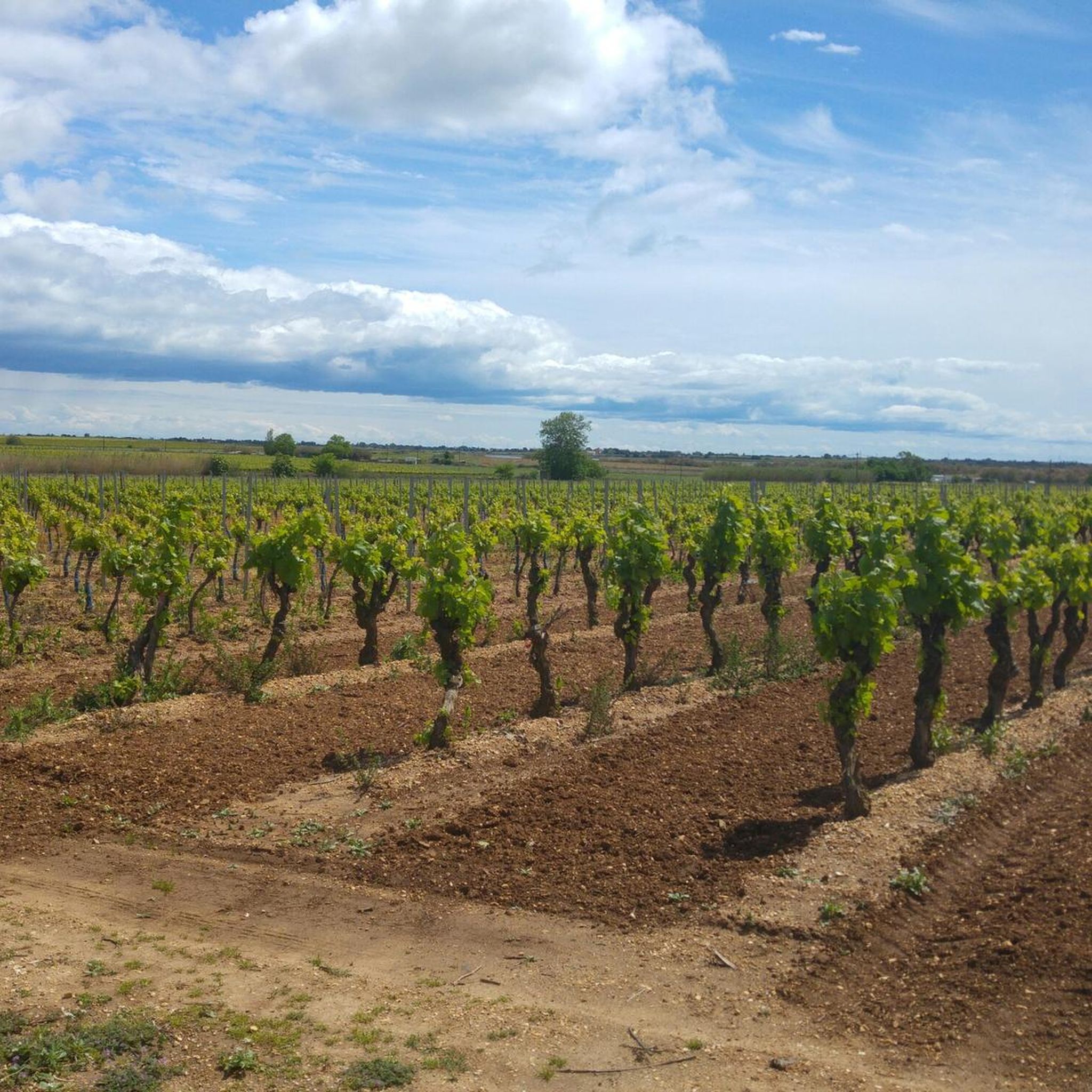
Touring cycling routes around Agde traverse a diverse landscape, characterized by the Mediterranean coastline, the Hérault River, and the historic Canal du Midi. The region features a unique volcanic coast with distinctive black-sand beaches and wetlands like the Étang de Thau and the Bagnas National Nature Reserve. Gentle elevations are found along river paths and canal towpaths, with some hills offering panoramic views.
Best touring cycling routes around Agde
- The most popular touring cycling route is Agde to Montpellier, a 47.6 miles (76.6 km) trail that takes 4 hours 34 minutes to complete. This moderate route connects Agde to the city of Montpellier, offering a longer journey through varied landscapes.
- Another top favourite among local touring cyclists is Port of Cap d'Agde – View of the Étang de Thau loop from Grau d'Agde, a moderate 23.8 miles (38.3 km) path. This route provides scenic coastal views and passes by the Étang de Thau.
- Local touring cyclists also love the Grau du Rieu – Bagnas Nature Reserve loop from Île Saint-Martin, a 9.0 miles (14.4 km) trail leading through the protected Bagnas National Nature Reserve, often completed in about 48 minutes.
- Touring cycling around Agde is defined by coastal paths, the Canal du Midi, and wetland nature reserves. The network offers options for different ability levels, from easy, flat rides to moderate routes with gentle climbs.
- The routes in Agde are highly rated by the komoot community with an average score of 4.2 stars from over 500 reviews. More than 4000 touring cyclists have used komoot to explore Agde's varied terrain.
Last updated: October 2, 2026
4.5
(115)
574
riders
76.6km
04:35
190m
160m
Moderate bike ride. Good fitness required. Mostly paved surfaces. Suitable for all skill levels.
4.1
(64)
529
riders
14.4km
00:49
20m
20m
Easy bike ride. Great for any fitness level. Mostly paved surfaces. Suitable for all skill levels.

4.4
(96)
480
riders
Moderate bike ride. Good fitness required. Mostly paved surfaces. Suitable for all skill levels.
4.1
(29)
202
riders
Easy bike ride. Great for any fitness level. Mostly paved surfaces. Suitable for all skill levels.
4.1
(7)
97
riders
Easy bike ride. Great for any fitness level. Mostly paved surfaces. Suitable for all skill levels.
Get access to more routes and recommendations from other explorers.
Already have an account?
Our route recommendations are based on thousands of hikes, rides, and runs completed by other people on komoot.
Start today with a free account
Your next adventure awaits.
Popular around Agde
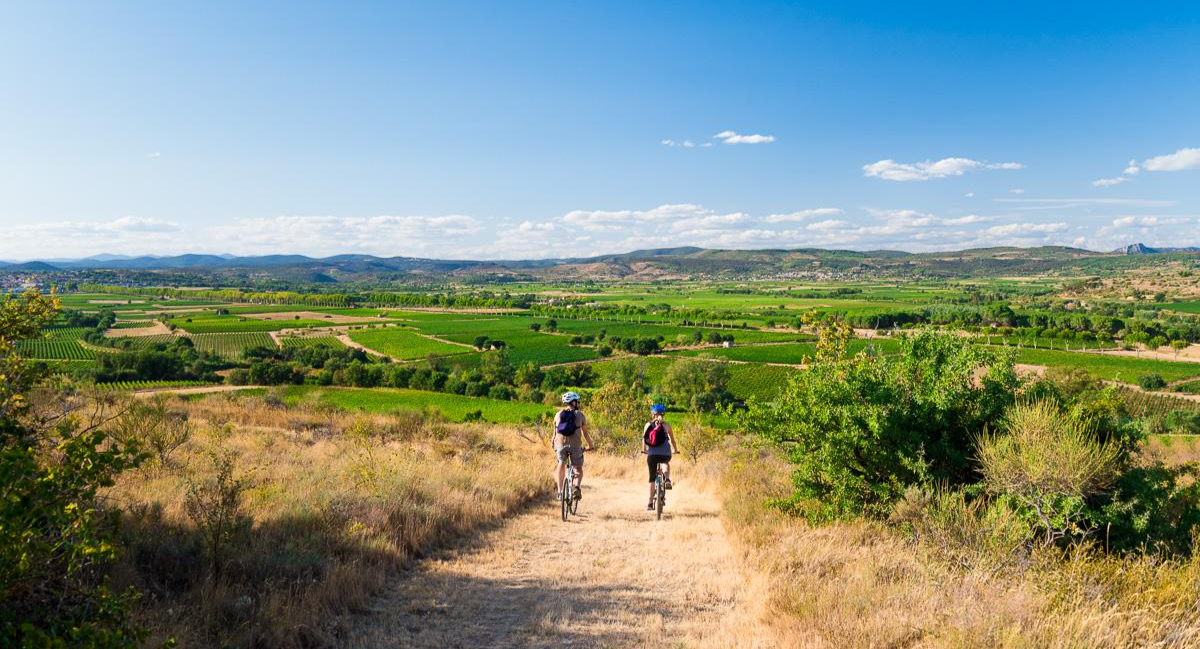
Cap d’Agde by bike – a unique terroir and wines with character
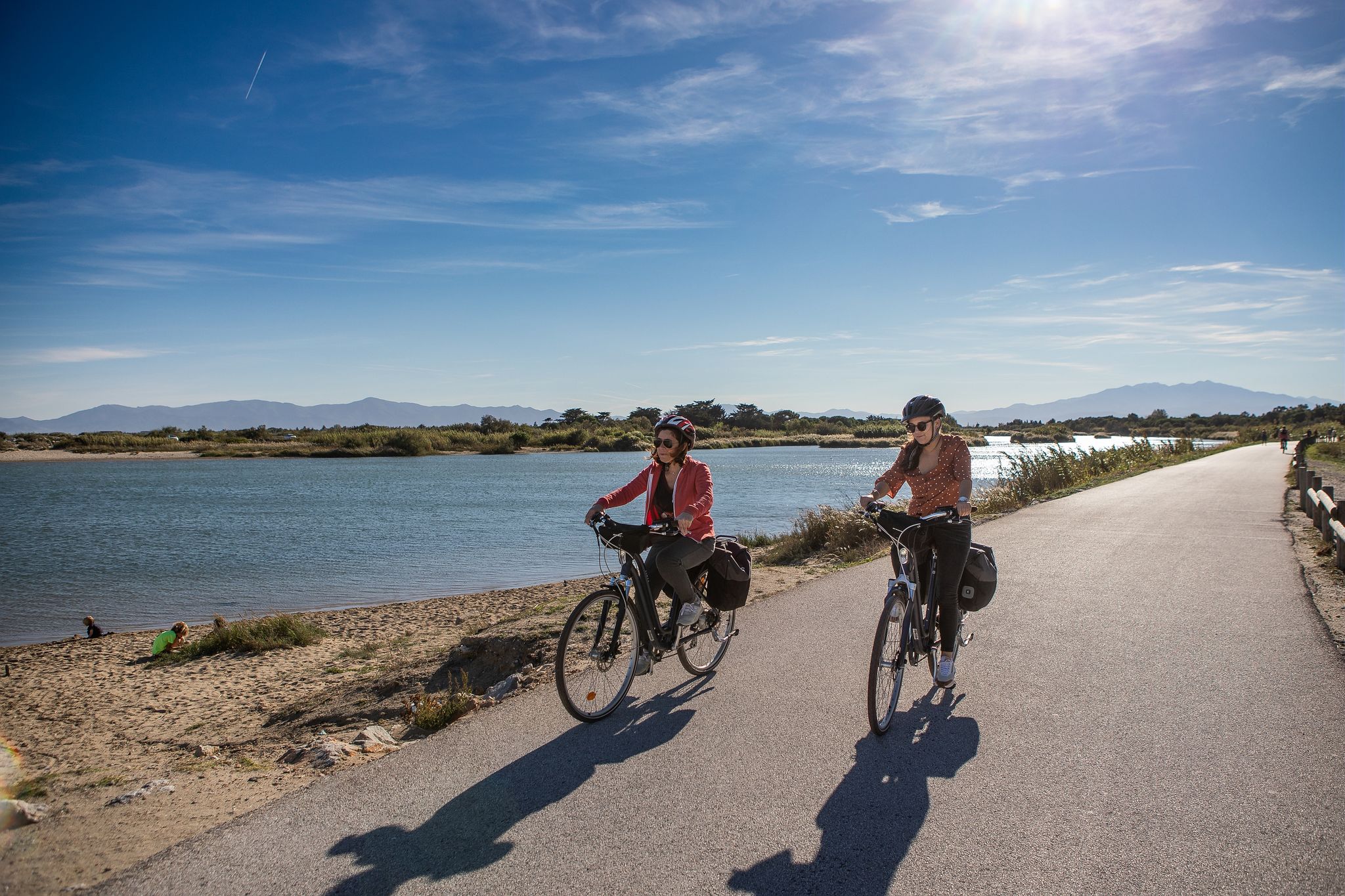
Méditerranée in Occitanie - Ten bike rides in the South of France
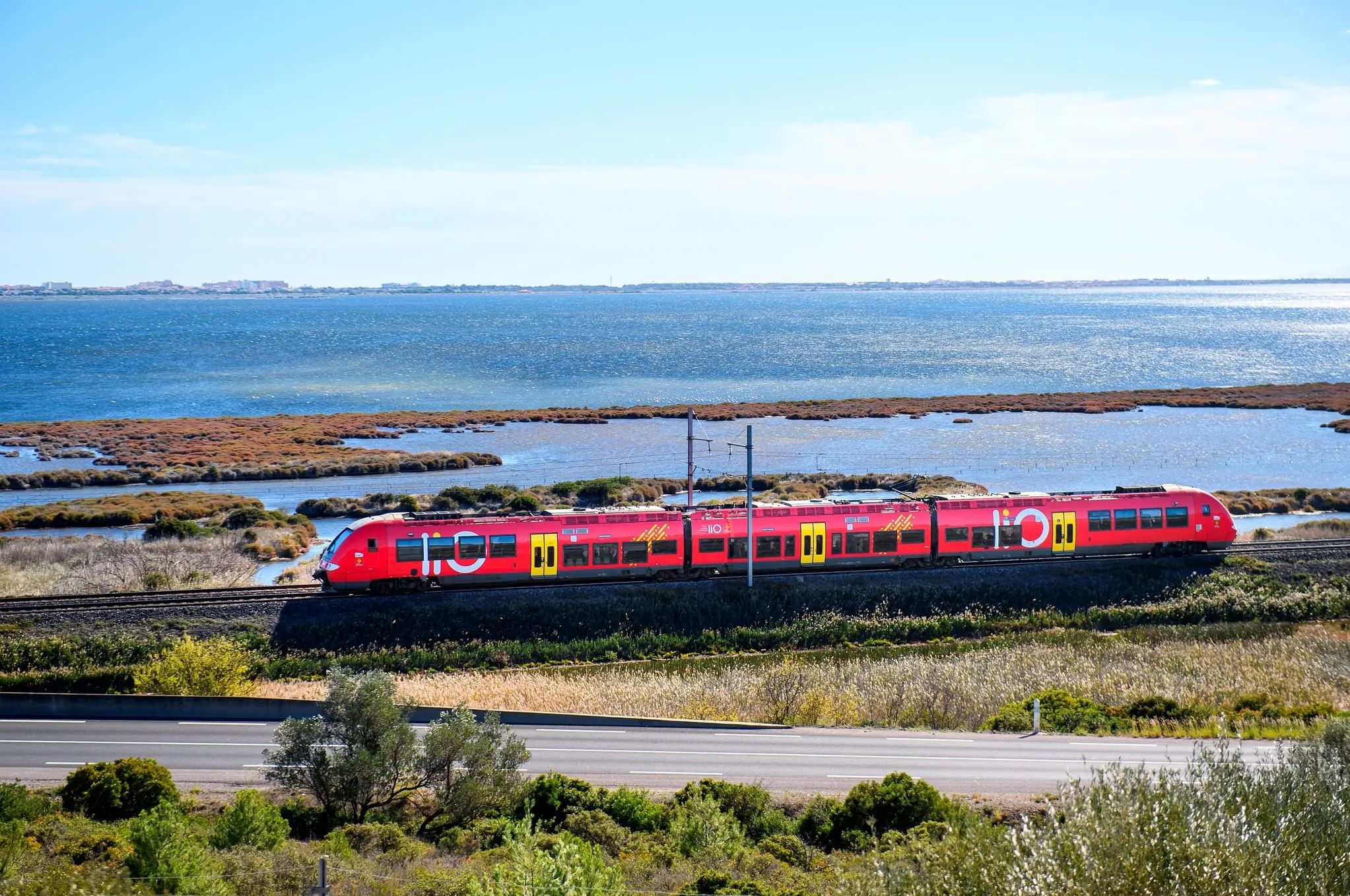
Occitanie Rail Tour – cycle and train along the Occitan Coast
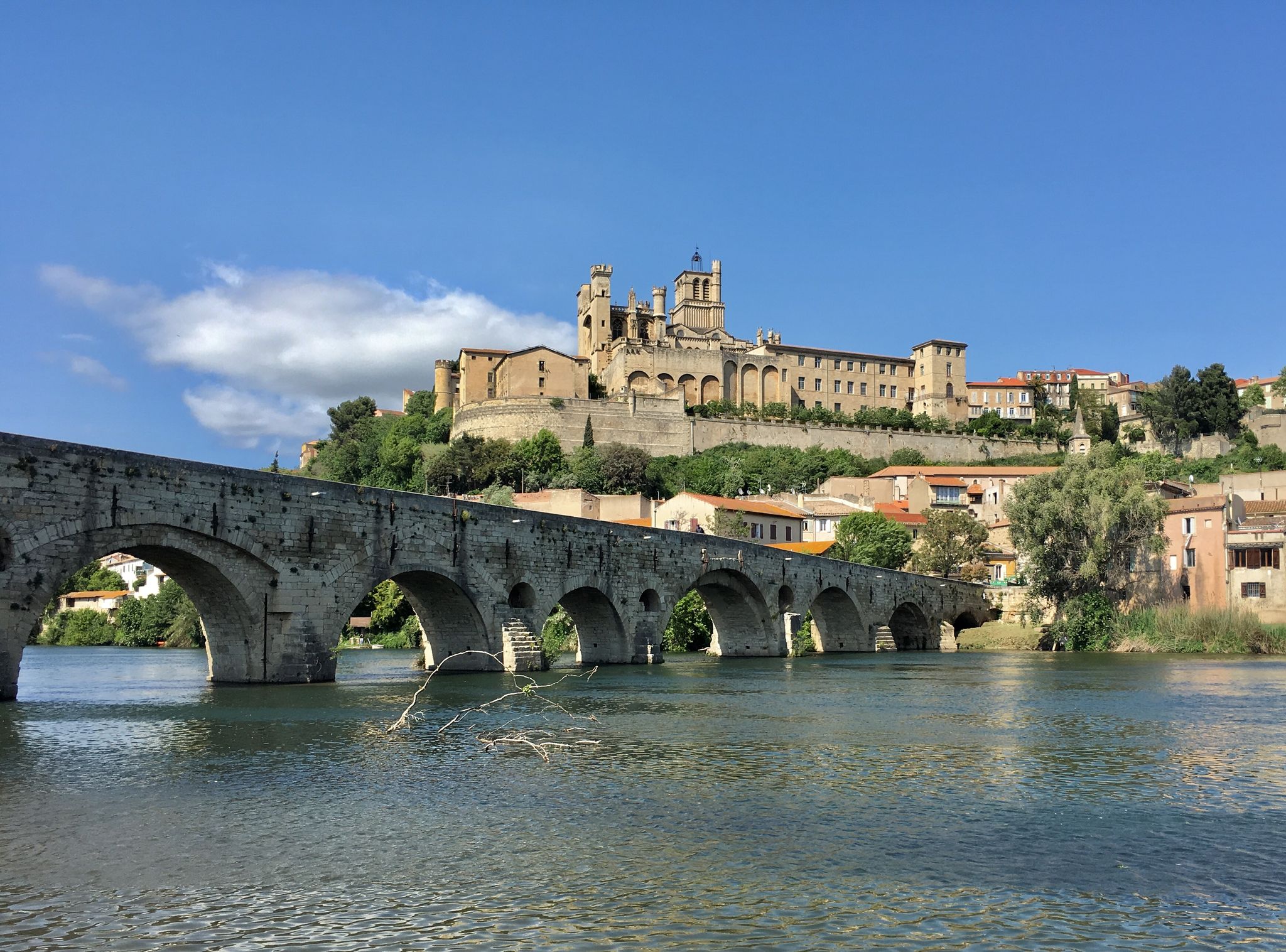
From the Occitan coast to Italy — exploring the Mediterranean by bike
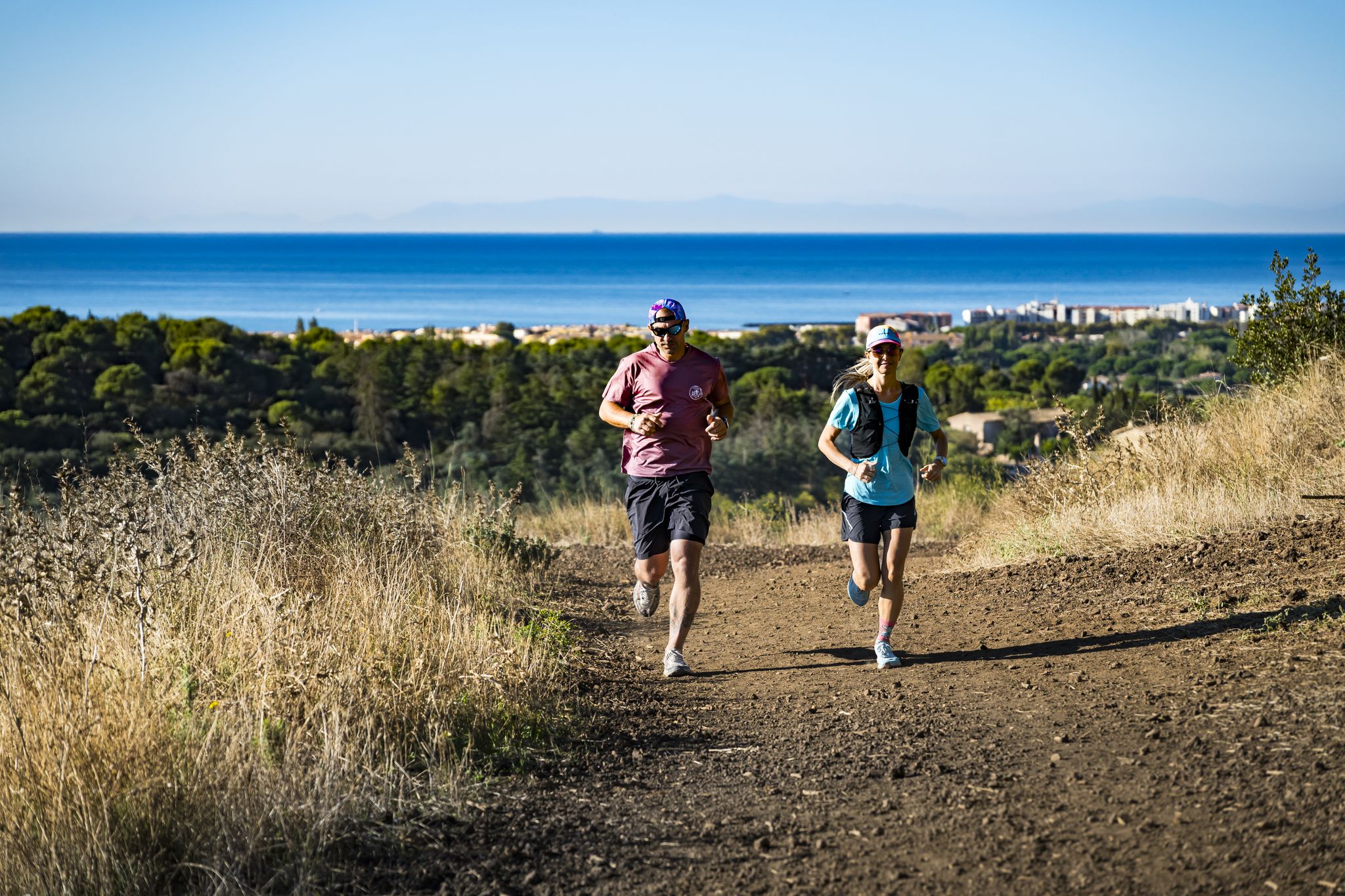
Running the trails and races of the Cap d’Agde
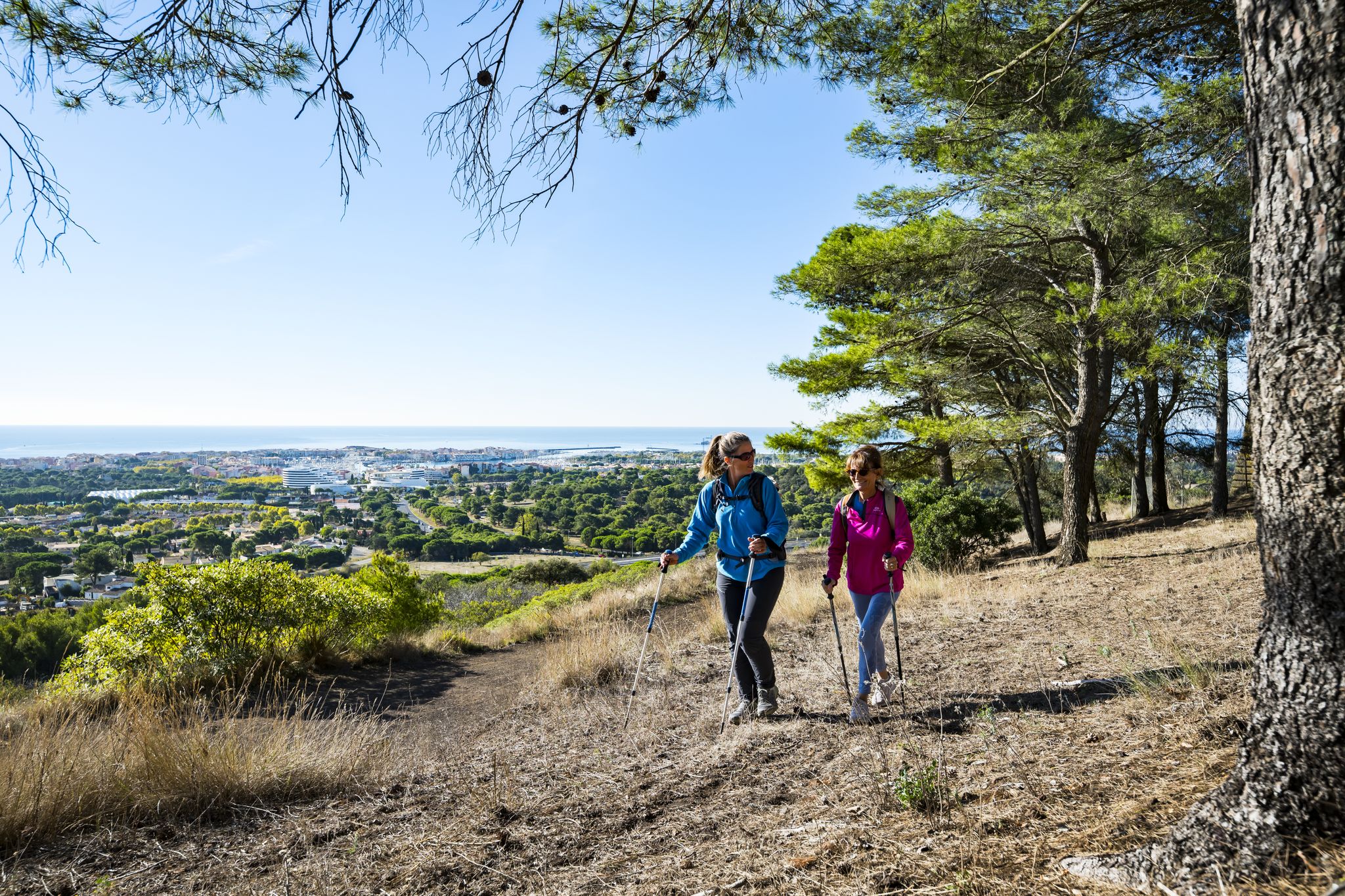
Cap d’Agde – hiking between sea, nature and heritage

Triathlon 360 – my journey around the world
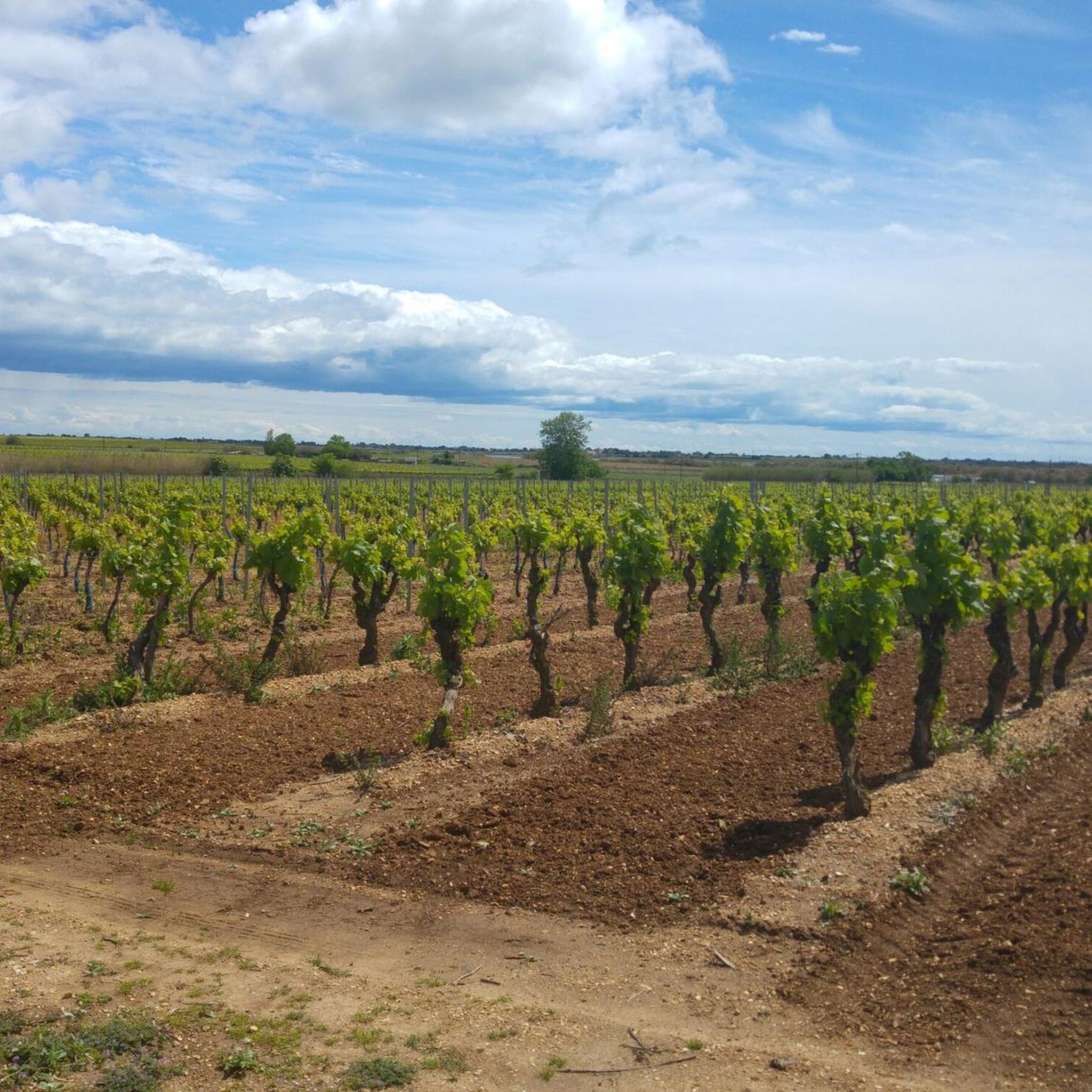
Running Trails around Agde
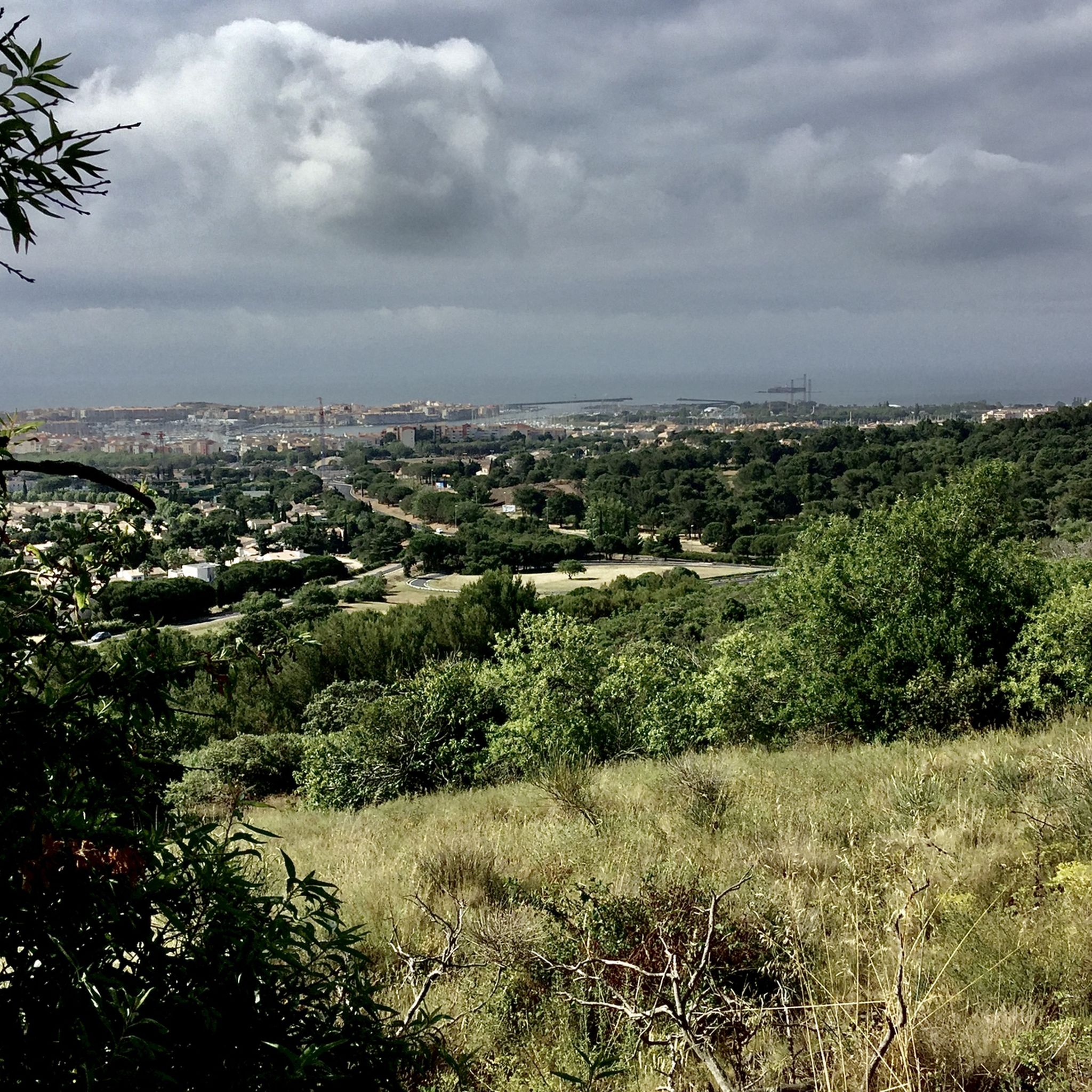
Hiking around Agde
Road Cycling Routes around Agde
Other adventures around Agde


Tips from the Community

Here, the stony path follows the Rhône canal in Sète to Les Aresquiers. This canal directly crosses the Étang d’Ingril and forms a long, straight cut within the lagoon. The pond is thus separated into two parts, while remaining in communication with the canal through several passages. This waterway resulted from the digging of the Canal des Étangs, which began in the early 18th century to connect Sète to the Rhône; the Frontignan section then became a major element of communication and goods transport. The canal has progressively transformed the organisation of this lagoon landscape, which was once much more continuous.
2
0

⚓ Écluse du Bagnas – one of the last locks on the Canal du Midi The Écluse du Bagnas is located near Agde at the eastern end of the Canal du Midi. It was built around 1676 and is therefore one of the historic locks from the canal's early days. 📍 Canal kilometer: approx. 235.3 km from Toulouse ⚙️ Type: single lock with one chamber 🌊 Altitude: only about 2 meters above sea level 🚤 Distance to Les Onglous / Étang de Thau: only just under 5 km Historically, the lock chambers here were about 30 meters long and 6 meters wide at the gates. The eastern section of the Canal du Midi was later modernized for larger ships; today, the usable lock dimensions in this area are around 40.6 × 5.85 meters. Its location is particularly interesting: the Bagnas lock is situated in the middle of a wetland and separates different water areas here. Behind it, you are practically on the final straight of the Canal du Midi – via Les Onglous, the canal flows into the Étang de Thau, and from there, there is the connection towards Sète and the Mediterranean Sea. 🌊🇫🇷 After more than 235 kilometers of canal route, you have almost reached the Mediterranean Sea here – a small but historically interesting structure at the end of the Canal du Midi. 🚲👌🏼 Greetings Marcus ✌🏼
1
0
Built around 1676, the Bagnas lock is a simple lock on the Canal du Midi, located between Agde and the Étang de Thau. It is one of the last structures on the canal before its outlet at Les Onglous, where the canal joins the lagoon. In the immediate vicinity of Bagnas, a vast coastal wetland, the lock is also associated with a spillway intended to drain excess water.
3
0
After the Bagnas lock, this dirt path follows the Canal du Midi through the landscapes of the Bagnas wetland area. Particularly pleasant to cycle on a gravel bike, it offers an immersion in this coastal environment where reed beds, lagoons, and open spaces alternate.
1
0
Erected in 1858 at the foot of the ancient ramparts, this monumental fountain is the work of Montpellier sculptor Auguste Baussan. The statue crowning it represents Agathé, the personification of the Greek city of Agde, accompanied by three lionesses who symbolically watch over the city. The ensemble combines three remarkable materials: the Carrara marble of the statue, the African marble of the lionesses, and the basalt of the fountain. This choice echoes the very identity of Agde: a city founded by the Greeks over 2,500 years ago, but whose heritage is deeply marked by volcanic rocks from Agde's volcanism.
1
0

Le Bagnas is a Mediterranean coastal wetland of approximately 600 ha, a true green lung between the seaside resorts of Cap d’Agde and Marseillan plage.
0
0
A « grau » designates a channel connecting a pond (here the Étang de Thau or the Bagnas reserve) to the Mediterranean Sea.Map data ©2026 GoogleTerms500 m
1
0
The salty lagoon environment of Marseillan is mainly centered around the Étang de Thau and the Bagnas National Nature Reserve, which feature landscapes of old salt pans and remarkable wetlands.
0
0
Frequently Asked Questions
How many touring cycling routes are available around Agde?
Agde offers a wide selection of touring cycling routes, with over 110 options available. These routes cater to various preferences, including easy, moderate, and challenging rides.
What kind of terrain can I expect on touring cycling routes in Agde?
The terrain around Agde is incredibly diverse. You'll find flat, easy cycling along the historic Canal du Midi towpaths and the Hérault River. The region also features a unique volcanic coast with distinctive black-sand beaches, wetlands like the Étang de Thau, and some gentle climbs offering panoramic views, such as those found on the slopes of Mont Saint-Loup.
Are there touring cycling routes suitable for beginners or families in Agde?
Yes, Agde is very welcoming for beginners and families. A significant portion of the routes, over 80, are classified as easy. These often include dedicated cycle paths and greenways, such as those along the coast or the Canal du Midi, providing safe and enjoyable rides. An example is the Grau du Rieu – Bagnas Nature Reserve loop from Île Saint-Martin, which is an easy 9-mile (14.4 km) trail.
What natural features can I explore while cycling around Agde?
You can explore a rich variety of natural features. Cycle along the Hérault River, discover the unique volcanic coast with its black-sand beach at La Grande Conque, or ride around the scenic Étang de Thau, known for its oyster fields. The Bagnas National Nature Reserve, a protected wetland, offers opportunities to observe diverse wildlife and bird species.
Are there any historical or cultural landmarks to see along the touring cycling routes?
Absolutely. The UNESCO World Heritage site of the Canal du Midi is a major highlight, featuring unique structures like the round lock at Agde. You can also visit the ancient town of Agde with its black basalt architecture, the bustling port of Cap d'Agde with views of Brescou Fort, or experience the fish auction at Le Grau d'Agde.
Are there circular touring cycling routes available in Agde?
Yes, there are several excellent circular routes. For instance, the Port of Cap d'Agde – View of the Étang de Thau loop from Grau d'Agde offers scenic coastal views and passes by the Étang de Thau. Another option is the Grau du Rieu – Historic Center of Agde loop from Agde, which takes you through the town's historic areas.
What is the best time of year for touring cycling in Agde?
Agde, with its Mediterranean climate, is generally pleasant for cycling for much of the year. Spring and autumn offer ideal conditions with milder temperatures and less crowded paths. Summer can be warm, but coastal breezes and early morning rides can still be very enjoyable. Winters are typically mild, allowing for cycling on many days.
How accessible are the touring cycling routes by public transport in Agde?
Agde is well-connected by public transport, making it easy for cyclists. The Agde train station provides convenient access to major towns along the Canal du Midi, and TER regional trains often allow free bicycle carriage, facilitating longer touring adventures.
Where can I park my car when starting a touring cycling route in Agde?
Parking is generally available in and around Agde, Cap d'Agde, and Le Grau d'Agde. Many routes start near urban centers or popular attractions where public parking facilities are provided. It's advisable to check specific starting points for detailed parking information.
What do other touring cyclists enjoy the most about touring cycling in Agde?
The area is highly rated by the komoot community, with an average score of 4.2 stars from over 500 reviews. Reviewers often praise the diverse landscapes, from the tranquil Canal du Midi to the vibrant coastal paths and the unique volcanic scenery. The well-developed network of cycle paths and the variety of routes for all skill levels are also frequently highlighted.
Are there long-distance touring cycling options from Agde?
Yes, Agde serves as an excellent starting point for longer touring adventures. The Agde to Montpellier route is a 47.6-mile (76.6 km) journey connecting to the city of Montpellier. Additionally, the Canal du Midi towpaths extend westward towards Béziers and eastward towards Marseillan and Sète, forming part of the broader French Mediterranean bike route, offering extensive long-distance possibilities. You can find more information on the broader route at francevelotourisme.com.
Can I find routes that offer scenic views of the coast or water?
Definitely. Many routes in Agde are designed to showcase its beautiful coastal and aquatic environments. The Port of Cap d'Agde – View of the Étang de Thau loop from Grau d'Agde offers stunning views of the Étang de Thau. You can also cycle along dedicated lanes right next to the Mediterranean Sea, particularly between Marseillan-Plage and Sète, providing continuous scenic vistas.
Are there touring cycling routes along the Hérault River?
Yes, the Hérault River is a prominent natural feature with accessible paths for cycling. The Hérault Riverside Path – Hérault Riverside Path loop from La Tamarissière is an easy 10.8-mile (17.3 km) route that allows you to enjoy the tranquil riverside scenery.
Most popular attractions around Agde

Get inspired with the komoot mobile app


Explore more
Browse the best Cycling routes in other regions.
