Top 10 Natural Monuments around Miers
Best natural monuments around Miers are primarily found within the Causses du Quercy Regional Natural Park, a UNESCO Global Geopark in the Lot department of the Occitanie region. This area is characterized by its limestone plateaus, deep gorges, and valleys, offering a diverse range of geological wonders. The region provides opportunities for exploring subterranean marvels and experiencing pristine natural landscapes. Miers serves as a base for discovering these significant natural attractions.
Best natural monuments around Miers
- The most popular natural…
Last updated: July 29, 2026
Autoire Waterfall
Highlight • Waterfall
Translated by Google •
Tip by

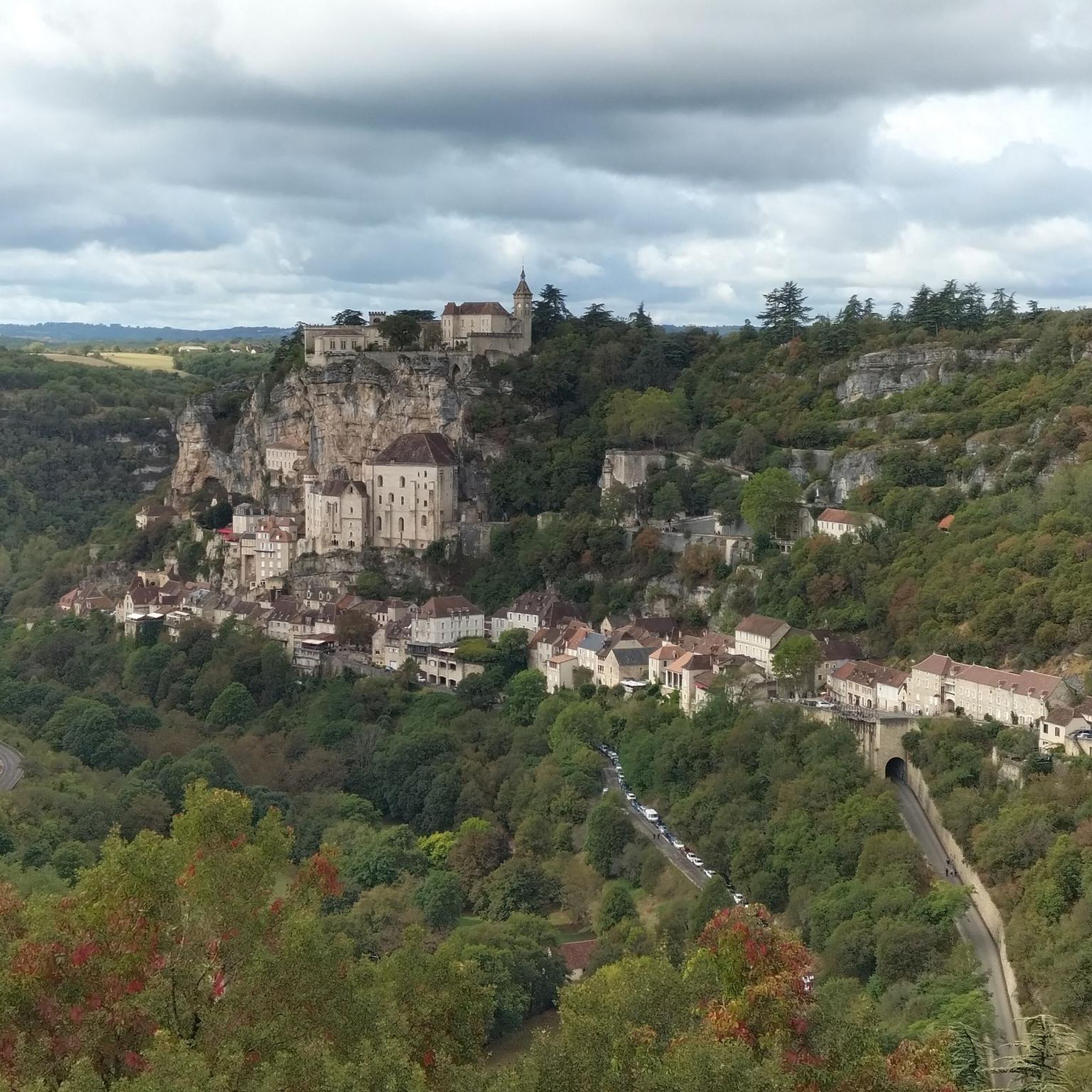
Viewpoint over Rocamadour
Highlight • Viewpoint
Translated by Google •
Tip by

Sign up now to discover places like this
Get recommendations on the best single tracks, peaks, & plenty of other exciting outdoor places.
Sign up for free
Roc des Monges
Highlight • Viewpoint
Translated by Google •
Tip by

Gouffre de Padirac
Highlight • Cave
Translated by Google •
Tip by

Sanctuary of Rocamadour
Highlight • Religious Site
Translated by Google •
Tip by

Sign up for free to discover even more natural monuments around Miers.
Sign up for free
Already have an account?
Start today with a free account
Your next adventure awaits.
Login or Signup

Tips from the Community

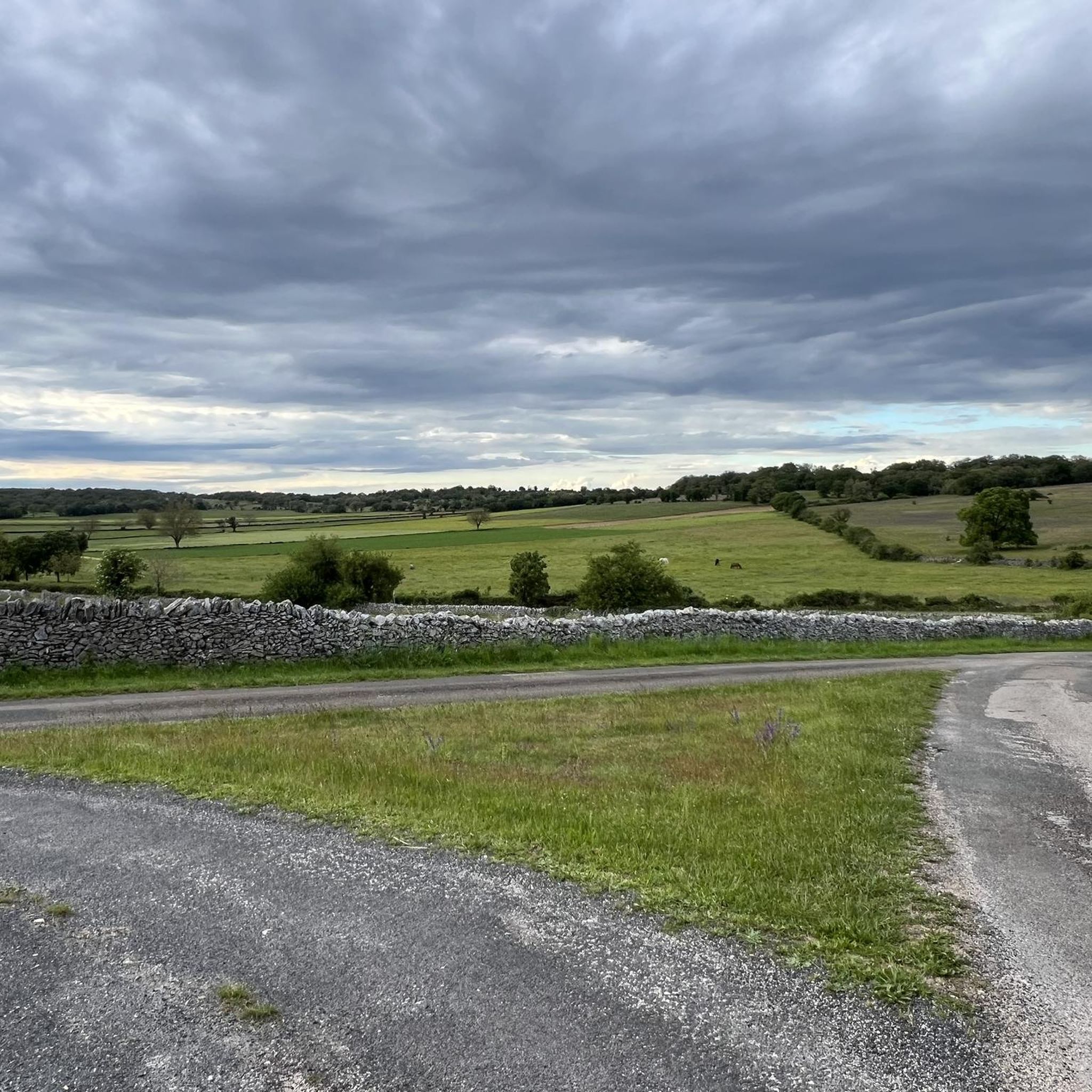
Unfortunately, not much water always runs down when it is drier.
1
0
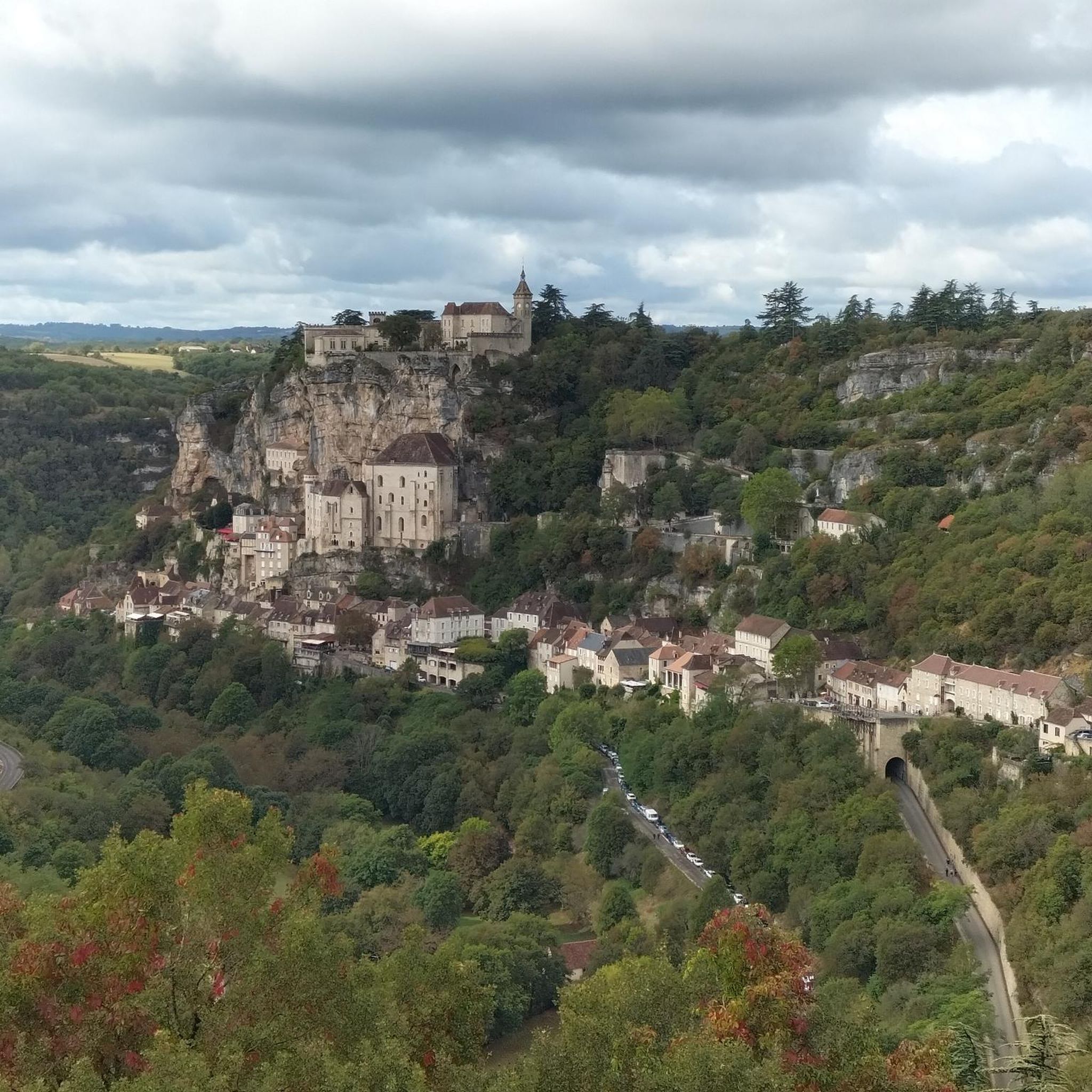
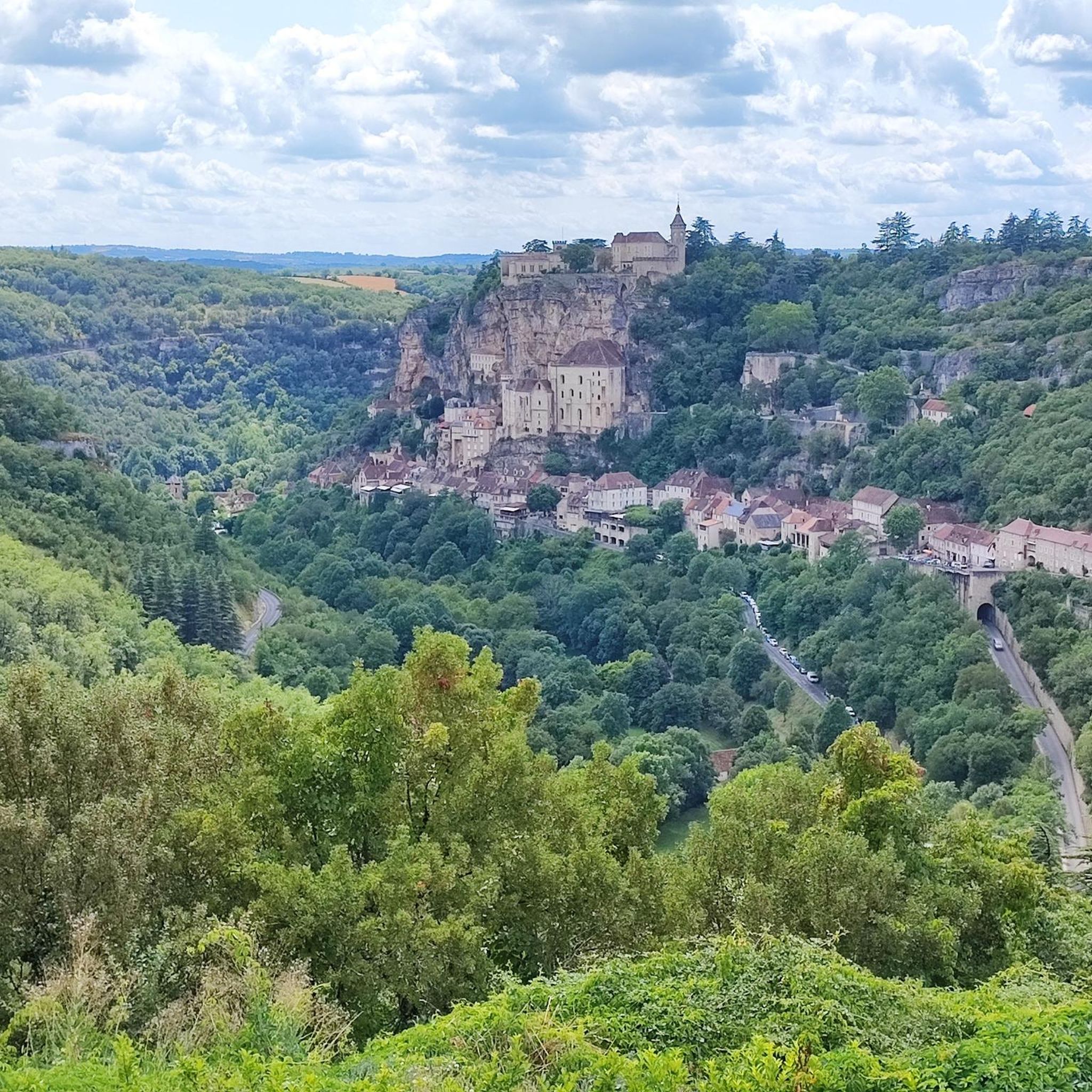
From here, you have the best view of the gorge and, above all, of the medieval village, built steeply on the rocks (150 m high) with its churches and chapels. Rocamadour is a much-visited place of pilgrimage and houses the relics of Saint Amadour and the Black Wooden Madonna (12th century). Many shops and restaurants are located along the Rue de la Couronnerie, the only and lively street. There are plenty of parking spaces in the surrounding area, so it will be very busy in the summer months.
1
0

In a word: breathtaking. We thoroughly enjoyed our visit to these caves. The Padirac Gorge is without a doubt the most beautiful in France, and its dimensions are extraordinary. Another great feature is that the cave tour is narrated with an audio guide (in your own language). During the tour, a boatman will be waiting for you for a small boat trip through the caves. Plenty to admire: Giant limestone concretions, underground lakes, incredible serpentine sculptures, impressive stalactites and stalagmites. The only downside (as far as I'm concerned): it's very touristy. Tip: combine a visit to the caves with a visit to Racomadour (the city in the rocks).
2
0

Unfortunately there is no view directly from the road, only from the hiking trail.
0
0


Two aspects are significant for this very important pilgrimage site in France. The story of its foundation with the discovery of the non-decayed body of the hermit Armadour / Amoureux / Lovers and La Vierge Noir / the Black Madonna, a simple wooden statue from the 12th century. —— RELIQUARY OF SAINT AMADOUR On August 25, 2016, on the eve of the Solemnity of Saint Amadour, founder of the sanctuary, the relics of the saint were unveiled in this new reliquary by Bishop Laurent Camiade (Bishop of Cahors-Rocamadour). In 1166, the life of the sanctuary was shaken by a major event, a perfectly preserved body was found in the hollow of the rock. Tradition would give it a name: Amadour (The Lover). He is described as the founder of the sanctuary, the hermit who is said to have carved the first statue of N-D de Rambadour, who created Rocamadour. Tradition also links him to the biblical figure of Zacchaeus the tax collector. The body of the saint was venerated in the crypt of St. Amadour until 1562, when it was dismembered by the Huguenots. His remains are housed in this reliquary, consecrated in 2016 on the occasion of the 8th anniversary of the discovery of the body.
0
0

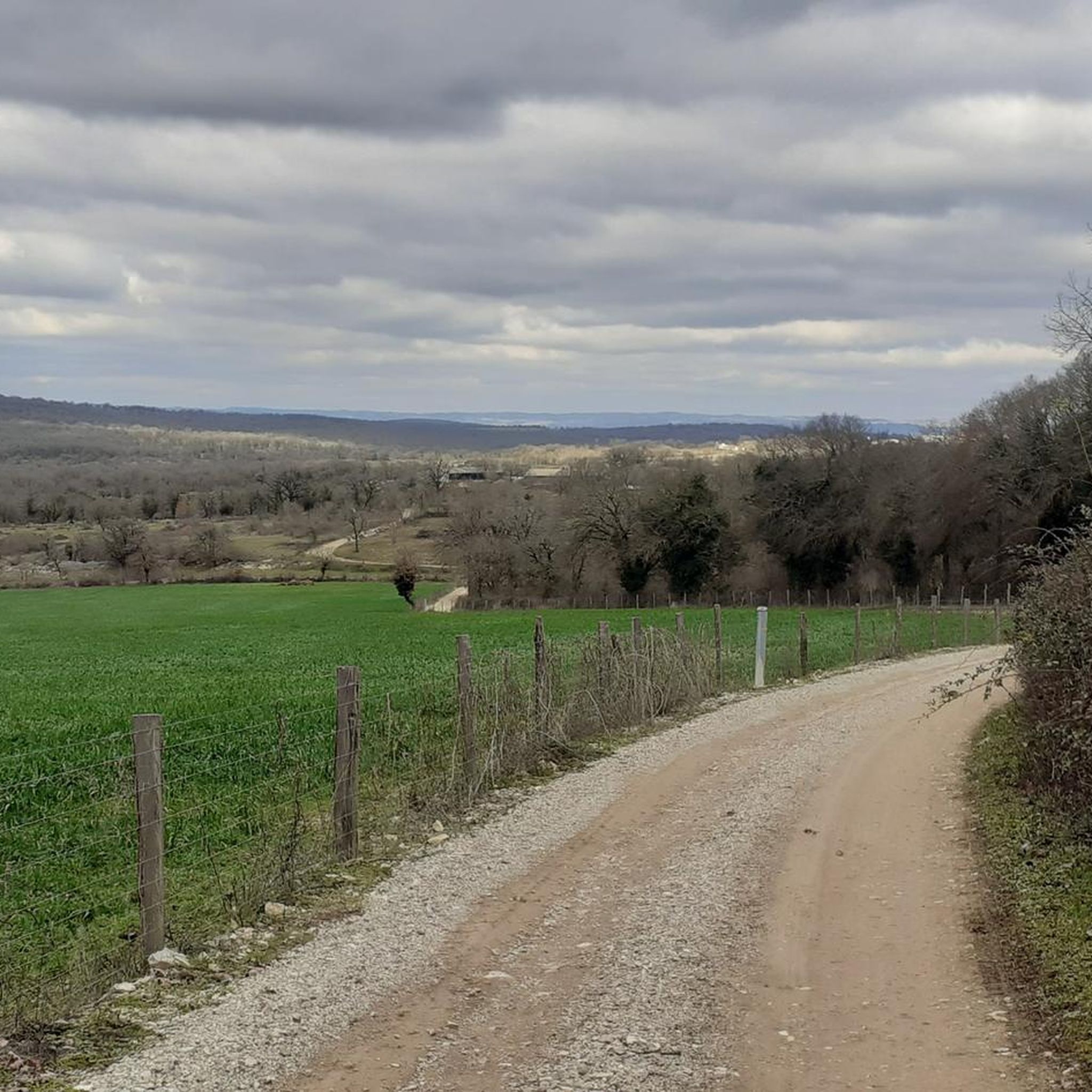
Why Visit Roc des Monges? For the natural beauty: Enjoy an exceptional landscape, with breathtaking views of the Vézère Valley and the surrounding countryside. For the outdoor activities: Hiking, climbing, or simply walking, Roc des Monges is a perfect place for nature and outdoor sports lovers. For the proximity of historical sites: By combining a visit to Roc des Monges with the prehistoric sites of Les Eyzies-de-Tayac, visitors can explore one of the cradles of humanity. Roc des Monges is a natural jewel of the Dordogne, offering both an enriching hiking experience and a unique panorama of a region that has been part of human history for thousands of years.
1
0
Hiking and Outdoor Activities: Hiking Trails: Several trails provide access to the Roc des Monges, offering a pleasant walk in the heart of the Périgord nature. The hike to the summit is a great adventure, with paths that cross forests and meadows. Climbing: The Roc des Monges is also a climbing site appreciated by experienced climbers, thanks to its vertical walls that offer interesting challenges in an exceptional natural setting. Proximity to Prehistoric Sites: Les Eyzies-de-Tayac: A few kilometers from the Roc des Monges are the famous caves of Eyzies-de-Tayac, a high place of prehistory, with sites such as the Font-de-Gaume cave and the National Museum of Prehistory. Historical Heritage: The Roc des Monges is located in a region rich in prehistoric and human history. The surrounding cliffs were inhabited by prehistoric men, and remains still bear witness to their passage.
1
0
Frequently Asked Questions
What are some of the most unique natural monuments to visit around Miers?
The region around Miers offers a variety of unique natural monuments. One of the most spectacular is the Gouffre de Padirac, an immense natural chasm leading to a spectacular underground river system that visitors can explore by boat. Another distinctive experience is following Along the banks of the Ouysse, a river that flows through deep canyons, revealing old fortified mills clinging to the cliffs.
Are there family-friendly natural monuments around Miers?
Yes, several natural monuments are suitable for families. The Gouffre de Padirac offers an exciting underground adventure with boat tours, which is often a hit with children. Additionally, the Viewpoint over Rocamadour provides stunning panoramic views of the medieval village and gorge, accessible for all ages.
What kind of natural landscapes can I expect to see in the Miers region?
The Miers region is primarily located within the Causses du Quercy Regional Natural Park, a UNESCO Global Geopark. This area is characterized by its distinctive limestone plateaus (causses), deep gorges, and river valleys. You'll encounter diverse landscapes ranging from dry grasslands and oak forests to impressive underground cave systems and dramatic cliffs, such as those found along the Ouysse river.
What outdoor activities can I do near these natural monuments?
The natural monuments around Miers are excellent starting points for various outdoor activities. You can find numerous hiking trails, including routes like the 'Loubressac Village – The English Castle of Autoire loop' or the 'Lac des Gours – Gouffre de Padirac loop'. Cycling is also popular, with routes such as 'Between Autoire and Carennac' or 'Rocamadour – Water point in Alvignac loop'. For more detailed routes, explore the hiking, cycling, and running guides for Miers.
Are there any historical or cultural sites near the natural monuments?
Yes, the region beautifully blends natural wonders with rich history. The Viewpoint over Rocamadour offers a spectacular perspective of the medieval village built into the cliffs, which is also home to the Sanctuary of Rocamadour, a significant pilgrimage site. Along the banks of the Ouysse, you can also spot old fortified mills that are sometimes integrated into the rock of the cliffs.
What do visitors enjoy most about the natural monuments around Miers?
Visitors frequently praise the stunning views, especially from spots like the Viewpoint over Rocamadour, which offers an unparalleled perspective of the medieval village. The Autoire Waterfall is also highly recommended for its magnificent beauty and the rewarding views from the path leading up the rocks. The unique experience of exploring underground rivers and vast chambers, such as at the Gouffre de Padirac, is also a major highlight.
Can I go stargazing near Miers?
Absolutely. The Causses du Quercy Regional Natural Park, where Miers is located, is renowned for its exceptionally dark night skies. It's designated as a 'Black Triangle' area, known for having some of the lowest light pollution in France. This makes it an outstanding location for stargazing and astronomical observation, offering a unique natural spectacle.
Are there any waterfalls to visit in the Miers area?
Yes, the Autoire Waterfall is a magnificent natural monument near Miers. It's easily accessible from the village of Autoire, and the path leading up the rocks provides rewarding views of the falls and surrounding landscape.
What is the best time of year to visit the natural monuments around Miers?
The natural monuments around Miers are generally enjoyable from late spring to early autumn (May to October). During these months, the weather is typically pleasant for outdoor activities like hiking and exploring. The Gouffre de Padirac, for instance, is open from late March to early November. Visiting outside of peak summer can offer a more tranquil experience.
What kind of wildlife and plant life can be found in the Causses du Quercy Natural Park?
The Causses du Quercy Natural Park boasts rich biodiversity. You can observe various bird species, including griffon vultures, peregrine falcons, and owls. The flora is adapted to the dry conditions of the limestone plateaus, featuring unique species such as orchids and truffle oaks. The diverse landscapes, from dry grasslands to oak forests, support a wide array of natural habitats.
Is there a local natural highlight directly in Miers?
Yes, the Source Salmière is a local natural highlight located directly in Miers. While specific details about its features are not extensively documented, it is recognized as a point of natural interest, likely a significant spring or water feature worth a local visit.
Are there opportunities for exploring underground caves beyond Gouffre de Padirac?
Yes, the Causses du Quercy Regional Natural Park is dotted with numerous caves and underground networks beyond the Gouffre de Padirac. These include the Lacave Caves, located about 15 km from Miers. These subterranean worlds often feature impressive geological formations and, in some cases, prehistoric art, offering a glimpse into millions of years of geological processes.
Most popular attractions around Miers

Get inspired with the komoot mobile app


Explore more
Extend your search for the best caves by checking out these guides of the top ones around Miers:
