Top 20 Natural Monuments around Castell-Platja D'Aro
Best natural monuments around Castell-Platja D'Aro showcase a diverse coastal landscape on the Costa Brava. The region features rugged coastlines, secluded coves, and extensive beaches. It is characterized by Mediterranean flora and significant geological formations. This area provides opportunities to explore both natural beauty and historical sites.
Best natural monuments around Castell-Platja D'Aro
- The most popular natural monuments is Cap Roig Cove, a beach that takes its name from a reddish rock formation. This natural area divides the beach…
Last updated: July 29, 2026
Castell Beach
Highlight • Beach
Translated by Google •
Tip by

The Dark Rock of La Fosca Beach
Highlight • Natural Monument
Translated by Google •
Tip by
Sign up now to discover places like this
Get recommendations on the best single tracks, peaks, & plenty of other exciting outdoor places.
Sign up for free
Puig de Cadiretes summit
Highlight • Summit
Translated by Google •
Tip by

Dolmen of the Cova d'en Daina
Highlight • Historical Site
Translated by Google •
Tip by

El Morro del Vedell
Highlight • Natural Monument
A narrow passage between the rock and the cliff allows you to pass …
Translated by Google •
Tip by
Sign up for free to discover even more natural monuments around Castell-Platja D'Aro.
Sign up for free
Already have an account?
Start today with a free account
Your next adventure awaits.
Login or Signup
Popular around Castell-Platja D'Aro
Other adventures around Castell-Platja D'Aro

Tips from the Community

Great not technical hike from Tossa de Mar, largely on a GR92 route. Peak offers great views.
0
0

The dolmen has the shape of a rectangular burial chamber, composed of large vertical stone slabs (orthostats) that support a horizontal upper slab (cover). It is surrounded by a tumulus, an accumulation of earth and stones that originally covered the entire structure, giving it the appearance of a small hill. It is approximately 7.5 metres long, with an inner chamber of 2 metres. Its entrance faces southeast, probably for astronomical or ritual reasons. It was used as a collective tomb, where the ancient inhabitants deposited the remains of the deceased along with offerings, tools, pottery and other funerary objects.
3
0
It was first documented in the 19th century, when the first archaeological investigations in the area began. The objects found in the dolmen, such as pottery and flint tools, have helped to understand the funerary and social customs of its builders. Legends related to witches and magic rituals circulate around the dolmen, common in the popular stories of the area. Like many dolmens, its orientation could be related to the position of the sun during the solstices, which reinforces its symbolic and spiritual importance.
3
0
It is one of the best preserved megalithic monuments in the region. This dolmen, built during the late Neolithic or Chalcolithic period (around 2,700-2,200 BC), is an impressive testimony to the funerary and spiritual practices of the prehistoric communities that inhabited this area.
4
0

There are also dolmens in Spain!
0
0

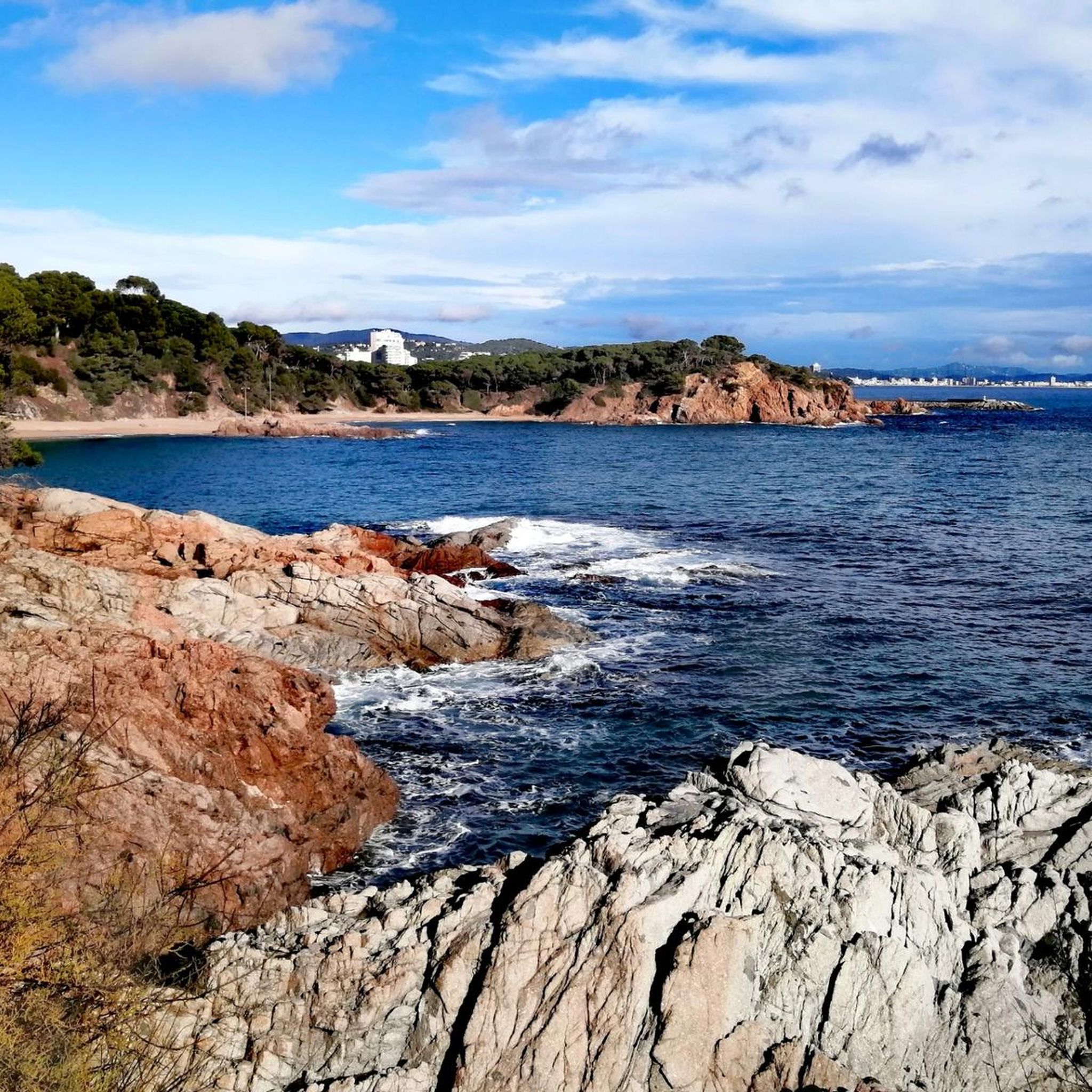
This branch takes you to Castell beach, one of the few virgin beaches on the Costa Brava, surrounded by pine trees and dunes. A spectacular place, worth visiting.
0
0

Impressive dolmen that is located a few meters from the center of Romanyà de la Selva and that makes us imagine the first hominids living in this maritime area of the Gavarres.
1
0
Dated between 2700 – 2200 BC, in the middle of the Neolithic period, it is made up of a covered gallery 7 meters long in the shape of a U raised with granite slabs. Originally, it incorporated a circular tomb and a cromlech (structure formed by stones or menhirs stuck in the ground in a circular or elliptical shape). This type of “Catalan gallery” tombs are typical of the late Neolithic and respond to an evolution of the “corridor tombs”. They are made up of a geometric chamber where human remains and grave goods were deposited, and a corridor that is almost as wide as the chamber. https://patrimoni.gencat.cat/en/collection/cova-den-daina
0
0
Frequently Asked Questions
What are some of the most popular natural monuments around Castell-Platja D'Aro?
Visitors frequently enjoy the Puig de Cadiretes summit, which offers expansive views of the coast from its 518-meter height. Another favorite is Castell Beach, known for its fine sand and integration within the Cap Roig natural interest area. The ancient Dolmen of the Cova d'en Daina is also a significant and well-preserved megalithic monument.
What unique natural features can I discover in Castell-Platja d'Aro?
The region is rich in diverse natural features. You can explore picturesque coves like Cala del Pi, known for its clear waters and shell shape, or the dramatic Cala Sa Cova with its deep waters and rugged rock formations. The Dark Rock of La Fosca Beach is a distinctive geological formation that divides the beach and has a local legend associated with it. Additionally, the El Morro del Vedell is a prominent rock formation separating two coves.
Are there family-friendly natural monuments around Castell-Platja D'Aro?
Yes, several natural monuments are suitable for families. Castell Beach is an excellent option with fine sand and services, while The Dark Rock of La Fosca Beach offers a beautiful promenade and a unique rock formation. El Morro del Vedell is also considered family-friendly, offering a chance to explore coves.
Are there any historical or cultural sites among the natural monuments?
Yes, the region blends natural beauty with historical significance. The Dolmen of the Cova d'en Daina is a well-preserved megalithic monument from the late Neolithic period, serving as a collective tomb. Near Platja del Castell, you can also find the remains of an ancient Iberian settlement, adding a historical dimension to its natural appeal.
What outdoor activities can I do near these natural monuments?
The area offers a variety of outdoor activities. You can explore the historic Camí de Ronda coastal path, which connects picturesque coves and beaches, ideal for walking. For cycling enthusiasts, there are numerous routes, including road cycling, gravel biking, and touring bicycle options. You can find more details on specific routes in the Road Cycling Routes around Castell-Platja D'Aro, Gravel biking around Castell-Platja D'Aro, and Cycling around Castell-Platja D'Aro guides.
Are there hiking trails near the natural monuments in Castell-Platja d'Aro?
Absolutely. The Camí de Ronda is a prominent coastal path offering panoramic views and connecting various coves and beaches, including Cala Rovira and Cala Sa Cova. Sections of this path, approximately 5 kilometers long in the Platja d'Aro stretch, are suitable for walkers of moderate ability. For more specific hiking and walking routes, you can explore the various cycling guides which often include sections suitable for walking or provide access to trailheads.
Are any natural monuments in Castell-Platja D'Aro accessible for visitors with reduced mobility?
Yes, Castell Beach is noted for offering walkways for people with reduced mobility, among other services, making it a more accessible option for visitors.
What is the best time of year to visit the natural monuments in Castell-Platja D'Aro?
The Costa Brava region, including Castell-Platja d'Aro, is beautiful year-round. For hiking and exploring the coastal paths and protected areas, spring (April-May) and autumn (September-October) offer pleasant temperatures and fewer crowds. Summer is ideal for swimming and enjoying the beaches and coves, though it can be busier. Winter provides a quieter experience for those seeking solitude.
What should I wear when visiting the natural monuments?
For exploring coastal paths like the Camí de Ronda or hiking to summits like Puig de Cadiretes, comfortable walking shoes or hiking boots are recommended. If you plan to visit the coves and beaches, swimwear and sandals are essential. Layered clothing is often a good idea, especially during spring and autumn, as coastal weather can change.
Where can I find information about parking for natural monuments like the Camí de Ronda or Castell Beach?
For Castell Beach, there is a large car park a short distance away, which is typically paid during the summer season. For the Camí de Ronda, parking availability can vary depending on the specific trailhead you choose. It's advisable to check local signage or resources from the local tourism office for the most current parking information.
Are there any protected natural areas in Castell-Platja d'Aro?
Yes, the Castell-Cap Roig Protected Natural Area is a significant protected environment on the Costa Brava. It encompasses both marine and terrestrial landscapes, featuring a rugged, wooded coastline with small coves and the unspoilt Platja del Castell. This area is rich in Mediterranean wildlife and offers breathtaking coastal vistas, preserving the Costa Brava's natural appearance.
Can I go snorkeling or swimming in the coves and beaches?
Many coves and beaches in Castell-Platja d'Aro are excellent for swimming and snorkeling. Cala del Pi, for instance, is known for its strikingly clear waters and beautiful seabed teeming with colorful fish, making it an ideal spot for snorkeling. Castell Beach is also a great place for a refreshing swim after exploring the trails.
Most popular routes around Castell-Platja D'Aro
Most popular attractions around Castell-Platja D'Aro

Get inspired with the komoot mobile app


Explore more
Extend your search for the best caves by checking out these guides of the top ones around Castell-Platja D'Aro:
