Top 20 Natural Monuments around Santa Cristina D'Aro
Natural monuments around Santa Cristina D'Aro are found in Catalonia, Spain, situated at the intersection of the Les Gavarres and Massís de Cadiretes massifs. This region features diverse landscapes, including extensive Mediterranean forests, rugged coastal sections, and mountainous terrain. The area is recognized for its ecological and historical value, offering a variety of natural features and historical sites. These locations provide opportunities to explore significant geological formations and protected natural areas.
Best natural monuments around Santa Cristina D'Aro
- The most…
Last updated: October 5, 2026
Es Codolar Cove
Highlight • Beach
Translated by Google •
Tip by

Puig de Cadiretes summit
Highlight • Summit
Translated by Google •
Tip by

Sign up now to discover places like this
Get recommendations on the best single tracks, peaks, & plenty of other exciting outdoor places.
Dolmen of the Cova d'en Daina
Highlight • Historical Site
Translated by Google •
Tip by

El Morro del Vedell
Highlight • Natural Monument
A narrow passage between the rock and the cliff allows you to pass …
Translated by Google •
Tip by

Cap Roig Cove
Highlight • Beach
Translated by Google •
Tip by

Sign up for free to discover even more natural monuments around Santa Cristina D'Aro.
Already have an account?
Start today with a free account
Your next adventure awaits.
Tips from the Community

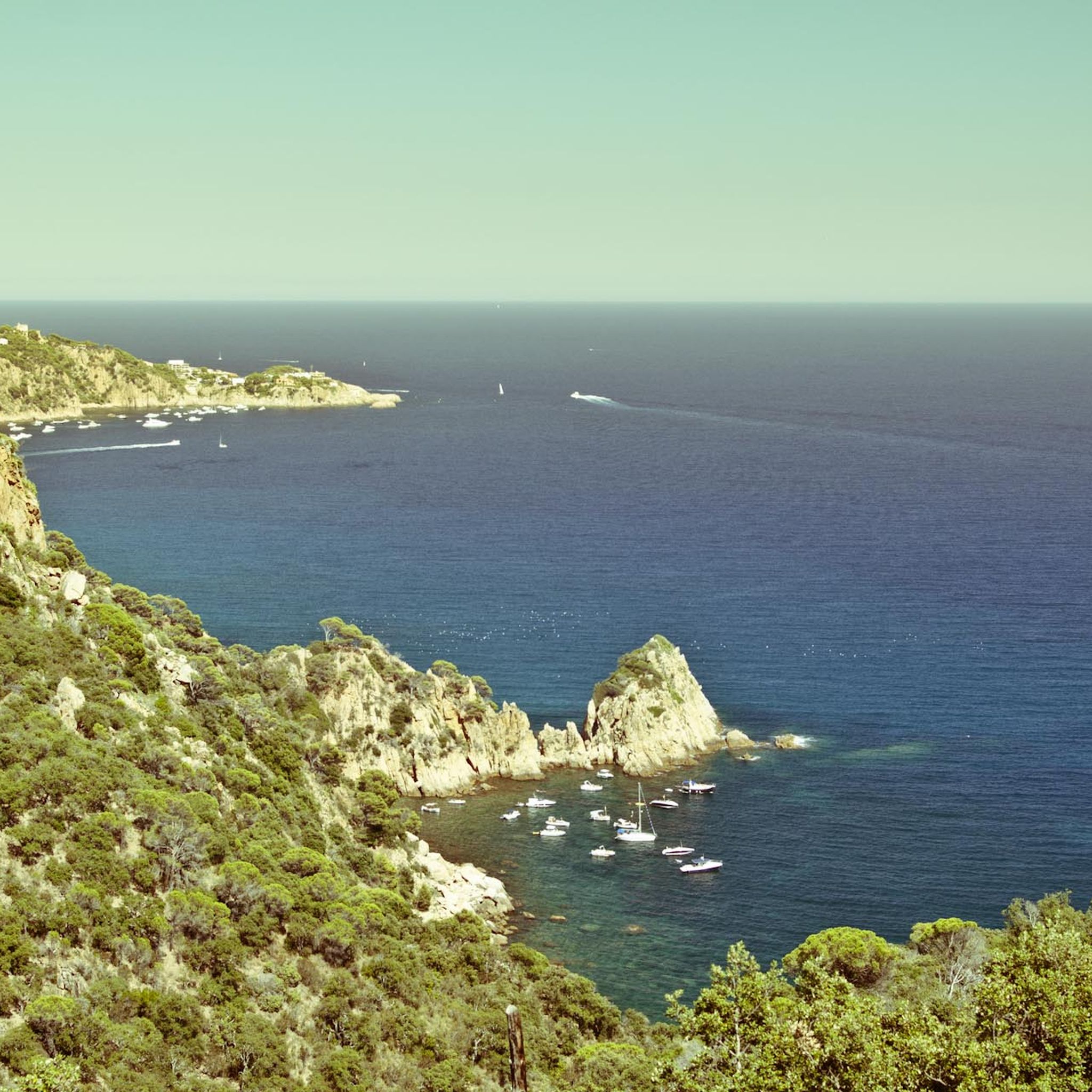
Cala Cap Roig is a beautiful natural area that takes its name from the reddish rock formation that divides the beach in two.
7
0

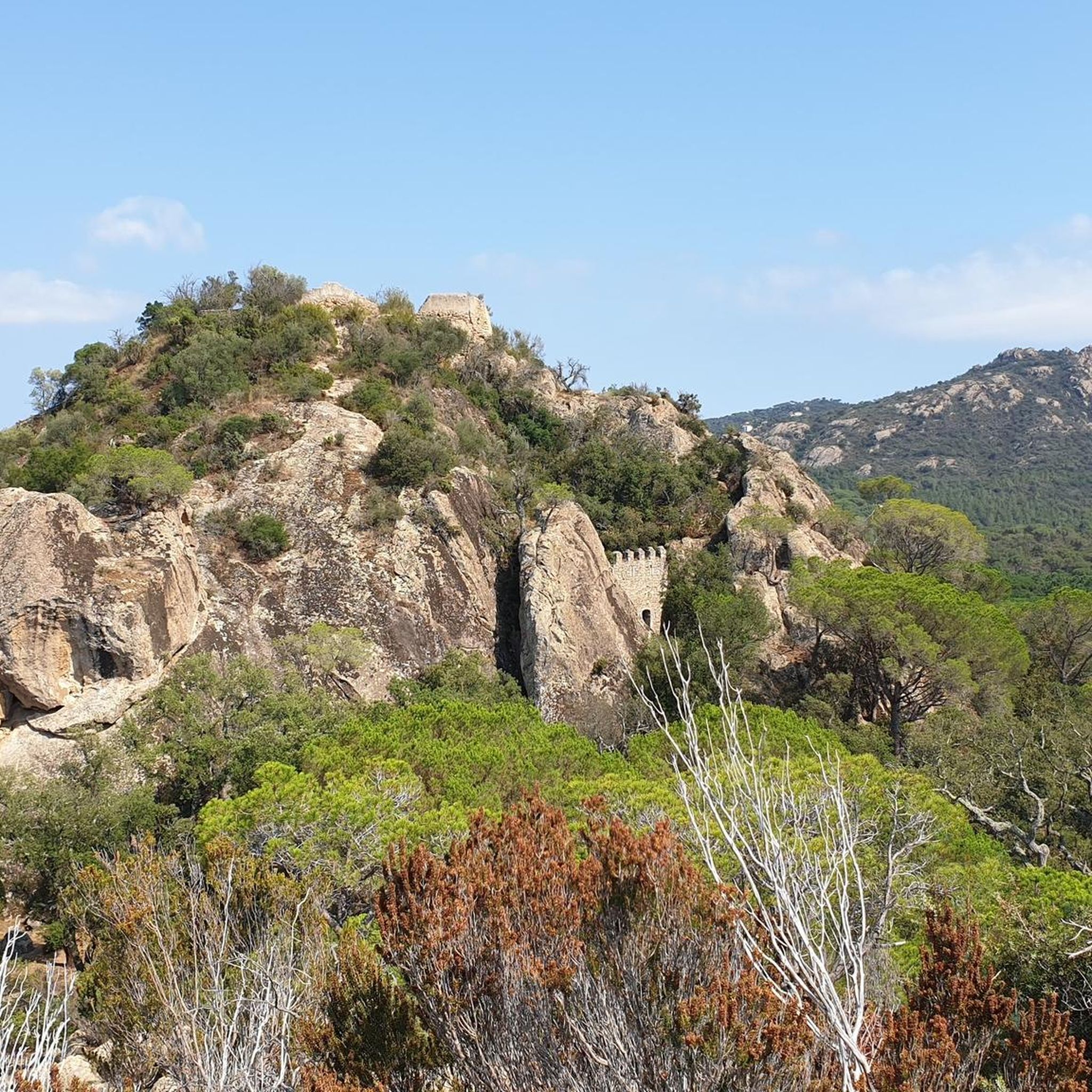
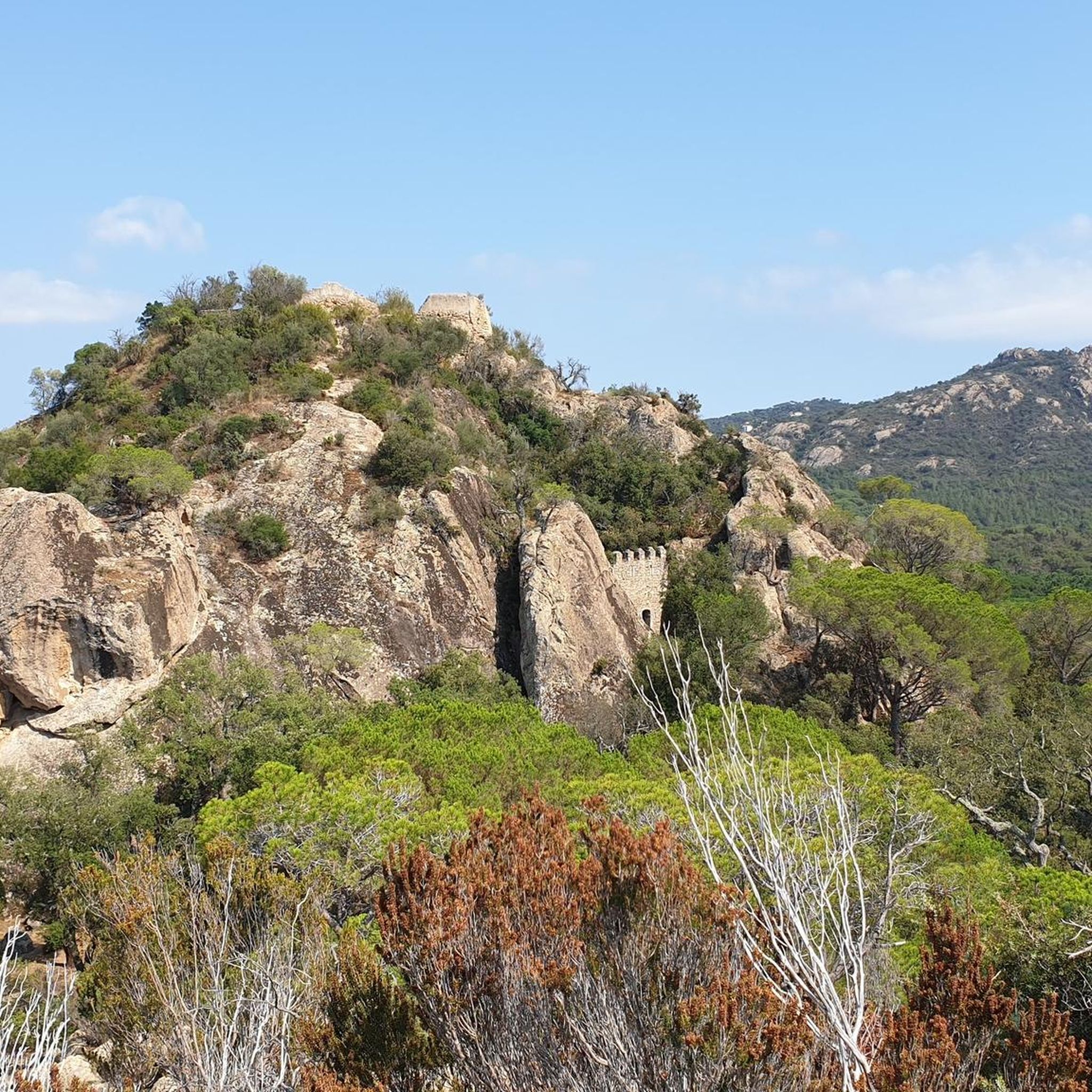
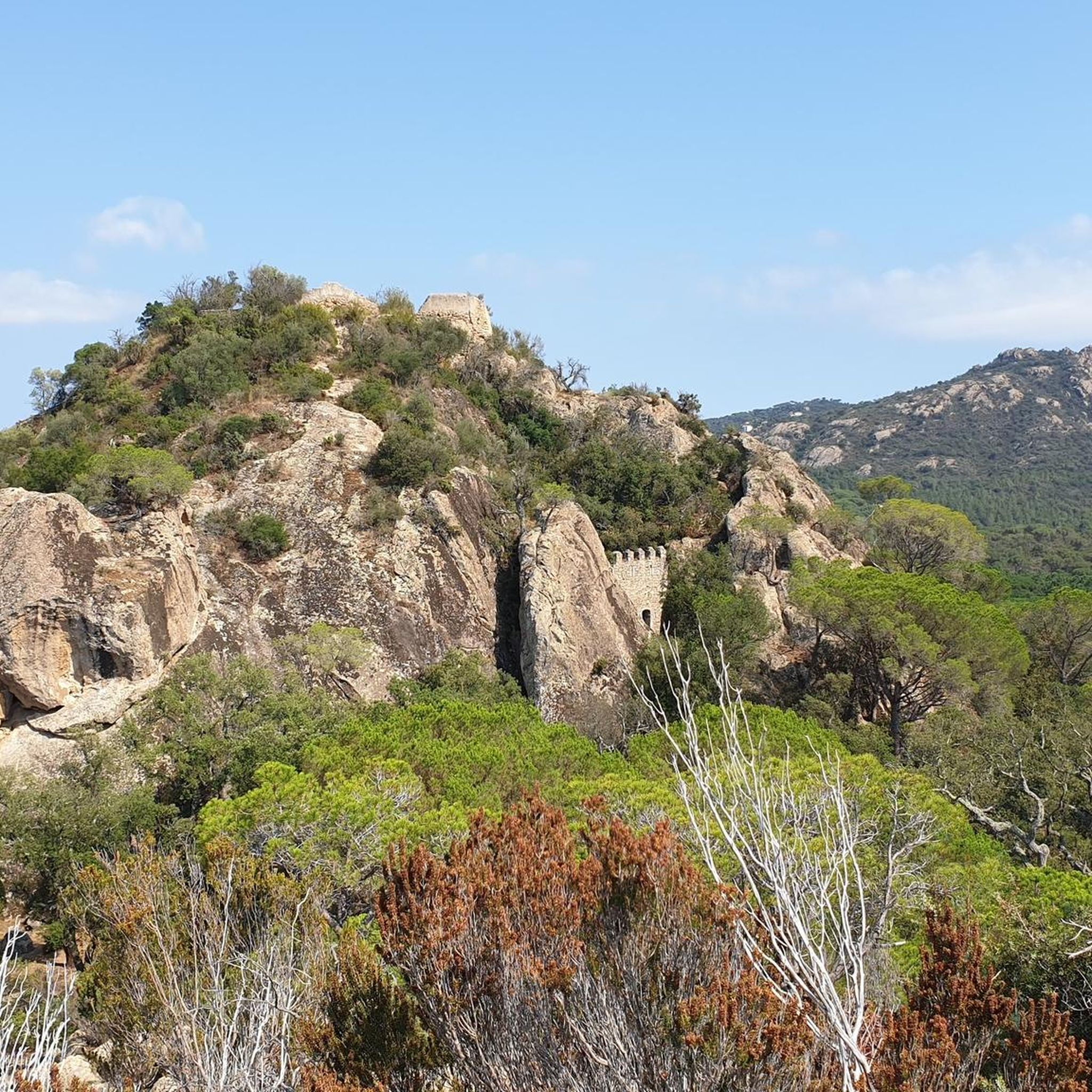
Great not technical hike from Tossa de Mar, largely on a GR92 route. Peak offers great views.
0
0

The dolmen has the shape of a rectangular burial chamber, composed of large vertical stone slabs (orthostats) that support a horizontal upper slab (cover). It is surrounded by a tumulus, an accumulation of earth and stones that originally covered the entire structure, giving it the appearance of a small hill. It is approximately 7.5 metres long, with an inner chamber of 2 metres. Its entrance faces southeast, probably for astronomical or ritual reasons. It was used as a collective tomb, where the ancient inhabitants deposited the remains of the deceased along with offerings, tools, pottery and other funerary objects.
3
0
It was first documented in the 19th century, when the first archaeological investigations in the area began. The objects found in the dolmen, such as pottery and flint tools, have helped to understand the funerary and social customs of its builders. Legends related to witches and magic rituals circulate around the dolmen, common in the popular stories of the area. Like many dolmens, its orientation could be related to the position of the sun during the solstices, which reinforces its symbolic and spiritual importance.
3
0
It is one of the best preserved megalithic monuments in the region. This dolmen, built during the late Neolithic or Chalcolithic period (around 2,700-2,200 BC), is an impressive testimony to the funerary and spiritual practices of the prehistoric communities that inhabited this area.
4
0

There are also dolmens in Spain!
0
0

Impressive dolmen that is located a few meters from the center of Romanyà de la Selva and that makes us imagine the first hominids living in this maritime area of the Gavarres.
1
0

Located in a privileged enclave, at the foot of the Vila Vella wall, in the historic center of Tossa de Mar, this small beach continues to be a starting point for fishermen and a place of passage for walkers on the coastal path. The name of Es Codolar comes from the term còdol, and means pebble or boulder. Indeed, Cala d'es Codolar is a mixture of sand with some pebbles in a splendid natural setting, hidden under the tower of the same name of Villa Vella, one of the three that crown this medieval fortification of great historical value. Since the cove is so close to the center of Tossa de Mar (the other two urban beaches are Playa Gran and Playa de la Mar Menuda) it is usually quite busy during the summer months. It must be remembered that Codolar is a small cove, about 80 meters long by only approximately 60 meters.
31
1
Frequently Asked Questions
What types of natural monuments can I explore around Santa Cristina D'Aro?
The region offers a diverse range of natural monuments, from extensive Mediterranean forests in Les Gavarres Nature Reserve to rugged coastal sections and mountainous terrain in the Massís de Cadiretes. You'll find ancient megalithic sites, panoramic viewpoints, and secluded coves.
Where can I find the best panoramic views of the coast?
For breathtaking panoramic views of the coastline, head to the Puig de Cadiretes summit. Located 518 meters high in the Massís de Cadiretes, it offers a significant vantage point over the surrounding area.
Are there any historical natural monuments in the area?
Yes, the Dolmen of the Cova d'en Daina is a well-preserved megalithic monument dating back to the late Neolithic or Chalcolithic period (around 2,700-2,200 BC). It provides fascinating insight into the funerary and spiritual practices of prehistoric communities.
What natural coves or beaches can I visit?
You can explore Es Codolar Cove, a small beach with a mix of sand and pebbles located at the foot of the historic Vila Vella wall. Another option is Mar Menuda Beach, which offers views of Tossa de Mar's old town and has a protected, shallow area ideal for children.
What kind of nature and wildlife can I expect to see in the natural monuments?
In areas like Les Gavarres Nature Reserve, you'll find rich Mediterranean forests of cork oak and holm oak. The diverse flora and fauna include various bird species, amphibians, and mammals like wild boars and badgers, making it a significant biodiversity hotspot.
Are there any unique geological features to explore?
The Massís de Cadiretes is known for its granitic rock formations. A distinctive feature is El Morro del Vedell, a rock formation 18.24 meters above sea level that separates two coves, with a narrow passage allowing movement between them.
What outdoor activities can I do near these natural monuments?
The region is excellent for outdoor enthusiasts. You can find numerous trails for hiking and cycling, especially within Les Gavarres and the Massís de Cadiretes. For specific routes, explore the MTB Trails around Santa Cristina D'Aro, Gravel biking around Santa Cristina D'Aro, or Road Cycling Routes around Santa Cristina D'Aro guides.
Are there family-friendly natural monuments to visit?
Many natural monuments are suitable for families. Coastal coves like Es Codolar Cove and Mar Menuda Beach offer safe environments for children. Additionally, the general trails in Les Gavarres provide easy walks amidst nature.
When is the best time to visit the natural monuments around Santa Cristina D'Aro?
The region is enjoyable year-round, but spring and autumn offer pleasant temperatures for hiking and exploring without the intense summer heat. These seasons also showcase the vibrant flora or beautiful autumn colors.
Are there any lesser-known natural spots worth exploring?
Beyond the main attractions, consider visiting Font Picant, located a short distance from the town center. It offers a relaxing atmosphere amidst lush greenery, perfect for unwinding and enjoying fresh air.
What are the difficulty levels of trails near these natural monuments?
The trails vary in difficulty. You'll find easy walks suitable for beginners and families, particularly in areas of Les Gavarres. More challenging routes with significant elevation gain can be found in the mountainous terrain of the Massís de Cadiretes, such as the ascent to Puig de Cadiretes summit.
Can I find ancient trees or significant natural landmarks?
Yes, within Les Gavarres, the Balcar Route features several monumental trees, including an impressive pine tree estimated to have been alive during the Napoleonic era. This ancient pine, about 20 meters tall with a trunk circumference of 3.70 meters, is a significant natural landmark.
Most popular routes around Santa Cristina D'Aro
Most popular attractions around Santa Cristina D'Aro

Get inspired with the komoot mobile app


Explore more
Extend your search for the best caves by checking out these guides of the top ones around Santa Cristina D'Aro:
