Top 20 Natural Monuments around Premià De Mar
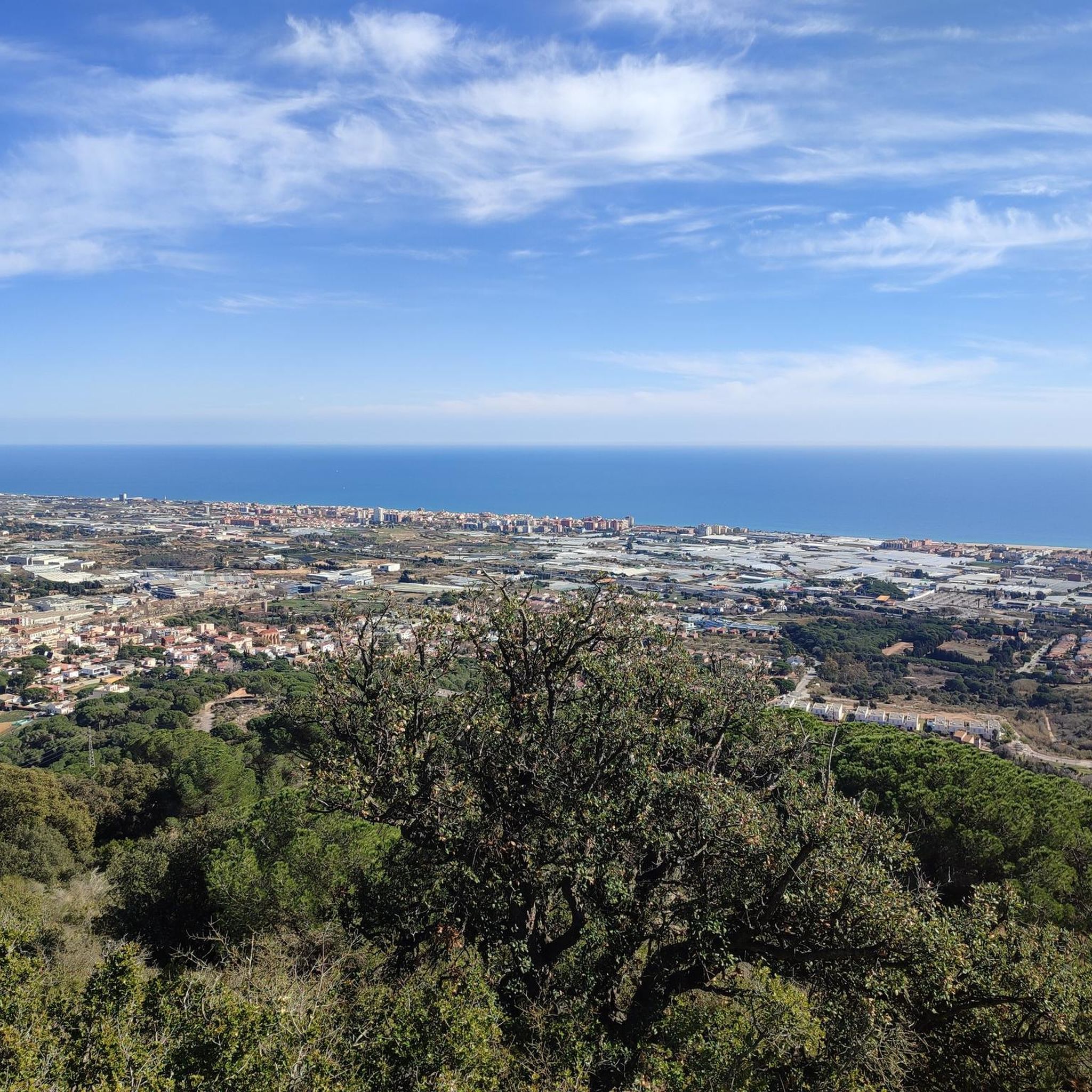
Best natural monuments around Premià De Mar are found along its 2.5 kilometers of coastline and within the accessible natural parks of the wider Maresme region. The town, situated on the Costa del Maresme, offers beaches with clear waters and opportunities for coastal walks. Inland, the area provides access to protected natural parks featuring Mediterranean forests and diverse landscapes. These natural areas offer significant ecological and recreational value for outdoor enthusiasts.
Best natural monuments around Premià De Mar
- The most…
Last updated: October 5, 2026
Parpers Pass
Highlight • Mountain Pass
Translated by Google •
Tip by

Dolmen of the Roca d'en Toni
Highlight • Historical Site
Translated by Google •
Tip by

Sign up now to discover places like this
Get recommendations on the best single tracks, peaks, & plenty of other exciting outdoor places.
Can Gurguí Spring
Highlight • Natural Monument
Translated by Google •
Tip by
Dolmen de Céllecs
Highlight • Historical Site
Translated by Google •
Tip by
Esquirol Spring
Highlight • Natural Monument
Translated by Google •
Tip by

Sign up for free to discover even more natural monuments around Premià De Mar.
Already have an account?
Start today with a free account
Your next adventure awaits.

Tips from the Community

If you feel like getting to know the sources in this area, I recommend doing the route from Argentona and not going down from Castell de Burriac. There are paths that connect with them from above, but some are quite tough and, for what the route offers, I don't think it's worth it. You can start calmly at Font del Mig, at the exit of Argentona, and link up with Font de les Sureres, Font de l'Esquirol and Font del Ferro. They are relatively close to each other and the route is easy, pleasant and very frequented by people walking, often with dogs, so on a bike you have to go easy. Currently, of the three, at Font de l'Esquirol is where I have found running water. And to finish, Font del Ferro is a good place to stop: tables, picnic area and its curious large stones around. If you bring a sandwich, even better. It won't be the most exciting MTB outing in Maresme, but these sources are part of Argentona and it's worth doing the route, even if only once.
0
0
One of the most beautiful and hidden springs in this area of Argentona. **It was built in 1998 by the Grup de Fonts d'Argentona** and its name has a curious story: while they were working on it, a squirrel began to watch them jumping between the branches. The spring didn't have a name yet... and they had just found it. It is located in a small hollow, surrounded by forest and very close to the Font de l'Esquirolet. Of all the springs I have visited on this route, **it is the one I have currently found with running water**. A small, cool, and quiet corner that is worth visiting. And since you are here, continue: **the Font del Ferro is further up and the springs are very close to each other.**
0
0

Un monument megalític datat entre el final del neolític i l'edat del bronze, considerat un dels jaciments prehistòrics més importants del Maresme.
0
0

A fountain that invites you to linger.
3
0
A very interesting megalithic area, both for its history and for the countless tracks, trails, and trials, each more fun than the last.
2
0
The Dolmen of Can Boquet, also known as Roca d'en Toni, is a megalithic structure in Catalonia. The name Roca d'en Toni probably comes from the fact that, according to 19th century records, the landowner was called Toni Puig.
6
0

It is a megalithic monument that has been classified as a cist and, at other times, as a corridor dolmen. It is at an elevation of 370 meters and the construction measures about 2.25 meters in length and 1.55 meters in width, and occupies an area of 3 square meters. The chamber is polygonal and the entrance faces southwest. The dolmen was discovered in 1929 and excavated for the first time by Josep Colominas the following year. Later, in the 1950s, Josep Estrada carried out new archaeological excavations there, in which he found some ceramic fragments. This same researcher chiseled and straightened some of the slabs of the monument, and moved them from their original place.
1
0

Cool water and then continue.
4
0
Frequently Asked Questions
What natural features can I explore around Premià De Mar?
Premià De Mar offers a diverse range of natural features. Along its 2.5 kilometers of coastline, you'll find several beaches like Ponent Beach and Llevant Beach, known for their calm waters and golden sands, ideal for swimming and coastal walks. Inland, the region provides access to protected natural parks such as Parc de la Serralada Litoral, Parc del Montnegre i el Corredor, and Parc de la Serralada de Marina, featuring Mediterranean forests, diverse flora, and panoramic viewpoints.
Are there any historical natural monuments in the area?
Yes, the region around Premià De Mar is rich in historical natural monuments. You can visit the Dolmen of the Roca d'en Toni, a well-preserved megalithic monument dating from between the third and second millennium BC, considered one of the most important in the Maresme region. Another significant archaeological site is the Dolmen de Céllecs, located in the forest of La Roca del Vallés, which belongs to the Popular Neolithic period.
What are some unique natural monuments to visit near Premià De Mar?
For a unique experience, consider visiting the Can Gurguí Spring in the Parc de la Serralada Litoral, known for its cool, drinkable water and inviting surroundings with stone benches. Another notable spot is the Creu de Montcabrer Summit, offering spectacular views of the sea and mountains, presided over by an iron cross with a long history of local legends.
Are there family-friendly natural monuments around Premià De Mar?
Absolutely. Many natural monuments in the area are suitable for families. The Can Gurguí Spring is easily accessible and has benches for resting. The beaches of Premià De Mar, like Ponent and Llevant, offer calm waters for children. Additionally, the natural parks provide numerous easy trails perfect for family walks, allowing everyone to enjoy the Mediterranean landscape.
What is the best time to visit the natural monuments around Premià De Mar?
The mild Mediterranean climate makes the natural monuments around Premià De Mar enjoyable year-round. Spring and autumn offer pleasant temperatures for hiking and exploring the natural parks without the intense summer heat. Summer is ideal for enjoying the beaches, while winter provides a quieter experience for coastal walks and forest trails.
How can I access the natural monuments, and is parking available?
Access to the natural monuments varies. The beaches in Premià De Mar are easily accessible, often with public transport options and some parking facilities, though parking can be challenging during peak summer. For sites like the Dolmen of the Roca d'en Toni, there is a car park nearby, which also serves as a starting point for several circular routes. Many natural park areas have designated parking, but it's advisable to check specific locations beforehand.
What outdoor activities can I do near these natural monuments?
The natural monuments and surrounding areas offer excellent opportunities for various outdoor activities. You can enjoy hiking and cycling in the Parc de la Serralada Litoral, Parc del Montnegre i el Corredor, and Parc de la Serralada de Marina. The coastline is perfect for running and cycling along the beach. For more specific routes, you can explore MTB Trails around Premià De Mar, Running Trails around Premià De Mar, and Cycling around Premià De Mar.
Are there hiking trails near these natural monuments?
Yes, there are numerous hiking trails. The natural parks, such as Parc de la Serralada Litoral, offer extensive networks of trails suitable for various fitness levels, from easy walks to more challenging excursions through pine and holm oak forests. Many routes pass by or near natural monuments like the dolmens and springs. For detailed options, refer to the MTB Trails around Premià De Mar guide, which also includes routes suitable for hiking.
Are there any natural springs in the area, and is the water drinkable?
Yes, there are natural springs. The Can Gurguí Spring in the Parc de la Serralada Litoral is well-known for its cool, drinkable water that flows consistently. However, not all springs offer potable water; for example, the water from Font d'en Mamet is generally not considered drinkable. It's always best to verify the potability of water from natural sources before consuming.
What kind of wildlife can I expect to see in the natural areas?
The natural parks and coastal areas around Premià De Mar support diverse wildlife. In the Mediterranean forests of Parc de la Serralada Litoral and Parc del Montnegre i el Corredor, you might encounter various bird species, small mammals, and reptiles. The coastal areas and beaches are home to marine birds and offer glimpses of marine life. The rich biodiversity is a highlight for nature observers.
What do visitors enjoy most about the natural monuments around Premià De Mar?
Visitors particularly appreciate the blend of natural beauty and historical significance. The tranquility of the beaches, the refreshing water of springs like Can Gurguí Spring, and the panoramic views from spots like the Creu de Montcabrer Summit are frequently praised. The well-preserved ancient dolmens, such as the Dolmen of the Roca d'en Toni, also offer a fascinating glimpse into the region's past, making for a rich and varied outdoor experience.
Most popular routes around Premià De Mar
Most popular attractions around Premià De Mar

Get inspired with the komoot mobile app


Explore more
Extend your search for the best caves by checking out these guides of the top ones around Premià De Mar:
