Top 20 Natural Monuments around Forallac
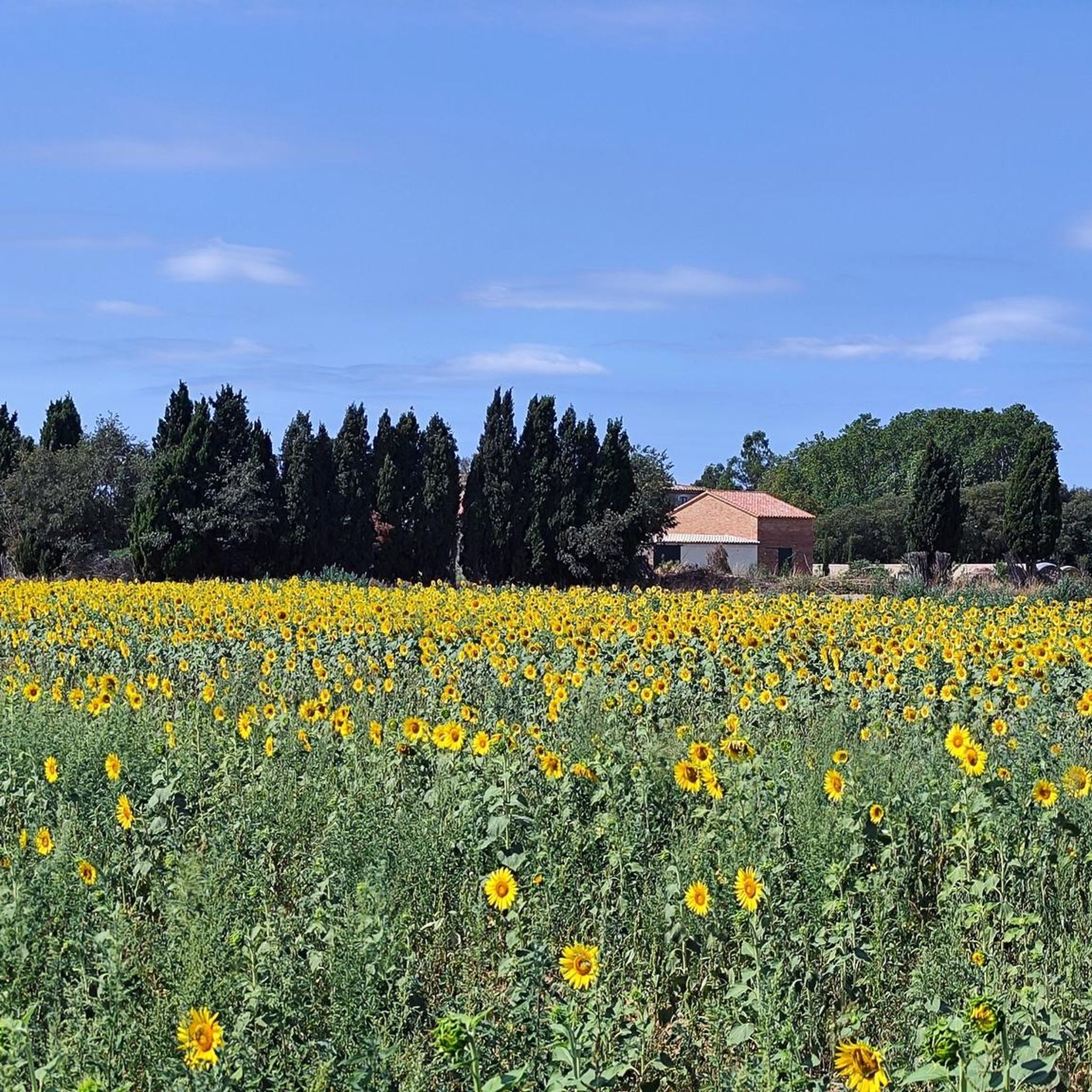
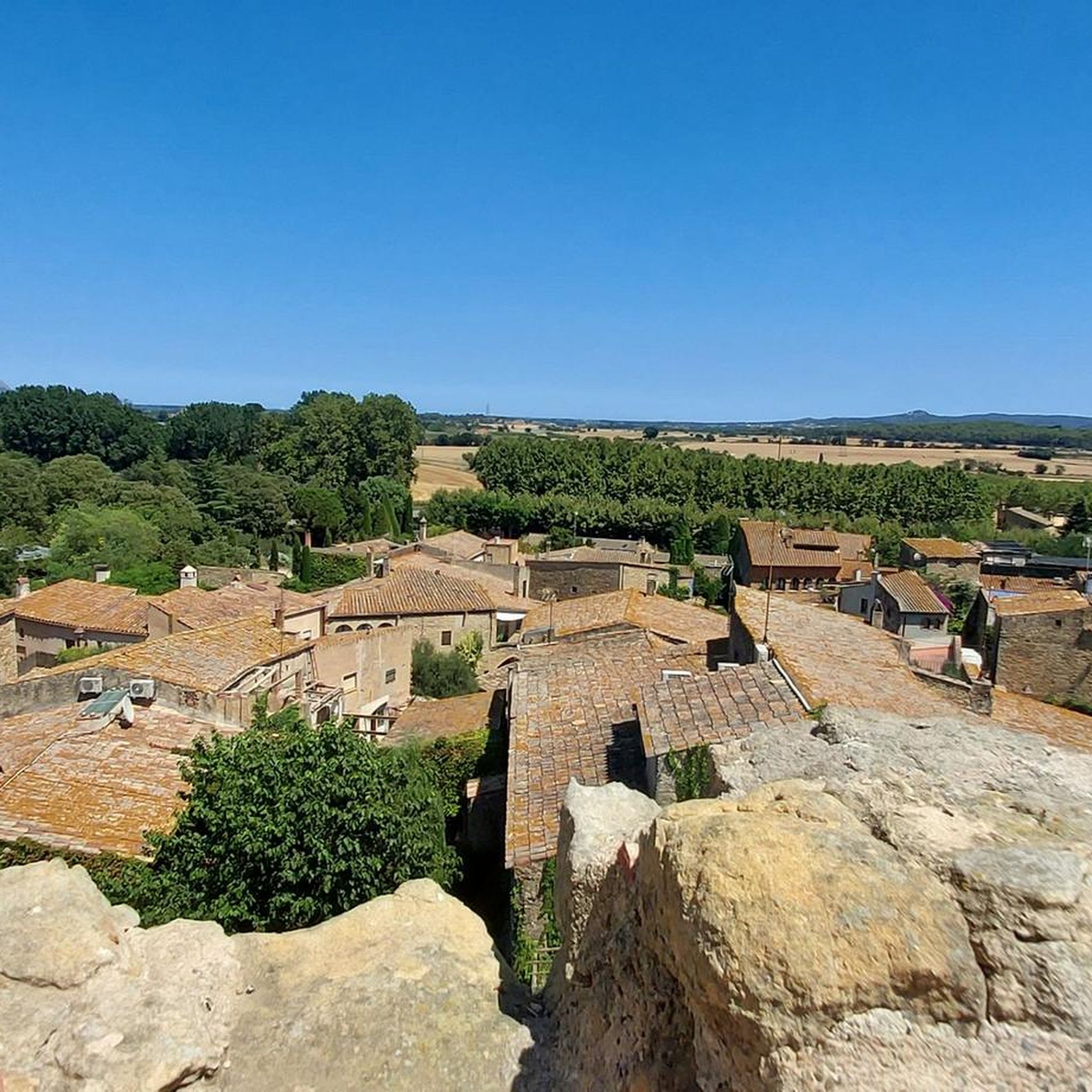
Best natural monuments around Forallac include a diverse landscape, blending expansive plains with the rugged terrain of the Les Gavarres massif. The municipality features unique natural elements intrinsically linked to the local environment, such as the medieval town of Peratallada built upon and carved out of natural sandstone rock. This area offers a rich blend of historical heritage and natural beauty, providing varied landscapes from coastal areas to geological formations.
Best natural monuments around Forallac
- The most popular natural monuments…
Last updated: August 11, 2026
Castell Beach
Highlight • Beach
Translated by Google •
Tip by

Montplà Summit
Highlight • Summit
Translated by Google •
Tip by

Sign up now to discover places like this
Get recommendations on the best single tracks, peaks, & plenty of other exciting outdoor places.
Sign up for free
The Mouth of the Ter
Highlight • River
Very good paved path.
Storage space for bicycles
Translated by Google •
Tip by

The Dark Rock of La Fosca Beach
Highlight • Natural Monument
Translated by Google •
Tip by
Dolmen of the Cova d'en Daina
Highlight • Historical Site
Translated by Google •
Tip by

Sign up for free to discover even more natural monuments around Forallac.
Sign up for free
Already have an account?
Start today with a free account
Your next adventure awaits.
Login or Signup
Tips from the Community

The mouth is difficult to cross with luggage or a bicycle.
0
0

The river mouth cannot be crossed by bicycle, at least not with an e-bike. There are several meters of water between them, making it impossible for me to carry my bike that far. The water is at least 50 cm deep, and the current is strong. It was too dangerous for me.
0
1

The dolmen has the shape of a rectangular burial chamber, composed of large vertical stone slabs (orthostats) that support a horizontal upper slab (cover). It is surrounded by a tumulus, an accumulation of earth and stones that originally covered the entire structure, giving it the appearance of a small hill. It is approximately 7.5 metres long, with an inner chamber of 2 metres. Its entrance faces southeast, probably for astronomical or ritual reasons. It was used as a collective tomb, where the ancient inhabitants deposited the remains of the deceased along with offerings, tools, pottery and other funerary objects.
3
0
It was first documented in the 19th century, when the first archaeological investigations in the area began. The objects found in the dolmen, such as pottery and flint tools, have helped to understand the funerary and social customs of its builders. Legends related to witches and magic rituals circulate around the dolmen, common in the popular stories of the area. Like many dolmens, its orientation could be related to the position of the sun during the solstices, which reinforces its symbolic and spiritual importance.
3
0
It is one of the best preserved megalithic monuments in the region. This dolmen, built during the late Neolithic or Chalcolithic period (around 2,700-2,200 BC), is an impressive testimony to the funerary and spiritual practices of the prehistoric communities that inhabited this area.
4
0

There are also dolmens in Spain!
0
0
Or lift your bicycle and you can easily cross
1
0
Beautiful beach. The cycle path suggested by Komoot from L-Estartit to Playa de Pals via the mouth of the Rio Ter is rather difficult, as you have to carry the bike through the river. The water is 50-60 cm deep at the mouth, the bottom is sandy. Continuing south is also only possible after about 500 m, until then the bike has to be pushed through loose sand.
2
0
Frequently Asked Questions
What unique natural features can I explore in the Forallac area?
The Forallac area, particularly within the Baix Empordà region, offers a blend of expansive plains and the rugged terrain of the Les Gavarres massif. A standout example is the medieval town of Peratallada, famously built upon and carved out of natural sandstone rock. Its great moat was excavated directly into the live rock, creating a dramatic integration of nature and architecture. The broader Les Gavarres massif also provides rich natural beauty and opportunities for exploration.
Are there any notable beaches among the natural monuments around Forallac?
Yes, the area features beautiful coastal natural monuments. Castell Beach is a long sandy beach with over 300 linear meters of fine sand and pine trees integrated into the landscape. Another unique spot is The Mouth of the Ter, where seawater converges with the River Ter, known for its exceptional sunsets and moonrises. You can also visit The Dark Rock of La Fosca Beach, named after a large black rock that divides the beach and is steeped in local legend.
Where can I find panoramic views of the Forallac region?
For breathtaking panoramic views, head to Montplà Summit. This summit, part of the Montgrí massif, offers a 360-degree view from its 310 meters, including the archipelago of the Medas Islands. It's a rewarding spot for those seeking expansive vistas of the surrounding landscape.
Are there any historical or archaeological natural monuments in the area?
Absolutely. The Dolmen of the Cova d'en Daina is one of the best-preserved megalithic monuments in the region, dating back to the late Neolithic or Chalcolithic period. It served as a collective tomb and offers insight into prehistoric communities. Additionally, the town of Peratallada itself, with its medieval architecture carved into natural sandstone, represents a historical integration with the natural landscape.
What outdoor activities can I do near these natural monuments?
The area around Forallac is excellent for various outdoor activities. You can find numerous routes for gravel biking, mountain biking, and cycling. For example, there are gravel biking routes like the 'Bridge Over the Ter River loop' and MTB trails such as the 'Tamariu Beach – Peratallada — Historic Village loop'. For more options, explore the dedicated guides for Gravel biking around Forallac, MTB Trails around Forallac, and Cycling around Forallac.
Are there family-friendly natural monuments around Forallac?
Yes, Castell Beach is highly recommended for families. It offers over 300 meters of fine sand, pine trees, and various services including a kayak school. Its calm waters and amenities make it a great spot for a family day out. The Dark Rock of La Fosca Beach is also family-friendly.
Are any natural monuments wheelchair accessible?
Yes, Castell Beach is noted for its accessibility, offering walkways for people with reduced mobility. This makes it a welcoming option for visitors using wheelchairs.
What is the best time of year to visit the natural monuments in Forallac?
The Baix Empordà region generally enjoys a Mediterranean climate. Spring (April-May) and early autumn (September-October) are often ideal, offering pleasant temperatures for outdoor activities like hiking and cycling, and fewer crowds than the peak summer months. Summer (June-August) is perfect for beach activities, though it can be quite warm and busy.
Is parking available at the natural monuments?
For popular spots like Castell Beach, there is a large car park located a short distance away. During the summer season, a fee may apply for parking. For other natural monuments, parking availability can vary, so it's advisable to check specific locations if driving.
Are there places to eat or drink near the natural monuments?
The medieval town of Peratallada, which is itself a natural-architectural marvel, offers various cafes and restaurants. Nearby villages like Palau-Sator also provide dining options. For specific information on venues in Peratallada, you might find useful resources on visitperatallada.cat.
Are the trails around Forallac's natural monuments dog-friendly?
Many natural areas and trails in the Les Gavarres massif and surrounding Forallac are generally dog-friendly, especially if dogs are kept on a leash. However, specific regulations may apply in certain protected zones or on beaches during peak season. It's always best to check local signage or specific highlight details for any restrictions before bringing your dog.
How difficult are the hiking trails near Forallac's natural monuments?
The hiking trails in the Forallac area and Les Gavarres massif offer a range of difficulties. You can find routes categorized as 'moderate' or 'difficult' within the nearby cycling and MTB guides, which often share paths with hiking trails. For instance, the 'Gravel path with a view of the castle' is moderate, while others like the 'Basilica of Sant Feliu – Trail to Sant Miquel loop' are considered difficult. Always check the specific route details for elevation gain and terrain types to match your fitness level.
Most popular routes around Forallac
Most popular attractions around Forallac

Get inspired with the komoot mobile app


Explore more
Extend your search for the best caves by checking out these guides of the top ones around Forallac:
