Top 5 Mountain Passes around Santiago-Pontones
Best mountain passes around Santiago-Pontones are found within the Sierras de Cazorla, Segura y las Villas Natural Park, a region characterized by rugged mountainous terrain. This area features an extensive network of hiking opportunities and diverse ecosystems, including pine forests and oak woodlands. Santiago-Pontones offers elevated terrain with altitudes ranging from 1,300 to 1,650 meters, providing panoramic views of river valleys and karst plateaus. The region is a prime destination for active tourism, with trails for hiking and mountain biking.
…Last updated: May 20, 2026
Despiernacaballos Pass
Highlight • Mountain Pass
Translated by Google •
Tip by

Puerto de las Palomas Viewpoint
Highlight • Viewpoint
Translated by Google •
Tip by
Sign up now to discover places like this
Get recommendations on the best single tracks, peaks, & plenty of other exciting outdoor places.
Sign up for free
Final section of the Puerto del Yelmo
Highlight (Segment) • Mountain Pass
Translated by Google •
Tip by

Collado de Góntar
Highlight • Natural Monument
Translated by Google •
Tip by

Pass next to the Flagpole (1965 meters)
Highlight • Mountain Pass
Translated by Google •
Tip by
Sign up for free to discover even more mountain passes around Santiago-Pontones.
Sign up for free
Already have an account?
Start today with a free account
Your next adventure awaits.
Login or Signup
Popular around Santiago-Pontones
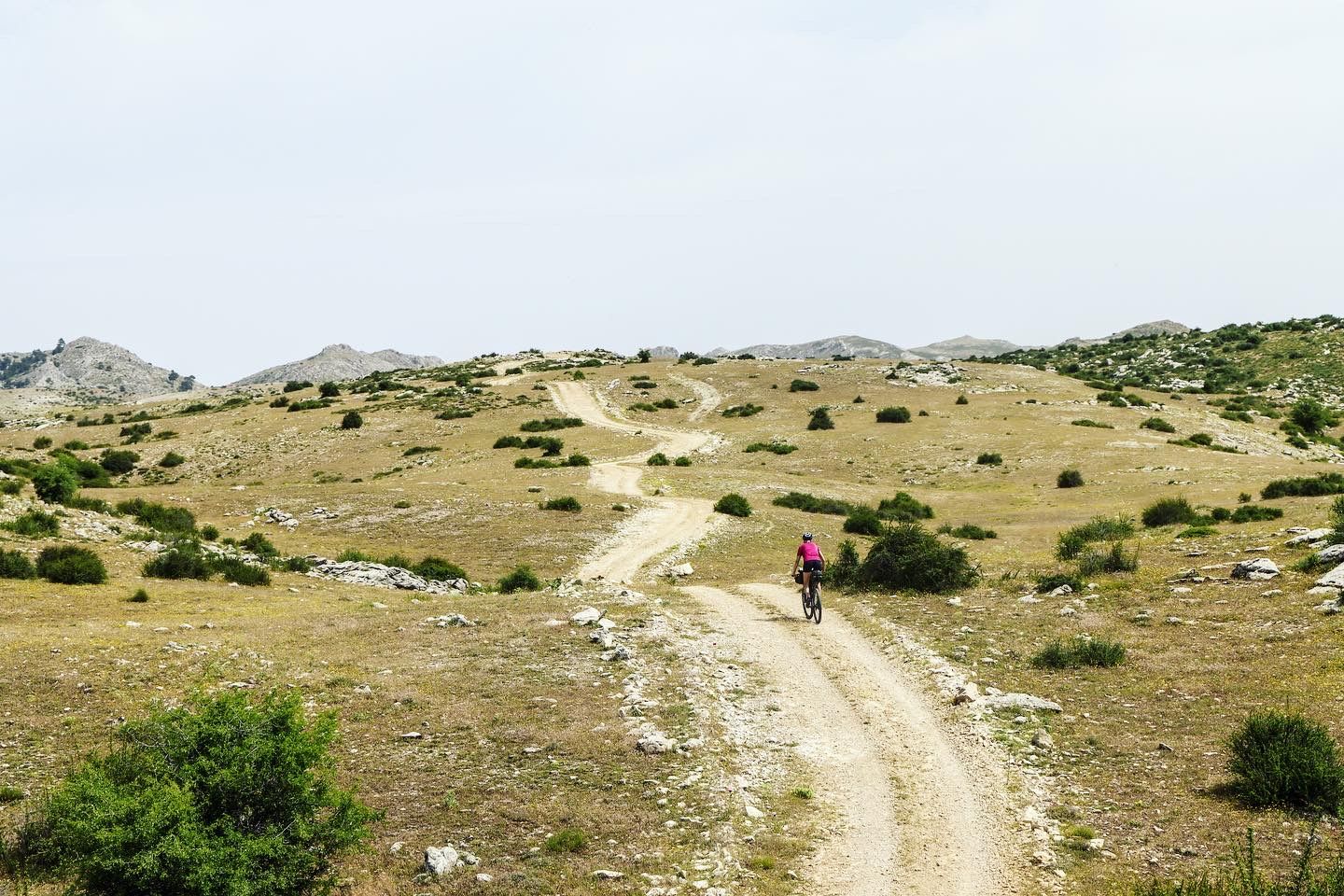
Bikepacking the mountains and deserts of Andalucía
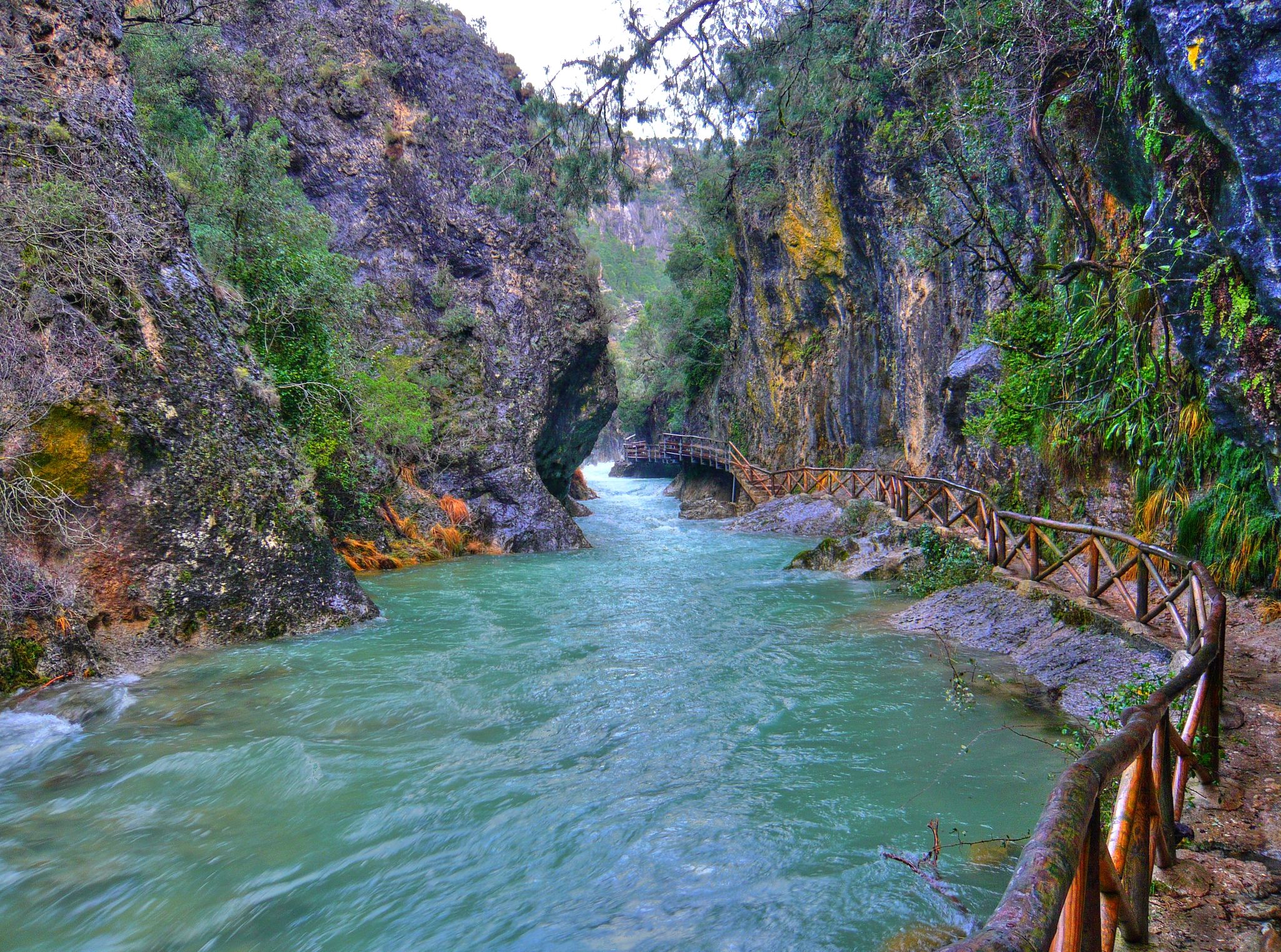
Through the Borosa Gorge to the highest peak of the Sierra de Segura
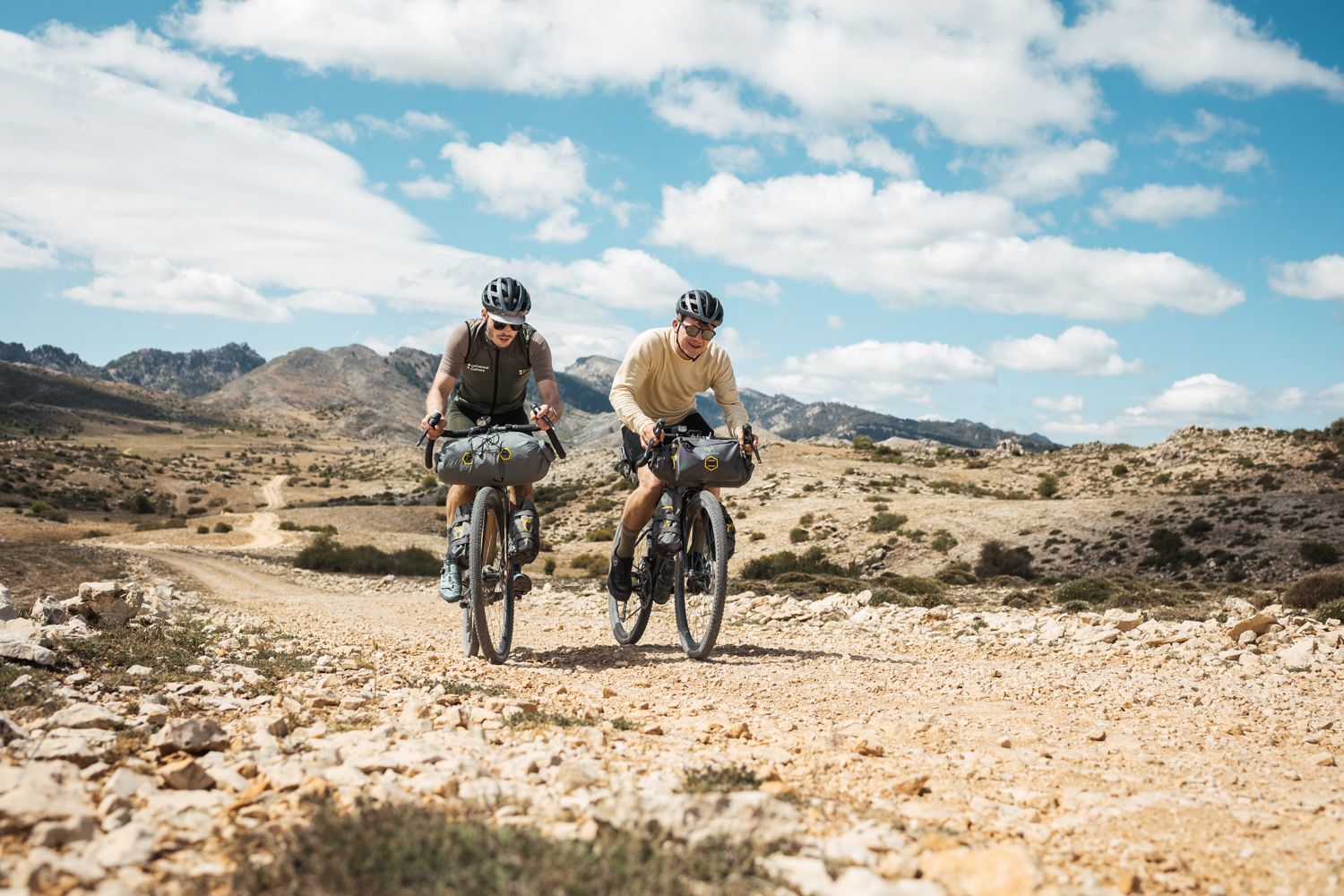
Bikepacking in Andalusia – Europe's gravel paradise
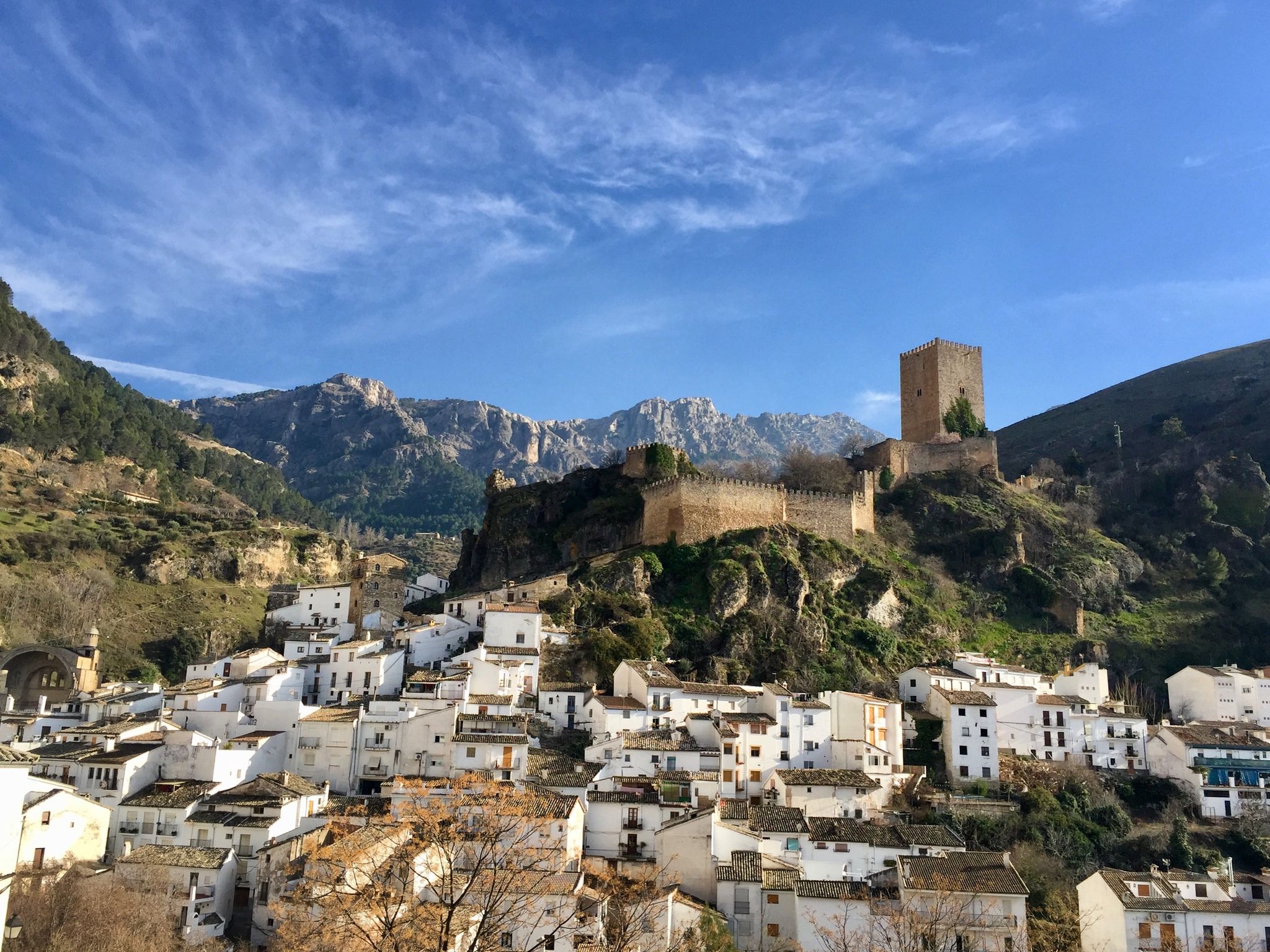
European Divide Trail across the Iberian Peninsula – central
Transhumance in the Sierra de Segura – hiking the GR 144
Wild and free Andalusia – Transandalus through the interior
Explore the Betic Mountains on two wheels – Altravesur
A wild experience – Sierra de Cazorla, Segura y Las Villas (GR 247)
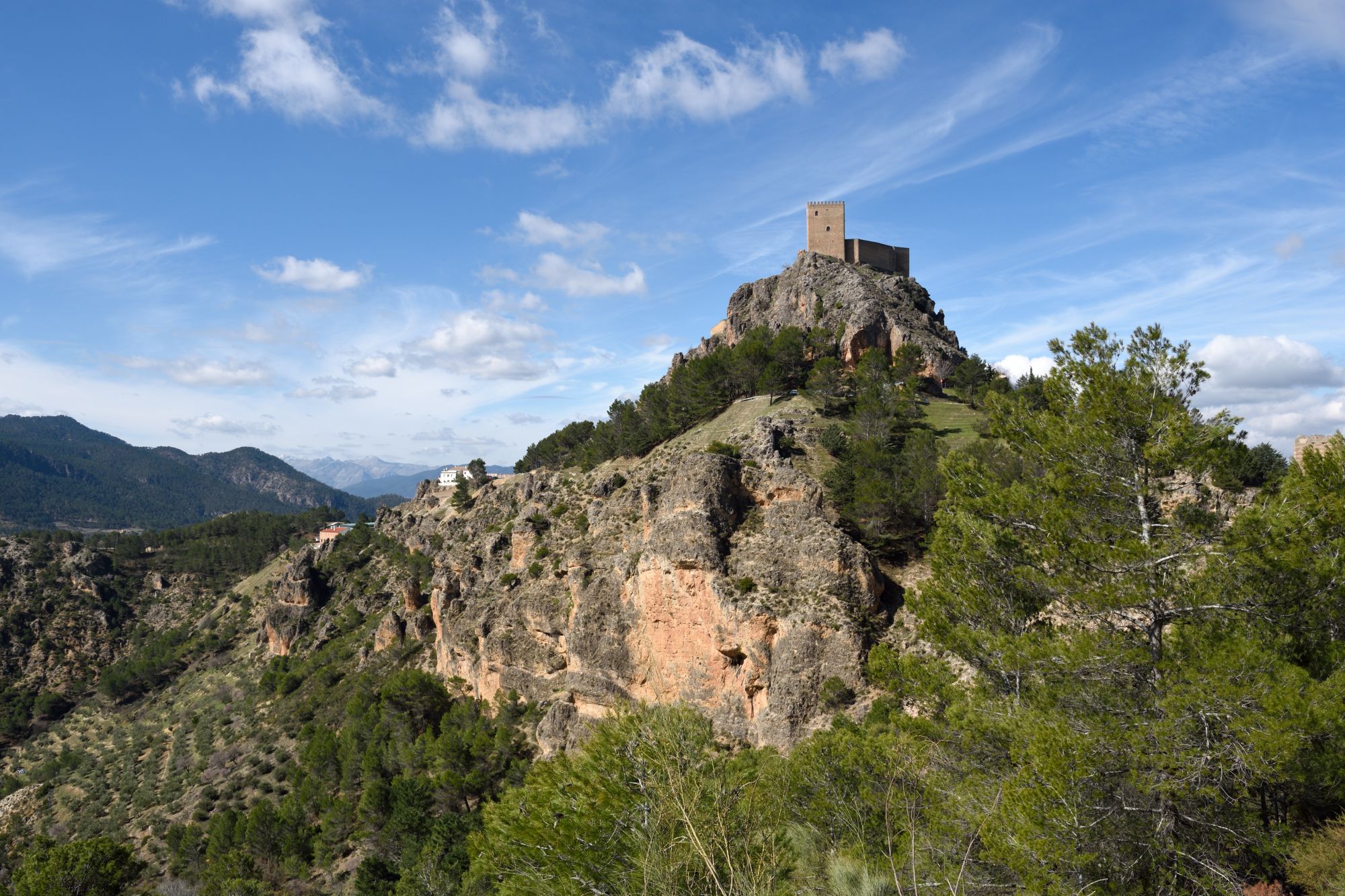
A circular high altitude trail – Bosques del Sur (GR 247)
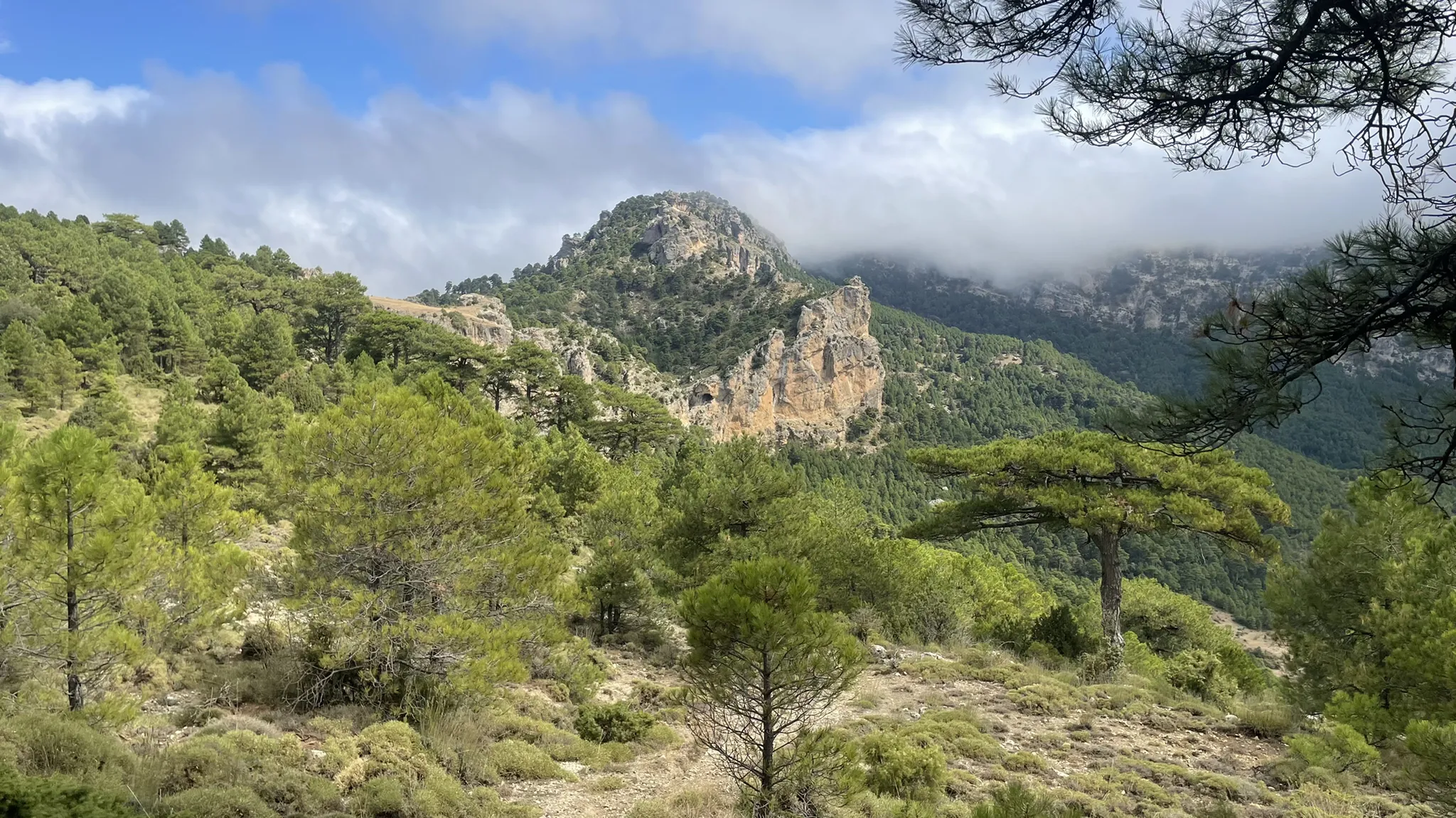
Explore the the secrets of Jaén – La Sierra de Segura Profunda (GR 147)
Other adventures around Santiago-Pontones


Tips from the Community

It is the closest uphill cycling port to the route of the Segura River (I have done the downhill from Poyotello to Huelga Utrera, passing by the Cueva del Agua). Years ago it was not paved and that made it even more epic, it is 10 kilometres long and would surely be considered a first-class or special port. With asphalt, it continues to be beautiful and demanding, especially from km 6 to 9. If you do it uphill, save your strength for this section.
2
0

This is the most characteristic point from which you can see the entire valley of the Guadalquivir River, and all the human settlements that currently exist such as Arroyo Frío, El Chaparral or Loma de María Ángela. It is located at an altitude of 1241 meters above sea level.
14
0

The climb is very demanding but with incredible views below La Toba, a beautiful place and above the canyon, also spectacular.
3
0

The literal and figurative top of the climb. After a beautiful climb you have a fantastic view here.
4
0
Despiernacaballos is a hard and unique climb that connects the Segura river valley with Cañada Hermosa and the road to Santiago de la Espada or Pontones. But that is not all; It allows you to suffer during the ascent and enjoy the views of the Segura river valley at every turn. A true privilege reserved for a few intrepid 💪
0
0

Before reaching the Río Segura gorge and after a road that ``glides over the top of the Sierra del Almorchón, the spectacular curves that look like balconies hanging over the Río Segura itself! Impressive views.
2
0
It is practically the gateway to the park. From there you can see the entire Guadalquivir valley.
0
0
This mythical peak is where the cycle of paragliding and gliding takes place. You can also climb it by a track combined with silks!
0
0
Frequently Asked Questions
What are the most notable mountain passes and viewpoints in Santiago-Pontones?
The region offers several significant passes and viewpoints. Despiernacaballos Pass is known for its dramatic landscape changes and impressive views over the Río Segura. Another key location is the Final section of the Puerto del Yelmo, which winds through a spectacular forest and is a popular spot for paragliding. Additionally, the Collado de Góntar features a unique rock formation and offers panoramic views from its strategic position.
What kind of natural features can I expect to see around the mountain passes in Santiago-Pontones?
Santiago-Pontones is nestled within the Sierras de Cazorla, Segura y las Villas Natural Park, offering a rich diversity of natural features. You'll encounter extensive pine and oak forests, deep river valleys, and karst plateaus known as the Campos de Hernán Perea. The elevated terrain provides breathtaking panoramic views, and the region is home to diverse wildlife, including Spanish ibex, wild boar, and various raptors.
Are there hiking opportunities near these mountain passes?
Yes, the mountain passes in Santiago-Pontones are often integrated into extensive hiking networks. The region is a prime destination for active tourism, with numerous trails for hiking. For example, the Despiernacaballos Pass is part of routes offering challenging climbs and incredible views. You can find more hiking options in the broader area by exploring the Santiago-Pontones guide.
What other outdoor activities can I do near the mountain passes?
Beyond hiking, Santiago-Pontones is excellent for mountain biking and road cycling. There are numerous routes that traverse the rugged terrain and offer stunning scenery. For instance, you can find challenging gravel routes like "The fields of Hernan Perea and its shelters" or road cycling routes such as "Puerto Despiernacaballo y Mirador de Huelguecillas." Explore more options in the Cycling around Santiago-Pontones guide, the Road Cycling Routes around Santiago-Pontones guide, or the Gravel biking around Santiago-Pontones guide.
What is the best time of year to visit the mountain passes in Santiago-Pontones?
The best time to visit Santiago-Pontones for outdoor activities like hiking and cycling is generally during the spring (April-June) and autumn (September-November). During these seasons, the weather is typically milder and more pleasant for exploring the elevated terrain and enjoying the panoramic views without the extreme heat of summer or the potential snow and ice of winter at higher altitudes.
Are there any family-friendly options among the mountain passes or nearby areas?
While many passes involve challenging terrain, the broader region offers areas suitable for families. For instance, the Puerto de las Palomas Viewpoint is categorized as family-friendly, providing accessible panoramic views of the Guadalquivir River valley. When planning, look for trails marked as 'easy' or 'intermediate' in the general area, as the natural park has diverse options.
What historical or cultural significance does the Santiago-Pontones region hold?
Beyond its natural beauty, Santiago-Pontones has significant historical and cultural value. The region features archaeological sites and cave paintings, some of which are UNESCO World Heritage sites. It also boasts a rich shepherd tradition, reflecting centuries of human interaction with this rugged mountain environment. Exploring the area can offer insights into its ancient past and traditional ways of life.
What are the typical elevations found in the mountain passes of Santiago-Pontones?
The mountain passes and elevated areas around Santiago-Pontones generally range from 1,300 to 1,650 meters in altitude. The highest point in the broader Sierra del Almorchón reaches 1,913 meters. These elevations contribute to the challenging nature of some routes and provide the stunning panoramic views the region is known for.
What do visitors enjoy most about the mountain passes in Santiago-Pontones?
Visitors frequently highlight the breathtaking panoramic views, the dramatic changes in landscape, and the immersive experience of being in untouched nature. The challenging climbs and the sense of accomplishment, especially at passes like Despiernacaballos Pass, are also highly appreciated. The opportunity to explore diverse ecosystems and spot wildlife adds to the appeal.
Is the Puerto de las Palomas Viewpoint located within Santiago-Pontones?
While the Puerto de las Palomas Viewpoint is a notable highlight in the broader region, it's important to clarify that the famous Puerto de Las Palomas pass is actually located in the Sierra de Grazalema Natural Park, in the province of Cádiz, which is a different area from Santiago-Pontones. The viewpoint mentioned here offers similar stunning views but is situated closer to Santiago-Pontones within the Sierras de Cazorla, Segura y las Villas Natural Park.
Are there any very high mountain passes or summits in the Santiago-Pontones area?
Yes, the region features high-altitude points. For example, the Pass next to the Flagpole (1965 meters) is one of the highest points on tracks in the area, offering exceptional views, including glimpses of Sierra Nevada on clear days. These higher passes provide challenging climbs and rewarding vistas.
Most popular routes around Santiago-Pontones
Most popular attractions around Santiago-Pontones

Get inspired with the komoot mobile app


Explore more
See even more epic mountain passes by checking out these guides around Santiago-Pontones:
