The best gravel rides around Santiago-Pontones
4.5
(2)
33
riders
6
rides
Gravel biking around Santiago-Pontones offers access to the diverse landscapes of the Sierras de Cazorla, Segura y Las Villas National Park. The region features an intricate terrain of valleys, calares, gorges, and mountains, providing varied riding experiences. Pine forests and riverine areas, including the source of the Segura River, characterize many of the routes. This topography ensures a range of challenging and scenic gravel bike trails.
Best gravel bike trails around Santiago-Pontones
- The most popular gravel bike trail is Arroyo…
Last updated: October 9, 2026
5.0
(1)
14
riders
45.5km
03:50
940m
940m
Hard gravel ride. Very good fitness required. Mostly paved surfaces. Suitable for all skill levels.
2
riders
19.0km
01:34
400m
400m
Moderate gravel ride. Good fitness required. Mostly paved surfaces. Suitable for all skill levels.

2
riders
41.2km
03:07
720m
720m
Hard gravel ride. Very good fitness required. Mostly paved surfaces. Suitable for all skill levels.
7
riders
60.5km
04:30
1,080m
1,080m
Hard gravel ride. Very good fitness required. Mostly paved surfaces. Suitable for all skill levels.
4.0
(1)
5
riders
48.9km
03:11
970m
970m
Hard gravel ride. Very good fitness required. Mostly paved surfaces. Suitable for all skill levels.
Our route recommendations are based on thousands of hikes, rides, and runs completed by other people on komoot.
Start today with a free account
Your next adventure awaits.
Popular around Santiago-Pontones
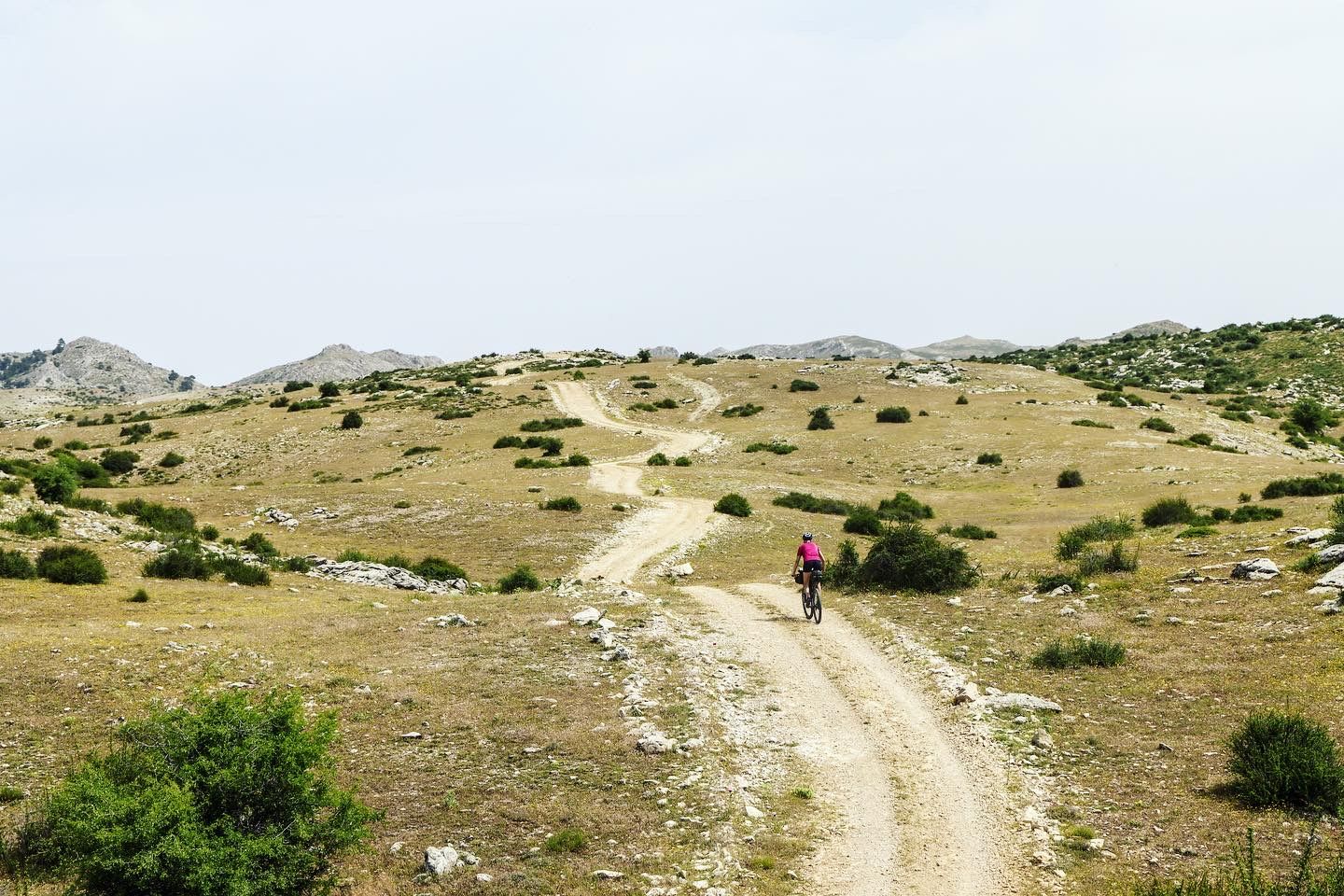
Bikepacking the mountains and deserts of Andalucía
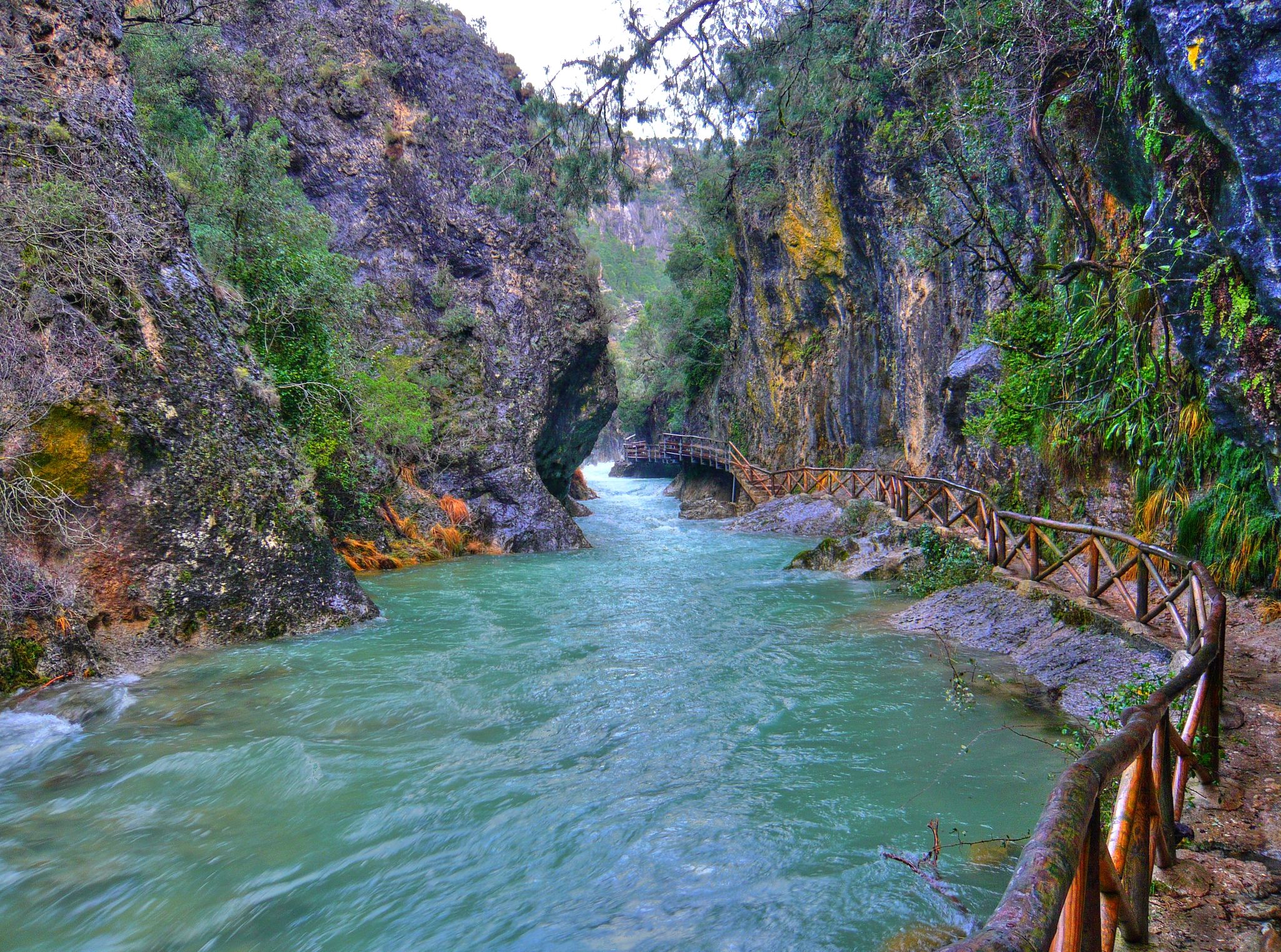
Through the Borosa Gorge to the highest peak of the Sierra de Segura
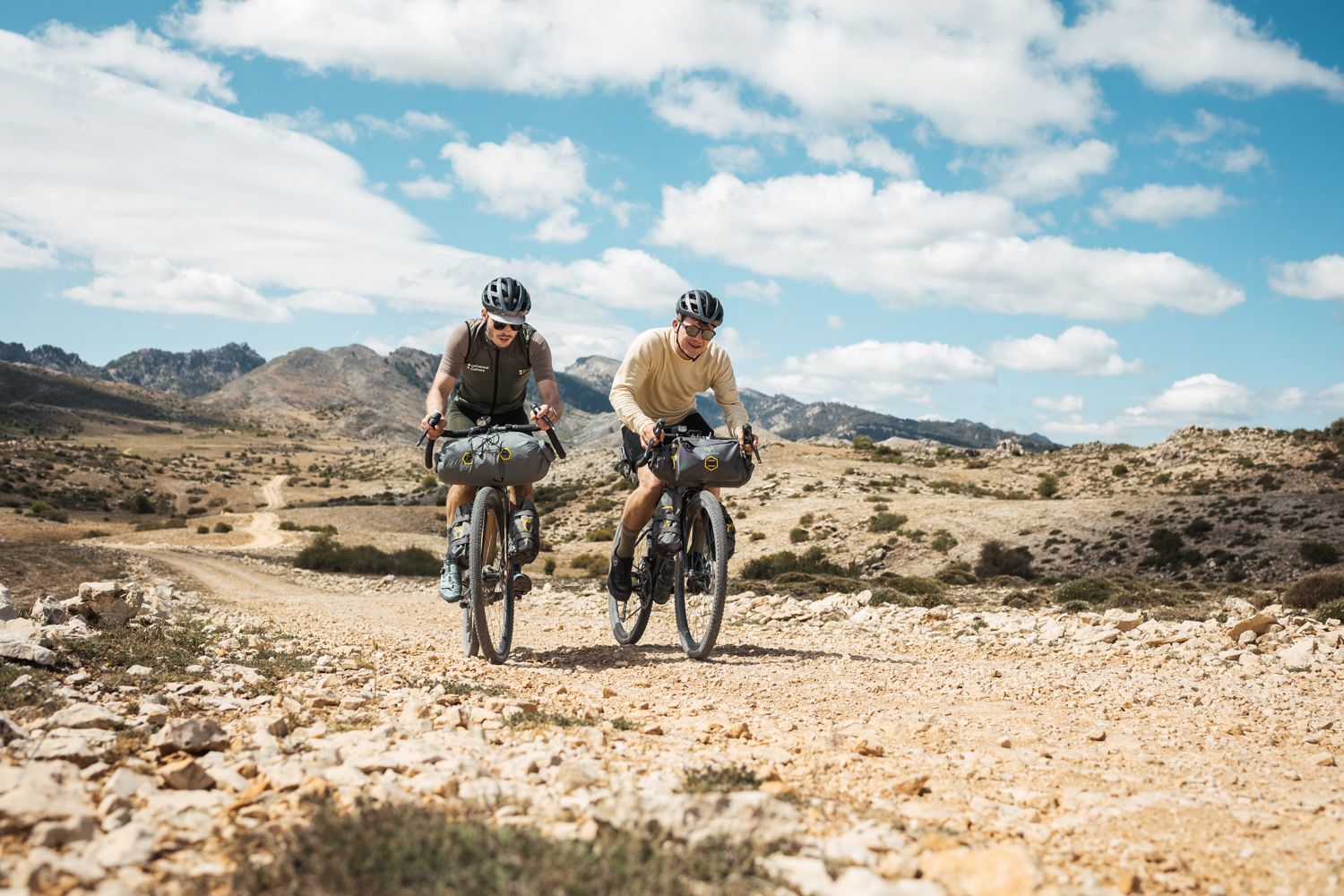
Bikepacking in Andalusia – Europe's gravel paradise
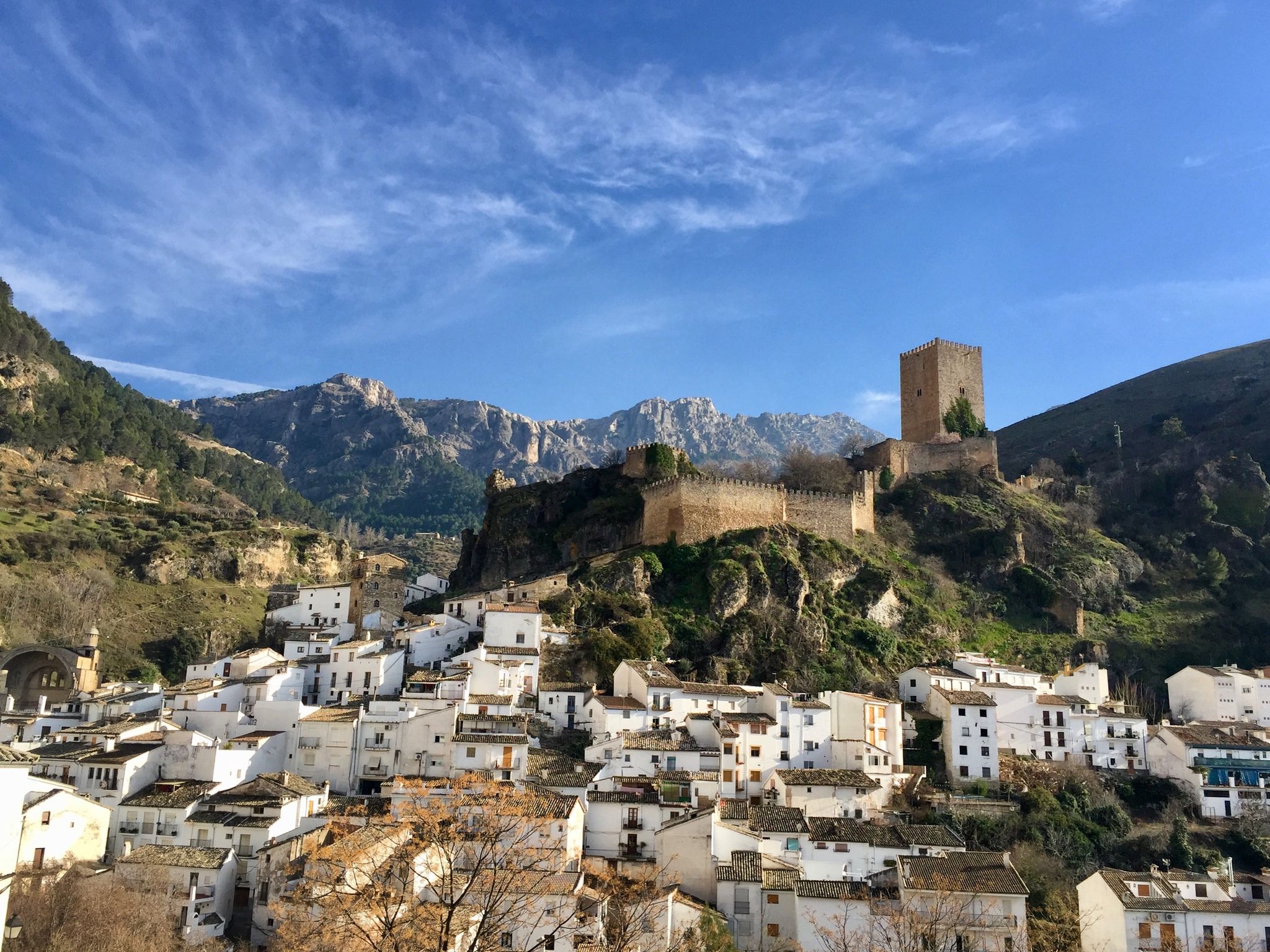
European Divide Trail across the Iberian Peninsula – central
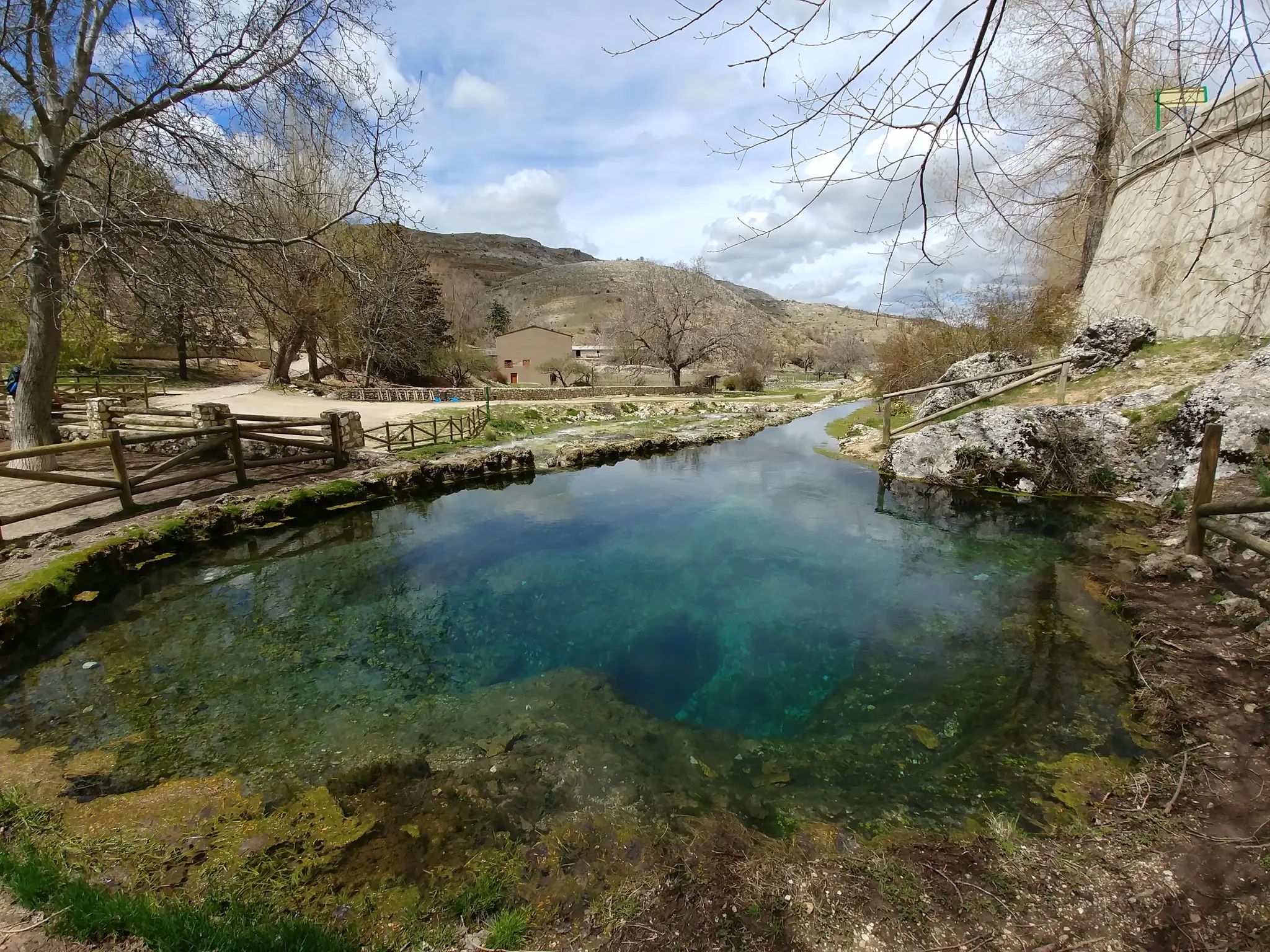
Transhumance in the Sierra de Segura – hiking the GR 144
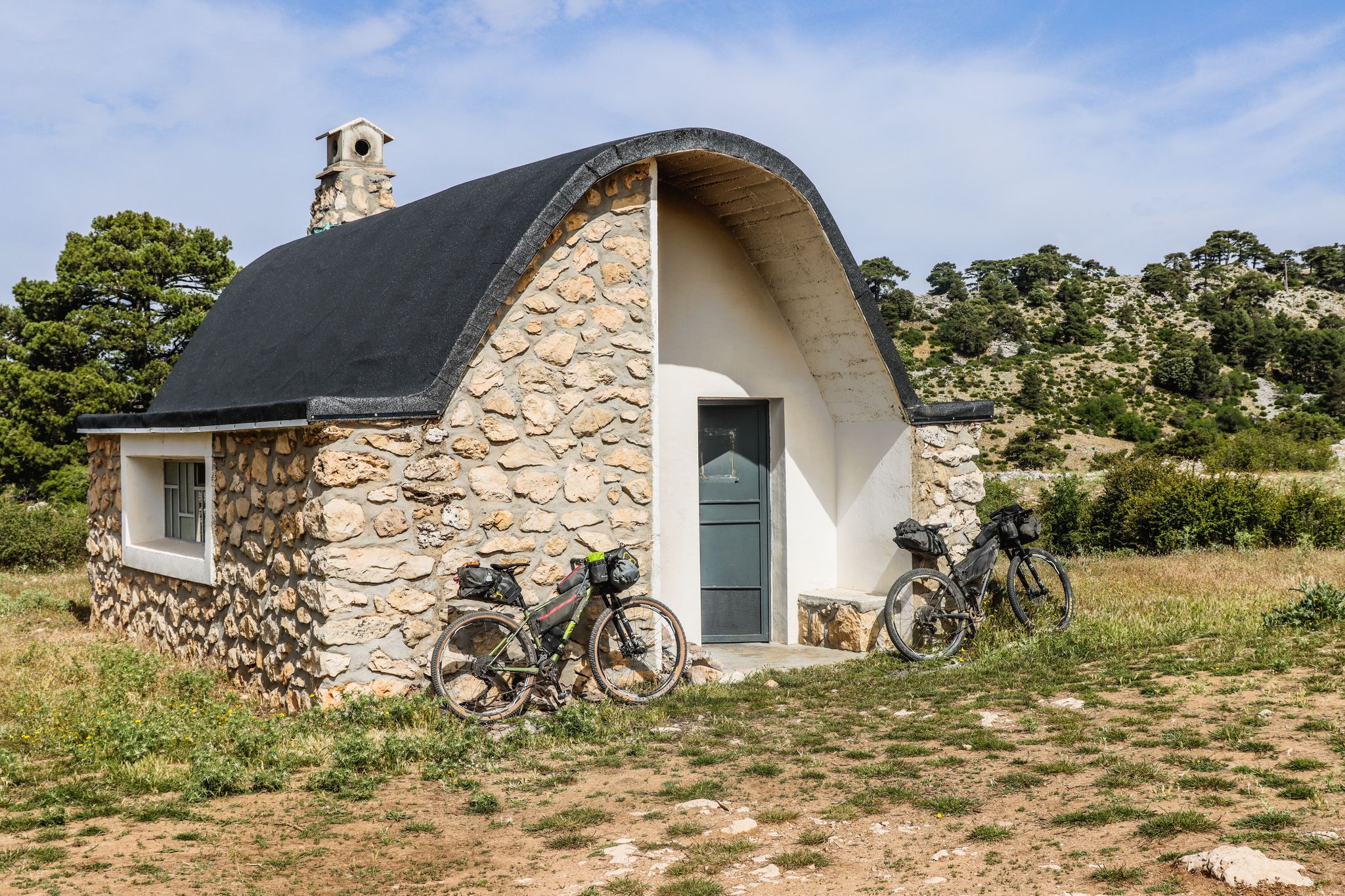
Wild and free Andalusia – Transandalus through the interior
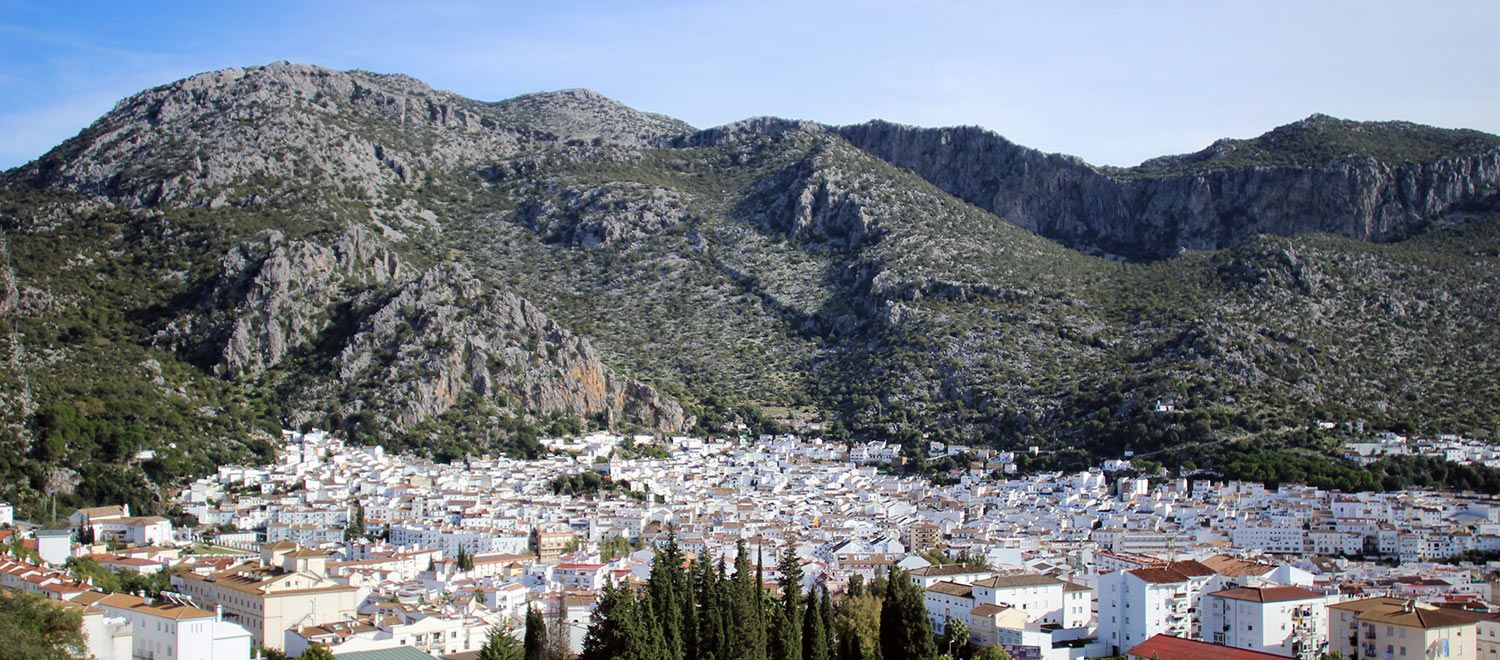
Explore the Betic Mountains on two wheels – Altravesur
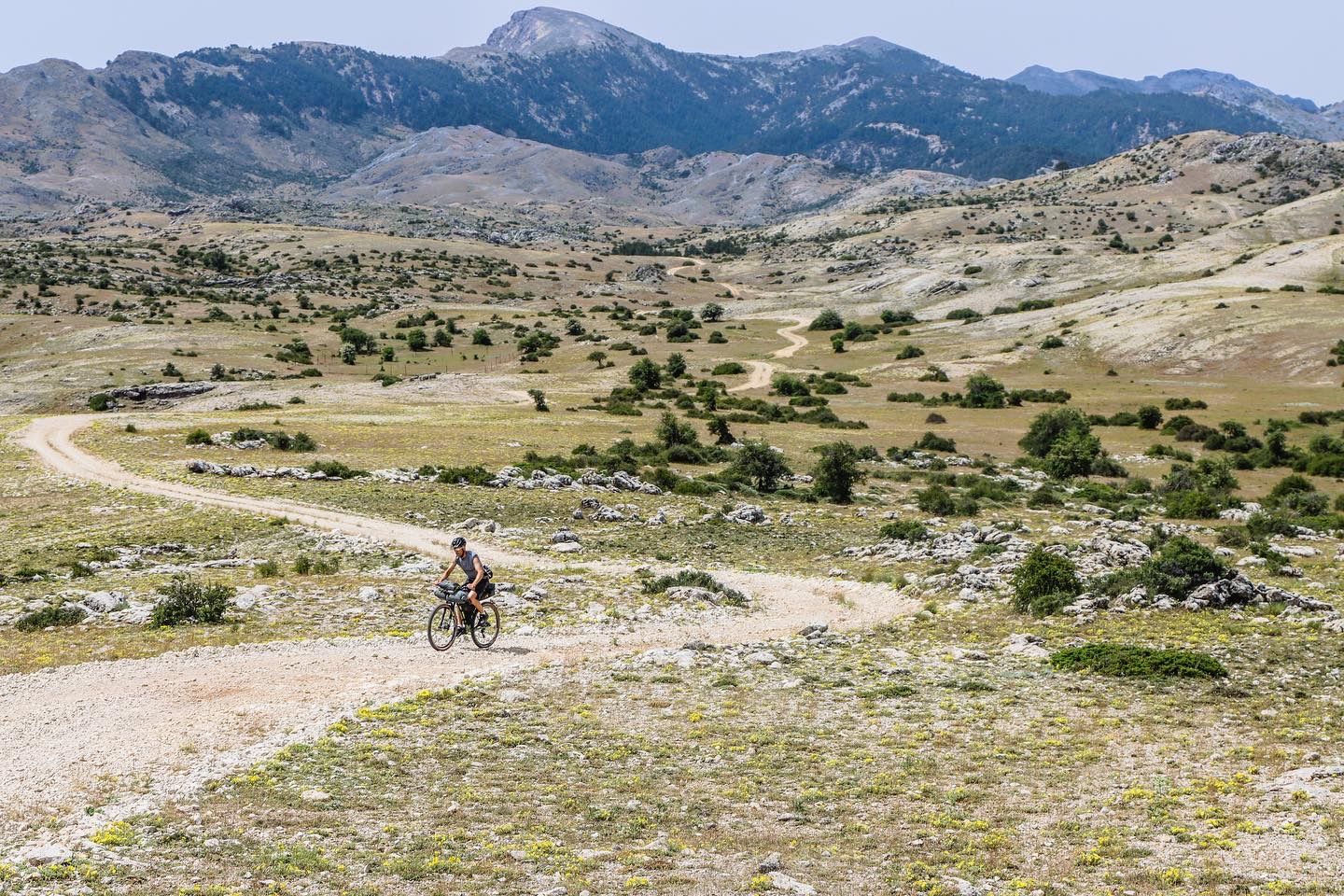
A wild experience – Sierra de Cazorla, Segura y Las Villas (GR 247)
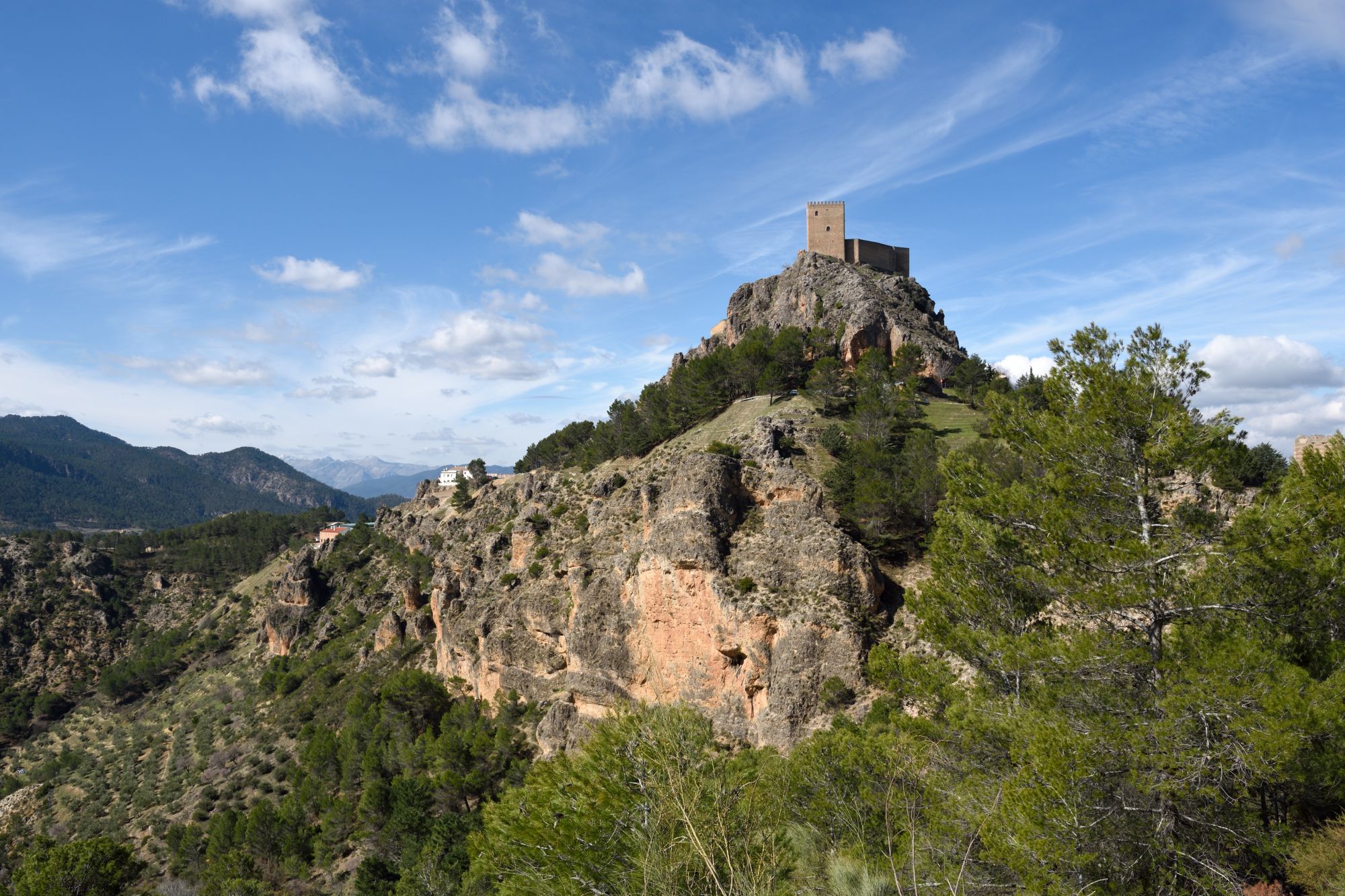
A circular high altitude trail – Bosques del Sur (GR 247)
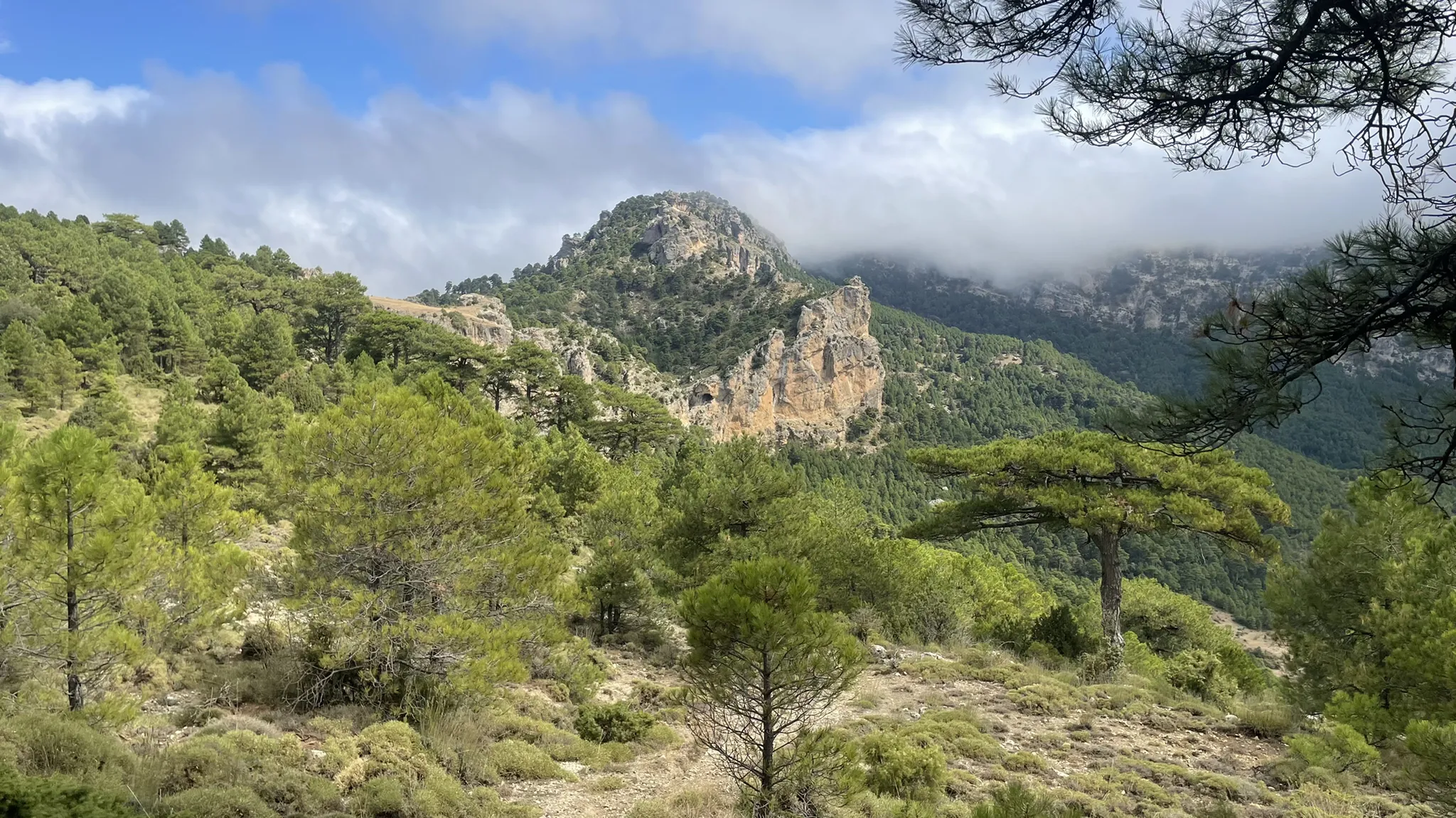
Explore the the secrets of Jaén – La Sierra de Segura Profunda (GR 147)
Other adventures around Santiago-Pontones


Tips from the Community

This summer the Borosa trail is under full reconstruction. As of today, the most touristy section known as the Cerrada de Elias is closed to the public. The entire route can be done, following the main track, the bridges up to the power station are supported. The trail between the power station and the Calavera waterfall is destroyed, but it is passable.
0
0
This summer the village fountain is half open, there's always a trickle of water that allows you to fill your bottle. The old restaurant has reopened, but as rural accommodation. I don't know if they serve as a bar-restaurant to those who are not staying there.
1
0
Small village belonging to Santiago-Pontones. There are about 25 houses and in the square there is a beautiful fortified fountain with abundant fresh water!
0
0
The fountain has water, but they have removed the tap from the faucet leaving it almost closed, but you can slowly refill your bottle.
2
0
Small village with a water fountain. This year (2026) the mountain refuge will be open again and you can stay overnight.
1
0
It remains the same, you can shelter from the cold in winter (it has a fireplace) or from the heat in summer. The water pump does not work. There is no table, nor a bed to stretch out on.
1
0
It remains the same, it serves as shelter, but unlike other refuges in the area, it has no furniture at all.
1
0

Frequently Asked Questions
How many gravel bike trails are available around Santiago-Pontones?
There are several gravel bike trails around Santiago-Pontones, offering diverse experiences within the Sierras de Cazorla, Segura y Las Villas National Park. You'll find a mix of moderate and difficult routes to explore the region's valleys, gorges, and mountains.
Are there any easy or moderate gravel bike trails for beginners or families?
While most routes in the area are classified as difficult, there is a notable moderate option suitable for those looking for a less strenuous ride. The Source of the Segura River loop from Pontones is a 19.0 km path that follows the river's course, offering scenic views without extreme challenges. This could be a good option for families or beginners.
What kind of landscapes can I expect to see on gravel bike routes in Santiago-Pontones?
Gravel biking in Santiago-Pontones takes you through a dramatic and diverse landscape. You'll encounter an 'orographic labyrinth' of valleys, calares, gorges, and mountains, characteristic of the Sierras de Cazorla, Segura y Las Villas National Park. Many routes feature extensive pine forests and follow riverine areas, including the source of the Segura River itself.
Are there any waterfalls or significant natural features to see along the gravel bike trails?
Yes, the region is rich in natural features. You can find impressive waterfalls like the Salto de los Órganos Waterfall and the Linarejos Waterfall. The Source of the Segura River is another significant natural monument you can visit, with a dedicated route passing by it.
What do other gravel bikers say about the trails in Santiago-Pontones?
The gravel bike trails in Santiago-Pontones are highly regarded by the komoot community, holding an average rating of 5.0 stars. Users often praise the varied terrain and the stunning natural beauty of the Sierras de Cazorla, Segura y Las Villas National Park, making for memorable riding experiences.
Are there any circular gravel bike routes available?
Yes, all the featured gravel bike routes in Santiago-Pontones are circular, allowing you to start and end your ride in the same location. Examples include the challenging Arroyo de las Truchas loop from La Vega and the moderate Source of the Segura River loop from Pontones.
What are some of the longer, more challenging gravel bike routes in the area?
For experienced riders seeking a challenge, routes like the Campo del Espino Shelter – Aldea de Don Domingo loop from Pozas del Zumeta, spanning nearly 59 km, or the La Toba Spring – Despiernacaballos Pass loop from Camping Garrote Gordo, also around 58 km, offer significant elevation gain and demanding terrain.
Can I find viewpoints or panoramic vistas on the gravel bike trails?
Absolutely. The region's diverse topography, including its mountains and calares, provides numerous opportunities for panoramic views. Routes that traverse high-altitude plains, such as the Campos de Hernán Perea – Campo del Espino Shelter loop from Don Domingo, are likely to offer expansive vistas of the Sierra de Segura.
Are there any interesting landmarks or points of interest along the routes besides natural features?
Beyond the stunning natural landscapes, you might encounter unique geological formations like the Elías Gorge or man-made structures integrated into the environment, such as the Borosa River Water Canal Tunnel. The region also features mountain shelters, which can be points of interest on longer routes.
What is the best time of year for gravel biking in Santiago-Pontones?
Given its location within a national park known for diverse terrain, spring and autumn generally offer the most pleasant conditions for gravel biking, with milder temperatures and vibrant natural scenery. Summers can be hot, and winters, especially at higher elevations, might bring colder weather, though the specific conditions depend on the route and altitude.
Are there any specific permits required for gravel biking in the national park?
While general access for cycling is usually permitted on designated trails within the Sierras de Cazorla, Segura y Las Villas National Park, it's always advisable to check the official park regulations for any specific permits or restrictions, especially for certain areas or during particular seasons. This ensures compliance with local conservation efforts.
Most popular routes around Santiago-Pontones
Most popular attractions around Santiago-Pontones

Get inspired with the komoot mobile app


Explore more
Browse the best Gravel rides in other regions.
