Natural Park Lüneburger Heide
Natural Park Lüneburger Heide
Top 20 Natural Monuments around Natural Park Lüneburger Heide
Best natural monuments around Natural Park Lüneburger Heide showcase a diverse landscape, featuring heathlands, forests, and unique geological formations. This region, one of Germany's oldest and largest nature parks, is characterized by its expansive high plateaus, dry valleys, and ancient bogs. The area holds historical significance in nature conservation, with efforts dating back to the early 20th century to preserve its unique ecosystems. Visitors can explore a variety of natural features, from the highest elevation in the North German Plain…
Last updated: May 30, 2026
Wilseder Berg
Highlight • Viewpoint
Translated by Google •
Tip by

Totengrund in the Lüneburger Heide
Highlight • Viewpoint
Translated by Google •
Tip by

Sign up now to discover places like this
Get recommendations on the best single tracks, peaks, & plenty of other exciting outdoor places.
Sign up for free
Pietzmoor
Highlight (Segment) • Natural
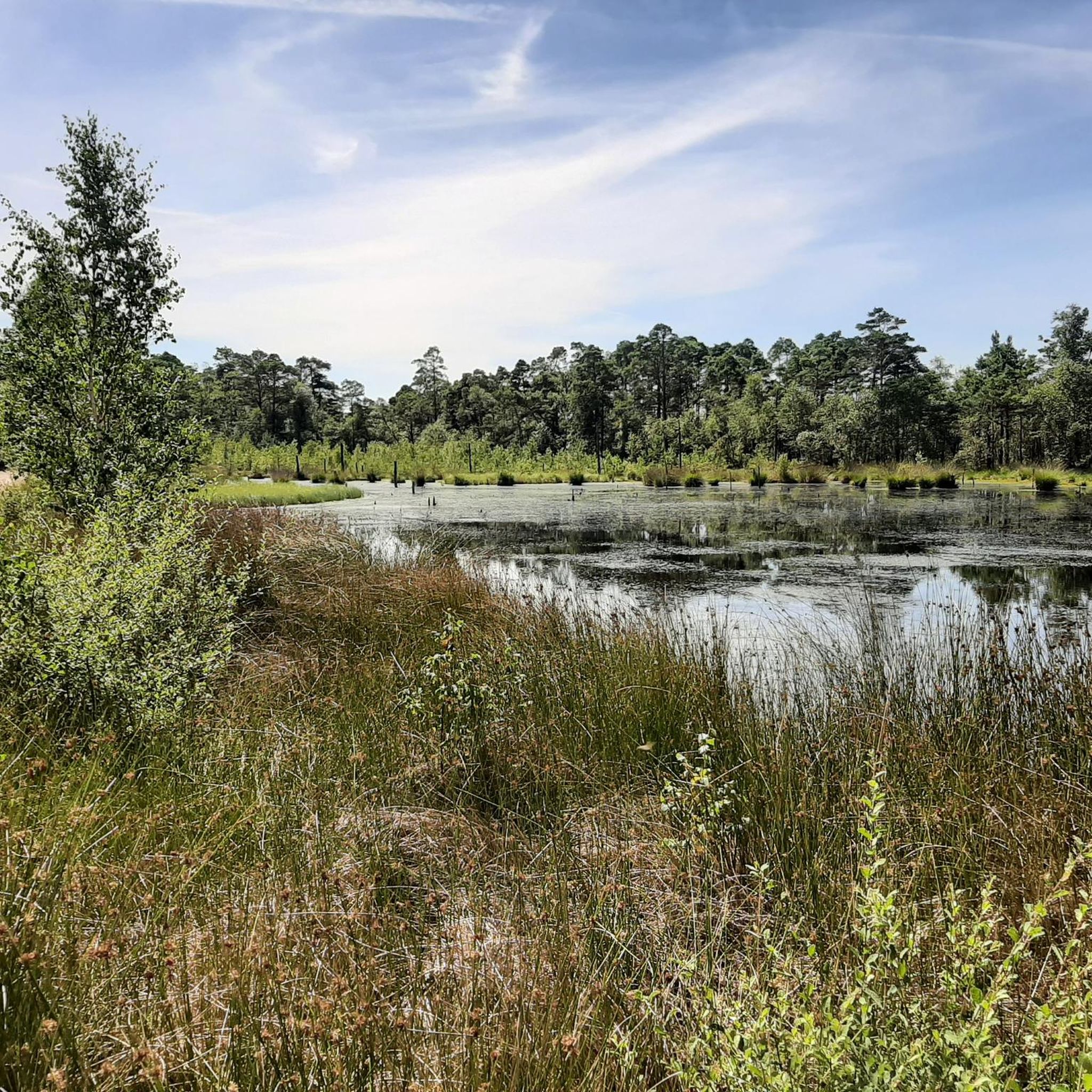
Pietzmoor Raised Bog
Highlight • Natural
View of Totengrund
Highlight • Viewpoint
Translated by Google •
Tip by

Sign up for free to discover even more natural monuments around Natural Park Lüneburger Heide.
Sign up for free
Already have an account?
Start today with a free account
Your next adventure awaits.
Login or Signup
Popular around Natural Park Lüneburger Heide

The National Natural Landscapes in Niedersachsen
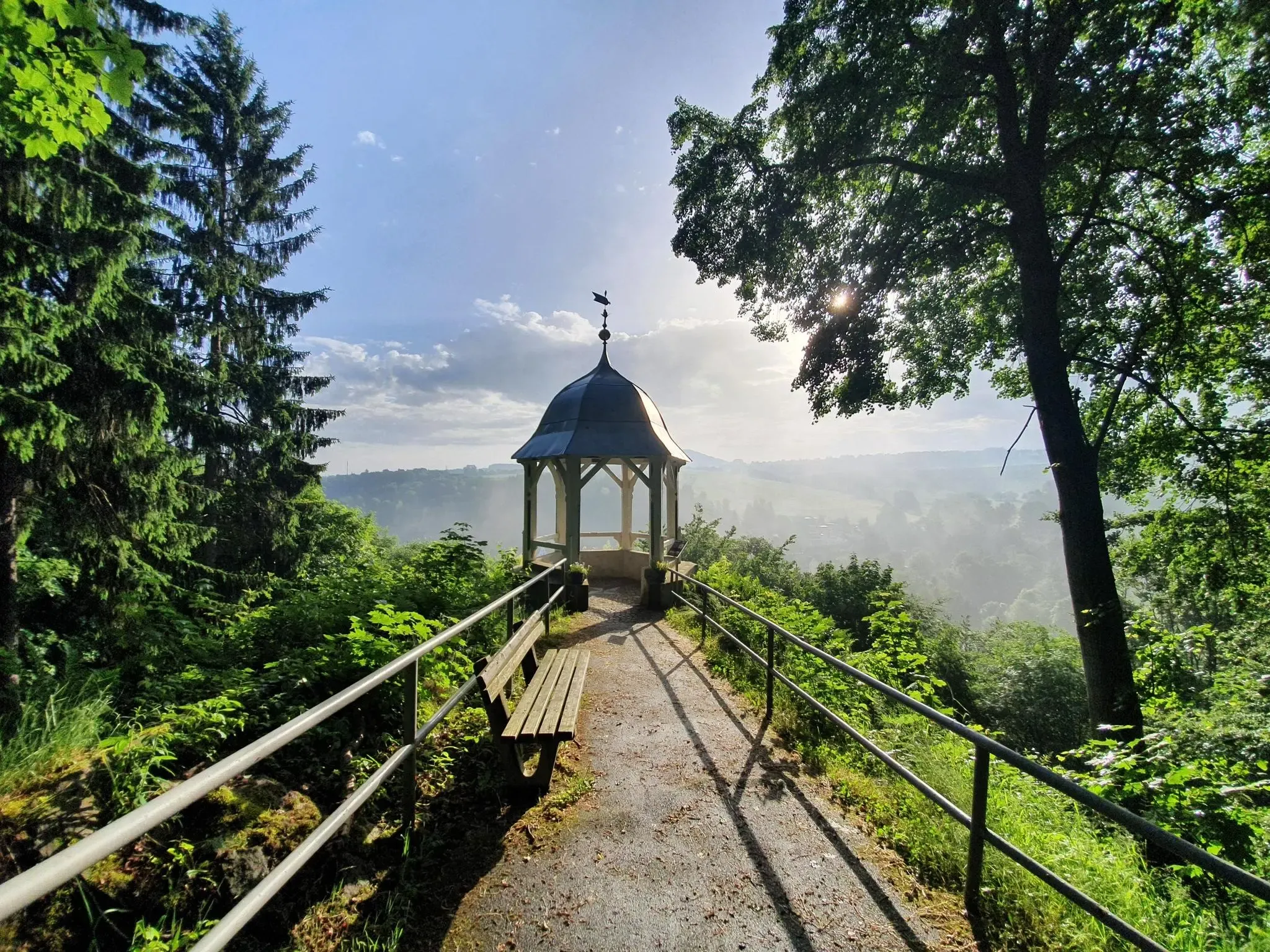
#GoFurther – discover the views of Germany!
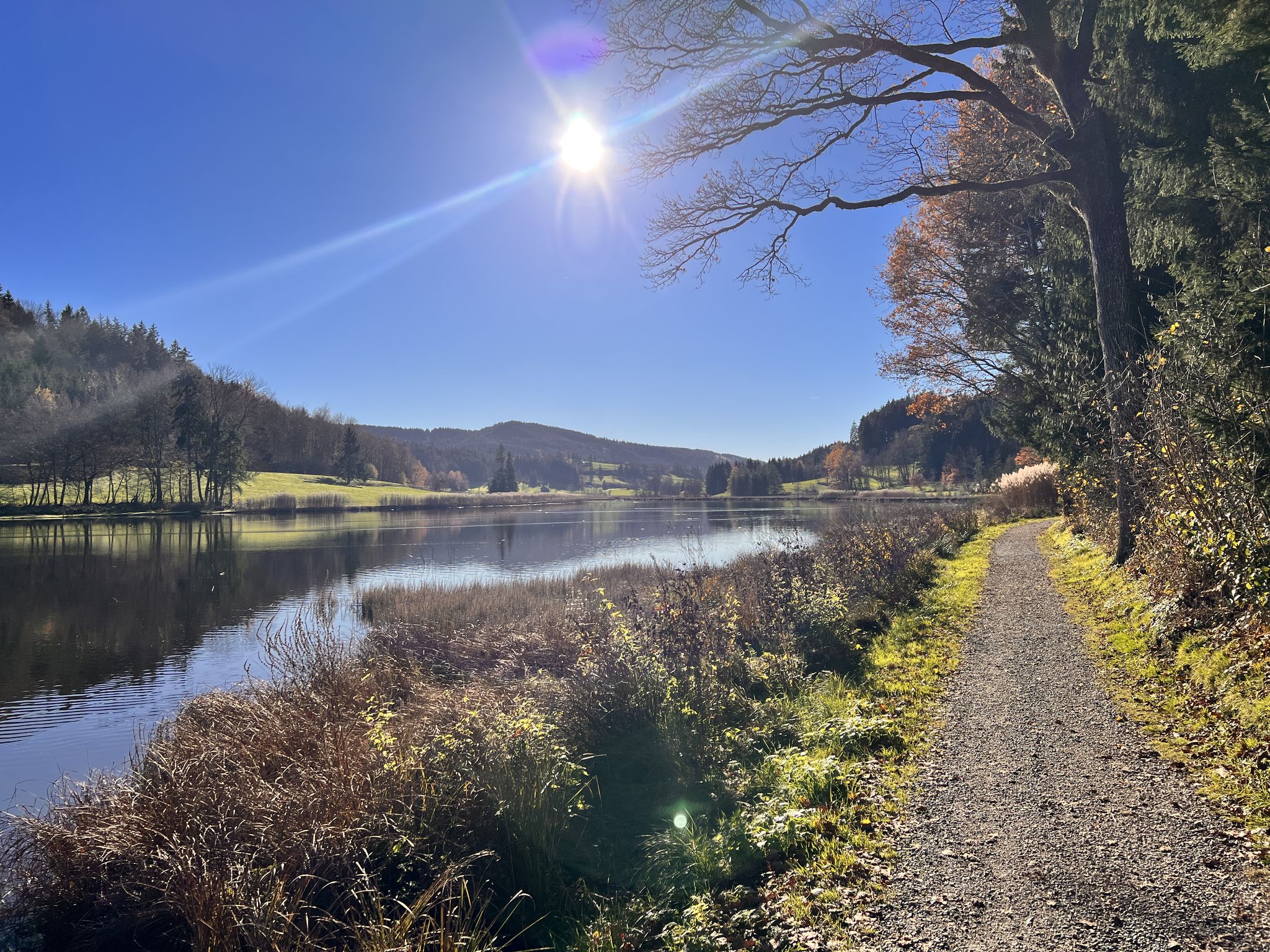
Run Wild – trail running routes throughout Germany
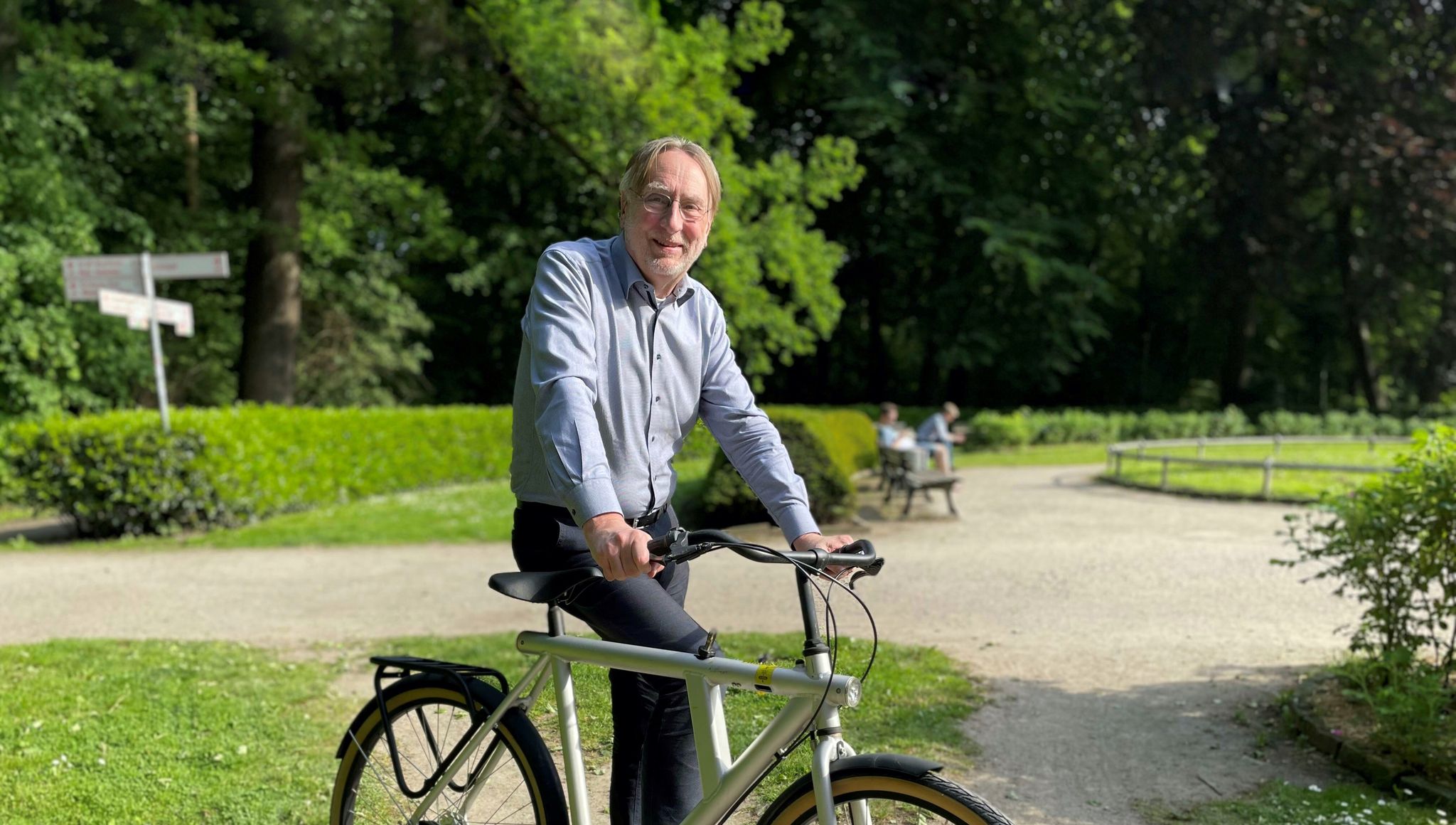
Exploring cultural sites by bike — EU Projects in the Hamburg Area
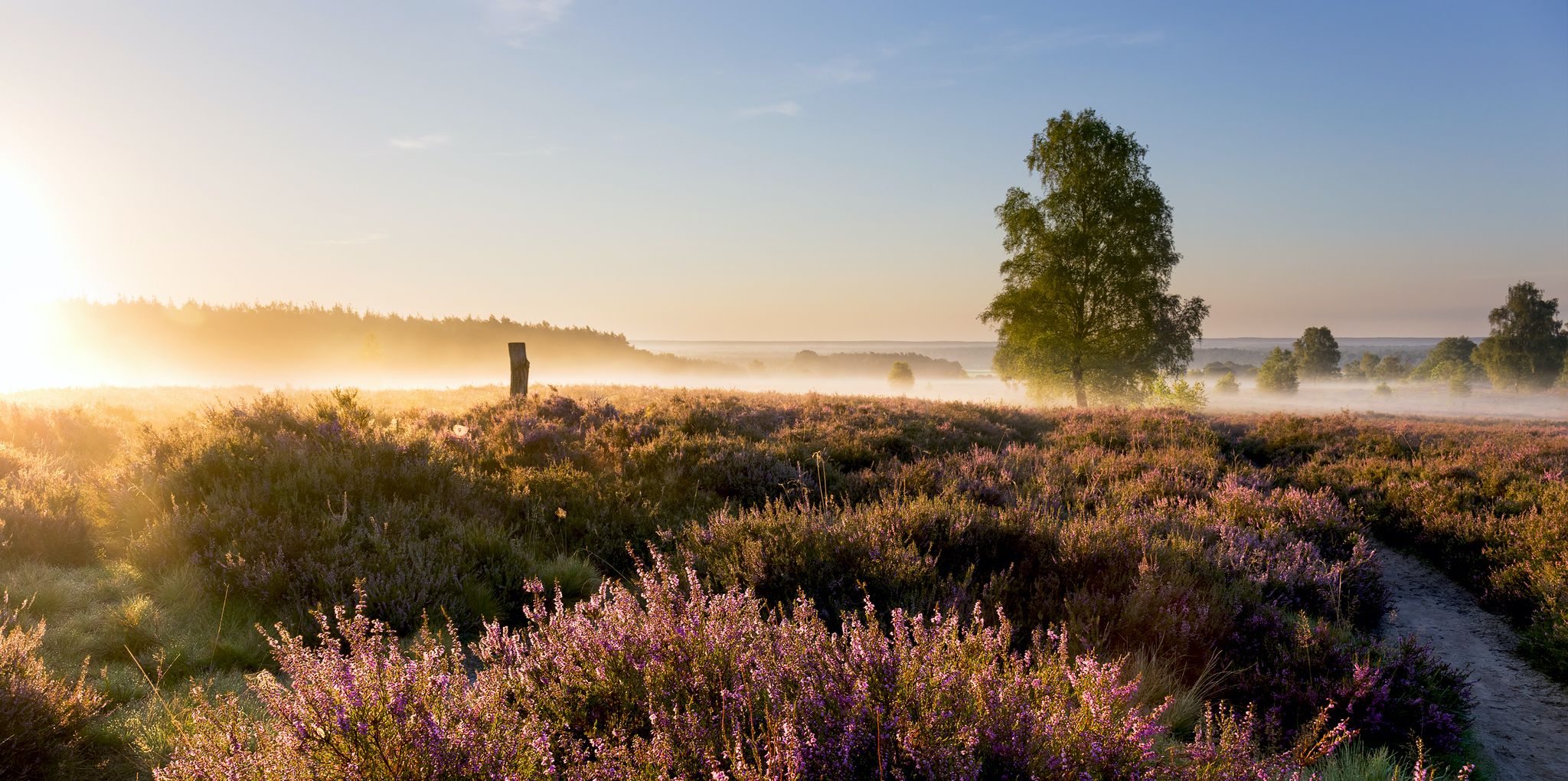
The most beautiful path high up in the north — the Heidschnuckenweg
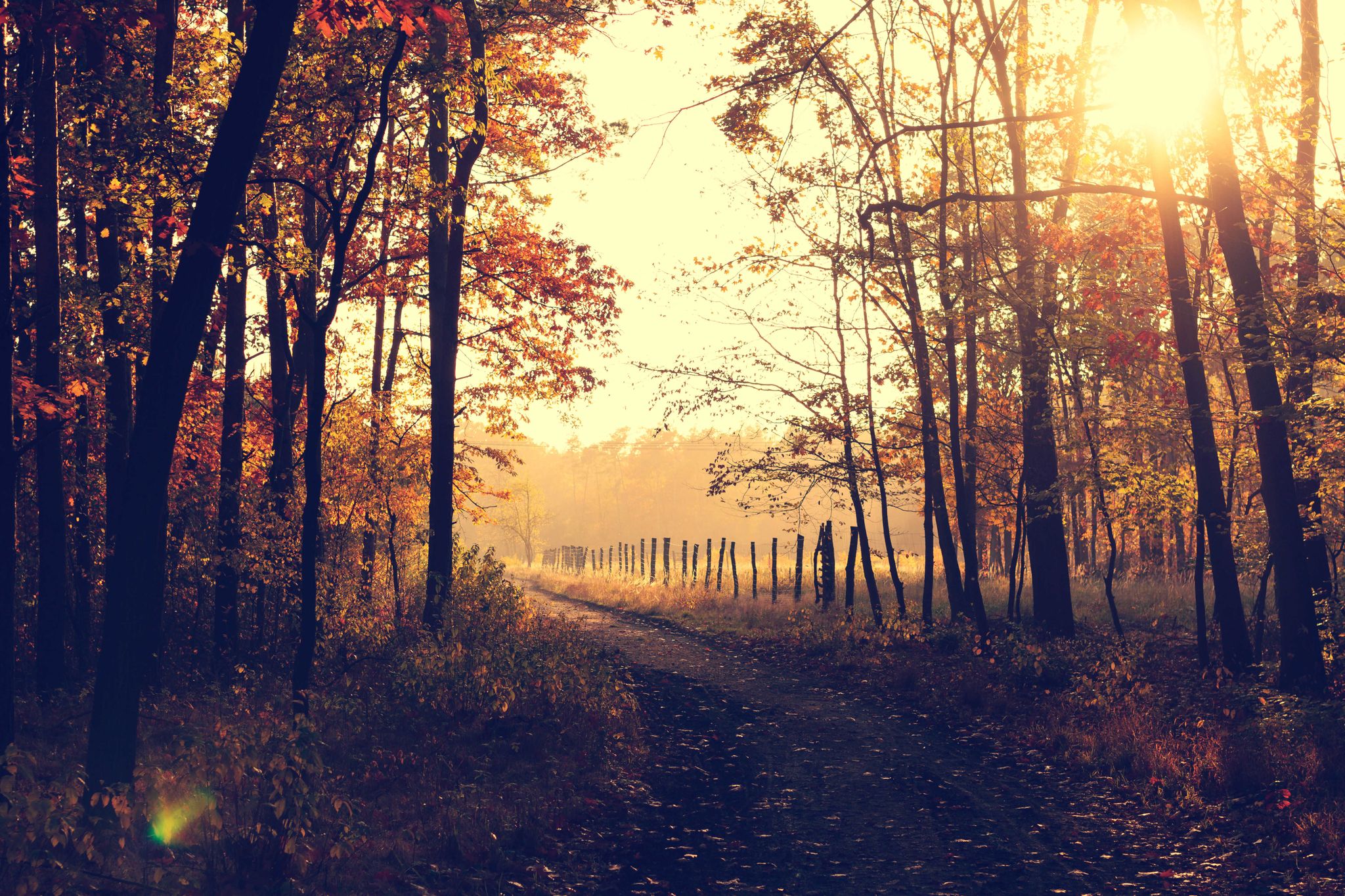
Autumn hikes around Hamburg
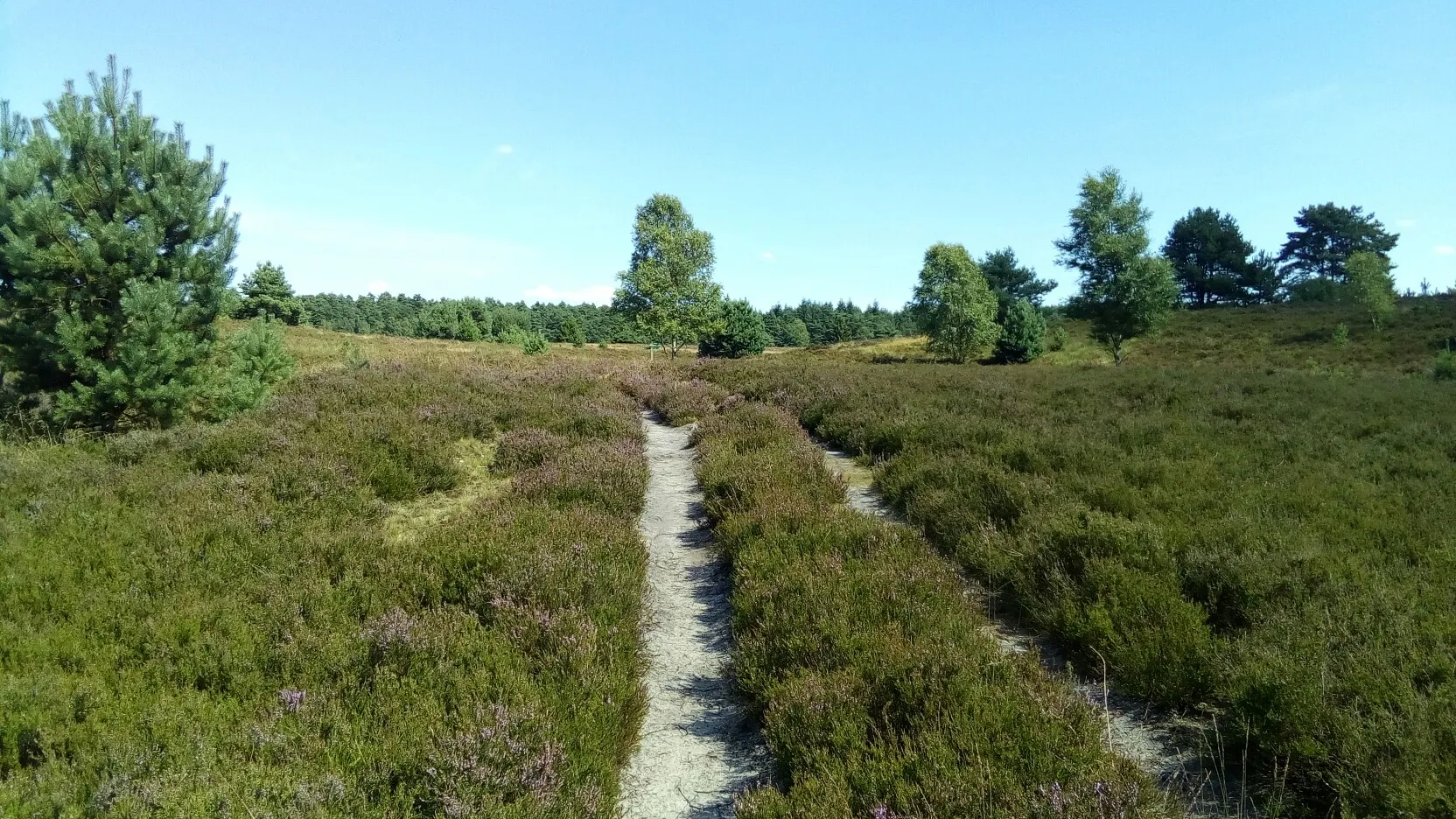
Weekend trip to the Lüneburg Heath
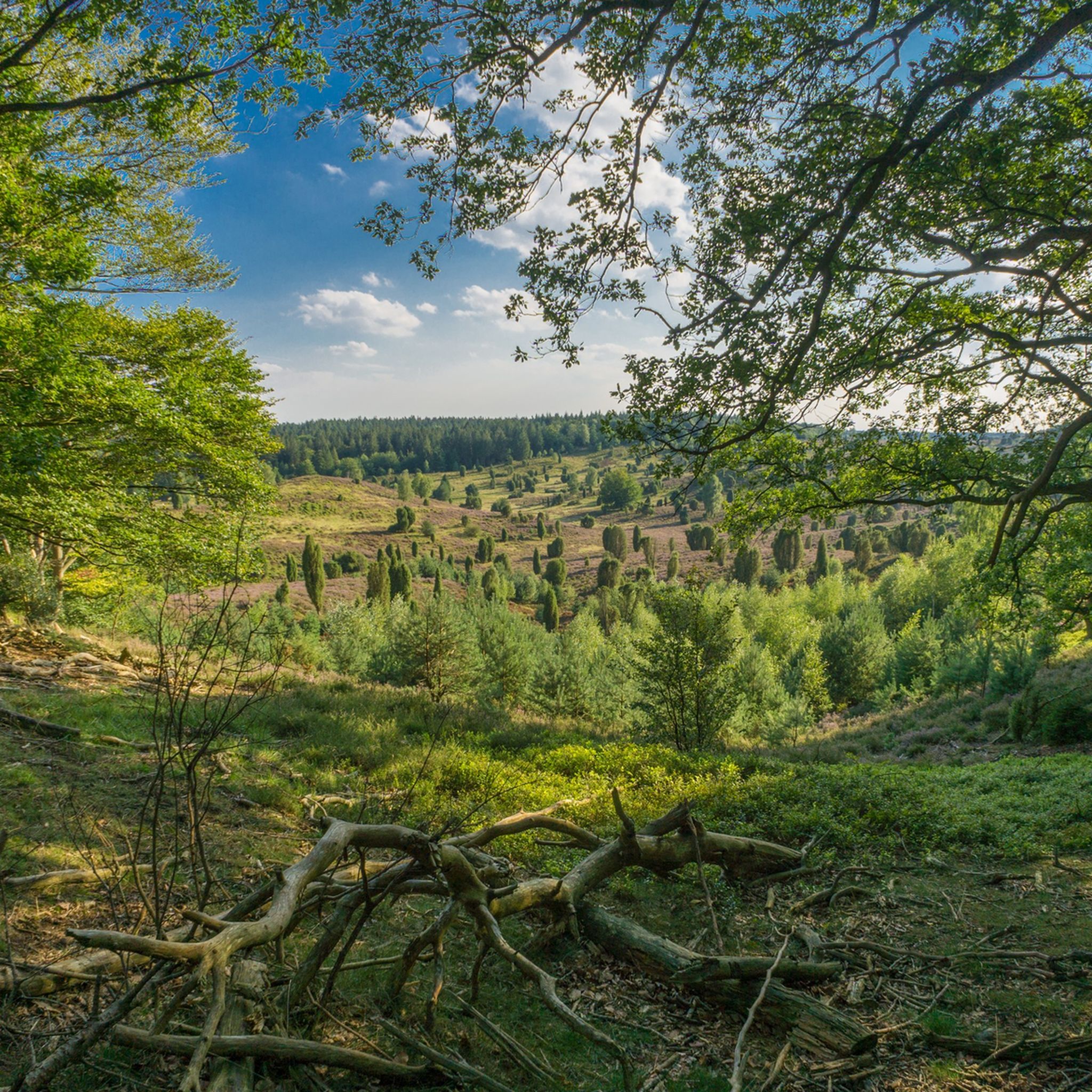
Hiking around Natural Park Lüneburger Heide
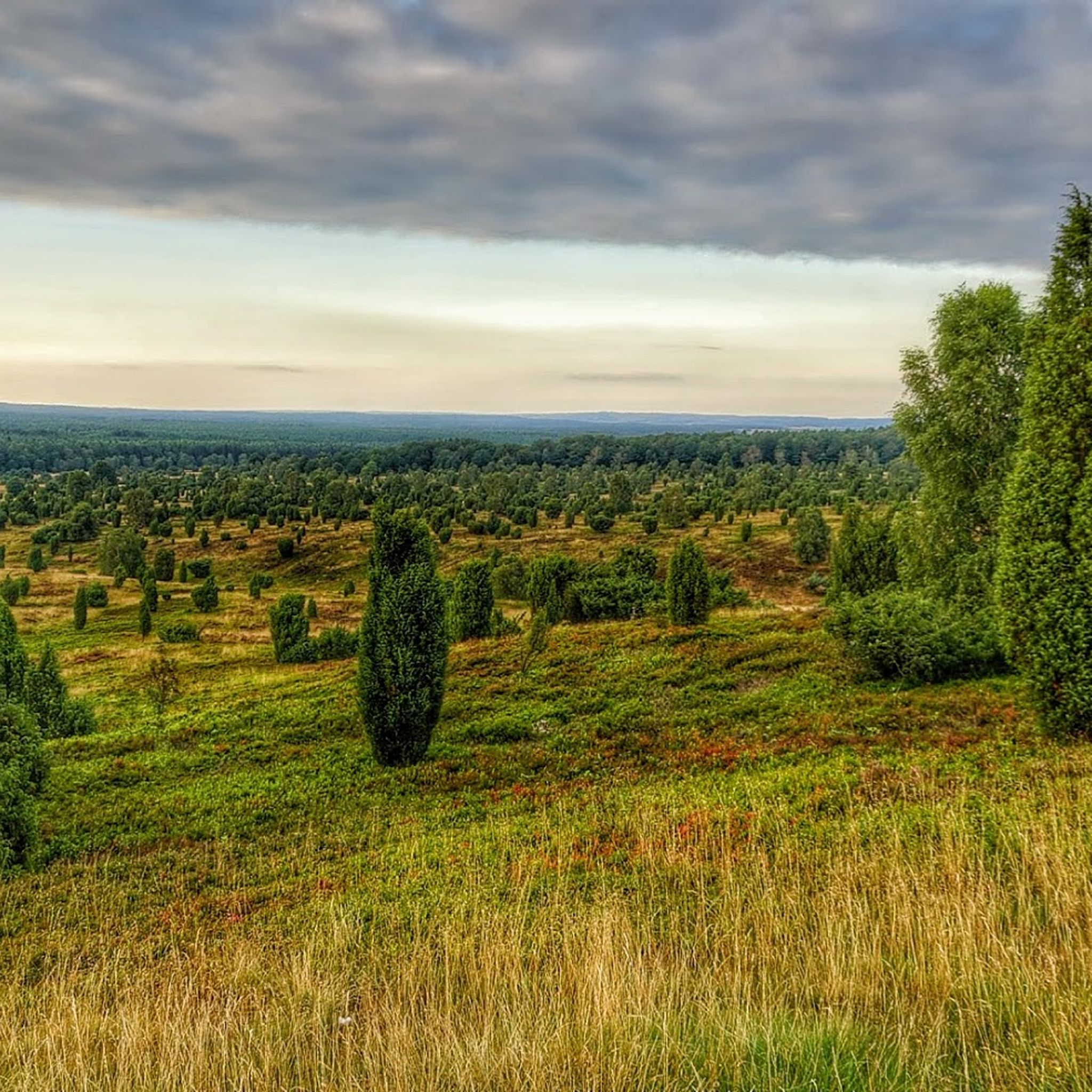
Cycling around Natural Park Lüneburger Heide
MTB Trails around Natural Park Lüneburger Heide
Other adventures around Natural Park Lüneburger Heide


Tips from the Community

There are many higher mountains around the world. Nevertheless, it has a special charm.
22
1

The Totengrund - A valley of unearthly beauty The mystical valley in the middle of the Lüneburg Heath nature reserve, one kilometer south-east of Wilsede. Is this place haunted? No, what sounds so mystical is actually one of the most beautiful heath areas of all. When the heather blooms here in August, you have a wonderful view of the sea of flowers from the valley edges. The purple heather splendor makes the kettle overflow pictorially. The Totengrund - a natural spectacle in all seasons But the Totengrund is not only a dream when the heather is in bloom. Even in spring, when nature awakens, the Totengrund is a worthwhile destination. Lovers particularly appreciate the Totengrund in winter or when it is foggy, as that is when the mystical image emerges. Just a landscape like a watercolor painting, almost unrealistic. That is why the Totengrund is one of the most photographed areas of the Lüneburg Heath. https://www.lueneburger-heide.de/natur/sehenswuerdigkeit/1074/totengrund-lueneburger-heide.html
12
0

Not only that it is actually the most beautiful landscape in the heath, you also have a great view of this valley from several sides. There is also a nice circular route around the Totengrund. It is also only a short way to Wilsede. Photos in the media show that Totengrund is the most visited destination here.
12
0

There is a very beautiful and varied hiking trail around the Totengrund, which offers many great views of the valley.
11
0

Actually, all looks in the basin are fascinating and therefore you should walk around the bottom of the dead.
18
0
The absolute highlight is the view from all sides into the basin. Access to the valley is of course prohibited.
19
0
A stunning view of the valley basin is a highlight in every season. The valley basin was probably formed during the Ice Age and was placed under nature protection as early as 1921.
15
0

Frequently Asked Questions
What kind of natural features can I expect to see in Natural Park Lüneburger Heide?
Natural Park Lüneburger Heide is renowned for its diverse landscape, featuring expansive heathlands, ancient bogs, and unique geological formations. You'll encounter the highest elevation in the North German Plain at Wilseder Berg, mystical dry valleys like Totengrund and Steingrund, and the unique raised bog ecosystem of Pietzmoor. The region is characterized by heather, juniper bushes, erratic boulders, and coniferous forests.
Where can I find the best panoramic views of the heathlands?
For breathtaking panoramic views, head to Wilseder Berg, the highest point in the Lüneburger Heide. On clear days, you can see as far as Lüneburg and Hamburg. The edges of Totengrund and Steingrund also offer impressive vistas into their heather-covered valleys.
When is the best time to visit the natural monuments, especially for the heather bloom?
The most popular time to visit is during the heather bloom, which typically occurs in August and early September, when the landscape transforms into a sea of purple flowers. However, each season offers a unique experience: spring brings cotton grass blossoms to Pietzmoor, autumn offers mystical fogs, and winter provides frosty, tranquil landscapes.
Are there family-friendly natural monuments to visit?
Yes, many natural monuments in the Natural Park Lüneburger Heide are family-friendly. Wilseder Berg, Totengrund, and Pietzmoor are all suitable for families. The 5 km circular boardwalk trail at Pietzmoor is particularly engaging for children, with informative boards explaining the moor's ecosystem. The car-free nature reserve around Wilseder Berg also allows for undisturbed exploration.
What outdoor activities can I do near these natural monuments?
The area around the natural monuments offers a variety of outdoor activities. You can enjoy extensive hiking, cycling, and running. For specific routes, explore guides like Cycling around Natural Park Lüneburger Heide, Running Trails around Natural Park Lüneburger Heide, and Easy hikes around Natural Park Lüneburger Heide. Horse-drawn carriage rides are also a popular way to experience the car-free areas.
Are there easy hiking trails near the natural monuments?
Absolutely. For an easy and unique experience, the 5 km circular trail on boardwalks through Pietzmoor is highly recommended. Other easy options can be found in the Easy hikes around Natural Park Lüneburger Heide guide, including routes like the 'Pietzmoor Heather Loop' and various loops around Wilsede and Totengrund.
What makes <a href="https://www.komoot.com/highlight/80845" target="_blank" rel="noopener">Wilseder Berg</a> a significant natural monument?
Wilseder Berg is significant as the highest elevation in the Lüneburger Heide and the entire North German Plain, offering unparalleled panoramic views. It was formed during the Saale Ice Age and is a central point for exploring the largest heath areas in Central Europe. Historically, it was one of the first areas acquired for nature conservation in 1910, making it a cornerstone of the region's protected status.
What is unique about <a href="https://www.komoot.com/highlight/69042" target="_blank" rel="noopener">Totengrund</a>?
Totengrund is a mystical, roughly 30-hectare dry valley basin, believed to have formed during the Ice Age. It's covered with lush heather and juniper bushes and surrounded by 30-40 meter high walls. It's considered one of the most beautiful heathlands, especially during the heather bloom, and holds historical importance as the 'seedbed of nature conservation in Germany,' having been saved from development in 1906.
Can I spot wildlife at the natural monuments?
Yes, the diverse ecosystems of the natural monuments support various wildlife. Pietzmoor is a refuge for various bird species, making it attractive for birdwatching, and you might spot adders and lizards. The heathlands around Wilseder Berg are grazed by Heidschnucke sheep, which are an iconic part of the landscape.
Is parking available near the main natural monuments?
Yes, parking is generally available at starting points near the natural monuments. For instance, there is sufficient parking near Pietzmoor. Keep in mind that the area directly around Wilseder Berg is a car-free nature reserve, so you'll need to park further away and continue on foot, by bike, or by horse-drawn carriage.
What do visitors enjoy most about the natural monuments in Natural Park Lüneburger Heide?
Visitors frequently praise the stunning panoramic views, especially from Wilseder Berg, and the serene beauty of the heather-covered landscapes. The unique experience of walking on boardwalks through the mystical Pietzmoor is also highly rated. Many appreciate the tranquility and the opportunity for undisturbed hiking, cycling, or horse-drawn carriage rides in the car-free zones.
Are there any natural monuments that are less crowded?
While popular spots like Wilseder Berg can get busy, especially during peak heather bloom, areas like Totengrund can offer a quieter experience, particularly in autumn and winter. The tips suggest that the 'quiet place' of Totengrund is best enjoyed when fog or frost makes the expansive nature sparkle, offering a more tranquil atmosphere.
Most popular routes around Natural Park Lüneburger Heide
Most popular attractions around Natural Park Lüneburger Heide

Get inspired with the komoot mobile app


Explore more
Extend your search for the best caves by checking out these guides of the top ones around Natural Park Lüneburger Heide:
