Top 16 Natural Monuments in Val-d'Oise
Best natural monuments in Val-d'Oise offer a diverse range of ecological, historical, and recreational experiences within the Île-de-France region. This department features extensive forests, protected natural parks, and unique geological formations. Visitors can explore varied landscapes, including hilly terrains, wetlands, and chalk cliffs, providing opportunities for outdoor activities and nature observation. The area is characterized by its rich biodiversity and significant natural features.
Best natural monuments in Val-d'Oise
- The most popular natural monuments is Cliffs of La Roche-Guyon, a…
Last updated: October 27, 2026
Cliffs of La Roche-Guyon
Highlight • Natural Monument
Translated by Google •
Tip by

Singletrack along the Marais de Stors
Highlight (Segment) • Trail
Translated by Google •
Tip by
Sign up now to discover places like this
Get recommendations on the best single tracks, peaks, & plenty of other exciting outdoor places.
Coteaux de la Seine
Highlight • Natural Monument
Translated by Google •
Tip by
The Blue Lake of Carnelle
Highlight • Forest
Translated by Google •
Tip by
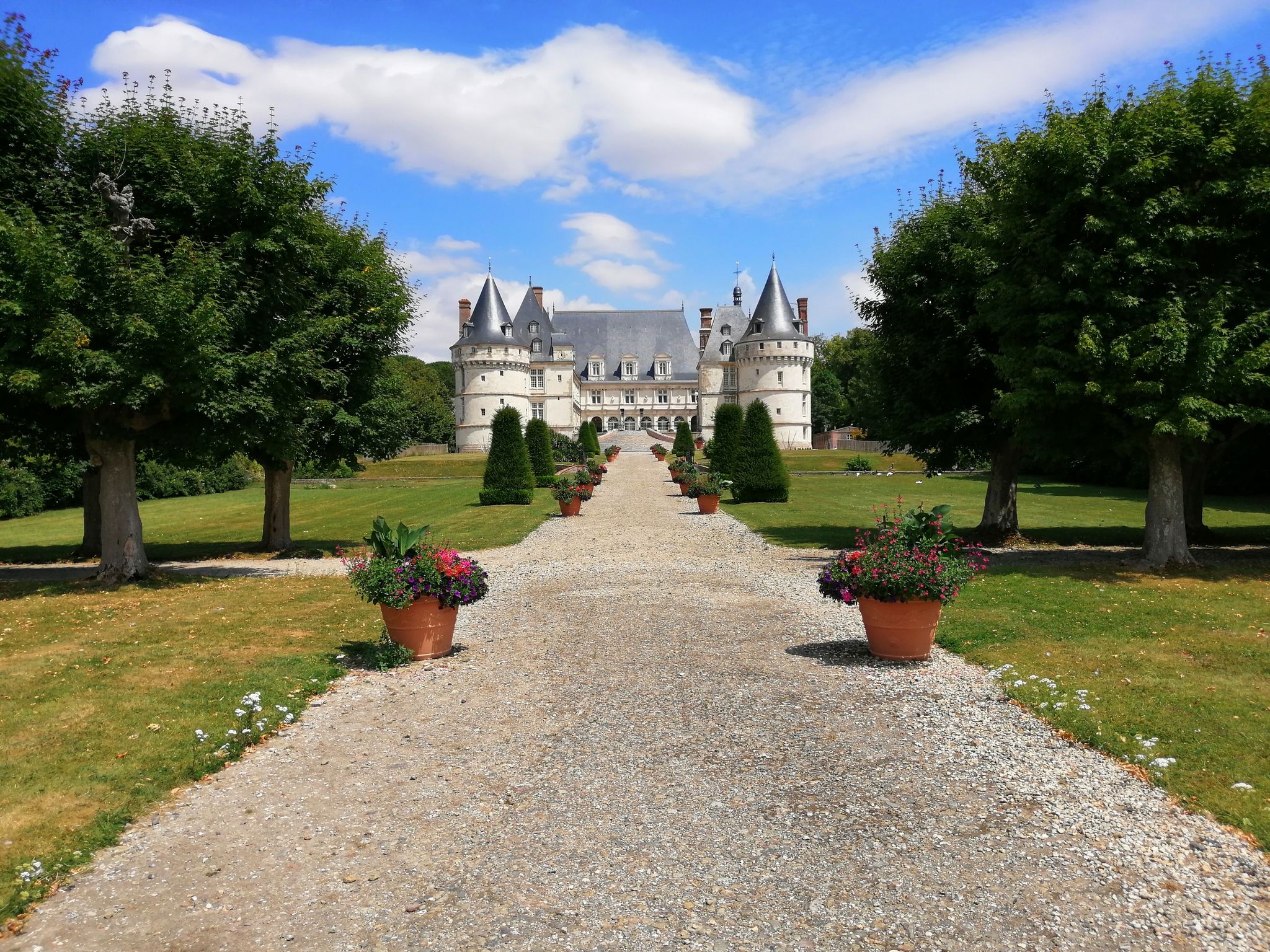
Villarceaux Estate
Highlight • Castle
Built in the 17th century, the chateau has housed prominent …
Tip by

Saint Radegonde Fountain
Highlight • Natural Monument
Translated by Google •
Tip by
Pierre de Lait Polishing Stone
Highlight • Historical Site
Translated by Google •
Tip by

Covered alley
Highlight • Historical Site
Translated by Google •
Tip by

Breathtaking view of the Stors Marsh
Highlight • Natural Monument
Translated by Google •
Tip by
Auversian Geological Site
Highlight • Natural Monument
The interest of this quarry lies in the geological substrate, formed from the famous sands of Auvers.
valdoise.fr/888-site-geologique-de-l-auversien.htm
Translated by Google •
Tip by
Sign up for free to discover even more natural monuments in Val-d'Oise.
Already have an account?
Start today with a free account
Your next adventure awaits.
Popular around Val-d'Oise
Avenue Verte – Cycling a beautiful adventure from London to Paris
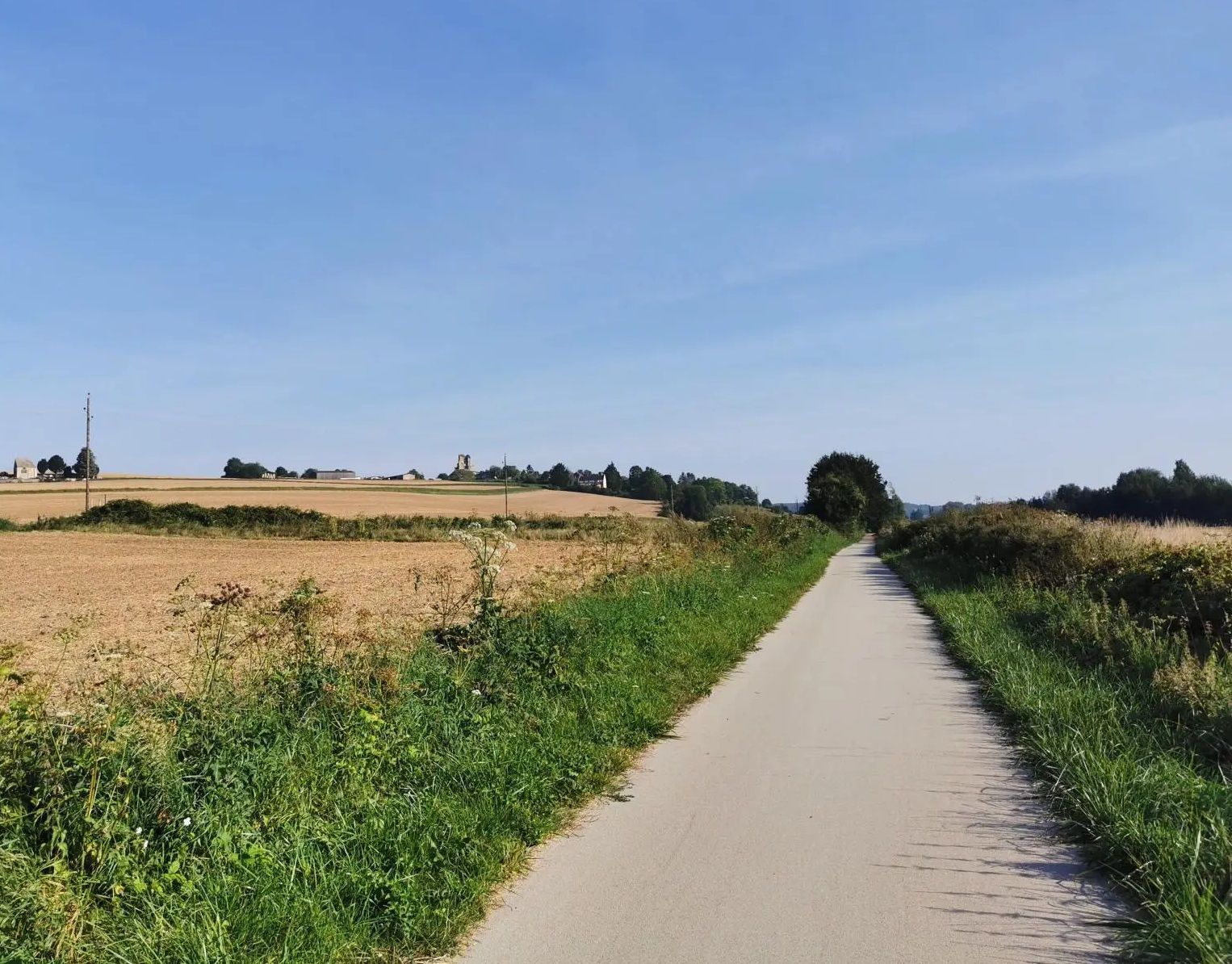
On the roads of the Avenue Verte in France – Oise and Vexin loop
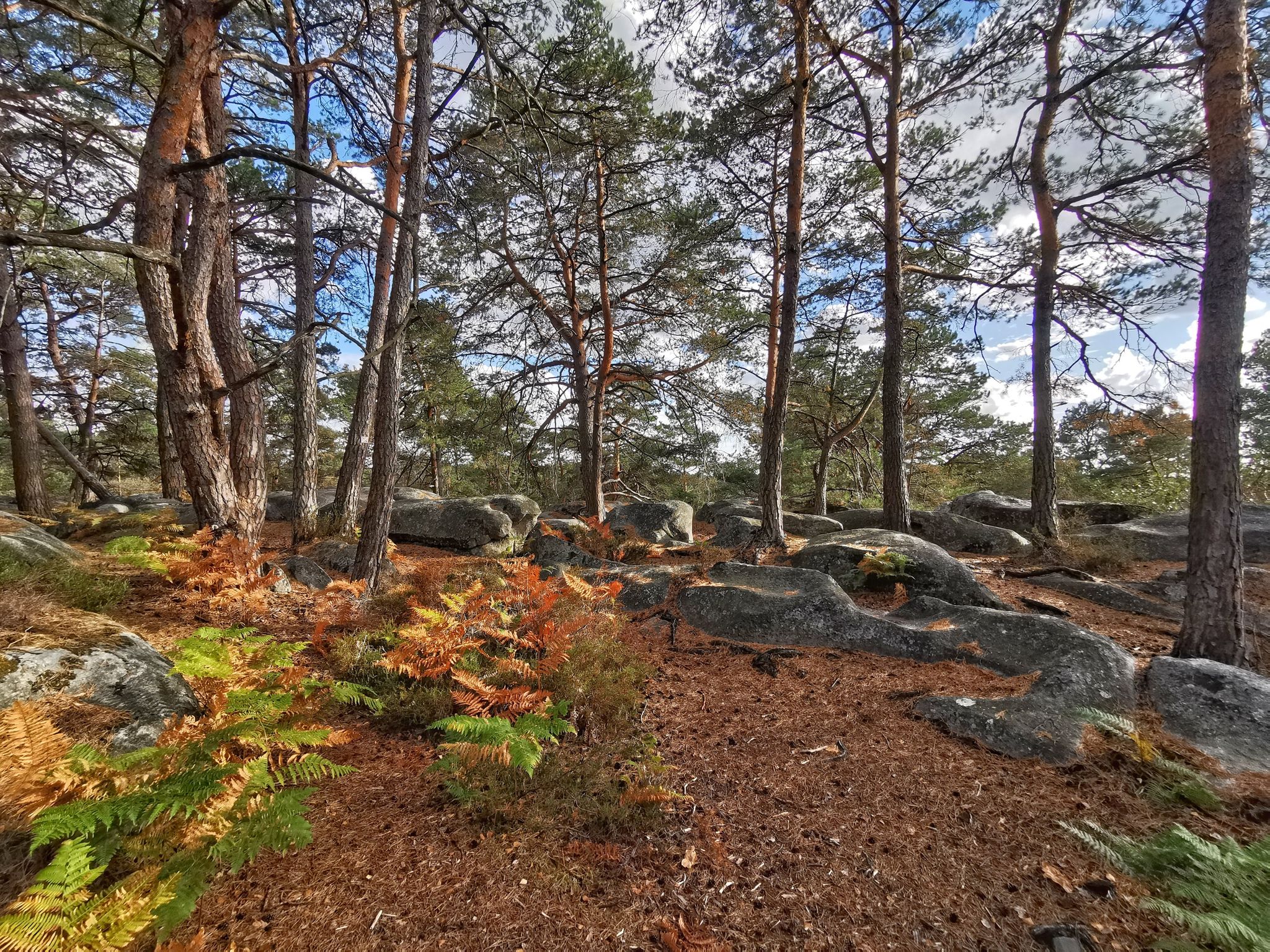
Natural beauty on Île-de-France – mountain biking around Paris
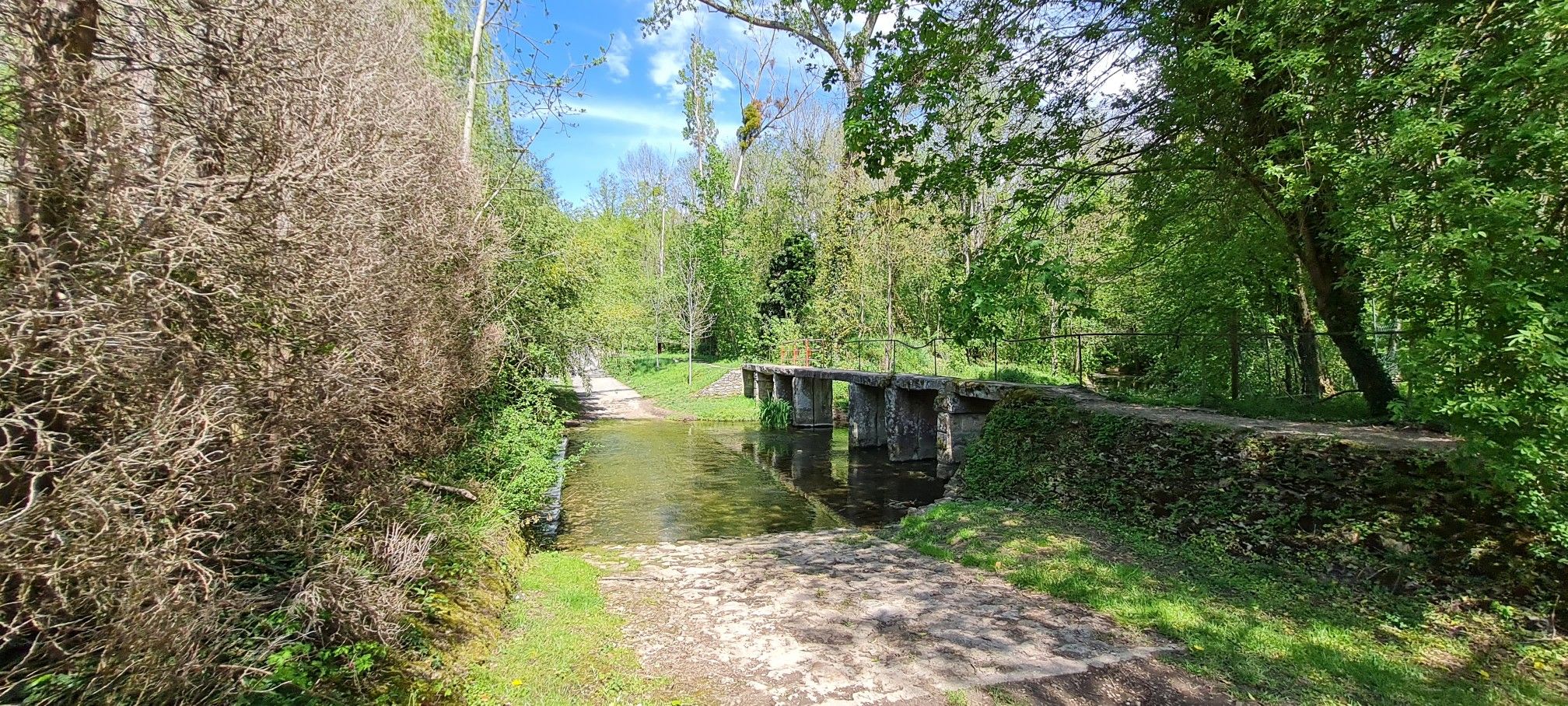
Walking around Ile-de-France in Paris – GR 1
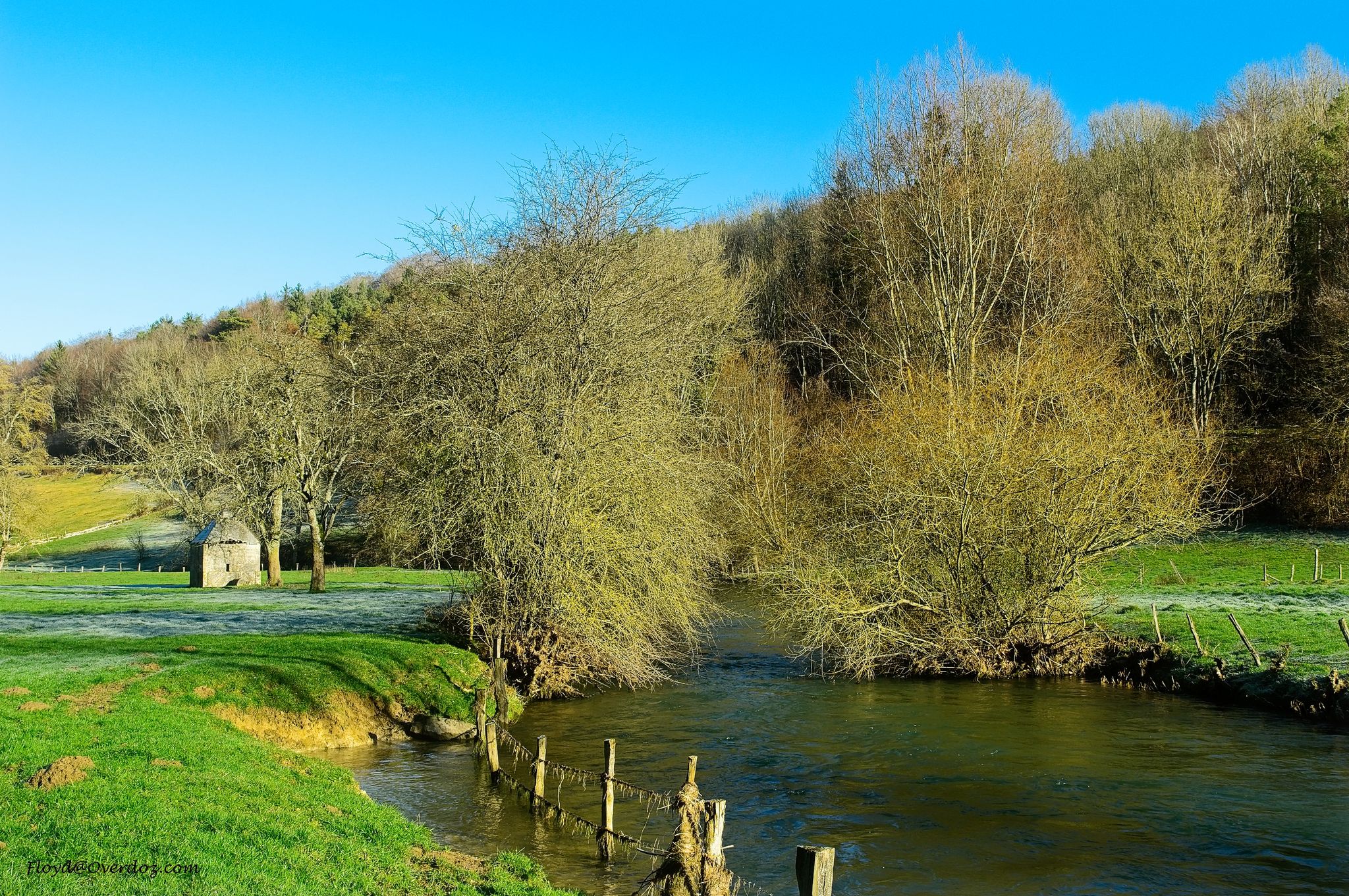
Exploring the Seine on the Île-de-France – hike the GR 2
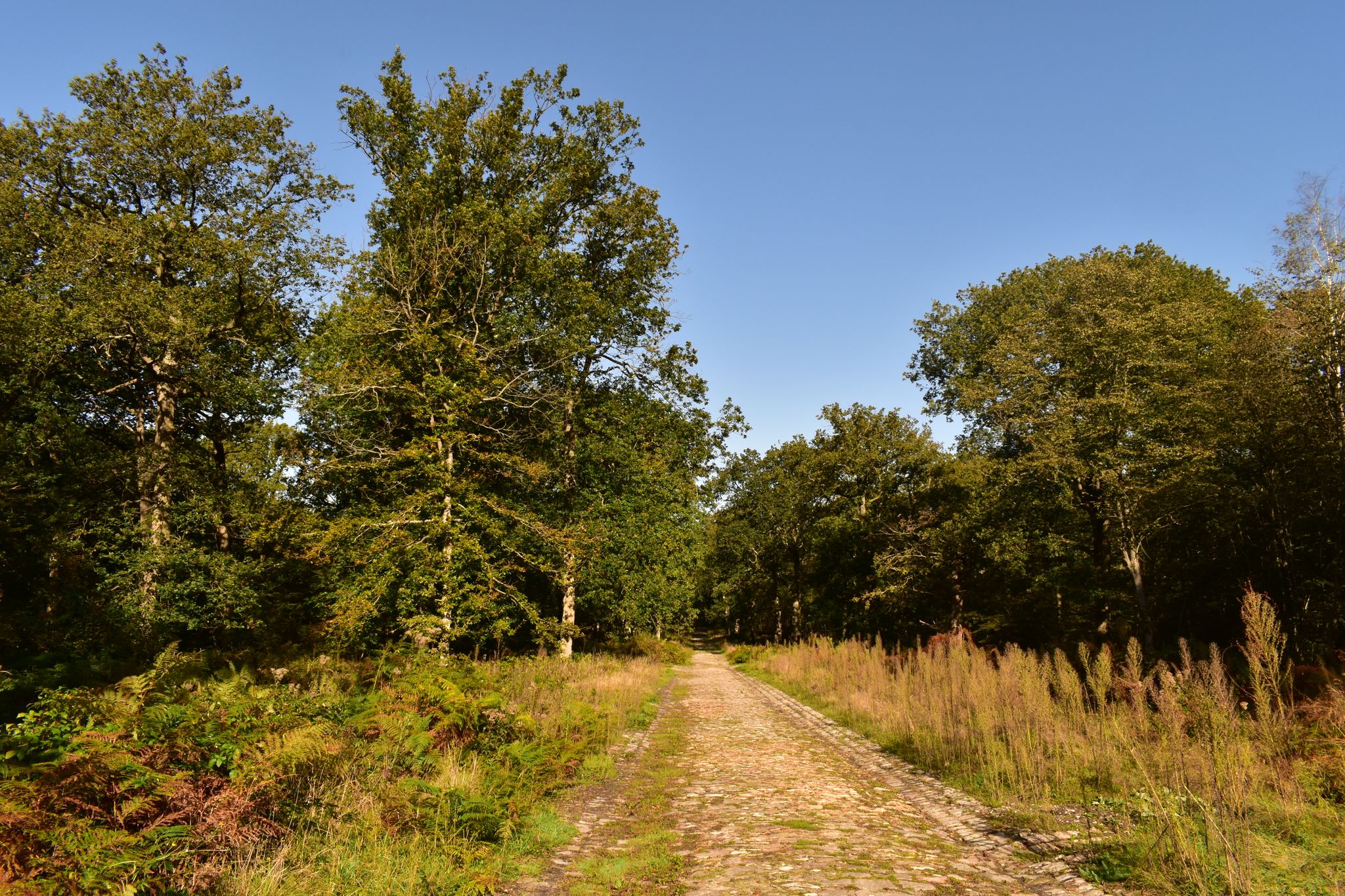
In the heart of Ile-de-France’s landscapes — 7 trails north of Paris
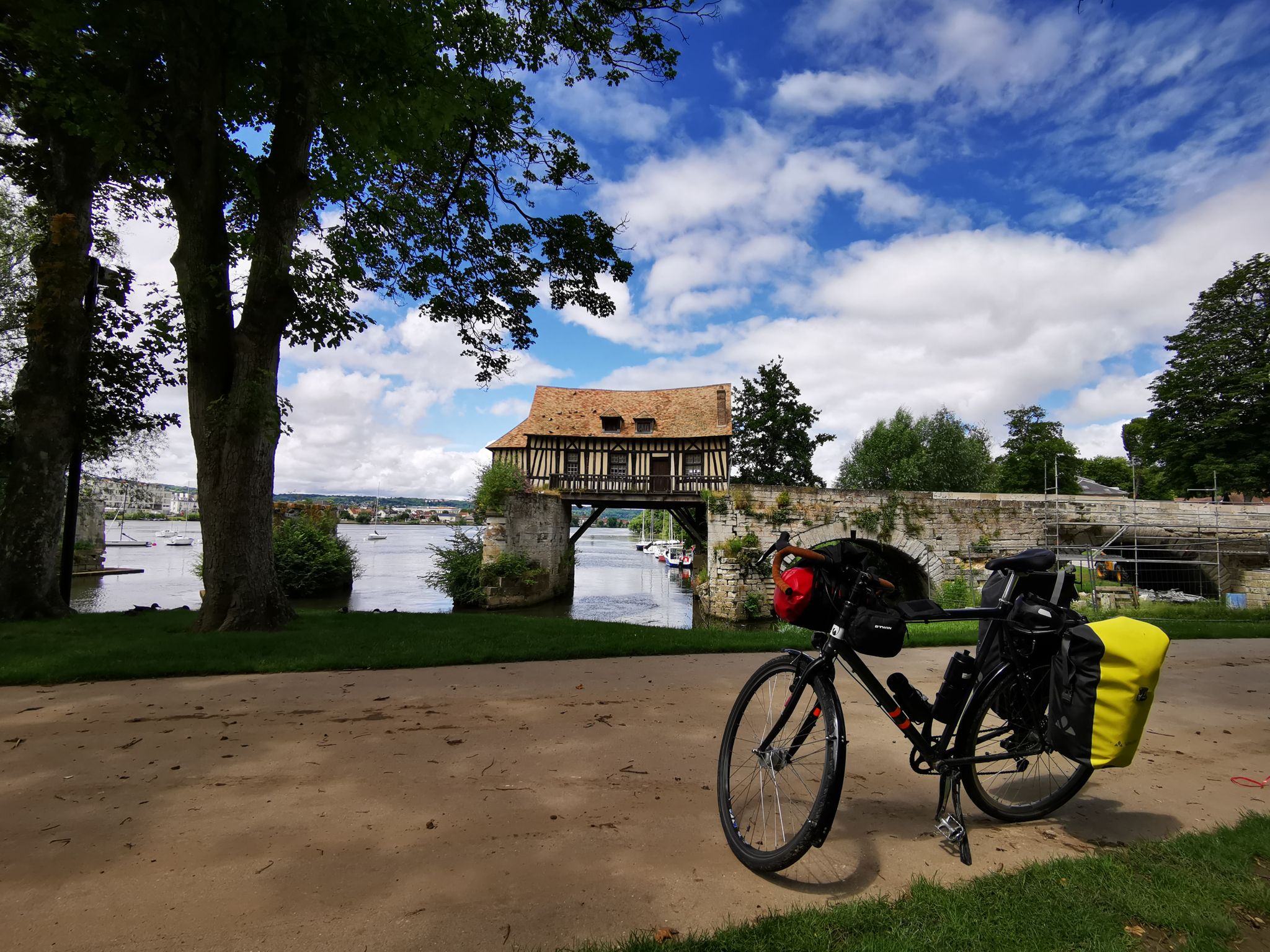
From Paris to Le Havre — the Seine by Bike

Hiking in Val-d'Oise

Cycling in Val-d'Oise

Running Trails in Val-d'Oise
Other adventures in Val-d'Oise


Tips from the Community

Very nice trail running outing in the forest 🌳
0
0

Lots of beautiful things to see in this part of Vexin
1
0

The fountain is on a small bend, be careful because it is quickly invaded by plants
0
0

What is to be remembered from this route is the passage through the Carnelle forest. However, there are too many roads on the Isle Adam and along the Oise. No particular difficulty.
0
0

Nothing to add to the description from Wikipedia, except that it is a peaceful place that charms with its elegance.
0
0

pretty lake hidden in the middle of the forest
0
0

Villarceaux constitutes a unique ensemble: its 70 hectare park and its two castles (16th century manor and 18th century castle). The estate has existed since the 11th century.
0
0
Frequently Asked Questions
What types of natural monuments can I explore in Val-d'Oise?
Val-d'Oise offers a diverse range of natural monuments, including extensive forests like the Forêt de Montmorency, protected areas such as the Parc Naturel Régional du Vexin Français, and unique geological formations. You can find varied landscapes from hilly terrains and wetlands, like the Singletrack along the Marais de Stors, to chalk cliffs and lakes such as The Blue Lake of Carnelle.
Are there family-friendly natural monuments in Val-d'Oise?
Yes, many natural monuments in Val-d'Oise are suitable for families. For instance, the Forêt de Montmorency features educational paths. Other family-friendly spots include The Blue Lake of Carnelle, the Villarceaux Estate, and the Butte de Rosne, which offers pleasant forest walks and viewpoints.
What historical or cultural sites are integrated with the natural monuments?
Several natural monuments in Val-d'Oise also boast significant historical elements. The Forêt de Montmorency, a former royal hunting ground, contains sites like the Château de la Chasse and the Sainte-Radegonde fountain. The Pierre de Lait Polishing Stone is a Neolithic archaeological site within a forest. The Butte de Montmélian features vestiges of ancient settlements and a royal castle, while the Villarceaux Estate combines natural beauty with a historic castle and gardens.
What outdoor activities can I do near the natural monuments?
The natural monuments in Val-d'Oise are excellent starting points for various outdoor activities. You can enjoy extensive hiking opportunities in areas like the Forêt de Montmorency and the Parc Naturel Régional du Vexin Français. Cycling and mountain biking are also popular, with routes such as those found in the MTB Trails in Val-d'Oise guide or the Cycling in Val-d'Oise guide. Birdwatching is particularly rewarding at the Marais de Stors.
Where can I find impressive viewpoints among the natural monuments?
For panoramic views, the Cliffs of La Roche-Guyon offer breathtaking vistas of the limestone cliffs and the Seine hillsides. The Butte de Montmélian provides expansive views from its summit, and the Butte de Rosne is another summit with great outlooks. Additionally, the View of Paris from Butte d'Orgemont offers a unique perspective of the capital.
What unique geological features can be found in Val-d'Oise?
Val-d'Oise is home to several interesting geological formations. The Cliffs of La Roche-Guyon are notable limestone cliffs along the Seine. The Butte de Montmélian is a prominent 'butte-témoin' (witness hill) formed by resistant geological layers like Romainville green clay and gypsum. The Blue Lake of Carnelle gets its distinctive color from the gypsum and marl rock at its bottom, a remnant of old quarries.
What is the best time to visit the natural monuments in Val-d'Oise?
The natural monuments in Val-d'Oise can be enjoyed throughout the year, but spring and autumn often offer the most pleasant conditions for outdoor activities, with mild temperatures and vibrant foliage. Summer is ideal for longer days and exploring, while winter can provide serene, crisp walks, especially in the forests like Forêt de Montmorency.
Are there opportunities for wildlife observation?
Yes, Val-d'Oise provides excellent opportunities for wildlife observation. The Marais de Stors Regional Nature Reserve is particularly renowned for its exceptional biodiversity, harboring nearly 70 bird species and 400 plant species. The Forêt de Montmorency also supports a rich variety of flora and fauna, including protected plant species and diverse wetland environments.
What are some notable trails or paths for exploring these natural sites?
The Forêt de Montmorency offers numerous hiking opportunities, including 'Le sentier des lisières' (27 km), 'Le chemin du philosophe,' and educational paths. The Parc Naturel Régional du Vexin Français is crisscrossed with trails suitable for hiking and cycling. For a unique experience, consider the Singletrack along the Marais de Stors, a bucolic path through a wetland.
What do visitors appreciate most about the natural monuments in Val-d'Oise?
Visitors frequently praise the stunning views, such as those from the Cliffs of La Roche-Guyon, and the peaceful, natural settings. Many enjoy the diverse landscapes, from the deep blue of The Blue Lake of Carnelle to the historical ambiance of sites like the Pierre de Lait Polishing Stone. The opportunity for varied outdoor activities and the rich biodiversity are also highly valued.
Can I find information on public transport or parking for these natural monuments?
While specific public transport details vary by site, many natural monuments in Val-d'Oise are accessible by car, often with designated parking areas. For example, the Forêt de Montmorency is just 20 kilometers north of Paris, making it relatively accessible. For detailed transport options to specific locations like the Forêt de Montmorency, you might find local tourism resources helpful, such as valdoise-tourisme.com.
Are there any natural monuments with significant water features?
Yes, Val-d'Oise features several natural monuments with notable water elements. The Forêt de Montmorency is traversed by streams that feed the Lac d'Enghien and the Oise River. The Blue Lake of Carnelle is a beautiful body of water within the Carnelle forest. The Marais de Stors is a significant wetland and Regional Nature Reserve, characterized by extensive reed beds and alder swamps, bordering the Oise River.
Most popular routes in Val-d'Oise
Most popular attractions in Val-d'Oise

Get inspired with the komoot mobile app


Explore more
Extend your search for the best caves by checking out these guides of the top ones in Val-d'Oise:
