Top 20 Natural Monuments in Main-Taunus-Kreis
Best natural monuments in Main-Taunus-Kreis offer diverse landscapes, from renaturalized gravel pits to the highest peaks of the Taunus mountains. The region features green forests, winding valleys, and significant geological formations. Visitors can explore a variety of natural features, including unique arboretums and historic individual trees.
Best natural monuments in Main-Taunus-Kreis
- The most popular natural monuments is Großer Mannstein (Staufenschwur Lookout), a viewpoint that offers expansive views of Kelkheim, the Frankfurt skyline, and the Großer Feldberg. This rock formation…
Last updated: September 29, 2026
Großer Mannstein (Staufenschwur Lookout)
Highlight • Viewpoint
Translated by Google •
Tip by

Flörsheimer Watchtower
Highlight • Viewpoint
Showing Translation
Tip by

Sign up now to discover places like this
Get recommendations on the best single tracks, peaks, & plenty of other exciting outdoor places.
Gimbacher Hof
Highlight • Restaurant
Translated by Google •
Tip by

Main-Taunus Arboretum
Highlight • Forest
Translated by Google •
Tip by

Kapellenberg Pine Grove
Highlight • Forest
Translated by Google •
Tip by

Rossert summit
Highlight • Summit
Translated by Google •
Tip by

Weilbacher Gravel Pits Observation Tower
Highlight • Viewpoint
Translated by Google •
Tip by

Rosarium Hattersheim-Okriftel
Highlight • Natural Monument
Translated by Google •
Tip by

Flörsheim Witch Trials Memorial Cross
Highlight • Monument
Translated by Google •
Tip by

Hasenberg Rock Formation (Wiegenstein)
Highlight • Natural Monument
Translated by Google •
Tip by

Sign up for free to discover even more natural monuments in Main-Taunus-Kreis.
Already have an account?
Start today with a free account
Your next adventure awaits.
Popular around Main-Taunus-Kreis
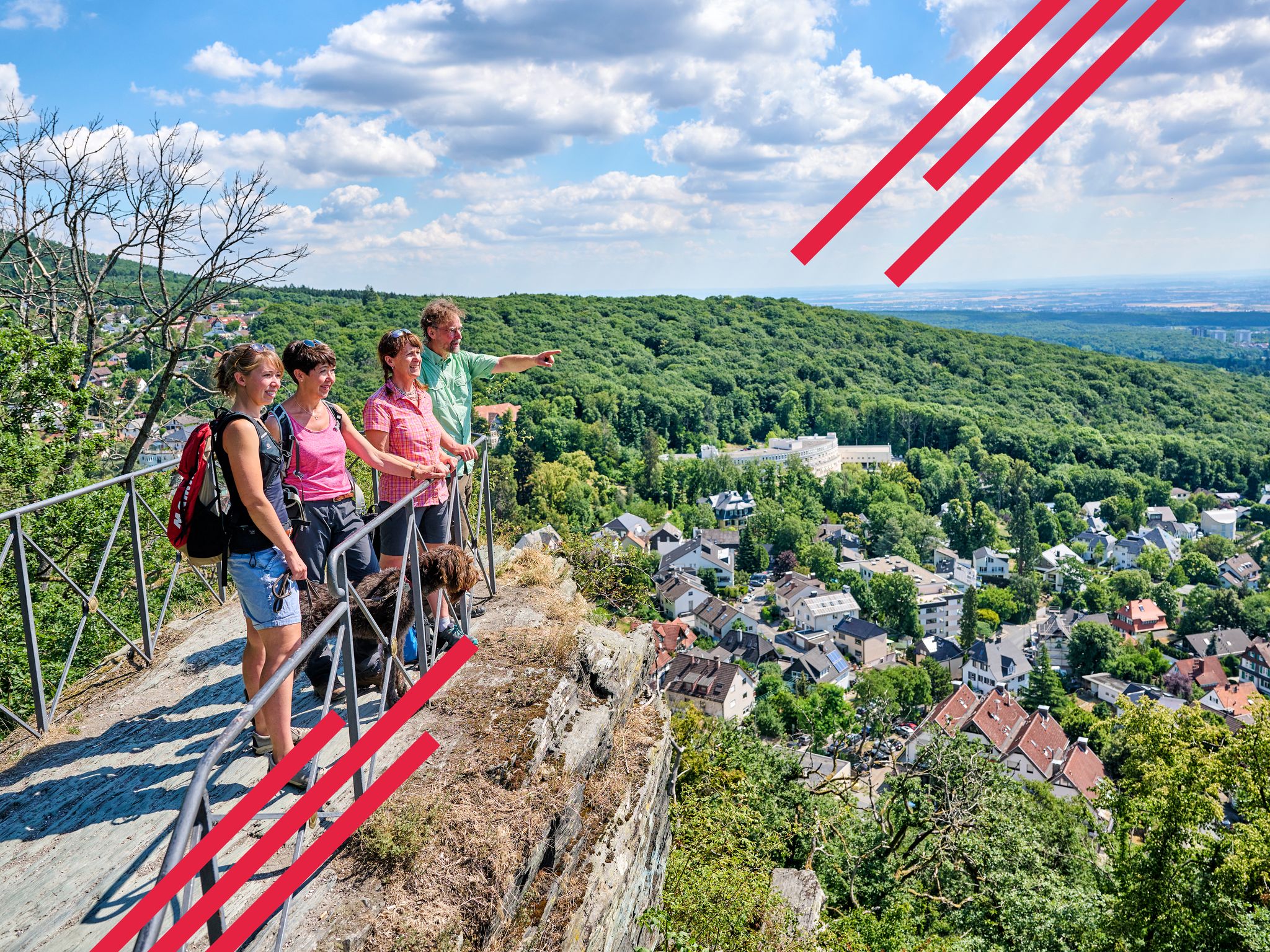
Delightfully scenic hiking in the Taunus range
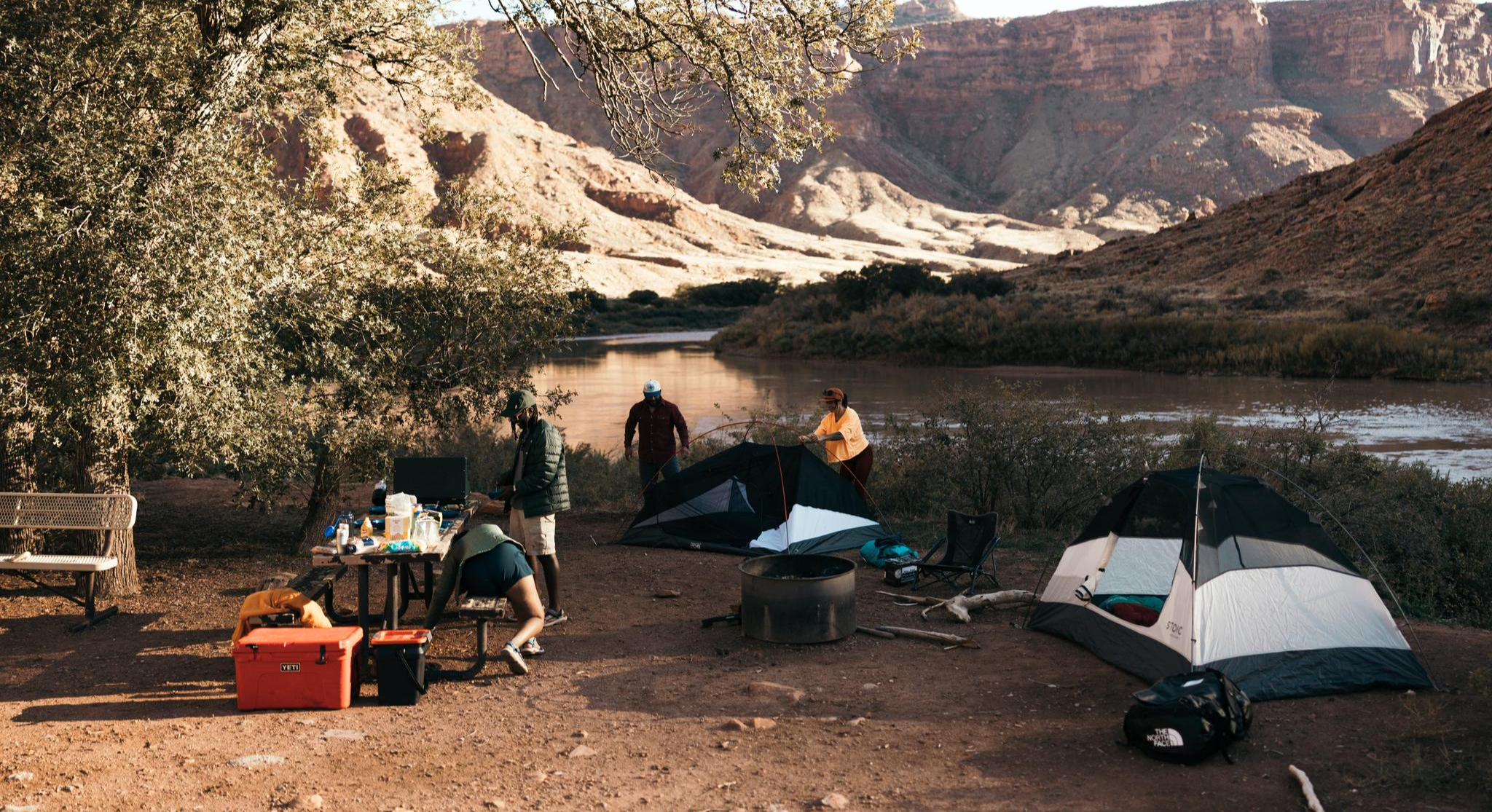
Glamping Adventures on Foot

Riesling Loops – 14 routes rich in wine and history

By bike and train into the green - cycling Tours around the EUROBIKE

Orchards, vineyards, taverns – hikes in the RMV area
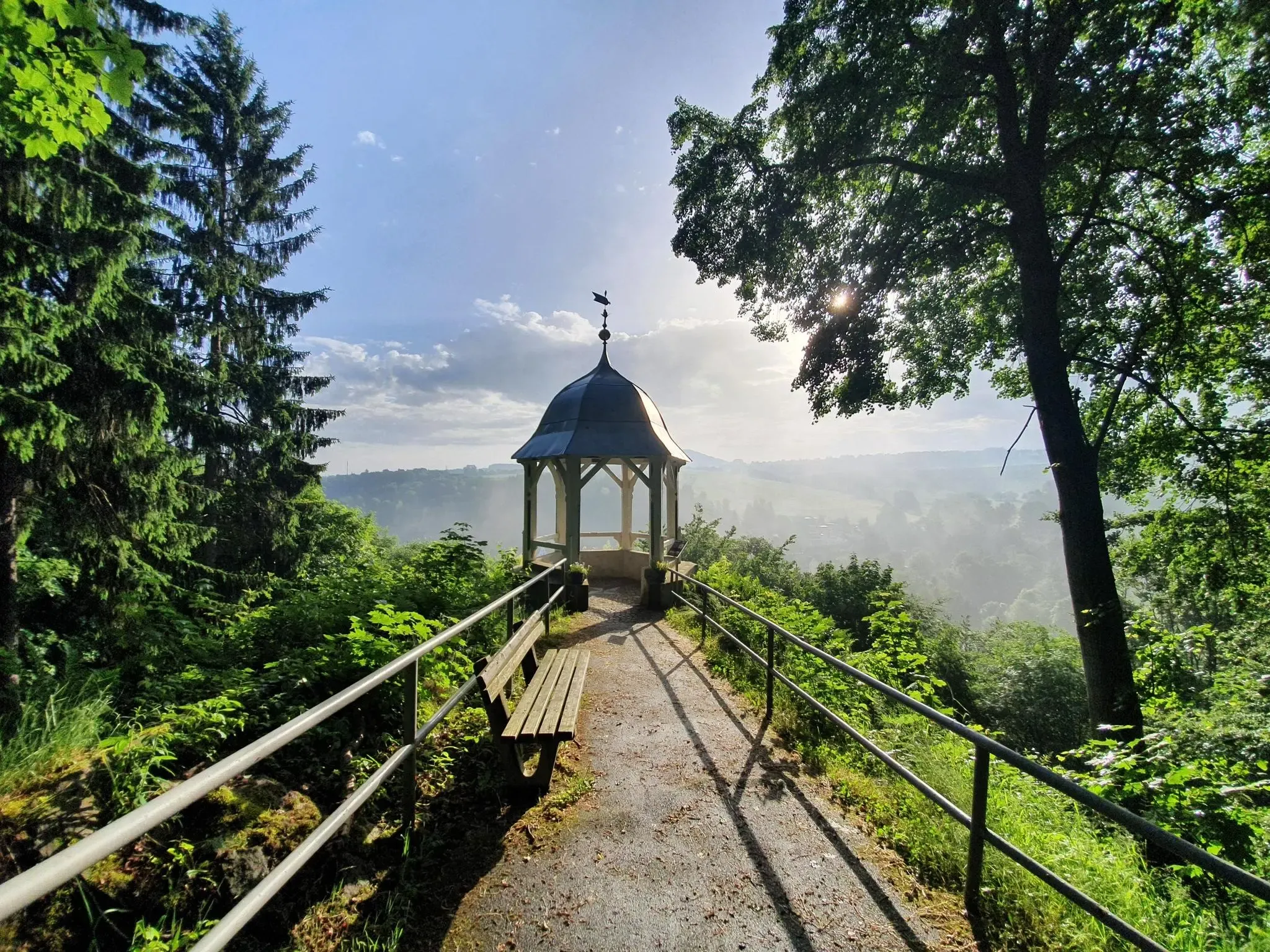
#GoFurther – discover the views of Germany!
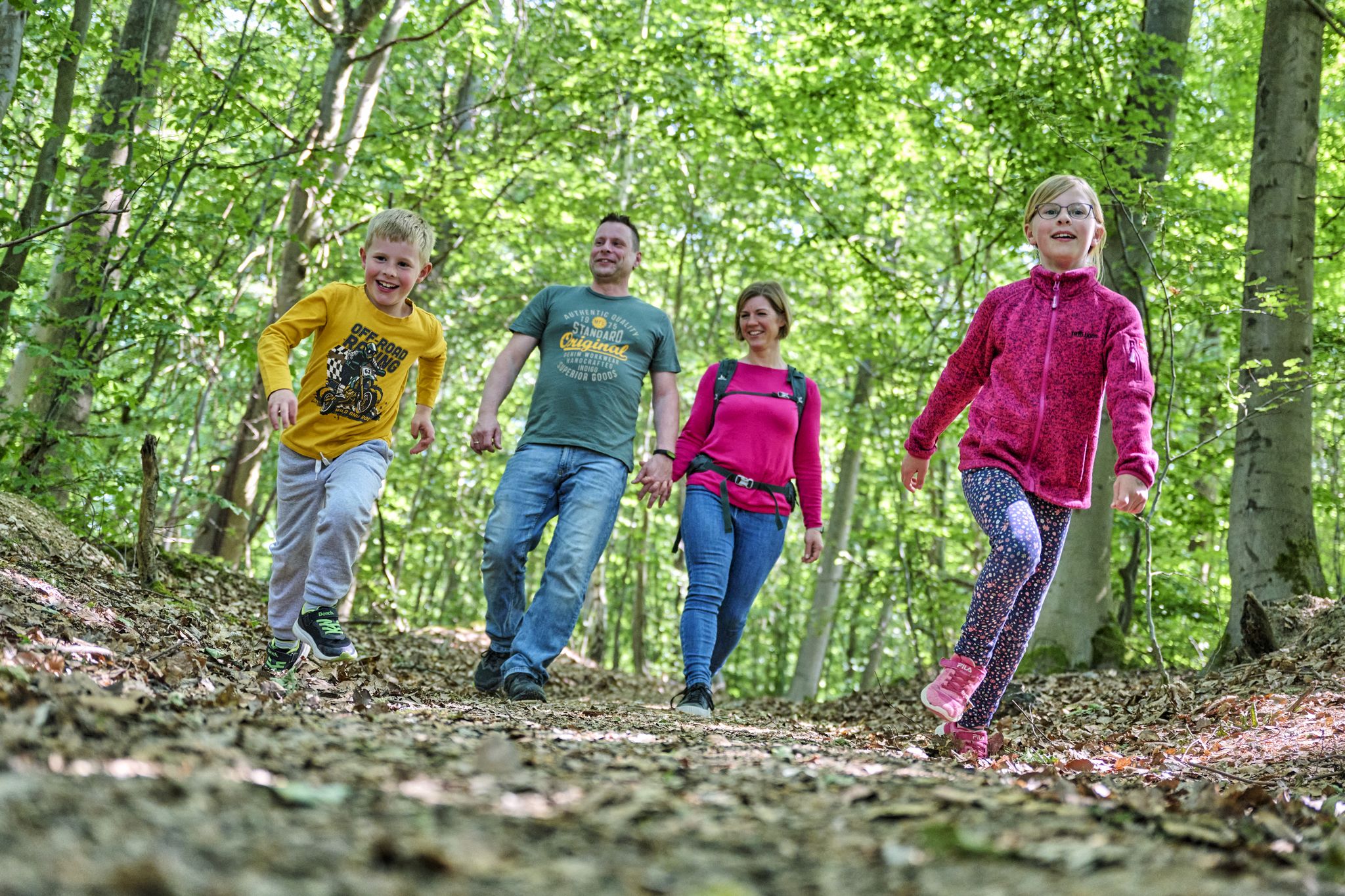
The journey is the adventure – hikes in Germany’s Taunus Mountains

On the Bonifatius Route from Mainz to Fulda

Onto the train, out into the snow – winter hiking for all ages in the Rhine-Main
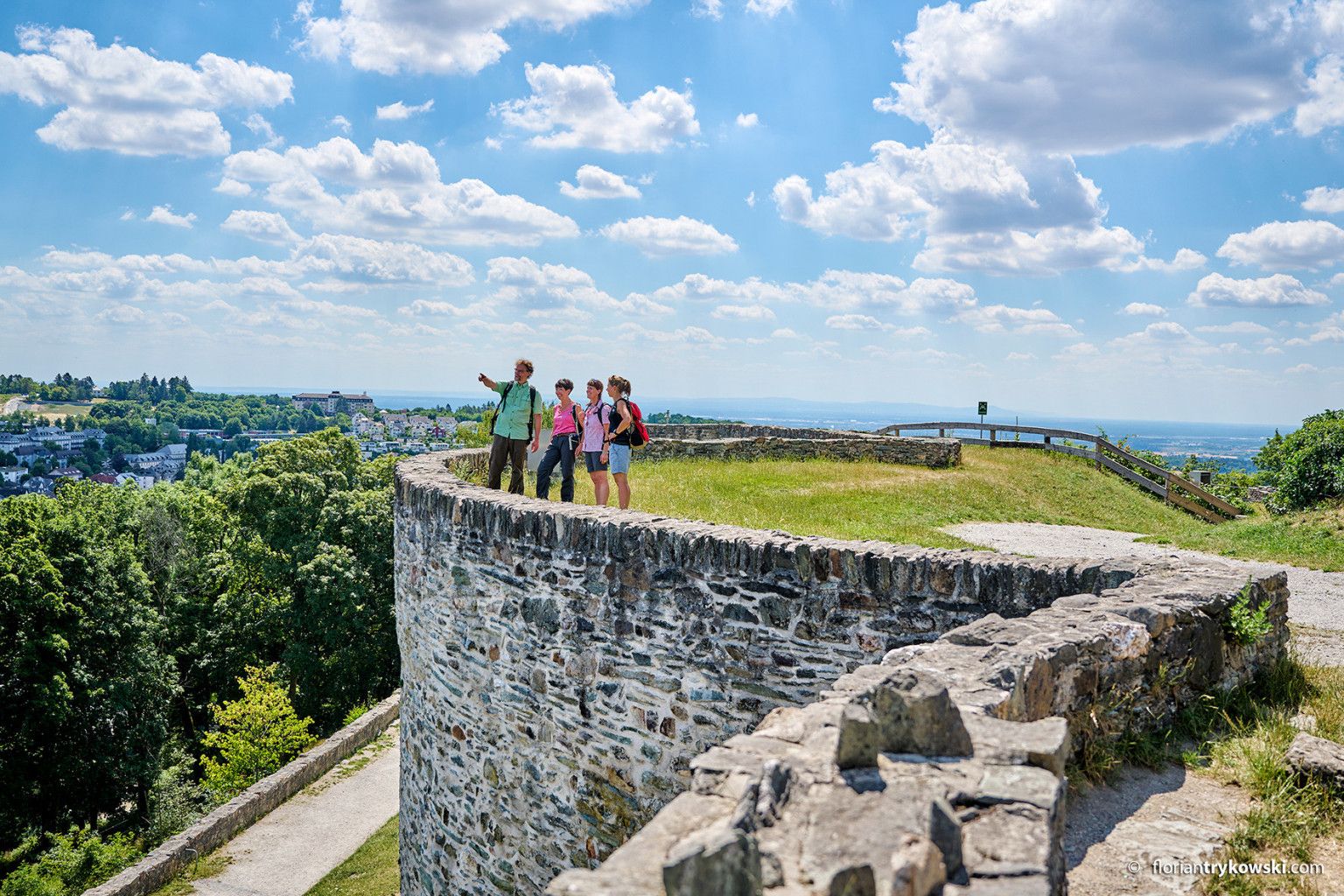
Experience nature and culture — hiking in Germany’s Taunus region
Other adventures in Main-Taunus-Kreis


Tips from the Community

The Flörsheimer Warte, a former watchtower, was part of the Kasteler Landwehr in the 15th century, which the Archbishopric of Mainz had established to protect its possessions on the right bank of the Rhine. After secularization (1803), the Landwehr lost its importance, as there was nothing left to defend due to lack of substance. The Flörsheimer Warte gradually fell into ruin. In 1996, a reconstruction based on historical models was built next to the relics of the medieval defensive tower. From here, there are magnificent panoramic views in all four cardinal directions over the Rheingau and the Taunus to the Frankfurt skyline. The popular excursion restaurant "Flörsheimer Warte" with a wine garden and weekend winter lounge invites you to enjoy Spundekäs, Handkäs, and Bauernsalat, accompanied by the best drops from the vineyards in Wicker and Hochheim. More information: https://www.rheingau.com/infosystem/floersheimer-warte/poi.html.
1
0

Very idyllic. Unfortunately, there are currently a few tree trunks lying across the path.
0
0

On June 24, 2022, the new St. John's Chapel at the Gimbach farm was consecrated. As an introduction and reminder: The first stone evidence of a sacred site dates back to the sixth century. For centuries, various buildings stood here, including a chapel, which was only demolished at the beginning of the 19th century. Processions and pilgrimages to this site have been documented since around 1650 and are still carried out today. Drawings, paintings, and map entries of the structures have also existed for centuries. (A brief note regarding various images and depictions from that time: For artistic reasons, the background, e.g., the 451-meter-high Staufen mountain, was moved to a different location to fit the overall picture.) Around 1912, the Pfeffer family, and subsequently the Schiela family, considered rebuilding the demolished chapel. They even collected existing building materials. But it wasn't until about 100 years later, around 2010, that the idea of building a pilgrimage site or shrine was revived, albeit somewhat circuitously: Mrs. Schiela's husband was visiting a doctor in Flörsheim when he spoke with a relative. One topic of conversation was a prayer room in Gimbach. Through the doctors, Dr. Betina Kilb-Fessler and Dr. Joachim Fessler, I, Helmut Mohr, was approached as a friend and architect, as I had been involved with church construction and renovations in the Main-Taunus district since 1983. Contact with Mrs. Schiela and her sister then led to the coordination and work that culminated in the project, the results of which can be seen here.
4
0
This forest, dubbed the northernmost pine forest in Europe (though I'm not an expert, I'd guess it's *Pinus pinea*), was probably a mistake. In the 19th century, the Kapellenberg hill was reforested, and these pines were planted on its barren, rocky southern slope. The city's 1878 accounts mention 11,500 young *Pinus* saplings – without specifying them further. Did *Pinus pinea* sound much more like a pine tree to the buyer than *Pinus sylvestris*? In any case, the Mediterranean plants seem to thrive here, attracting many a surprised glance from passersby.
13
1
Many of you probably know the Gimbach estate primarily as a popular destination for day trips, complete with a fantastic playground, a tractor for climbing, horses, paddocks, and orchards. But the Gimbach estate is much more than that. It's a historically significant site in Kelkheim, likely the location of the first church in what is now the town of Kelkheim. The name Gimbach comes from the word "Gyn," derived from the male name "Ginno." The Gynnenbach stream, which originates in the Johannesborn spring about 400 meters south of the Gimbach estate, was first documented in 1287 in connection with a chapel dedicated to St. John. Since the "Roteldisstein," a 7th-century gravestone, was discovered at this location in 1868—600 years later—it is believed that a church building with a churchyard existed there as early as the Merovingian period. It was likely an early medieval baptismal church dedicated to John the Baptist.
14
0
The Flörsheimer Warte is located here! An absolutely worthwhile destination for an excursion, because the view is magnificent and you can also take a break up here with a glass of wine or other snacks.
20
3
Up here from the big Mannstein you have a wonderful view
16
0
Frequently Asked Questions
What are some of the most popular natural monuments in Main-Taunus-Kreis?
Visitors frequently enjoy the panoramic views from Großer Mannstein (Staufenschwur Lookout), which offers expansive vistas of Kelkheim, the Frankfurt skyline, and the Großer Feldberg. Another popular spot is the Flörsheimer Watchtower, known for its views over the wine region and the Rhine-Main plain. For those seeking a challenge, the Rossert summit provides alpine-like terrain and scenic trails.
Are there family-friendly natural monuments in Main-Taunus-Kreis?
Yes, the region offers several family-friendly options. The Weilbacher Kiesgruben, with its Observation Tower, features a natural education area, a barefoot path, and a playground. The Main-Taunus Arboretum is also suitable for families, offering tranquil strolls through diverse tree collections. Additionally, the Rosarium Hattersheim-Okriftel provides a beautiful, accessible park setting.
What kind of natural features can I expect to see in Main-Taunus-Kreis?
Main-Taunus-Kreis boasts diverse natural features. You can explore renaturalized landscapes with ponds and swamp areas at the Weilbacher Kiesgruben, vast green forests and gentle peaks within the Taunus Nature Park, and unique tree collections at the Main-Taunus Arboretum. The region also features significant rock formations like Großer Mannstein and individual ancient trees such as the Schiller Oak.
What outdoor activities can I do near these natural monuments?
The natural monuments in Main-Taunus-Kreis are excellent starting points for various outdoor activities. You can find numerous hiking trails, including easy options like the 'View of the Weilbacher gravel pit – Silbersee Observation Tower loop' near the Weilbacher Kiesgruben. For running, there are routes like the 'Main-Taunus Arboretum – Main-Taunus Arboretum loop' near the arboretum. Cyclists can enjoy road cycling routes, such as the 'Großer Feldberg Summit – Ascent to Kleiner Feldberg loop' which passes through the Taunus Nature Park. You can find more routes in the easy hikes, running, and road cycling guides for Main-Taunus-Kreis.
Are there historical sites or cultural landmarks near the natural monuments?
Yes, many natural monuments in Main-Taunus-Kreis are intertwined with history. The Flörsheimer Watchtower is a historical site offering panoramic views. The Kapellenberg Pine Grove has remnants of a ring wall from the Michelsberg culture and the location of a Roman watchtower. Individual trees like the Schiller Oak in Hofheim were planted to commemorate historical figures, serving as living testaments to local heritage.
What is the best time of year to visit the natural monuments in Main-Taunus-Kreis?
The natural monuments in Main-Taunus-Kreis offer unique experiences throughout the year. Spring brings blooming flora, especially at the Rosarium Hattersheim-Okriftel and the Main-Taunus Arboretum. Summer is ideal for hiking and outdoor activities in the Taunus Nature Park. Autumn provides stunning displays of color, particularly at the Arboretum. In winter, the Großer Feldberg transforms into a destination for sledding and cross-country skiing, offering clear views on crisp days.
Are there challenging hiking trails among the natural monuments?
For those seeking a challenge, the Rossert summit is known for its alpine-like terrain and is considered one of the most scenic and challenging trails in the Taunus Mountains. The Taunus Nature Park, which includes the Großer Feldberg, also offers a wide network of hiking trails with varying difficulty levels.
Can I bring my dog to the natural monuments?
Many natural areas in Main-Taunus-Kreis, including parts of the Taunus Nature Park and the Weilbacher Kiesgruben, are generally dog-friendly, often requiring dogs to be on a leash. Specific rules can vary by location, so it's advisable to check local signage. For example, the Main-Taunus Arboretum is a popular spot for walks, and many forest trails are suitable for dogs.
What are the Weilbacher Kiesgruben and why are they significant?
The Weilbacher Kiesgruben are a unique 150-hectare nature reserve, formerly gravel pits, that have been renaturalized. They are significant for their exceptional biodiversity, featuring a mosaic of dry and wet biotopes that support rare species like wild asses, cashmere goats, and a remarkable variety of dragonflies. The area includes a natural education center and the Regionalpark-Turm, offering panoramic views.
What is the Taunus Nature Park and what does it offer?
The Taunus Nature Park is the second-largest nature reserve in Hesse, covering a vast area that includes parts of the Main-Taunus-Kreis. It features green forests, gentle peaks, and winding valleys. The park is a paradise for outdoor activities, offering over 1,200 km of hiking trails and numerous cycling routes. It's home to the Großer Feldberg, the highest peak in the Taunus, known for its panoramic views. More information can be found at hessen-tourismus.de.
Are there places to eat or stay near the natural monuments?
Yes, many natural monuments are located near towns and villages with amenities. For instance, the Weilbacher Kiesgruben has the 'Gasthaus Zum Wilden Esel' (Wild Donkey Inn) on-site. Near the Großer Feldberg, you'll find a restaurant and kiosks on the summit. The towns surrounding the Taunus Nature Park and other monuments offer various cafes, restaurants, and accommodation options for visitors.
What is the Main-Taunus Arboretum?
The Main-Taunus Arboretum is a 76-hectare tree park located between Eschborn, Schwalbach, and Sulzbach. It's unique for its collection of over 600 tree and shrub species, organized into distinct quarters representing forest associations from four temperate regions of the northern hemisphere: North America, East Asia, the Middle East, and Central Europe. It also features a wetland biotope and a geological educational path.
Most popular routes in Main-Taunus-Kreis
Most popular attractions in Main-Taunus-Kreis

Get inspired with the komoot mobile app


Didn’t find what you were looking for?
Find even more amazing natural monuments in Main-Taunus-Kreis by checking out the top Highlights region by region:
Explore more
Extend your search for the best caves by checking out these guides of the top ones in Main-Taunus-Kreis:
