Top 2 Lakes around Weinfelder Maar
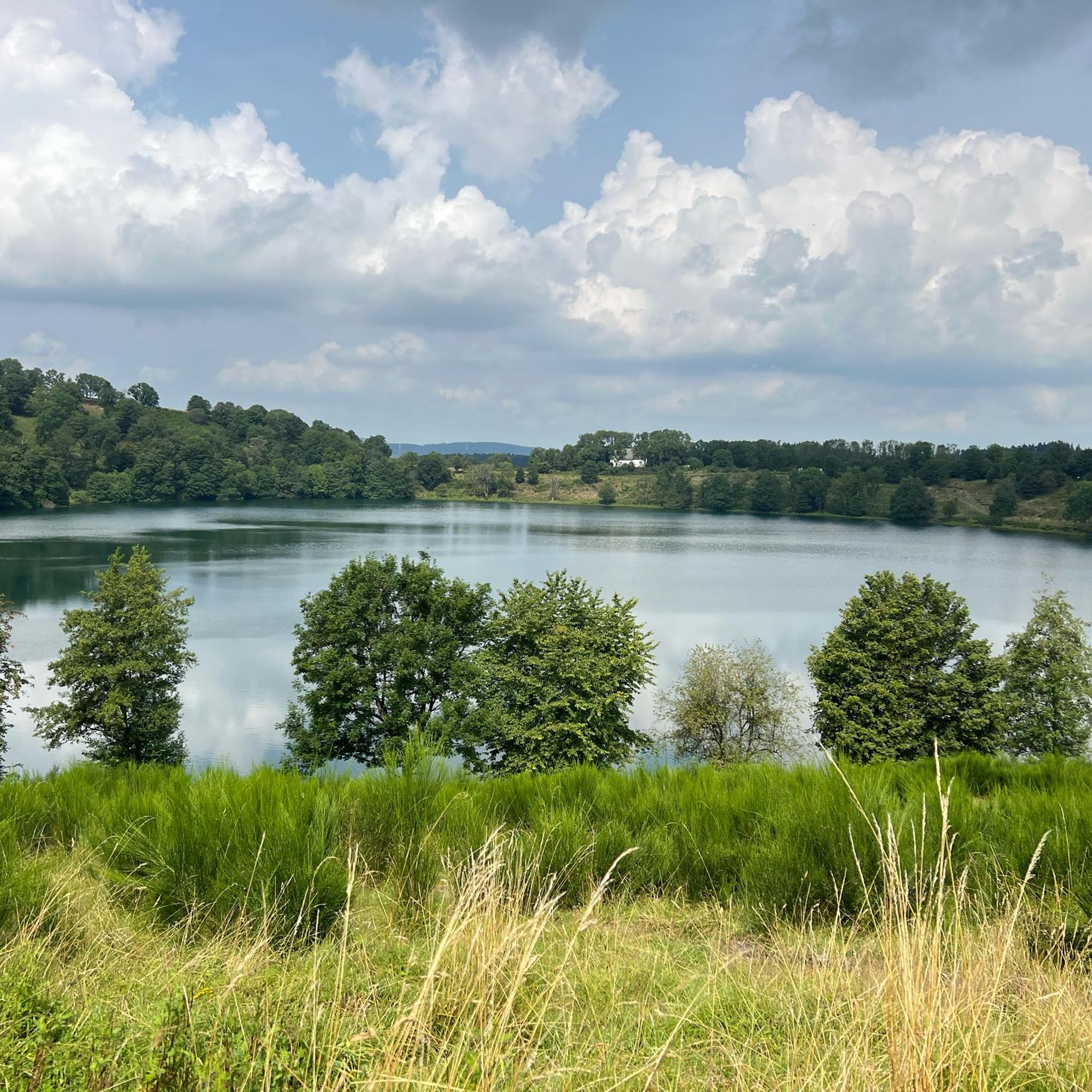
Best lakes around Weinfelder Maar include the Weinfelder Maar itself, a significant crater lake in the Eifel region, also known as Totenmaar. This lake is one of three volcanic lakes, the "Daun Maars," formed by volcanic steam explosions. The area around the maar is a nature reserve, recognized for its unique flora and fauna. Visitors can explore the landscape on various walking routes around the lake.
Best lakes around Weinfelder Maar
- The most popular lakes is View of the Weinfelder…
Last updated: August 9, 2026
View of the Weinfelder Maar (Totenmaar)
Highlight • Lake
Translated by Google •
Tip by

View of the Weinfelder Maar
Highlight • Viewpoint
Translated by Google •
Tip by

Sign up now to discover places like this
Get recommendations on the best single tracks, peaks, & plenty of other exciting outdoor places.
Sign up for free
St. Martin's Chapel at Weinfelder Maar
Highlight • Lake
Translated by Google •
Tip by

Weinfelder Maar
Highlight • Lake
Translated by Google •
Tip by

Lake of the Dead
Highlight • Lake
Showing Translation
Tip by

Sign up for free to discover even more lakes around Weinfelder Maar.
Sign up for free
Already have an account?
Start today with a free account
Your next adventure awaits.
Login or Signup
Tips from the Community

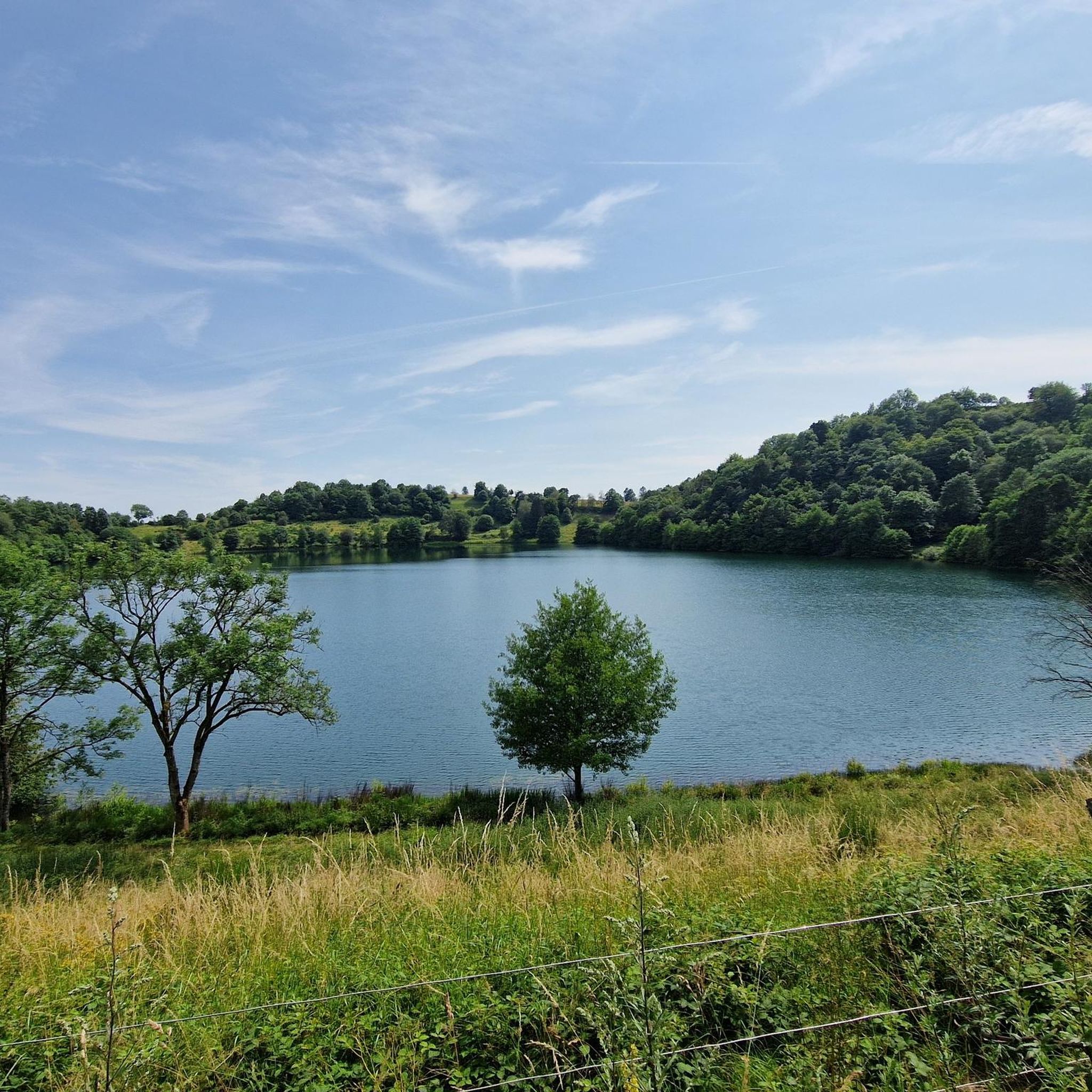
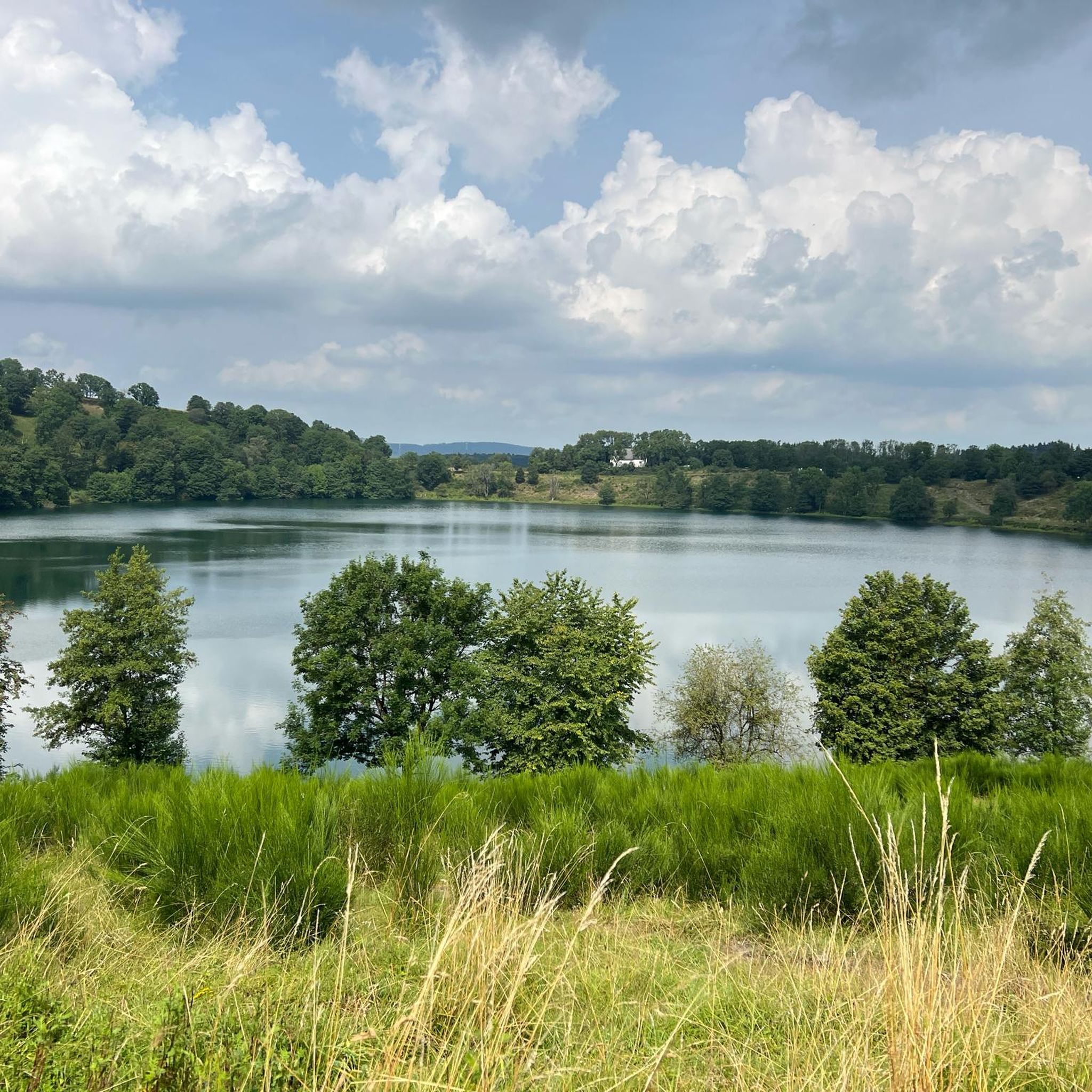
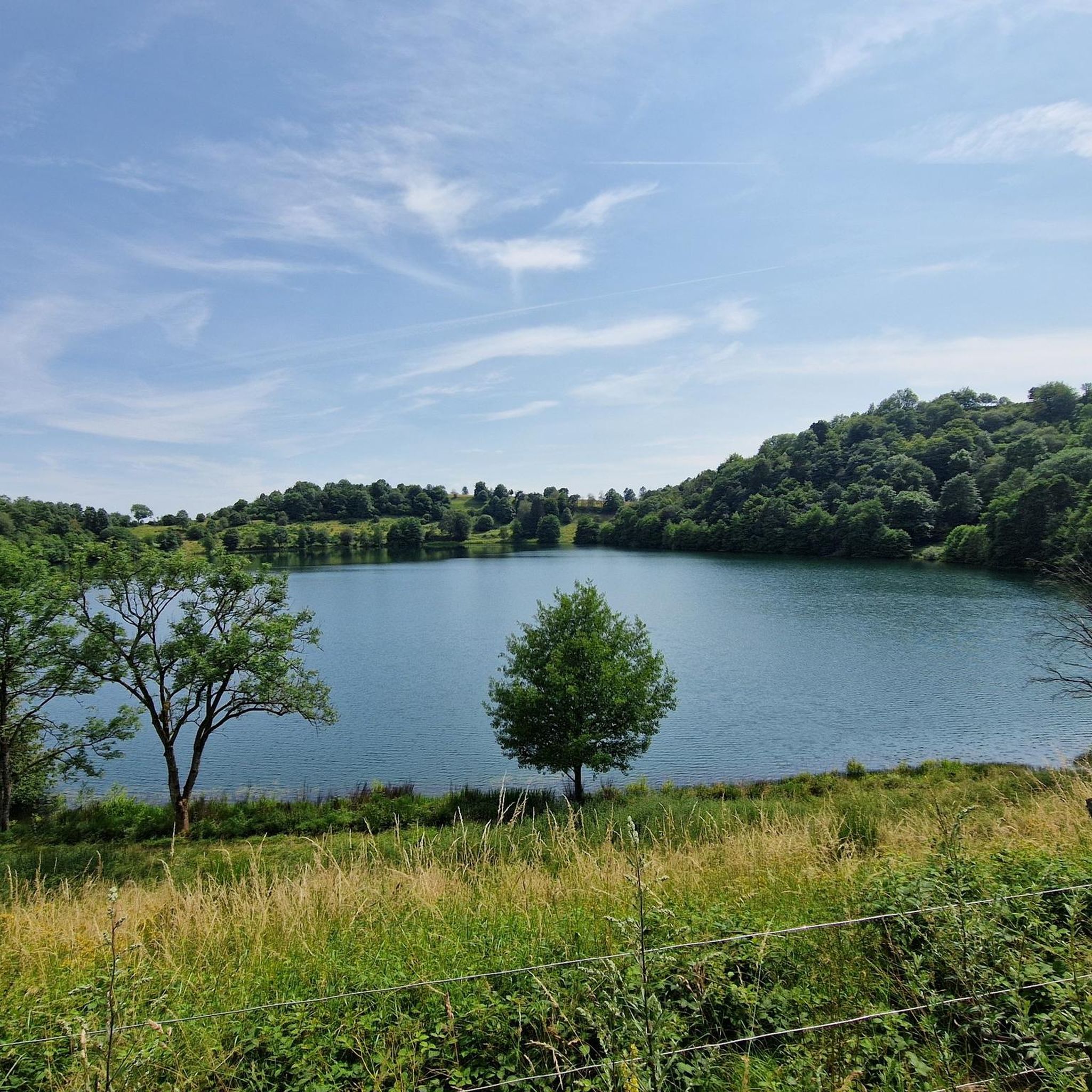
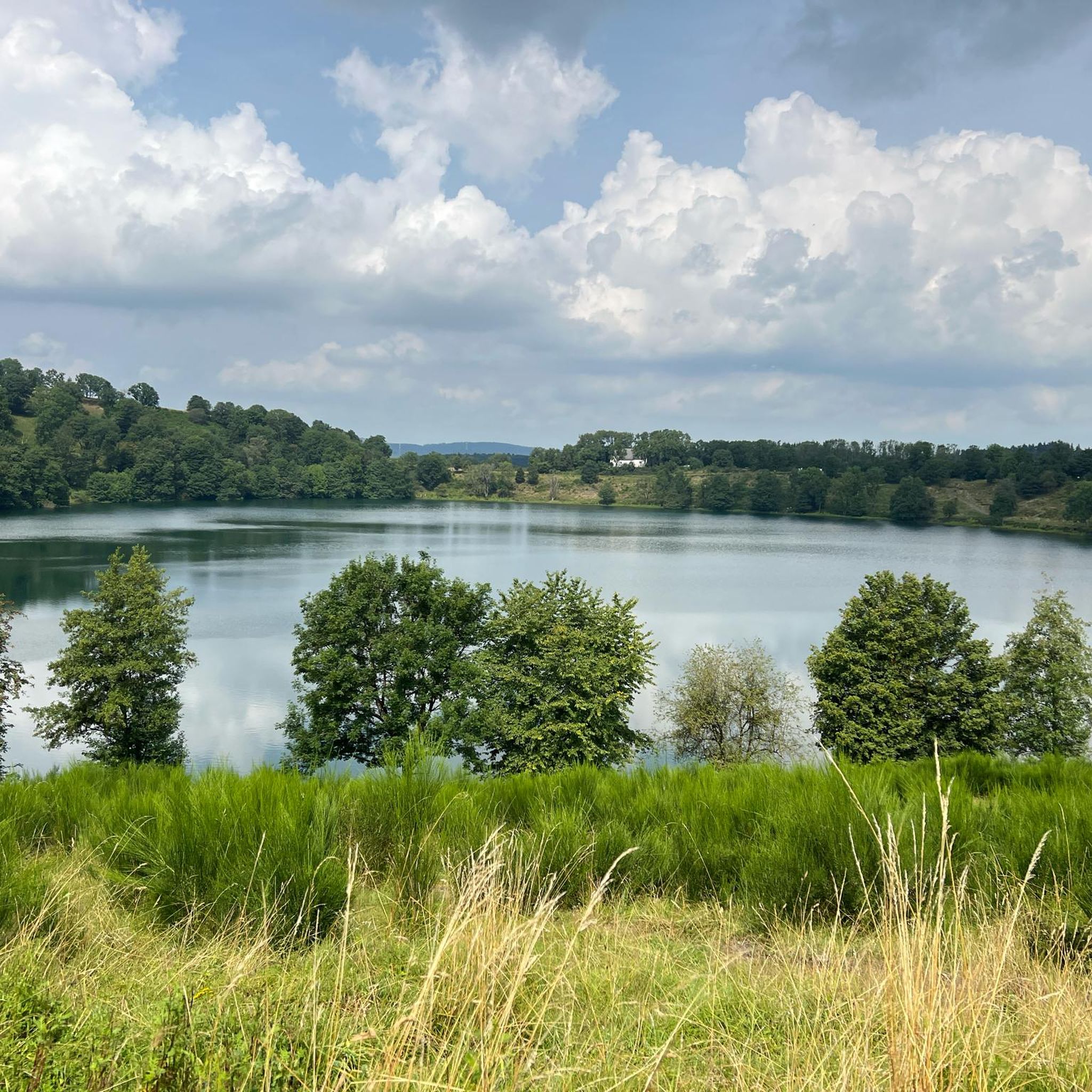
Numerous legends surround the quiet Totenmaar. According to one legend, a castle once stood at this spot, inhabited by a benevolent count with his servants, his hard-hearted wife, and their only child. One day, the count returned home from the hunt and found only a lake where his castle had stood. It had sunk into the earth with all its inhabitants, leaving behind a lake, the Totenmaar. As if by a miracle, a cradle appeared on the surface, in which his child drifted safely to shore. The count's horse dug out a spring from the ground during an exclamation by its master. The count later built a chapel out of gratitude for his child's rescue, which, like the spring, is still preserved today. Das Weinfelder Maar 1878 (Die Gartenlaube) The Eifel painter Richard Franzen from Mehren dedicated the following poem to this maar: Droben steht noch die Kapelle, hier im schönen Eifelland, wo vor ein paar hundert Jahren einst das Dörfchen Weinfeld stand. Pest und Armut, schlechte Zeiten, zwang die Menschen in der Not, ihre Heimstatt zu verlassen, letzter Zug im Abendrot. Doch nach Weinfeld kehren wieder Stille Schläfer Jahr für Jahr, um für immer auszuruhen auf dem Berg am Totenmaar
0
0

The Daun Maars - 10,000-Year-Old Volcanic Lakes The Daun Maars were formed around 10,000 years ago from volcanic steam explosions. Hot lava rises from the Earth's interior and meets water, which suddenly evaporates. This blasts away entire mountain peaks. What remains is a deep crater that fills with water over the years and a wall of boulders surrounding the lake. The Daun Maars include the Gemünden Maar, the Weinfelder Maar, and the Schalkenmehrener Doppelmaar. One crater of the Schalkenmehren Maar has silted up over the millennia. The area is a nature reserve and a refuge for waterfowl and rare dragonfly species. Text / Source: deutschland-outdoor.der https://deutschland-outdoor.de/eifel/dauner-maare
13
0
Weinfelder Maar The Weinfelder Maar, formed by volcanic activity around 20,000 to 30,000 years ago, is the highest of the three Daun Maars at 487 meters above sea level. The lake is 51 meters deep and has a diameter of 396 to 429 meters. An almost melancholic atmosphere surrounds the maar. Many legends surround the tranquil Eifel eye. A castle is said to have once stood on the site of the crater, where a count lived with his wife and only child. After returning home from a hunt, the castle had sunk as punishment for the woman's nastiness, and he found only a lake where a cradle miraculously floated his child safely to the shore. If you look at the dark surface of the water long enough, it is said that you can make out the outline of the castle. The German landscape painter Fritz von Wille was so fascinated by the Weinfelder Maar that he repeatedly immortalized it in his paintings. Among his favorite motifs was the small chapel on the north bank, dedicated to Saint Martin. It was once the parish church of the village of Weinfeld, which was ravaged by the plague in the 16th century. Anyone who rings the bells inside by pulling the ropes can make a wish. To this day, the associated cemetery is maintained and used by the local community of Schalkenmehren. This is also where its second name, Totenmaar, comes from. Donkeys and goats have been introduced to the Weinfelder Maar to regulate vegetation. The maar's unique flora and fauna are protected. Swimming and other water sports are prohibited in the Weinfelder Maar, but a nearly two-kilometer-long path makes it a wonderful place to explore on foot. Parking: Guests can park along the L64 either in the parking lot at the Weinfelder Maar or on the Maarsattel between the Weinfelder Maar and the Schalkenmehrener Maar. Text / Source: GesundLand Vulkaneifel GmbH, Leopoldstr. 9 A, 54550 Daun https://www.eifel.info/a-weinfelder-maar
13
0

The middle of the three Dauner Maare is probably also the most beautiful Maar, around the crater lake leads a beautiful circular path, on the heights of the crater you come to the vantage point on the Mauseberg, the church of St. Martin von Weinfeld, the Pilatusfels and the Maarkreuz. The Maar can be reached from two hiking car parks.
9
0
The church dedicated to Saint Martin is located just above the Weinfelder Maar - also Totenmaar - and is one of the oldest churches in the Eifel. Although the village of Weinfeld became practically uninhabited in the 16th century due to the plague and disappeared, the church and cemetery remained. A look into the little church is worthwhile.
10
0

There is a car park on the road above the Maare. After crossing the road, a path leads down to the Maar, from where you can hike in various directions.
7
0

A herd of donkeys is usually in the pasture. The animals are completely tame and love to be petted.
8
0

Blessed to be able to take a walk around the three 'maars'. Such beautiful scenery and views. This region is highly recommended.
7
0
Frequently Asked Questions
What makes the lakes around Weinfelder Maar unique?
The lakes in this region, particularly the Weinfelder Maar, Schalkenmehrener Maar, and Gemündener Maar (known as the 'Daun Maars'), are volcanic crater lakes formed by steam explosions. They are often called the 'eyes of the Eifel' due to their striking blue waters and wooded surroundings, offering a unique blend of natural beauty and geological history.
Which lakes offer recreational activities like swimming or boating?
While swimming and water sports are prohibited at the Weinfelder Maar to protect its natural state, the other two Daun Maars offer more recreational opportunities. The Schalkenmehrener Maar allows for swimming, boating, and sailing, and the Gemündener Maar is popular for swimming, featuring an outdoor pool and boat rentals.
Are there historical or cultural sites to visit near the lakes?
Yes, the St. Martin's Chapel at Weinfelder Maar is a significant historical site. It stands on the north bank of the Weinfelder Maar, a relic of the plague-stricken village of Weinfeld from the 16th century. The associated cemetery is still in use today, contributing to the lake's alternative name, Totenmaar ('Maar of the Dead'). Legends also surround the lake, including tales of a sunken castle.
What is the best time of year to visit the Weinfelder Maar region?
The Weinfelder Maar region is beautiful year-round. Spring and autumn offer pleasant temperatures for hiking and vibrant natural colors. Summer is ideal for enjoying recreational activities at the Schalkenmehrener and Gemündener Maars. Even in winter, the tranquil atmosphere around the Weinfelder Maar can be particularly serene.
What kind of wildlife can be observed around Weinfelder Maar?
The area around the Weinfelder Maar is a nature reserve, known for its unique flora and fauna. You might encounter donkeys and goats, which are introduced to help regulate vegetation. The diverse ecosystem supports various bird species and other small animals typical of the Eifel region.
Are the trails around Weinfelder Maar suitable for families with children?
Yes, there are several family-friendly options. The path around the Weinfelder Maar is nearly two kilometers long and offers an easy walk. For more options, explore the Family-friendly hikes around Weinfelder Maar guide, which includes routes like the 'Weinfelder Maar viewpoint – Path along the Weinfelder Maar loop from Schalkenmehren'.
Where can I park when visiting Weinfelder Maar?
Visitors can park along the L64 road. There is a dedicated parking lot at the Weinfelder Maar itself, or you can use the parking area on the Maarsattel, located between the Weinfelder Maar and the Schalkenmehrener Maar.
Are dogs allowed on the trails around Weinfelder Maar?
Generally, dogs are welcome on trails in the Eifel region, including around the Weinfelder Maar. However, as the area is a nature reserve, it's important to keep dogs on a leash to protect wildlife and maintain the natural environment. Always check local signage for specific restrictions.
What are the main differences between the Weinfelder Maar, Schalkenmehrener Maar, and Gemündener Maar?
The Weinfelder Maar is the highest and deepest of the three, known for its tranquil, melancholic atmosphere and historical chapel, with no swimming allowed. The Schalkenmehrener Maar is the largest and southernmost, offering swimming, boating, and sailing. The Gemündener Maar is the smallest, popular for its high recreational value, swimming, and boat rentals, surrounded by tall beech trees. Each offers a distinct experience.
What outdoor activities can I do near the lakes?
The region offers a wide range of outdoor activities. You can find numerous hiking trails, including family-friendly options, as well as routes for cycling and mountain biking. For detailed routes, check out the Family-friendly hikes around Weinfelder Maar, Traffic-free bike rides around Weinfelder Maar, and MTB Trails around Weinfelder Maar guides.
Are there good hiking trails around Weinfelder Maar?
Yes, the Weinfelder Maar is encircled by a beautiful, nearly two-kilometer-long path, perfect for exploring on foot. The surrounding heights also lead to viewpoints like the Mauseberg and the Maarkreuz. For more hiking ideas, including easy and moderate options, refer to the Family-friendly hikes around Weinfelder Maar guide.
What do visitors particularly enjoy about the Weinfelder Maar?
Visitors often highlight the tranquil and melancholic atmosphere of the Weinfelder Maar, especially the views from various points and the presence of the historic St. Martin's Chapel. The unique geological formation and the opportunity to observe the resident donkeys and goats also add to the experience. Many find it a truly worth-seeing and beautiful maar for hiking.
Most popular routes around Weinfelder Maar
Most popular attractions around Weinfelder Maar

Get inspired with the komoot mobile app


Explore more
Still not found your perfect lake around Weinfelder Maar? Check out the guides of these regions to see even more beautiful places.
