Top 9 Lakes in Collegiate Peaks Wilderness
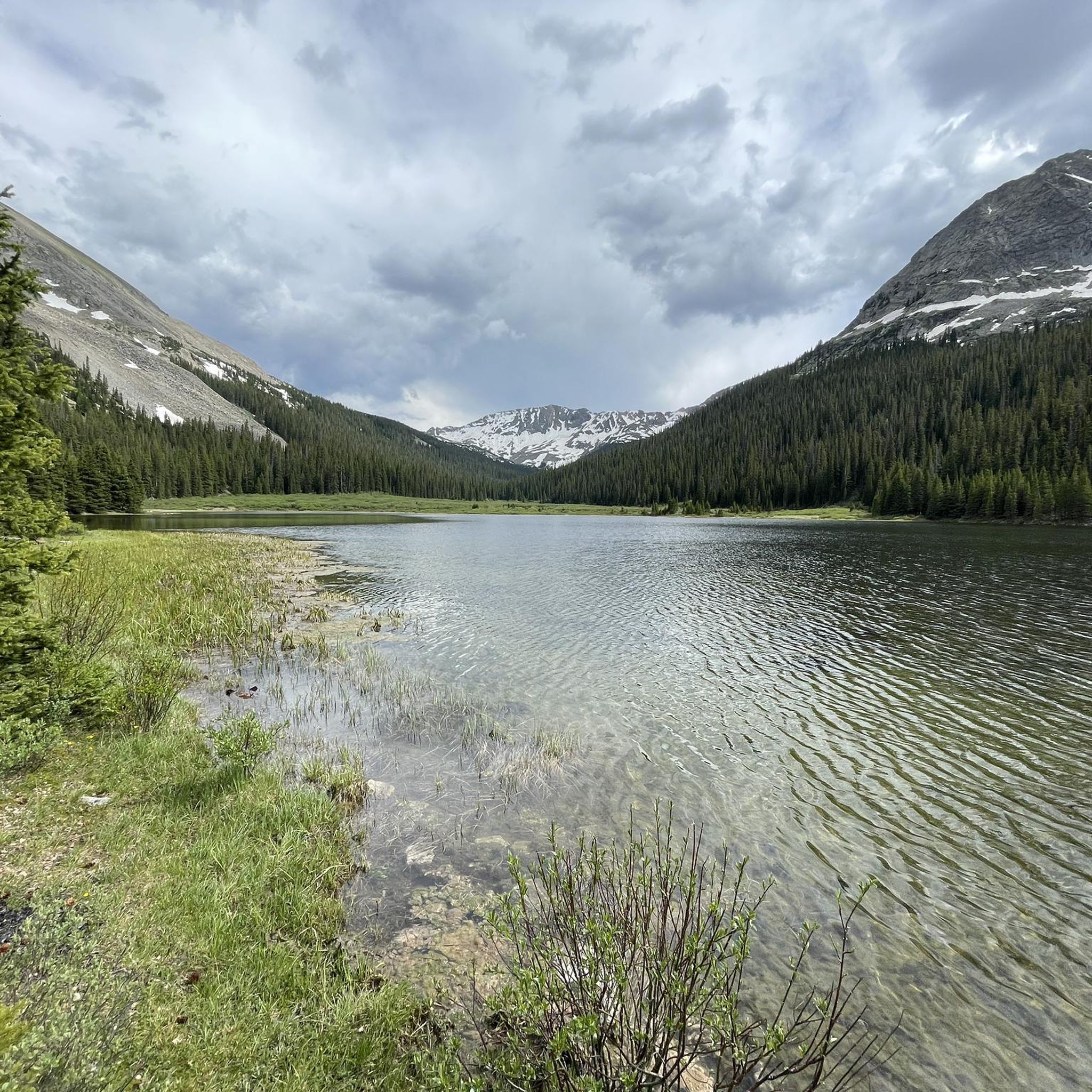
Best lakes in Collegiate Peaks Wilderness are found among towering peaks, many exceeding 14,000 feet, in central Colorado. This wilderness area is known for its high average elevation and pristine alpine scenery. The lakes offer diverse experiences, from challenging hikes to fishing opportunities. The landscape features dense forests, open meadows, and alpine tundra.
Best lakes in Collegiate Peaks Wilderness
- The most popular lakes is Lake Ann, a lake that sits above treeline just below Lake Ann Pass. It offers…
Last updated: May 4, 2026
Lake Ann
Highlight • Lake
Tip by

Bear Lake (Collegiate Peaks Wilderness)
Highlight • Lake
Tip by

Sign up now to discover places like this
Get recommendations on the best single tracks, peaks, & plenty of other exciting outdoor places.
Sign up for free
Grizzly Lake
Highlight • Lake
Tip by
Clohesy Lake
Highlight • Lake
Tip by
Kroenke Lake
Highlight • Lake
Tip by
Sign up for free to discover even more lakes in Collegiate Peaks Wilderness.
Sign up for free
Already have an account?
Start today with a free account
Your next adventure awaits.
Login or Signup
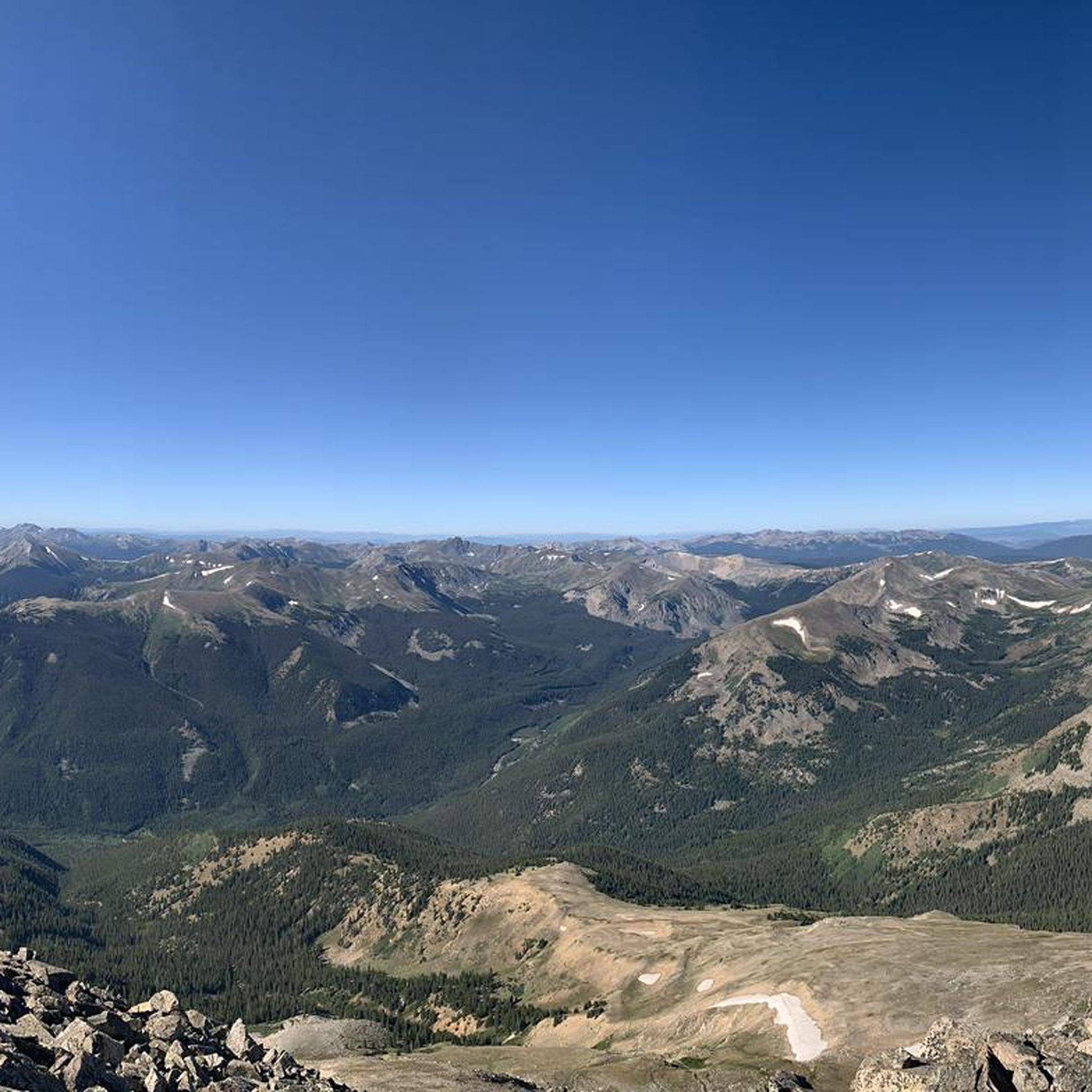
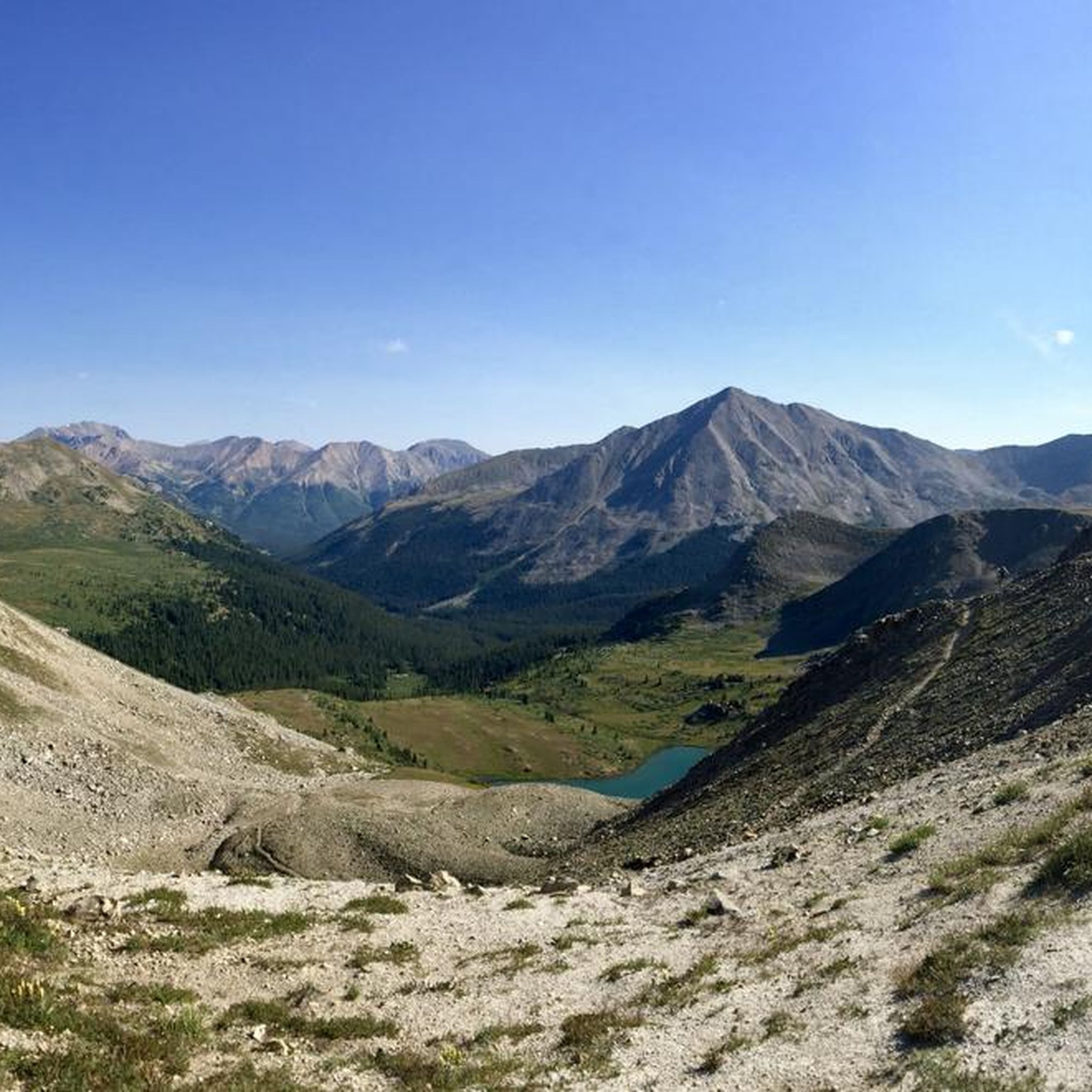
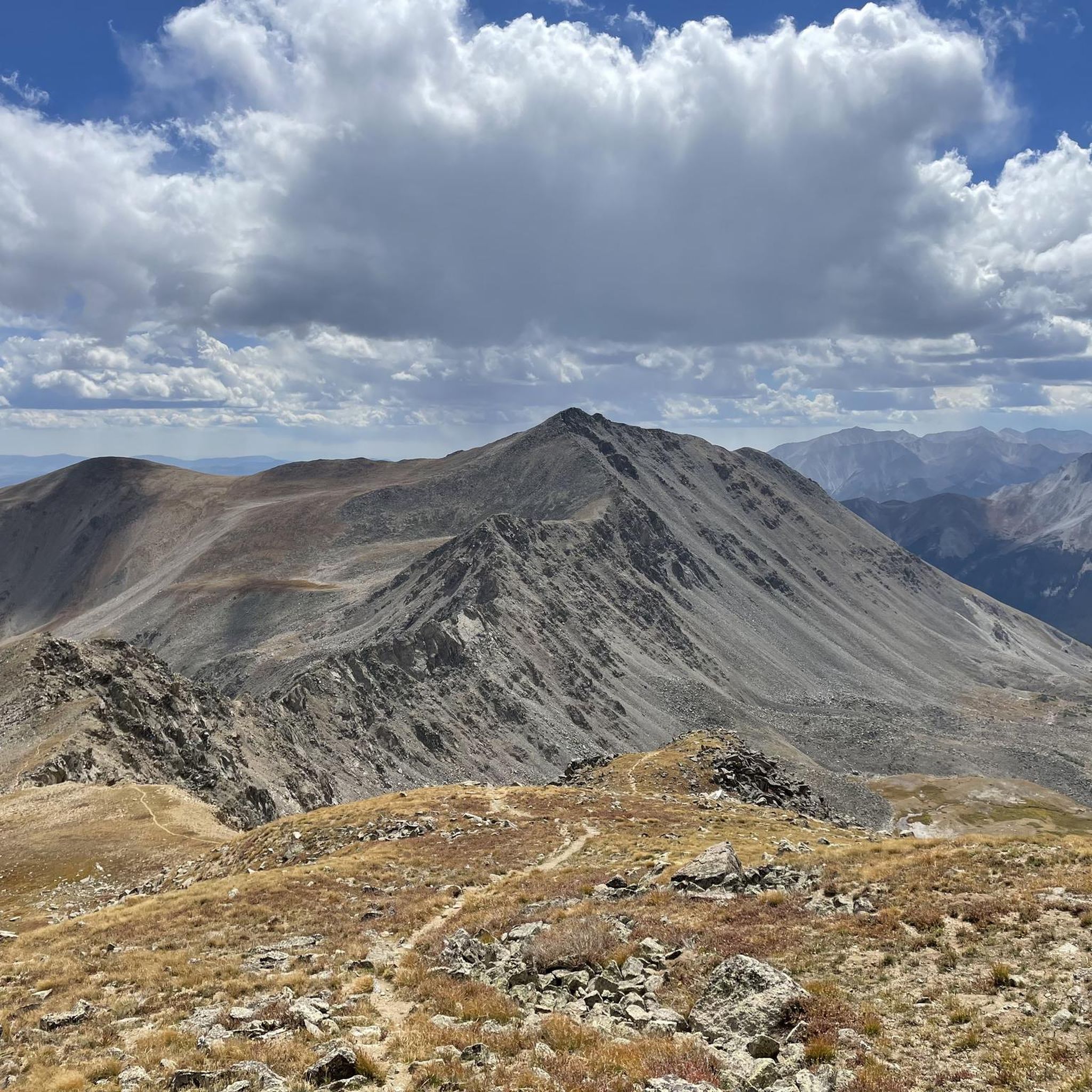
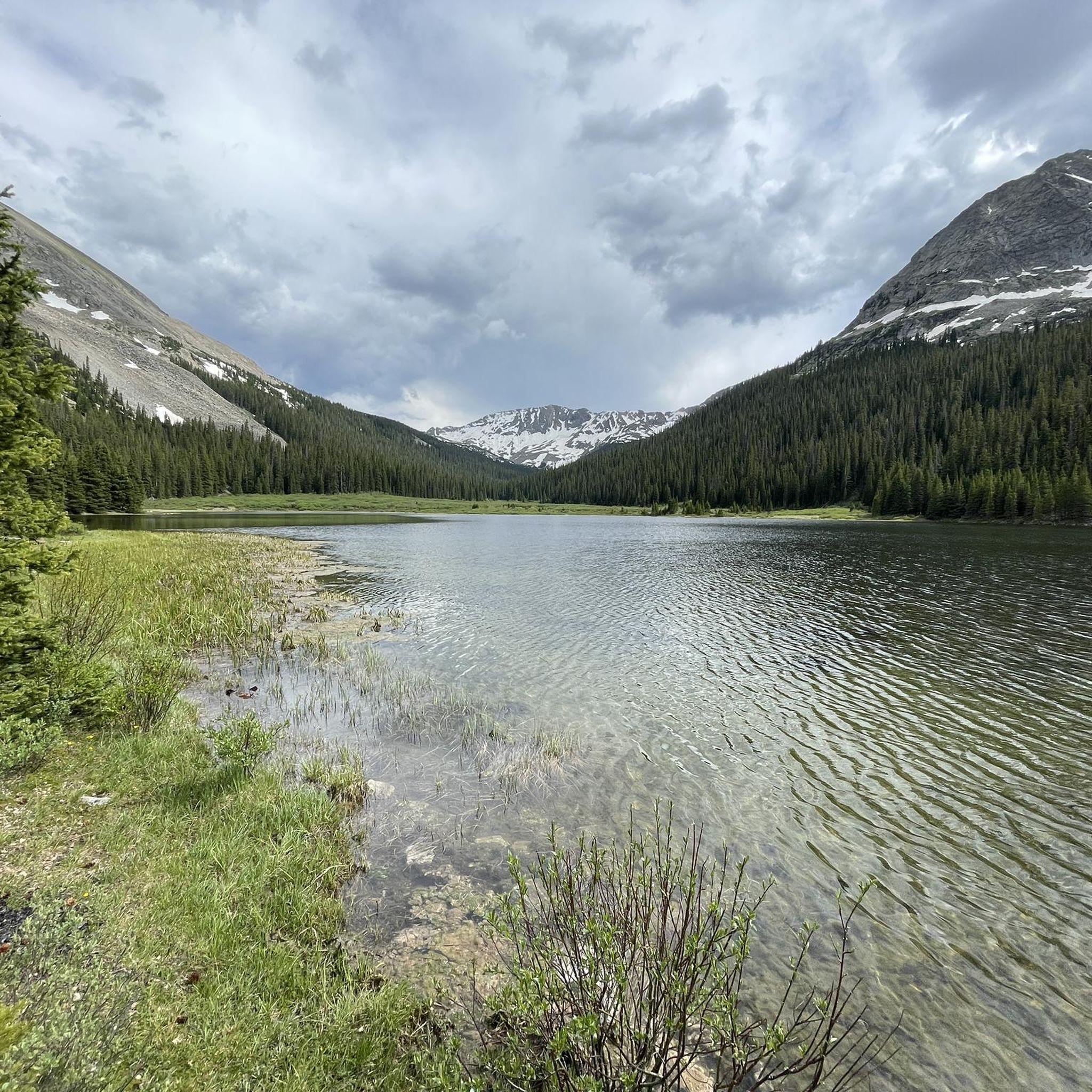
Tips from the Community

Lake Ann is an amazing alpine lake just below Lake Ann Pass. It sits above treeline and there a just a few spots to pitch a tent that are kind of sheltered. You can pitch next to a small stream in a ditch or hike a little further along the south shore towards a rocky incline with some trees to find suitable spots to spend the night.
1
0

Grizzly Lake is a wonderful high-alpine lake located in the Collegiate Peaks Wilderness. There are plenty of wildflowers and after the hard climb up to this lake, you can take a swim to cool off.
0
0

Because of how rough the road is getting to the lake, not a lot of people get to the water. With camping allowed 100 feet away from the water's edge, this is a popular spot for hiking and backpacking, and you shouldn't expect to see too many other people out on the trail.
0
0
At 11,500 feet elevation, Kroenke Lake is a popular hiking destination in the Collegiate Peaks Wilderness. The trail follows the basin floor while navigating back and forth across a creek on your way to the lake. This can be a pretty wet trail, but there are sporadic views along the way.
0
0
At 11,500 feet elevation, Kroenke Lake is a popular hiking destination in the Collegiate Peaks Wilderness. The trail follows the basin floor while navigating back and forth across a creek on your way to the Lake. This can be a pretty wet trail, but there are sporadic views along the way.
0
0
Right at 12,400 feet elevation is Bear Lake; it rests on the eastern base of the south ridge of Mount Harvard. The lake stays frozen late into spring and is a great addition to the 14er summit trails around the area once the summer dry season opens up. With all the hiking it takes to get up to the summit of Mount Harvard, the runnable stretch of trail to and from Bear Lake is a great way to open up the legs.
0
0
Clohesy Lake is one of the lesser visited alpine lakes in the San Isabel National Forest. Right on the Collegiate Wilderness Boundary, Clohesy Lake is fed entirely by snowmelt and supplies a lot of the water flowing into Clear Creek (and thus the reservoir). If you are looking for a tougher run, you can try to journey further up the basin on a wilderness trail towards Peach Lake, or you can travel off-trail and climb Missouri Mountain from its northwest ridge. The OHV road and trail leading to the lake are very runnable, but journeying further onto the wilderness trails is a different story.
0
0
Lake Ann offers up close and personal views of The Three Apostles and Ice Mountain behind Huron Peak and Granite Mountain. This alpine lake is tucked away and stays snowed in later into the season than most of the other alpine lakes in the Collegiate Peaks Wilderness. If you are looking for a run in the Winfield area but don't want to deal with the crowds of a 14er, Lake Ann serves as a much more runnable and private wilderness experience.
0
0
Frequently Asked Questions
What are some of the most scenic alpine lakes in Collegiate Peaks Wilderness?
For breathtaking alpine scenery, consider visiting Lake Ann, which sits above treeline with views of The Three Apostles and Ice Mountain. Another stunning option is Bear Lake (Collegiate Peaks Wilderness), located at 12,400 feet on the eastern base of Mount Harvard's south ridge. Grizzly Lake also offers a beautiful high-alpine setting with abundant wildflowers.
Are there any less-visited lakes for a more secluded experience?
Yes, Clohesy Lake is one of the less-visited alpine lakes in the San Isabel National Forest, offering a secluded feel as it's fed entirely by snowmelt. Hartenstein Lake is another excellent choice for a genuine wilderness feel, as it's less frequented than the surrounding peaks.
Which lakes are good for fishing in Collegiate Peaks Wilderness?
Many lakes in the Collegiate Peaks Wilderness offer excellent fishing. Hartenstein Lake is a popular spot for fishing, as are Harvard Lakes, which are known for 6-18 inch native trout and rainbows. Anglemeyer Lake and Ptarmigan Lake are also noted for good fly fishing for native trout. For larger native cutthroat trout, consider Pomeroy Lakes. Mirror Lake is particularly good for accessible fishing, especially for children, with 10-12 inch rainbows and browns.
What is the best time of year to visit the lakes?
The high lakes are typically ice-free from the second or third week in June and often provide good fishing due to fewer visitors. However, some lakes like Bear Lake (Collegiate Peaks Wilderness) and Hartenstein Lake can remain frozen or snowy late into spring. The summer dry season is generally ideal for hiking and exploring the higher elevation lakes.
Are there any family-friendly lakes or activities?
Mirror Lake is a very good destination for a full-day family sightseeing, fishing, and picnic trip, offering accessible fishing for children. While many trails can be challenging, the scenic beauty and opportunities for wildlife viewing around many lakes can be enjoyed by families, with appropriate planning for trail difficulty.
What kind of outdoor activities can I do near these lakes?
Beyond hiking to the lakes, the region offers diverse outdoor activities. You can find various MTB trails, road cycling routes, and touring bicycle routes. Many lakes, such as Grizzly Lake, are popular for hiking and backpacking, with camping options available.
Are there opportunities for multi-day hiking or backpacking trips?
Yes, Kroenke Lake serves as an excellent overnight stop on the east side of Browns Pass for multi-day excursions into the Collegiate Peaks Wilderness. From there, longer trips can extend over Browns Pass into the Texas Creek drainage, leading to Lake Rebecca and Lake Claire. Grizzly Lake also allows camping 100 feet from the water's edge, making it a popular backpacking destination.
What are the typical trail conditions and difficulty levels for reaching these lakes?
Trails to the lakes vary in difficulty. For example, the hike to Kroenke Lake is a moderate climb of about 1,600 feet over just over 4 miles, but can be quite wet. Hartenstein Lake's trail is described as challenging but rewarding, often featuring water crossings and muddy sections due to late-season snowmelt. Many high-alpine lakes require challenging hikes, with some roads requiring 4-wheel drive for access.
What natural features can I expect to see around the lakes?
The Collegiate Peaks Wilderness is characterized by diverse landscapes, including dense forests, open meadows, and alpine tundra. You'll find towering peaks, many exceeding 14,000 feet, providing dramatic backdrops. Wildflowers are abundant, especially around lakes like Grizzly Lake, and the lakes themselves are often fed by snowmelt, contributing to pristine high mountain streams.
Are there any specific regulations for visiting the lakes, such as fishing licenses or camping rules?
Yes, fishing licenses are required for those 15 and older. Regulations regarding flies, lures, and catch limits must be observed, and some areas might be restricted to flies and lures only. For camping, sites above the treeline (around 11,500 feet) are unlikely to have firewood. Always check local wilderness regulations before your visit, especially concerning camping distances from water sources like at Grizzly Lake.
Which lakes are good for a shorter hike with significant scenic rewards?
Lake Ann is an excellent option for a shorter hike that still offers significant scenic rewards, including up-close views of The Three Apostles and Ice Mountain. Its high-alpine location makes the effort worthwhile.
Can I swim in the lakes?
While not explicitly stated for all lakes, Grizzly Lake is mentioned as a place where you can take a swim to cool off after the hard climb. Given the high-alpine nature and snowmelt sources, the water in most lakes will be very cold.
Most popular routes in Collegiate Peaks Wilderness
Most popular attractions in Collegiate Peaks Wilderness

Get inspired with the komoot mobile app


Explore more
Still not found your perfect lake in Collegiate Peaks Wilderness? Check out the guides of these regions to see even more beautiful places.
