The best walks and hikes in Collegiate Peaks Wilderness
4.8
(64)
2,255
hikers
141
hikes
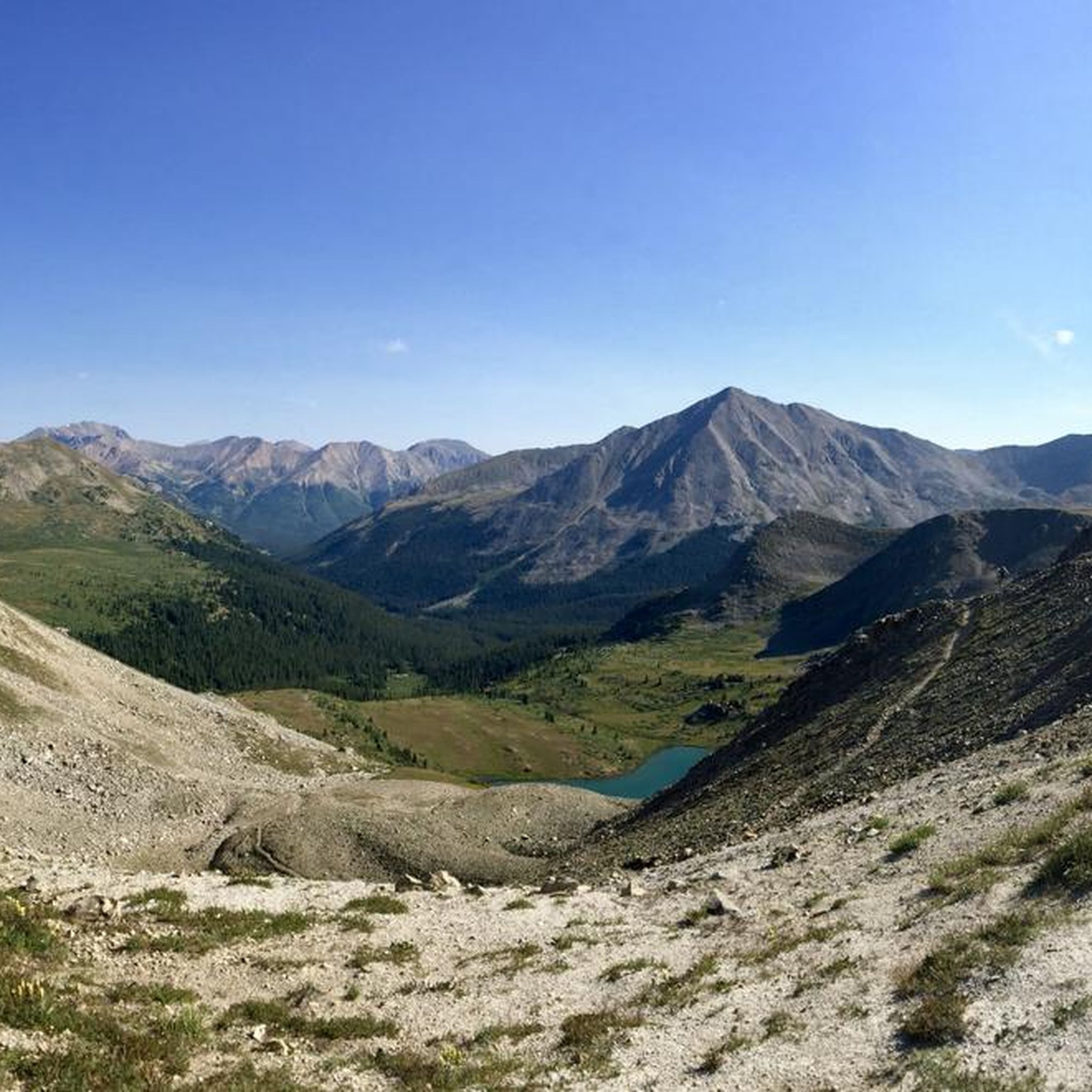
Hiking in Collegiate Peaks Wilderness offers access to a high-elevation landscape in Colorado's Sawatch Range. The area is characterized by towering fourteeners, including Mount Harvard and Mount Yale, alongside dense forests, open meadows, and rocky alpine terrain. Hikers will encounter diverse ecosystems, pristine alpine lakes, and high mountain streams throughout the wilderness. This region provides an extensive network of trails suitable for various skill levels.
Best hiking trails in Collegiate Peaks Wilderness
- The most popular hiking route is Mount Yale…
Last updated: July 22, 2026
5.0
(2)
10
hikers
1.06km
00:21
10m
10m
Moderate hike. Great for any fitness level. Mostly accessible paths. Sure-footedness required.
6
hikers
6.29km
03:56
1,360m
0m
Hard hike. Very good fitness required. Mostly accessible paths. Sure-footedness required.

Sign up for free
6
hikers
5.05km
02:32
480m
0m
Hard hike. Good fitness required. Sure-footedness, sturdy shoes and alpine experience required.
4
hikers
8.32km
04:27
1,310m
10m
Hard hike. Very good fitness required. Sure-footedness, sturdy shoes and alpine experience required.
3
hikers
7.12km
01:58
30m
280m
Moderate hike. Great for any fitness level. Mostly accessible paths. Sure-footedness required.
Get access to more routes and recommendations from other explorers.
Sign up for free
Already have an account?
Our route recommendations are based on thousands of hikes, rides, and runs completed by other people on komoot.
Start today with a free account
Your next adventure awaits.
Login or Signup
Tips from the Community

The Grotto Cascades on the Roaring Fork River are a set of step-down rapids. They appear different in different seasons, and they run fullest in the late spring and early summer months.
0
0
The cool caverns freeze in the winter, hence the name "ice caves." They are still a really cool rock feature to check out in the dry months, and there are usually pools of water inside the caverns.
0
0
Texas Lakes are two, small alpine lakes located in the clearing of a creek basin, a little under 10,000 feet. The lakes are just outside the Collegiate Peaks Wilderness area and can be accessed via foot, bike, or OHV. If you are looking for a longer run, you can gain access into the Collegiate Peaks Wilderness by continuing north.
0
0
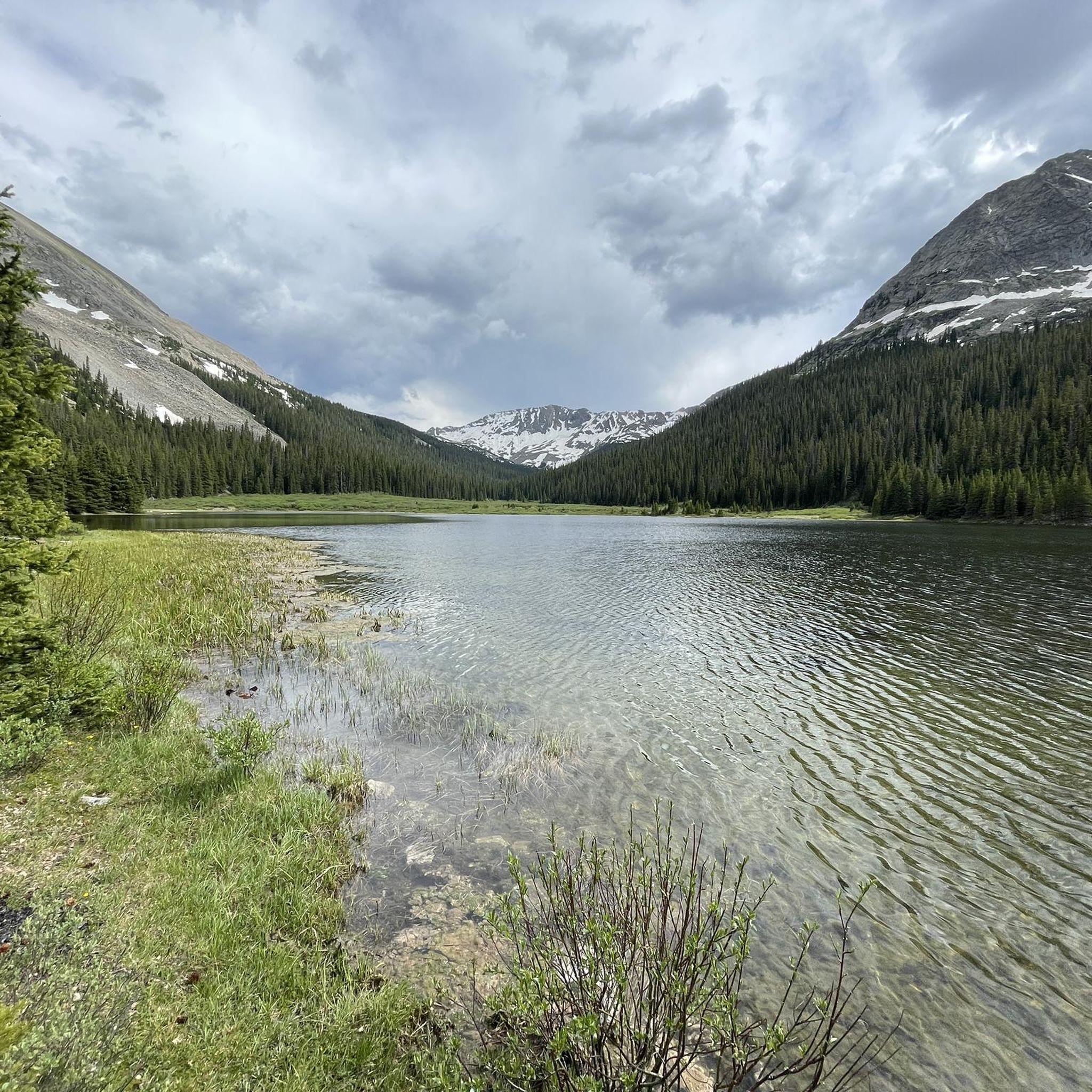
At 11,523 feet, Hartenstein Lake is tucked away at the edge of treeline in a basin between Turner Peak (13,233 feet) and Mount Yale (14,196 feet). It stays snowy up here late into spring some seasons, and you can always plan for water crossings and muddy bits of trail. The lake is much less visited than the peaks in the area and offers a real wilderness feel. The trail approaching the lake is mostly runnable grades. The runnability of the trail really depends on how wet everything is.
0
0
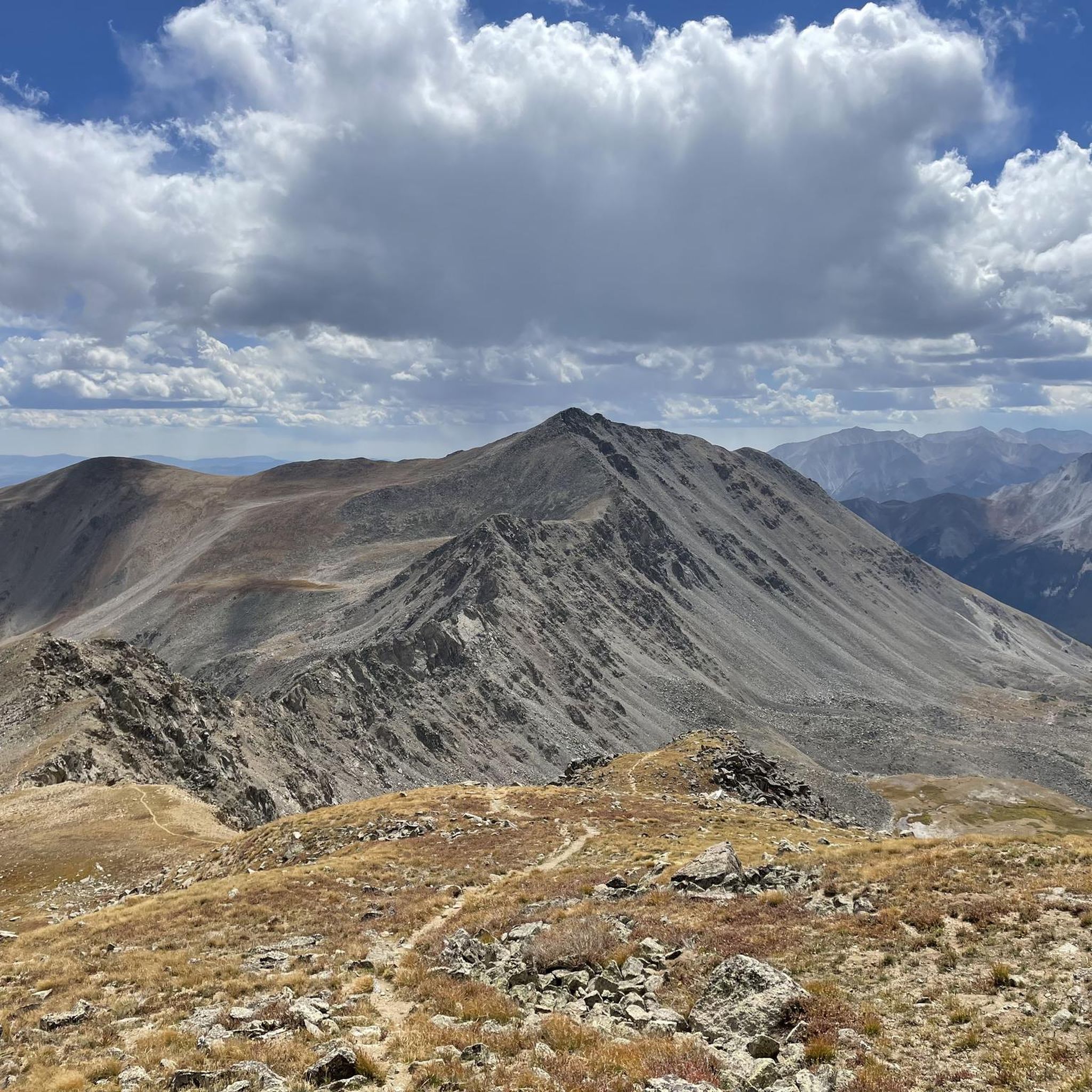
At 14,203 feet tall, Mount Belford is one of three 14ers attainable from the Missouri Gulch Trailhead. The mountain is infamous for its steep switchbacks traveling up it's northwest slopes. It is the 19th highest peak in Colorado, and the views from the top are special, sharing the high elevation with many nearby high peaks. It's easy for this "run" to turn into a slow walk as you come up the switchbacks, but it's almost impossible not to run down the mountain with how steep the trail gets.
0
0
Missouri Mountain, at 14,074 feet, is one of the highest peaks in the Sawatch Range. The ridge that the path follows the final half mile is somewhat washed out and should be traveled with caution. Missouri Mountain is a semi-popular peak that offers a good taste of class 2 alpine travel. Be prepared to have to stop and take turns during certain stretches of the final ridge approach. The trail can be kind of crowded, and there are a couple technical spots that only one person can pass through at a time. Running up to the ridge is tough and is usually just a hike, but the ridge itself offers a couple fun sections of runnable terrain.
0
0
The Missouri Gulch Trailhead marks the starting point for a variety of trails. In the summer and fall months, this trailhead starts to overflow before the sun even comes up due to people hiking/running one or more of the three 14ers that are easily accessible from this trailhead (Missouri Mountain, Mount Belford, and Mount Oxford). Because this large parking lot often overflows, there is extra parking in some pull offs both before and after this parking lot on the main road. There's a vault toilet accessible here during the dry months. The trail gets to work right away after crossing the river. Be prepared for a hard run out of the gate!
0
0
Texas Lakes are two, small alpine lakes located in the clearing of a creek basin, a little under 10,000 feet. The lakes are just outside the Collegiate Peaks Wilderness area and can be accessed via foot, bike, or OHV.
0
0
Frequently Asked Questions
How many hiking trails are available in Collegiate Peaks Wilderness?
The Collegiate Peaks Wilderness offers an extensive network of over 100 hiking trails. These routes cater to various skill levels, with 27 easy, 34 moderate, and 45 difficult options available for exploration.
What kind of terrain can I expect when hiking in Collegiate Peaks Wilderness?
Hikers will experience a dramatic transition of landscapes. The terrain ranges from dense forests of pine and aspen at lower elevations to open meadows bursting with wildflowers, rocky slopes, and expansive alpine tundra at higher altitudes. You'll also encounter high-alpine cirques and pristine mountain lakes.
Are there any family-friendly hiking options in Collegiate Peaks Wilderness?
Yes, the wilderness area includes 27 trails classified as easy, which are generally suitable for families. These routes often traverse less strenuous terrain, allowing for enjoyable outings amidst the natural beauty without significant elevation gain.
What are some notable natural features or landmarks to look out for?
The Collegiate Peaks Wilderness is renowned for its towering 'fourteeners'—peaks over 14,000 feet. You can spot iconic mountains like Mount Harvard, Mount Belford, and Missouri Mountain. Other distinctive features include pristine alpine lakes such as Lake Ann and Kroenke Lake, and the unique geological formations of the Chalk Cliffs near Mount Princeton.
Are there any loop trails for hikers who prefer circular routes?
Yes, for those who enjoy circular routes, the wilderness offers options like the challenging Mount Belford & Mount Oxford loop via Missouri Gulch Trail. This 11.8-mile route takes you through high-alpine cirques and provides opportunities to summit multiple peaks.
What do other hikers say about their experience in Collegiate Peaks Wilderness?
The Collegiate Peaks Wilderness is highly regarded by the komoot community, boasting an average rating of 4.8 stars from over 50 reviews. Hikers frequently praise the breathtaking scenic vistas, the challenging yet rewarding climbs to the fourteeners, and the pristine beauty of the alpine lakes and diverse ecosystems.
What is the best time of year to hike in Collegiate Peaks Wilderness?
The best time to hike is typically from late spring through early fall (June to September) when trails are generally free of snow and wildflowers are in bloom. However, conditions can vary significantly with elevation, and higher routes may retain snow into July. Always check current weather forecasts before heading out.
Are there opportunities for long-distance hiking or backpacking?
Yes, the Collegiate Peaks Wilderness is traversed by both the Colorado Trail and the Continental Divide Trail. These renowned long-distance trails offer extensive opportunities for multi-day backpacking trips, allowing hikers to immerse themselves deeply in the rugged beauty of the Sawatch Range.
What kind of wildlife might I encounter on the trails?
The diverse ecosystems of the Collegiate Peaks Wilderness support abundant wildlife. Hikers might spot various bird species, marmots, pikas, and potentially larger mammals like deer or elk, especially in quieter areas or during dawn and dusk.
Are there any trails that lead to alpine lakes?
Absolutely. The wilderness is home to several pristine alpine lakes. A popular option is the Ptarmigan Lake Trail, a challenging 6.1-mile path that leads to a scenic alpine lake nestled within the rugged mountain environment. Another route, Bear Lake via Horn Fork Basin Trail, also offers access to a beautiful high-alpine lake.
What are some of the more challenging hikes in the area?
For experienced hikers seeking a challenge, the Collegiate Peaks Wilderness offers numerous difficult routes. Notable options include the Mount Yale Trail, which ascends one of the prominent fourteeners, and the Mount Harvard Trail, another demanding climb to a 14,000-foot peak.
Most popular routes in Collegiate Peaks Wilderness
Most popular attractions in Collegiate Peaks Wilderness

Get inspired with the komoot mobile app


Explore more
Browse the best Hikes in other regions.
