The best running trails in Collegiate Peaks Wilderness
4.5
(8)
661
runners
83
runs
Jogging in Collegiate Peaks Wilderness offers access to a high-elevation landscape characterized by numerous "fourteeners" and the Continental Divide. The region features extensive trail systems traversing glacier-sculpted valleys and alpine lakes. These running routes often include significant elevation gains, providing challenging terrain for experienced runners.
Best jogging routes in Collegiate Peaks Wilderness
- The most popular jogging route is Mount Yale Trail — Collegiate Peaks Wilderness, an 8.7 miles (13.9 km) trail that takes 4 hours 40 minutes to complete. This route features substantial elevation gain towards a prominent peak.
- Another top favourite among local runners is Missouri Mountain, Mount Belford, & Mount Oxford loop — Collegiate Peaks Wilderness, a difficult 14.9 miles (24.0 km) path. This challenging loop connects multiple high peaks within the wilderness.
- Local runners also love the Mount Belford & Mount Oxford loop via Missouri Gulch Trail — Collegiate Peaks Wilderness, an 11.8 miles (19.0 km) trail leading through high alpine terrain, often completed in about 4 hours 12 minutes.
- Jogging in Collegiate Peaks Wilderness is defined by towering fourteeners, sparkling alpine lakes, and sections of the Continental Divide. The network offers options for various ability levels, from moderate paths to challenging high-altitude runs.
- The routes in Collegiate Peaks Wilderness are highly rated by the komoot community with an average score of 4.75 stars from over 7 reviews. More than 575 runners have used komoot to explore Collegiate Peaks Wilderness's varied terrain.
Last updated: July 21, 2026
26
runners
13.9km
04:40
1,280m
1,280m
Prepare for a difficult jogging adventure on the Mount Yale Trail, covering 8.6 miles (13.9 km) with a significant elevation gain of 4198 feet (1280 metres). This route typically takes about 4 hours and 39 minutes to complete. You will start in lush forests, transitioning to rocky meadows as you climb. Above the treeline, around 12,000 feet, the landscape opens up to sweeping views of the Sawatch Range. The summit offers 360-degree vistas of the Collegiate Peaks Wilderness, including other prominent 14ers. Expect varied terrain, from packed dirt and roots to a Class 2 rock scramble near the top.
This is a strenuous route, so proper acclimatization to high altitude is essential before you begin your jogging trip. The final section to the summit involves Class 2 rock scrambling, requiring careful footing and attention. You can access the common trailhead at Denny Creek year-round, which is located off Cottonwood Pass. Plan your visit carefully to ensure you are prepared for the challenging conditions.
Mount Yale is a prominent peak within the Collegiate Peaks Wilderness, making this trail a classic high-altitude experience. From the summit, you can identify other famous 14ers like Mount Harvard and Mount Princeton, providing a grand perspective of the Sawatch Range. This trail is ideal for experienced runners seeking a demanding high-altitude challenge in a truly spectacular setting.
5.0
(1)
17
runners
9.79km
02:24
450m
450m
Embark on the Ptarmigan Lake Trail, a difficult jogging route that challenges you with a 6.1-mile (9.8 km) journey and a significant 1460-foot (445 metres) elevation gain. As you ascend, you'll jog through dense pine forests, feeling the air thin as you climb higher. The scenery transforms into open meadows, vibrant with wildflowers during the summer months, offering a refreshing contrast to the forest. You'll encounter rockslide sections that provide expansive vistas, revealing the vastness of the landscape around you. The ultimate reward for your effort, typically taking around 2 hours and 24 minutes, is the stunning Ptarmigan Lake itself, a crystal-clear alpine tarn nestled dramatically at the base of towering peaks like Jones Mountain and Mount Yale. This picturesque destination makes the challenging climb worthwhile.
Before you begin your jog, remember that the trail starts at a high altitude of around 10,600 feet, so proper acclimatization is crucial to ensure a safe and enjoyable experience. While the path is generally clear, be prepared for rocky and uneven sections, particularly as you approach the lake on the final, steeper ascent. Consider the time of year for your visit; summer offers the best chance to see wildflowers, but be aware that snow can persist into early summer or arrive early in the fall, impacting trail conditions. Always check current weather and trail reports before heading out.
This route is an excellent choice if you are seeking a rewarding high-altitude run within the San Isabel National Forest. The journey offers a unique progression from dense woodlands to expansive alpine environments, culminating in the serene beauty of Ptarmigan Lake. It stands out for its consistent improvement in views as you gain elevation, making every step of the difficult climb feel earned. The combination of challenging terrain and stunning natural beauty makes Ptarmigan Lake Trail a memorable experience for any dedicated jogger.

Sign up for free
14
runners
24.0km
05:55
2,090m
2,090m
This difficult jogging route takes you on an epic journey across three 14,000-foot peaks: Missouri Mountain, Mount Belford, and Mount Oxford. You will cover 14.9 miles (24.0 km) and gain a substantial 6863 feet (2092 metres) in elevation, typically taking around 5 hours and 55 minutes to complete. The trail begins by winding through the beautiful meadows of Missouri Gulch, offering a serene start before the serious climbing begins. As you ascend, you will break above the treeline, where the landscape transforms into exposed ridges. From these high points, you can enjoy expansive vistas of the Sawatch Range, including distant views of Mount Harvard and Mount Elbert.
Given the route's length, significant elevation gain, and considerable exposure above the treeline, an alpine start is strongly advised. Beginning your jog early in the morning helps you steer clear of the afternoon thunderstorms that frequently occur in the Rocky Mountains. This challenging loop is suitable for experienced trail runners. If you plan to bring your dog, remember to verify the specific leash regulations for the Collegiate Peaks Wilderness area before you go.
This route offers the unique satisfaction of summiting three distinct 14,000-foot peaks during one continuous adventure. It is a significant undertaking for experienced trail runners seeking a demanding challenge within the Collegiate Peaks Wilderness. The varied terrain, from lush meadows to high alpine ridges, provides a diverse and rewarding experience for those prepared for its rigors.
15
runners
19.0km
04:12
1,700m
1,700m
Embark on the Mount Belford and Mount Oxford Loop for a challenging jogging experience through the Collegiate Peaks Wilderness. You will navigate 11.8 miles (19.0 km) of varied terrain, starting with packed dirt in Missouri Gulch before it becomes rockier with some scrambling as you ascend. This difficult route demands good physical conditioning, rewarding your effort with panoramic views of the Sawatch Range and distant peaks like the Mosquito Range and Pikes Peak. Expect to gain a significant 5567 feet (1697 metres) in elevation, with an estimated duration of 4 hours and 12 minutes to complete the loop.
To make the most of your visit, plan to start early from the Missouri Gulch Trailhead. This early start is crucial to avoid the afternoon thunderstorms and strong winds that are common at these high altitudes. The route is not suitable for beginners due to its significant elevation changes and exposure above the treeline, so ensure you are well-prepared. Always check local conditions before heading out, as weather can change rapidly in the mountains.
This loop offers a unique opportunity to experience high-altitude jogging combined with substantial hiking in a remote setting. The journey takes you through diverse ecosystems, from forested areas to exposed alpine environments above the treeline. You will find yourself immersed in the natural beauty of the Collegiate Peaks, a region known for its majestic 14,000-foot peaks and rugged landscapes.
10
runners
17.3km
02:31
760m
760m
The Bear Lake via Horn Fork Basin Trail offers a difficult jogging experience through the Collegiate Peaks Wilderness. You will cover 10.8 miles (17.3 km) and gain a substantial 2499 feet (762 metres) in elevation, with an estimated duration of 2 hours and 31 minutes. Expect varied terrain, transitioning from a spruce-fir forest into open meadows, complete with creek crossings and rocky sections as you ascend towards the stunning Bear Lake, perched on its rocky shelf.
Before you head out, be aware that this route demands good preparation due to its significant elevation gain and high altitude; ensure you are well-acclimated. If you plan to jog during fall or winter, microspikes are highly recommended to navigate potential snow and ice. Keep in mind that this is a popular trail, so you might encounter other outdoor enthusiasts, especially during peak seasons.
As you jog, you will be treated to exceptional panoramic views, including glimpses of Mt. Yale and the majestic Mt. Harvard, particularly from the Harvard meadow view. Bear Lake itself is a beautiful alpine jewel, providing grand vistas of several Colorado 14ers, making the challenging climb well worth the effort for the scenery alone.
Get access to more routes and recommendations from other explorers.
Sign up for free
Already have an account?
Our route recommendations are based on thousands of hikes, rides, and runs completed by other people on komoot.
Start today with a free account
Your next adventure awaits.
Login or Signup
Popular around Collegiate Peaks Wilderness
Tips from the Community

The switchbacks going up Mount Belford start just after breaking treeline, and they don't stop until right before you get to the summit. It can be easy to get discouraged moving up this steep section, but the trail has wide open views the whole way with only better views at the top. Please don't cut the switchbacks when running downhill. The trail is so steep that erosion happens easily.
0
0
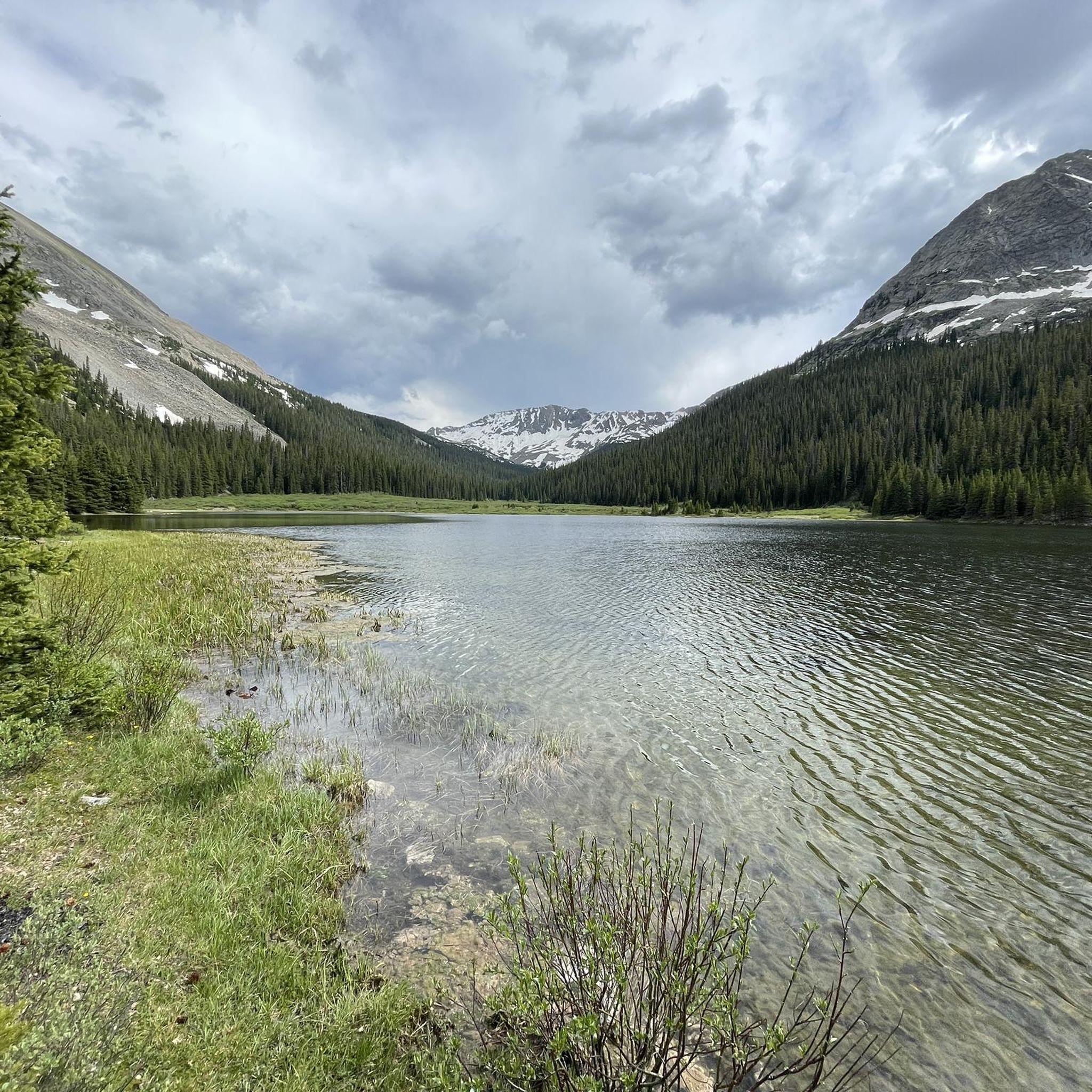
Ptarmigan Lake is a very popular alpine lake in San Isabel National Forest. Because the lake sits above 12,100 feet, it often stays snowed in and frozen until June or July. The main trailhead used to access the lake is located just off of Cottonwood Pass Road, making it a popular spot among locals and visitors.
0
0
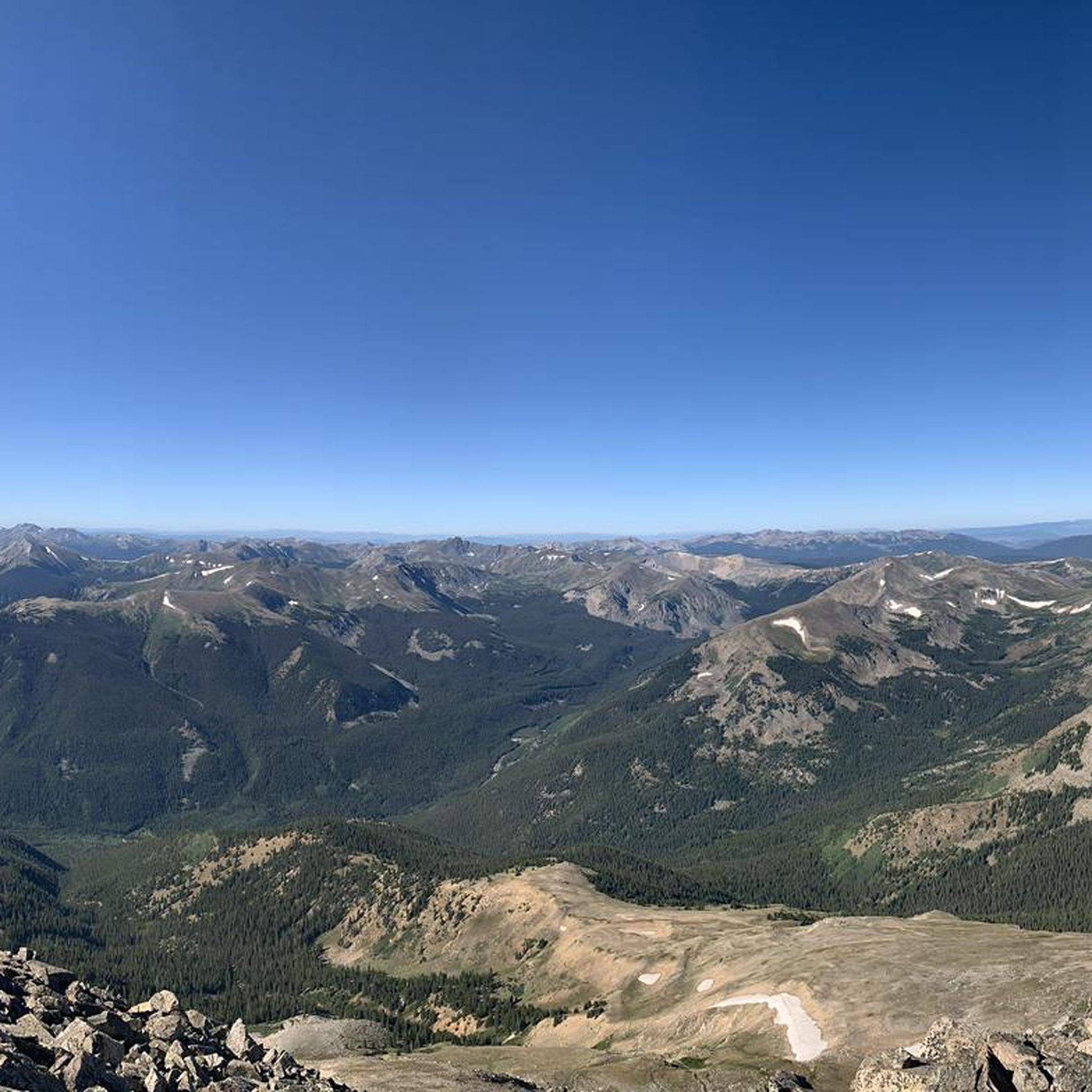
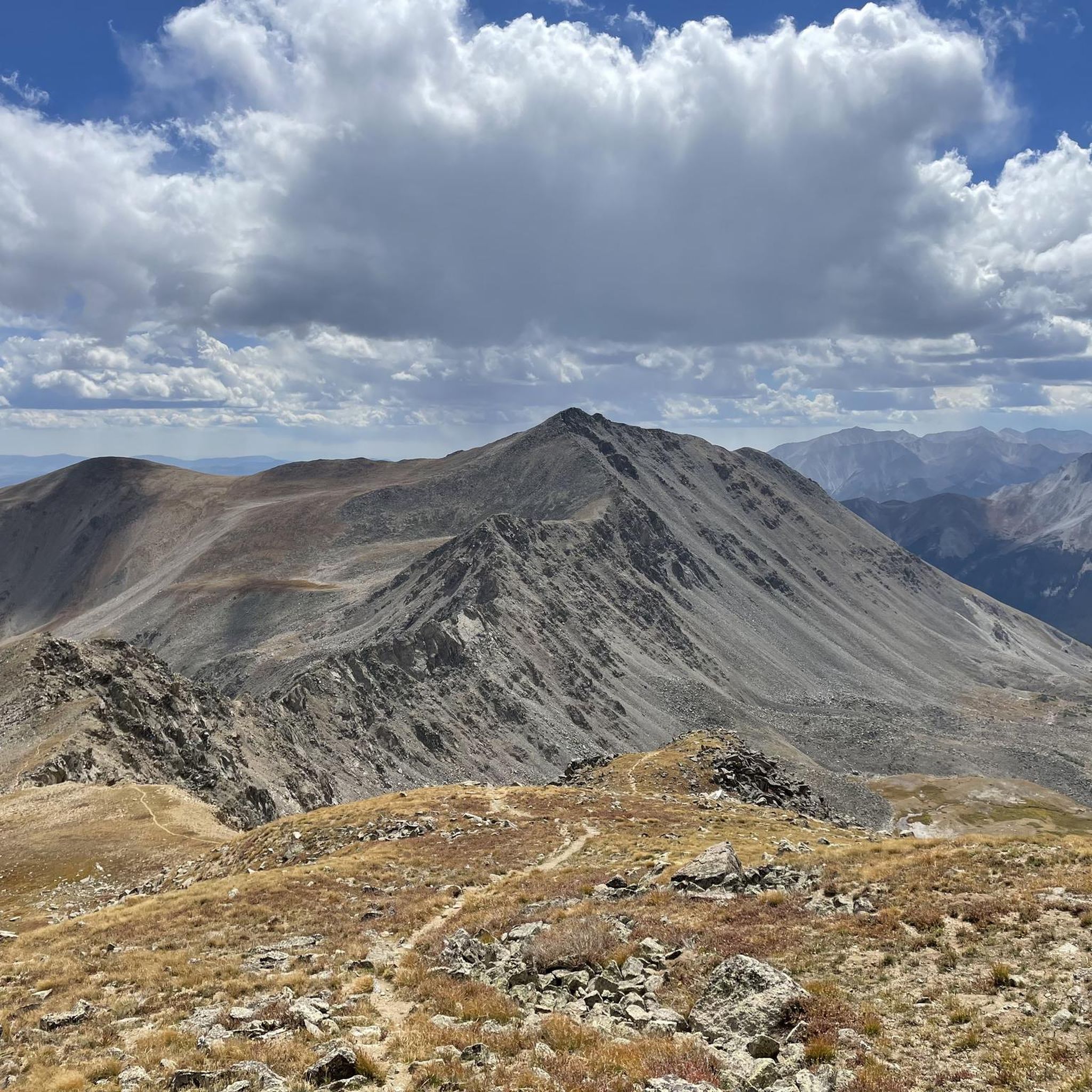
Almost as soon as you break treeline, you can see the summit you are going to climb. You can also see other 14ers and high peaks in all directions. The trail becomes much rockier after this point, but the grades are runnable when the terrain allows.
0
0
Mount Yale is 14,200 feet tall and is one of the highest mountains towering over the town of Buena Vista. The summit can be tackled from multiple directions, but the southwest route offers the most runnable terrain without sacrificing the fun class 2 scramble at the top.
0
0
There are a lot of different trails in the Collegiate Peaks Wilderness and San Isabel National Forest. North Cottonwood Creek Trailhead is one of the most frequented wilderness access areas and serves as the start for a number of trails. This is the main junction for the 14ers routes (north) and the Kroenke Lake Trail (west).
0
0
Right at 12,400 feet elevation is Bear Lake; it rests on the eastern base of the south ridge of Mount Harvard. The lake stays frozen late into spring and is a great addition to the 14er summit trails around the area once the summer dry season opens up. With all the hiking it takes to get up to the summit of Mount Harvard, the runnable stretch of trail to and from Bear Lake is a great way to open up the legs.
0
0
After breaking through treeline, you get a great view of Mount Harvard from an alpine meadow clearing. You start to move between boulder fields and more alpine meadows, keeping your views all the way to Harvard's upper basin. These are the last runnable grades before marching towards the slopes of Harvard.
0
0
At 14,203 feet tall, Mount Belford is one of three 14ers attainable from the Missouri Gulch Trailhead. The mountain is infamous for its steep switchbacks traveling up it's northwest slopes. It is the 19th highest peak in Colorado, and the views from the top are special, sharing the high elevation with many nearby high peaks. It's easy for this "run" to turn into a slow walk as you come up the switchbacks, but it's almost impossible not to run down the mountain with how steep the trail gets.
0
0
Frequently Asked Questions
How many running routes are available in Collegiate Peaks Wilderness?
Collegiate Peaks Wilderness offers a wide selection of running routes, with over 80 trails available. These routes cater to various fitness levels, ranging from moderate paths to very challenging high-altitude runs.
What kind of difficulty can I expect from running trails in Collegiate Peaks Wilderness?
The running trails in Collegiate Peaks Wilderness are predominantly challenging, with 56 routes rated as difficult and 22 as moderate. Only a few routes (3) are considered easy. Many trails feature significant elevation gains and require good fitness and sure-footedness, often leading to prominent peaks and high alpine terrain.
Are there any easy jogging routes suitable for beginners in Collegiate Peaks Wilderness?
While most routes are challenging, there are a few easier jogging options available. For instance, the Ptarmigan Lake Trail — San Isabel National Forest offers a more moderate experience, covering about 6 miles with less extreme elevation gain compared to the high-altitude peak ascents.
What are some of the most scenic landmarks or viewpoints I can experience while running in Collegiate Peaks Wilderness?
The Collegiate Peaks Wilderness is renowned for its majestic scenery. Runners can experience towering "fourteeners" like Mount Belford, Missouri Mountain, and Mount Harvard. You'll also encounter sparkling alpine lakes such as Lake Ann and Bear Lake, and sections of the Continental Divide, offering breathtaking glacier-sculpted high mountain views.
What do other runners enjoy most about jogging in Collegiate Peaks Wilderness?
The running routes in Collegiate Peaks Wilderness are highly rated by the komoot community, with an average score of 4.75 stars from over 7 reviews. Runners frequently praise the dramatic scenery, the challenge of high-altitude trails, and the opportunity to explore iconic peaks and alpine lakes.
Are there any long-distance or challenging running routes for experienced trail runners?
Absolutely. Collegiate Peaks Wilderness is ideal for experienced trail runners seeking a challenge. Routes like the Missouri Mountain, Mount Belford, & Mount Oxford loop span nearly 15 miles with over 6,800 feet of elevation gain, connecting multiple high peaks. These routes demand significant endurance and alpine experience.
Can I bring my dog on the running trails in Collegiate Peaks Wilderness?
Many trails within the Collegiate Peaks Wilderness, which is part of the National Forests, generally allow dogs. However, it's always recommended to check specific trail regulations and leash requirements before heading out, as rules can vary. Always practice Leave No Trace principles and pack out all waste.
What is the best time of year to go running in Collegiate Peaks Wilderness?
The best time for running in Collegiate Peaks Wilderness is typically during the summer and early fall. While popular on summer weekends, planning a visit during weekdays or in the fall can offer more solitude and pleasant running conditions. Winter running is possible but requires specialized gear and experience due to snow and ice.
Are there any routes that pass by alpine lakes?
Yes, the wilderness features dozens of sparkling alpine lakes. The Bear Lake via Horn Fork Basin Trail is one such route that leads to Bear Lake, offering beautiful views of the glacier-sculpted landscape.
What should I wear or bring for a run in Collegiate Peaks Wilderness?
Given the high-altitude environment and significant elevation changes, it's crucial to be prepared. Wear sturdy trail running shoes, layer your clothing to adapt to changing weather, and carry plenty of water, snacks, sun protection, and navigation tools. Weather can change rapidly in the mountains, so a waterproof layer is also advisable.
Are there any historical points of interest along the running trails?
Yes, the landscape of Collegiate Peaks Wilderness bears subtle marks of human history. You might find evidence of past gold and metal prospecting, historical mining operations, and old settlements, particularly in areas like the Pine Creek valley and near the ghost town of Winfield. These offer a glimpse into the region's rich past.
How accessible are the trailheads for running routes in Collegiate Peaks Wilderness?
The Collegiate Peaks Wilderness, located within the San Isabel, Gunnison, and White River National Forests, offers convenient access through numerous trailheads. Most areas are generally no more than five miles from a road, making many starting points relatively accessible for runners.
Most popular routes in Collegiate Peaks Wilderness
Most popular attractions in Collegiate Peaks Wilderness

Get inspired with the komoot mobile app


Explore more
Browse the best Running Trails & Routes in other regions.
