Collegiate Peaks Wilderness
Collegiate Peaks Wilderness
The 13 Most Amazing Peaks in Collegiate Peaks Wilderness
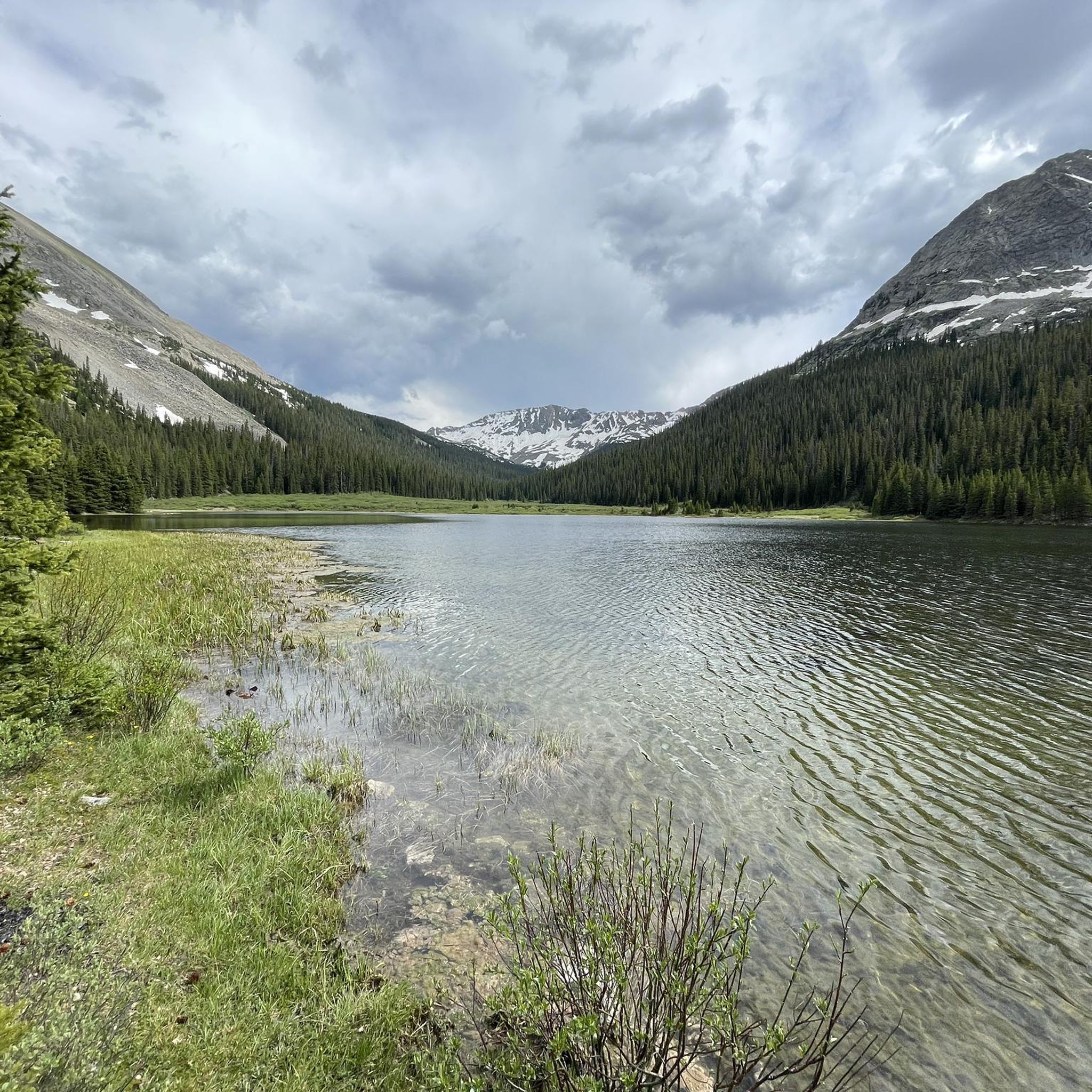
Best mountain peaks in Collegiate Peaks Wilderness are characterized by their majestic "Fourteeners," peaks exceeding 14,000 feet in elevation. This 168,000-acre wilderness features a diverse landscape, ranging from dense pine and aspen forests to open wildflower meadows and rugged alpine tundra. The region is known for its pristine alpine environments and offers numerous opportunities for exploration. Many peaks are named after prominent universities, adding a unique historical element to the natural grandeur.
Best mountain peaks in Collegiate Peaks Wilderness
- The…
Last updated: May 4, 2026
Mount Belford
Highlight • Summit
Tip by

Missouri Mountain
Highlight • Summit
Tip by
Sign up now to discover places like this
Get recommendations on the best single tracks, peaks, & plenty of other exciting outdoor places.
Sign up for free
Mount Harvard
Highlight • Summit
Tip by
Trail connecting Belford & Oxford
Highlight (Segment) • Trail
Tip by
Mount Columbia switchbacks
Highlight (Segment) • Trail
Tip by
Sign up for free to discover even more peaks in Collegiate Peaks Wilderness.
Sign up for free
Already have an account?
Start today with a free account
Your next adventure awaits.
Login or Signup
Tips from the Community

The switchbacks on the southwest ridge of Mount Columbia are steep, rocky, and sandy. Going up usually isn't an issue besides being steep and tiring, but his can be a quad busting decent. Trekking poles can be helpful on these unrelenting steeps. On a positive side, the switchbacks near the bottom of the mountain are not nearly as steep, and there are wide open views of Bear Lake and Mount Harvard nearly the entire climb.
0
0
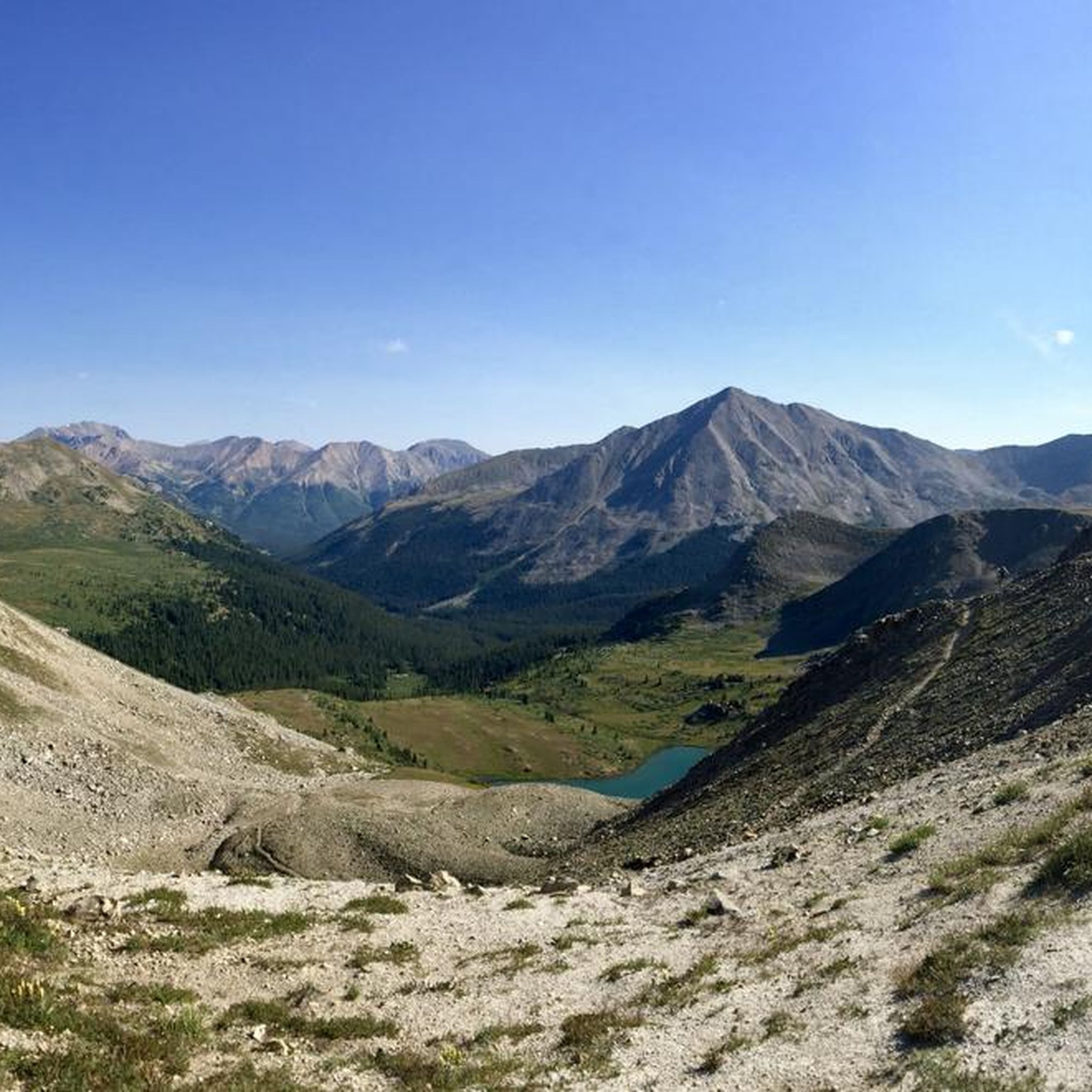
Mount Harvard is the highest mountain in all the Collegiate Peaks at 14,421 feet. Its steep, rocky slopes are similar to that of many Sawatch 14ers, but the high alpine pools and vegetation make it one of the greener high summits. This mountain can be easily paired with the nearby 14er Mount Columbia, but this is a long, tedious traverse. Don't plan to be running a lot after 13,000 feet. With that being said, the lower elevation miles in the basin are great for running when they aren't covered in snow.
0
0
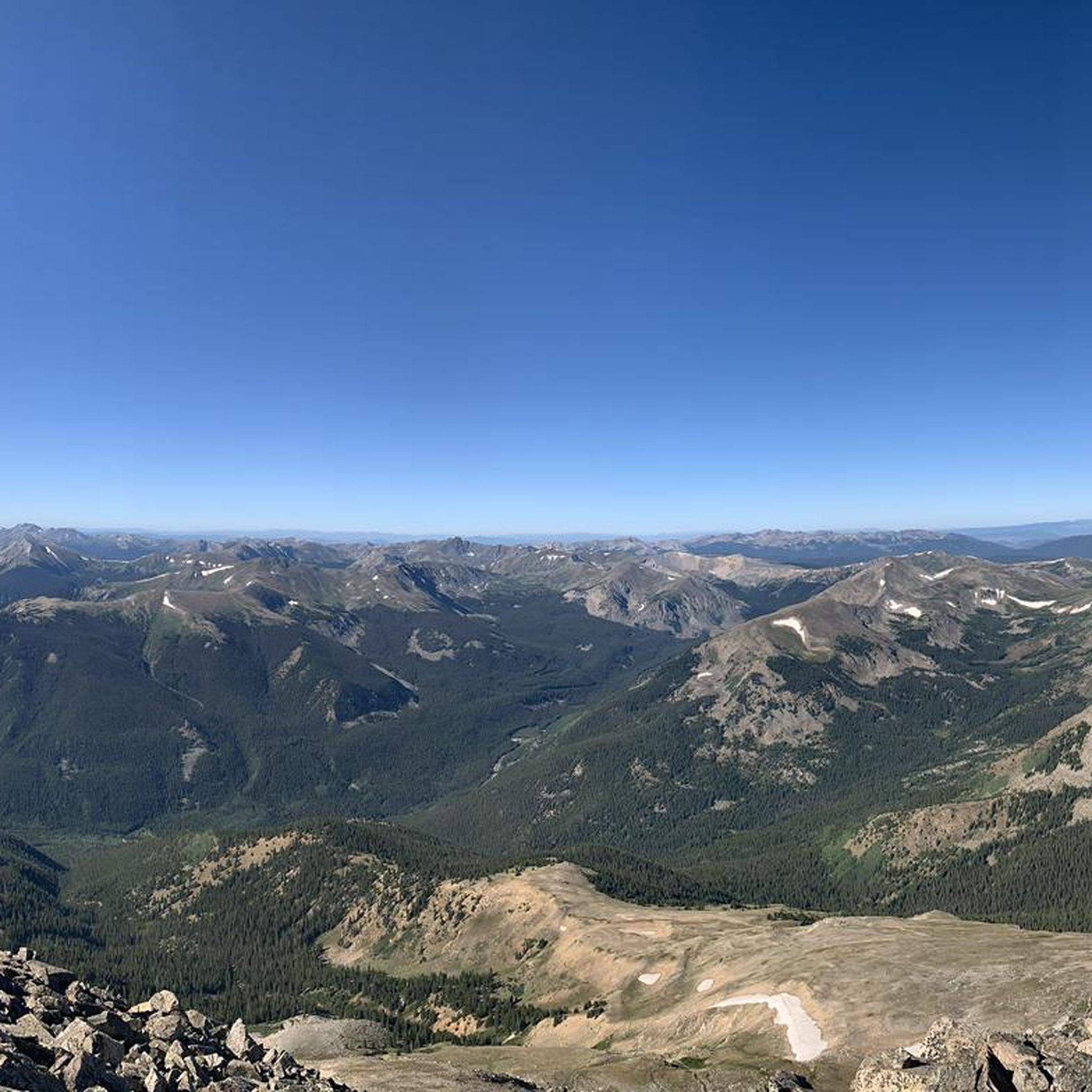
At 14,203 feet tall, Mount Belford is one of three 14ers attainable from the Missouri Gulch Trailhead. The mountain is infamous for its steep switchbacks traveling up it's northwest slopes. It is the 19th highest peak in Colorado, and the views from the top are special, sharing the high elevation with many nearby high peaks. It's easy for this "run" to turn into a slow walk as you come up the switchbacks, but it's almost impossible not to run down the mountain with how steep the trail gets.
0
0
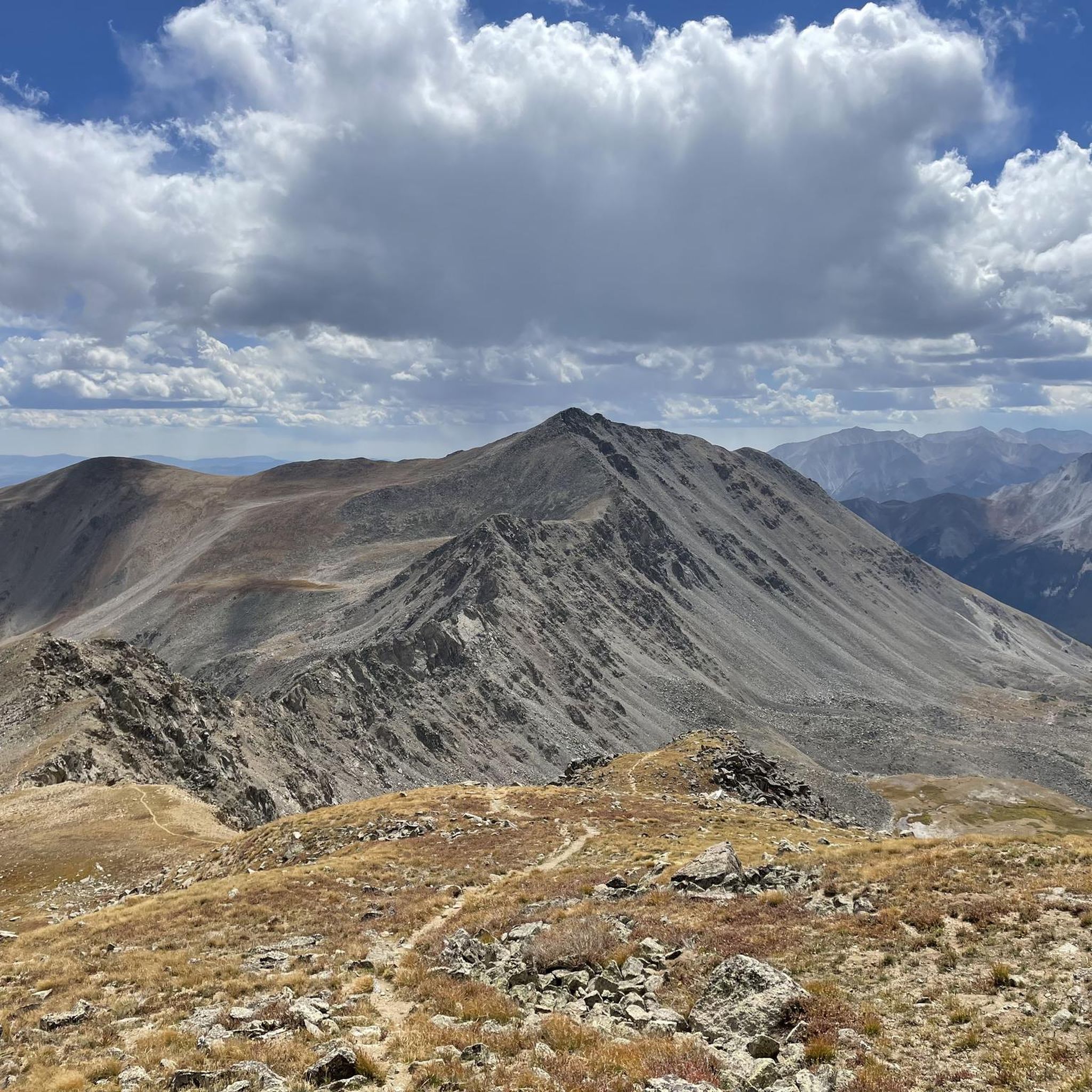
There is a bit of up and down on the trail, but this connector trail is more of just a ridge hike between Mount Belford and Mount Oxford. The initial descents off of both of the peaks are sandy and washed out dirt, but the middle of the trail is sturdy talus and packed dirt. There isn't a lot of running to be had on this ridge, but you can pick up some speed on the downhill portions.
1
0
Missouri Mountain, at 14,074 feet, is one of the highest peaks in the Sawatch Range. The ridge that the path follows the final half mile is somewhat washed out and should be traveled with caution. Missouri Mountain is a semi-popular peak that offers a good taste of class 2 alpine travel. Be prepared to have to stop and take turns during certain stretches of the final ridge approach. The trail can be kind of crowded, and there are a couple technical spots that only one person can pass through at a time. Running up to the ridge is tough and is usually just a hike, but the ridge itself offers a couple fun sections of runnable terrain.
0
0
The switchbacks on the southwest ridge of Mount Columbia are steep, rocky, and sandy. Going up usually isn't an issue besides being steep and tiring, but his can be a quad busting decent. Trekking poles can be helpful on these unrelenting steeps. On a positive side, the switchbacks near the bottom of the mountain are not nearly as steep, and there are wide open views of Bear Lake and Mount Harvard nearly the entire climb.
0
0
Mount Harvard is the highest mountain in all the Collegiate Peaks at 14,421 feet. Its steep, rocky slopes are similar to that of many Sawatch 14ers, but the high alpine pools and vegetation make it one of the greener high summits. This mountain can be easily paired with the nearby 14er Mount Columbia, but this is a long, tedious traverse.
0
0
Missouri Mountain, at 14,074 feet, is one of the highest peaks in the Sawatch Range. The ridge that the path follows the final half mile is somewhat washed out and should be traveled with caution. Missouri Mountain is a semi-popular peak that offers a good taste of class 2 alpine travel.
0
0
Frequently Asked Questions
What are some of the most prominent mountain peaks in the Collegiate Peaks Wilderness?
The Collegiate Peaks Wilderness is home to several majestic "Fourteeners" (peaks over 14,000 feet). Among the most prominent are Mount Harvard, the highest in the Collegiate Peaks at 14,420 feet, known for its high alpine pools and vegetation. Other notable peaks include Mount Belford (14,197 feet) and Missouri Mountain (14,074 feet), both offering challenging ascents and rewarding views.
What kind of terrain and difficulty can I expect when hiking these peaks?
The terrain in Collegiate Peaks Wilderness varies from dense pine and aspen forests at lower elevations to rugged alpine tundra and rocky slopes at higher altitudes. Many of the 14ers, like Mount Harvard, feature steep, rocky slopes. Peaks such as Mount Belford are known for steep switchbacks, while Missouri Mountain offers a taste of Class 2 alpine travel with some technical spots. Hikers should be prepared for significant elevation gain and strenuous conditions.
Are there any less crowded 14ers in the Collegiate Peaks Wilderness?
While many of the 14er trails can be busy, especially on weekends, Huron Peak (14,005 feet) is often considered a slightly less crowded option compared to some of its counterparts. It offers an incredibly rewarding hiking experience with beautiful wildflowers and sweeping panoramic views, though it is still strenuous due to the high elevation.
What are the best times to visit the Collegiate Peaks Wilderness for hiking?
The best time to visit for hiking is generally during the summer months, from late June through early September, when trails are typically free of snow and wildflowers are in bloom. Fall also offers stunning scenery with changing aspen leaves. Winter climbing conditions are challenging and require specialized gear and experience due to heavy snow and extreme cold.
What natural features and viewpoints can I discover in the Collegiate Peaks Wilderness?
The wilderness boasts diverse ecosystems, from lush forests to rocky alpine tundra, clear alpine lakes, and wildflower-filled meadows. Many peaks offer breathtaking panoramic views. For instance, Mount Belford provides spectacular views of many nearby high peaks, and the traverse between Mount Harvard and Mount Columbia offers stunning vistas.
Are there opportunities for multi-peak challenges in the Collegiate Peaks Wilderness?
Yes, for experienced hikers, the Collegiate Peaks Wilderness offers several multi-peak challenges. A notable, albeit exhausting, route is the traverse between Mount Harvard and Mount Columbia. Additionally, Mount Oxford is often combined with Mount Belford via an 11.8-mile loop trail, leading through high-alpine cirques.
What other outdoor activities can I do near the mountain peaks in Collegiate Peaks Wilderness?
Beyond peak bagging, the Collegiate Peaks Wilderness offers a variety of outdoor activities. You can find numerous options for mountain biking, with trails like Lincoln Creek to Petroleum and Anderson Lakes Trail. There are also many cycling routes, such as the East of Aspen Trail loop. For more details, explore the MTB Trails in Collegiate Peaks Wilderness and Cycling in Collegiate Peaks Wilderness guides.
Are there any easier hiking trails in the Collegiate Peaks Wilderness for those not ready for 14ers?
Yes, the wilderness caters to various experience levels. While many peaks are challenging, you can find easier hikes. For example, the Cottonwood Pass Overlook via CDT or the Lost Lake Trail offer less strenuous options. You can find more details and routes in the Easy hikes in Collegiate Peaks Wilderness guide.
What is the historical significance of the mountain peaks in this region?
Many of the peaks in the Collegiate Peaks Wilderness hold historical significance due to their names. Peaks like Mount Harvard, Mount Columbia, and Mount Yale were named by graduates of eastern universities during 19th-century surveying parties, adding a unique historical layer to the natural grandeur of the area.
What makes La Plata Peak a notable destination in the Collegiate Peaks Wilderness?
La Plata Peak, standing at 14,340 feet, is the fifth-highest peak in Colorado and a prominent fourteener within the wilderness. It provides strenuous hiking opportunities similar to other peaks in the area, rewarding climbers with extensive panoramic views from its summit.
What do visitors enjoy most about the Collegiate Peaks Wilderness?
Visitors are primarily drawn to the Collegiate Peaks Wilderness for its challenging "Fourteeners" and the sense of accomplishment they offer. The diverse ecosystems, from lush forests to alpine tundra, along with clear alpine lakes and wildflower-filled meadows, provide breathtaking views and natural beauty. The region's relative accessibility and variety of trails also contribute to its appeal.
How does Mount Yale compare to other 14ers in the region?
Mount Yale, named after the prestigious university, is a popular objective for hikers seeking a strenuous ascent. It offers a challenging 8.7-mile trail that typically takes around 9 hours to complete, involving significant elevation gain. It provides a classic 14er experience, similar in challenge to many other peaks in the Collegiate Peaks Wilderness.
Most popular routes in Collegiate Peaks Wilderness
Most popular attractions in Collegiate Peaks Wilderness

Get inspired with the komoot mobile app


