Top 11 Lakes around Morata De Tajuña
Best lakes around Morata de Tajuña are primarily centered around the Tajuña River and nearby lagoons, offering diverse natural spaces. The area features a landscape shaped by the river's course, historical irrigation systems, and unique gypsum cliffs. While large natural lakes are not directly within Morata de Tajuña, the vicinity provides wetlands and artificial lagoons that have developed into significant natural habitats. These areas are suitable for nature observation and exploring the Tajuña River valley hiking routes.
Best lakes around…
Last updated: July 18, 2026
Campillo Lagoon
Highlight • Lake
Translated by Google •
Tip by

Birdwatching Hide at San Juan Lagoons
Highlight • Viewpoint
Translated by Google •
Tip by

Sign up now to discover places like this
Get recommendations on the best single tracks, peaks, & plenty of other exciting outdoor places.
Sign up for free
Laguna del Soto de las Juntas
Highlight • Lake
Translated by Google •
Tip by

Laguna de San Juan
Highlight • Lake
Translated by Google •
Tip by

Bird Observatory of the Laguna del Tajuña
Highlight • Lake
Translated by Google •
Tip by

Sign up for free to discover even more lakes around Morata De Tajuña.
Sign up for free
Already have an account?
Start today with a free account
Your next adventure awaits.
Login or Signup
Popular around Morata De Tajuña
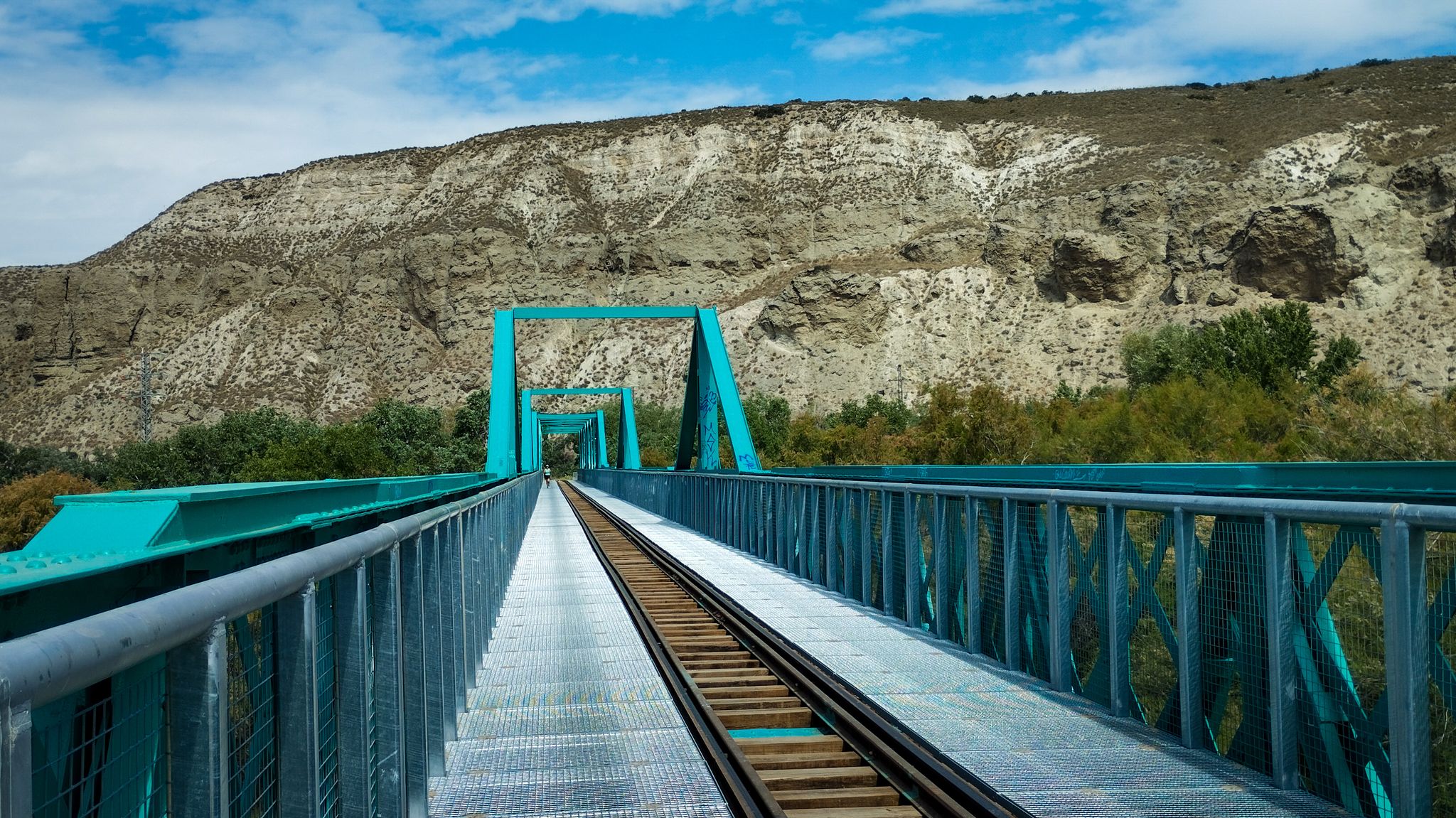
A family ride through Las Vegas de Madrid in Spain – Tajuña Greenway
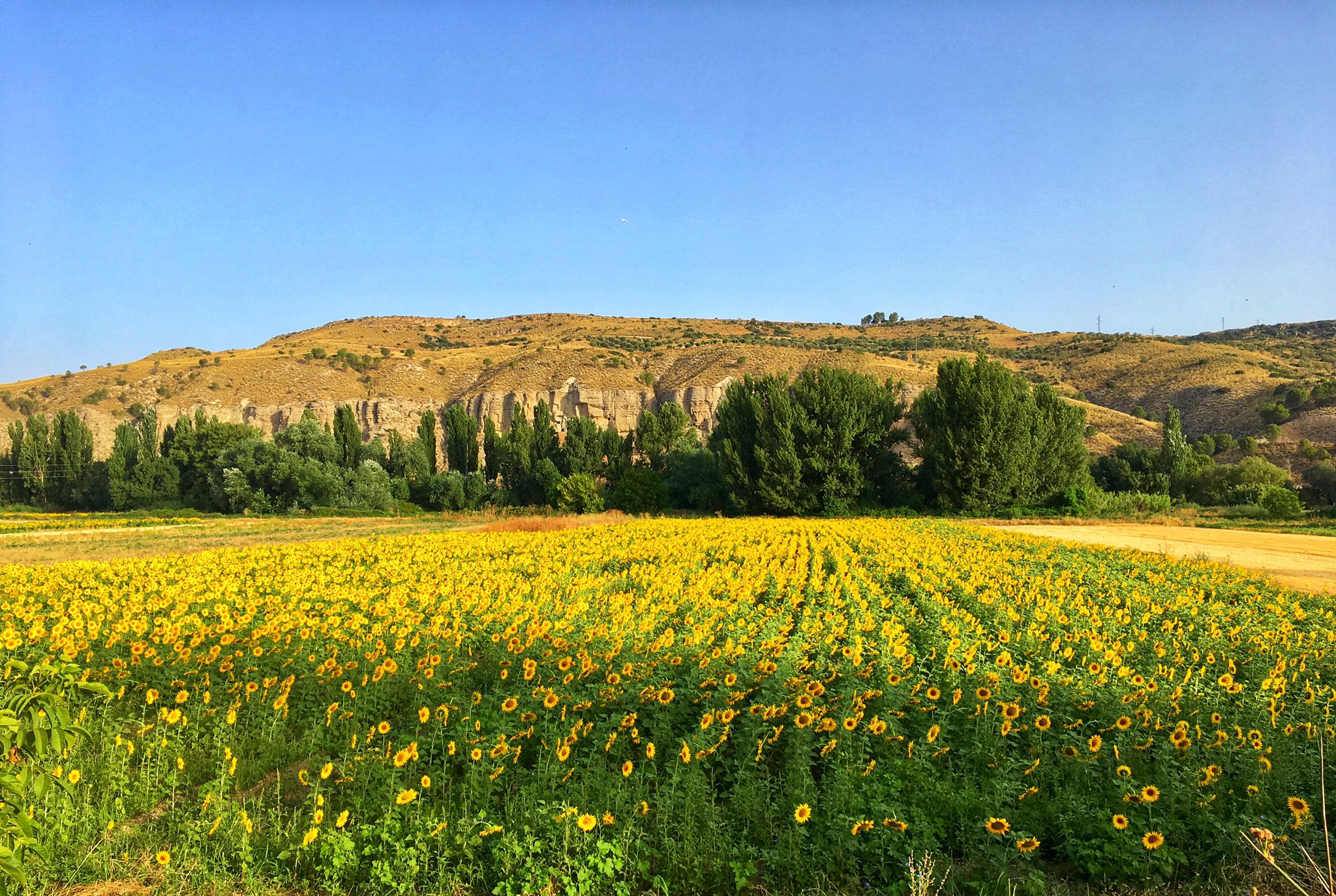
Palaces, rivers and fields — Las Vegas de Madrid gravel tour
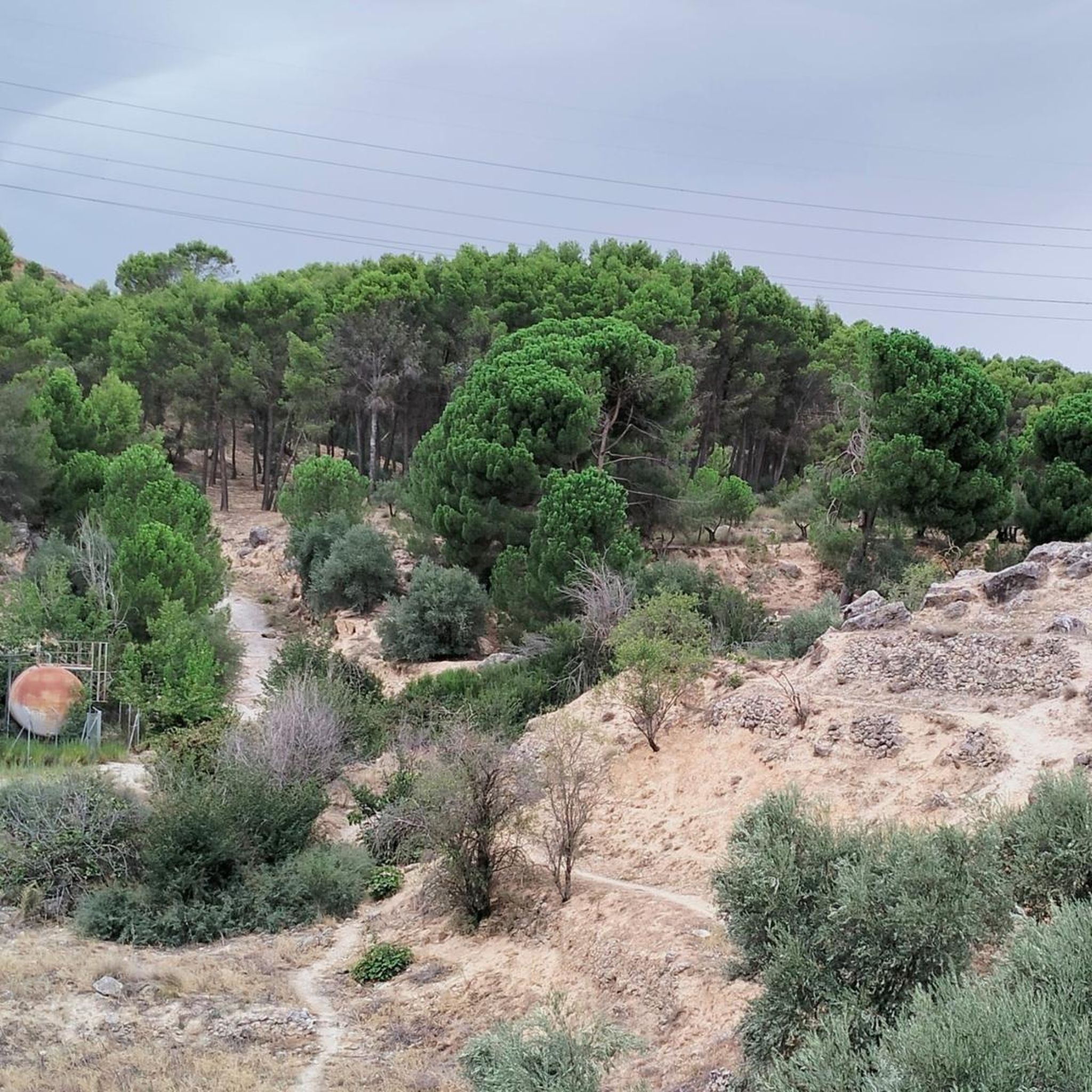
Road Cycling Routes around Morata De Tajuña
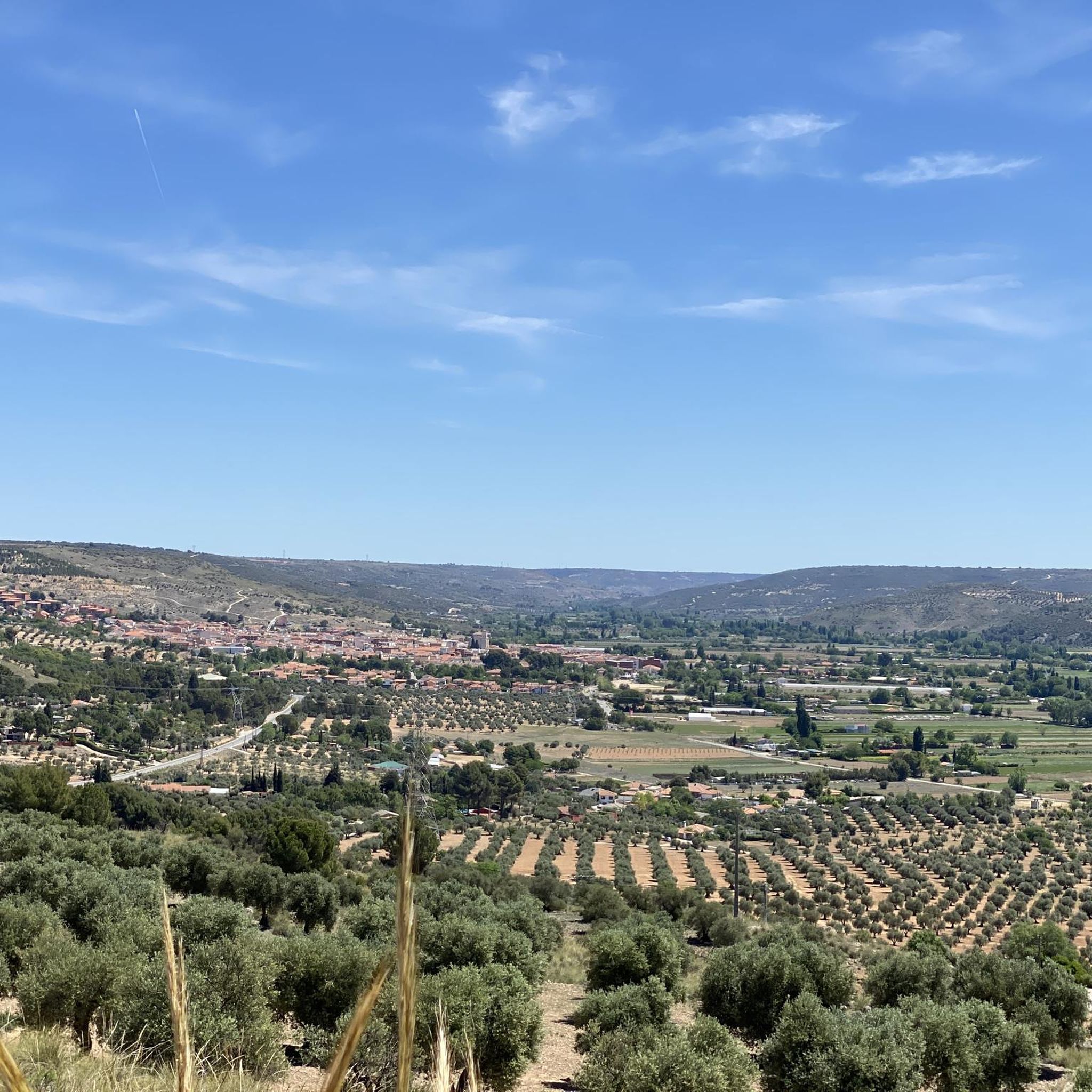
MTB Trails around Morata De Tajuña
Gravel biking around Morata De Tajuña
Cycling around Morata De Tajuña
Hiking around Morata De Tajuña
Running Trails around Morata De Tajuña

Tips from the Community

This lagoon is artificial, created from the extraction of aggregates in the Jarama River basin during the 1960s and 1970s. It is an ideal place to enjoy nature, hike, or cycle. The lagoon's perimeter measures approximately 5.5 km, and its average depth is 6 meters, although in some areas it can reach 20 meters. It also has a natural resources interpretation center that organizes workshops and educational activities.
2
0
The Campillo Lagoon is located in Rivas Vaciamadrid, within the Southeast Regional Park, about 20 km from Madrid. It is a protected natural area, ideal for peaceful walks and outdoor activities. Origin: Artificial, formed in the 1960s and 70s after the extraction of aggregates in the Jarama River basin. Water from the aquifer filled the excavations and over time became a wetland with great biodiversity.
3
0

Short but tough ramp to climb to this viewpoint
1
0

The best times to observe birds are early in the morning, before the birds that sleep in the lagoon go out in search of food, and at dusk, when the birds that spend the day fluttering around the fields and plains of the Tajuña return to spend the night. With luck, suitable equipment, patience and knowledge of the habits of birds, you can see coots, grebes, white-rumped grebes, moorhens, grey herons, mallards, red-crested pochard and various reptiles such as the ocellated lizard and the common grass snake, among many others. In summer, it is easy to observe the bee-eater, little bittern, sand martin, reed warbler, great reed warbler and purple heron in the area around the lagoon and the surrounding steppe mountains.
0
0

A paradise of aquatic flora and fauna. Better to visit it daily, the silence and the sound of the birds that can be observed from observatories is wonderful
0
0

Good place to walk and is very close to Rivas-Vaciamadrid
2
0

At this point on the path of La Blanca, at the height of the San Juan lagoons, there is a viewpoint frequented by bird lovers. It is a perfect point to see the fauna that inhabits this seasonal wetland.
0
0

The route begins with the ascent to the Cerro de Peña Blanca to contemplate the landscape of the San Juan lagoon and the extensive plain of the lower Tajuña. The views are magnificent, with good places to plant the tripod and mount an excellent observatory over the panorama of the wetland, the surroundings of steppe hills and irrigated crops. The Cerro de Peña Blanca is an excellent place to see the unique display of plants adapted to the toxicity of a substrate rich in gypsum, called gypsophilous vegetation by experts, species completely specialized in gypsum marl soils rich in calcium sulfate, such as esparto , the soap, the ontina or artemisa and the striking reseda.
1
0
Frequently Asked Questions
What types of water bodies can I explore near Morata de Tajuña?
While Morata de Tajuña doesn't have large natural lakes directly within its borders, the area features significant hydrological interest. You can explore artificial lagoons that have become thriving wetlands, such as Campillo Lagoon, and seasonal wetlands like the San Juan Lagoons. The Tajuña River also flows through the region, offering scenic views and historical significance.
Are there good spots for birdwatching near Morata de Tajuña?
Yes, the wetlands and lagoons in the vicinity are excellent for birdwatching. The Campillo Lagoon is a natural reserve particularly known for waterfowl. You can also visit the Birdwatching Hide at San Juan Lagoons, which is a perfect spot to observe fauna, especially during the rainy season when the wetland is active.
What are the best viewpoints to see the lakes and surrounding landscape?
For spectacular panoramic views, visit the View of Laguna del Campillo from the Cortados de Rivas. From here, you can see the Campillo Lagoon, the Jarama River, and the striking gypsum cliffs. Another great spot is the Laguna del Soto de las Juntas, which offers beautiful views of its aquatic flora and fauna.
Are there family-friendly places to visit around the lakes?
Many of the water bodies are suitable for families. Campillo Lagoon is ideal for peaceful walks with children, offering a track around its perimeter and viewpoints. The View of Laguna del Campillo from the Cortados de Rivas also provides an accessible and scenic outing for all ages.
What outdoor activities can I do near these lakes?
The area around Morata de Tajuña offers various outdoor activities. You can enjoy hiking on trails like the 'Isla Tarai Mill – Morata de Tajuña loop' or 'Fuente del Valle loop'. For cycling enthusiasts, there are gravel biking routes, including those that pass by the Campillo Lagoon. Explore more options on the Hiking around Morata De Tajuña and Gravel biking around Morata De Tajuña guide pages.
When is the best time to visit the lakes and wetlands?
The best time to visit the wetlands, especially for birdwatching, is during the rainy season. This is when seasonal wetlands like the San Juan Lagoons are most active and support a rich diversity of wildlife. During the hot summer months, some seasonal wetlands may dry up, and many birds migrate.
Can I find easy walking trails around the lakes?
Yes, there are easy walking opportunities. The Campillo Lagoon has a track that surrounds much of its perimeter, perfect for peaceful strolls. The 'Cornicabra Station loop' is an easy hiking route near Morata de Tajuña, offering a gentle way to explore the natural surroundings. You can find more hiking options on the Hiking around Morata De Tajuña guide.
What is the significance of the Tajuña River in this region?
The Tajuña River is the second-longest river in the Tagus river basin and flows directly through Morata de Tajuña. It has historically been crucial for irrigating the fertile plains of Madrid, with ancient dams (presas) dating back centuries. Today, the river and its valley offer diverse landscapes, including gorges and poplar groves, which can be explored via routes like the 'Via Verde Del Tajuña'.
Are there any less crowded or 'hidden' natural spots to discover?
While popular spots like Campillo Lagoon attract visitors, you might find a quieter experience at Laguna de San Juan. This seasonal wetland, especially outside peak birdwatching times, offers a tranquil environment to observe unique gypsophilous vegetation and resident bird species. The Laguna del Soto de las Juntas also provides a peaceful paradise for aquatic flora and fauna.
What do visitors enjoy most about the lakes and water bodies near Morata de Tajuña?
Visitors particularly appreciate the rich biodiversity and the peaceful atmosphere. Many enjoy the opportunities for birdwatching, especially at locations like Campillo Lagoon and the Birdwatching Hide at San Juan Lagoons. The spectacular views from spots like the Cortados de Rivas, offering a contrast between water and gypsum cliffs, are also highly valued.
Are the lakes and natural areas dog-friendly?
Yes, some areas are suitable for dogs. For example, Laguna del Soto de las Juntas is categorized as dog-friendly, making it a good option for walks with your canine companion. Always ensure dogs are kept on a leash and follow local regulations to protect wildlife.
What kind of unique geology can be observed around the water bodies?
The region is known for its striking gypsum cliffs, particularly visible from the View of Laguna del Campillo from the Cortados de Rivas. These cliffs create a unique landscape and support specialized gypsophilous vegetation, adapted to the gypsum-rich soils. The structure of the land, with stepped terraces, also influences the hydrology of wetlands like Laguna de San Juan.
Most popular routes around Morata De Tajuña
Most popular attractions around Morata De Tajuña

Get inspired with the komoot mobile app


Explore more
Still not found your perfect lake around Morata De Tajuña? Check out the guides of these regions to see even more beautiful places.
