The best walks and hikes around Morata De Tajuña
4.2
(91)
656
hikers
80
hikes
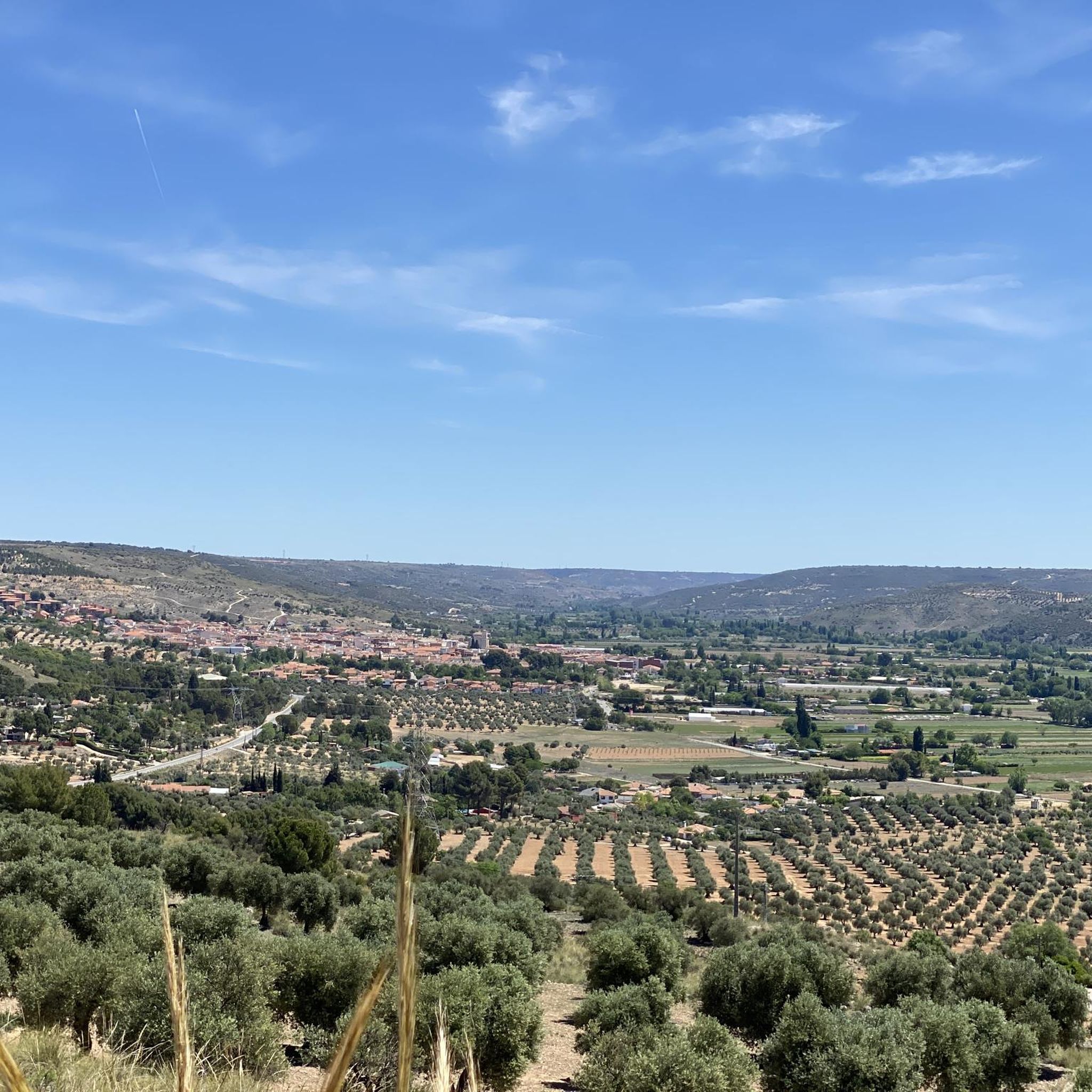
Hiking trails around Morata de Tajuña traverse the fertile plains of southeastern Madrid, characterized by the Tajuña River valley. The landscape features gentle terrain, with views of the Tajuña plain and the nearby Jarama Valley. This region offers a mix of agricultural scenery and natural features, including areas with esparto grass and jabuna.
Best hiking trails around Morata De Tajuña
- The most popular hiking route is Isla Tarai Mill – Morata de Tajuña loop from Morata de Tajuña, a 6.5 miles (10.4 km) trail that takes 2 hours 43 minutes to complete, offering views of the Tajuña River.
- Another top favourite among local hikers is Isla Tarai Mill – Morata de Tajuña Town Square loop from Ctra. M302 - Residencia, a moderate 6.7 miles (10.8 km) path that explores the local agricultural landscape.
- Local hikers also love the Fuente del Valle loop from Arganda del Rey, a 6.0 miles (9.7 km) trail leading through varied terrain, often completed in about 2 hours 41 minutes.
- Hiking around Morata De Tajuña is defined by the Tajuña River valley, fertile plains, and the Vía Verde del Tajuña, a greenway built on an old railway line. The network offers options for easy, moderate, and challenging routes, catering to different ability levels.
- The routes in Morata De Tajuña are highly rated by the komoot community with an average score of 4.2 stars from over 80 reviews. More than 600 hikers have used komoot to explore Morata De Tajuña's varied terrain.
Last updated: May 28, 2026
5.0
(1)
11
hikers
10.4km
02:43
70m
70m
Moderate hike. Good fitness required. Easily-accessible paths. Suitable for all skill levels.
12
hikers
Moderate hike. Good fitness required. Easily-accessible paths. Suitable for all skill levels.

Sign up for free
9
hikers
9.67km
02:42
180m
180m
Moderate hike. Good fitness required. Easily-accessible paths. Suitable for all skill levels.
9
hikers
Moderate hike. Good fitness required. Easily-accessible paths. Suitable for all skill levels.
8
hikers
4.63km
01:16
70m
70m
Easy hike. Great for any fitness level. Easily-accessible paths. Suitable for all skill levels.
Get access to more routes and recommendations from other explorers.
Sign up for free
Already have an account?
Our route recommendations are based on thousands of hikes, rides, and runs completed by other people on komoot.
Start today with a free account
Your next adventure awaits.
Login or Signup
Popular around Morata De Tajuña
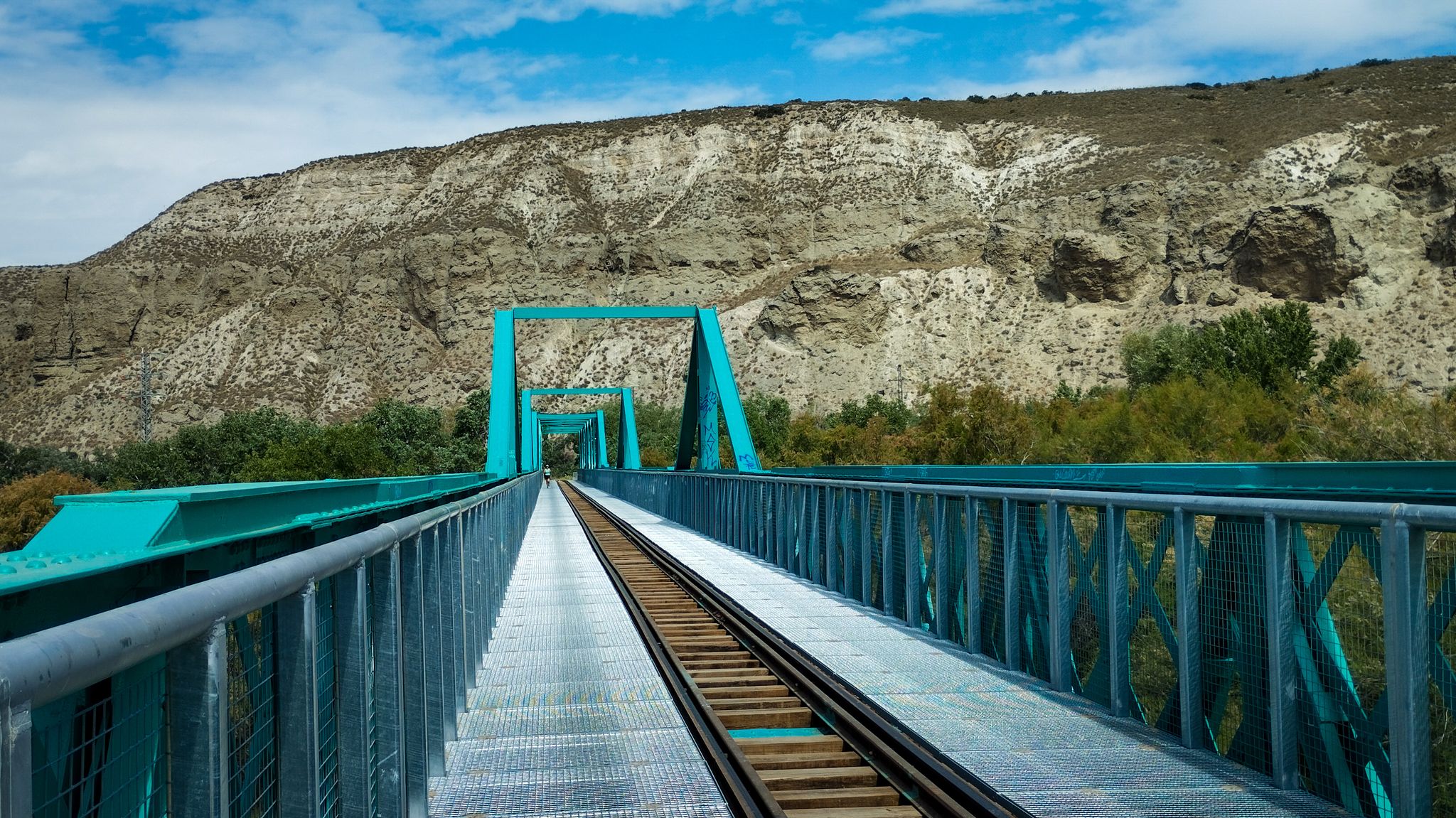
A family ride through Las Vegas de Madrid in Spain – Tajuña Greenway
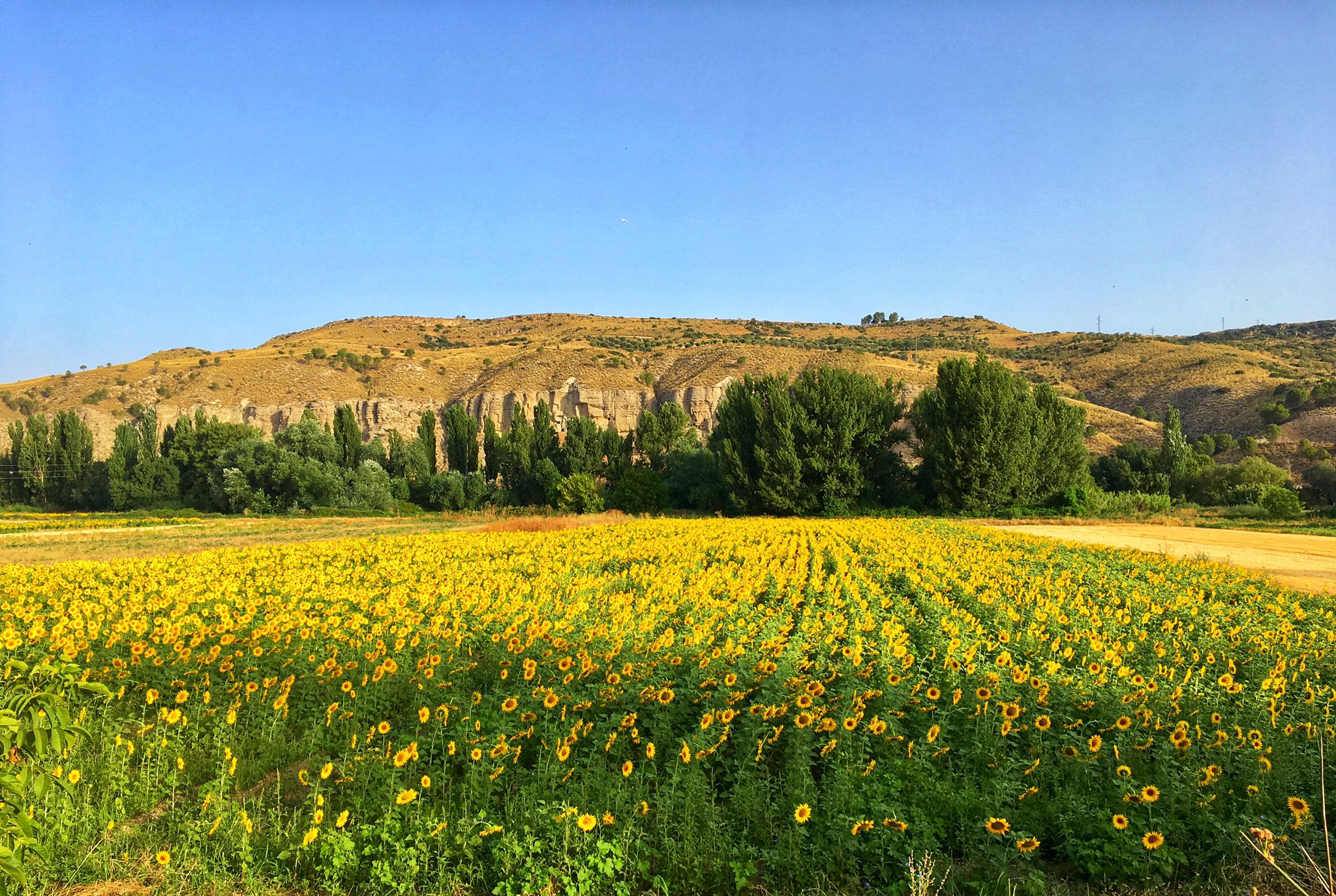
Palaces, rivers and fields — Las Vegas de Madrid gravel tour
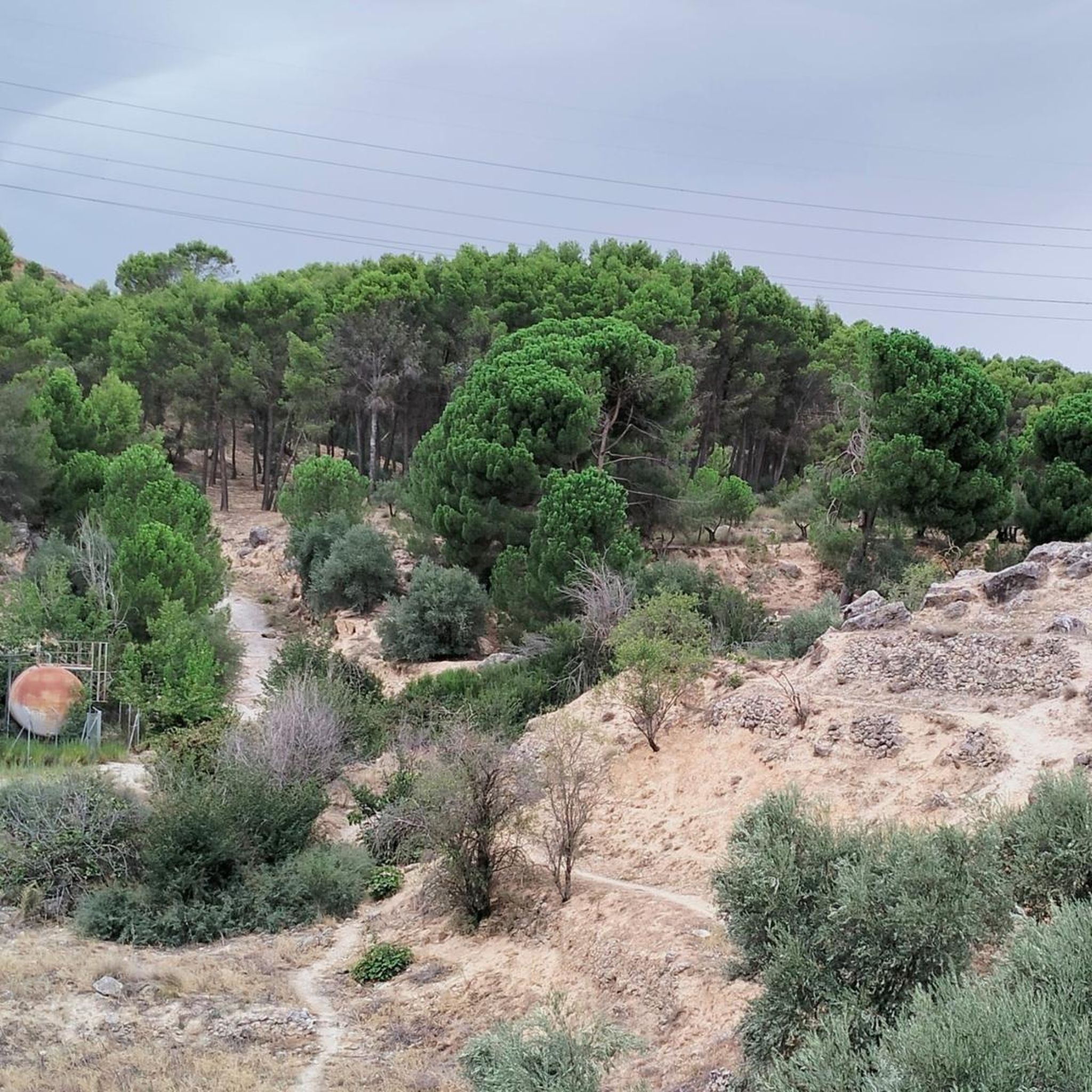
Road Cycling Routes around Morata De Tajuña

Gravel biking around Morata De Tajuña
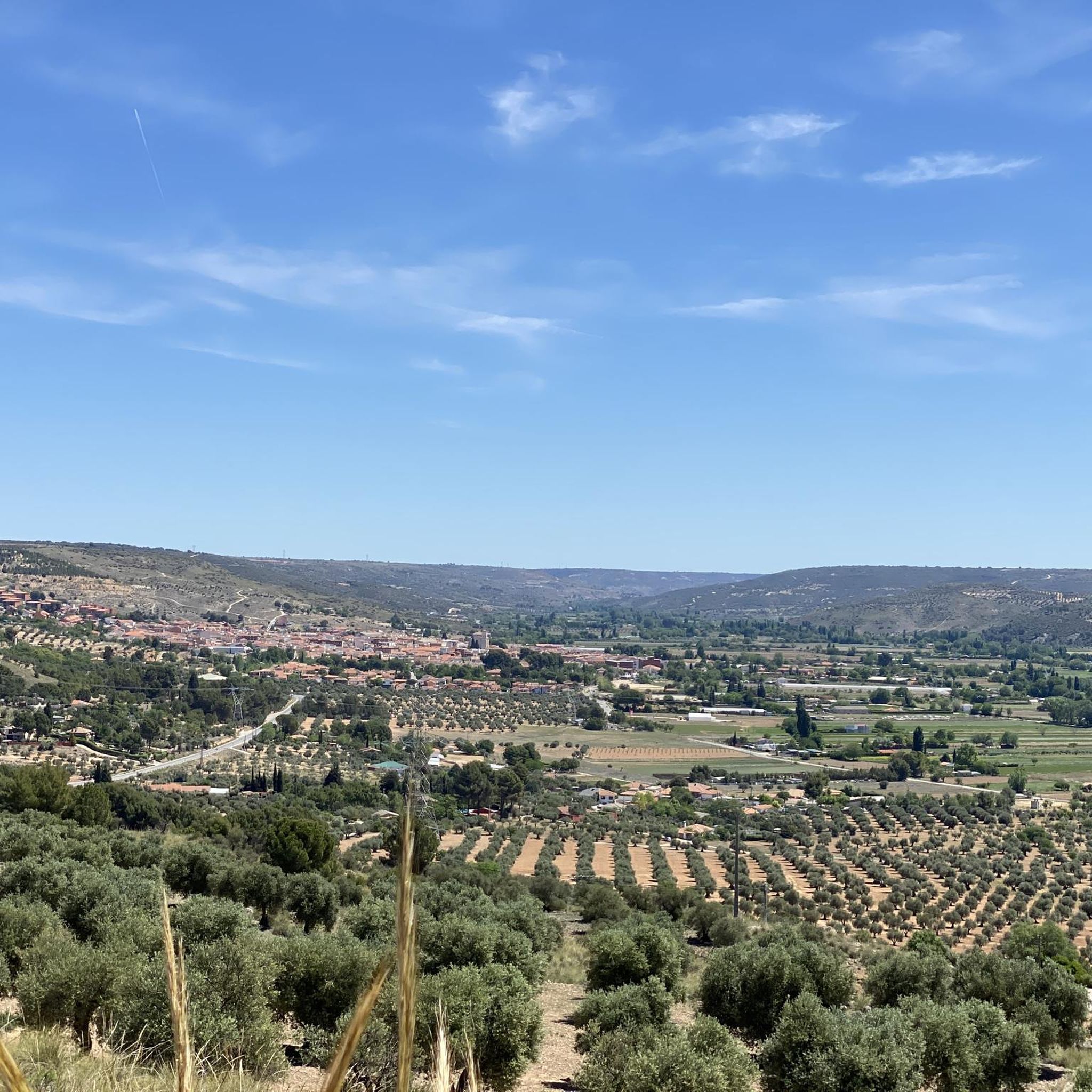
MTB Trails around Morata De Tajuña
Cycling around Morata De Tajuña
Running Trails around Morata De Tajuña

Tips from the Community

It is a beautiful town, one of those that remain with its essence.
0
0

The building is in ruins. It was the loading point for materials produced in the lime and plaster factory opposite. The limestone quarries for the extraction of raw materials are located in the vicinity of the station.
0
0
Today it is a retirement home. Over the last three centuries it has been a flour mill, an electricity factory, a cloth mill, a paper factory and a private residence. The route passes along the opposite bank, where you can see the weir that provided water to the old mill.
1
0
In the 18th and 19th centuries, the dovecotes were owned by the local nobility and bourgeoisie. The Estacada dovecote is one of the few buildings dedicated to pigeon breeding that is still standing. Despite its deterioration, the double interior wall can be seen, with the pigeon cells and the roof closure.
0
0
It is located in the Molino de la Huerta de Angulo, there is a pedestrian walkway from the streets of Morata to the entrance of the milling area. The visit is recommended to learn about the milling culture and the old lifestyles associated with the water resources of the Tajuña River. It is open on Saturdays, Sundays and holidays, admission is free.
0
0
Morata is a village of orchards and plains on the railway line of the old Tren de Arganda, a 19th century project to run a railway from Madrid to the Aragón line through the valleys of the Tajuña and Tajo rivers. Work began in 1886 and in 1921 the last section was inaugurated, between Sacedón and Alocén, in Guadalajara. In the Plaza Mayor is the Casa Consistorial, the seat of the Town Hall and a unique building, an interesting example of 19th century civil architecture in limestone ashlars and elaborate wrought iron work on the first floor balcony. The main historical and artistic monument of Morata is the 17th century church of Nuestra Señora de la Concepción, with a superb stone bell tower. Popular culture and part of the local history are condensed in the Ethnographic Museum, the Museum of the Civil War and Postwar and the Museum of Milling, on the banks of the Tajuña river.
0
0

A place of interest is the old Cornicabra station, the building is in ruins and one of the loading points for the material that was produced in the lime factory opposite. The place has signs that tell of the old uses of the railway.
0
0
The starting point is the Plaza Mayor in Morata de Tajuña, a social centre and meeting point, with bars and restaurants, the Town Hall and a famous bakery with the famous “Palmeritas de Morata”. The route goes up Calle Mayor and turns left onto Calle Poyales. On the corners there are yellow arrows for the Camino de Santiago de Uclés, towards Madrid, and signs for the Camino de Uclés towards the Monastery of Uclés, in Cuenca. At the end of the hill, the urban layout of the Tajuña Green Route appears, precisely on Calle de la Vía, and at the end of the street begins the characteristic red pavement of the green route. The walk is comfortable and pleasant, at weekends you have to watch out for cyclists, it is a route frequented by cycling enthusiasts since it was adapted for recreational leisure uses in the nineties. The climb is constant but hardly bothersome, the road surface outlines the reliefs of the valley and after a couple of kilometres the views of the Tajuña plain are fantastic.
0
0
Frequently Asked Questions
How many hiking trails are available in Morata De Tajuña?
There are over 70 hiking trails around Morata De Tajuña, offering a variety of options for different skill levels. You'll find 34 easy routes, 38 moderate routes, and a few more challenging options.
What kind of landscapes can I expect to see while hiking in Morata De Tajuña?
The region is characterized by the fertile plains of the Tajuña River valley, offering pleasant agricultural scenery. You'll also encounter views of the Tajuña plain and the steep earthy slopes of the nearby Jarama Valley, which showcase unique botanical adaptations like esparto grass and jabuna.
Are there any easy or beginner-friendly hiking routes in Morata De Tajuña?
Yes, there are several easy routes suitable for beginners. One such option is the Cornicabra Station loop from Morata de Tajuña, which is approximately 4.6 km long and offers a comfortable walk.
Are there circular hiking routes available?
Many routes in Morata De Tajuña are circular, allowing you to start and end in the same location. For example, the Palomar de la Estacada – Morata de Tajuña Town Square loop is a moderate 8.3 km circular hike.
What interesting landmarks or attractions can I see along the trails?
Along the trails, you can discover several points of interest. The Cornicabra Station and Quarries offer a glimpse into the area's history, while the La Poveda Railway Bridge is another notable structure. You might also encounter the Jarama Cliffs, showcasing the region's natural geology.
Is Morata De Tajuña part of any long-distance walking paths?
Yes, Morata De Tajuña is part of the Camino de Santiago de Uclés. You might spot yellow arrows guiding pilgrims through the area towards Madrid or the Monastery of Uclés.
What do other hikers enjoy most about the trails in Morata De Tajuña?
The trails in Morata De Tajuña are highly rated by the komoot community, with an average score of 4.2 stars from over 80 reviews. Hikers often praise the pleasant landscapes of the fertile plains and the well-maintained paths, especially along the Vía Verde del Tajuña.
How can I get to Morata De Tajuña by public transport?
Morata De Tajuña is accessible by public transport from Madrid. There are public transport links available from Plaza del Conde de Casal, making it convenient for hikers without a car.
Is there parking available for hikers in Morata De Tajuña?
Many routes conveniently begin at the Plaza Mayor in Morata de Tajuña, which is a central hub. Parking options are generally available in and around the town center for hikers.
Are there any routes that explore the Tajuña River?
Yes, the Tajuña River is a prominent feature of the region. The Isla Tarai Mill – Morata de Tajuña loop from Morata de Tajuña, for instance, offers scenic views of the Tajuña River.
What is the Vía Verde del Tajuña and can I hike on it?
The Vía Verde del Tajuña is a 'Greenway' built on an old railway line, adapted for recreational use. It features characteristic red asphalt pavement and offers a comfortable, pleasant route with gentle climbs through fertile plains and views of the Tajuña River. It's excellent for hiking and cycling.
Are there any places to eat or drink in Morata De Tajuña after a hike?
Yes, the Plaza Mayor in Morata de Tajuña serves as a central hub with amenities. You'll find bars and restaurants there, perfect for relaxing and refueling after your hike. The town is also famous for its 'Palmeritas de Morata'.
Most popular routes around Morata De Tajuña
Most popular attractions around Morata De Tajuña

Get inspired with the komoot mobile app


Explore more
Browse the best Hikes in other regions.
