Top 4 Castles around Castell-Platja D'Aro
Best castles around Castell-Platja D'Aro are found in a municipality on the Costa Brava, known for its historical fortifications. The area includes the medieval village of Castell d'Aro, which offers a glimpse into the region's past. Its landscape combines coastal areas with inland valleys, providing diverse settings for historical sites. These structures reflect the cultural significance of the region's defense against past threats.
Best castles around Castell-Platja D'Aro
- The most popular castles is Castell de Sant Esteve de Mar, a castle built on top of a Roman villa. This site was largely demolished during the War of the Remences and later converted into a farmhouse, serving as a strategic point for coastal surveillance.
- Another must-see spot is Castell de Benedormiens, a castle located in the old town of Castell d'Aro. First documented in 1041, it protected the Vall d'Aro valley and now serves as a cultural hub hosting art exhibitions.
- Visitors also love Solius Castle, also known as Castell de la Roca. This monument, built between the 12th and 13th centuries, is located in an excellent viewpoint of the Ardenya massif and the Vall d'Aro.
- Castell-Platja D'Aro is known for its medieval castles, coastal defense towers, and historical ruins. Visitors can explore structures that once served as feudal strongholds and watchtowers against pirate incursions.
- The castles around Castell-Platja D'Aro are appreciated by the komoot community, with more than 200 upvotes and over 70 photos shared by visitors.
Last updated: June 7, 2026
Castell de Sant Esteve de Mar
Highlight • Castle
During the Middle Ages it was owned by different feudal lords: Simon de Geronella, Jaume de Cornellà, Bernat Pallarès (Barcelona), his son Pere Pallarès and, finally, Berenguer de Cruïlles, an important feudal lord of Empordà, who bought it in the previous owner for 20,000 Barcelona sous. In 1484, all the domains of Sant Esteve Castle and the town of Palamós passed into the hands of Galceran de Requesens, first count of Palamós.
During the War of the Remences it was demolished almost in its entirety and was abandoned until in the 16th and 17th centuries it was converted into a farmhouse. The castle becomes a strategic point of surveillance and advanced defense of Palamós and its surroundings. At the same time, it became a farmhouse. During the Modern Age, agricultural exploitation was combined with control of the coast, especially to alert the population of raids by pirates and corsairs from North Africa.
The old castle remained as a farmhouse until the middle of the 20th century, when it was definitively abandoned. From that moment, it suffered a slow but progressive degradation. Its situation, near the sea, subject to inclement weather, and also away from the most frequented centers, were determining factors for its decline.
Translated by Google •
Tip by

Calonge Old Town
Highlight • Settlement
The castle's parade ground is now a public square, where a music festival has been organized since 1967.
The church of Sant Martí de Calonge also stands out, whose original structure is Romanesque and which was consecrated in 1423. In the 18th century the church was erected in its current shape, demolishing the central and north nave to convert them into a single nave
Translated by Google •
Tip by

Sign up now to discover places like this
Get recommendations on the best single tracks, peaks, & plenty of other exciting outdoor places.
Sign up for free
Solius Castle
Highlight • Castle
Currently there are only a few parts excavated in the granite promontory where it is located.
Translated by Google •
Tip by
Castell de Benedormiens
Highlight • Castle
Translated by Google •
Tip by

Start today with a free account
Your next adventure awaits.
Login or Signup
Popular around Castell-Platja D'Aro
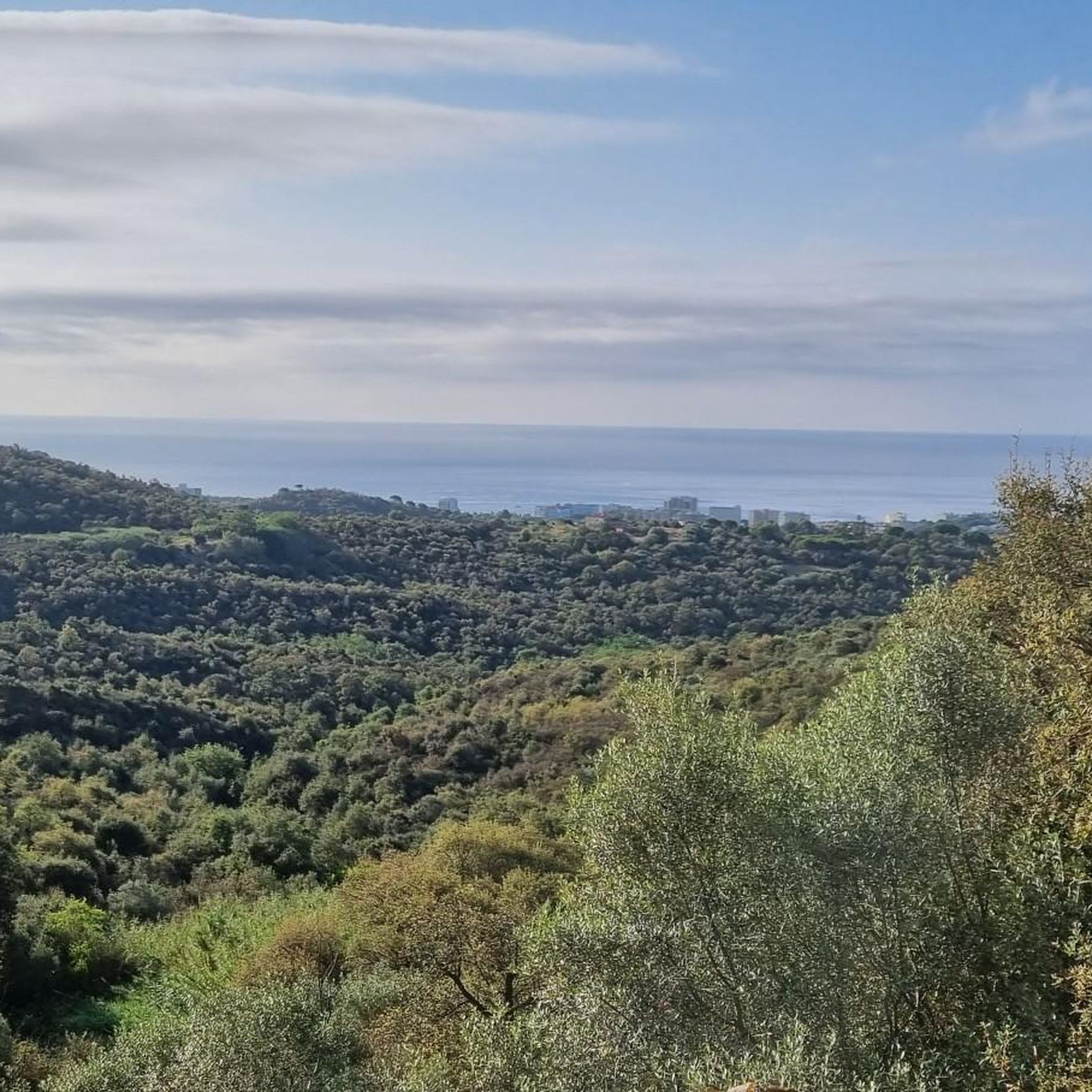
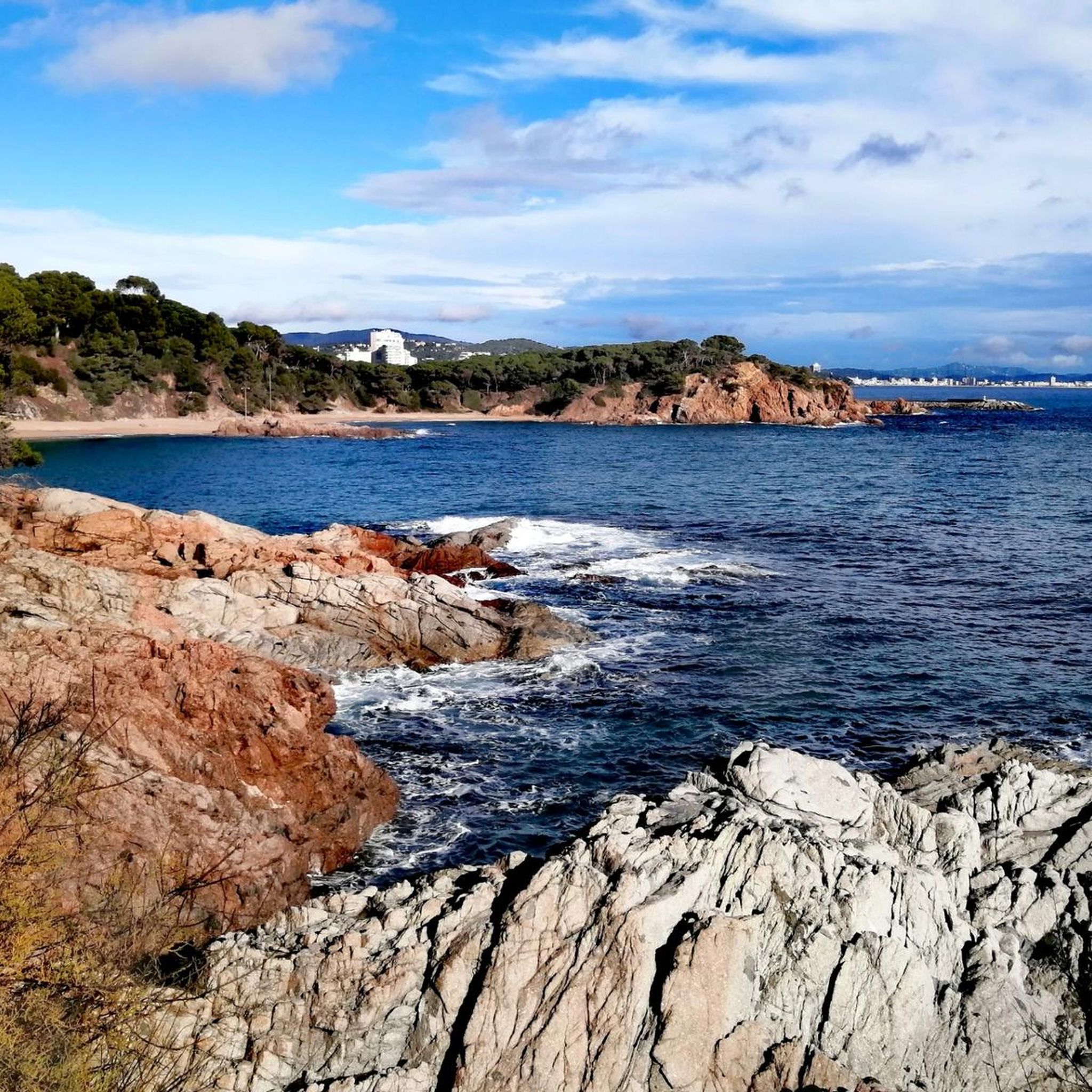
Other adventures around Castell-Platja D'Aro

Tips from the Community

Beautiful castle that is in the old middle of the town of Castell d'Aro and you can't see it from the road. It is worth visiting the church square and the castle.
0
0

The historic center of Calonge stands out for its impressive castle, documented since 1019, which has a parade ground surrounded by walls with battlements (13th century) and an old tower (11th century) with an almost square floor plan. The castle was destroyed in a fire in 1485 and was rebuilt, being converted into a residential palace in the 16th century. The castle's parade ground is now a public square, where a music festival has been organized since 1967. The church of Sant Martí de Calonge also stands out, whose original structure is Romanesque and which was consecrated in 1423. In the 18th century the church was erected in its current shape, demolishing the central and north nave to convert them into a single nave
1
0
Also known as Castell de la Roca, it is located in an excellent viewpoint of the Ardenya massif and the Vall d'Aro. It appears documented for the first time in 1208. From 1231 it was owned by the sacristan of Girona Cathedral. Currently there are only a few parts excavated in the granite promontory where it is located.
0
0

Monument of the municipality of Santa Cristina de Aro in the Baix Empordà region declared a cultural asset of national interest. Also known as Castillo de la Roca, it was built between the 12th and 13th centuries.
0
1


The castle was built on top of a Roman villa which, in turn, was probably built on top of an Iberian settlement. During the Middle Ages it was owned by different feudal lords: Simon de Geronella, Jaume de Cornellà, Bernat Pallarès (Barcelona), his son Pere Pallarès and, finally, Berenguer de Cruïlles, an important feudal lord of Empordà, who bought it in the previous owner for 20,000 Barcelona sous. In 1484, all the domains of Sant Esteve Castle and the town of Palamós passed into the hands of Galceran de Requesens, first count of Palamós. During the War of the Remences it was demolished almost in its entirety and was abandoned until in the 16th and 17th centuries it was converted into a farmhouse. The castle becomes a strategic point of surveillance and advanced defense of Palamós and its surroundings. At the same time, it became a farmhouse. During the Modern Age, agricultural exploitation was combined with control of the coast, especially to alert the population of raids by pirates and corsairs from North Africa. The old castle remained as a farmhouse until the middle of the 20th century, when it was definitively abandoned. From that moment, it suffered a slow but progressive degradation. Its situation, near the sea, subject to inclement weather, and also away from the most frequented centers, were determining factors for its decline.
1
1

Not so many people are out in the early morning. You can also combine that with a day at the beach in La Fosca.
3
0

An impressive castle ruin from 1277, access unfortunately blocked
6
1
Frequently Asked Questions
What is the historical significance of castles in Castell-Platja D'Aro?
The castles and fortifications in Castell-Platja D'Aro played a crucial role in protecting the region. Structures like the Castell de Benedormiens, first documented in 1041, were vital for defending the Vall d'Aro valley from pirate and Muslim attacks. Coastal towers, such as Torre Valentina, were built between the late 15th and early 16th centuries specifically to guard against frequent pirate incursions along the Costa Brava coastline.
Which castles offer insights into the region's medieval past?
For a deep dive into the medieval past, visit Castell de Benedormiens in the old town of Castell d'Aro. This castle, dating back to 1041, has preserved parts of its 12th-century structure and now serves as a cultural hub. The surrounding old town is a Cultural Asset of National Interest. Another significant site is Solius Castle, also known as Castell de la Roca, built between the 12th and 13th centuries.
Are there any coastal defense towers or ruins to visit?
Yes, the region features important coastal defense structures. The Castell de Sant Esteve de Mar, built on a Roman villa, served as a strategic point for coastal surveillance and defense. Additionally, the Torre Valentina, located on Sant Antoni beach, is a well-preserved defense and surveillance tower from the late 15th or early 16th century, offering a unique contrast with modern architecture.
Are there hiking routes that include castles in Castell-Platja D'Aro?
Absolutely. You can combine castle visits with scenic hikes. For example, the Camino de Ronda and ascent to Puig Pinell is a moderate circular route from Castell d'Aro that can incorporate historical sites. The Camí de Ronda: Platja d'Aro to Torre Valentina is an easy option that passes by the historic coastal tower.
What kind of outdoor activities can I do near these castles?
Beyond hiking, the area around Castell-Platja D'Aro offers diverse outdoor activities. You can explore gravel biking routes like the Font Picant Train Station loop, or enjoy road cycling routes such as the Virgin coves of the Costa Brava loop. Many of these routes pass through or near historical areas, allowing you to combine sport with cultural exploration.
Are there family-friendly castles or historical sites to visit?
The old town of Castell d'Aro, home to Castell de Benedormiens, is a great family-friendly destination. Its narrow streets and traditional stone houses provide a charming medieval ambiance that children and adults can enjoy. While not strictly a castle, the Calonge Old Town also features an impressive castle and a public square, making it suitable for family outings.
What is the best time to visit the castles in Castell-Platja D'Aro?
The castles and historical sites in Castell-Platja D'Aro can be enjoyed year-round. However, visiting during the spring or autumn months often provides the most pleasant weather for exploring both the inland medieval villages and the coastal defense towers. The mild temperatures are ideal for walking and hiking, avoiding the peak summer heat and crowds.
Are there any castles with good viewpoints?
Yes, Solius Castle (Castell de la Roca) is located at an excellent viewpoint, offering panoramic views of the Ardenya massif and the Vall d'Aro. Similarly, the ruins of Castell de Sant Esteve de Mar provide stunning views overlooking the sea.
What do visitors enjoy most about the castles and historical sites in Castell-Platja D'Aro?
Visitors particularly appreciate the blend of history and natural beauty. The opportunity to explore ancient ruins like Castell de Sant Esteve de Mar overlooking the sea, or the well-preserved medieval charm of Castell de Benedormiens within Castell d'Aro's old town, is a highlight. The unique juxtaposition of historical structures with the modern landscape, such as Torre Valentina, also captivates many.
Can I access the castles using public transport?
While specific public transport routes directly to every castle entrance may vary, the main towns like Castell d'Aro and Platja d'Aro are well-connected. From these central points, you can often reach the castles by a short walk or local bus services. For example, Torre Valentina is accessible from the promenade and coastal path in Sant Antoni de Calonge.
Are there any hidden gem castles or less-known historical sites?
While the main castles are well-known, exploring the old town of Castell d'Aro itself, beyond just the castle, can feel like discovering a hidden gem with its preserved medieval ambiance. The Torre Valentina, despite its prominent coastal location, offers a unique historical experience often overshadowed by the larger castles, especially with its striking integration into modern architecture.
Most popular routes around Castell-Platja D'Aro
Most popular attractions around Castell-Platja D'Aro

Get inspired with the komoot mobile app


Explore more
Looking for the best castles somewhere else? Discover other guides around Castell-Platja D'Aro:
