Top 4 Castles around L'Ènova
Castles around L'Ènova offer a glimpse into the rich history of the Valencian region. While L'Ènova itself is known for its Roman and ancient Iberian archaeological sites, the surrounding area features several historical fortresses. These landmarks near L'Ènova provide insights into past civilizations and strategic importance. The terrain around L'Ènova and its vicinity is characterized by historical sites and cultural heritage.
Best castles around L'Ènova
- The most popular castles is Castell de Xàtiva, a castle that held a very…
Last updated: October 7, 2026
Castell de Xàtiva
Highlight • Castle
Translated by Google •
Tip by

Sun Tower of Xàtiva
Highlight • Castle
Translated by Google •
Tip by

Sign up now to discover places like this
Get recommendations on the best single tracks, peaks, & plenty of other exciting outdoor places.
La Solana del Castell
Highlight • Historical Site
Translated by Google •
Tip by
View of Castell de Xàtiva
Highlight • Viewpoint
Translated by Google •
Tip by

Start today with a free account
Your next adventure awaits.


Tips from the Community

Impressive facility and fantastic views
1
0

The Castell de Xàtiva towers over the city. The double fortress in the Castell mountains has been the scene and witness of numerous conflicts due to the strategic location of the city. The fortress was on the ancient Via Augusta road that led from Rome across the Pyrenees and down the Mediterranean coast to Cartagena and Cádiz.
3
0

Wonderful place worth visiting and exploring. The Castell has a unique value for the entire Valencian Community since it was once one of the strongest and strategic points of the ancient Kingdom of Valencia. Today it offers amazing views of the entire La Costera valley and you cannot miss visiting it from the inside. To get there you will travel part of the Via Augusta, an ancient and well-known route that linked Rome with Cartagena and Cádiz, running along the Mediterranean coast and crossing the Pyrenees.
2
0
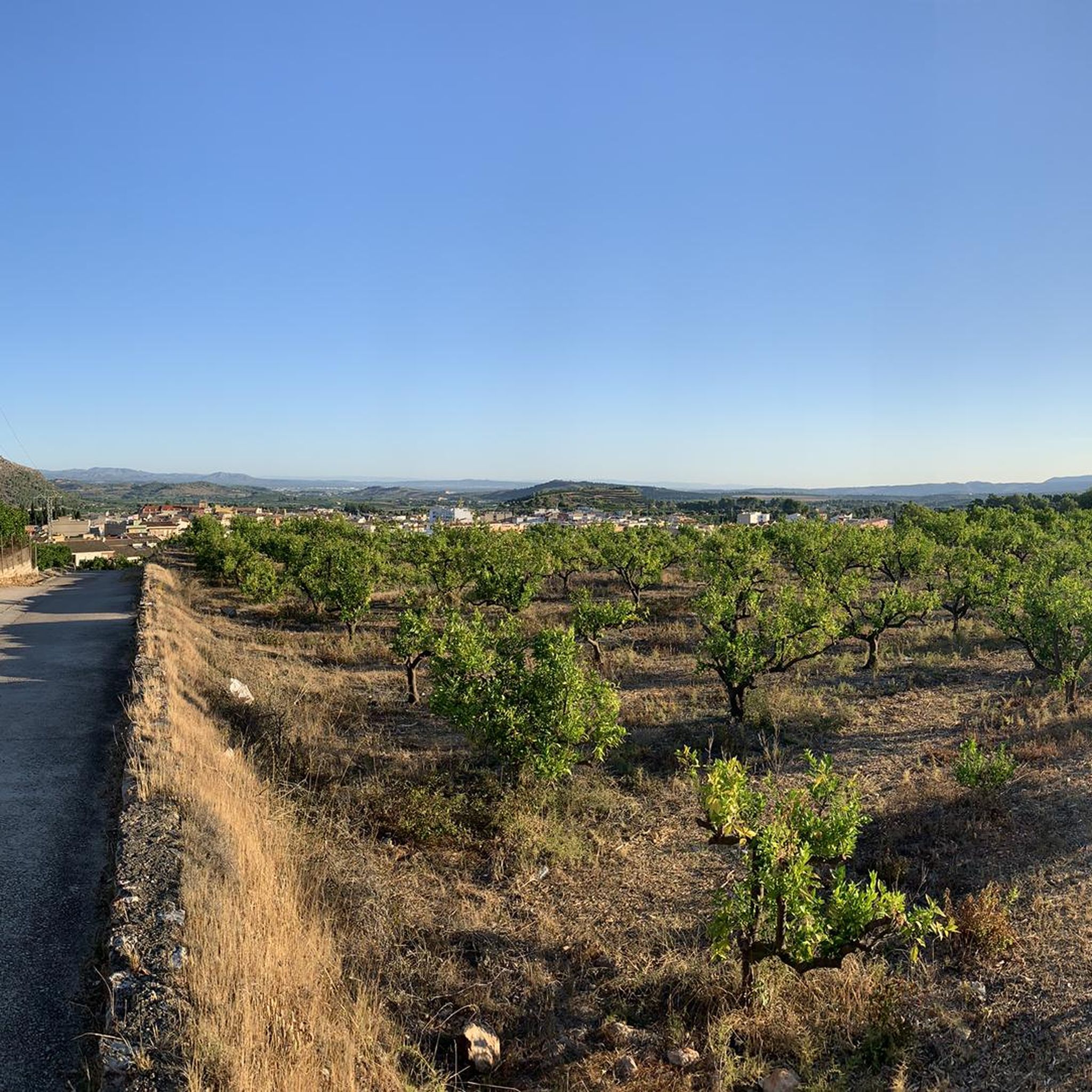
A very cool and entertaining path along the sunny side with very nice views of the castle and its fortress. It is a very pleasant route with a surface in very good condition.
3
0
It is an Almohad tower from the 13th century that was part of the defense wall of the castle of Xàtiva. Its name is due to its orientation since it is given the first rays of the sun of the day. It consists of a rectangular floor plan with its peculiar semicircular side. It has two floors and an attached cistern.
4
0

Double fortress located in the Sierra del Castell, above Xàtiva, due to the strategic location of the city it has been the scene and witness of numerous conflicts. Divided into the Castell Menor and the Castell Major, the former sits on Iberian and Roman remains. The successive cultures that have populated these lands have been expanding and fortifying it. It already had a leading role during Hannibal's campaigns, and in the Al-Andalus period. It was later important, in the times of the Kingdom of Valencia, in the wars against Castile, in those of Germanías and in the Succession, as well as a prison for illustrious convicts.
12
0

The visit to the castle is worth it.👍
2
0
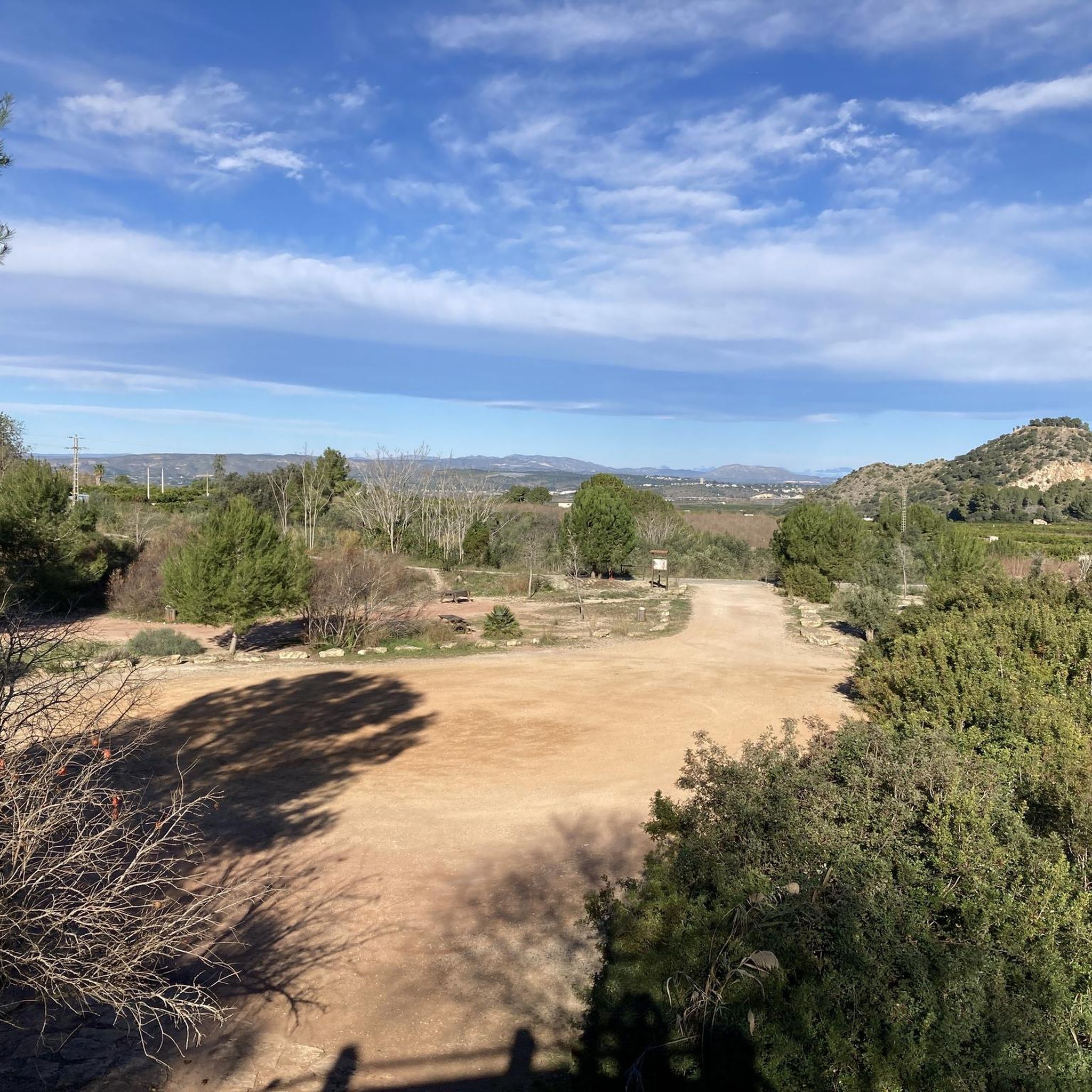
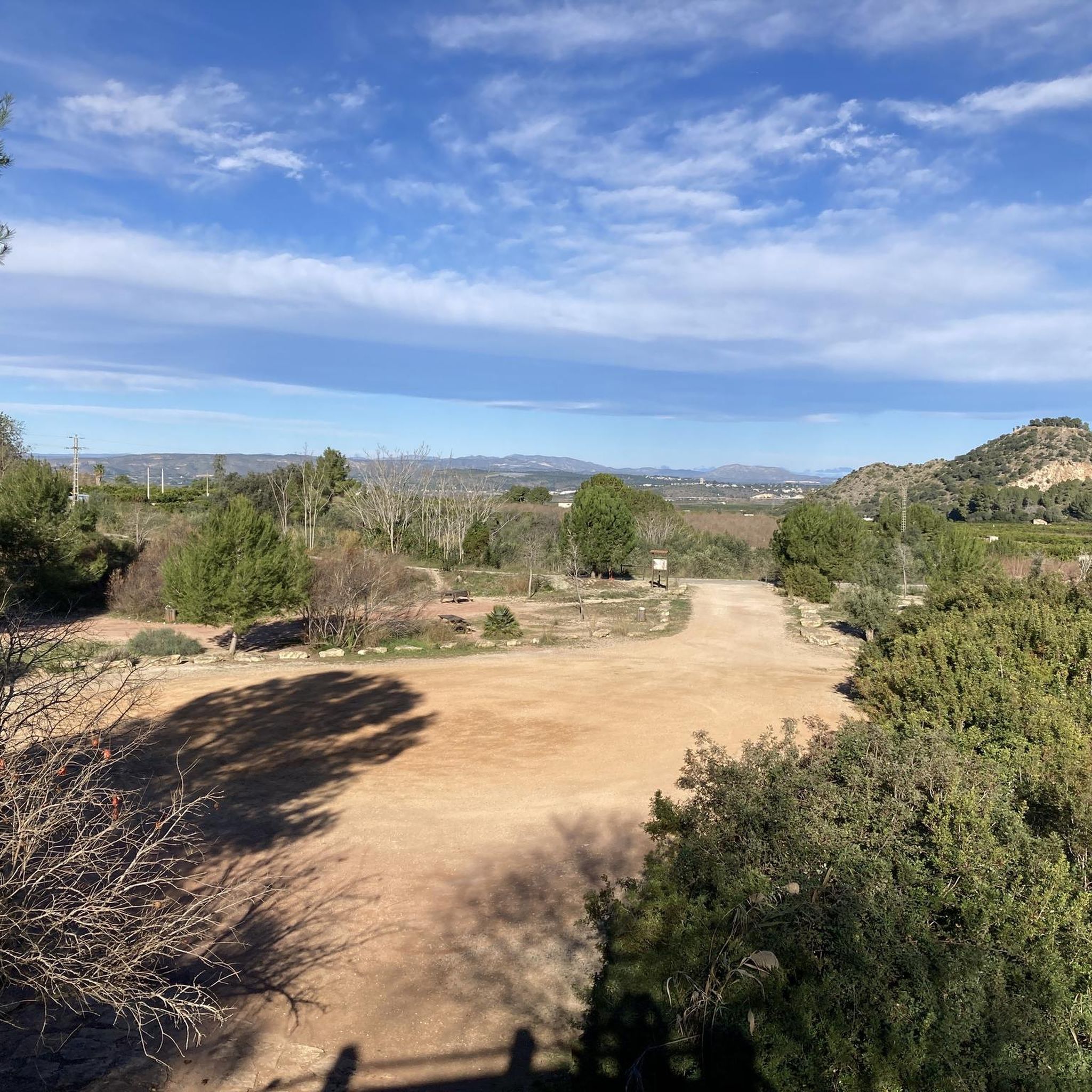
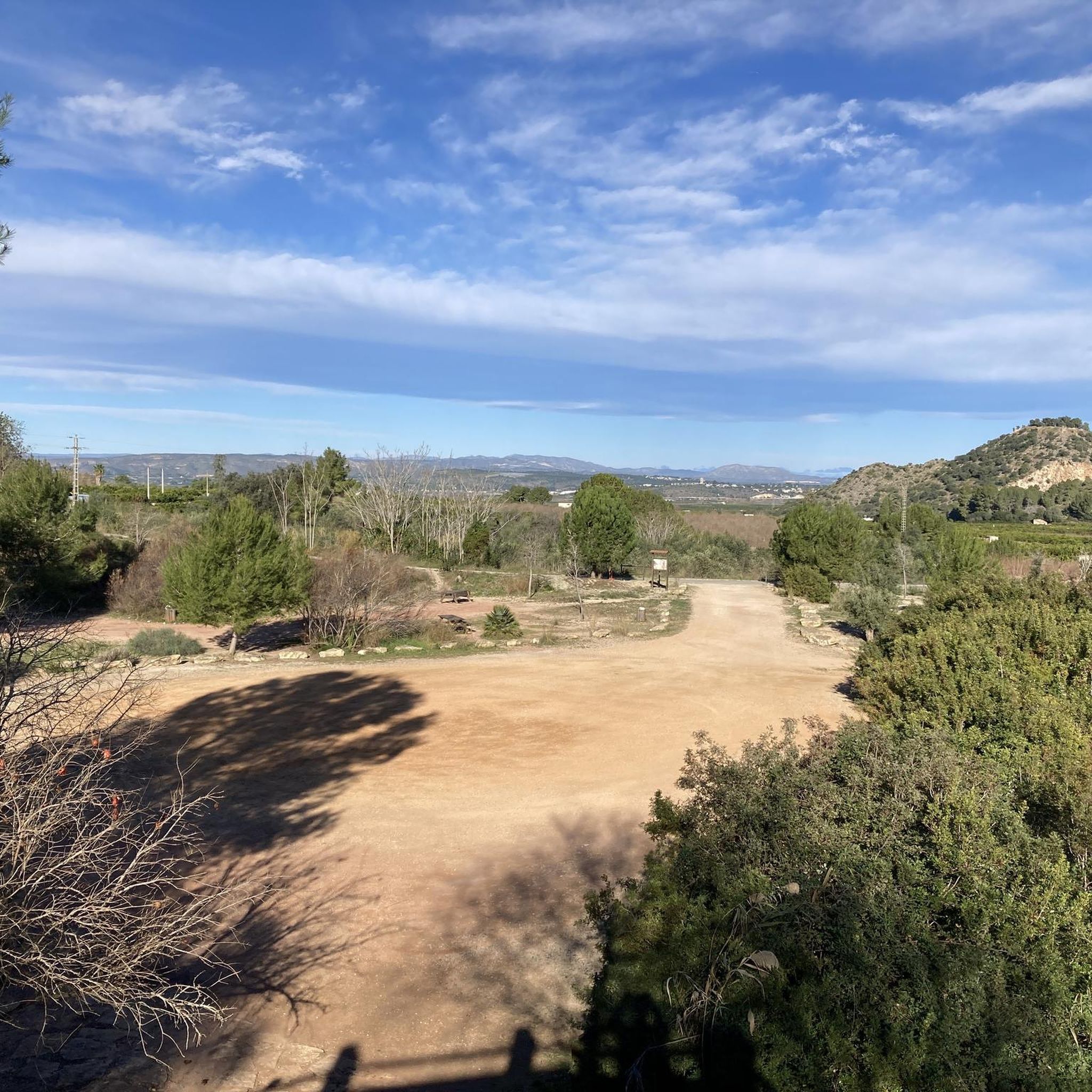
Location of the ancient Iberian city of Saitabi that presents beautiful views of the back of the castle and where archaeological remains of that population have been found. It is reached through paths both on foot and by mtb.
0
0
Frequently Asked Questions
What is the most prominent castle to visit near L'Ènova?
The most prominent and historically significant castle near L'Ènova is the Castell de Xàtiva. It's a double fortress located in the Sierra del Castell, known for its strategic position and extensive history spanning Iberian, Roman, Islamic, and Gothic periods. It offers sensational panoramic views of the city of Xàtiva and the surrounding valley.
What are the key features of the Castle of Xàtiva?
The Castell de Xàtiva is divided into two main sections: the Castell Menor (Lower Castle) and the Castell Major (Upper Castle). Visitors can explore crumbling battlements, flower gardens, turrets, dungeons, and a Gothic chapel. The Castell Menor sits on Iberian and Roman remains, while the Castell Major is the larger, better-preserved part. It also houses a small museum with artifacts.
Is the Castle of Xàtiva suitable for families?
Yes, the Castell de Xàtiva is considered family-friendly. Its historical significance, impressive architecture, and panoramic views can be engaging for visitors of all ages. The site offers facilities and is categorized as suitable for families.
Are there any other historical sites or viewpoints near the Castle of Xàtiva?
Beyond the main fortress, you can visit the Sun Tower of Xàtiva, an Almohad tower from the 13th century that was part of the castle's defense wall. Its name comes from its orientation, receiving the first rays of the sun. Another notable spot is La Solana del Castell, an ancient Iberian city site offering beautiful views of the castle's rear and archaeological remains.
What kind of terrain can I expect when visiting the castles around L'Ènova?
The Castell de Xàtiva is perched on a double-peaked hill, so expect uphill walks to reach it. The terrain within the castle grounds involves exploring battlements and various levels. La Solana del Castell is described as a very cool and entertaining path along the sunny side with a surface in very good condition, accessible on foot or by mountain bike.
What outdoor activities can I do near the castles around L'Ènova?
The region around L'Ènova offers various outdoor activities. You can find numerous cycling routes, including options for touring bicycles and road cycling. There are also several running trails, ranging from moderate to difficult, allowing you to explore the natural surroundings.
Are there hiking opportunities around the Castle of Xàtiva?
Yes, the area around the Castell de Xàtiva and La Solana del Castell offers paths and trails. The walk up to the castle itself provides scenic views, and the path to La Solana del Castell is a pleasant route. For more structured outdoor activities, you can explore the running trails in the wider L'Ènova region, which can also be enjoyed as hikes.
What is the best time to visit the castles near L'Ènova?
While specific data isn't available, the region's Mediterranean climate suggests that spring (April-May) and autumn (September-October) offer pleasant temperatures for exploring historical sites and engaging in outdoor activities without the intense heat of summer. Visiting during these seasons allows for comfortable walks and better enjoyment of the panoramic views.
How can I reach the Castle of Xàtiva?
The Castell de Xàtiva is located above the city of Xàtiva. You can reach it by an uphill walk from the city or by taking a shuttle service. Parking options are available in Xàtiva, and public transport connections to Xàtiva itself are generally good, making it accessible for visitors.
What other historical sites are in the L'Ènova region, besides castles?
L'Ènova is rich in history beyond its castles. The area features an important archaeological site, the Roman Villa of L'Ènova, dating back to the 1st or 2nd century AD, showcasing Roman-era residential and working areas with mosaics and baths. The municipality also has religious monuments like the parish church dedicated to Our Lady of Grace and chapels dedicated to the Divine Aurora and Saint Joseph.
Most popular routes around L'Ènova
Most popular attractions around L'Ènova

Get inspired with the komoot mobile app


Explore more
Looking for the best castles somewhere else? Discover other guides around L'Ènova:
