Top 5 Castles around Castrocalbón
Best castles around Castrocalbón are found in the province of León, Spain, a region known for its historical significance and archaeological findings. The area features several medieval fortifications, some of which are now ruins but retain their historical importance. Castrocalbón itself is home to the remains of a significant historical site, the Castillo de Castrocalbón, designated a Bien de Interés Cultural. This landscape offers a glimpse into the region's past, with structures dating back centuries.
Best castles around Castrocalbón
- The…
Last updated: October 7, 2026
Castillo de los Pimentel
Highlight • Castle
Translated by Google •
Tip by

Alija del Infantado Town Center
Highlight • Settlement
Also noteworthy, as a …
Translated by Google •
Tip by
Sign up now to discover places like this
Get recommendations on the best single tracks, peaks, & plenty of other exciting outdoor places.
Gothic Arch of the Palace of Castrocalbón
Highlight • Historical Site
Translated by Google •
Tip by

Castillo de Villanueva de Jamuz
Highlight • Castle
Translated by Google •
Tip by
Castrocontrigo Castle
Highlight • Castle
Translated by Google •
Tip by
Sign up for free to discover even more castles around Castrocalbón.
Already have an account?
Start today with a free account
Your next adventure awaits.
Tips from the Community

Although only part of the tower remains today, its presence is imposing: it was once a stately home and today serves as the perfect viewpoint over the Óbigo Valley. A bike ride up here is both visually and culturally rewarding. A great spot for epic photos, a restful break with views, and a bit of history on wheels. If you're planning a route with interesting stops, this castle is a definite yes.
0
0

Castrocalbón Castle is an ancient fortress located in the town of Castrocalbón, in the province of León. Built in the Middle Ages, the castle has gone through various phases of construction and destruction over the centuries. Today, only a few remains remain, such as a rammed earth wall plastered with mortar and an ashlar arch. In the past, the castle had several archways and walls that have been compared to the Berber kasbahs of the High Atlas.
2
0

The Pimentel castle, built in the 19th century. XV, it is a large square fortress. Inside, there is the Palacio de los Ponces, built in the 16th century. XIII and currently unusable, due to the fires suffered in 1808 and 1887. The dukes of Infantado rebuilt the now visible fortress.
1
0

The Castle is from Castrocontrigo, a private property, property of the Neighborhood Council. Nogarejas is the forestry term. By the way, recently rehabilitated.
1
0

Remains of a medieval castle in Villanueva de Jamuz. The cylindrical towers are an amazing structure.
3
0
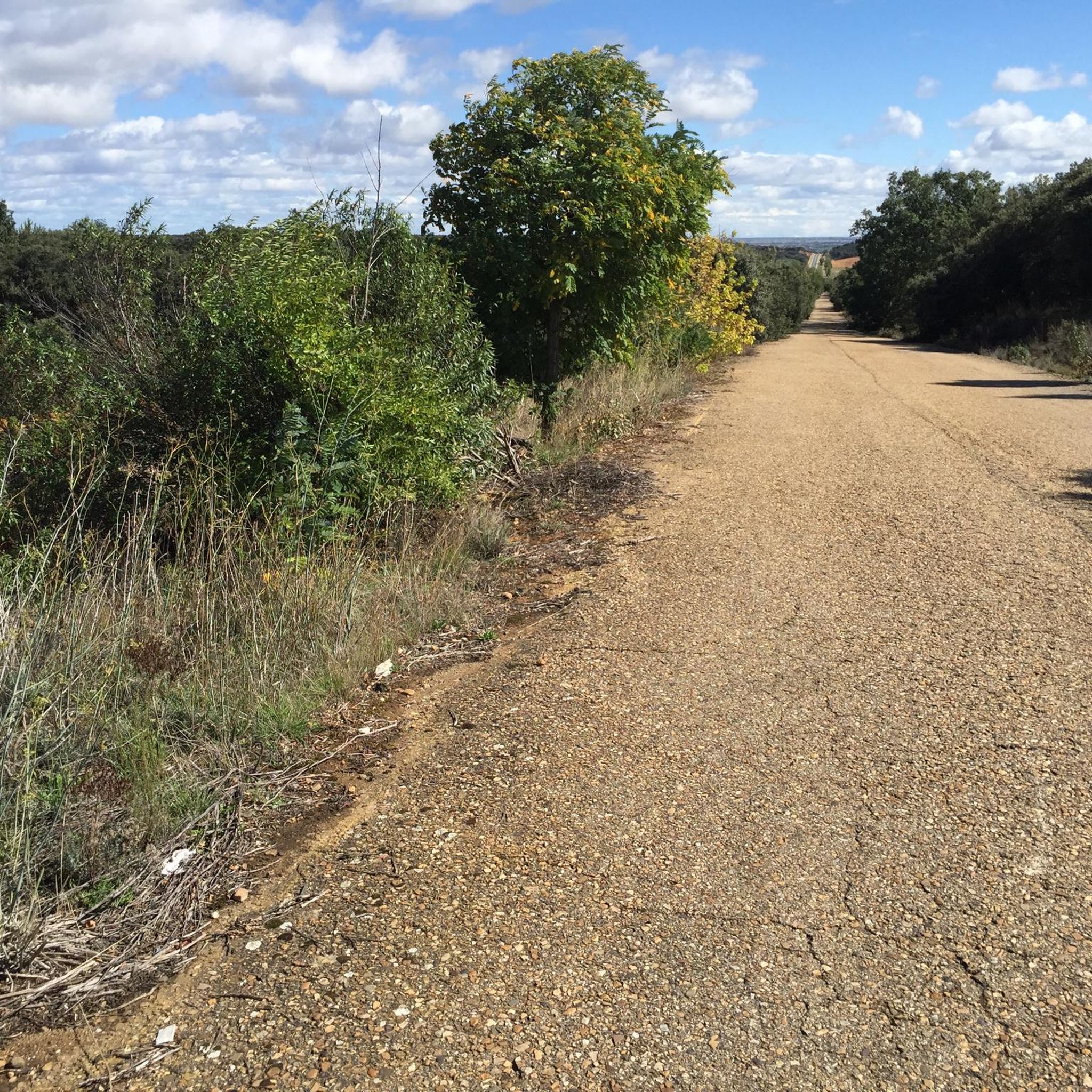
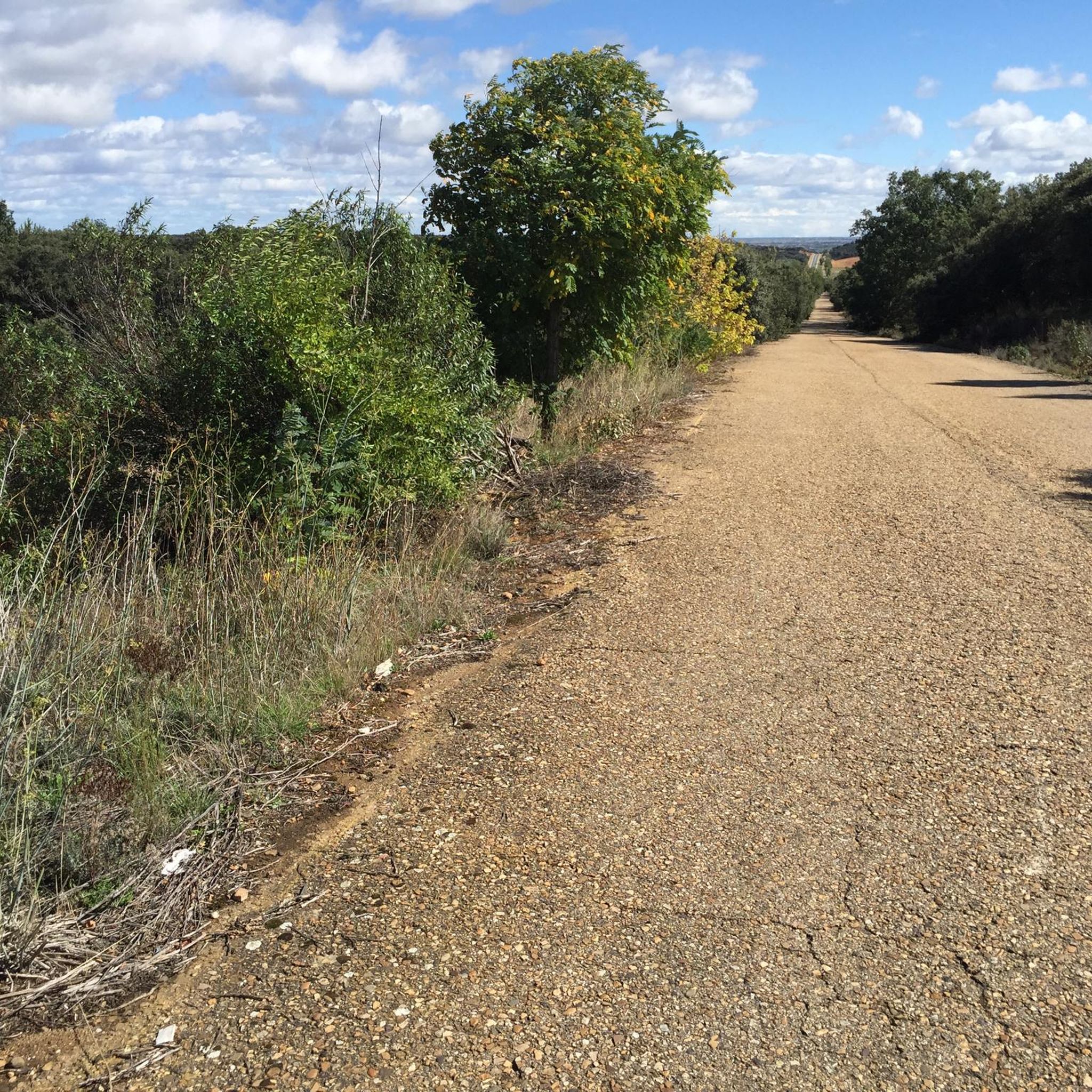
Ascending the route towards the medieval castle of Nogarejas watching over the Ería river valley. There isn't much left but the watchtower.
2
0
Ruin of a palace and defensive settlement on the town of Castrocalbón of which only a restored arch remains.
1
1

Here you will find an interesting castle from the 11th century. It is in good condition because it has been maintained by the different families that have owned it.
1
0
Frequently Asked Questions
What are the most historically significant castles or ruins to visit around Castrocalbón?
The region is rich in history. The Gothic Arch of the Palace of Castrocalbón represents the remains of the original Castrocalbón Castle, a site of archaeological importance and a Bien de Interés Cultural. Further afield, the Castillo de los Pimentel in Alija del Infantado dates back to the 11th century and has been well-maintained through successive reforms. The Castillo de Villanueva de Jamuz also offers medieval remains, notably its cylindrical towers.
Are there any family-friendly castles or historical sites in the Castrocalbón area?
Yes, several sites are suitable for families. The Castillo de los Pimentel is listed as family-friendly, offering a glimpse into an 11th-century fortification. The Castillo de Villanueva de Jamuz is also a family-friendly option where you can explore medieval castle remains.
What kind of outdoor activities can I do near the castles around Castrocalbón?
The area around Castrocalbón offers various cycling opportunities. You can find MTB trails, road cycling routes, and touring bicycle routes. These routes often pass through scenic landscapes and sometimes near historical sites, allowing you to combine castle visits with active exploration.
What remains of the original Castrocalbón Castle?
The original Castrocalbón Castle, now known as the Gothic Arch of the Palace of Castrocalbón, is largely in ruins. What remains are primarily an ashlar arch and a substantial rammed earth wall. Archaeological findings at the site, including ceramic fragments and superimposed paved floors, suggest its former grandeur and possible Templar connections.
Are there any viewpoints near the castles in the Castrocalbón region?
While not explicitly listed as a viewpoint, the Castrocontrigo Castle, though mostly a watchtower now, is situated in a position that would have offered strategic views over the Ería river valley. Exploring the elevated locations of these historical sites often provides scenic perspectives of the surrounding landscape.
How long should I plan for a visit to the castle ruins in Castrocalbón?
For the Gothic Arch of the Palace of Castrocalbón, as it is primarily ruins, a visit might take less than an hour to appreciate the remaining structures and the historical context. If you plan to visit multiple castles or combine it with nearby cycling routes, you should allocate more time, potentially a half-day or full day.
What is the significance of the Castillo de Castrocalbón beyond its physical remains?
Beyond its physical ruins, the Castillo de Castrocalbón is significant due to its designation as a Bien de Interés Cultural. It has historical ties to powerful noble families like the Pimentel and Quiñones, and archaeological findings suggest possible Templar connections. The Fuero de Castrocalbón, granted in 1152, also highlights its historical administrative importance in the region.
What can I expect to see at the Castillo de Villanueva de Jamuz?
At the Castillo de Villanueva de Jamuz, you can expect to see the remains of a medieval castle. Its cylindrical towers are a notable architectural feature that stands out. It's a site that offers a tangible connection to the region's medieval past.
Are there any other historical landmarks near Castrocalbón besides castles?
Yes, the Alija del Infantado Town Center is a historical landmark that features the churches of San Verísimo and San Esteban, in addition to the Castillo de los Pimentel. The town itself provides a broader historical context for the region.
What makes the Castillo de los Pimentel unique among the castles in the area?
The Castillo de los Pimentel stands out as an 11th-century fortification that has been successively reformed and maintained by its various owners. This has allowed it to retain its condition over centuries, offering visitors a more intact example of a historical castle compared to some of the other ruins in the region.
Can I find any circular cycling routes that might include castle views?
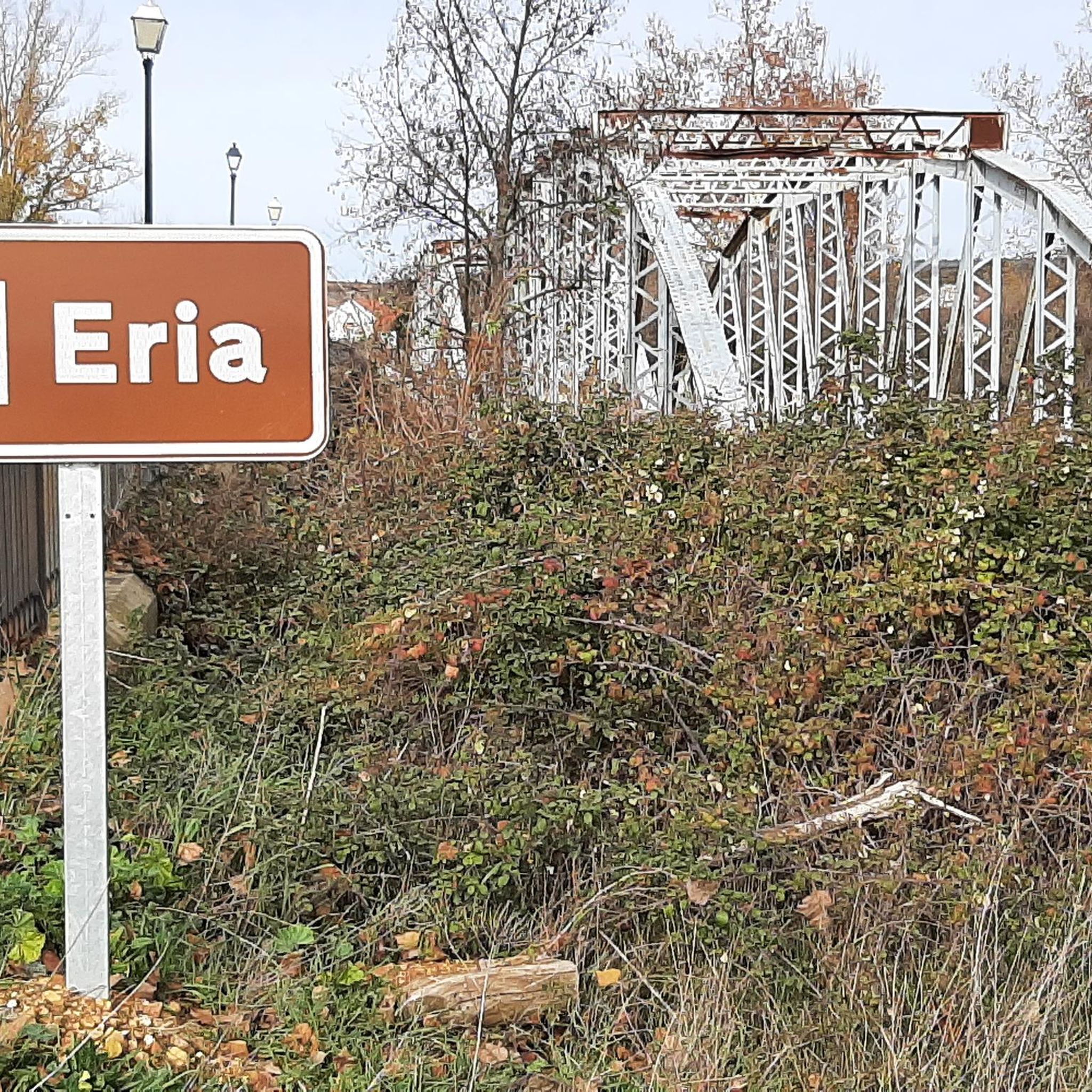
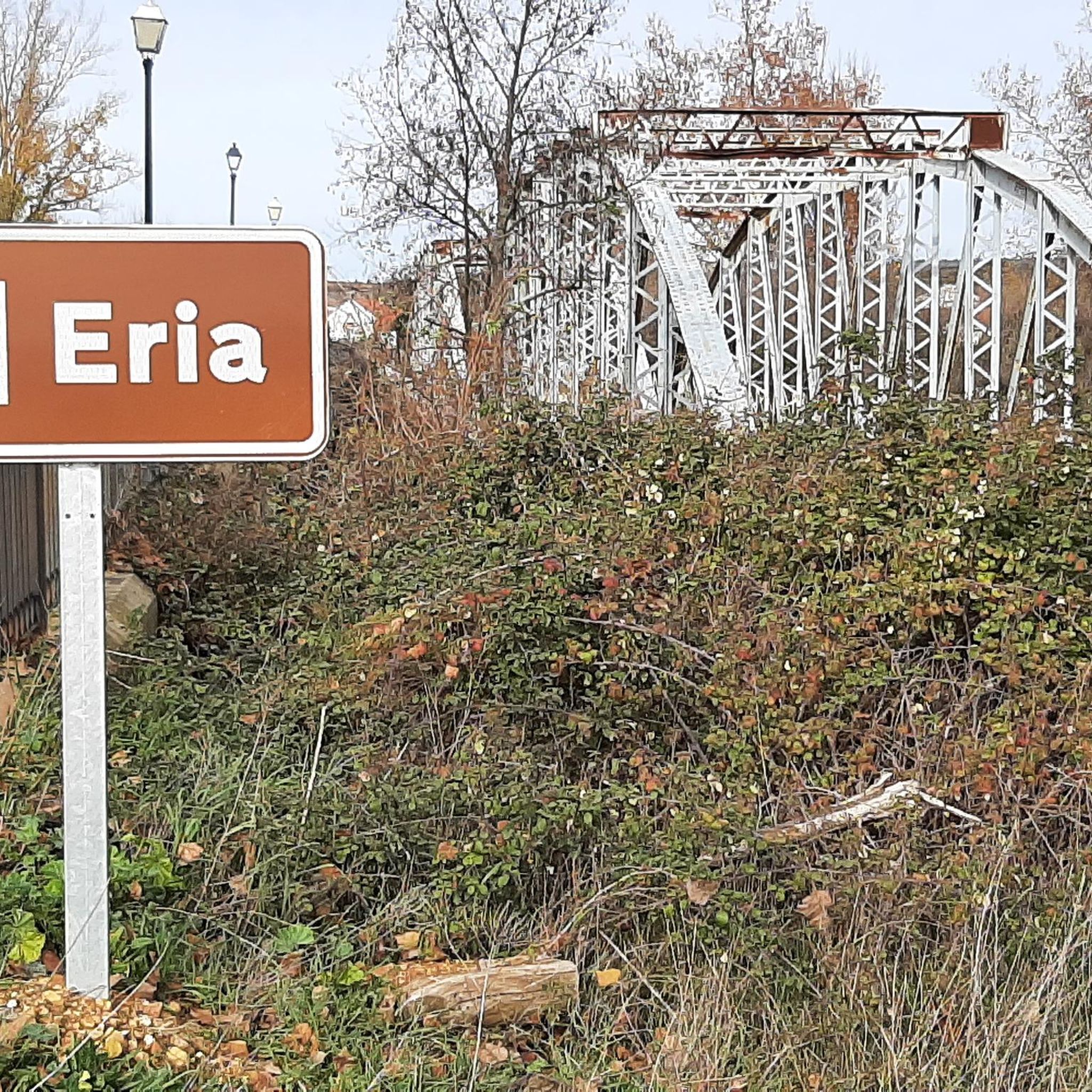
Yes, there are several circular cycling routes in the area. For example, the 'Tierras de La Bañeza – circular por el Valle del río Jamuz y la Sierra de Casas Viejas' is a moderate MTB trail. For road cycling, you can find routes like 'Eria Bridge in Castrocalbón – La Portilla (895 m) loop from Pinilla de la Valdería' among the road cycling routes, which may offer views of the historical landscape.
What is the 'Fortaleza del Este' and 'Castro 'El Palacio'' in relation to Castrocalbón Castle?
The 'Fortaleza del Este' refers to an older, nearly trapezoidal fortification on the eastern side of the Castrocalbón site, naturally defended by a ravine and an artificial moat. 'Castro 'El Palacio'' is an elevated plateau housing the remains of an old palace, the eastern fortress, and the Ermita de Nuestra Señora de Castro, indicating a complex history of settlement and defense in the area.
Most popular routes around Castrocalbón
Most popular attractions around Castrocalbón

Get inspired with the komoot mobile app


Explore more
Looking for the best castles somewhere else? Discover other guides around Castrocalbón:
