The best cycling routes around Castrocalbón
4.0
(3)
33
riders
13
rides
Touring cycling around Castrocalbón features a landscape shaped by the Río Ería, which creates fertile river plains ideal for scenic rides. The region also includes arid alluvial terraces and gentle hills, providing varied terrain with gentle climbs and descents. Historical elements, such as sections of the ancient Vía XVII Roman road, offer unique routes through the municipality. This blend of natural and historical features provides diverse options for touring cyclists.
Best touring cycling routes around Castrocalbón
- The most popular touring…
Last updated: October 10, 2026
74.4km
05:05
510m
510m
Hard bike ride. Very good fitness required. Mostly paved surfaces. Suitable for all skill levels.
36.3km
02:40
250m
250m
Moderate bike ride. Good fitness required. Mostly paved surfaces. Suitable for all skill levels.

12
riders
91.7km
08:57
1,490m
1,490m
Hard bike ride. Very good fitness required. Mostly paved surfaces. Suitable for all skill levels.
5.0
(2)
5
riders
Moderate bike ride. Good fitness required. Mostly paved surfaces. Suitable for all skill levels.
3
riders
25.8km
02:21
190m
190m
Moderate bike ride. Good fitness required. Mostly paved surfaces. Suitable for all skill levels.
Get access to more routes and recommendations from other explorers.
Already have an account?
Our route recommendations are based on thousands of hikes, rides, and runs completed by other people on komoot.
Start today with a free account
Your next adventure awaits.
Tips from the Community

Castrocalbón is a place with a rich history and several points of interest that you can visit. Castrocalbón Castle: Although in ruins, it is a fascinating testimony to the medieval architecture and history of the region. San Pedro Church: A church with Romanesque and Gothic elements, which houses interesting altarpieces and sculptures. Hermitage of the Virgin of the Rosary: A place of local devotion, with simple architecture and a peaceful setting.
0
0
Castrocalbón Castle is an ancient fortress located in the town of Castrocalbón, in the province of León. Built in the Middle Ages, the castle has gone through various phases of construction and destruction over the centuries. Today, only a few remains remain, such as a rammed earth wall plastered with mortar and an ashlar arch. In the past, the castle had several archways and walls that have been compared to the Berber kasbahs of the High Atlas.
2
0

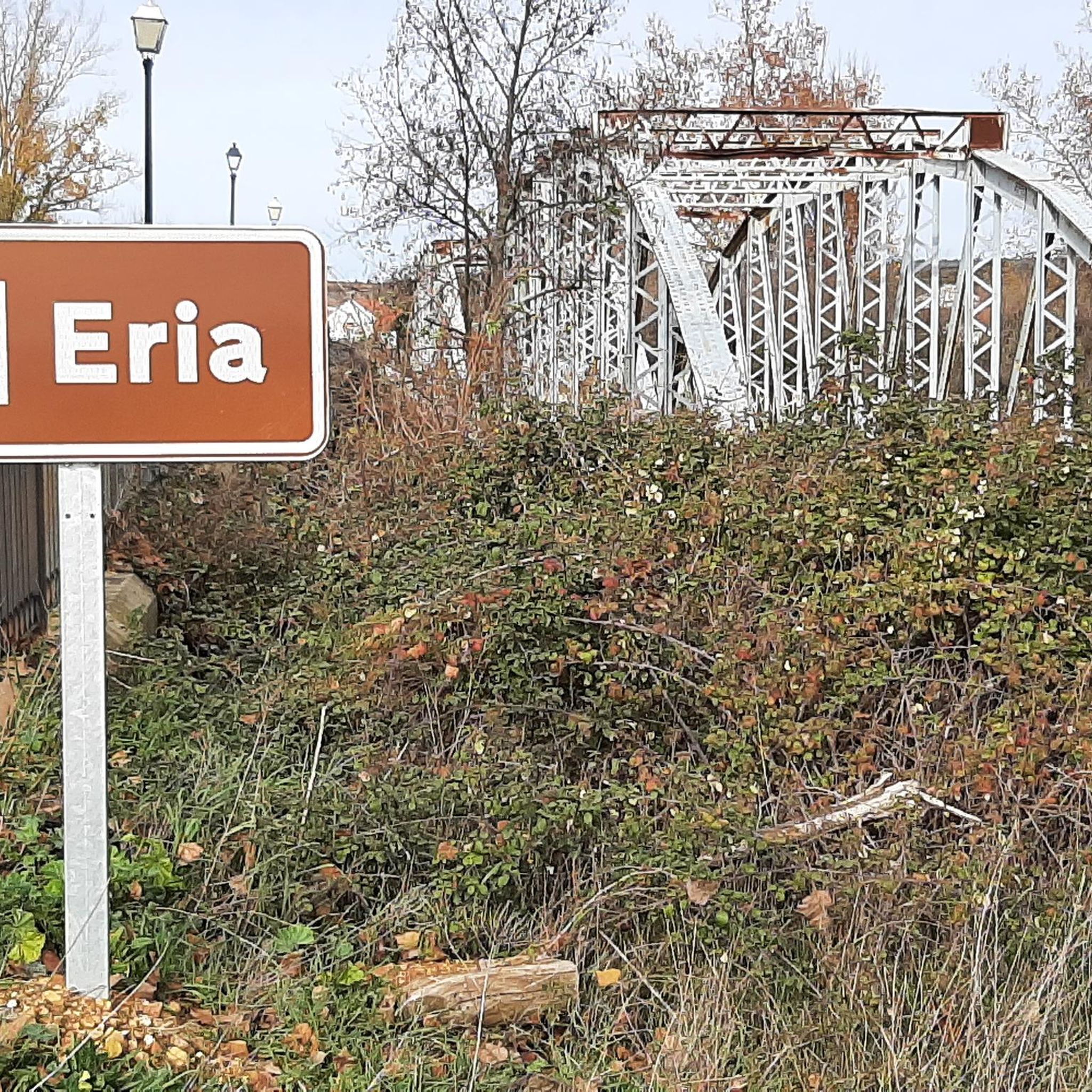
Another iconographic reference of Castrocalbón is this iron bridge over the Eria River built in the 1920s and which, despite the inconveniences it causes at this time, being quite narrow, already changes its image has become a symbol of Castrocalbón. A new bridge is currently in use a short distance from the old one, which is (for the time being) maintained due to its historical value.
1
0

Walks along paths next to the river Duerna. The Valduerna Valley is surrounded by rich fertile fields, used for the cultivation of cereals and pine trees.
2
0
Robledo de la Valduerna is a small rural town in the Valduerna Valley next to the Duerna River. There is a small church in the middle of the village. A good place to rest and have a refreshing drink.
2
0
Ruin of a palace and defensive settlement on the town of Castrocalbón of which only a restored arch remains.
1
1

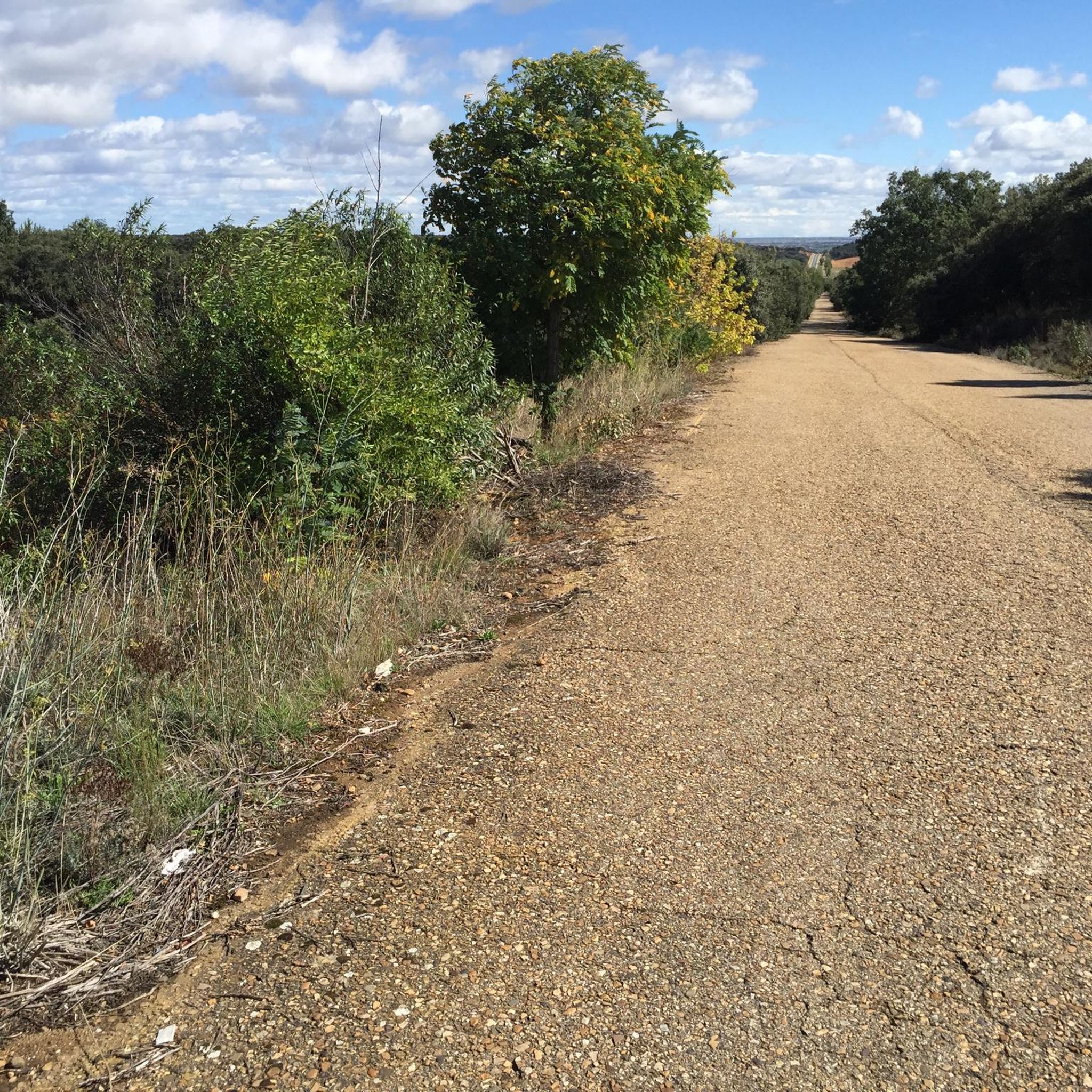
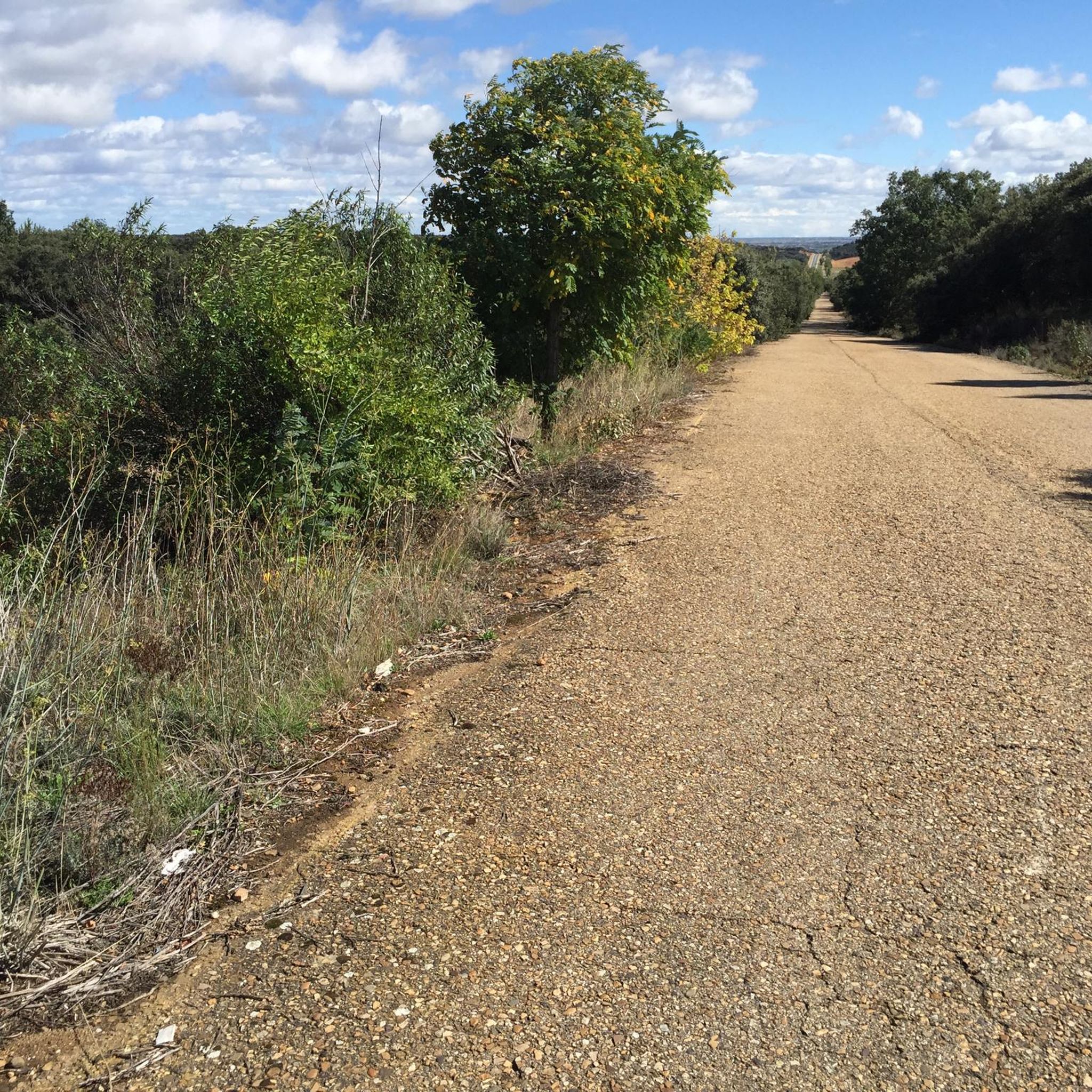
Right next to the road you will find these Roman ruins. From what I read, it was a Roman outpost protecting trade routes in the area.
0
0
Santiago de Melles is a small town of medieval origin located between two hills along the L-133 regional road.
1
1
Frequently Asked Questions
How many touring cycling routes are available in Castrocalbón?
There are over 10 touring cycling routes available around Castrocalbón, offering a variety of experiences for different skill levels.
What kind of terrain can I expect on touring cycling routes around Castrocalbón?
The terrain around Castrocalbón is quite varied. You'll find pleasant, relatively flat routes along the fertile river plains of the Río Ería, as well as routes that traverse arid alluvial terraces and gentle hills. These elevated areas offer gentle climbs and descents, providing diverse cycling experiences.
What historical landmarks can I explore while cycling in Castrocalbón?
Castrocalbón is rich in history. You can cycle along sections of the ancient Vía XVII Roman road, particularly well-preserved in the area of La Chana. Other historical points of interest include the ruins of El Castillo, the Iglesia del Salvador with its Mozarabic brickwork, and an old hermitage near the castle.
Are there any easy or beginner-friendly touring cycling routes in Castrocalbón?
Yes, there is at least one easy touring cycling route. For a relaxed ride, consider the Duerna River loop from Villamontán de la Valduerna, which is about 10.3 miles (16.6 km) long and features minimal elevation changes.
Are there more challenging routes for experienced touring cyclists?
Absolutely. For experienced touring cyclists seeking a challenge, there are 4 difficult routes. A notable option is the Roman Camp of Petavonium from Castrocontrigo - circular by the Eria River, a 46.2 miles (74.4 km) trail that explores the Eria River valley and historical sites.
What is the best time of year for touring cycling in Castrocalbón?
The region benefits from a pleasant climate due to its abundant flora and fresh waters, even when other parts of the high plateau experience more extreme conditions. This suggests that spring and autumn would likely be ideal, offering comfortable temperatures for cycling while avoiding the peak heat of summer or potential chill of winter.
Are there any circular touring cycling routes in Castrocalbón?
Yes, several routes are designed as loops. For example, the Santiago de Millas – Destriana Village Well loop from Villamontán de la Valduerna is a popular circular option, covering 22.0 miles (35.4 km) through the Valduerna region.
What do other touring cyclists enjoy about cycling in Castrocalbón?
The area is highly rated by the komoot community, with an average score of 4.0 stars. Cyclists often praise the blend of natural beauty, such as the fertile river plains, and the unique historical elements like the ancient Roman roads and castle ruins that can be explored along the routes.
Are there any specific viewpoints or natural features to look out for on the routes?
Yes, the routes often follow the Río Ería, offering scenic views of its wooded river plains. The higher, arid alluvial terraces and gentle hills provide expansive views of the surrounding countryside. While not explicitly named as viewpoints, the varied topography ensures picturesque vistas throughout your ride.
Can I find routes that combine natural scenery with historical sites?
Many routes in Castrocalbón offer this combination. For instance, the Vidriales Valley and Petavonium Camp Trail is a moderate 22.6 miles (36.3 km) path that provides a mix of beautiful valley scenery and significant historical points of interest, including the ancient Roman camp.
Are there any other castles or historical sites nearby that I can visit?
Beyond the local castle ruins, you can explore other historical sites in the vicinity. Notable examples include the Castillo de los Pimentel, the Castillo de Villanueva de Jamuz, and the Castrocontrigo Castle. The Ruins of the Royal Monastery of Santa María de Nogales also offer a glimpse into the region's past.
What is the average length of touring cycling routes in Castrocalbón?
The routes vary in length, but many fall within a moderate distance. For example, the Bike loop from Nogarejas is about 16.0 miles (25.8 km), while the Vidriales Valley and Petavonium Camp Trail is 22.6 miles (36.3 km). There are also longer options for those seeking extended rides.
Most popular attractions around Castrocalbón

Get inspired with the komoot mobile app


Explore more
Browse the best Cycling routes in other regions.
