The best road cycling routes around Castrocalbón
5.0
(2)
226
riders
21
rides
Road cycling around Castrocalbón features routes that traverse varied terrain, including river valleys and areas with historical significance. The landscape is characterized by rolling hills and open countryside, with some routes passing through agricultural lands and near small villages. Elevations are generally moderate, offering accessible cycling experiences without extreme climbs. The region provides a mix of natural scenery and cultural landmarks for road cyclists.
Best road cycling routes around Castrocalbón
- The most popular road cycling route is Castrocontrigo - return…
Last updated: October 5, 2026
3
riders
Moderate road ride. Good fitness required. Mostly well-paved surfaces and easy to ride.
20
riders
68.4km
02:48
360m
360m
Moderate road ride. Good fitness required. Mostly well-paved surfaces and easy to ride.

13
riders
Moderate road ride. Good fitness required. Mostly well-paved surfaces and easy to ride.
13
riders
Moderate road ride. Good fitness required. Mostly well-paved surfaces and easy to ride.
12
riders
Moderate road ride. Good fitness required. Some segments of this route may be unpaved and difficult to ride.
Get access to more routes and recommendations from other explorers.
Already have an account?
Our route recommendations are based on thousands of hikes, rides, and runs completed by other people on komoot.
Start today with a free account
Your next adventure awaits.
Tips from the Community

In the heart of Astorga, right next to the cathedral, lies one of the most unusual bishop's residences on the Iberian Peninsula: the Palacio Gaudi. It was designed and built by the famous Spanish architect of the same name (Antonio Gaudi, 1852-1926). A visit to the museum housed here is worthwhile both for the exhibits presented to visitors and, of course, for the imaginative architecture of the building.
0
0

The Bishop's Palace of Astorga is one of only three buildings that Antoni Gaudí built outside Catalonia.
3
0

Castrocalbón is a place with a rich history and several points of interest that you can visit. Castrocalbón Castle: Although in ruins, it is a fascinating testimony to the medieval architecture and history of the region. San Pedro Church: A church with Romanesque and Gothic elements, which houses interesting altarpieces and sculptures. Hermitage of the Virgin of the Rosary: A place of local devotion, with simple architecture and a peaceful setting.
0
0
In the heart of Astorga, right next to the cathedral, lies one of the most unusual bishop's residences on the Iberian Peninsula: the Palacio Gaudi. It was designed and built by the famous Spanish architect of the same name (Antonio Gaudi, 1852-1926). A visit to the museum housed here is worthwhile both for the exhibits on display and, of course, for the imaginative architecture of the building.
2
0

The Historic Center of Astorga is a beautiful piece of history and architecture. This area is known for its rich Roman and medieval heritage, as well as its baroque and modern buildings. The Plaza Mayor, Palacio Episcopal de Gaudí, Catedral de Astorga, Museo Romano, and the Murallas Medievales are the main monuments.
2
0

On June 24, 1889, the prelate's name day, the first stone was laid. They had planned to complete the work on the palace in June 1894, but the bishop died in 1893, and this event radically changed the course of the work, paralyzed by the hostility between Gaudí and the Diocesan Council. Finally, Antonio Gaudí resigned from his post as chief architect, very upset by the treatment he received. In 1905, D. Julián de Diego y Alcolea ruled the diocese of Astorga and tried to convince Gaudí to return to the works of the palace, but he did not succeed. Ricardo García-Guereta, diocesan of León, was appointed architect and completed the work on October 12, 1913, as bishop D. Julián de Diego y Alcolea
4
0

Behind the city wall in the park you have a beautiful view of Gaudi's Pilgrimage Museum.
2
0
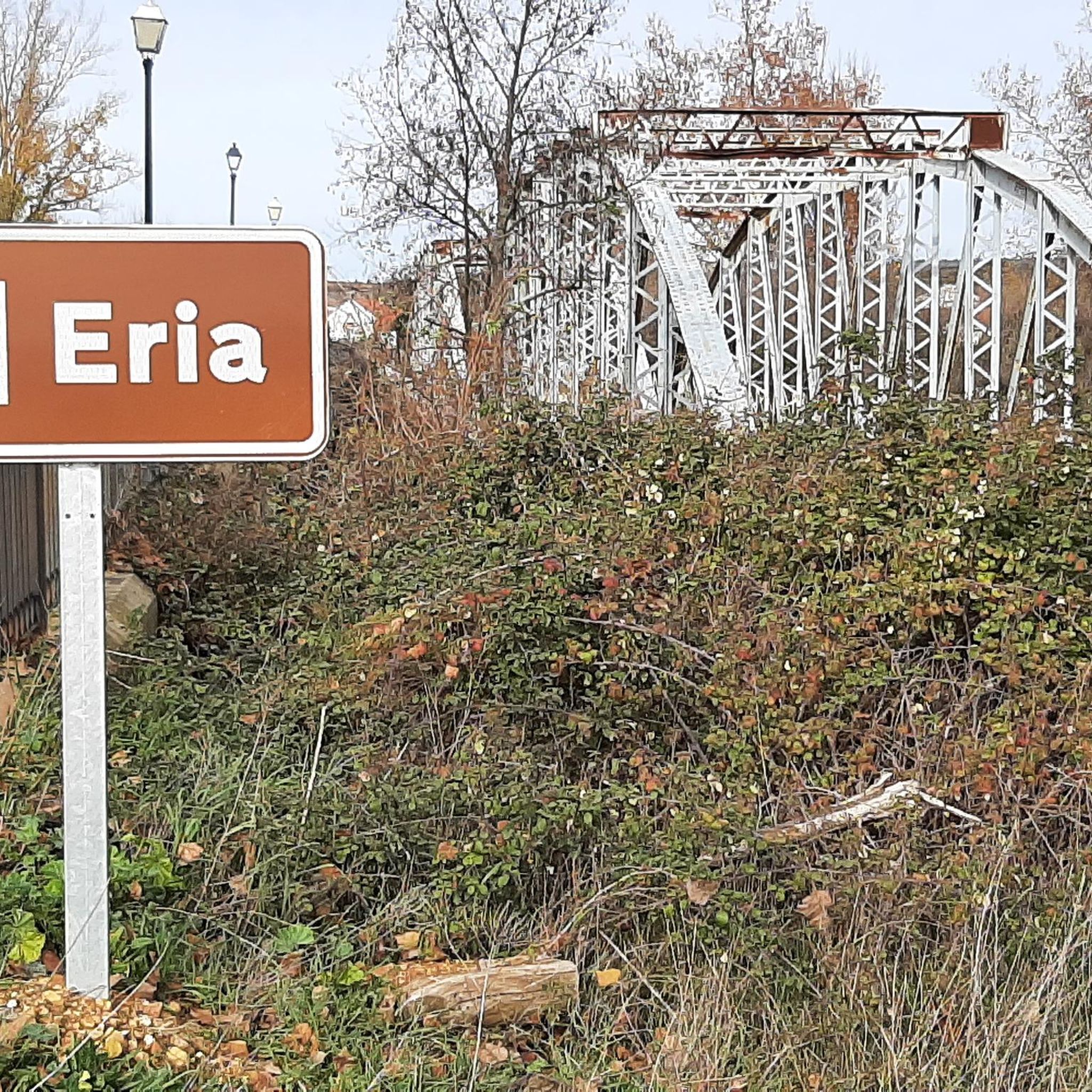
Another iconographic reference of Castrocalbón is this iron bridge over the Eria River built in the 1920s and which, despite the inconveniences it causes at this time, being quite narrow, already changes its image has become a symbol of Castrocalbón. A new bridge is currently in use a short distance from the old one, which is (for the time being) maintained due to its historical value.
1
0
Frequently Asked Questions
How many road cycling routes are available around Castrocalbón?
There are over 15 road cycling routes available around Castrocalbón, offering a variety of experiences for different skill levels.
What are the difficulty levels of road cycling routes in Castrocalbón?
The routes in Castrocalbón cater to various skill levels. You'll find 3 easy routes, 12 moderate routes, and 1 difficult route, ensuring options for beginners and experienced cyclists alike.
Are there easy road cycling routes suitable for beginners in Castrocalbón?
Yes, Castrocalbón offers 3 easy road cycling routes perfect for beginners or those looking for a relaxed ride. These routes typically feature gentler terrain and shorter distances.
Are there challenging road cycling routes for advanced cyclists in Castrocalbón?
For advanced cyclists seeking a challenge, there is 1 difficult route available, alongside 12 moderate routes that offer significant elevation changes and longer distances. These routes provide a good test of endurance and skill.
What kind of terrain can I expect on road cycling routes in Castrocalbón?
Road cycling routes in Castrocalbón traverse varied terrain, including river valleys and areas with historical significance. You can expect rolling hills, open countryside, agricultural lands, and small villages. Elevations are generally moderate, making for accessible cycling experiences.
Are there loop road cycling routes around Castrocalbón?
Yes, many of the road cycling routes around Castrocalbón are loops. For example, the Eria Bridge in Castrocalbón – La Portilla (895 m) loop from Pinilla de la Valdería and the Eria Bridge in Castrocalbón – Church of Castrocontrigo loop from San Esteban de Nogales are popular circular options.
What historical sites or landmarks can I see along road cycling routes in Castrocalbón?
Many routes pass by historical sites. You might encounter the Eria Bridge in Castrocalbón, or the Ruins of the Royal Monastery of Santa María de Nogales. The route Castrocontrigo - return by Eriá river - Roman Camp of Petavonium and Molezuelas de la Carballeda specifically explores the Roman Camp of Petavonium.
Are there any castles or notable structures to visit while road cycling near Castrocalbón?
Absolutely. You can cycle past impressive structures like the Castillo de los Pimentel, the Gothic Arch of the Palace of Castrocalbón, or the Castrocontrigo Castle. The Granucillo Castle – Arrabalde Church loop from Santibáñez de Vidriales also features a castle.
What do other road cyclists say about the routes in Castrocalbón?
The road cycling routes in Castrocalbón are highly rated by the komoot community, with an average score of 5.0 stars from over 1 review. Cyclists often praise the varied terrain, historical sites, and the mix of natural scenery and cultural landmarks.
Is parking available for road cyclists in Castrocalbón?
While specific parking areas for cyclists aren't detailed in the route descriptions, Castrocalbón and surrounding villages typically offer public parking options. It's advisable to check local regulations or look for designated parking in town centers when planning your ride.
What is the best time of year for road biking in Castrocalbón?
The region generally offers pleasant conditions for road cycling from spring through autumn. Spring brings blooming landscapes, while autumn provides cooler temperatures and beautiful colors. Summers can be warm, so early morning or late afternoon rides are often preferred during peak season.
Are there family-friendly road cycling routes in Castrocalbón?
While specific 'family-friendly' designations are not provided, the 3 easy routes available in Castrocalbón would be the most suitable for families or those cycling with children, offering less challenging terrain and shorter distances.
Most popular attractions around Castrocalbón

Get inspired with the komoot mobile app


Explore more
Browse the best Road cycling routes in other regions.
