Top 4 Castles around El Pont De Vilomara I Rocafort
Best castles around El Pont De Vilomara I Rocafort are situated in a region with significant historical depth, characterized by its strategic location in the Marca Hispànica. The area features a landscape shaped by the Llobregat River and proximity to natural parks. This historical context is evident in the numerous medieval defensive structures and settlements. The municipality offers insights into Catalonia's past, with structures dating back over a thousand years.
Best castles around El Pont De Vilomara I Rocafort
- The…
Last updated: October 7, 2026
La Mola and the Monastery of Sant Llorenç del Munt
Highlight • Summit
Translated by Google •
Tip by

Talamanca Castle
Highlight • Castle
Translated by Google •
Tip by

Sign up now to discover places like this
Get recommendations on the best single tracks, peaks, & plenty of other exciting outdoor places.
Granera Castle
Highlight • Castle
Translated by Google •
Tip by

Castell de Pera
Highlight • Castle
The oldest documentation known about the Pera Castle dates from the year 978. It …
Translated by Google •
Tip by

Artés Castle
Highlight • Castle
Translated by Google •
Tip by

Start today with a free account
Your next adventure awaits.
Popular around El Pont De Vilomara I Rocafort
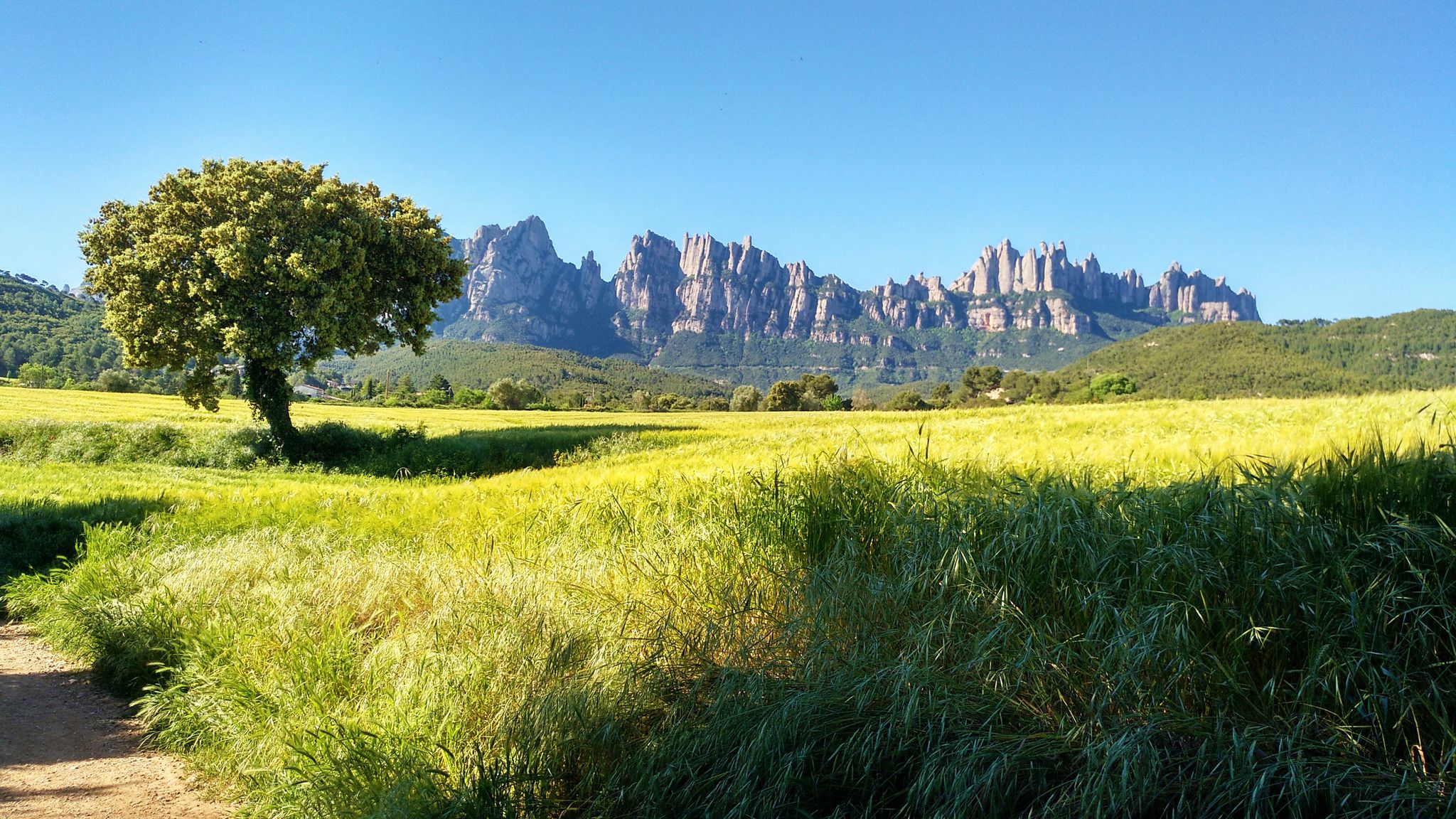
On foot from France to Montserrat – GR 4
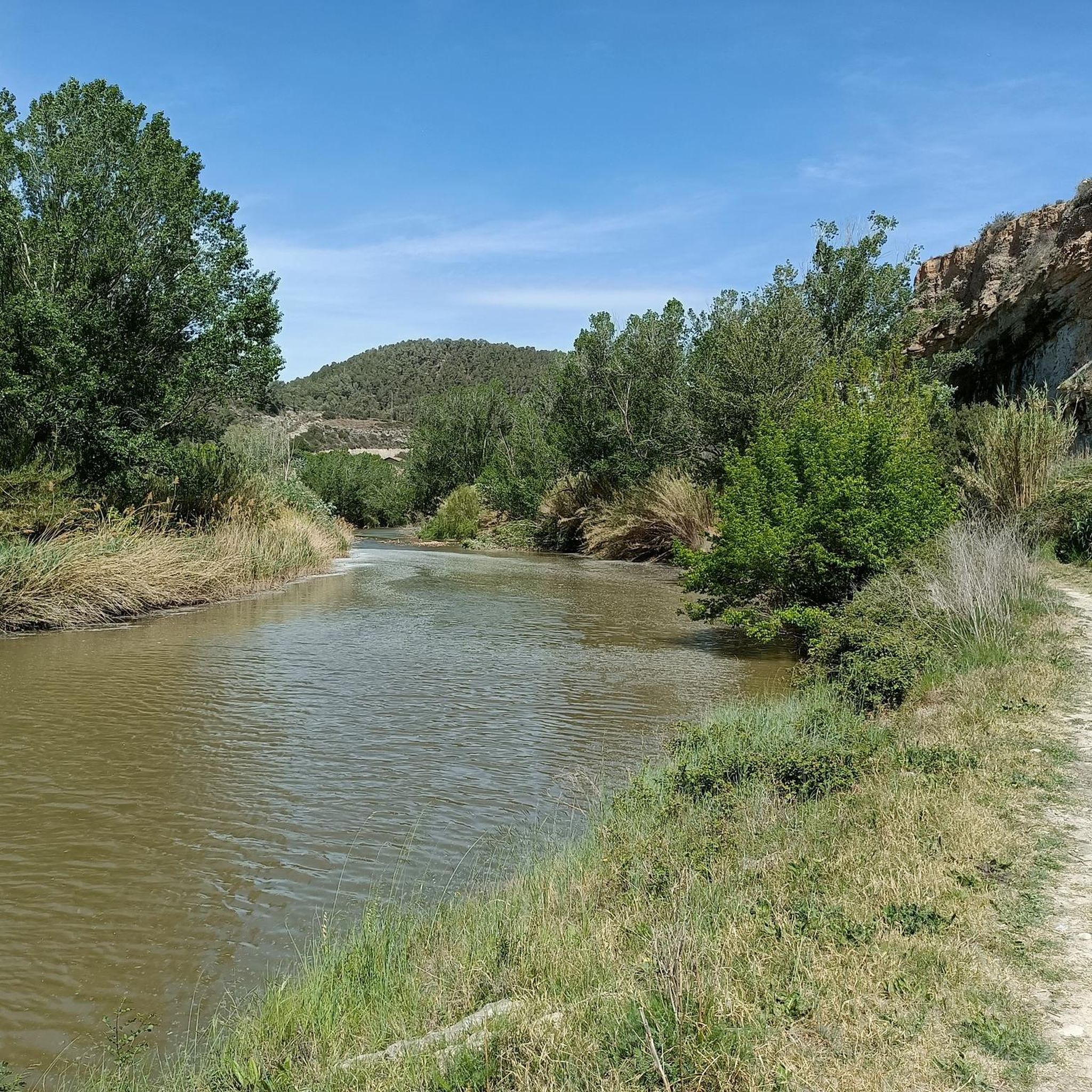
The river of Barcelona – El Camí del Llobregat
Road Cycling Routes around El Pont De Vilomara I Rocafort
Cycling around El Pont De Vilomara I Rocafort
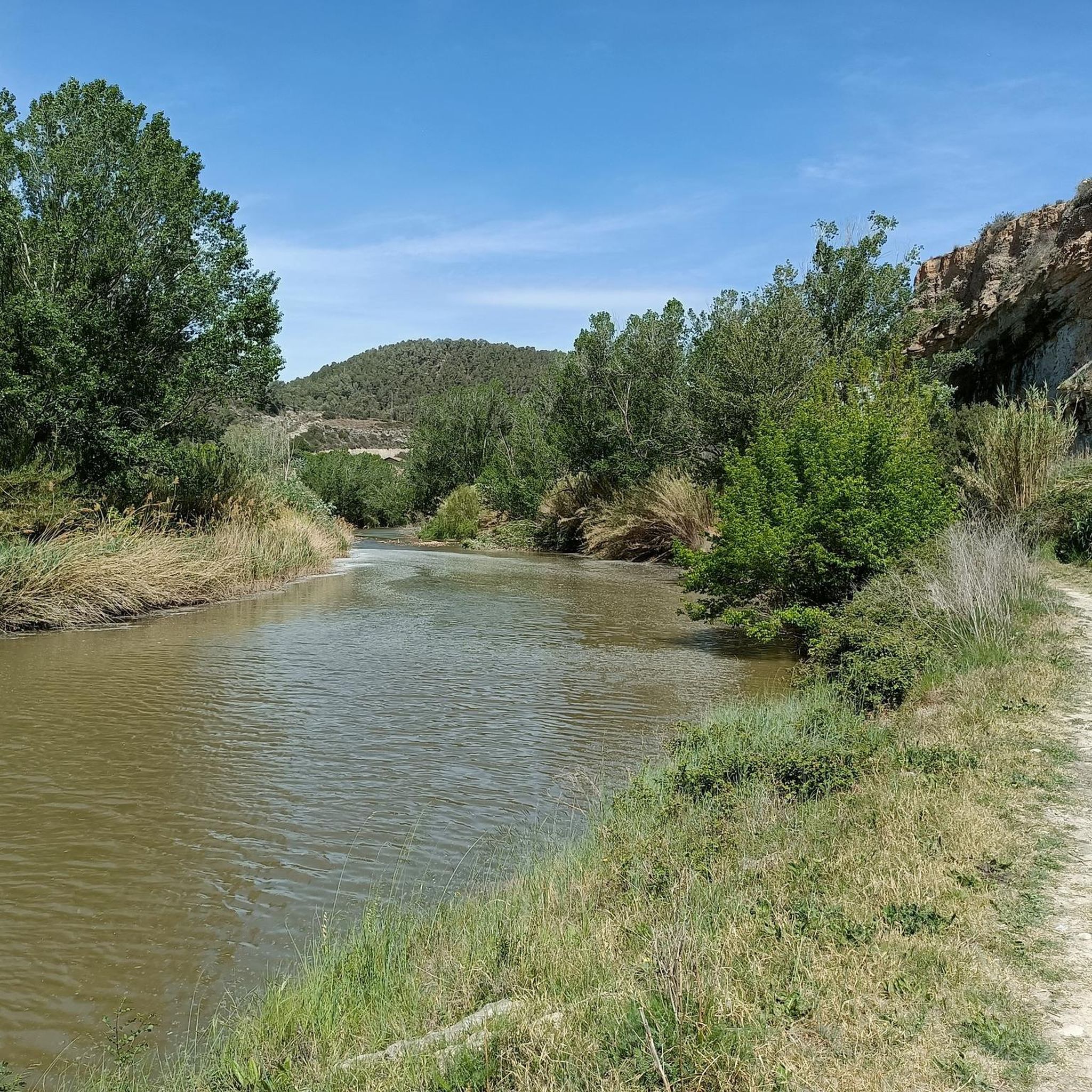
Hiking around El Pont De Vilomara I Rocafort
MTB Trails around El Pont De Vilomara I Rocafort
Running Trails around El Pont De Vilomara I Rocafort

Gravel biking around El Pont De Vilomara I Rocafort
Mountain Hikes around El Pont De Vilomara I Rocafort
Other adventures around El Pont De Vilomara I Rocafort


Tips from the Community

The restaurant has been closed since the fall of 2025.
2
0

Entrance to the old town of Granera, paved and on top of a hill above 800 meters above sea level, crowned by a beautiful castle. At the entrance you will find a fountain.
0
0

A town with a great history that is worth visiting 🤩
1
0

Pleasant walk through Talamanca and its surroundings with a moderate slope. The route runs along well-marked tracks and is marked with milestones with white and green labels. With this itinerary we will discover the medieval origins of Talamanca based on its cultural and natural heritage. The route follows a section of the stream between small gorges and waterfalls that have emerged between the rocks. The itinerary discovers constructions such as the dry stone huts, the water lilies or the unique area of the balma salt of the Gobians and a part following the stream bed, scene of one of the most important battles of the war of succession. Part of the excursion goes through Sant Llorenç del Munt i l'Obac Natural Park.
0
0
The original building, built in the 11th century, was the embryo of the town and the political center of the district. It was part of the network of castles aimed at the defense of the colonists who repopulated the lands conquered by the Saracens. In the twelfth century, the Saracen threat faded but the process of feudalization caused disputes between Castilians for control of the castle, with several sagas taking place: the Cardona, the Talamanca, the Castellbell. In 1717, Bourbon troops demolished the castle, a fate shared by many of the castles of Old Catalonia. In the 18th century, the Castellbells built the manor house with a tower.
0
0


very beautiful village in a magnificent area
2
0

Very pleasant and diverse walk through leafy areas and open areas
4
0
Frequently Asked Questions
What is the historical significance of castles in the El Pont de Vilomara i Rocafort region?
The castles in this region hold deep historical significance, primarily stemming from their role in the Marca Hispànica. They were crucial defensive structures during the 11th century, serving as a frontier against the Caliphate of Córdoba and playing a part in the repopulation and expansion efforts of the time. Many, like the Castell de Rocafort, were part of a larger defensive network, visually connected to other strongholds.
Are there any castles within the municipality of El Pont de Vilomara i Rocafort itself?
Yes, the primary castle within the municipality is the Castell de Rocafort. While largely in ruins, its historical importance dates back to 902, and it offers panoramic views from its location. You can still see significant parts of its original walls.
Which castles offer the best panoramic views in the area?
Several castles provide excellent viewpoints. Castell de Pera, a medieval fortress in ruins, offers wide views over the surrounding territory from its elevated position. Similarly, the Talamanca Castle is known for its strategic location and views. Even the ruins of Castell de Rocafort provide incredible vistas from the peat bog where it is situated.
Are there family-friendly castles to visit in the area?
Yes, Talamanca Castle is noted as family-friendly. Exploring the ruins and imagining medieval life can be an engaging activity for all ages. The historical context and scenic surroundings make for an enjoyable outing.
What kind of historical structures can I explore besides castles?
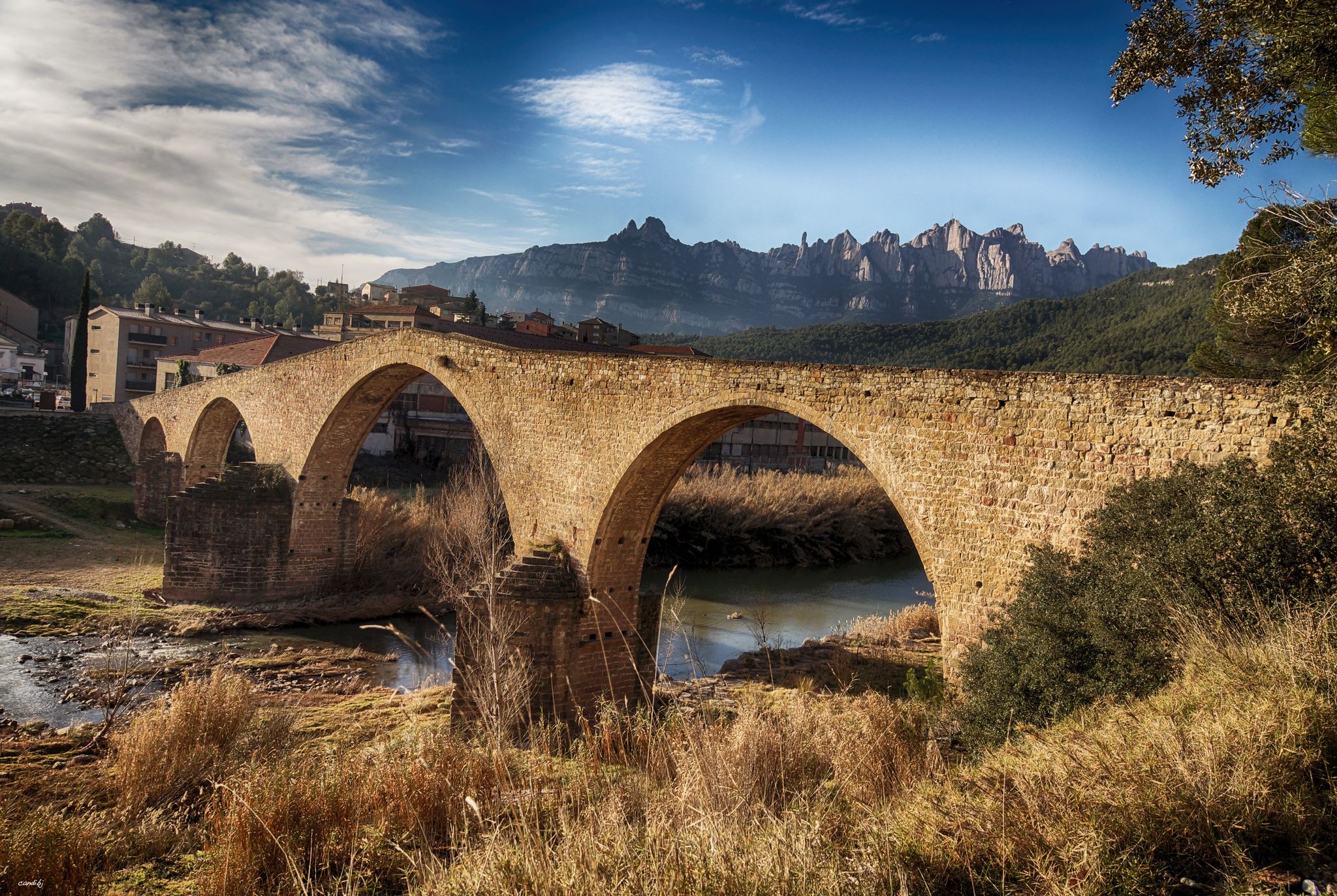
Beyond castles, you can visit the Pont de Vilomara, a Gothic-style medieval bridge over the Llobregat River. Built in the 13th century, it's one of the most unique in the Bages region and is still used by pedestrians, offering a tangible link to ancient trade routes. Additionally, the Romanesque monastery of Sant Llorenç del Munt, located at La Mola, is another significant historical site.
What outdoor activities can I combine with a castle visit?
The region offers various outdoor activities. You can enjoy mountain hikes, road cycling, and general cycling routes. For example, there are numerous mountain hikes, including routes around Sant Llorenç del Munt. If you prefer cycling, there are road cycling routes and general cycling tours that often pass by or near historical sites.
Are there hiking opportunities near the castles?
Absolutely. The castles are often situated in scenic areas perfect for hiking. For instance, La Mola, home to the Monastery of Sant Llorenç del Munt, is the highest peak in the natural park and a popular hiking destination. You can find various mountain hikes in the vicinity, ranging in difficulty.
What is the best time of year to visit the castles around El Pont de Vilomara i Rocafort?
The region generally enjoys a Mediterranean climate. Spring (April-June) and autumn (September-October) are often ideal, offering pleasant temperatures for exploring and hiking. Summers can be hot, while winters are milder but some facilities might have reduced hours. Visiting during these shoulder seasons allows for comfortable outdoor activities and clearer views.
How much time should I allocate for visiting a castle?
The time needed varies depending on the castle and your interest. For a site like the largely ruined Castell de Pera or Castell de Rocafort, you might spend 1-2 hours exploring the remains and enjoying the views. For more preserved sites like Talamanca Castle, especially if there are guided tours or exhibitions, you might want to allocate 2-3 hours.
What do visitors particularly enjoy about the castles in this region?
Visitors appreciate the historical depth and the stunning views offered by these ancient structures. The sense of stepping back in time, combined with the natural beauty of the surrounding landscape, is a major draw. Many enjoy the opportunity to explore ruins and imagine the past, often finding excellent photo opportunities and a peaceful atmosphere.
Can I find food or refreshments near the castles?
While specific cafes directly at every castle ruin might be limited, popular destinations like La Mola, which hosts the Monastery of Sant Llorenç del Munt, also features a very popular restaurant with spectacular views. In the nearby towns and villages, you will find various options for food and refreshments.
Is it possible to do circular walks around the castles?
Yes, many castles are integrated into hiking and cycling networks, making circular routes possible. For example, the area around Talamanca Castle and the Parc Natural de Sant Llorenç del Munt i l'Obac offers numerous trails, including mountain hikes and cycling routes that can be enjoyed as circular tours.
What makes Granera Castle a significant site?
Granera Castle is significant as the center of the castle quarter in the municipality of Granera. Documented from 971, it is recognized as a cultural asset of national interest. Its long history reflects the region's medieval past and its importance in the local community's development.
Most popular routes around El Pont De Vilomara I Rocafort
Most popular attractions around El Pont De Vilomara I Rocafort

Get inspired with the komoot mobile app


Explore more
Looking for the best castles somewhere else? Discover other guides around El Pont De Vilomara I Rocafort:
