Top 5 Caves around Alhaurín De La Torre
Best caves around Alhaurín De La Torre are found within the broader Málaga province, offering natural features and archaeological significance. The region is characterized by its diverse landscapes, from coastal areas to mountainous terrains, which have fostered the formation of various underground structures. These caves provide insights into geological processes and prehistoric human activity. Many sites are accessible for exploration, showcasing both natural formations and historical importance.
Best caves around Alhaurín De La Torre
- The most popular caves is Cave…
Last updated: July 30, 2026
Cave of the Bull
Highlight • Cave
Translated by Google •
Tip by

Hermitage of the Virgin of the Rock (Mijas)
Highlight • Religious Site
Translated by Google •
Tip by

Sign up now to discover places like this
Get recommendations on the best single tracks, peaks, & plenty of other exciting outdoor places.
Sign up for free
Cave of the Trinidad Mine
Highlight • Cave
Translated by Google •
Tip by
Hermit's Cave
Highlight • Cave
Translated by Google •
Tip by

Cuevas del Convento Archaeological Hall
Highlight • Cave
But unfortunately they were closed when we were away.
Translated by Google •
Tip by

Start today with a free account
Your next adventure awaits.
Login or Signup
Popular around Alhaurín De La Torre




Other adventures around Alhaurín De La Torre

Tips from the Community

A new wooden bench has been installed at the grotto, comfortably seating six people. It's a lovely place to enjoy the view and have a light snack.
0
0

Missed return section indication. GPS required
0
0
Take a top as it may be cold in the hills.
0
0

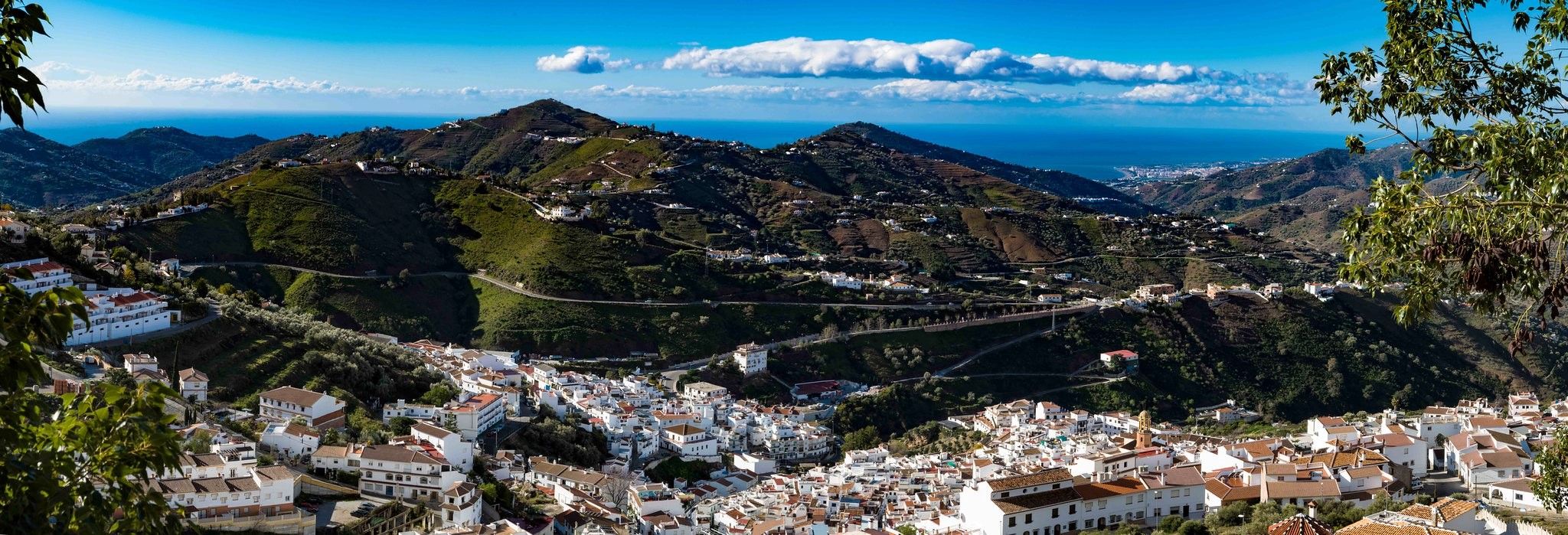
Mountain village overlooking the Mediterranean Sea
1
0

definitely worth a visit if you are nearby🇪🇦👌
1
0


It looks like it's just a ruin. But it's a small chapel. There's also a square in front of it with lots of shady trees and places to sit.
1
0
The Cuevas del Convento are supposed to be nice little cool tunnels underneath a small church. But unfortunately they were closed when we were away.
1
0
Frequently Asked Questions
What are some historically significant caves near Alhaurín De La Torre?
The region boasts several caves with rich history. The Cave of the Bull is notable for cave paintings dating back 20,000 years, though interior access is currently not possible. The Cueva de Ardales, also known as Cueva de Doña Trinidad Grund, is a significant Paleolithic site with over 1,000 paintings and engravings, some attributed to Neanderthals from over 65,000 years ago. The Cueva de Nerja also holds archaeological value with human presence dating back 42,000 years.
Can I visit caves that offer unique geological formations?
Yes, the Cueva de Nerja is renowned for its impressive formations of stalactites and stalagmites, including one column that is 32 meters high and 18 meters in circumference. The Cueva de Ardales also features a labyrinth of columns, permanent lakes, and beautiful stalactite and stalagmite formations.
Are there any caves that are easy to access for visitors?
The Show Galleries of the Cueva de Nerja are designed for easy access, with pathways and stairs for visitors. The Cave of the Trinidad Mine offers 200 meters of accessible galleries, marked with arrows and signs for exploration.
What kind of natural features can I expect to see in the caves around Alhaurín De La Torre?
Beyond impressive stalactites and stalagmites, you can find underground rivers and natural pools, such as those at Cueva del Gato. The caves also provide insights into geological processes that have shaped the landscape over millennia.
Are there family-friendly cave experiences available?
The Cueva de Nerja offers a virtual reality room to enhance the experience, making it engaging for families. Its accessible Show Galleries are also suitable for a family visit. For a more natural outdoor experience, the area around Cueva del Gato features a natural pool perfect for swimming in summer, though the water is very cold.
What outdoor activities can I combine with a visit to the caves?
The region around Alhaurín De La Torre offers various outdoor activities. You can explore running trails like the GR 249.2 and Presidiarios Trail Loop, or enjoy road cycling routes such as the circular route to Alhaurín el Grande. Gravel biking is also popular, with routes like the Guadalhorce River Footbridge loop. For more options, check out the Running Trails around Alhaurín De La Torre, Road Cycling Routes around Alhaurín De La Torre, and Gravel biking around Alhaurín De La Torre guides.
Are there any caves with a religious or cultural significance?
Yes, the Hermitage of the Virgin of the Rock (Mijas) is a religious building carved from a cave by monks, featuring a statue of the Virgin in a wall niche. The Hermit's Cave is also a popular itinerary in Cártama.
What should I know about visiting the Cueva del Gato?
The Cueva del Gato, located in Sierra de Grazalema Natural Park, is known for its permanent, crystal-clear waters emerging from an underground river. While access to its deeper parts is restricted for conservation, the exterior and a natural pool are accessible. It's also home to one of the largest colonies of cave bats and contains Neolithic cave paintings.
Do any caves near Alhaurín De La Torre offer insights into ancient mining?
The Cave of the Trinidad Mine is an old ocher mining mine. It's notable for its historical use in extracting clay rich in hematite, traditionally used for painting, and offers 200 meters of accessible galleries.
Are there guided tours available for the caves?
Yes, visits to the Cueva de Ardales are guided and require prior booking, providing an intimate and informative experience of this ancient site. The Cueva de Nerja also offers guided experiences within its Show Galleries.
What makes the Cueva de Nerja a popular destination?
The Cueva de Nerja is a major tourist attraction due to its expansive system of impressive geological formations, including record-breaking stalactites and stalagmites. It also holds significant archaeological value with prehistoric art and human remains, and offers a virtual reality room for an enhanced visitor experience. You can find more information on Wikipedia.
Are there any caves directly within Alhaurín De La Torre itself?
Alhaurín de la Torre features some historical underground structures, such as the "Caves of the Albaicín," which are ancient dwellings carved from rock. The Cuevas del Convento Archaeological Hall is also located underneath a small church in the area, though it may have limited access.
What kind of wildlife might I encounter in the caves?
The Cueva del Gato is known to host one of the largest colonies of cave bats. While specific wildlife sightings can vary, caves often provide habitats for various specialized species adapted to dark, damp environments.
Most popular routes around Alhaurín De La Torre
Most popular attractions around Alhaurín De La Torre

Get inspired with the komoot mobile app


Explore more
Extend your search for the best caves by checking out these guides of the top ones around Alhaurín De La Torre:
