Top 8 Castles around Pau
Best castles around Pau offer a journey through history and diverse landscapes. The region, situated near the Pyrenees, features a mix of historical sites and natural beauty. Visitors can explore various architectural styles, from medieval fortresses to Renaissance palaces. The area provides opportunities to combine historical exploration with outdoor activities.
Best castles around Pau
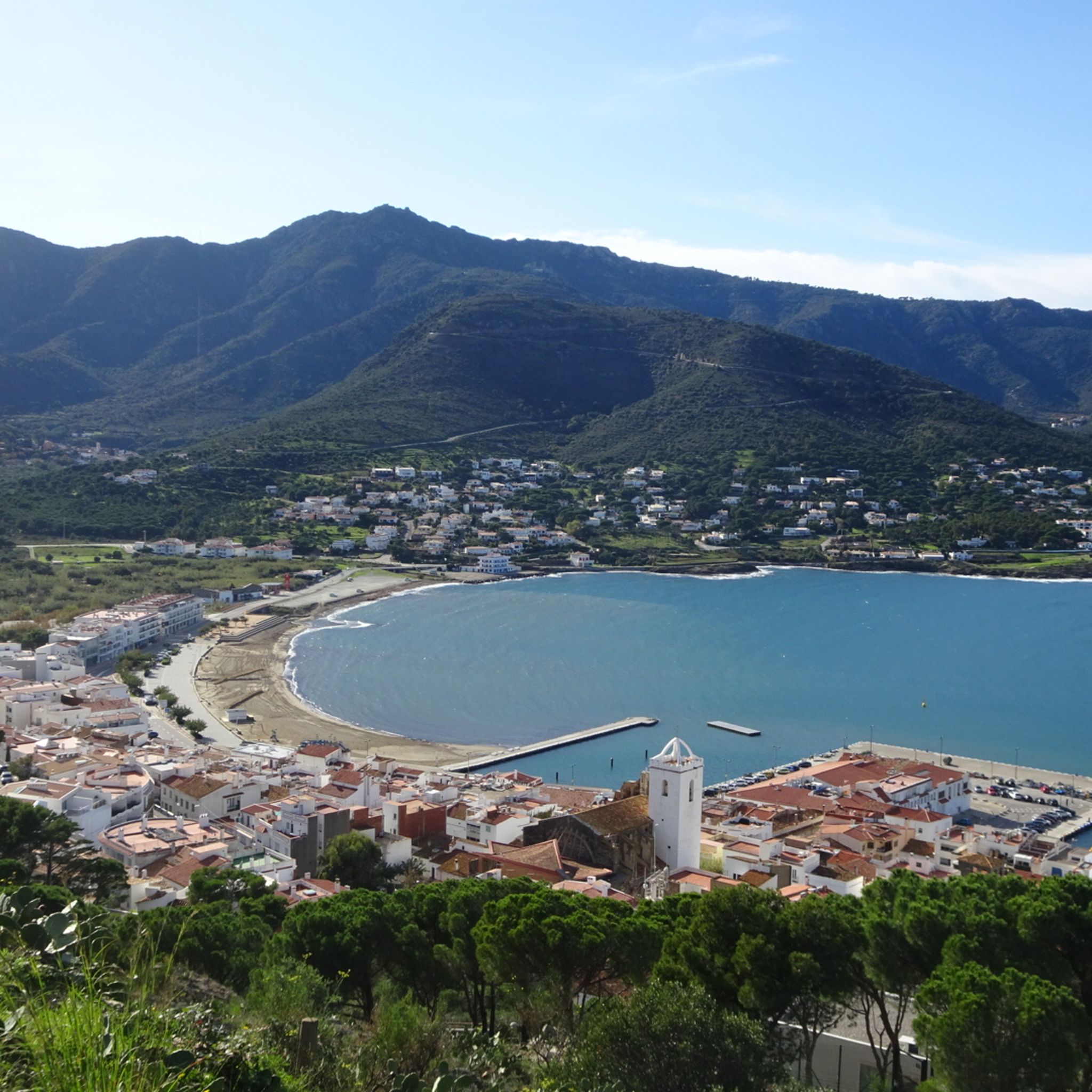
- The most popular castles is Sant Pere de Rodes Monastery, a religious building that offers exceptional views over the bay of Llançà and Port de la Selva. It is a significant example of medieval population and Benedictine expansion.
- Another must-see spot is Sant Salvador de Verdera Castle Ruins, a castle ruin. Visitors can expect spectacular views of the monastery and the entire Cap de Creus from this medieval castle at 670 meters high.
- Visitors also love Sant Martí del Far Church and Castle, a historical site. This temple, part of a castle built in the 13th century, features Romanesque architecture transitioning to Gothic style and offers insights into medieval fortification.
- Pau is known for its historical castles, religious buildings, and ancient ruins. The region offers a variety of castles to see and explore, each with unique historical significance and architectural features.
- The castles around Pau are appreciated by the komoot community, with over 360 upvotes and 256 photos shared by visitors.
Last updated: May 22, 2026
Sant Pere de Rodes Monastery
Highlight • Religious Site
Translated by Google •
Tip by

Sant Salvador de Verdera Castle Ruins
Highlight • Castle
Translated by Google •
Tip by

Sign up now to discover places like this
Get recommendations on the best single tracks, peaks, & plenty of other exciting outdoor places.
Sign up for free
Sant Martí del Far Church and Castle
Highlight • Historical Site
It is a single nave church with a rectangular apse. The vault of the nave is pointed and followed, the presbytery has the same shape.
The cover, located to the west, has three semicircular arches in gradation, lintel and smooth tympanum.
The most remarkable element of this facade is the upper half-point arched window, of large dimensions and with saw-tooth decoration.
A saddle bell tower with two semicircular arches and an upper corsair supported by nine corbels complete this facade.
The walls of the apse rise above the level of its vault. In this area, on the roof, a set of long loopholes opens around this rectangular apse.
The upper part of the wall is finished by a corsera formed by small pointed arches.
The fortification of the apse and that of the bell tower on the front are from the same period as the rest of the temple; on the other hand, on the side walls of the nave are raised stone walls finished with rectangular battlements that correspond to a late reform, possibly from the 18th century.
On each of the side walls of the nave there are also five gargoyles and in the apse we find four with a very simple decoration.
The entire church presents a set of well-spaced ashlars that form perfectly consecutive rows.
In the upper part of the apse where the loopholes open there is a frieze made up of three rows of ashlars of a darker color that stands out within the monument as a whole.
The church of Sant Martí del Far has been documented since the 13th and 14th centuries.
It seems that it was rebuilt during the 13th century, when the Count of Empúries had the castle built.
It is a Romanesque temple that indicates the transition to the Gothic style.”
Translated by Google •
Tip by

Citadel of Roses
Highlight • Historical Site
Translated by Google •
Tip by

Quermançó Castle
Highlight • Castle
Currently, part of the old Keep, the outer circular tower, and some later constructions are preserved. The castle of Quermançó is an important example of what early medieval Catalan castles were for defense, capable of resisting the onslaught of any crowd much larger than the few that could fit within its perimeter.
catalunya.com/es/continguts/patrimoni-cultural/castillo-de-quermanco-17-16003-580470
Translated by Google •
Tip by
Sign up for free to discover even more castles around Pau.
Sign up for free
Already have an account?
Start today with a free account
Your next adventure awaits.
Login or Signup

Tips from the Community

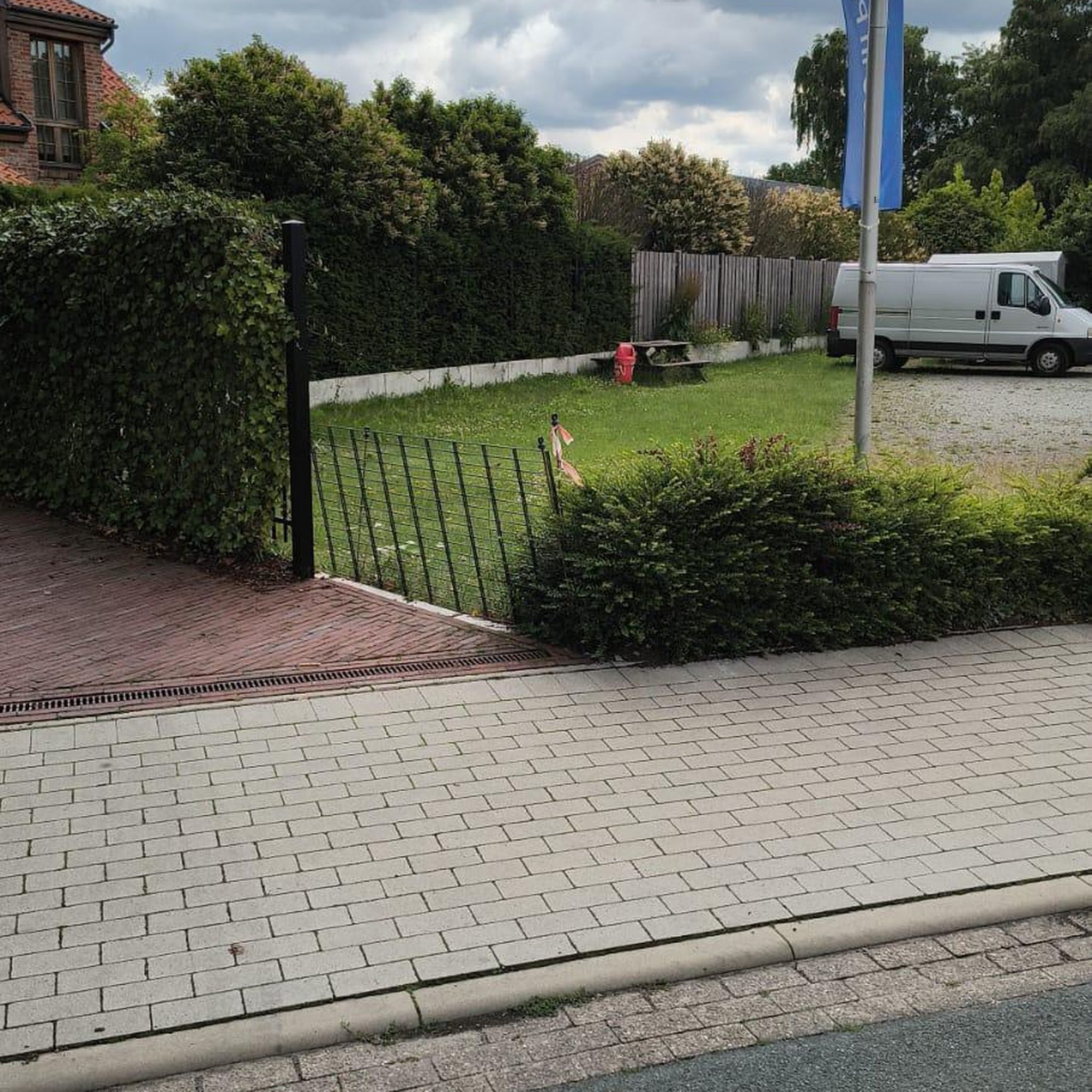
If you don't want to go about 400 m along the National Road, there is a path, although it is only for mountain bikes and you will still have to push through certain rather complex sections.
0
0

The temple of Sant Martí del Far, located at the highest part of the town, was part of the castle built at the end of the s. XIII. It is a single nave church with a rectangular apse. The vault of the nave is pointed and followed, the presbytery has the same shape. The cover, located to the west, has three semicircular arches in gradation, lintel and smooth tympanum. The most remarkable element of this facade is the upper half-point arched window, of large dimensions and with saw-tooth decoration. A saddle bell tower with two semicircular arches and an upper corsair supported by nine corbels complete this facade. The walls of the apse rise above the level of its vault. In this area, on the roof, a set of long loopholes opens around this rectangular apse. The upper part of the wall is finished by a corsera formed by small pointed arches. The fortification of the apse and that of the bell tower on the front are from the same period as the rest of the temple; on the other hand, on the side walls of the nave are raised stone walls finished with rectangular battlements that correspond to a late reform, possibly from the 18th century. On each of the side walls of the nave there are also five gargoyles and in the apse we find four with a very simple decoration. The entire church presents a set of well-spaced ashlars that form perfectly consecutive rows. In the upper part of the apse where the loopholes open there is a frieze made up of three rows of ashlars of a darker color that stands out within the monument as a whole. The church of Sant Martí del Far has been documented since the 13th and 14th centuries. It seems that it was rebuilt during the 13th century, when the Count of Empúries had the castle built. It is a Romanesque temple that indicates the transition to the Gothic style.”
0
0
Ruins of the medieval castle, located on a high hill about two kilometers from the town of Vilajuïga. It is an isolated fortification that underwent many renovations and expansions during the 10th and 15th centuries. At the time, the complex was surrounded by a wall, today in a ruined state. Currently, part of the old Keep, the outer circular tower, and some later constructions are preserved. The castle of Quermançó is an important example of what early medieval Catalan castles were for defense, capable of resisting the onslaught of any crowd much larger than the few that could fit within its perimeter. https://www.catalunya.com/es/continguts/patrimoni-cultural/castillo-de-quermanco-17-16003-580470
4
0

Admission moderate (no 20€ for 2 adults and 2 children). The wifi key and a QR code hang at the entrance. This means that one cell phone can be used as an audio guide for the whole family :)
5
2

The way there is also recommended on the road because there is very little traffic. Very nice route and a great view.
2
0

The Ciutadella de Roses is a 16th century construction that houses an archaeological site where there are vestiges of various historical periods. From remains of the Greek colony of Rhode (4th century BC) to the Renaissance fortification that gives it its name, passing through Visigothic or late-Roman sites.
1
0

Magnificent all-round view to the Pyrenees and the Costa Brava.
3
0

Medieval castle located at the highest point of the Serra de Rodes, from where there are spectacular views of the monastery of Sant Pere de Rodes and of the entire Cap de Creus and the Empordà. The church is preserved, an architectural structure with a rectangular plan; a part of the set of walls; as well as remains of one of the castle's towers. Ruins of a medieval castle located at the highest point of the Serra de Rodes, 670 meters high, in the middle of the Cap de Creus Natural Park and very close to the monastery of Sant Pere de Rodes. From this point there are spectacular views of the monastery itself and of the entire cape of Creus and the Empordà. The church is preserved from the old construction, an architectural structure with a rectangular plan; a part of the set of walls that closed the enclosure; as well as remains of one of the castle's towers. The church is Romanesque, the rest of the buildings are from the 13th century and it is mentioned for the first time in 904. You can go up by the Can Ventòs track or by connecting with it via Santa Creu and more directly by a fairly straight path from the Sant Pere de Roda monastery itself.
3
1
Frequently Asked Questions
What is the most historically significant castle in the Pau region?
The most prominent and historically significant castle is undoubtedly the Château de Pau. It's famous as the birthplace of Henri IV, King of France and Navarre, and has evolved from a feudal stronghold to a royal palace and now a national museum. Its architecture blends elements from the Middle Ages, Renaissance, and later periods, offering a deep dive into local and national history. You can find more details about its history on Wikipedia.
Are there castles around Pau that offer spectacular views?
Yes, several castles provide stunning vistas. For example, the Sant Salvador de Verdera Castle Ruins, located at 670 meters high, offers spectacular views of the Sant Pere de Rodes Monastery and the entire Cap de Creus. The Sant Pere de Rodes Monastery itself also boasts exceptional views over the bay of Llançà and Port de la Selva.
Which castles are good for families with children?
The Citadel of Roses is a great option for families. It's a 16th-century construction housing an archaeological site with vestiges from various historical periods, including Greek, Roman, and Visigothic finds, making it an engaging educational experience for all ages.
What kind of outdoor activities can I do near these castles?
The region around Pau offers various outdoor activities. You can find numerous hiking, running, and mountain biking trails. For instance, there are several mountain hikes and running trails that pass by or near the castles, such as the 'Sant Pere de Rodes and Sant Salvador de Verdera - circular trail run in Cap de Creus Natural Park'. You can explore more options in the Hiking around Pau, Running Trails around Pau, and Mountain Hikes around Pau guides.
Are there any castles with unique historical features related to famous figures?
Yes, the Château de Pau is renowned as the birthplace of Henri IV. A unique feature related to his birth is the preserved turtle shell that, according to legend, served as his cradle. The castle also features monograms of Henri IV and Marguerite d'Angoulême, reflecting its transformation into a royal residence during the Renaissance.
What architectural styles can I expect to see in the castles around Pau?
The castles around Pau showcase a rich blend of architectural styles reflecting their long histories. For example, the Château de Pau incorporates elements from the Middle Ages, the Renaissance, and even Neo-Renaissance and Neo-Gothic styles. The Sant Martí del Far Church and Castle is a Romanesque temple that indicates a transition to the Gothic style, while the Sant Pere de Rodes Monastery is an exceptional piece of Catalan Romanesque architecture.
Are there castles that were important for defense in the region?
Many castles in the region served crucial defensive roles. The Château de Pau was initially a military structure built in a strategically important position, reinforced by Gaston Fébus in the 14th century. The Quermançó Castle is another significant example of an early medieval Catalan castle built for defense, capable of resisting sieges and occupations throughout its history.
What is the best way to experience the history of the region through its castles?
To immerse yourself in the region's history, start with the Château de Pau, which functions as a national museum. It houses extensive collections of tapestries and artifacts related to Henri IV. Combining this visit with exploring the ruins of medieval fortresses like Sant Salvador de Verdera Castle Ruins and the architectural evolution seen at Sant Pere de Rodes Monastery will provide a comprehensive historical journey.
Can I find castles that are part of larger archaeological sites?
Yes, the Citadel of Roses is a prime example. This 16th-century fortification encompasses an archaeological site with significant vestiges from various historical periods, including remains of the Greek colony of Rhode, Roman, and Visigothic settlements, offering a multi-layered historical experience.
What do visitors enjoy most about the castles around Pau?
Visitors frequently appreciate the combination of historical exploration with stunning natural beauty. The exceptional views from sites like Sant Pere de Rodes Monastery and Sant Salvador de Verdera Castle Ruins are often highlighted. The rich history, from medieval fortresses to Renaissance palaces, and the opportunity to combine visits with outdoor activities like hiking, are also highly valued by the komoot community.
Are there any castles that are also religious sites?
Yes, the Sant Pere de Rodes Monastery is a significant religious building and a former Benedictine monastery that also functioned as a fortified complex. Similarly, the Sant Martí del Far Church and Castle is a historical site where the temple was part of a castle built in the 13th century, showcasing a blend of religious and defensive architecture.
Most popular attractions around Pau

Get inspired with the komoot mobile app


Explore more
Looking for the best castles somewhere else? Discover other guides around Pau:
