Top 4 Caves around Cartes
Best caves around Cartes offer a glimpse into ancient history and natural formations. This region is characterized by its significant geological features, including various cave systems. Visitors can explore sites with Paleolithic rock art and natural monuments. The area provides opportunities to discover both historical and natural underground landscapes.
Best caves around Cartes
- The most popular caves is National Museum and Research Center of Altamira, a historical site that explores the lives of early inhabitants near the UNESCO World…
Last updated: November 16, 2026
Altamira Cave
Highlight • Cave
Translated by Google •
Tip by

Fuente de las Palomas Recreation Area
Highlight • Rest Area
Translated by Google •
Tip by

Sign up now to discover places like this
Get recommendations on the best single tracks, peaks, & plenty of other exciting outdoor places.
Cave of the Chimneys
Highlight • Cave
Showing Translation
Tip by

Cueva La Rasiega
Highlight • Cave
Translated by Google •
Tip by

Start today with a free account
Your next adventure awaits.

Tips from the Community

We were very surprised at how affordable the guided tours are in the caves, where you can also see some cave paintings by our ancestors. The surroundings are dreamlike with the meadows and valleys. A huge plus for the region!
0
0

The Altamira Cave covers an area of more than 5500 m². It was used from 33,600 BC until the entrance collapsed in 11,000 BC. The particularly impressive ceiling paintings are dated to the period 16,500 to 13,000 BC.[3] The cave was discovered in 1868 by a hunter due to the disappearance of a hunting dog, who immediately reported the discovery to the lord of Santillana,[2] the naturalist Marcelino Sanz de Sautuola (1831–1888). The paintings were discovered by Sautuola's five-year-old daughter Maria, who was able to walk upright through the cave and made out images of "cattle" on the ceiling.[2] Marcelino began systematically digging in the cave in 1879[2] and published a short description of the "prehistoric objects in the province of Santander". Even the Spanish King Alfonso XII was invited into the cave. However, the academic world doubted the authenticity of the cave paintings.[2] The French prehistorian Émile Cartailhac described the paintings as a "vulgar prank by a scribbler" that he and his contemporaries did not even want to look at. The discovery had to wait almost 23 years for recognition. It was only when similar paintings were discovered in the Font-de-Gaume cave near Les Eyzies-de-Tayac-Sireuil in the Dordogne department (France) in 1901 that the attitude of French researchers and Cartailhac, who became the symbol of archaeological ignorance, changed. Cartailhac apologized posthumously to the Marquis de Sautuola in an essay in 1902 ("Mea culpa" d'un sceptique[4]).
0
0
The Altamira Cave covers an area of more than 5500 m². It was used from 33,600 BC until the entrance collapsed in 11,000 BC. The particularly impressive ceiling paintings are dated to the period 16,500 to 13,000 BC.[3] The cave was discovered in 1868 by a hunter due to the disappearance of a hunting dog, who immediately reported the discovery to the lord of Santillana,[2] the naturalist Marcelino Sanz de Sautuola (1831–1888). The paintings were discovered by Sautuola's five-year-old daughter Maria, who was able to walk upright through the cave and made out images of "cattle" on the ceiling.[2] Marcelino began systematically digging in the cave in 1879[2] and published a short description of the "prehistoric objects in the province of Santander". Even the Spanish King Alfonso XII was invited into the cave. However, the academic world doubted the authenticity of the cave paintings.
2
0


A very interesting and familiar place. I tried to get to the Sumidero de las Palomas, but it was impossible for me to get there, I would have needed not some walking sticks, but a machete!
3
0

The set of the Cuevas del Monte Castillo in Puente Viesgo is undoubtedly one of the greatest exponents of Rock Art in Spain. It is a set of four cavities with Paleolithic rock art, declared a World Heritage Site by UNESCO in 2008. Of the four, two are open to the public: El Castillo and Las Monedas. You can buy tickets at cuevas.culturadecantabria.com
2
0

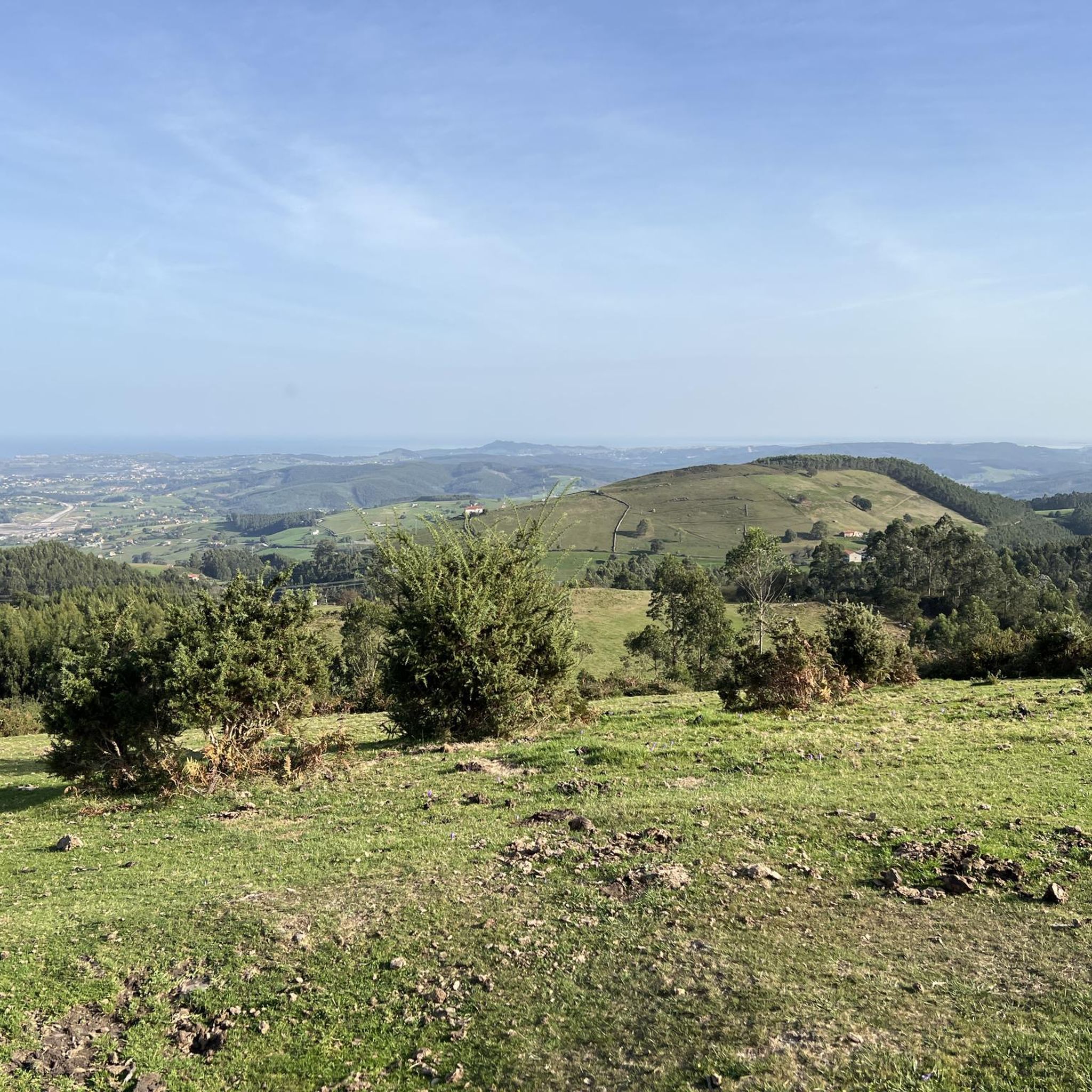
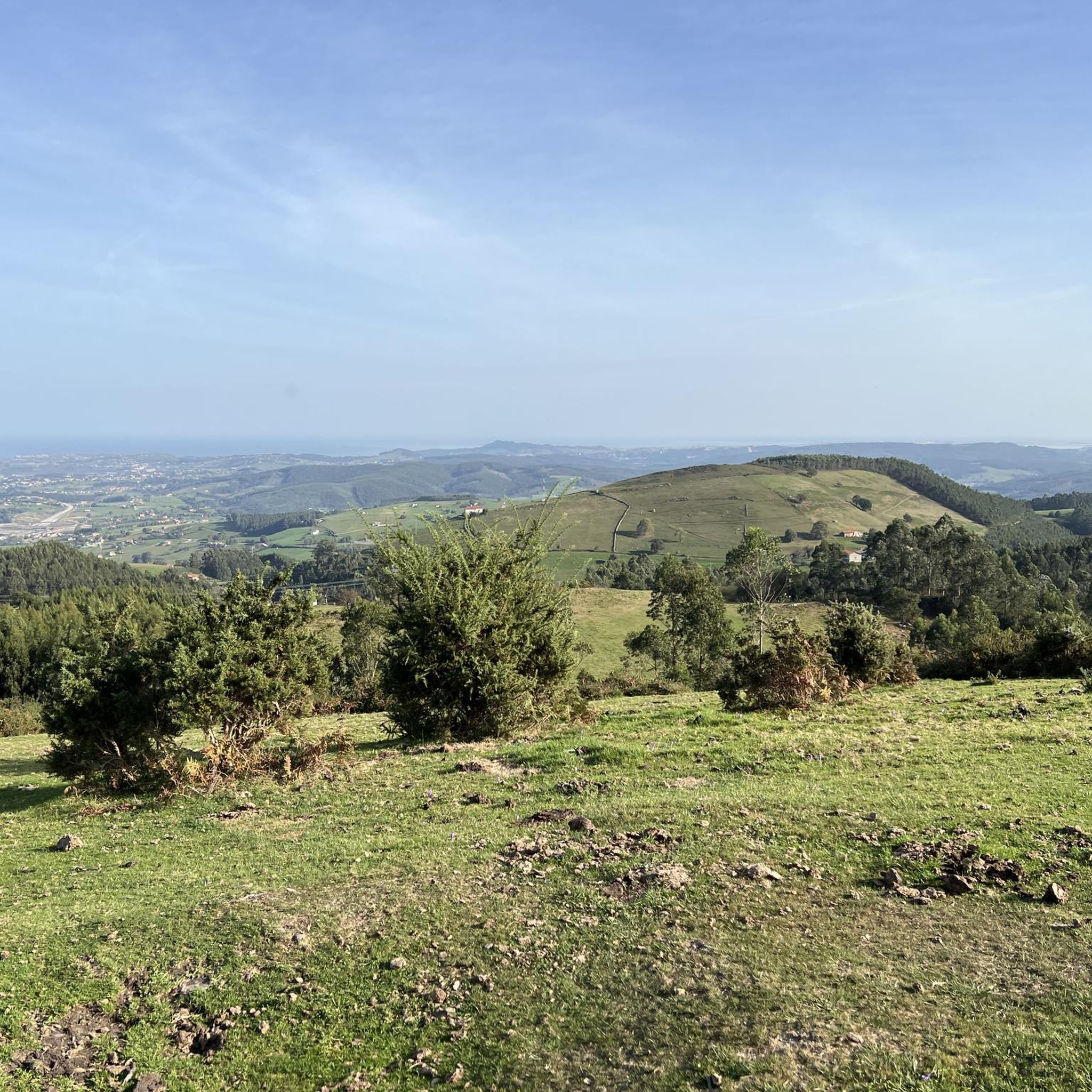
The recreational area of Fuente de las Palomas del Monte Dobra has been rehabilitated a large area with picnic tables to spend the day, around the Fuente de las Palomas, which was actually an old watering hole in which a multitude of amphibians now grow and that was formerly a depression in the land where cattle used to go to drink. Within the recreational area there is also a sink that leads to a cave, which can be visited but taking extreme precautions because if we are not a little prepared it can be dangerous (proper footwear, looking at the time of year to avoid unnecessary slips , suitable age, even a flashlight... those things that always have to be taken into account if we are going to explore these types of places)
2
0

Excellent museum with multilingual exhibits and fascinating reproductions of these famous 30'000 years-old cave paintings. Bikes have to be locked at the parking area, but they have large lockers I the museum for your panniers and other bike bags.
0
0
Frequently Asked Questions
What types of caves can I explore around Cartes?
Around Cartes, you can explore caves with significant historical and archaeological value, including those featuring Paleolithic rock art. There are also natural cave systems and recreational areas with accessible cave entrances.
Are there family-friendly cave attractions in the Cartes region?
Yes, the region offers family-friendly options. The National Museum and Research Center of Altamira is suitable for families, offering insights into early inhabitants and a replica cave. The Fuente de las Palomas Recreation Area also provides facilities and a cave that can be visited with appropriate precautions.
Where can I see ancient cave art near Cartes?
You can see ancient cave art at Cueva La Rasiega, which is part of the Cuevas del Monte Castillo. This site is renowned for its Paleolithic rock art and is a UNESCO World Heritage Site. The National Museum and Research Center of Altamira also features the Neok Cave, a faithful replica designed to preserve ancient paintings.
What is the National Museum and Research Center of Altamira?
The National Museum and Research Center of Altamira is a historical site near the UNESCO World Heritage Altamira Caves. It explores the lives of early inhabitants and features the Neok Cave, a faithful replica of the original cave's ancient paintings. Guided tours are highly recommended, and entry is free on Sundays.
What facilities are available at Fuente de las Palomas Recreation Area?
The Fuente de las Palomas Recreation Area has been rehabilitated and offers picnic tables, making it a pleasant spot to spend the day. Within this area, there's also a sink that leads to a cave, which can be explored with proper precautions and equipment.
What should I know before visiting Cueva La Rasiega?
Cueva La Rasiega is part of the Cuevas del Monte Castillo, a UNESCO World Heritage site known for Paleolithic rock art. Of the four cavities, El Castillo and Las Monedas are open to the public. Tickets can be purchased at cuevas.culturadecantabria.com.
What outdoor activities can I do near the caves around Cartes?
Beyond cave exploration, the Cartes region offers various outdoor activities. You can find numerous road cycling routes, mountain biking trails, and gravel biking options. For more details on routes, explore the Road Cycling Routes around Cartes, MTB Trails around Cartes, and Gravel biking around Cartes guides.
Are there any specific precautions for exploring caves in the Cartes region?
For natural cave entrances, such as the one at Fuente de las Palomas Recreation Area, it's important to take extreme precautions. This includes wearing proper footwear, checking the time of year to avoid slips, ensuring suitable age for participants, and bringing a flashlight. Guided tours at sites like the Altamira Museum are recommended for a safer and more informative experience.
What do visitors appreciate most about the caves around Cartes?
Visitors appreciate the blend of ancient history and natural beauty. The region's caves offer a glimpse into Paleolithic rock art and significant geological features. The komoot community has shared over 70 photos and 9 upvotes, highlighting the unique experiences and historical value found here.
Is there a specific time of year that is best to visit the caves around Cartes?
While specific best times aren't detailed for all caves, for natural cave entrances, it's advisable to consider the time of year to avoid unnecessary slips, especially during wet seasons. Indoor attractions like the National Museum and Research Center of Altamira are accessible year-round.
Can I find guided tours for the caves in Cartes?
Yes, guided tours are highly recommended for sites like the National Museum and Research Center of Altamira to maximize the experience and gain detailed explanations. For the Cuevas del Monte Castillo, which includes Cueva La Rasiega, two caves (El Castillo and Las Monedas) are open to the public, implying structured access.
Most popular attractions around Cartes

Get inspired with the komoot mobile app


Explore more
Extend your search for the best caves by checking out these guides of the top ones around Cartes:
