Top 6 Caves around Bisceglie
Caves around Bisceglie offer a blend of natural formations and significant prehistoric history along the Apulian coast. This coastal town in Puglia, Italy, features caves carved by sea waves and others holding archaeological remains from the Paleolithic period. The region's landscape provides opportunities to explore ancient human habitation sites and picturesque natural features.
Best caves around Bisceglie
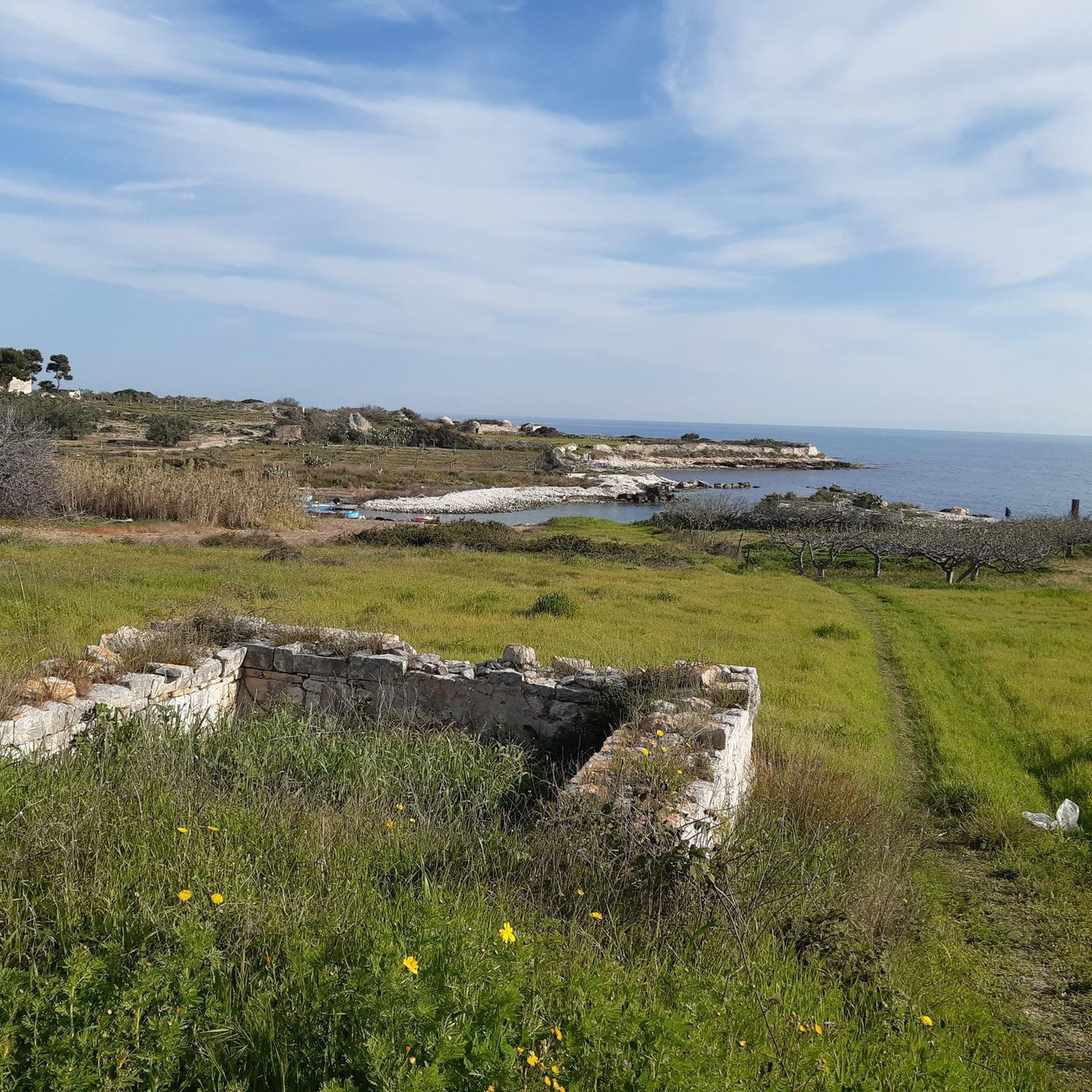
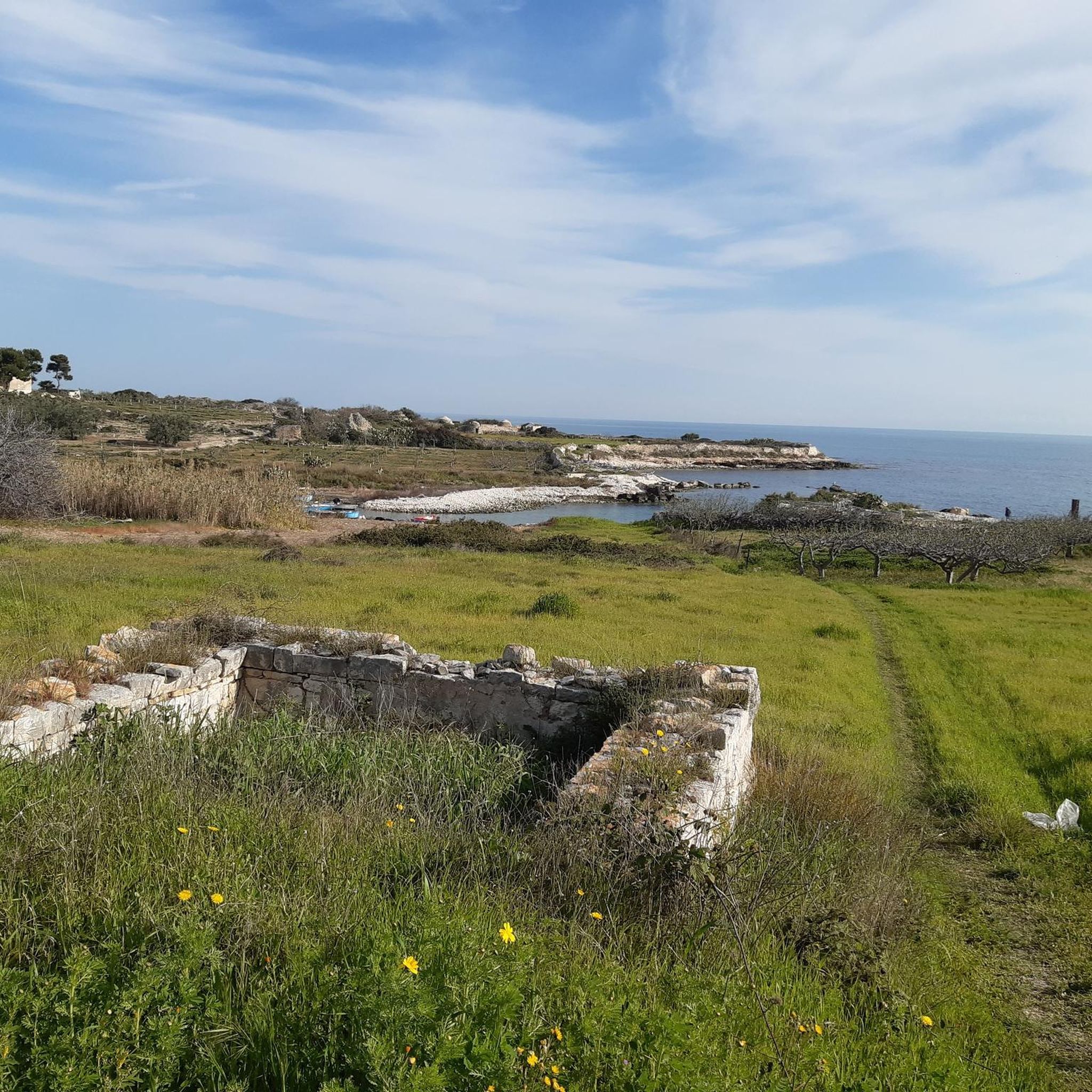
- The most popular caves is The Ripalta Caves, a cave that features various natural caves, some accessible only from the sea. This…
Last updated: October 3, 2026
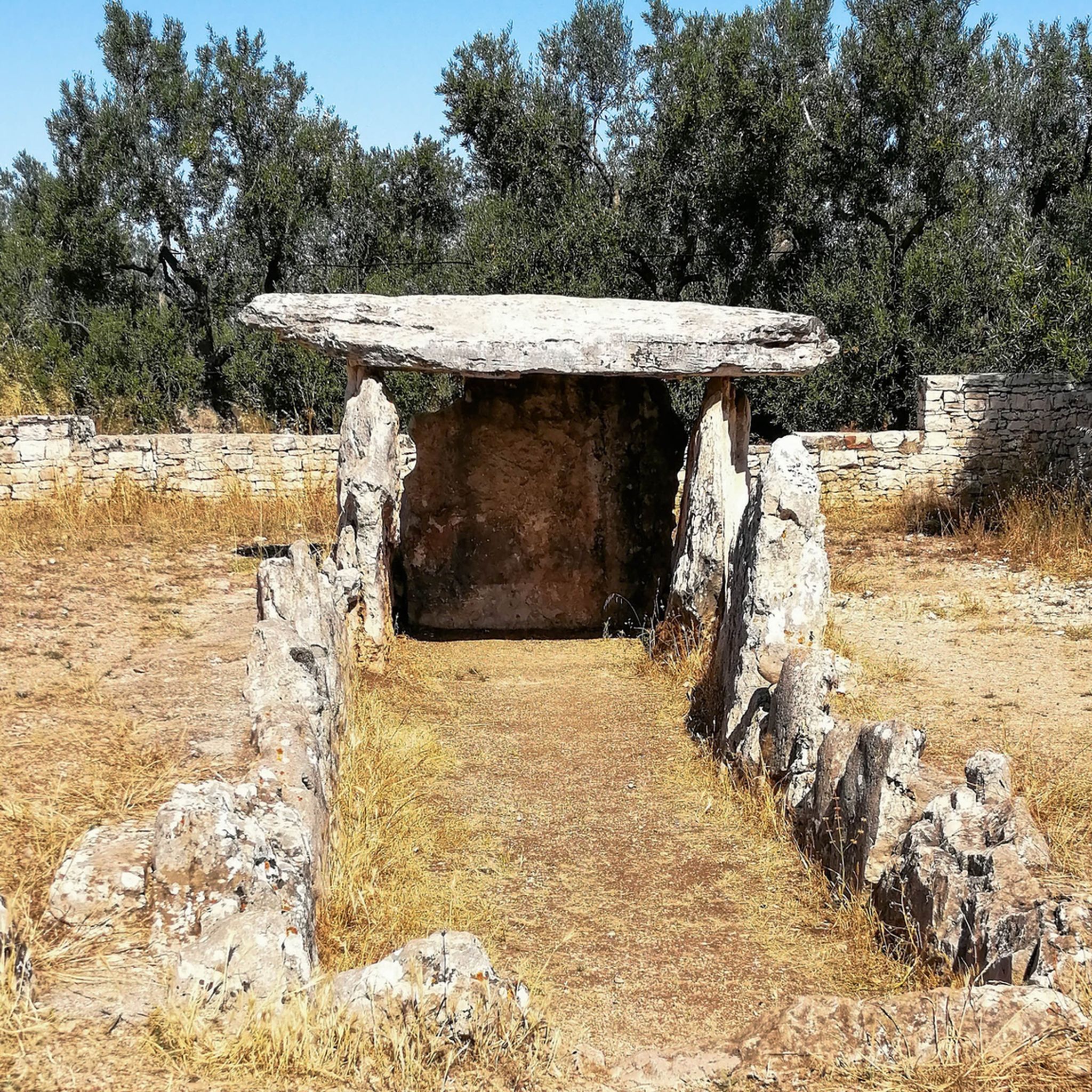
Dolmen of La Chianca
Highlight • Historical Site
Translated by Google •
Tip by

Grotta del Finestrino
Highlight • Cave
Translated by Google •
Tip by

Sign up now to discover places like this
Get recommendations on the best single tracks, peaks, & plenty of other exciting outdoor places.
The Ripalta Caves
Highlight • Cave
Translated by Google •
Tip by

Cave of the Crucifix
Highlight • Cave
Translated by Google •
Tip by

Pulo di Molfetta
Highlight • Natural Monument
Translated by Google •
Tip by
Sign up for free to discover even more caves around Bisceglie.
Already have an account?
Start today with a free account
Your next adventure awaits.

Tips from the Community

Cave with an opening through which you can see outside (window)
0
0

Magical place in the Santa Croce area, to the right of a monumental cross visible from the road
0
0


The indicated position of the Window Cave is incorrect.. the correct position is the one indicated by Google Maps on the same side of the Cross
0
0

The Dolmen la Chianca is a prehistoric megalithic monument, dating back to the Bronze Age and discovered in 1909 near Bisceglie. The dolmen consists of a quadrangular cell, formed by three vertical stone slabs and one horizontal roof, and an open-air corridor. It is always possible to visit it, with a racing bike it is better to walk the last stretch of the path up to the Dolmen.
1
0

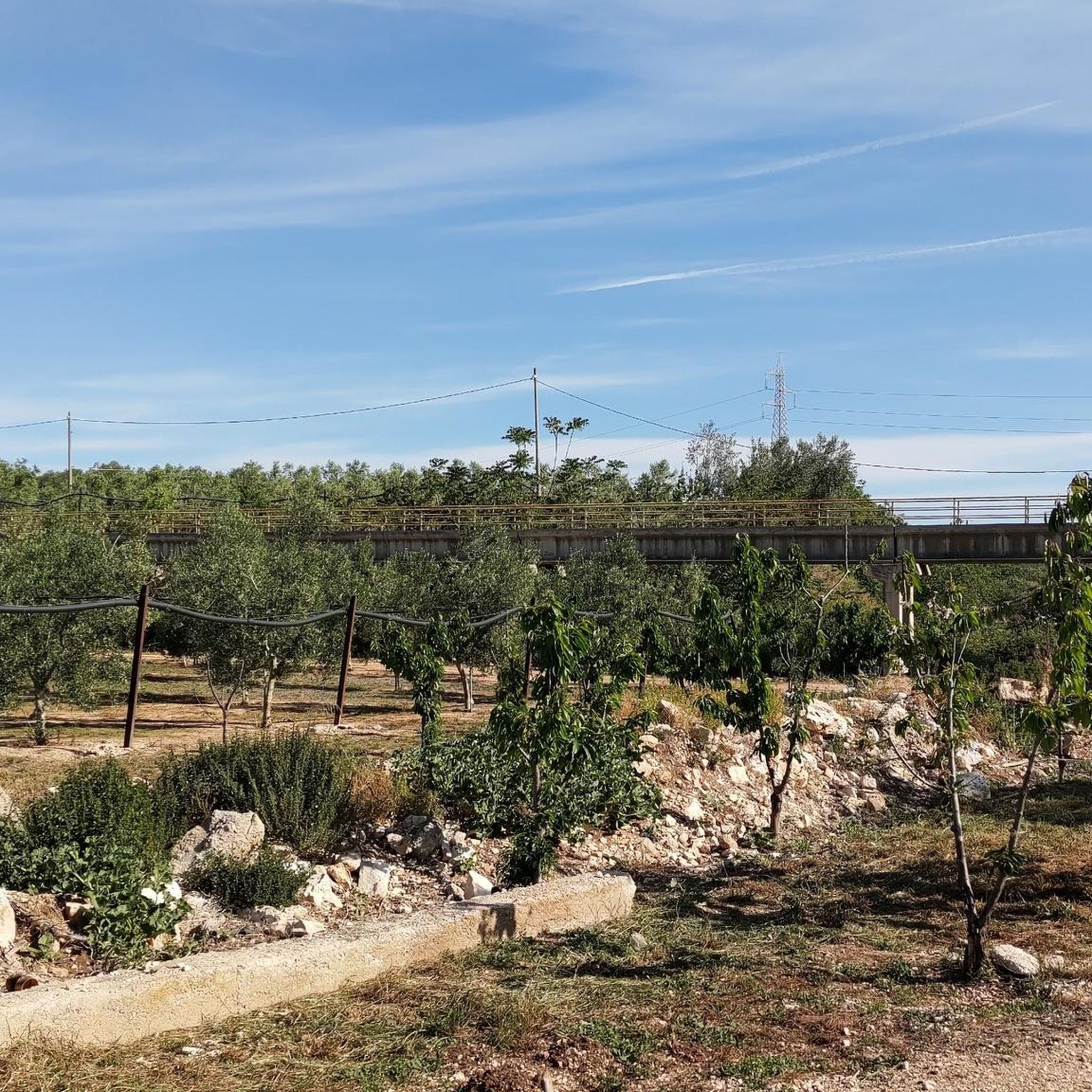
the entrance to the small cave is to the right of the cross, you have to cross the stream by the small bridge further south I recommend applying mosquito repellent
1
0

Considered a rare and precious pearl, the Dolmen of Chianca di Bisceglie is a historical find of inestimable value. Belonging to the Bronze Age, this archaic construction was discovered by archaeologists Samarelli and Mosso in 1909 in the locality (from which it takes its name) la Chianca, in an area not far from Pulo di Molfetta.
3
0

Considered a rare and precious pearl, the Dolmen della Chianca di Bisceglie belongs to the Bronze Age, this archaic construction was discovered in 1909 in the locality (from which it takes its name) the Chianca, in an area not far from the Pulo di Molfetta. The prehistoric megalithic monument consists of a corridor and a cell, about 1 meter and 80 centimeters high and is covered by a stone slab. But what was its function? And what makes this discovery so sensational even after a century? The dolmens, also thanks to their millenary history, represent the testimony of ancient "reusable" burials, so much so that it is thought that some tombs like this may have been used for centuries. It is always possible to visit it at any time because the area is free and there are no access limits. In racing bikes there are only a hundred meters not passable near the monument, nothing particularly worrying.
0
0
Frequently Asked Questions
What kind of natural features can I expect to see in the caves around Bisceglie?
The caves around Bisceglie offer a variety of natural features. You can find formations carved by sea waves, especially along the breathtaking cliffs, as seen at The Ripalta Caves. Other caves, like the Cave of the Crucifix, are natural cavities carved into limestone by water over millennia, often surrounded by ancient carob trees.
Which caves in Bisceglie are significant for their historical or archaeological value?
The region's caves are rich in history. The Dolmen della Chianca and Caves of Santa Croce are particularly significant, containing Neolithic, Paleolithic, and Roman artifacts, and showing evidence of human habitation over several phases. Similarly, Grotta del Finestrino features a Neolithic deposit on its exterior.
Are there any sea caves accessible for exploration near Bisceglie?
Yes, The Ripalta Caves are known for their various natural caves, some of which are accessible only from the sea. This area is also famous for its extraordinary cliffs and the natural phenomenon of pebble beach formation, offering scenic views.
What are some family-friendly options for visiting caves in the Bisceglie area?
For a family-friendly experience, consider guided tours that explore the historical and natural aspects of the caves, such as those offered for the Santa Croce Caves. While specific 'family-friendly' categories aren't listed for all caves, the educational aspect of the archaeological sites can be engaging for older children. For a broader experience, the nearby Castellana Caves offer well-organized public tours suitable for families.
What is the best time of year to visit the caves around Bisceglie?
The caves around Bisceglie can generally be visited year-round. However, for comfortable exploration, especially if combining with outdoor activities, spring (April-June) and autumn (September-October) offer pleasant temperatures. Summer can be warm, but the caves provide a cool escape. Always check specific opening hours, as some sites might have seasonal variations.
Are there any major cave systems near Bisceglie that are suitable for a day trip?
Absolutely. The Castellana Caves, located about 60 minutes southeast of Bisceglie, are a world-renowned natural wonder. They are one of Italy's largest and most spectacular cave systems, featuring vast chambers, stunning stalactites, and stalagmites, including the famous 'White Cave.' They offer guided public tours and a speleological museum.
What kind of outdoor activities can I do near the caves in Bisceglie?
The area around Bisceglie offers various outdoor activities. You can find numerous routes for road cycling, running, and gravel biking. For example, you can explore Road Cycling Routes around Bisceglie, Running Trails around Bisceglie, or Gravel biking around Bisceglie, which often pass by natural landmarks and offer diverse terrain.
What should I wear when visiting caves in the Bisceglie area?
When visiting caves, it's advisable to wear comfortable clothing and sturdy, closed-toe shoes, as paths can be uneven or damp. Even on a warm day, cave interiors maintain a cooler, constant temperature, so a light jacket or long-sleeved shirt is recommended. For archaeological sites, be prepared for walking and potentially some climbing.
Are there any caves in the Bisceglie area that are particularly challenging to access?
Yes, some caves present more challenging access. The Cave of the Crucifix is described as 'very hidden' and requires pushing a mountain bike in approach, with a singletrack full of vegetation and steep sections. Always check the difficulty ratings and tips for individual highlights before attempting to visit.
Can I find any hidden or less-known caves around Bisceglie?
While the main caves are well-documented, the region's karst landscape means there are many natural cavities. The Cave of the Crucifix is noted as being 'very hidden' and immersed in nature, suggesting it offers a more secluded exploration experience for those willing to navigate challenging terrain.
What do visitors enjoy most about the caves around Bisceglie?
Visitors frequently express enchantment with the natural beauty and historical depth. For instance, The Ripalta Caves are described as a 'magical place' where one is 'enchanted every time.' The blend of sea-carved formations and the rich archaeological findings, particularly at sites like the Dolmen della Chianca and Caves of Santa Croce, offers a unique experience connecting with ancient history.
Are there any specific permits or entry requirements for visiting the caves in Bisceglie?
For some archaeological sites like the Santa Croce Caves, especially if part of a guided tour, there might be specific entry procedures or fees. For natural, less developed caves, access might be unrestricted but could require caution due to terrain. It's always best to check local information or tour operator details for any specific permit or entry requirements before your visit.
Most popular routes around Bisceglie
Most popular attractions around Bisceglie

Get inspired with the komoot mobile app


