The best road cycling routes around Bisceglie
4.6
(156)
3,606
riders
50
rides
Road cycling around Bisceglie offers diverse landscapes, combining coastal scenery with inland rural charm. The region features routes along the Adriatic Sea, providing views of the coastline and connecting to towns like Trani and Giovinazzo. Moving inland, cyclists encounter serene areas characterized by ancient olive groves and vineyards. The proximity to the Murgia Plateau also provides opportunities for rides with more significant elevation changes.
Best road cycling routes around Bisceglie
- The most popular road cycling route is Ruvo di Puglia,…
Last updated: October 10, 2026
4
riders
119km
05:02
810m
810m
Hard road ride. Very good fitness required. Mostly well-paved surfaces and easy to ride.
4.7
(10)
84
riders
49.2km
01:58
170m
170m
Easy road ride. Great for any fitness level. Mostly well-paved surfaces and easy to ride.

65
riders
43.9km
01:50
290m
290m
Easy road ride. Great for any fitness level. Mostly well-paved surfaces and easy to ride.
3.8
(17)
98
riders
80.5km
03:19
260m
260m
Moderate road ride. Good fitness required. Mostly well-paved surfaces and easy to ride.
5.0
(2)
40
riders
87.8km
03:48
750m
750m
Moderate road ride. Good fitness required. Some segments of this route may be unpaved and difficult to ride.
Get access to more routes and recommendations from other explorers.
Already have an account?
Our route recommendations are based on thousands of hikes, rides, and runs completed by other people on komoot.
Start today with a free account
Your next adventure awaits.

Tips from the Community


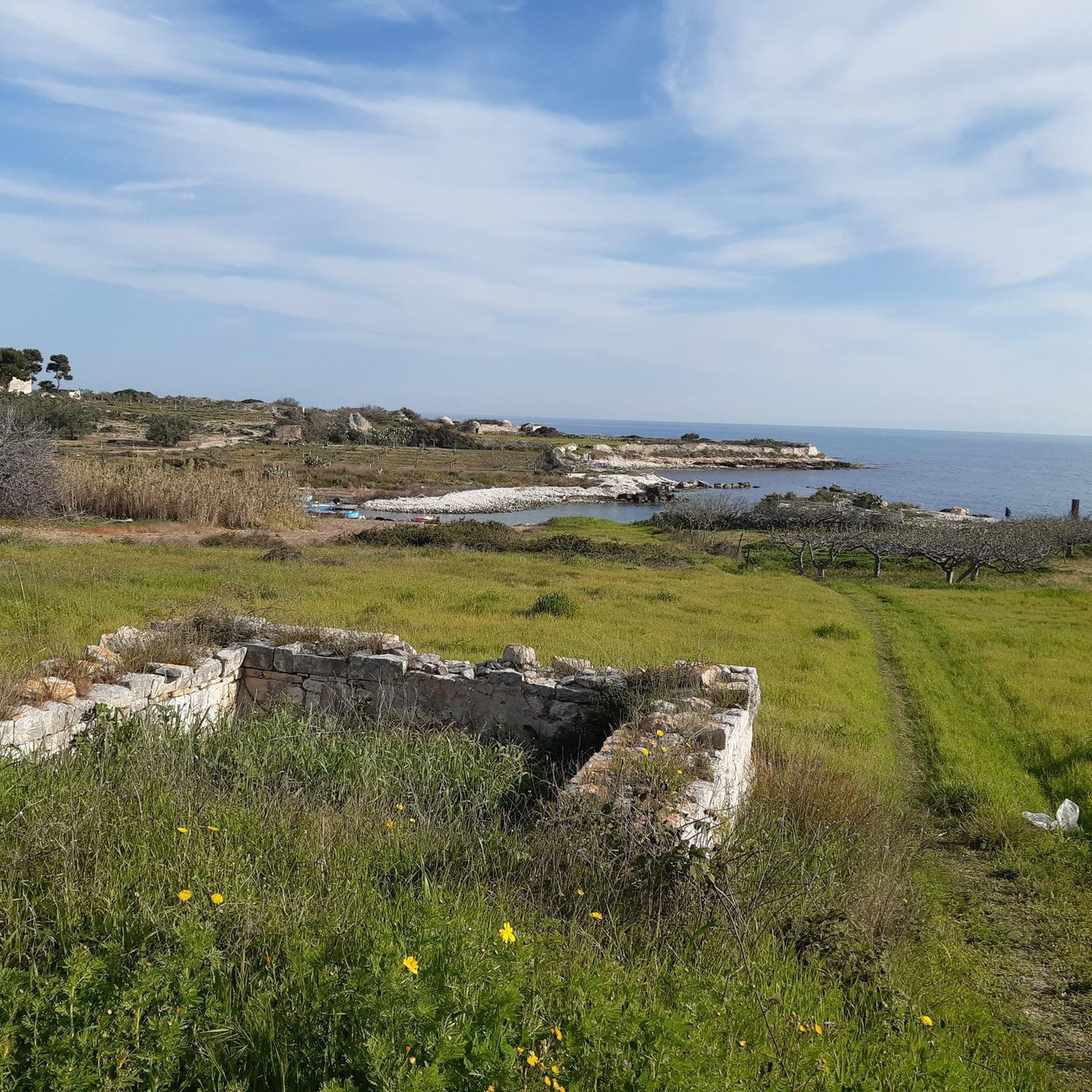
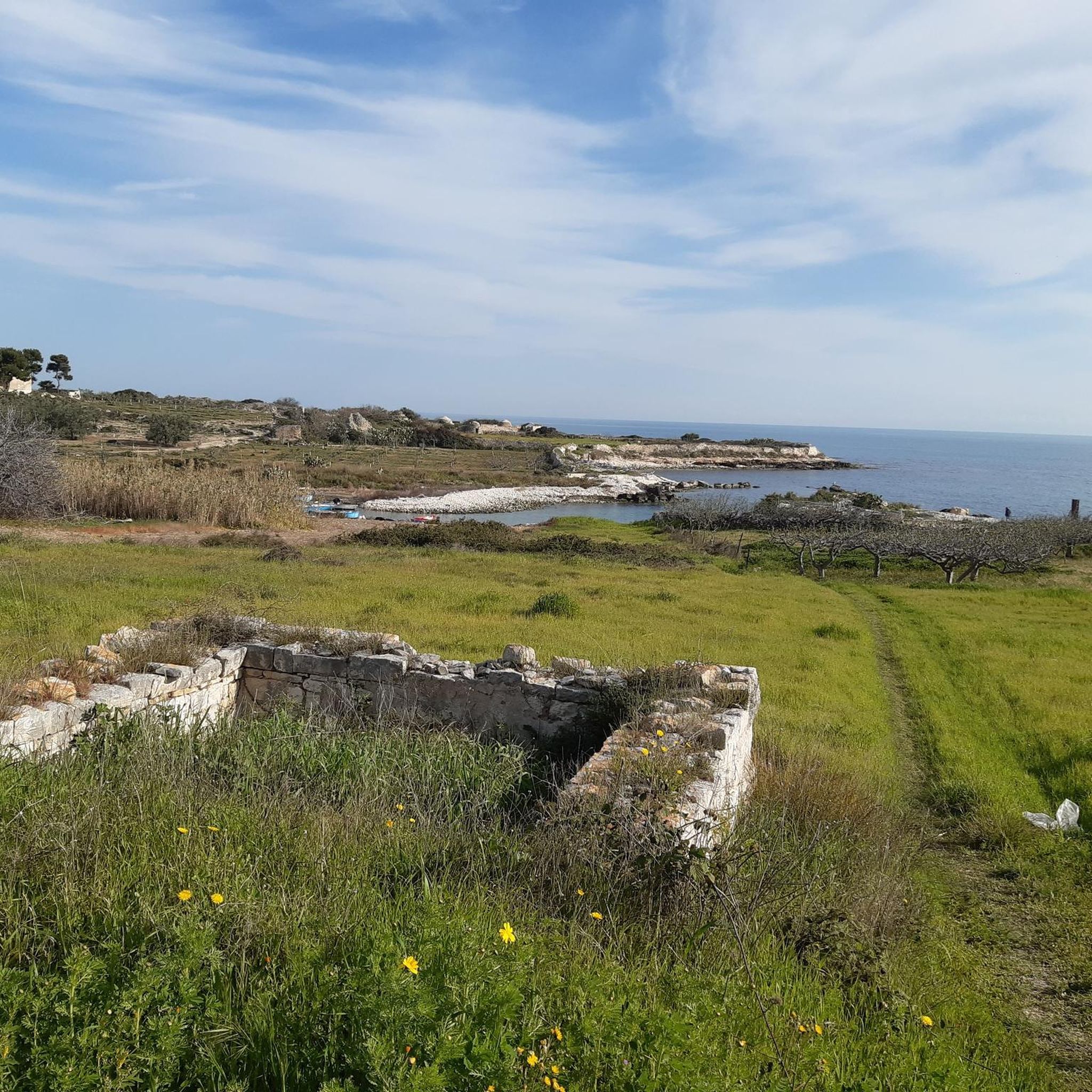
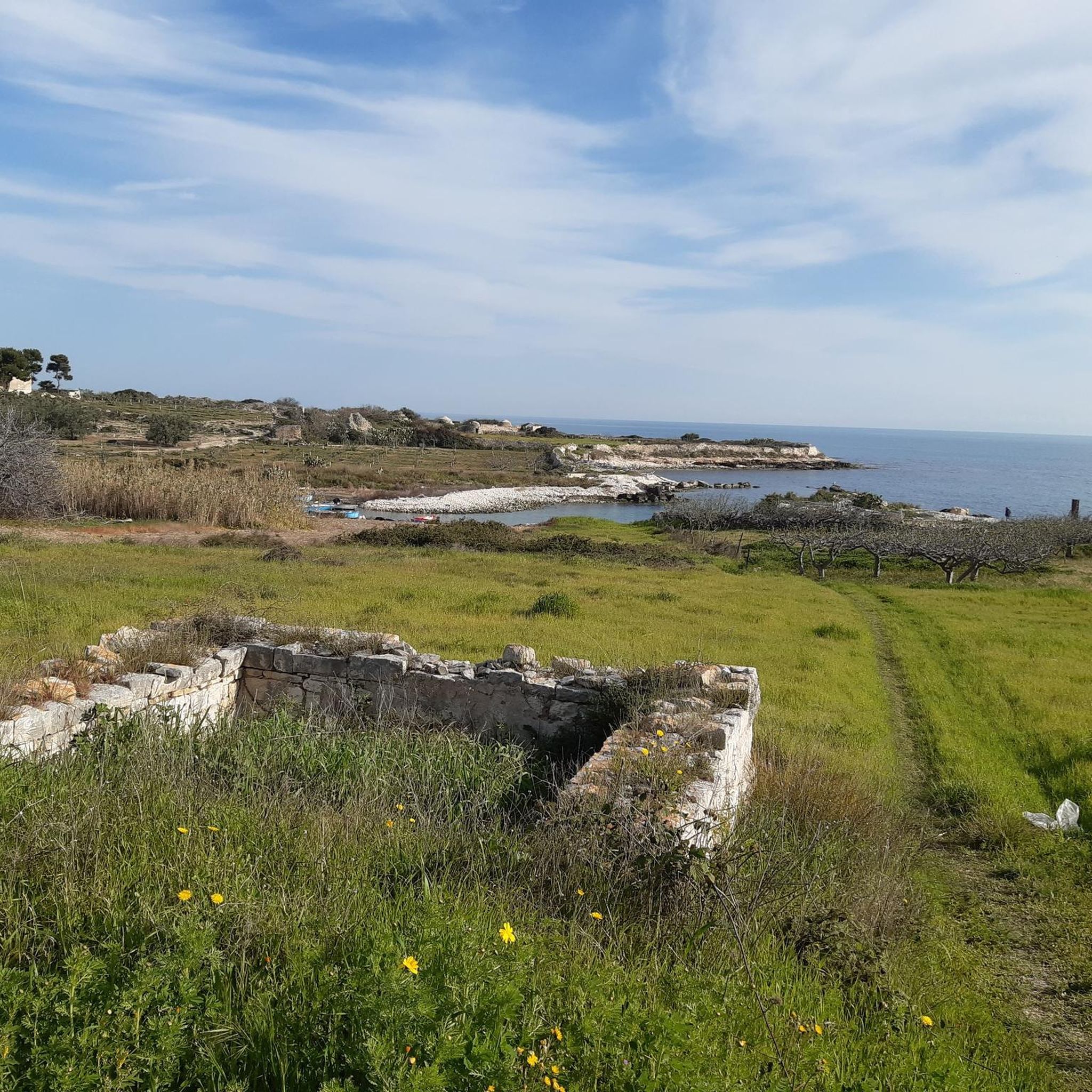
A picturesque passage along the Apulian Aqueduct cycle path, carved into the rocks.
0
0


Party these days, May 6 to 9! Procession tours with lots of musical accompaniment through the alleys, very impressive sound!! The sacred image: Nicholas is carried to the sea and placed on a boat. The patron saint of Bari, Fireworks with all the trimmings
7
0

The Basilica of San Nicola (Basilica of Saint Nicholas of Myra) is a church in Bari in southern Italy with the title of a papal basilica. The church was built between 1087 and 1106 to house the relics of the saint brought from Myra to Bari, and is still an important pilgrimage destination for Roman Catholics and Orthodox Christians. The basilica was the first church of its kind in Apulia and served as a model for many later religious buildings in the region. The basilica was built between 1087 and 1197 during the Norman rule in Apulia. The foundation of the church dates back to the theft of some of the relics of Saint Nicholas by sailors from Bari from the original shrine in the Church of Saint Nicholas in Demre in modern-day Turkey. This happened against the resistance of the Orthodox monks, ostensibly to protect them from capture by the Seljuks. After disputes with Venice over the relics, Bari prevailed, and the relics were transferred to Bari on May 9, 1087, where a new church was built to house them between 1087 and 1106. The crypt was consecrated in 1089 in the presence of Pope Urban II. Elias, abbot of the nearby Benedictine abbey, where the relics were temporarily kept, was appointed the first bishop. His cathedra is still in the church today. The final consecration took place in 1197 in the presence of the Imperial Chancellor Konrad von Querfurt and a number of bishops and dignitaries. The church is entrusted to the Dominicans; in the crypt there are facilities for services in the Roman and Byzantine rites: the main altar above the relic tomb and the left side altar with an iconostasis. The tomb of Saint Nicholas is highly revered in Orthodoxy and there is a large pilgrimage movement. https://de.wikipedia.org/wiki/Basilika_San_Nicola
9
1

Saint Nicholas, Bishop of Myra, whose remains have found their final resting place here in Bari, is - alongside Saint Martin - one of the most popular saints of all. His memorial day, December 6th, is probably known to almost every child in many European countries. On the eve of this day, children used to put their shoes or boots - which had of course been carefully polished - in front of the door so that Saint Nicholas could fill them with gifts during the night. In more agricultural areas, it was also customary for children to put out a small gift of food for the donkey, Saint Nicholas's mount (according to another tradition, it was a white horse).
9
1

I suggest a private tour with the agency www.baritours.it
4
0
Frequently Asked Questions
How many road cycling routes are available around Bisceglie?
There are over 50 road cycling routes available around Bisceglie, catering to various preferences and skill levels. These routes are highly rated by the komoot community, with an average score of 4.3 stars.
What kind of terrain can I expect on road cycling routes near Bisceglie?
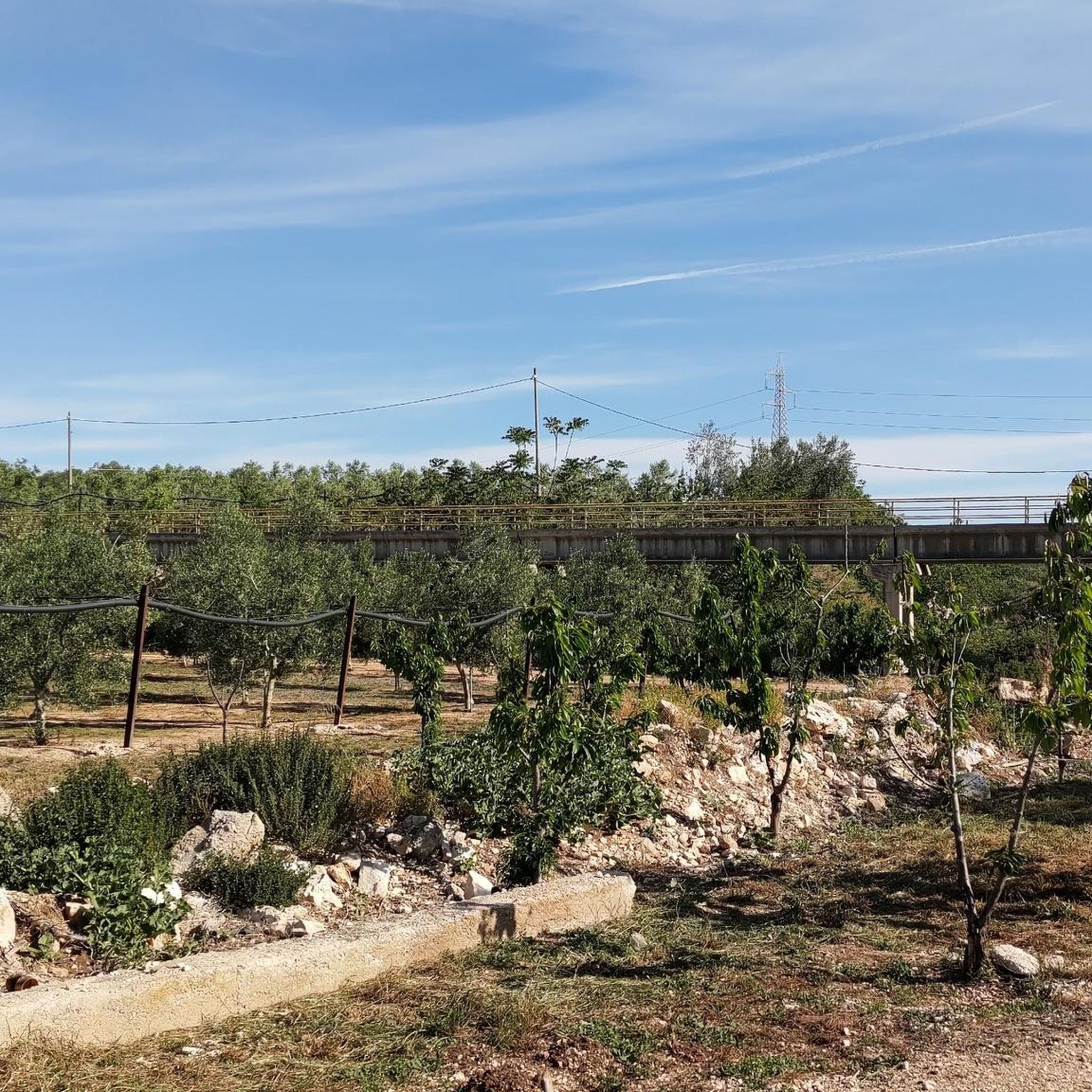
Road cycling routes around Bisceglie offer diverse terrain. You'll find coastal paths with splendid sea views, serene rural areas characterized by ancient olive groves and vineyards, and for those seeking more varied terrain, the proximity to the Murgia Plateau provides opportunities for rides with more significant elevation changes.
Are there routes suitable for beginners or those looking for an easy ride?
Yes, Bisceglie offers several easy road cycling routes. For instance, the Sea and Olive Trees – Bisceglie Swabian Castle loop from Bisceglie is an easy 23.2-mile (37.3 km) trail that takes you through coastal areas and olive groves, perfect for a relaxed ride.
Where can I find more challenging road cycling routes with significant climbs?
For more challenging rides with significant elevation changes, explore routes that venture towards the Murgia Plateau. A difficult route like Ruvo di Puglia, Grumo Appula e Bitonto – Parco Nazionale dell'Alta Murgia – giro ad anello da Bisceglie, covering 74.1 miles (119.3 km) with over 800 meters of ascent, traverses this hilly area.
What are some notable landmarks or natural features I can see while cycling in Bisceglie?
While cycling, you can encounter various points of interest. Coastal routes often pass through picturesque towns like Trani, where you can admire the famous Trani Cathedral. Inland, you might discover historical sites such as the Casale di Zappino or the ancient Dolmen Frisari. The Torre Calderina, overlooking the Adriatic Sea, is also a beautiful natural attraction within a birdlife protected area.
Can I find routes that take me through the famous olive groves and vineyards?
Absolutely. Many routes transition from the coast to the serene, rural areas characterized by ancient olive groves and vineyards. The Ruvo di Puglia – Ruvo di Puglia loop from Bisceglie is a moderate 55.4-mile (89.2 km) path that leads through these beautiful agricultural landscapes.
What is the best time of year to go road cycling in Bisceglie?
Puglia generally offers a long cycling season. Spring and autumn are often ideal, providing pleasant temperatures for exploring both the coastal and inland routes. Summers can be hot, especially for longer rides, while winters are typically mild, allowing for cycling, though some coastal winds might be present.
Are there family-friendly road cycling options in the Bisceglie area?
Yes, the region offers easy, mostly paved routes suitable for families. The coastal paths, such as the 'Bisceglie Coastal Bike Path,' are generally flat and offer splendid sea views, making them perfect for riders of all skill levels, including families.
Are there any circular road cycling routes starting from Bisceglie?
Many road cycling routes around Bisceglie are designed as loops, allowing you to start and finish in the same location. Examples include the Sea and Olive Trees – Bisceglie Swabian Castle loop from Bisceglie and the Ruvo di Puglia – Ruvo di Puglia loop from Bisceglie.
What do other cyclists say about the road cycling experience in Bisceglie?
The road cycling experience in Bisceglie is highly rated by the komoot community, with an average score of 4.3 stars from over 29 reviews. Cyclists often praise the diverse landscapes, from the Adriatic coastline to the ancient olive groves, and the variety of routes suitable for different fitness levels.
Are there options for longer distance road cycling tours from Bisceglie?
Yes, Bisceglie serves as an excellent starting point for longer distance road cycling tours. Routes extending towards the Murgia Plateau, such as Ruvo di Puglia, Grumo Appula e Bitonto – Parco Nazionale dell'Alta Murgia – giro ad anello da Bisceglie, can be part of more extensive tours, potentially reaching destinations like Castel del Monte or even Matera, offering a comprehensive exploration of Puglia's diverse landscapes.
Are there any historical sites or cultural points of interest accessible by road bike?
The region is rich in history, and many cycling routes can lead to ancient sites. Beyond the Trani Cathedral, you can cycle to locations like the Porta del Pace (Pisciniello Arch) on the Via Appia Traiana or the prehistoric Dolmen Frisari, allowing you to combine your ride with cultural exploration.
Where can I find parking for road cycling routes in Bisceglie?
While specific parking areas for cyclists are not detailed, Bisceglie is a town with various public parking options. It's advisable to look for parking near the start points of your chosen routes, especially in less congested areas or designated parking lots within the town.
Are there cafes or places to stop for refreshments along the routes?
Yes, many routes pass through or near charming coastal towns and rural villages where you can find cafes, restaurants, and local shops. These provide excellent opportunities to stop for refreshments, sample local cuisine, or simply take a break and enjoy the scenery. The region's focus on cycle tourism means many establishments are welcoming to cyclists.
Most popular attractions around Bisceglie

Get inspired with the komoot mobile app


Explore more
Browse the best Road cycling routes in other regions.
