Top 12 Caves in the Scandinavian Mountains
Caves in the Scandinavian Mountains offer diverse subterranean experiences, from ancient sea caves to extensive karst systems. This region, spanning Norway and parts of Sweden, features geological formations shaped by glacial activity and water erosion over millennia. The caves provide insights into natural history, archaeological significance, and unique geological processes. Visitors can explore various cave types, including those with underground waterfalls and historical human habitation.
Best caves in the Scandinavian Mountains
- The most popular caves is Torghatten Cave, a…
Last updated: May 15, 2026
Torghatten Cave
Highlight • Cave
Translated by Google •
Tip by

Korallgrottan Cave Entrance and Waterfall
Highlight • Cave
Translated by Google •
Tip by

Sign up now to discover places like this
Get recommendations on the best single tracks, peaks, & plenty of other exciting outdoor places.
Sign up for free
Path to Korallgrottan
Highlight (Segment) • Trail
Translated by Google •
Tip by
Prehistoric Cave Dwellings of Brønnøysund
Highlight • Cave
Translated by Google •
Tip by

Rock Shelter Grill Spot with Sea View
Highlight • Cave
Translated by Google •
Tip by

Trollkirka Caves and Waterfalls
Highlight • Cave
Translated by Google •
Tip by

Torghatten Cave — East Ascent
Highlight • Trail
Turn around every now and then and take in the view of the sea.
Translated by Google •
Tip by

Grønligrotta Marble Cave & Waterfalls
Highlight • Cave
Translated by Google •
Tip by
Forsvatnet Cave
Highlight • Cave
Translated by Google •
Tip by

Sagelva Cave
Highlight • Cave
Translated by Google •
Tip by

Sign up for free to discover even more caves in the Scandinavian Mountains.
Sign up for free
Already have an account?
Start today with a free account
Your next adventure awaits.
Login or Signup
Popular around Scandinavian Mountains
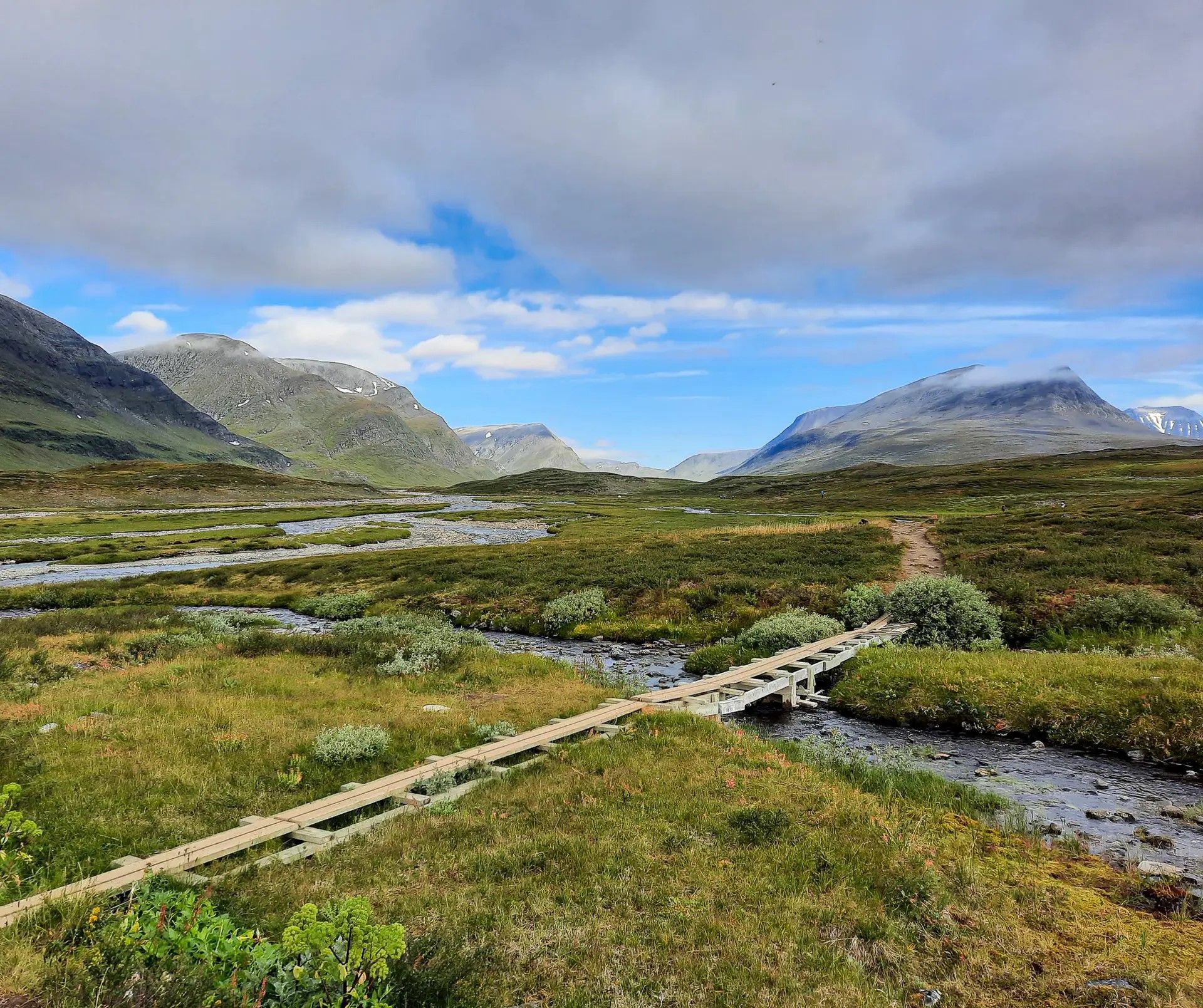
Kungsleden – In seven stages from Abisko to Nikkaluokta
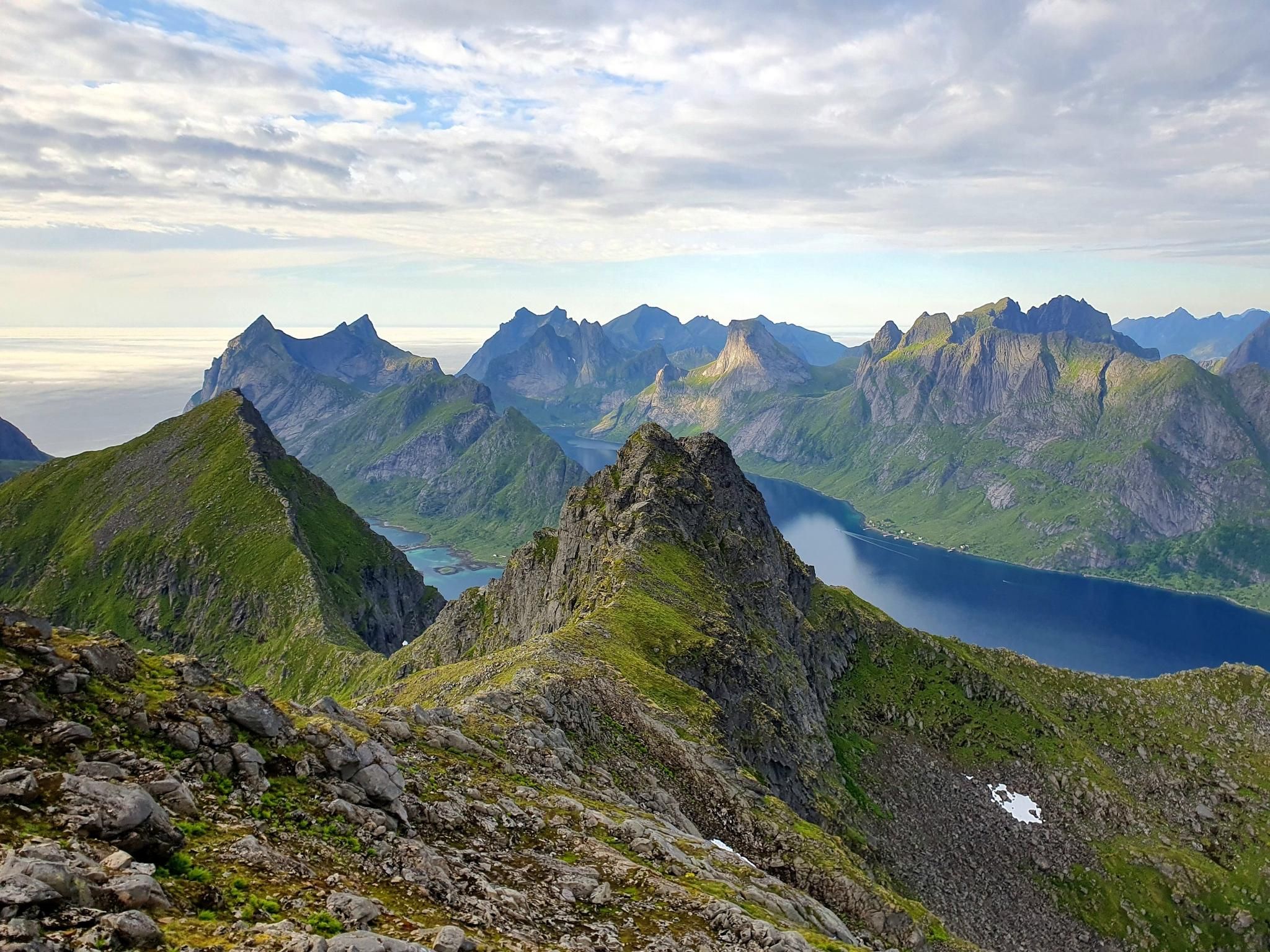
Lofoten Long Crossing – Traverse Norway's most spectacular islands
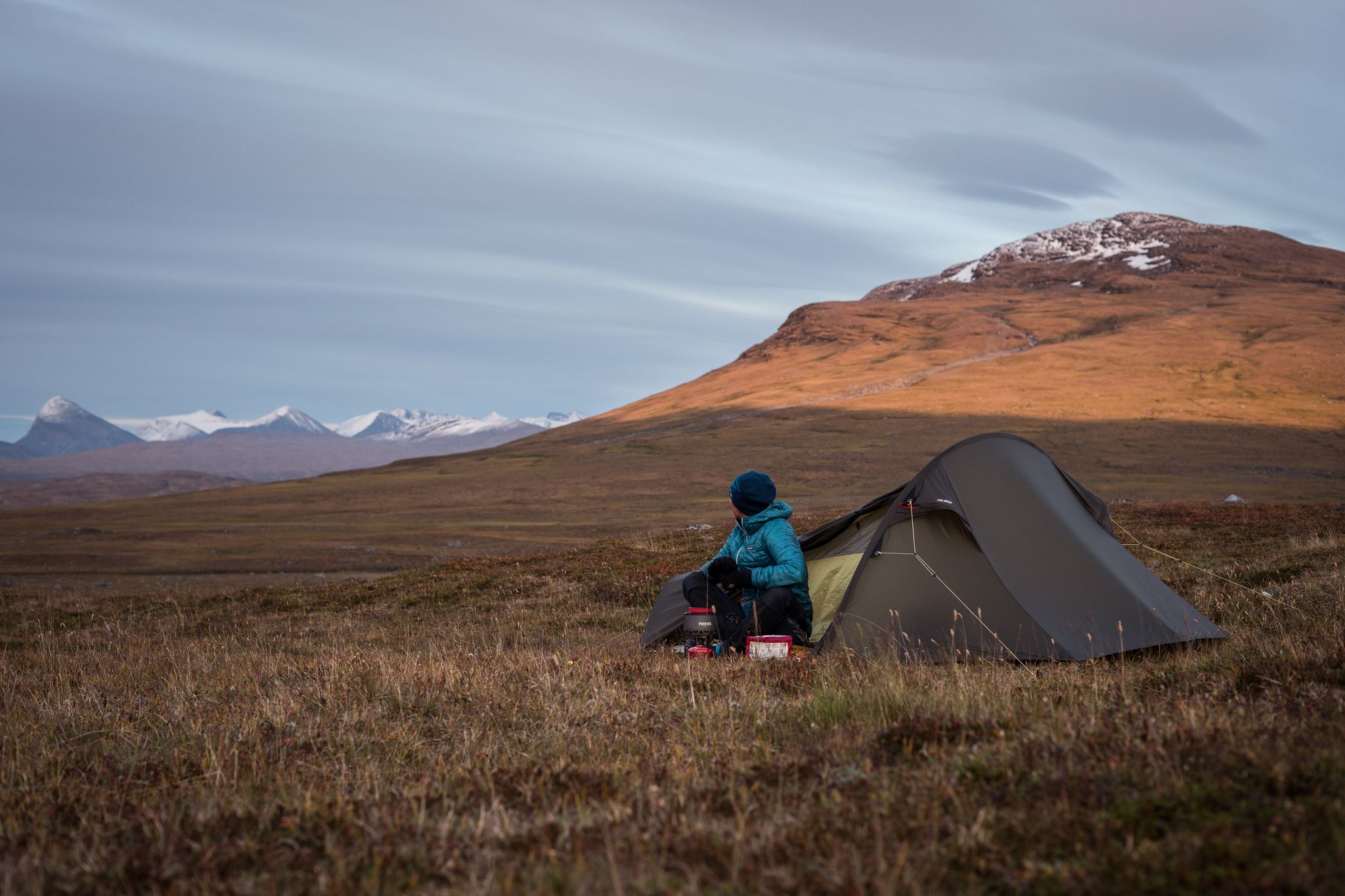
The Nordkalottleden — At the edges of the polar circle
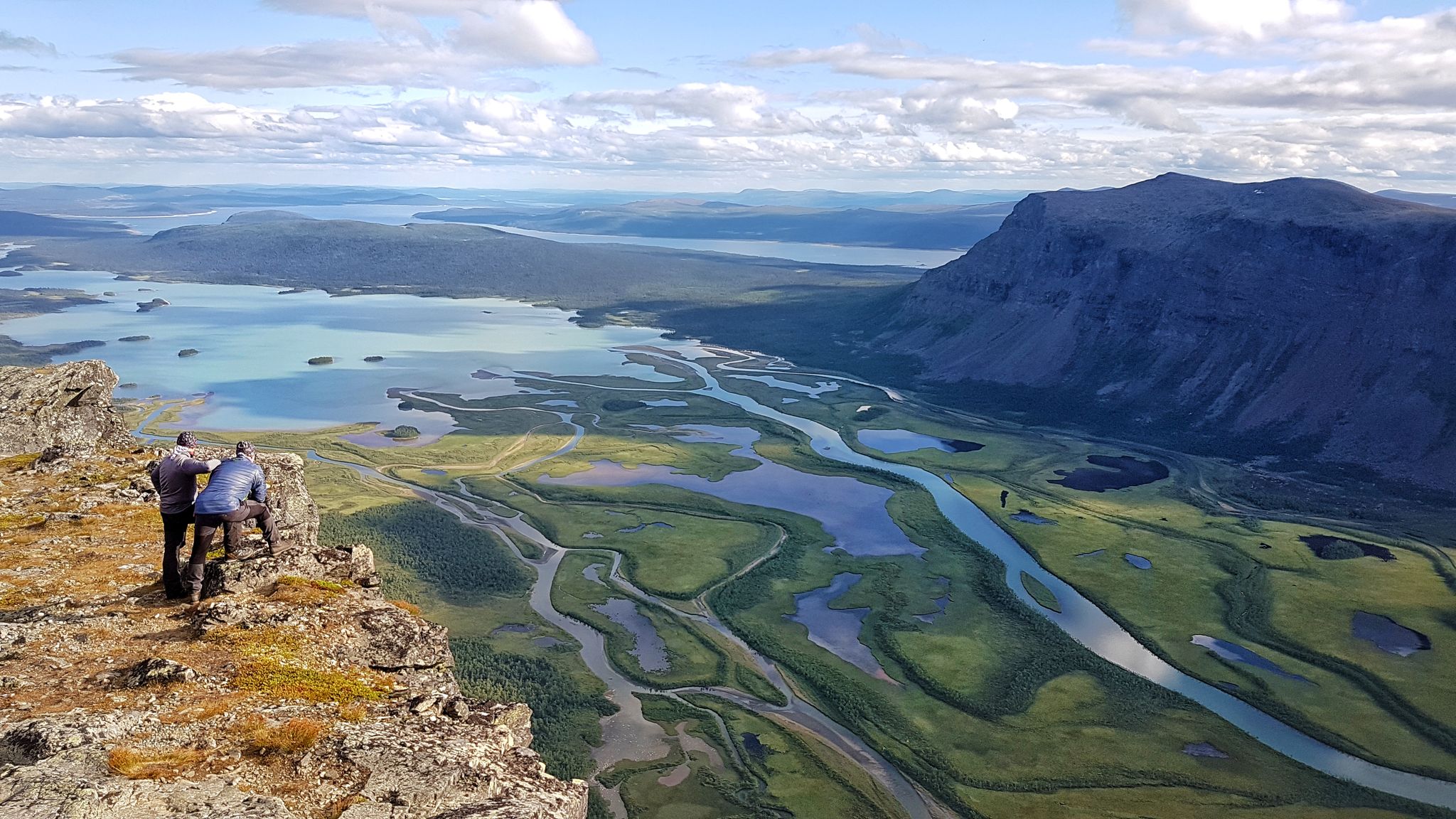
Kungsleden – On the road to the kings of Sweden
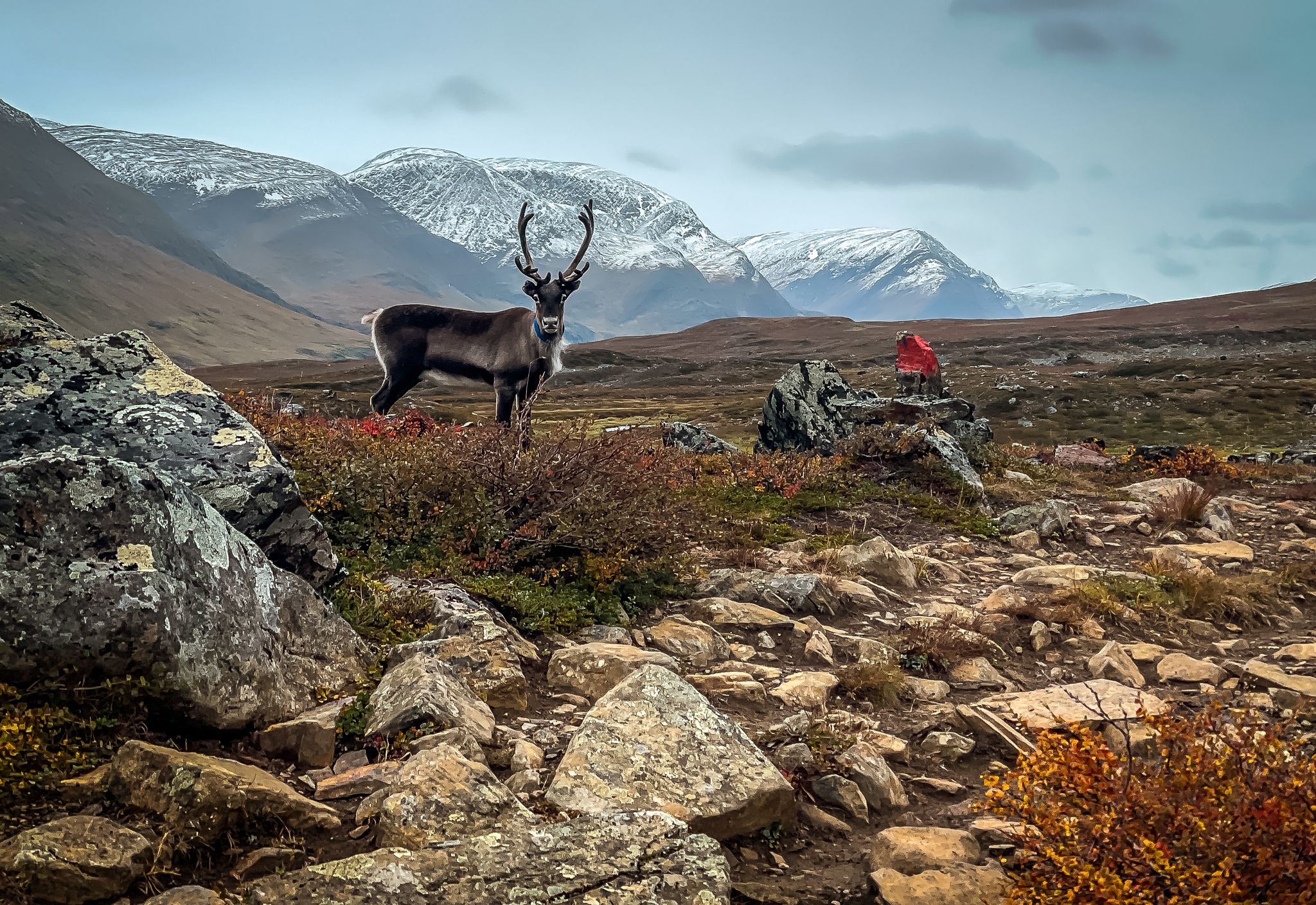
Kungsleden — Trekking in Swedish Lapland
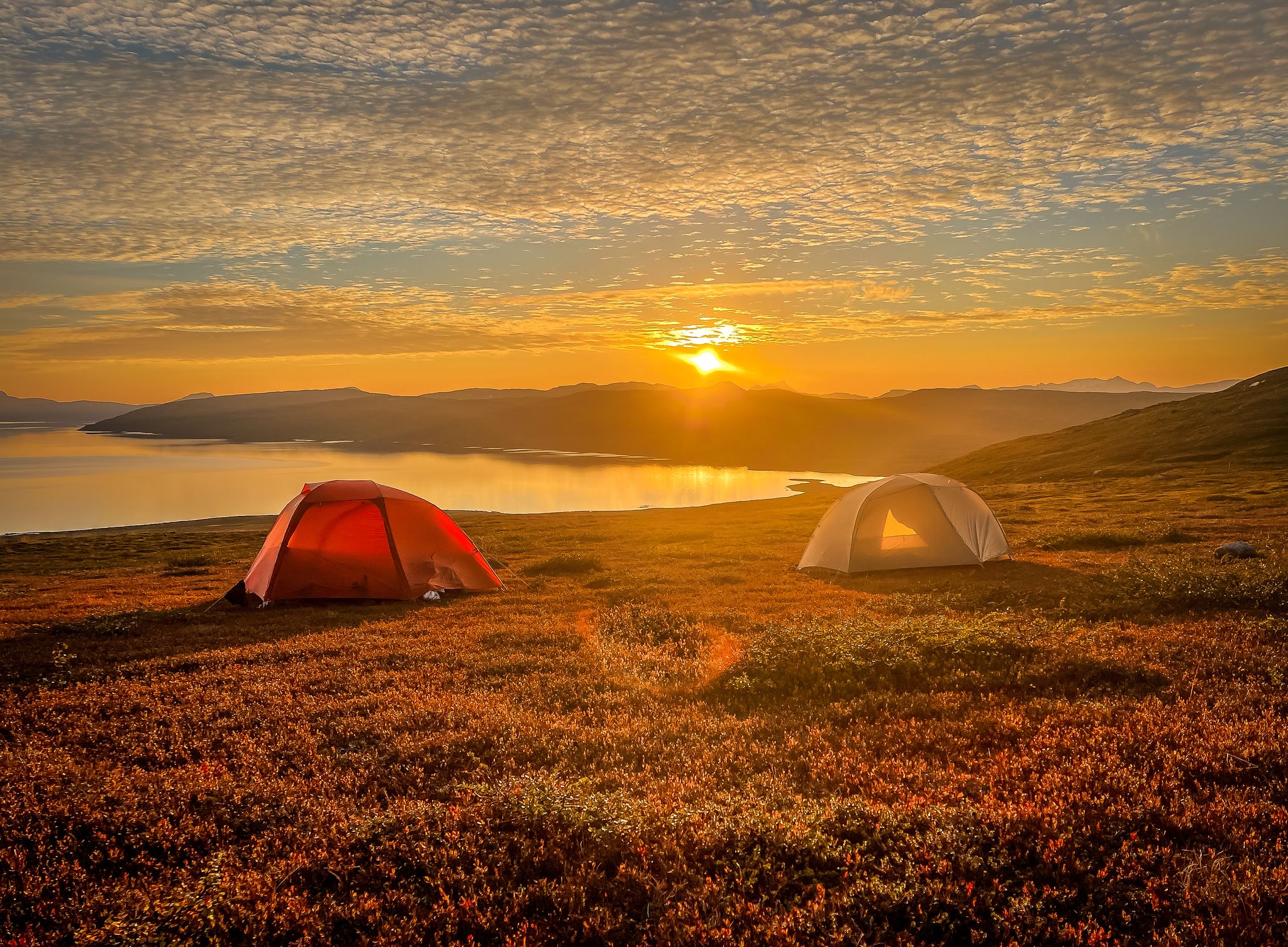
🥾 Padjelantaleden 🇸🇪 — a beginner's hike through Swedish Lapland
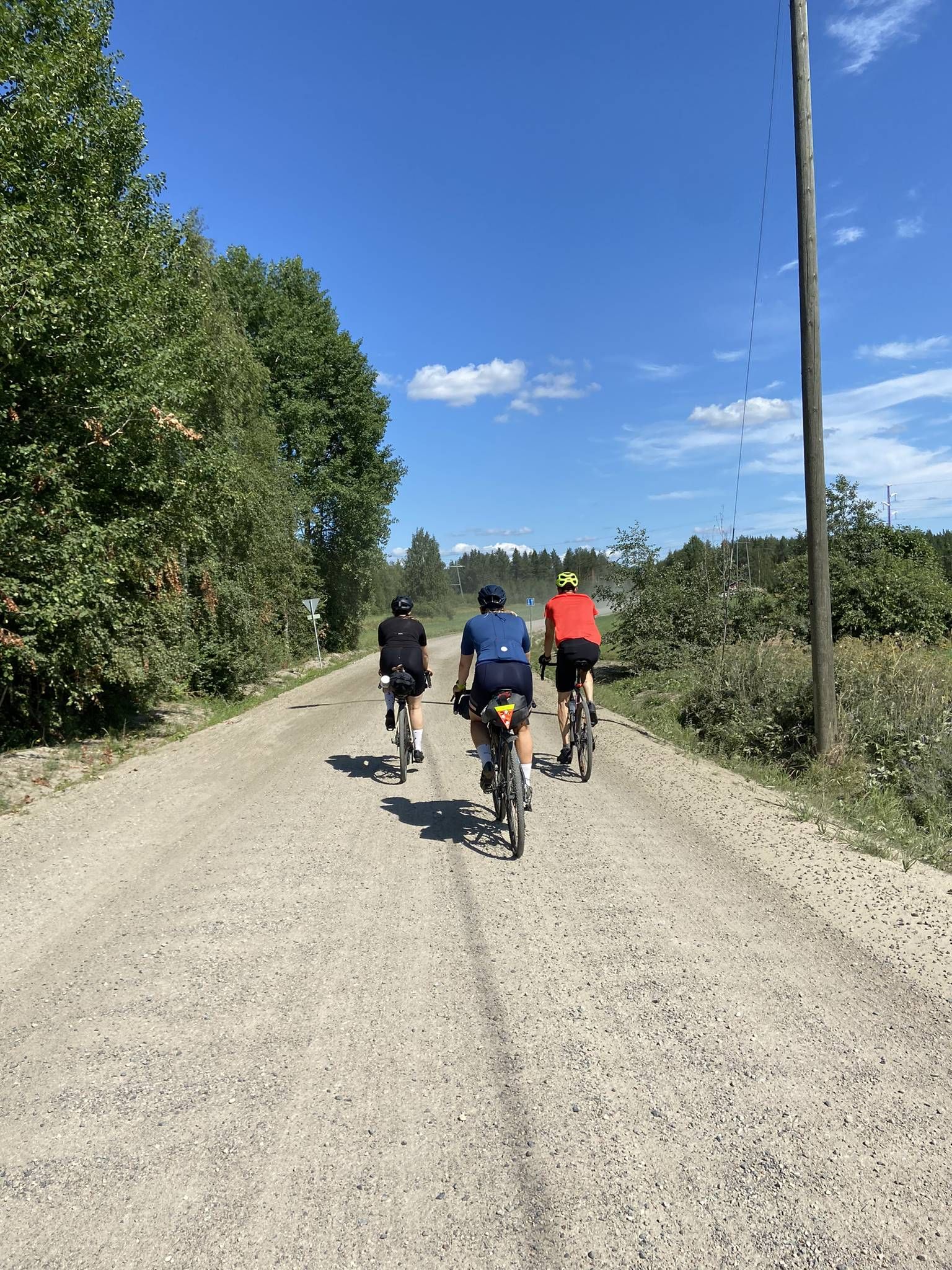
Naples to North Cape — Two friends, one purpose and many scoops of ice-cream
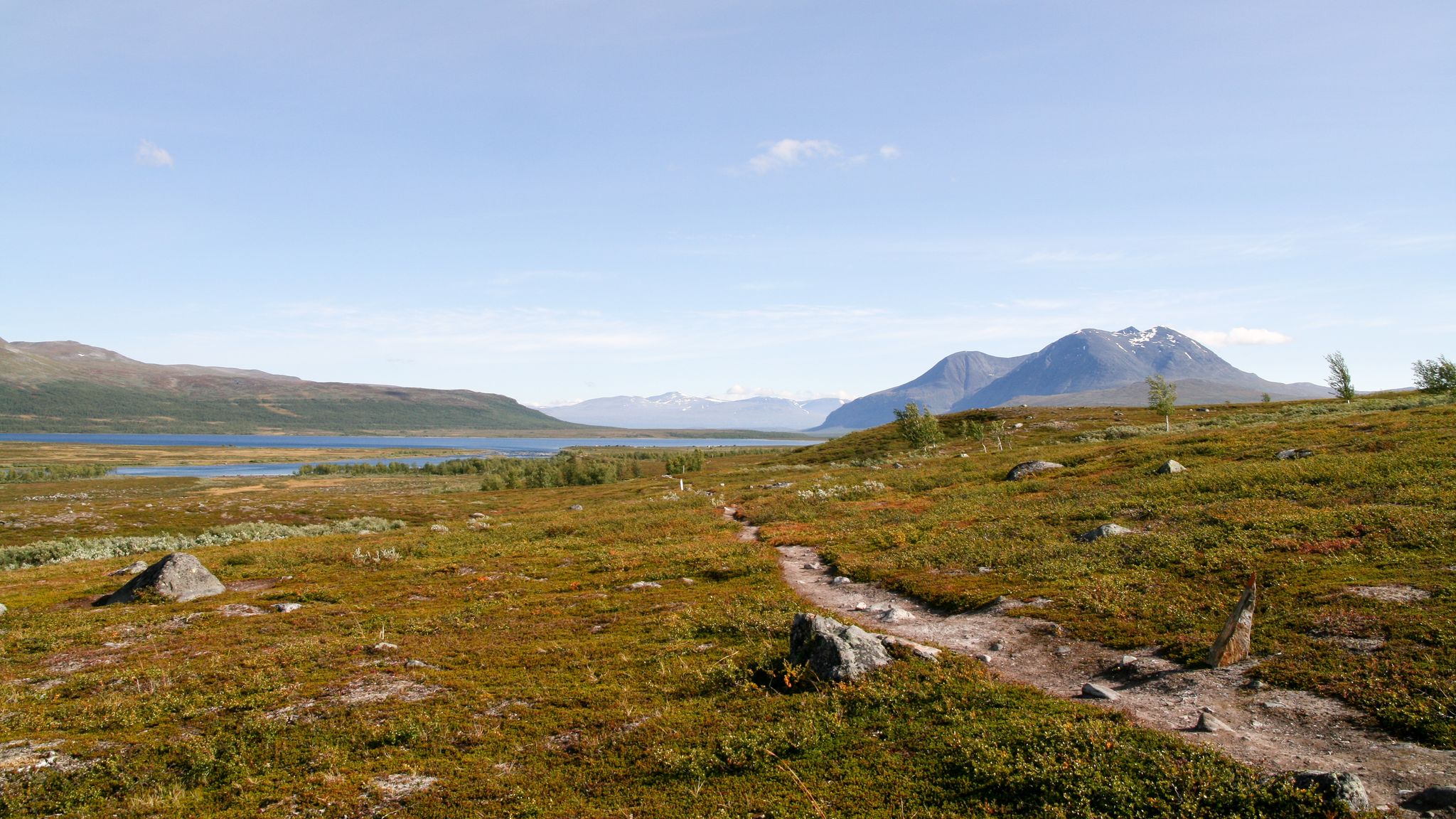
Padjelanta Trail – Hike the land of the Sámi
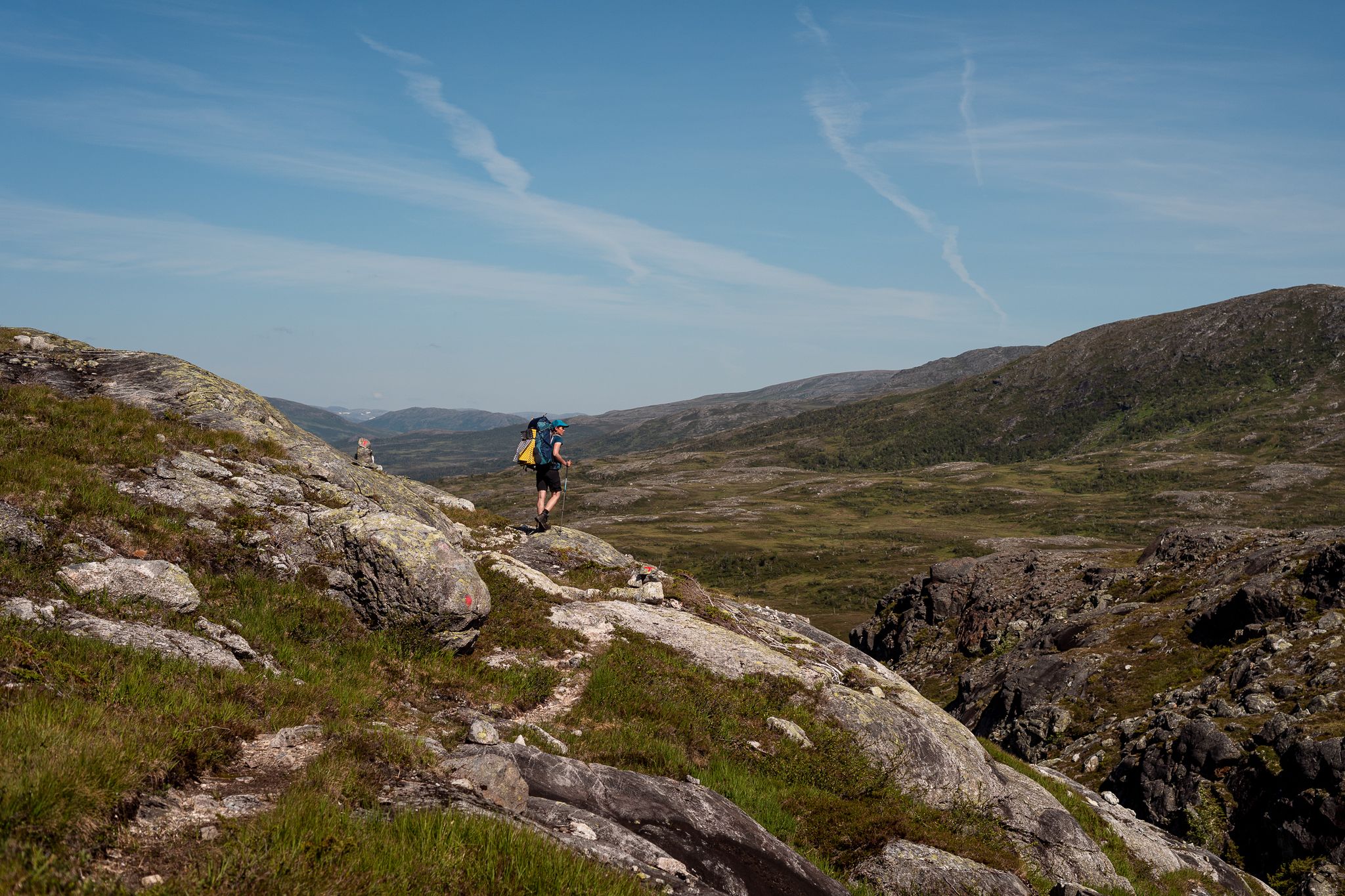
Norge på Langs – The length of spectacular Norway on foot
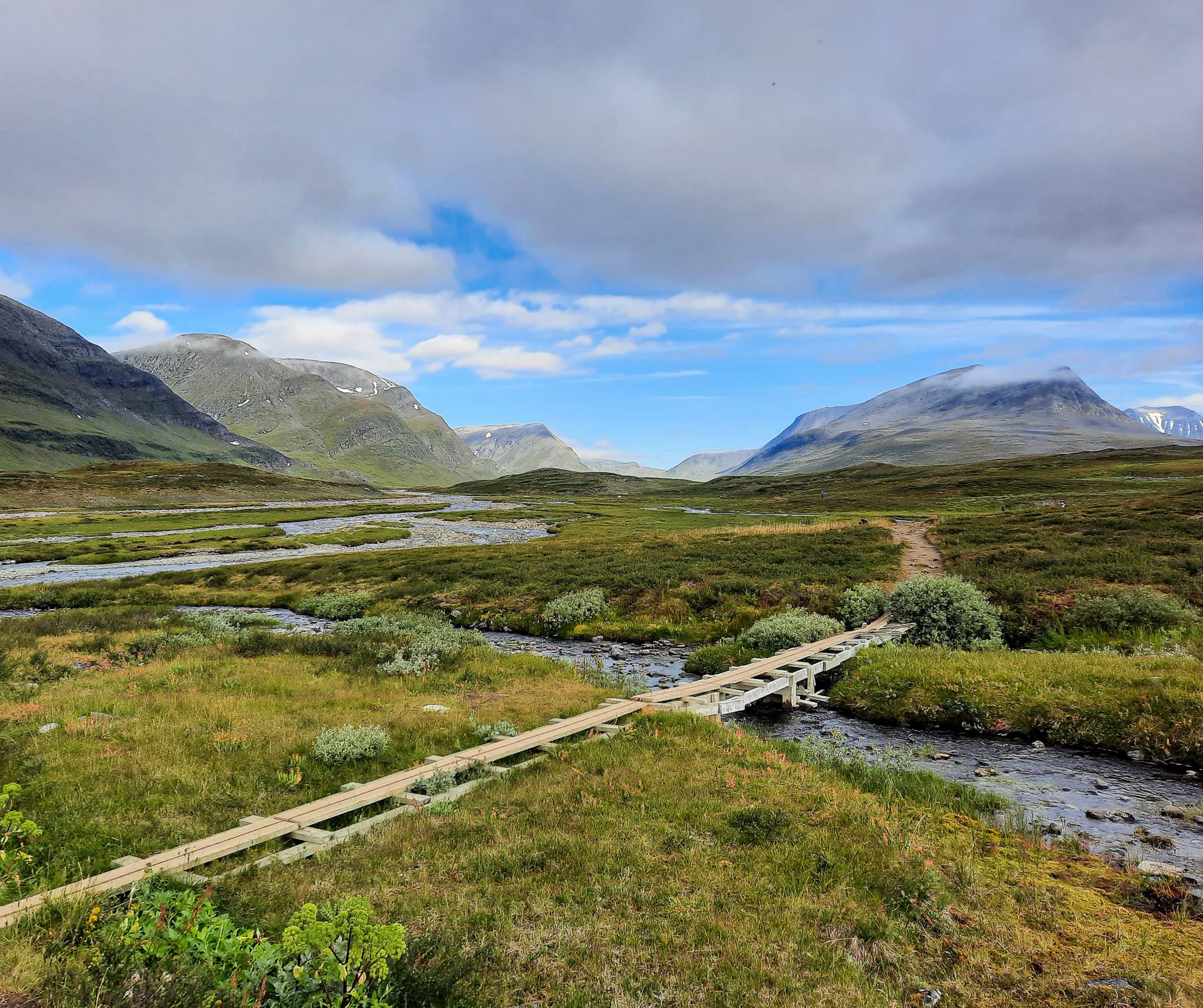
Kungsleden – In 7 stages from Abisko to Nikkaluokta
Other adventures in the Scandinavian Mountains


Tips from the Community

The eastern ascent to Torghatten Loch is easily manageable via low steps. Turn around every now and then and take in the view of the sea.
3
0

Great hiking trail and very well developed.
11
1
Directly at the large sinkhole with the waterfall, a staircase leads down into the cave. After a few meters, however, standing is no longer possible. From here on, the cave may only be entered with a guide. Tours are currently available on Tuesdays and Saturdays. A phone number is posted on the information board at the parking lot. The price is 1,200 kroner.
11
1

Beautiful walk with starting point along the famous Vildmarksvägen at the Ankarvattnet. You mainly walk on boardwalks until you reach the waterfall. The water disappears into the cave system and here is also the entrance to the famous Koralgrottan. The cave system is almost six kilometers long and also the longest in Sweden. It is NOT allowed to enter the cave without an experienced guide. This is only possible in the summer period. A few minutes further up there is a hut with barbecue facilities where you can perfectly rest.
1
0

The left cave is actually the more interesting one. 😅 Old clothes and a flashlight or headlamp are essential.
0
0

In May there is a lot of water in the cave, making it difficult to enter.
0
0

The cave dwellings are protected cultural heritage and the first signs of human activity in Brønnøysund. The caves were excavated in 1925-26.
0
1

A hike almost entirely on wooden planks is worthwhile because of the very beautiful waterfall, even without a guide and direct access to the cave.
4
0
Frequently Asked Questions
What types of caves can I explore in the Scandinavian Mountains?
The Scandinavian Mountains offer a diverse range of caves, including extensive karst systems formed by the dissolution of limestone and marble, sea caves carved by ancient waters, and even ephemeral ice caves under glaciers. You can find caves with unique formations, underground rivers, and waterfalls.
Are there any caves with historical or archaeological significance?
Yes, several caves in the region hold historical importance. For instance, Prehistoric Cave Dwellings of Brønnøysund are protected cultural heritage sites showing early human activity. Bremsneshula Cave in Norway is an archaeological site with artifacts from the 10,000-year-old Fosna culture, and Mikaelshulen in Telemark, Norway, served as a church in the Middle Ages.
Which caves are suitable for families or those seeking easy access?
For families or those looking for easier access, Torghatten Cave in Norway is a popular choice, featuring a 160-meter-long hole through the mountain that is easily accessible. The Rock Shelter Grill Spot with Sea View is also noted as family-friendly.
Can I find caves with unique geological formations or features like waterfalls?
Absolutely. Many caves feature unique geological formations. Trollkirka (The Trolls' Church) near Molde, Norway, is known for its spectacular underground waterfall and intricate limestone sculptures. Korallgrottan Cave Entrance and Waterfall in Sweden has a 10-meter waterfall and coral-like calcite formations. Grønligrotta Marble Cave in Norway also features waterfalls.
What are some of the more challenging cave experiences available?
For a more challenging experience, Trollkirka Caves and Waterfalls is rated as challenging. Setergrotta in Northern Norway offers subterranean exploration, and Sagelvas Caves in Salangen, Norway, involve navigating narrow paths and discovering hidden underground waterfalls, often with guides.
Are there guided tours available for exploring caves in the region?
Yes, guided tours are available for several caves. For example, deeper exploration into Korallgrottan, Sweden's longest known cave system, requires a guide. Grønligrotta Marble Cave in Norway can only be visited with a guide. It's advisable to check local information for specific booking details.
What outdoor activities can I combine with a visit to the caves?
The Scandinavian Mountains offer numerous outdoor activities. You can find various running trails, including the Midnight Sun Marathon route. There are also many waterfall hikes and challenging mountain hikes, such as those in Lofotodden National Park, which offer stunning views and diverse terrain.
Is it possible to visit caves during winter in the Scandinavian Mountains?
Yes, some caves can be visited in winter. Ice caves, like the Nigardsbreen Ice Cave in Norway, are particularly unique in colder months. For extensive systems like Korallgrottan, cave diving is sometimes done in winter when currents are weaker. However, access to many caves may be restricted or require specialized gear and guides due to snow and ice conditions.
Where can I find a cave that offers stunning views of the surrounding landscape?
Torghatten Cave not only offers a unique geological formation but also provides a wonderful view through the tunnel to the coast and the enchanting landscape along the Helgeland coast. The View of the Fjord in Lofotodden National Park highlight also includes a cave category, suggesting scenic cave locations.
Are there any caves known for their unique legends or folklore?
Yes, some caves are steeped in local legends. Torghatten Cave is famously associated with a troll's arrow and a troll king's hat, explaining its distinctive hole. Jutulholet Rock Cave in Norway also has local legends associating it with a giant.
What should I know about visiting Sweden's longest cave system?
Sweden's longest cave system is Korallgrottan in the Jämtland Mountains, with over 6.5 km of explored passages. The Korallgrottan Cave Entrance and Waterfall allows visitors to descend stairs to a waterfall. However, deeper exploration into the system requires a guided tour, which is typically available on specific days.
What kind of gear is recommended for caving in the Scandinavian Mountains?
For most cave explorations, especially guided tours or more challenging routes, appropriate gear is essential. This often includes headlamps, helmets, sturdy waterproof footwear, and warm, layered clothing. For advanced caving or winter visits, specialized equipment like ropes, harnesses, and ice axes may be necessary. Always check with tour operators or local guides for specific gear requirements.
Most popular routes in the Scandinavian Mountains
Most popular attractions in the Scandinavian Mountains

Get inspired with the komoot mobile app


Explore more
Extend your search for the best caves by checking out these guides of the top ones in the Scandinavian Mountains:
