Top 13 Castles in Περιφερειακή Ενότητα Χανίων
Best castles in Περιφερειακή Ενότητα Χανίων are found across a landscape shaped by historical events and natural beauty. This region of Crete features a diverse terrain, from coastal areas to mountainous interiors, which historically necessitated strategic fortifications. The castles here reflect periods of Venetian and Ottoman rule, offering insights into the island's past. These structures are often situated in commanding positions, providing views over valleys, bays, and the Aegean Sea.
Best castles in Περιφερειακή Ενότητα Χανίων
- The most popular castles is Koulés Fortress (Spaniakos), a castle that offers an interesting historical site with great views. Visitors note that while not much is preserved, the views are still notable.
- Another must-see spot is Venetian City Walls, Chania, a historical site. These walls, built around 1538, are a grandiose structure that invites exploration and strolling through Chania.
- Visitors also love Koules Ottoman Fortress (Loutro), a castle. This ruin provides a great view of the water and is one of several Turkish fortresses in Sfakia.
- Περιφερειακή Ενότητα Χανίων is known for Venetian castles Chania regional unit and Ottoman castles Chania regional unit. These structures showcase centuries of defensive architecture and historical transitions across the region.
- The castles in Περιφερειακή Ενότητα Χανίων are appreciated by the komoot community, with more than 100 upvotes and 38 photos shared across 15 highlights.
Last updated: July 25, 2026
Venetian City Walls, Chania
Highlight • Historical Site
Tip by

Koulés Fortress (Spaniakos)
Highlight • Castle
Translated by Google •
Tip by

Sign up now to discover places like this
Get recommendations on the best single tracks, peaks, & plenty of other exciting outdoor places.
Sign up for free
Ruins of Selino Castle
Highlight • Castle
Translated by Google •
Tip by

Frangokastello Castle
Highlight • Castle
Translated by Google •
Tip by

Koulés Fortress of Askifou
Highlight • Castle
Built in response to the Cretan Revolution of 1866
Tip by

Sfakia Fortress (Castel di Sfacia)
Highlight • Castle
cretanbeaches.com/en/history/fortresses/castel-di-sfacia-fortress
Translated by Google •
Tip by

Koules Ottoman Fortress (Loutro)
Highlight • Castle
Translated by Google •
Tip by

Firkas Bastion
Highlight • Historical Site
Translated by Google •
Tip by

Kastella Fortress Ruins
Highlight • Historical Site
Translated by Google •
Tip by
View of Souda Bay and Aptera Fortress
Highlight • Viewpoint
Translated by Google •
Tip by

Sign up for free to discover even more castles in Περιφερειακή Ενότητα Χανίων.
Sign up for free
Already have an account?
Start today with a free account
Your next adventure awaits.
Login or Signup
Popular around Περιφερειακή Ενότητα Χανίων
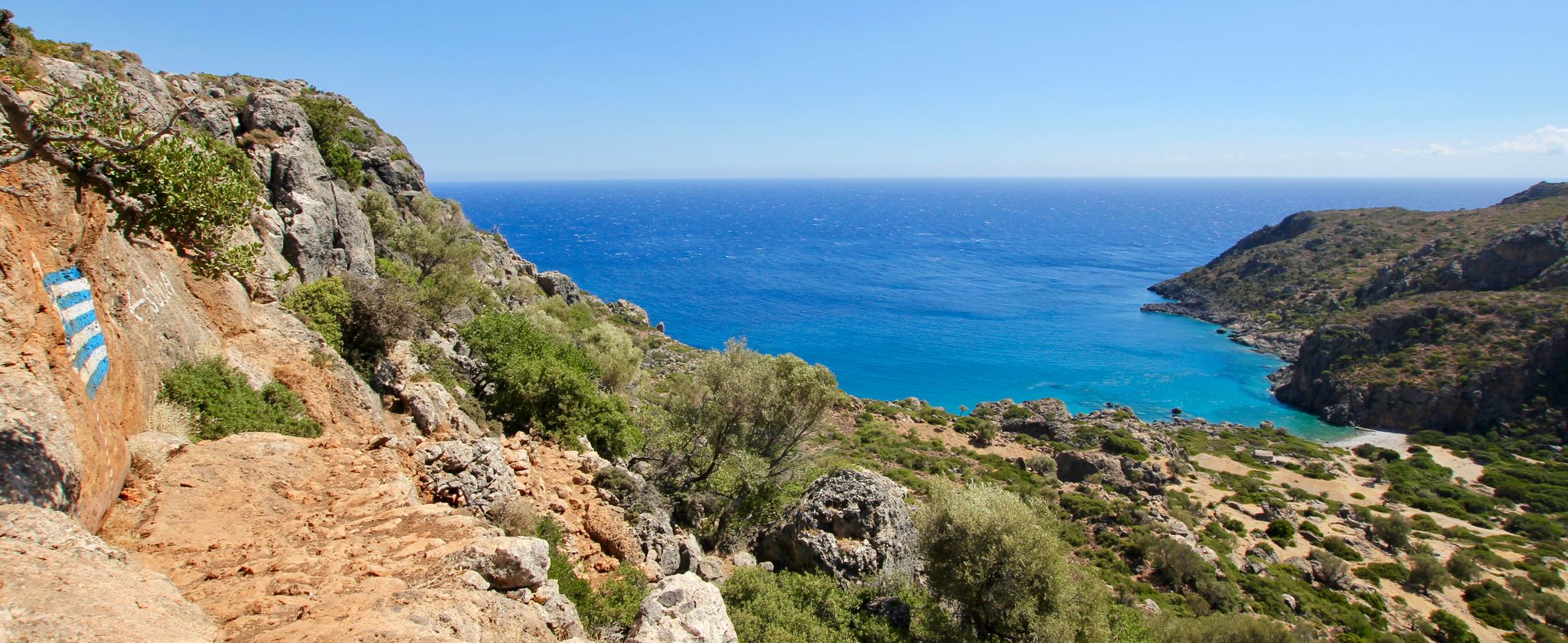
Lonely beaches & deep gorges — hiking in the south of Crete
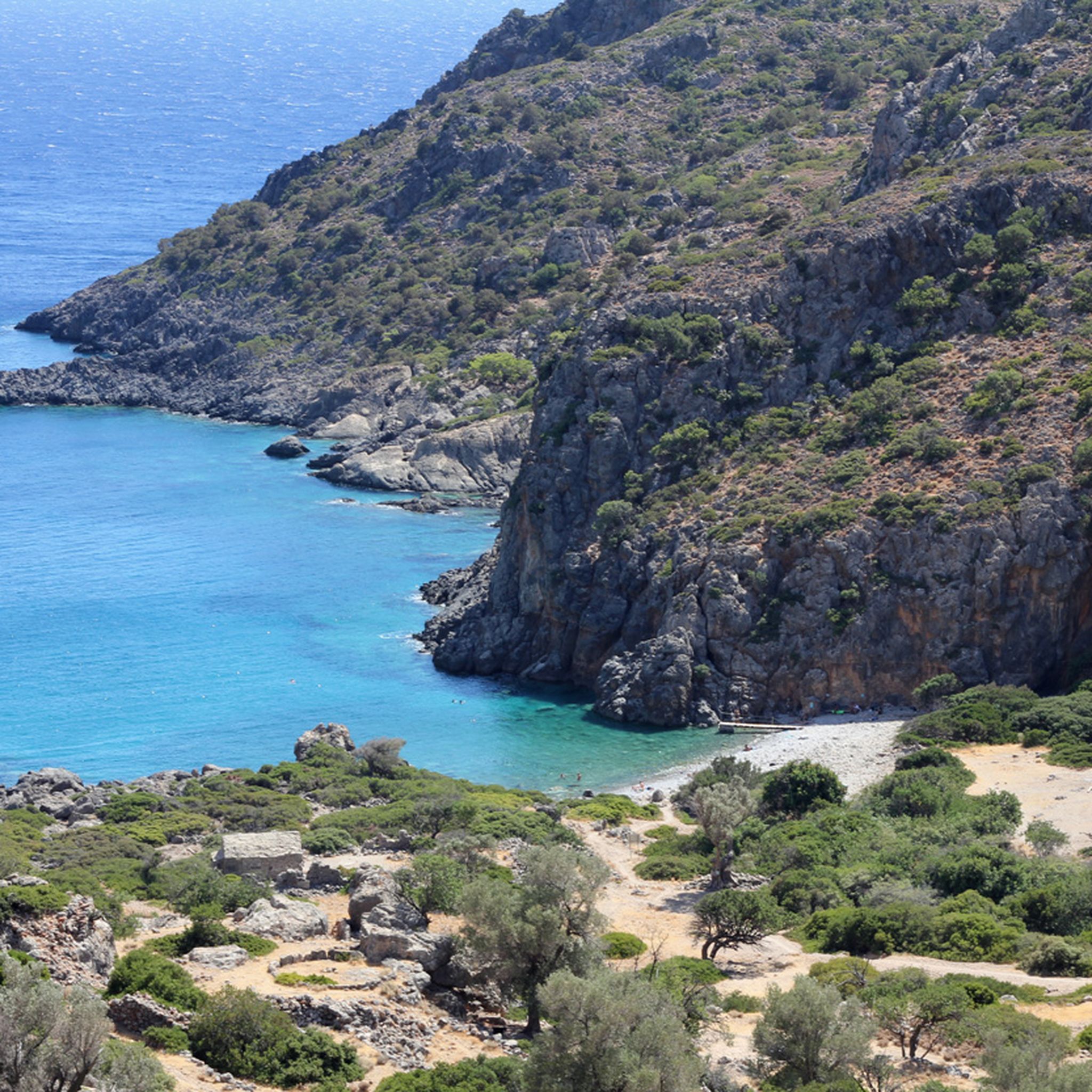
Hiking in Περιφερειακή Ενότητα Χανίων
Running Trails in Περιφερειακή Ενότητα Χανίων
Road Cycling Routes in Περιφερειακή Ενότητα Χανίων
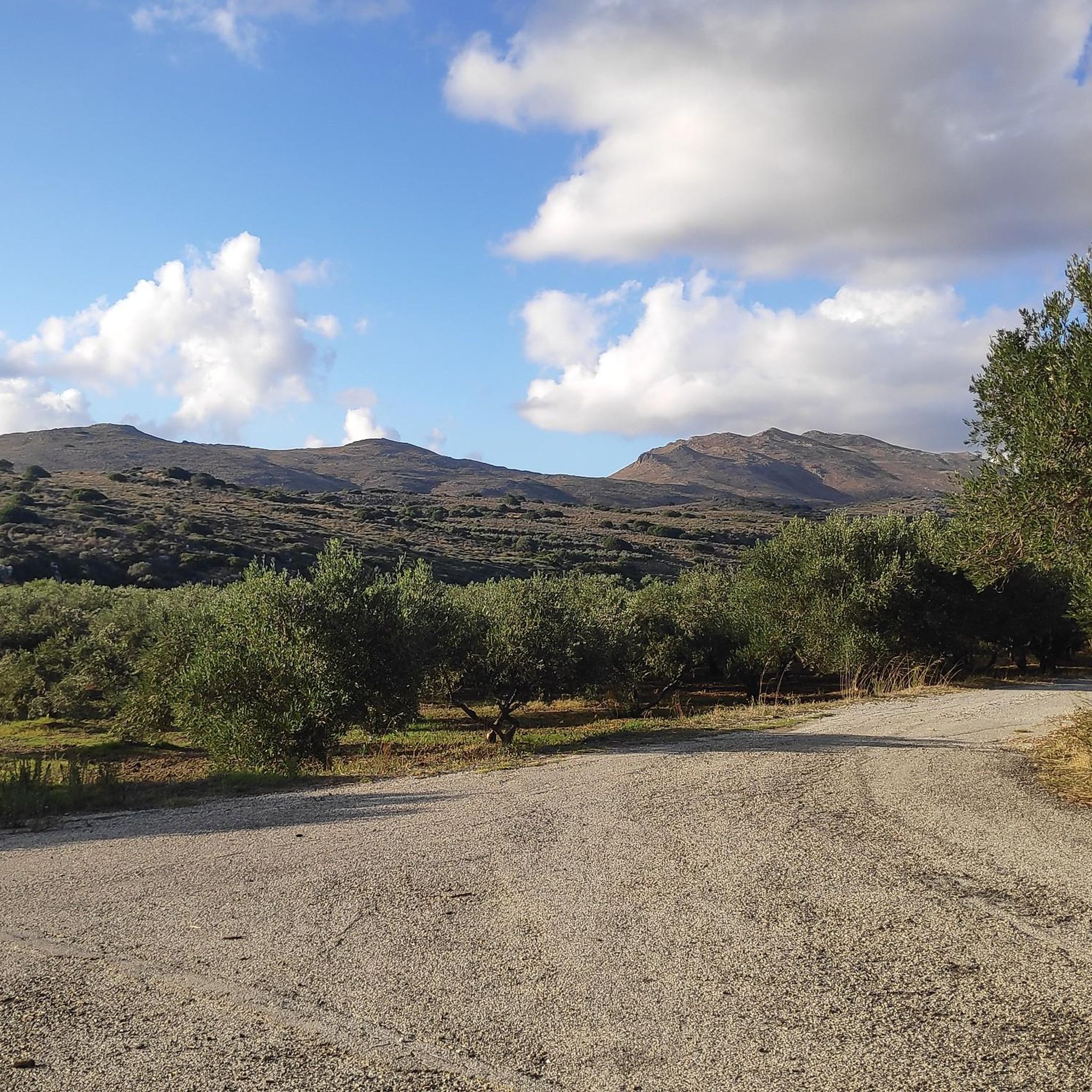
Cycling in Περιφερειακή Ενότητα Χανίων
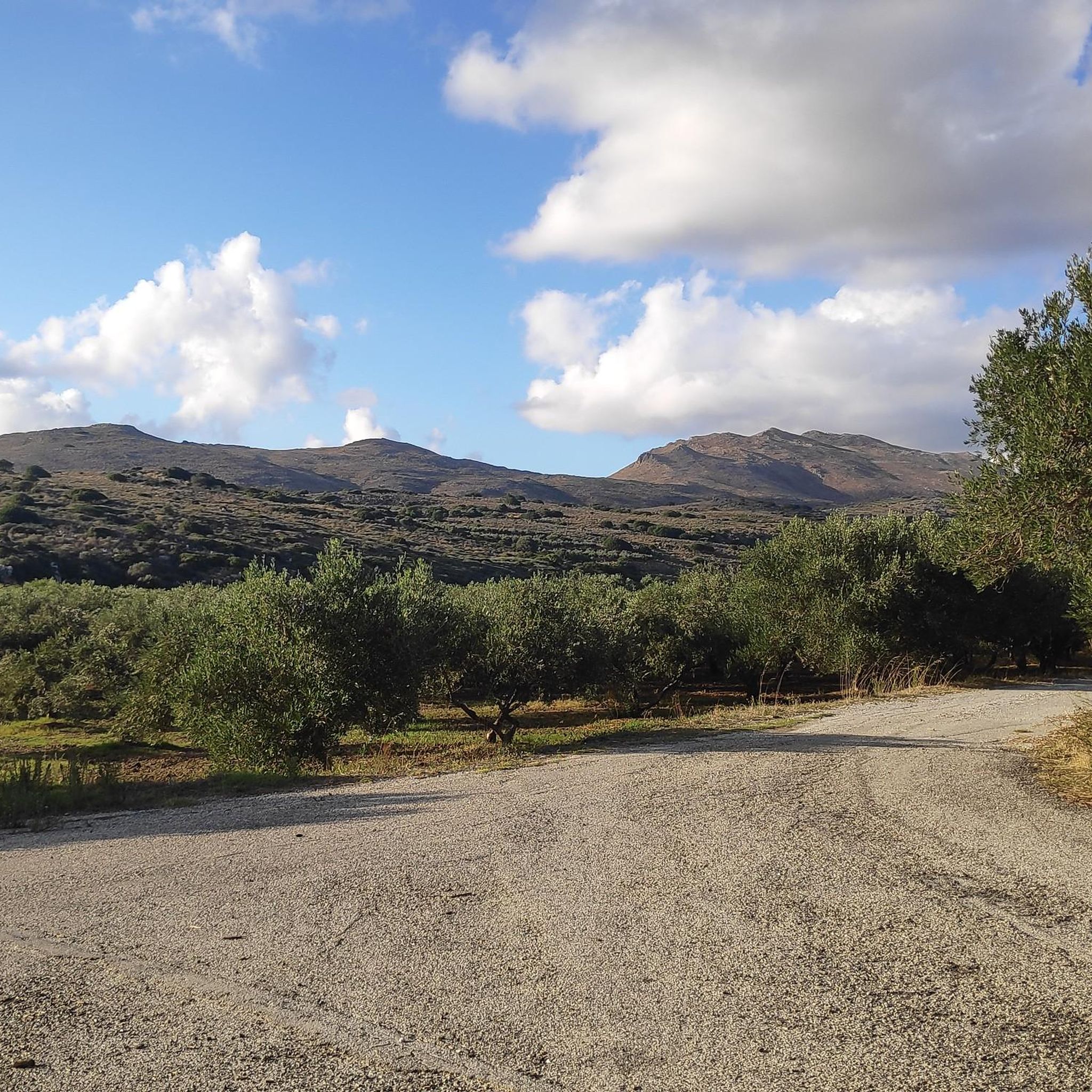
MTB Trails in Περιφερειακή Ενότητα Χανίων
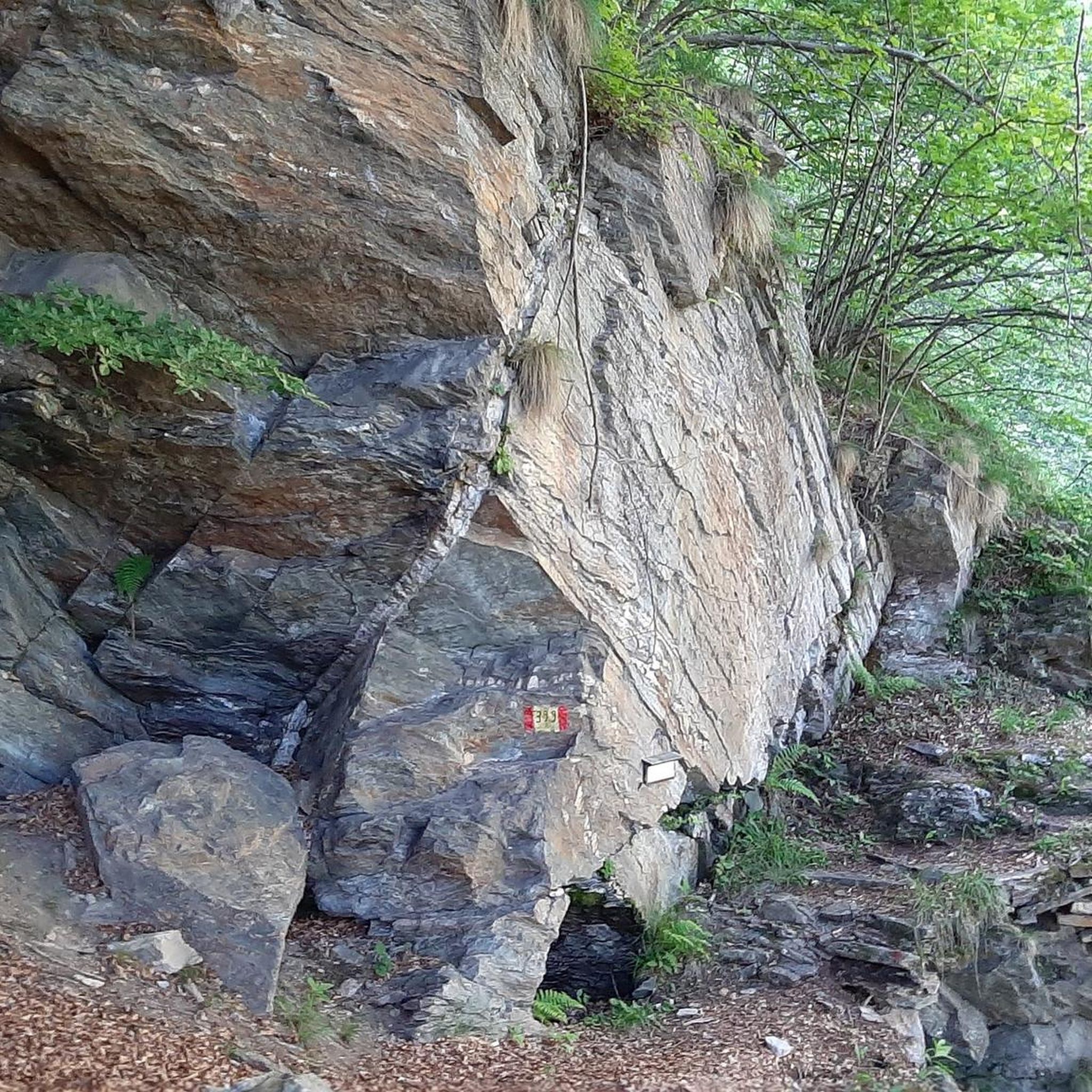
Mountain Hikes in Περιφερειακή Ενότητα Χανίων
Other adventures in Περιφερειακή Ενότητα Χανίων

Tips from the Community

Beautiful view of the ruins
2
0

The city of Chania was already surrounded by walls in the Byzantine period. The Byzantine fortress had an irregular shape and enclosed the hill of Kasteli. These walls, built from stones taken from the ruins of ancient Kydonia, were restored in 1252 by the Venetian conquerors, who built a new city within the walls according to a new urban plan. Later, however, the invention of gunpowder, the development of warfare, and the ever-increasing need for housing brought about new changes. Considering the threat from the Ottoman Empire. The Venetians decided to build new fortifications, as the city began to expand beyond the confining walls and the new demands on the city's living space were recognized. Therefore, in the mid-16th century, they began the construction of the new walls and the moat. According to records, this was planned and supervised by Michele Sanmicheli of Verona. The walls formed a square and had heart-shaped bastions at their corners. There were three gates within the walls. The Porta Sabbionara (Pίli tis ammou = Sand Gate) was located on the east side. The Porta Retimiota (Pίli tou frourίou = Fortress Gate), which was the main gate, was located on the south side and led to the road to Rethymno. There was also a small gate, located at the San Salvatore bastion, which was mainly used for military purposes and by the inhabitants of the Jewish quarter. All gates were opened at sunrise and closed at sunset. Later, even these extensive walls proved to be an obstacle to the city's growth; therefore, large parts of them were demolished during the years of the Cretan State. Today, only small sections of the walls around the old town remain. The Firka Fortress (which houses the Maritime Museum), the southwestern and northeastern bastions with the mole, the Venetian shipyards, and the lighthouse are also worth seeing. As for the Byzantine walls, parts of them are preserved in the Sintrivani square, where a tower with an 18th-century addition is also preserved. https://www.destinationcrete.gr/de/monuments/die-wande-der-chania/
0
1

The name Frangokastello comes from a Venetian castle built in 1371 on a low peninsula, the crenellated outer walls of which still stand today. Above the south gate of the fortress, the coat of arms of the Venetian builders, the Lion of Saint Mark, is still well preserved. Inside the structure, however, only the foundations of the complex are visible. The castle, which was restored again by the Venetians under their commander Nicolo Dona in 1593, was later abandoned. Subsequently, the local inhabitants of Sfakio removed the beams from the towers and rooms.
1
0

The journey there is worthwhile, always along the E4.....
2
0
The flag needs to be renewed... ;-)
0
0

Great ruin and great viewpoint
3
1

Easily accessible on foot from Azogires. We combined a visit to the caves with a visit to this castle. The trail is well marked and unovergrown, making it easy to hike even in shorts. Great views!
2
1

Frequently Asked Questions
Which castles offer the most significant historical insights into the region's past?
The castles in Περιφερειακή Ενότητα Χανίων reflect periods of both Venetian and Ottoman rule. For Venetian history, Frangokastello Castle, built between 1371 and 1374, is a well-preserved example. The Venetian City Walls, Chania, constructed around 1538, and the Firkas Bastion are also key Venetian sites. For Ottoman history, the Aptera Fortress (Koules), built between 1867 and 1868, is an impressive example of their military architecture. You can also see Koules Ottoman Fortress (Loutro), one of several Turkish fortresses in Sfakia.
Are there family-friendly castles to visit in Περιφερειακή Ενότητα Χανίων?
Yes, Frangokastello Castle is particularly family-friendly. It's situated directly on a beautiful sandy beach with shallow turquoise waters, making it ideal for families to combine history with relaxation and swimming. The Firkas Bastion in Chania is also listed as family-friendly, offering historical insight with views of the harbor.
What kind of views can I expect from the castles in the Chania regional unit?
Many castles in the region are strategically located to offer commanding views. From Koulés Fortress (Spaniakos), visitors note great views despite the ruins. The Aptera Fortress (Koules) provides commanding views over the Apokoronas valley and Souda Bay. From Gramvousa Fortress, you can enjoy breathtaking panoramic views of the Aegean Sea, the Balos Lagoon, and the surrounding coastline. The Koules Ottoman Fortress (Loutro) also offers a great view of the water.
Are there opportunities for hiking or other outdoor activities near the castles?
Yes, the region offers diverse outdoor activities. Near Frangokastello, the surrounding area is excellent for walking and swimming. For more structured routes, you can explore various trails in the region. For example, there are easy hikes in Περιφερειακή Ενότητα Χανίων, including routes like 'View of Chania Lighthouse – Chania Old Town loop from Chania'. You can also find MTB Trails and Cycling routes throughout the Chania regional unit.
Which castles are located near beaches or other natural attractions?
Frangokastello Castle is famously situated directly on a beautiful sandy beach with shallow turquoise waters. Gramvousa Fortress is perched above the turquoise waters of Gramvousa Island, near the stunning Balos Beach and Lagoon, which is a NATURA-protected area.
What is the best time of year to visit the castles in Περιφερειακή Ενότητα Χανίων?
The Chania regional unit experiences a Mediterranean climate. Spring (April-May) and autumn (September-October) generally offer pleasant temperatures for exploring historical sites without the intense heat of summer or the cooler, potentially wetter conditions of winter. These periods are also ideal for combining castle visits with outdoor activities like hiking.
How can I reach the castles in the Chania regional unit?
Access to castles varies. Many are accessible by car, though some, like Gramvousa Fortress, are primarily reached by boat, often as part of a Balos Lagoon tour. For others, such as the Aptera Fortress, a car is recommended. Within Chania city, the Venetian Walls and Firkas Fortress are easily accessible on foot.
Are any castles in the Chania regional unit easily accessible for visitors with mobility concerns?
While many castles involve uneven terrain, stairs, or climbs, the Venetian City Walls, Chania, particularly the sections within the city, offer more accessible strolling opportunities. The exterior of Aptera Fortress (Koules) and its surrounding views are also generally more accessible than the climb to Gramvousa Fortress, for instance.
What do visitors enjoy most about the castles in Περιφερειακή Ενότητα Χανίων?
Visitors frequently appreciate the historical significance and the stunning views. For example, the Venetian City Walls, Chania are described as a 'grandiose structure that invites exploration and strolling'. The Koulés Fortress (Spaniakos) is noted for its 'great view'. The legend of the 'Drosoulites' at Frangokastello also adds a unique cultural appeal.
Which castles are good for understanding the Venetian influence in the region?
To understand the Venetian influence, focus on Frangokastello Castle, built to maintain order and deter pirates. The Venetian City Walls, Chania, and the Firkas Bastion are also prime examples of Venetian fortifications designed to protect the city and its harbor.
Are there any castles that highlight the Ottoman period in Chania?
Yes, the Aptera Fortress (Koules) is an impressive example of late Ottoman military architecture, built after the Cretan Revolt of 1866 to regain control. Its strategic position and well-preserved structure offer a clear insight into this period. Additionally, the Koules Ottoman Fortress (Loutro) is one of several Turkish fortresses in Sfakia dating from the late 19th century.
Can I find cafes or restaurants near the castles?
While specific cafes directly at every castle might be limited, areas around popular sites like Frangokastello have local tavernas due to its beach location. In Chania, the Venetian Walls and Firkas Fortress are within the city, offering numerous dining options. For Aptera Fortress, you might find options in nearby villages, but it's always good to check local availability.
Most popular routes in Περιφερειακή Ενότητα Χανίων
Most popular attractions in Περιφερειακή Ενότητα Χανίων

Get inspired with the komoot mobile app


Explore more
Looking for the best castles somewhere else? Discover other guides in Περιφερειακή Ενότητα Χανίων:
