Routes

Planner

Features

Updates

App

Login or Signup

Get the App

Login or Signup

Login or Signup

Routes
Places to see
Castles
Italy
Umbria

Terni

Top 20 Castles in Terni

Best castles in Terni are situated within a region characterized by its varied terrain, including the Nera Valley and Tiber Valley. This area in Umbria, Italy, features numerous castles, fortresses, and fortified palaces. These structures reflect a history of medieval life and strategic military architecture. Many are perched on hills, offering insights into past centuries.

Best castles in Terni

  • The most popular castles is Arrone Historic Village, a settlement that originated from a 9th-century wooden castle. Its current appearance is medieval, dominated by a masonry castle at the top of the hill.
  • Another must-see spot is Titignano Castle, a castle with medieval origins. Visitors can experience a restored village transformed into a farmhouse, offering an excellent restaurant and local products.
  • Visitors also love Albornoz Fortress (Fortezza dell'Albornoz), a castle of historical and cultural value. It offers extensive views from its walls and is located at the entrance to the city.
  • Terni is known for its medieval castles, fortresses, and historic fortified villages. The region offers a variety of structures to explore, from strategic military strongholds to ancient settlements.
  • The castles in Terni are appreciated by the komoot community. With 52 upvotes and 18 photos, these locations offer diverse experiences for outdoor enthusiasts.

Last updated: May 31, 2026

Historic village of Arrone

Highlight • Settlement

Arrone is an Italian town of 2,736 inhabitants in the province of Terni in Umbria. It is part of the club The most beautiful villages in Italy. Of great interest is the castle of Arrone, the upper part of the town, which preserves the medieval urban layout, with walls and picturesque alleys. To visit: the civic bell tower, the "degli olivi" tower, the fourteenth-century church of San Giovanni Battista with fifteenth-century frescoes from the Umbrian school, the sixteenth-century collegiate church of Santa Maria and the former convent of San Francesco. Also not to be missed in Arrone are the celebrations in honor of the patron saint St. John the Baptist (24 June) during which the "Cotta water festival" takes place at the canoe center and, during the Christmas period, the representation of the living nativity scene at the ancient castle.
iluoghidelsilenzio.it/castello-di-arrone-arrone-tr

Translated by Google •

Tip by

See rides here

Send to Phone

Save

Titignano Castle

Highlight • Castle

The Titignano castle has medieval origins. Owned by the Corsini family since the early 1800s, the castle and the village were recently restored by the Marquis Giovanni Incisa della Rocchetta (producers of Sassicaia wine) and by his wife Marchesa Tara, who transformed them into a beautiful farmhouse with the characteristics of the widespread hotel. There is an excellent restaurant and it is possible to taste the products of the two estates owned, that of Titignano and that of Salviano, on the other side of the Forello Gorges. Excellent starting and stopping point for the excursion to Roccaccia and the Gole del Forello.

Translated by Google •

Tip by

Save

Sign up now to discover places like this

Get recommendations on the best single tracks, peaks, & plenty of other exciting outdoor places.

Sign up for free

Fundamental attraction of historical and cultural value, located at the entrance to the city. It can be visited completely free of charge. Inside there is a public municipal garden. The latter requires some maintenance work. Four stars for the views that the fortress walls offer. Here I found the CAI headquarters of Orvieto

Translated by Google •

Tip by

Save

Narni (Ancient Narnia)

Highlight • Settlement

The area around Narni was already inhabited in the Paleolithic, and in 300 BC. the citadel returned to the interests of Rome and thus became a Roman colony and strategic center along the Via Flaminia. Today it preserves numerous historical and artistic monuments, such as the Duomo, the Palazzo dei Priori and the Augusto bridge.

Translated by Google •

Tip by

Save

Historic Village of Montecchio

Highlight • Settlement

The village of Montecchio has medieval origins. Built around the twelfth century. on Roman pre-existences, by the Chiaravalle di Todi family, it served as a fortified castle with two circles of walls, controlling the underlying Tiber valley. It is one of the best preserved medieval villages in the area and is today a lively town with various activities. It was ruled by several noble families, after the Chiaravalle, the Alviano, the Baschi and the Colonna, and then passed under the Acts.

Translated by Google •

Tip by

Save

Acqualoreto Historic Village

Highlight • Historical Site

The Borgo overlooks the Tiber valley, between Todi and Orvieto, between the Forello Gorges and Lake Corbara. Its dominant position in the Middle Ages made it an important village for the defense of Todi from attacks by Orvieto. Di Acqualoreto is Angeluccio di Andrea who in 1471 founded the Monte di Pietà in Todi. The historic center, with a medieval layout, is well preserved and houses an antiques market. In the surrounding area many villas and farmhouses, of considerable value, restored and inhabited by many foreigners who gather every Saturday evening for a multilingual aperitif, in the Bar of the Recreational Club in the square in front of the town.
There is a "La Cruccola" restaurant, always on the square, and a fountain inside the Borgo door.

Translated by Google •

Tip by

Save

Albornoz Fortress of Narni

Highlight • Castle

The Albornoz fortress stands imposingly over Narni and the Nera Gorges, surrounded by lush vegetation.
The imposing building is part of that system of fortresses that the Papacy, after Avignon, placed to guard the newly reconquered Church State. Its position and construction features show the desire to control the territory, crossed by communication routes with Perugia, Terni and Amelia.
Cardinal Egidio De Albornoz (Cuenca, 1299 - Viterbo 1367) had it built in 1367 on a height difference of 332m above sea level, in a very favorable position to defend against military attacks. The Cardinal worked to strengthen papal power, often designing and building castles and fortresses, as symbols of the power of the Church.
The fortress has a quadrangular plan with the corners fortified by four towers and is surrounded by a moat and a second wall. The walls and towers, crowned with corbels, enclose a courtyard which is accessed through two elegant portals: the courtyard, also square, is surrounded by two buildings and pleasant stairs allow access to the first floor, where it was the stately residence. The largest of the four towers is identified as the keep, with a side of 20 arms and a height of four floors, plus the basement.
The fortress was built on the remains of an original military settlement built by Federico Barbarossa, and after only five years, in 1371, Pietro or Giovanni di Nevico, the first castellan, took possession of it. The works were completed in 1378. Several architects worked on the project, including presumably Ugolino I of Montemarte and Matteo Gattapone, who worked on various constructions commissioned by Cardinal Albornoz.
Between 1370 and 1449 it was the home of popes, cardinals and leaders, following their fortunes. In 1395 it was conquered by Pandolfo Malatesta and then returned to the hands of the Pope; it was granted jurisdiction to Andrea Tomacelli, brother of Boniface IX. In 1417 Braccio Fortebraccio, a noble leader from Perugia, occupied Narni and the Rocca di Albornoz. A few years later the fortress returned to a pontiff, Martin V, and his noble family, the Colonnas. Other popes followed: Eugene IV and Nicholas V. The latter began a series of works to expand the defensive structures; works that continued under the papacies of Sixtus IV and Innocent VIII, until the end of the fifteenth century.
The Fortress of Albornoz suffered many sieges including that in 1527 by the Landsknechts who, having returned victorious from Rome, revolted against Narni. After an initial victory by the Narnesi, the Landsknechts prevailed, entered the city and destroyed it. Numerous other attacks followed until 1798 when, with the proclamation of the Roman Republic and the escape of Pius VI, a French army led by General Berthier stripped the fortress of weapons in order to obtain cannons. In 1860 it was conquered by General Luigi Masi of the Umbria brigade and ceded to the Kingdom of Italy.
Throughout the 19th century it was a prison and in 1906 it was purchased for a paltry sum by the Russian prince Mestschezsy; in 1972 it became the property of a Roman family while today it is a cultural heritage property of the Municipality of Narni and the Province of Terni.


Among the most important figures who were hosted at the Rocca di Albornoz we remember Cardinal Duranti Durante, the archbishop and astronomer Alessandro Piccolomini and Count Francesco Cenci, who stayed here as a prisoner (umbriatourism.it/it -/rocca-albornoziana).

Translated by Google •

Tip by

Save

Melezzole Village

Highlight • Settlement

Village that develops around an ancient medieval castle (XIII century). On the top stands the bell tower of the church of San Biagio located in the central square, reachable through narrow stairways that break the concentric rings of the ancient walls, creating suggestive slits from which you can see the forest landscape below. Located at 610 meters high, it has a single main access through an ancient tower, well preserved, where the effigy of an eagle stands out to testify to the long dominion exercised on the village by nearby Todi. In the village there is a bar, a butcher (km0), a minimarket, an electrical and household items shop, a flower shop. There is a fountain for fresh water supplies right inside the tower.

Translated by Google •

Tip by

Save

The village of Prodo was built near the castle of medieval origin owned by the Orvieto family of the Prodenzani (from which the village takes its name). The castle is a private property and cannot be visited. The bar of a recreational club which is the heart of the town overlooks the village square. Prodo is also famous for its gorges and for having hosted Giuseppe Garibaldi, on the run after the defeats suffered on the occasion of the failed attempt to conquer Rome and annex it to the newborn Kingdom of Italy.

Translated by Google •

Tip by

Save

Castello di Moruzze

Highlight • Castle

Villa built between 1147 and 1149. The proud and proud inhabitants called "Morruzzesi" badly tolerated the corvèes that the city of Todi on which they depended asked them. At the end of the fifteenth century. Altobello Chiaravalle committed violence and robbery, followed by soldiers of Charles VIII with the complacency of their partisan Atti Tuderti. In the seventeenth century. it became the property of the Paparini family, who enlarged the palace and founded the Oratory of S. Ambrogio. To visit the church of S. Giovanni with its baptismal font from 1500. Do not miss the immense view up to the Consolation of Todi which can be enjoyed from the town square.

Translated by Google •

Tip by

Save

Sign up for free to discover even more castles in Terni.

Sign up for free

Already have an account?

Start today with a free account

Your next adventure awaits.

Login or Signup

Popular around Terni
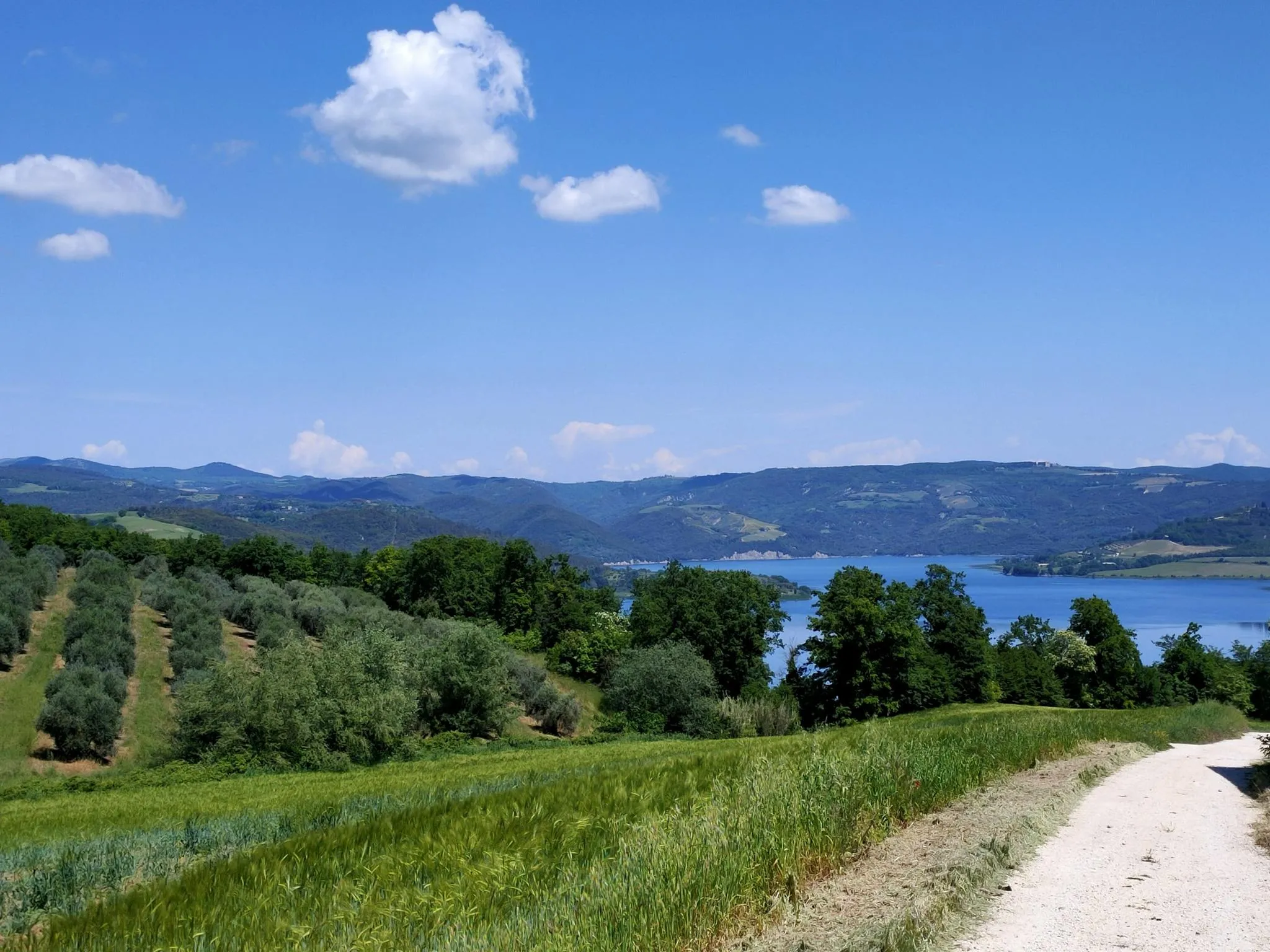
Italian Coast2Coast – From Portonovo to Orbetello
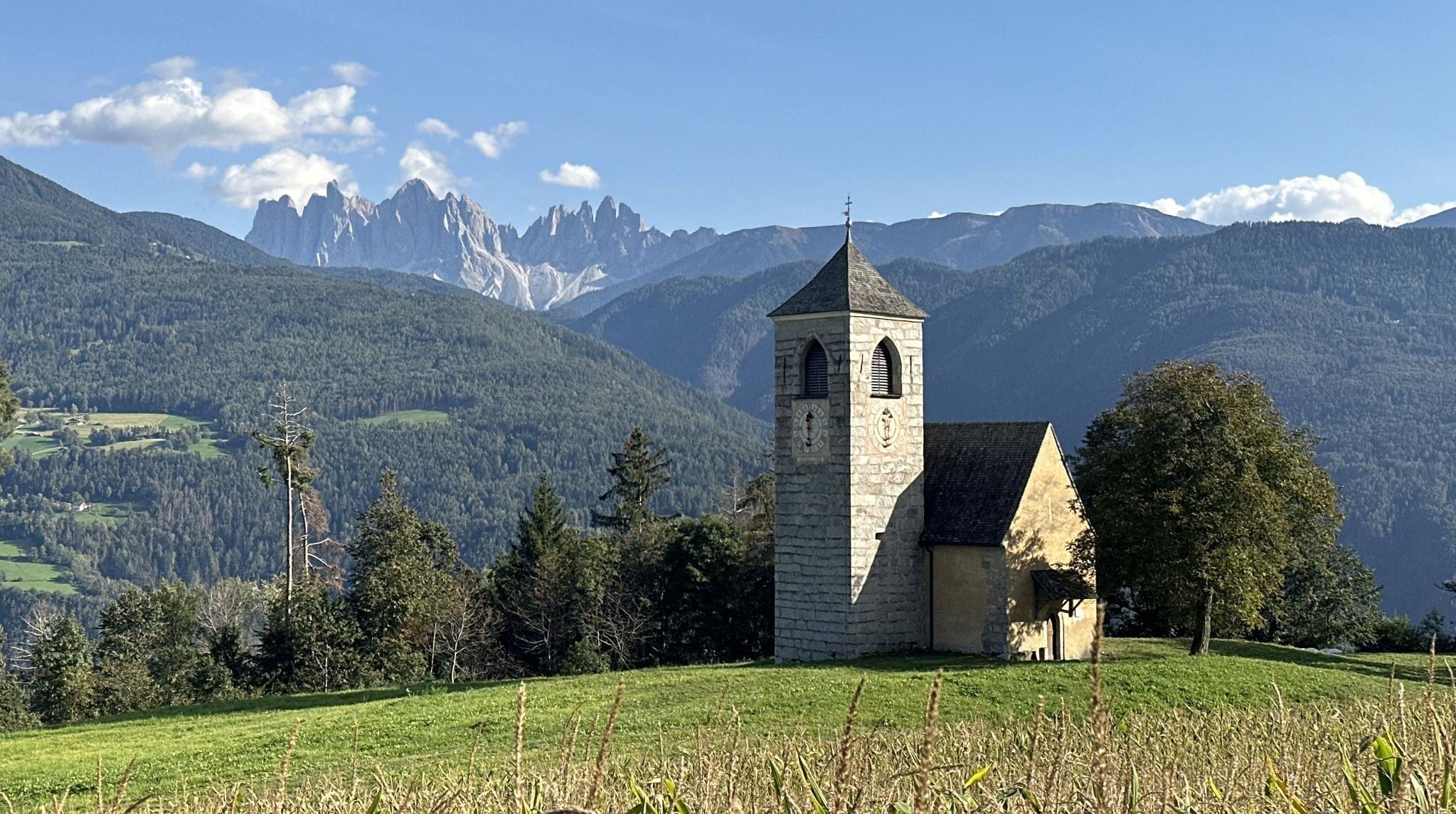
Via Romea Germanica – History, nature and spirituality
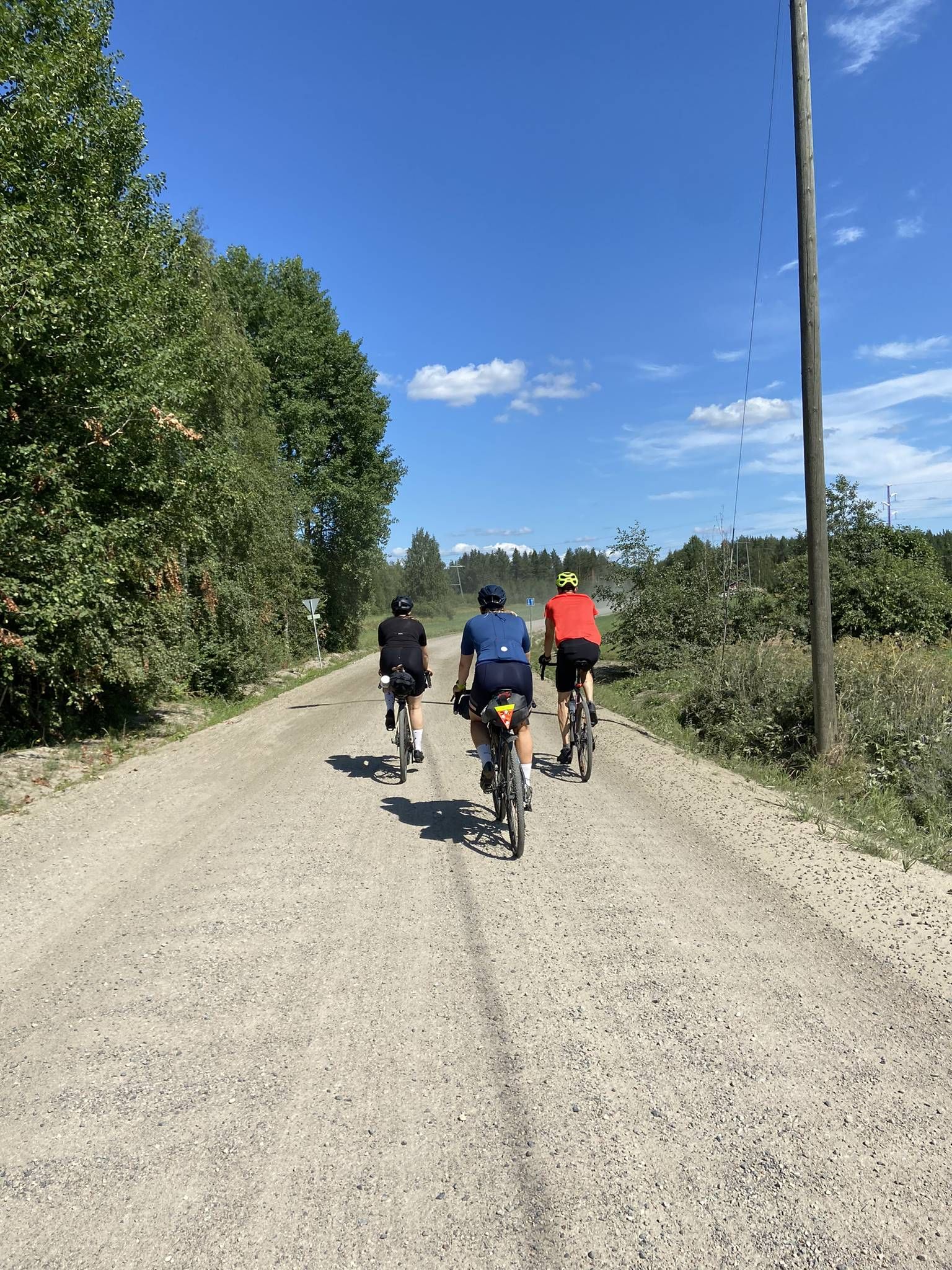
Naples to North Cape — Two friends, one purpose and many scoops of ice-cream
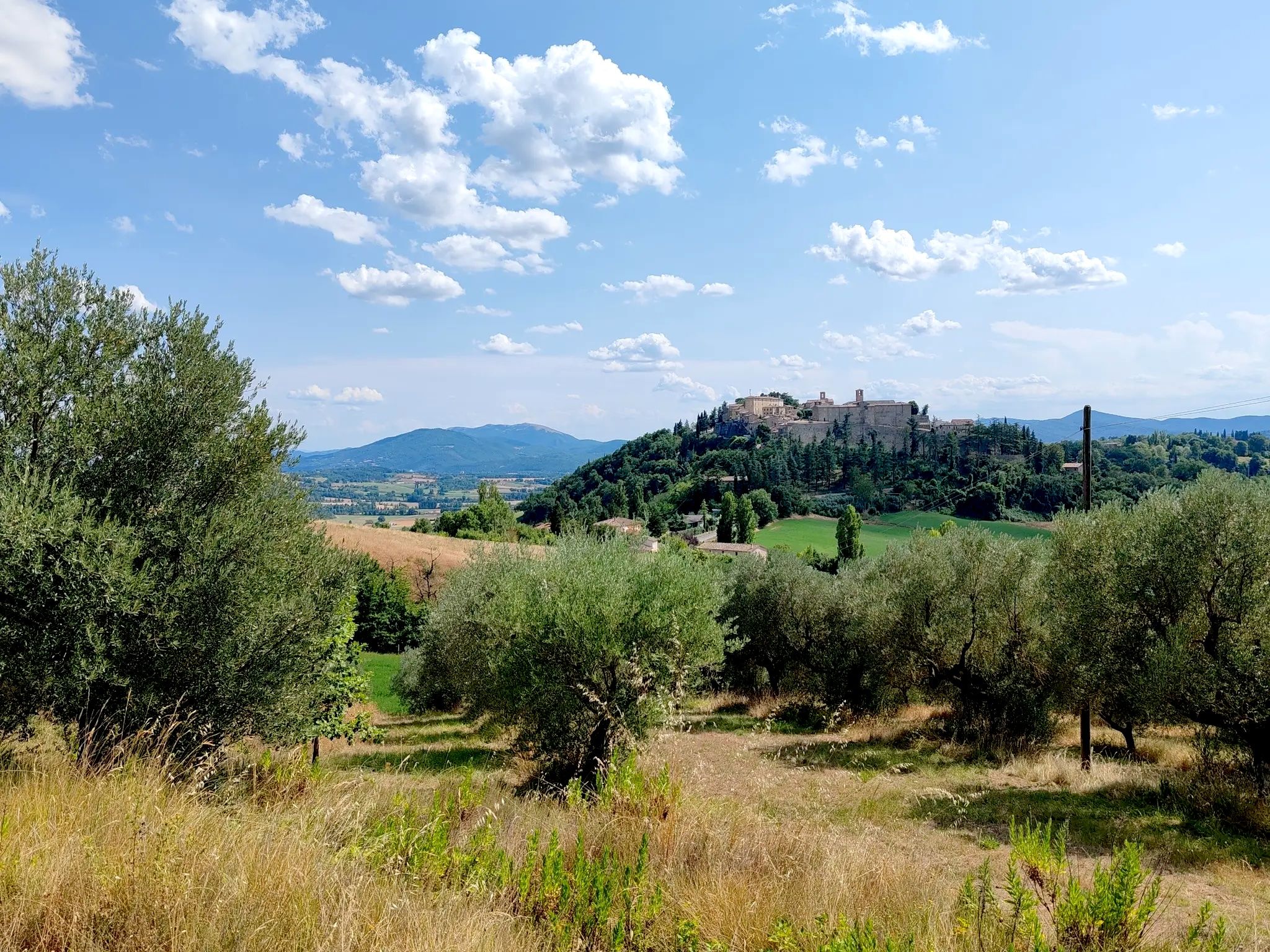
Day rides in the heart of Umbria – a Journey through History
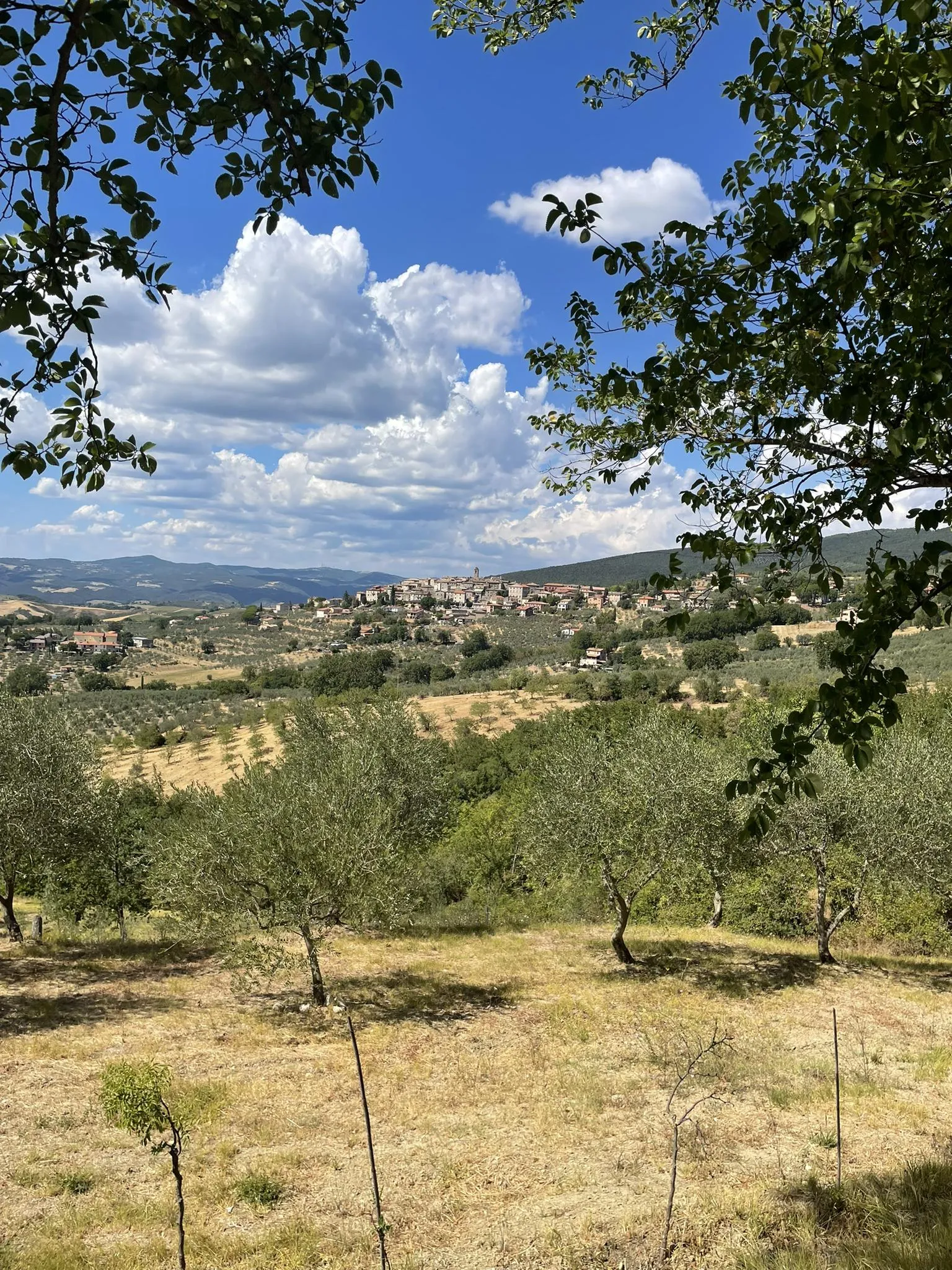
Hiking in Italy’s Umbria region – Cammino dei Borghi Silenti
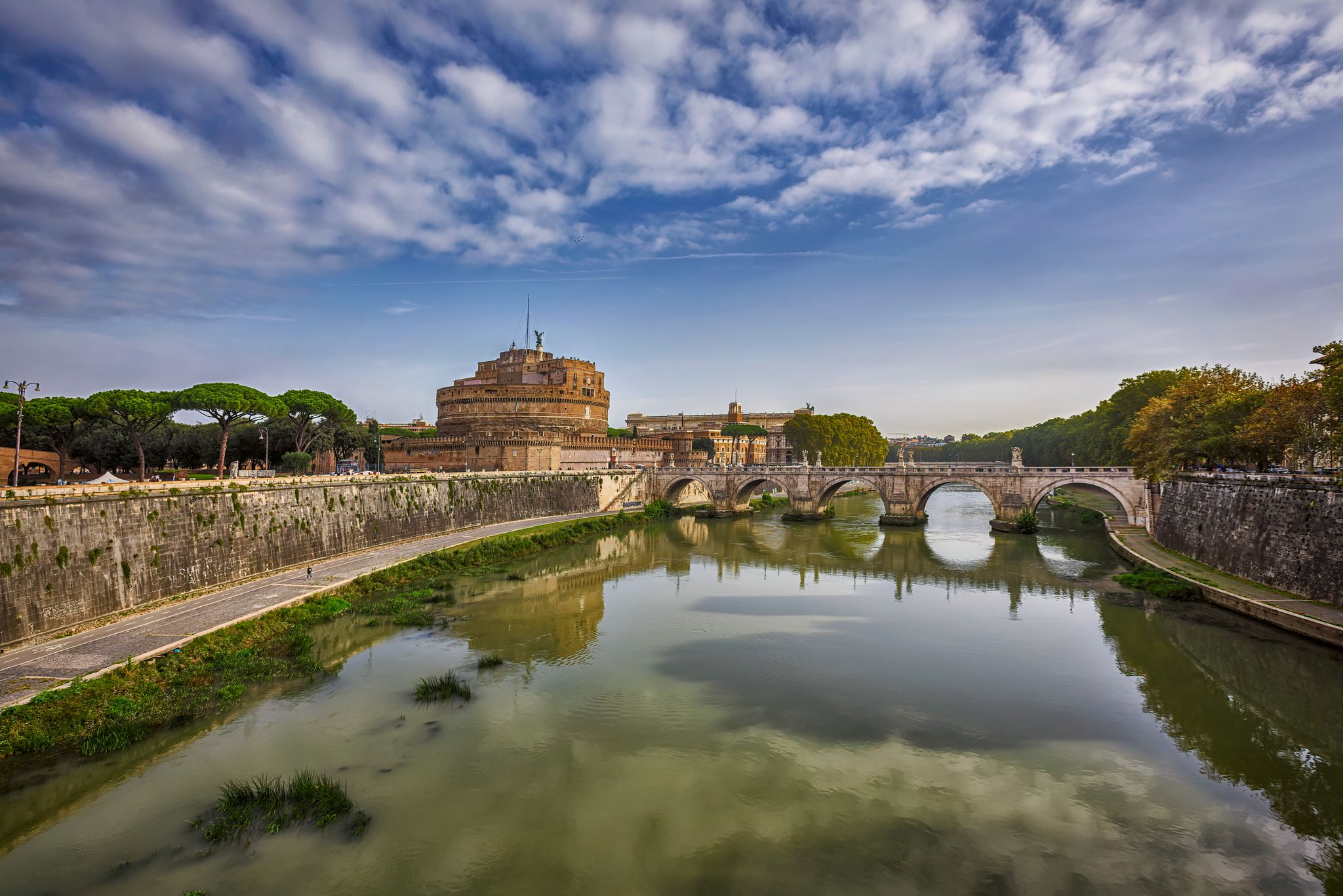
All roads lead to Rome – Romea Tiberina Cycleway
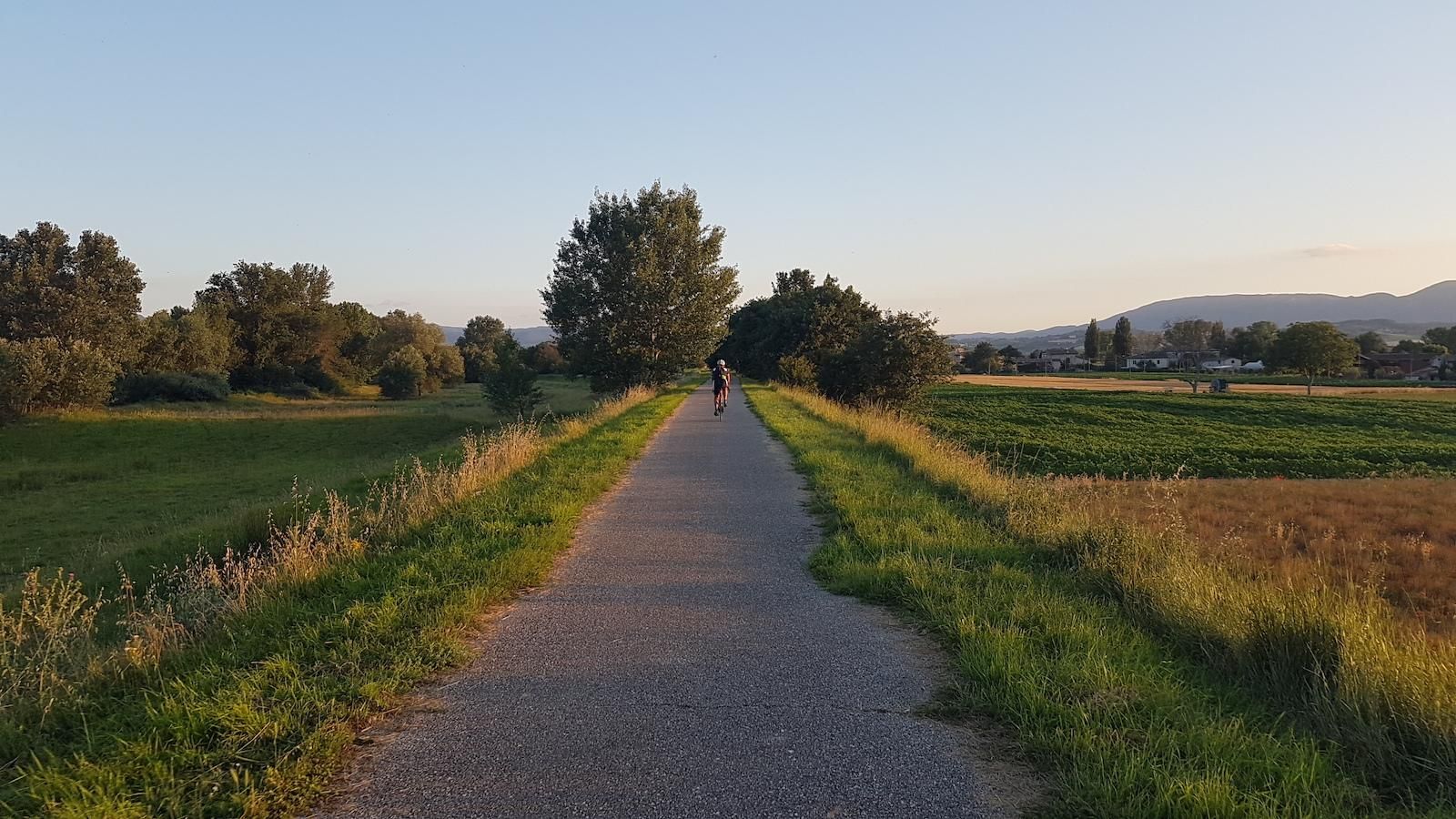
Ride St Francis Way in Italy – Via del Sud pilgrimage
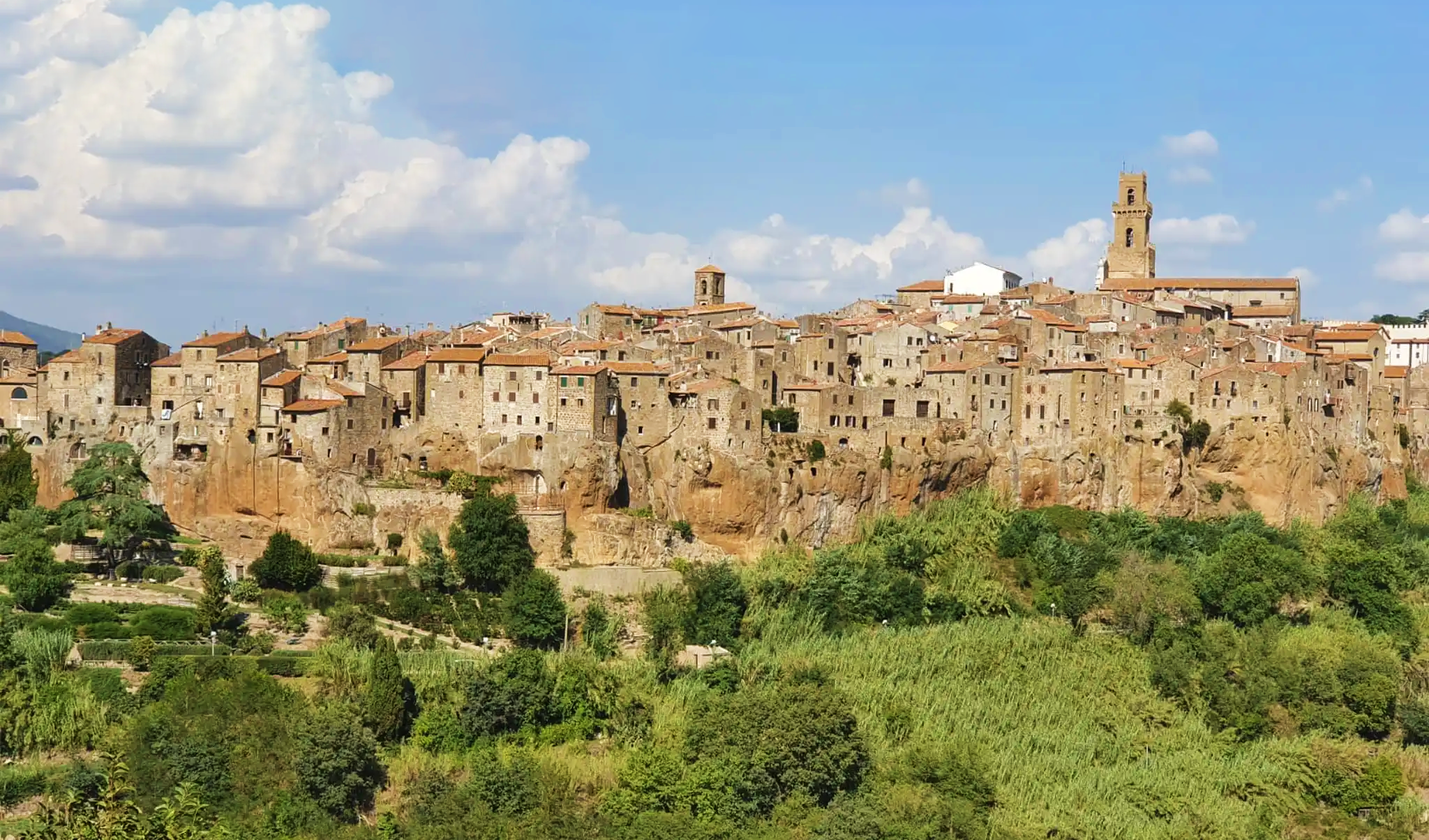
Italy coast to coast by bike – Orbetello to Senigallia
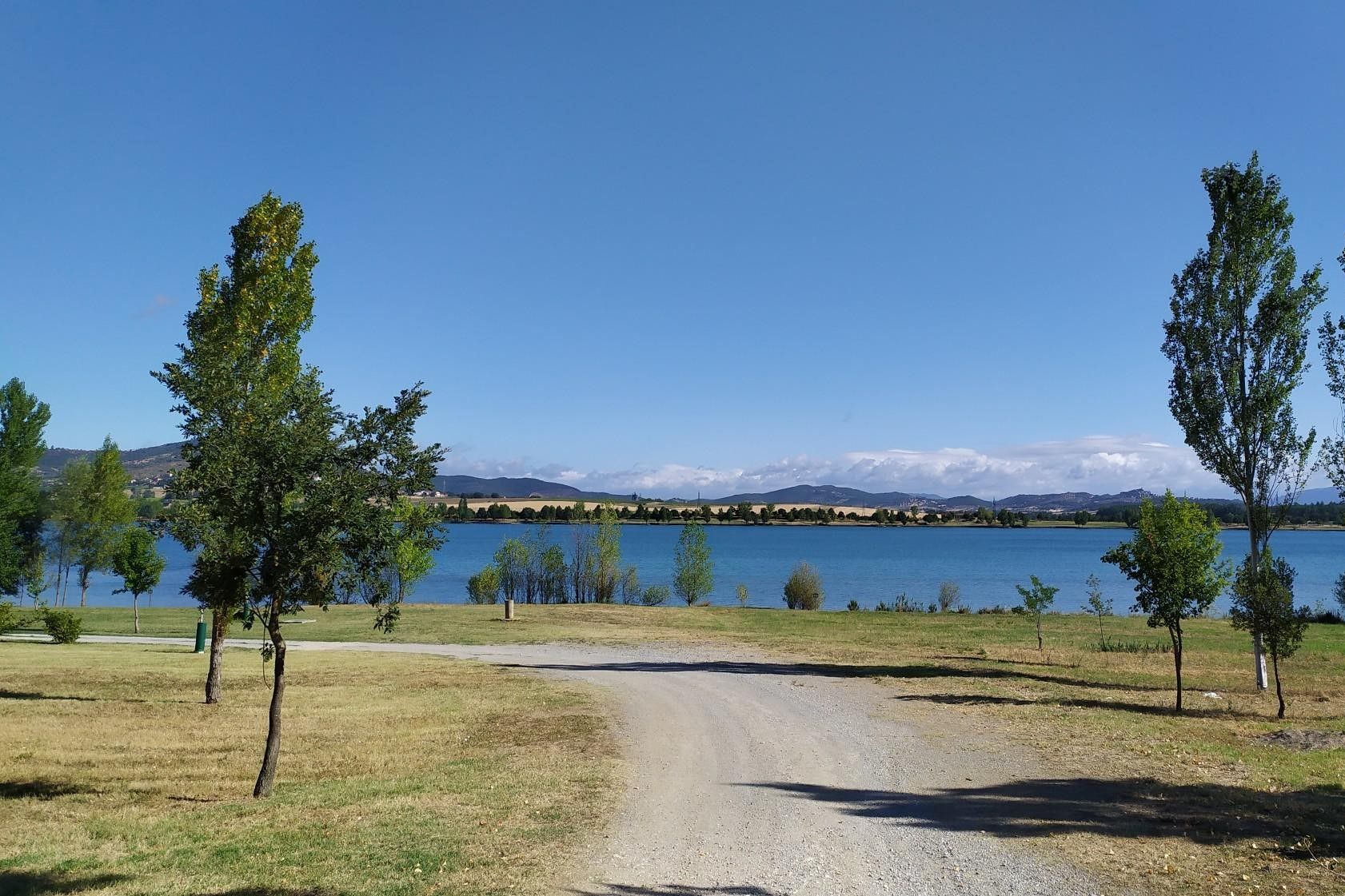
Between villages and white roads – gravel of the Umbrian lakes
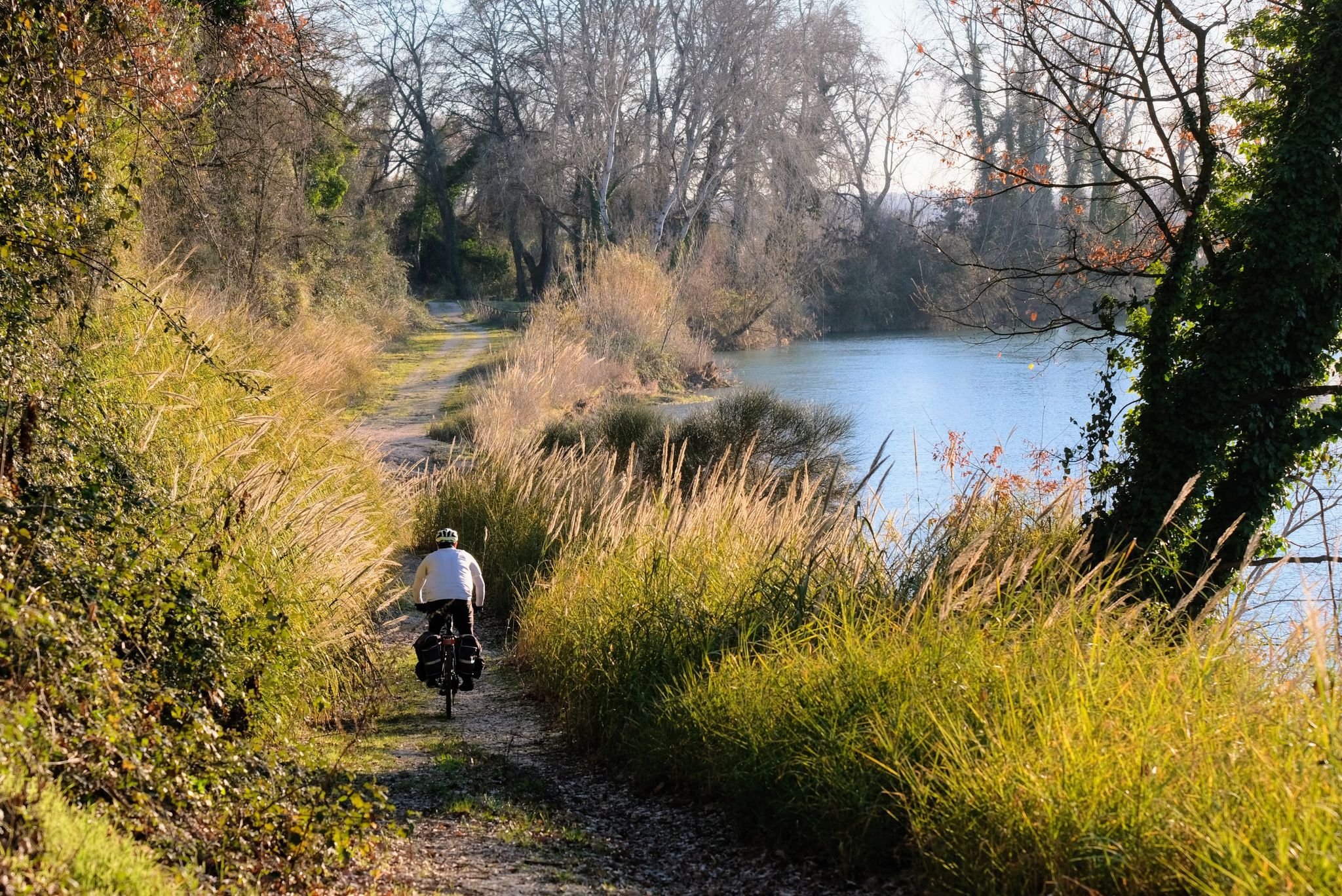
Assisi to Rome – Via dell'Acqua

Other adventures in Terni

Italian Coast2Coast – From Portonovo to Orbetello

Hiking Collection by

Bryan | Exploro Ergo Sum

Tips from the Community

Davide Roia 🚵‍♀️🚶‍➡️
April 25, 2026, Rocca Albornoziana di Narni

Splendid medieval rock

Translated by Google

0

0

Prodo Castle dominates the small village of the same name, a hamlet of Orvieto (TR). Built in 1222 by the Prodenzani family as a trapezoidal defensive stronghold with tuff walls, square and round towers, arrow slits, and a fortified gate, it was strengthened between the 13th and 15th centuries to control the Umbrian valleys. Garibaldi's refuge in 1849, it is now privately owned. Although the interior cannot be visited, the exterior offers panoramic views of the Fosso Campione, making it ideal for excursions near the Forello Gorges.

Translated by Google

0

0

A beautiful park located right next to St. Patrick's Well, offering a stunning view. Just before the entrance, on the right, there's also a beautiful War Memorial.

Translated by Google

0

0

Narni underground, with its legends, inspired Lewis Carroll for the creation of the Chronicles of Narnia

Translated by Google

1

0

Book Crossing along the Silent Villages trail

Translated by Google

0

0

Don't miss a visit

Translated by Google

0

0

Castle "inhabited" by many stray cats and converted into a farmhouse. Excellent view of Lake Corbara. There is a bar and a restaurant.

Translated by Google

0

0

Fundamental attraction of historical and cultural value, located at the entrance to the city. It can be visited completely free of charge. Inside there is a public municipal garden. The latter requires some maintenance work. Four stars for the views that the fortress walls offer. Here I found the CAI headquarters of Orvieto

Translated by Google

2

0

Frequently Asked Questions

What is the historical significance of castles in the Terni region?

The castles and fortified structures in the Terni region are deeply rooted in medieval history, reflecting centuries of strategic military architecture and power struggles. Many were built to control territory and defend against invasions, offering a glimpse into past eras. For example, the Albornoz Fortress of Narni was crucial in re-establishing Papal power in the 14th century, signifying Narni's integration into the Pontifical State.

Which castles offer insights into medieval life and architecture?

Many castles in the Terni region provide excellent examples of medieval life and architecture. The Arrone Historic Village, for instance, originated from a 9th-century wooden castle and retains its medieval appearance with a masonry castle at its peak. Similarly, the Historic Village of Montecchio, built around the 12th century, is one of the best-preserved medieval villages in the area, featuring mighty walls and defense towers.

Are there family-friendly castles to visit in Terni?

Yes, several castles and fortified villages in the Terni area are suitable for families. The Arrone Historic Village is listed as family-friendly, offering a charming medieval setting. The Albornoz Fortress (Fortezza dell'Albornoz) in Orvieto also welcomes families and includes a public municipal garden within its walls, providing extensive views.

Which castles offer the best panoramic views?

Many castles in the Terni region are strategically perched on hills, offering breathtaking panoramic views. The Albornoz Fortress (Fortezza dell'Albornoz) in Orvieto provides huge views from its walls to the eastern outskirts of Orvieto and the Paglia Valley. The Titignano Castle also offers a nice view, overlooking the Umbrian landscape.

What outdoor activities can I do near the castles in Terni?

The region around Terni's castles is excellent for outdoor activities. You can find numerous routes for gravel biking, mountain biking, and hiking. For example, near castles like Acqualoreto Historic Village, you can explore routes like the 'Acqualoreto Historic Village – Civitella del Lago loop'. For more options, check out the Gravel biking in Terni, MTB Trails in Terni, and Hiking in Terni guides.

Are there hiking trails around the castles in Terni?

Yes, the area offers several hiking opportunities. For instance, the Rocca di Piediluco is located on Mount Luco and is part of a trail, making it a great spot for a hike with historical exploration. You can find more hiking routes, such as the 'From Titignano along the Tevere towards La Roccaccia – loop tour', in the Hiking in Terni guide.

What is the best time of year to visit the castles in Terni?

The Terni region, being in Umbria, Italy, generally enjoys pleasant weather from spring to early autumn (April to October). During these months, the weather is ideal for exploring outdoor sites like castles and enjoying the panoramic views. Visiting outside of peak summer can also mean fewer crowds.

Can I find castles near natural attractions like valleys or lakes?

Absolutely. Many castles in the Terni region are nestled amidst beautiful natural landscapes. The Rocca di Piediluco overlooks the picturesque Lake Piediluco. Other castles, like the Albornoz Fortress of Narni, offer commanding views of the Nera Valley, showcasing the strategic importance of their locations.

Are there options for dining or local products near the castles?

Yes, some castles have integrated dining experiences or are near places offering local products. Titignano Castle, for example, has been restored into a farmhouse with an excellent restaurant where you can taste products from the Titignano and Salviano estates. The Arrone Historic Village is known for its local specialty: river prawn broth and trout fillet.

What do visitors particularly enjoy about the castles in Terni?

Visitors to Terni's castles often appreciate the extensive views, the historical and cultural value, and the well-preserved medieval charm. The Albornoz Fortress (Fortezza dell'Albornoz) is praised for the views its walls offer. The Arrone Historic Village is recognized as one of the 'Most beautiful villages in Italy', highlighting its aesthetic appeal and historical integrity.

Are there any lesser-known or 'hidden gem' castles worth exploring?

While many castles are well-known, exploring smaller fortified villages can reveal hidden gems. The Melezzole Village, though less prominent, offers a charming settlement with historical significance and viewpoints. Similarly, the Prodo Castle and Village Square provides a glimpse into local history and offers scenic views, away from the more frequented sites.

How can I learn more about the history of the Terni region's fortifications?

To delve deeper into the history of the region's fortifications, you can visit sites like the Albornoz Fortress (Fortezza dell'Albornoz) in Orvieto, which was central to controlling the city. Additionally, the Palazzo Mazzancolli in Terni, a late-medieval building, houses the State Archives, serving as a repository for the region's historical memory. For broader information, you can also consult resources like Visit Italy's section on Umbrian castles.

Most popular routes in Terni

Hiking in Terni

Most popular attractions in Terni

Places to see

Store rating

Get inspired with the komoot mobile app

With a free komoot account, you can easily find, customize, and navigate endless outdoor adventures.

or

Join komoot Now

Store rating

Didn’t find what you were looking for?

Explore Terni’s best castles region by region:

BaschiAlvianoNarniOrvietoSan VenanzoMontecastrilliFerentilloMontecchioAvigliano UmbroAlleronaFiculleCastel GiorgioMonteleone D'OrvietoAcquaspartaStronconeLugnano In TeverinaArroneFabroSan GeminiGuardeaAmeliaPoranoGioveMontegabbioneAttiglianoMontefrancoPenna In Teverina

Explore more

Looking for the best castles somewhere else? Discover other guides in Terni:

Nearby adventure guides

Things to Do around Avigliano Umbro

background

Get ready to conquer new peaks

Sign up for Free

Explore
RoutesRoute plannerFeaturesHikesMTB TrailsRoad cycling routesBikepackingSitemap
Download the app
Follow Us on Socials

© komoot GmbH

Privacy Policy
